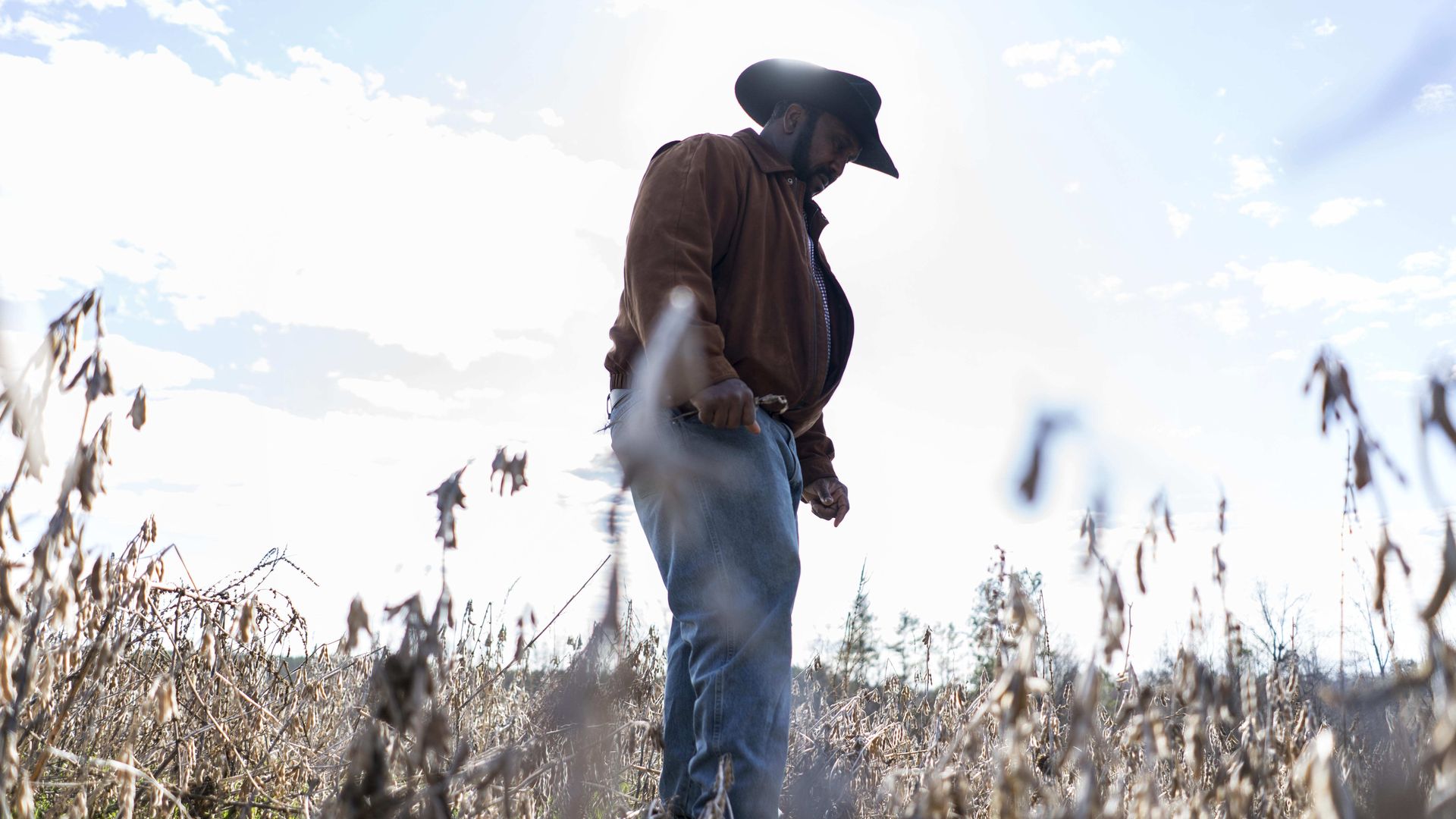
Farmers and business owners' reluctance to invest in farming equipment has resulted in a $900 million annualized spending drop, Bloomberg reports.
The big picture: This is the steepest decline in farm equipment purchases in 3 years. In February, federal data showed that U.S. farmers in the Midwest were filing for bankruptcy protection at levels the country had not seen for approximately a decade. Last year, farm profits sunk to $69.4 billion — that's half of 2013's $136.1 billion in profits, per Bloomberg. President Trump's trade wars have contributed to the ongoing nosedive in prices and decrease in profits for farmers.
The Trump administration may agree to China's demand that biologics receive only 8 years of market exclusivity as part of a trade deal, a blow to the drug industry, Bloomberg scooped.
What's new: Top U.S. negotiators have told drug companies that China isn't budging from its position, and are pushing the industry to accept the deal.
There are two contradictory and ultimately irreconcilable stories playing out in the global economy right now.
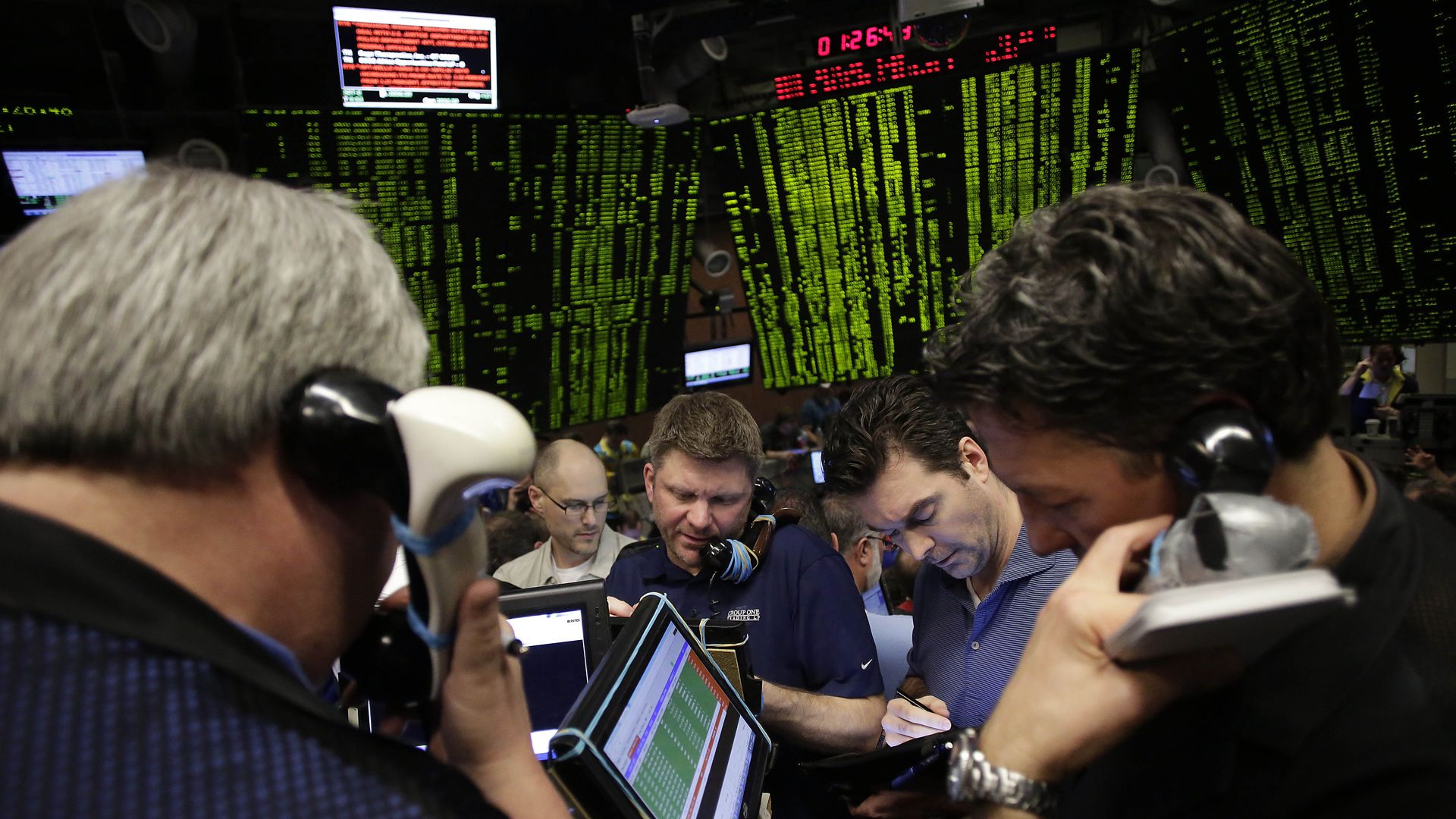
Stocks are rising and investors have publicly become very bullish, but bond and currency markets are showing worry about the prospects for economic slowdown or even a recession.
What's happening: Both the market exuberance and trepidation can be traced back to the Federal Reserve's flip-flop on whether to raise interest rates.
When hedge fund CEOs, presidential candidates and college professors shout that something is wrong with capitalism as practiced, they are — unwittingly in most cases — attacking a long-deceased, 800-pound gorilla in the economy.
The backdrop: Thirteen years after his death, Nobel laureate Milton Friedman — a 5-foot-tall University of Chicago economist — continues to exert a dominant hold on public opinion with his stark call for a stripped-down, profit-making-only role for business. But the Friedman Doctrine, as some call it, is under threat as Americans attempt to make sense of the anger in the roiled U.S. heartland, beset by hollowed-out cities, bankrupt pension plans, and decades of flat wages.
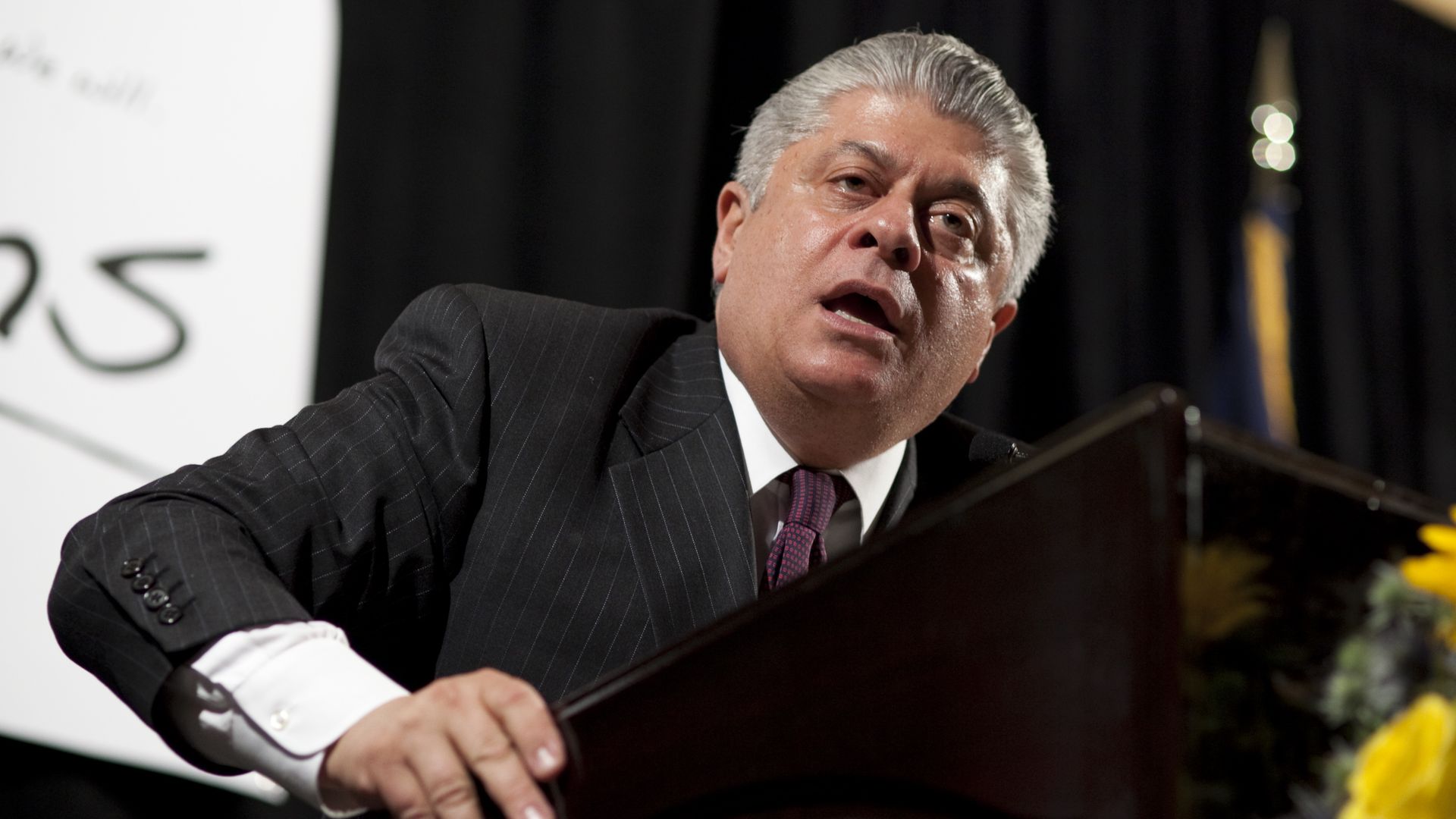
Andrew Napolitano, a former judge and Fox News' senior judicial analyst, said that Attorney General Bill Barr was "wrong" to absolve President Trump of obstruction of justice based on the evidence in the Mueller report in a Fox News op-ed on Thursday.
The big picture: Napolitano called Trump's actions "unlawful, defenseless and condemnable" and said it was up to House Democrats to decide whether or not to impeach Trump on obstruction charges.
Many media organizations that eagerly trumpeted coverage of the hacked Democratic campaign files in 2016 have made little or no effort to strategize for 2020 about how to handle document leaks by malicious nations trying to meddle in the election, according to a CNN report.
Why it matters: As politicians and parties steel their defenses for 2020, it's important for the media to do the same.
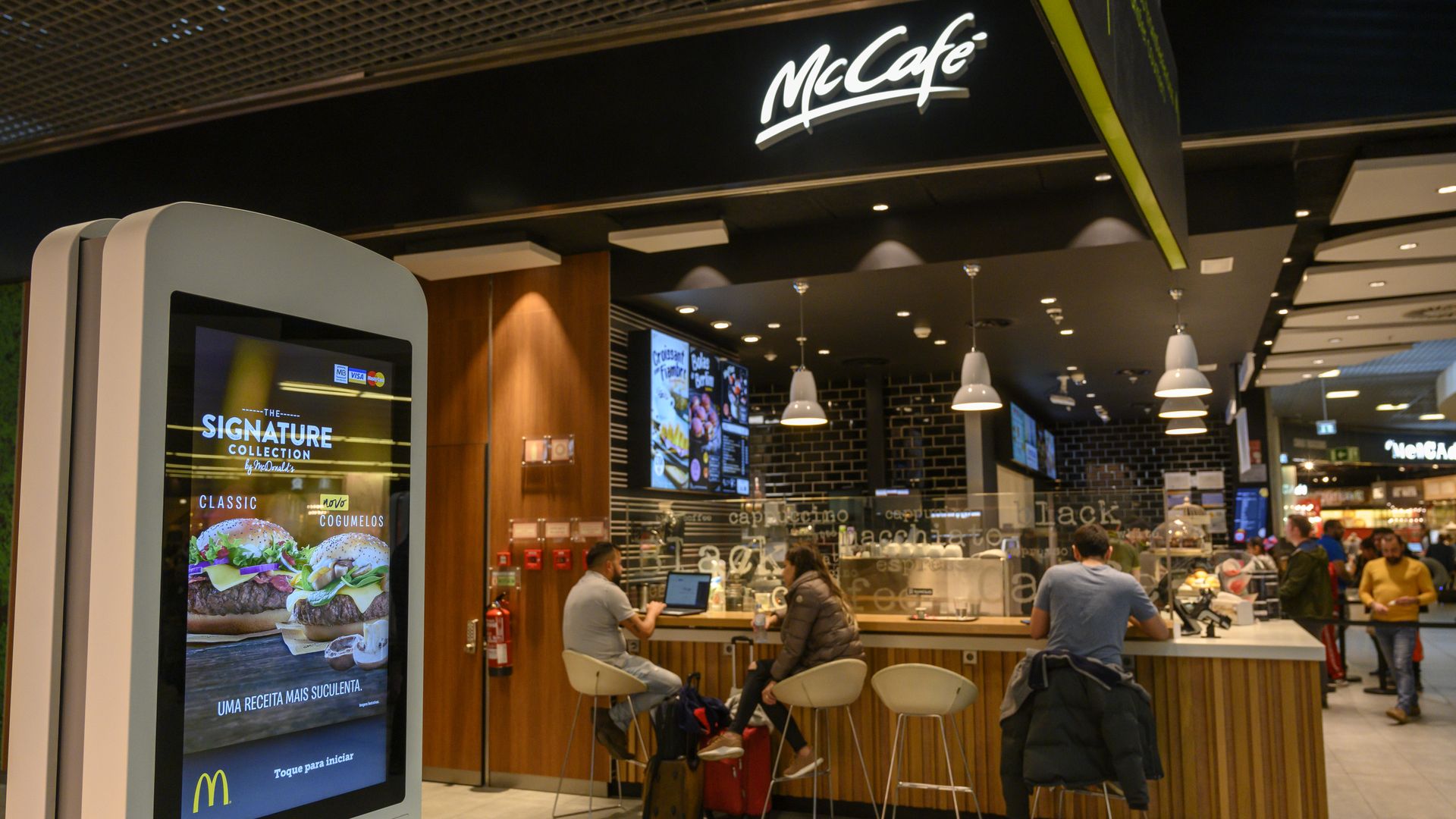
Market watchers will get their first look at the new high-tech McDonald's, fresh off its recent acquisitions of Dynamic Yield and Plexure, as it rolls out its earnings on Monday.
What's new: For its next major push, the company announced Wednesday it plans to hire the elderly to fill summer jobs. USA Today's Charisse Jones writes: "If you're looking for a gig in your golden years, you might want to check under the Golden Arches."
The boards of companies listed on the S&P 500 and Russell 3000 are staying about the same, despite repeated calls from shareholders for shake-ups, according to a new report from The Conference Board.
The big picture: Last year, 50% of companies in the Russell and 43% of companies in the S&P saw zero change to their corporate boards, a review of SEC filings showed. And in cases where boards did add a replacement or addition, it rarely affected more than one board seat. Just 25% of boards elected a first-time director who had never served on a public company board before, the report found.



/2019/04/25/1556226677597.gif?w=3840)