Groups like Snapchat, Twitter, Amazon, Foursquare, LinkedIn and Pinterest were called out in a new Association of National Advertisers (ANA) report for not agreeing to third party measurement audits by the Media Rating Council. The Media Rating Council essentially acts as the media and advertising watchdog, and their audits of advertising metrics are considered the industry standard.
ANA claims the companies are "walled gardens" that restrict convenient access to vendors they don't approve that could independently verify the validity of their metrics. As a result, some of these companies could get away with reporting false advertising metrics, as Facebook and Twitter did in 2016. (Both companies later owned up to the false reporting.) Google and Facebook both and agreed to MRC audits earlier this year.
Why it matters: Ad buyer confidence falters without transparent metrics. For example, ad agencies and vendors said they and their clients were wary of buying Snap ads earlier this year, because they don't trust the metrics the company reports back to them. As a result, Snap has added more third-party measurement vendors to its roster, but ANA executives and industry professionals say an audit would ease concerns.
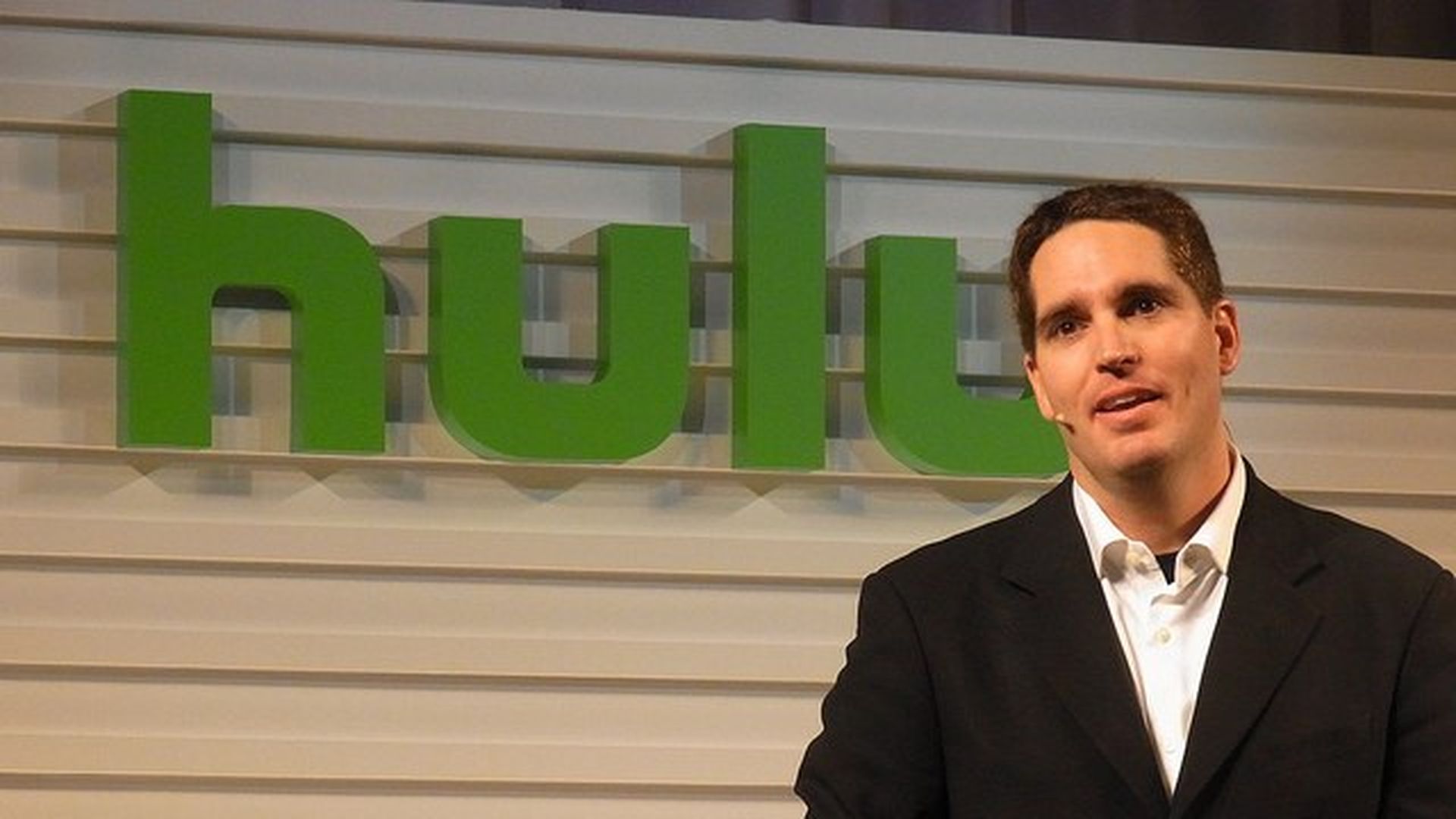
Former Hulu CEO Jason Kilar is a contender for the top job at Sony Pictures Entertainment, according to Hollywood Reporter.
Former Sony CEO Michael Lynton stepped down in January to focus full-time on his new job as chairman of Snap. Sony Corp. CEO Kaz Hirai is expected to meet with potential successors this week.
Kilar ran Hulu (a joint venture of ABC, NBC Universal and NewsCorp) for five years and grew the business to more than 5 million subscribers. He later founded a streaming video startup, Vessel, which Verizon purchased last fall.
Why it matters: Kilar is seen as a disruptor to traditional media and has first-hand knowledge of scaling digital video businesses. Sony management has been trying to reinvigorate its studio unit. The company earnings took a hit last year after major write-downs due, in part, to a weakening home entertainment market. It's TV production and global networks operations have performed well, but its film segment has faced challenges. And the company had to deal with a devastating email hack three years ago.
The UK government has removed its ads from YouTube out of concerns they were appearing alongside "inappropriate" material. The Guardian, Channel 4, and the BBC have followed suit. According to the BBC, the government made the move after ads had been attached to extremist content, potentially putting money in the pockets of extremists. The suspension is temporary, and Google (which owns YouTube) has said it will review its controls.
Context: Google has faced increased pressure to take ownership of the types of content that appears next to its ads, and it has been actively going after bad ads and hate sites for a while. Recall, in 2016 Google punished 340 sites and banned 200 permanently. Google told Axios in January that it has a team of over 1000 people regulating bad ads. But its scale makes it difficult to effectively regulate everything across its platform.
This is a trend: Executives from Facebook, Twitter, and Google appeared before the UK Commons Home Affairs Committee and were told they had a "terrible reputation" for monitoring their content given their revenues.
Honest Company, the maker of green cleaning and baby care products co-founded by actress Jessica Alba, has named former Clorox COO Nick Vlahos as its new CEO. Vlahos is replacing co-founder Brian Lee, who will remain on the company's board and as an advisor.
Lee, who previously founded ShoeDazzle and LegalZoom, is the third departure from the management team. In December, president and co-founder Sean Kane and CFO David Parker stepped down.
Why it matters: Though Honest Company, which sells its products online and through retailers like Target, reached $300 million in sales last year, it also faced several lawsuits over chemicals in some of its products and closed its Austin office. There were also rumors that the company was in talks last year to sell to Unilever, which instead acquired Seventh Generation, another maker of eco-friendly cleaning products.
The percent share of employed Americans over 65 is now more than double that of just 15 years ago, Jill Mislinski of Advisor Perspectives points out in a recent blog post.
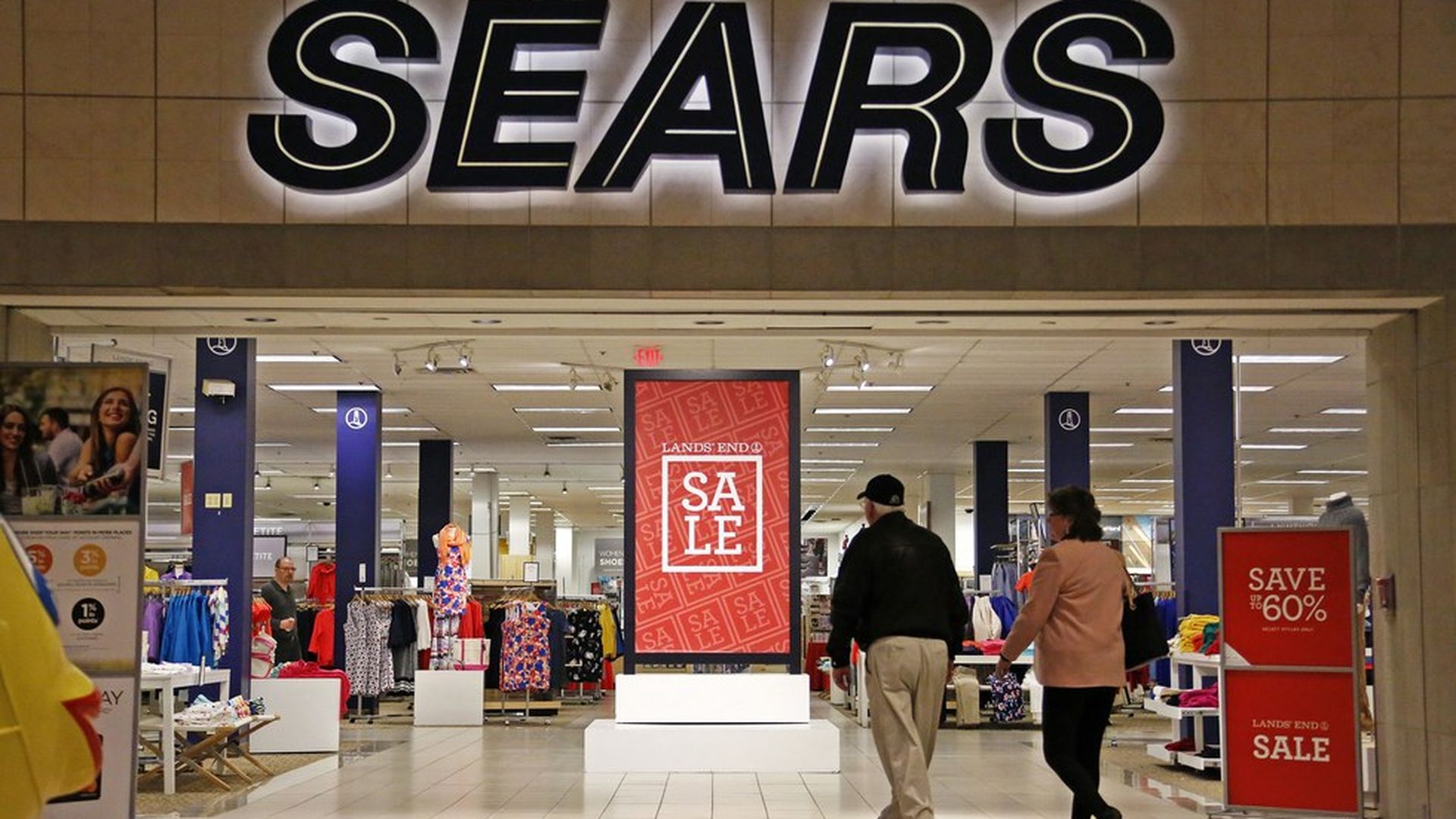
TJX, Ross, and Burlington are planning to open about 300 U.S. stores combined in 2017, according to CNBC.
Why this matters: That's about the same number that Macy's, Sears, and J.C. Penney are closing this year. This is further evidence that if retailers aren't offering extreme discounts or extreme convenience, they'll keep losing business to those who do. Plus, guess which retail chains have seen climbing stock prices over the past year? (Hint: the off-price stores).
The S&P 500 has now risen by 36.7% while Janet Yellen has been chair of the Federal Reserve, besting the 36.1% performance under predecessor Ben Bernanke. But both are well short of either Paul Volcker or Alan Greenspan. None of these folks has responsibility for public equities performance, but they do lead American monetary policy that impacts the global economy.
Data: S&P Global Intelligence, Yahoo Finance; Chart: Andrew Witherspoon / Axios
The Trump Rally has been on pause for two weeks, but its record since Election Day has nonetheless been close to historic. There's no doubt that investor euphoria is in part due to change in leadership in Washington and the promise in particular of less regulation.
Why it matters: Eliminating regulation is the most potent ways for government to boost economic growth, but the market may be overestimating what Trump can deliver without 60 votes in the Senate.