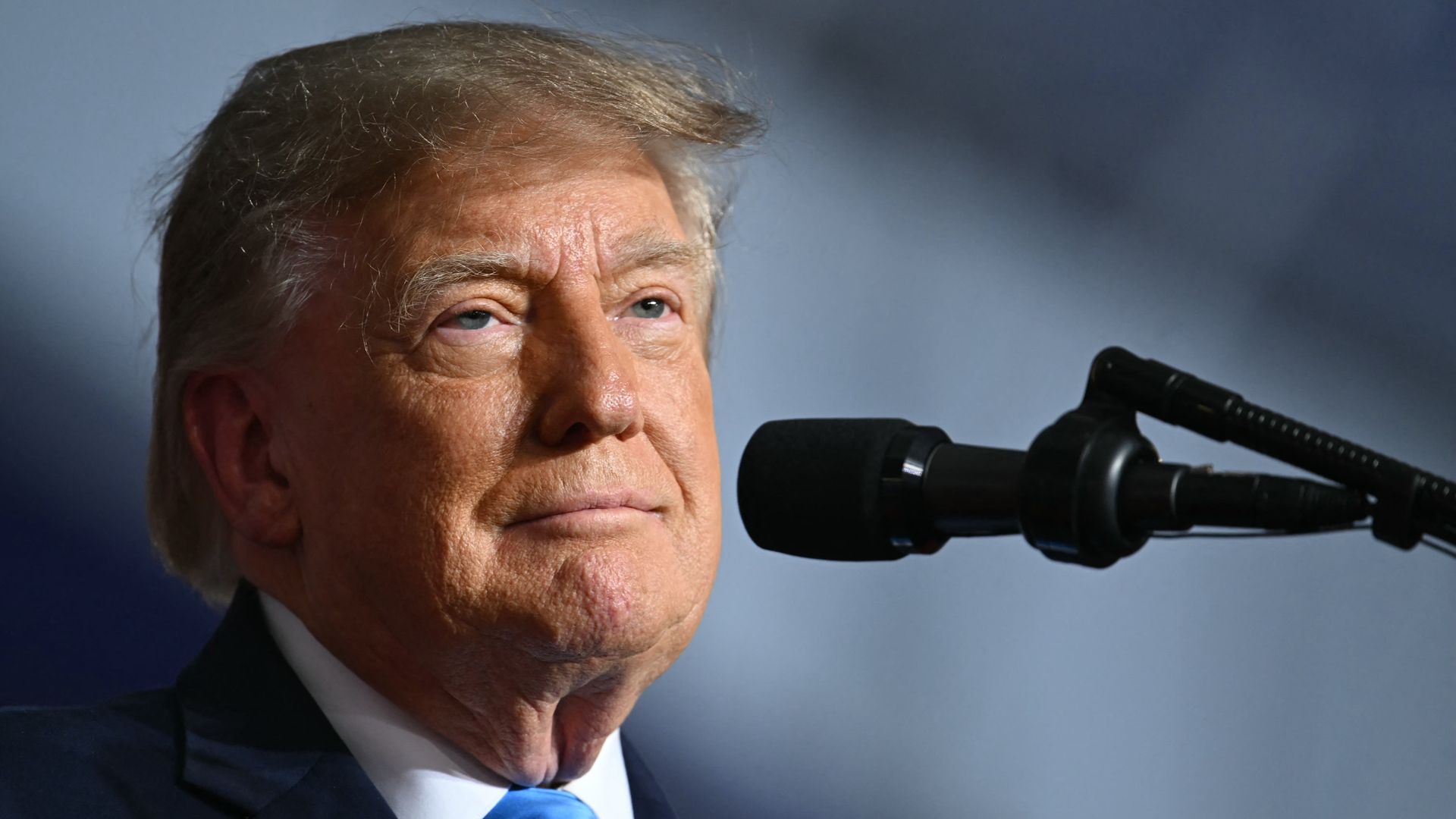
Republicans already saddled with Trump's unpopular policies in the midterms now face another awkward choice: whether to back his diesel deal with a dictator many of them despise.
Why it matters: The agreement President Trump struck with Russian President Vladimir Putin Friday is designed to ease the cost of living for U.S. consumers. But Republicans who pleaded for help with fuel prices now face a fresh dispute over Russia, with energy analysts questioning whether the deal will deliver the relief Trump is promising.
The big picture: With three weeks until Election Day, Republicans are trying to answer voter anger while keeping up with a president whose proposed fixes keep becoming political liabilities of their own.
Trump's decision to lock arms with Putin adds another complication.
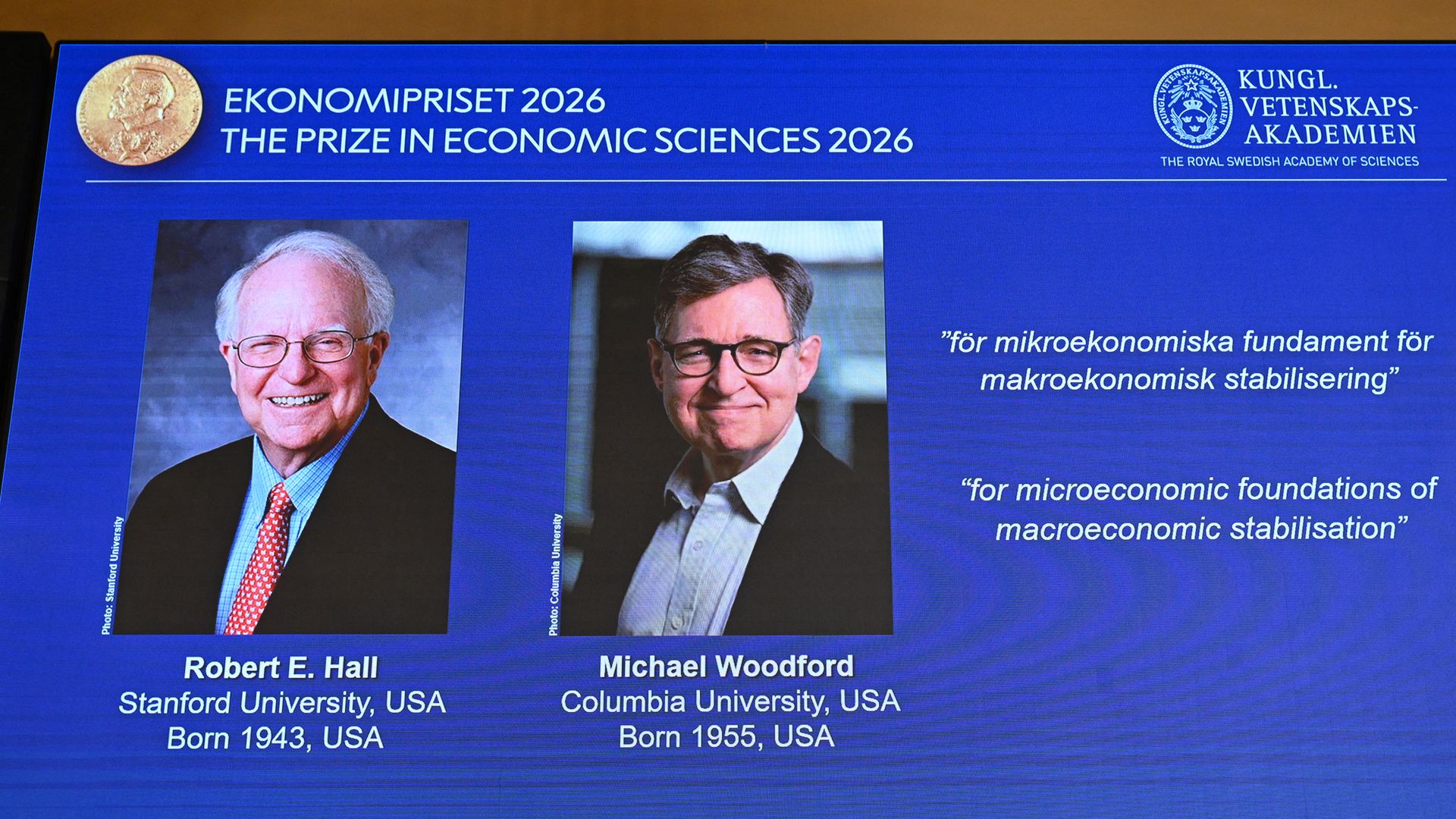
Stanford University's Robert E. Hall and Columbia University's Michael Woodford won the Nobel Prize in economics for research on how policymakers can stabilize economies, the Royal Swedish Academy of Sciences said on Monday.
Why it matters: Their work helped shape how central banks set interest rates and communicate policy. The win comes as those institutions fight energy-driven inflation and risks to economic growth.
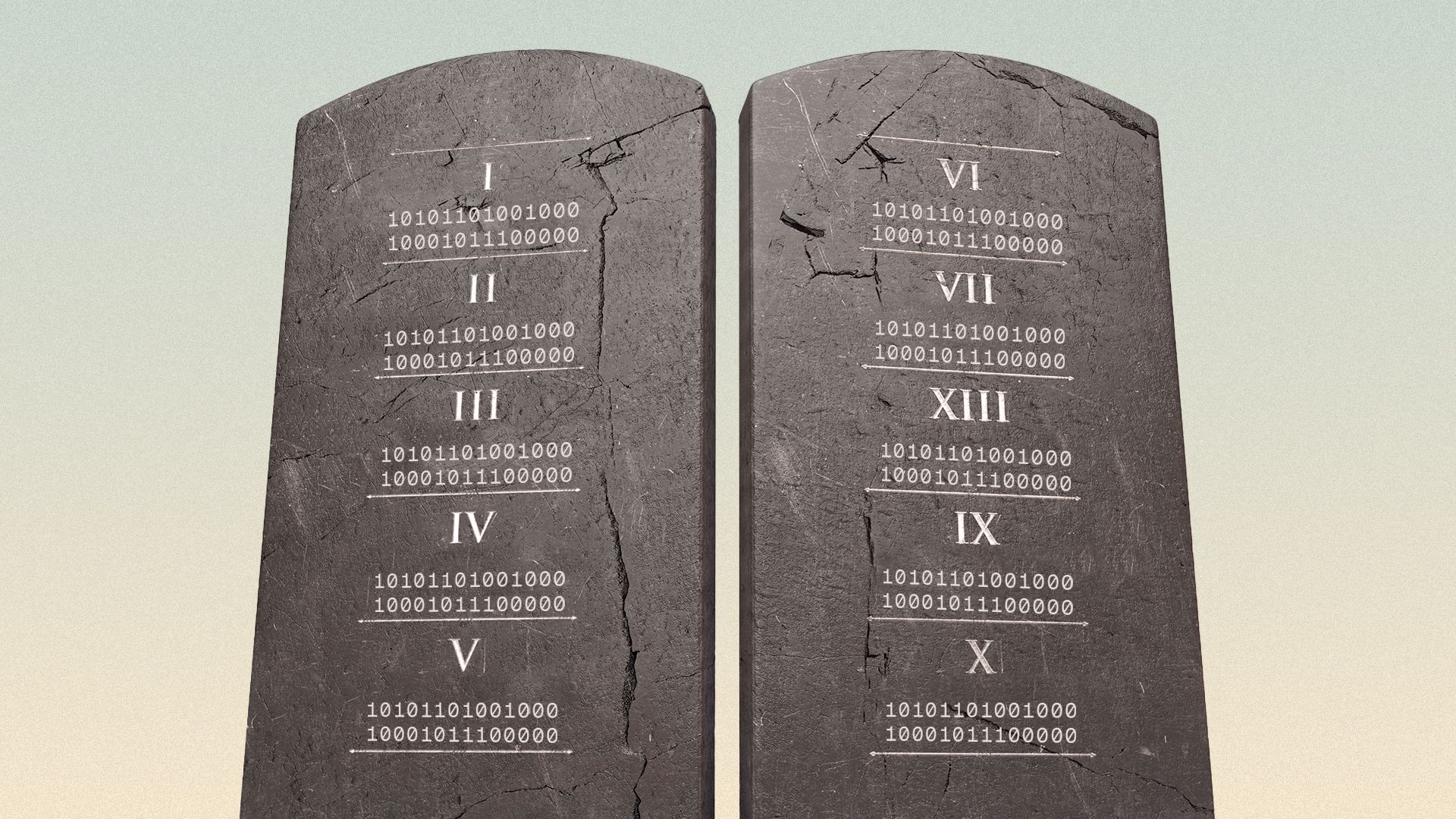
Kevin Roose's new book, "The AGI Chronicles," provides a Rosetta Stone to understanding the three most important architects of modern AI: Dario Amodei, Sam Altman and Demis Hassabis.
Why it matters: Knowing what motivates each man helps explain their business strategies, public posturing and conflicts.
A federal judge on Sunday ordered the Trump administration to immediately halt taxpayer-funded ads featuring President Trump.
Why it matters: The ruling temporarily blocks the ads weeks before November's midterm elections as multiple lawsuits challenging the Trump administration's use of taxpayer money play out in court.
AI models are getting more powerful — and the differences between them are getting smaller. What increasingly determines the value companies get from AI is whether the model understands how their organization actually works.
Here's the deal: Enterprises that have built institutional intelligence — a working record of how their organization actually operates — can make AI more productive at the organizational level. Without this intelligence, even the most advanced AI models can struggle to deliver meaningful business value.
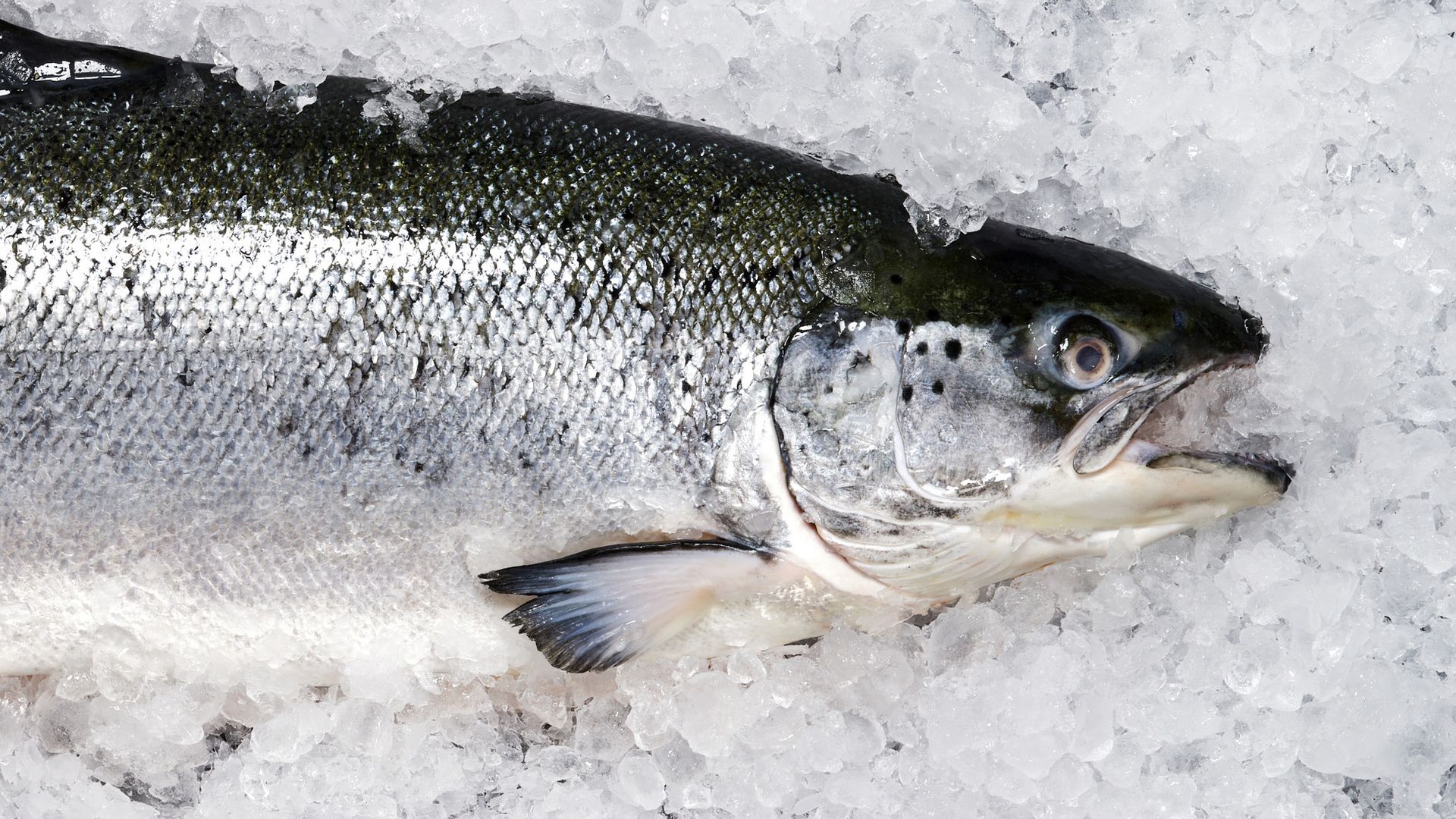
Ian Urbina — a former New York Times reporter who now runs a journalism nonprofit, The Outlaw Ocean Project — is unveiling a five-year, 70+-reporter investigation that found the seafood on your plate can be downstream from "forced labor, rancid waste, harmful chemicals."
"The inspiration was to delve deeper into the hidden portion of an especially opaque supply chain — seafood — and reveal all the hidden crimes or concerns that precede our food," Urbina, who's based in Washington, told me.
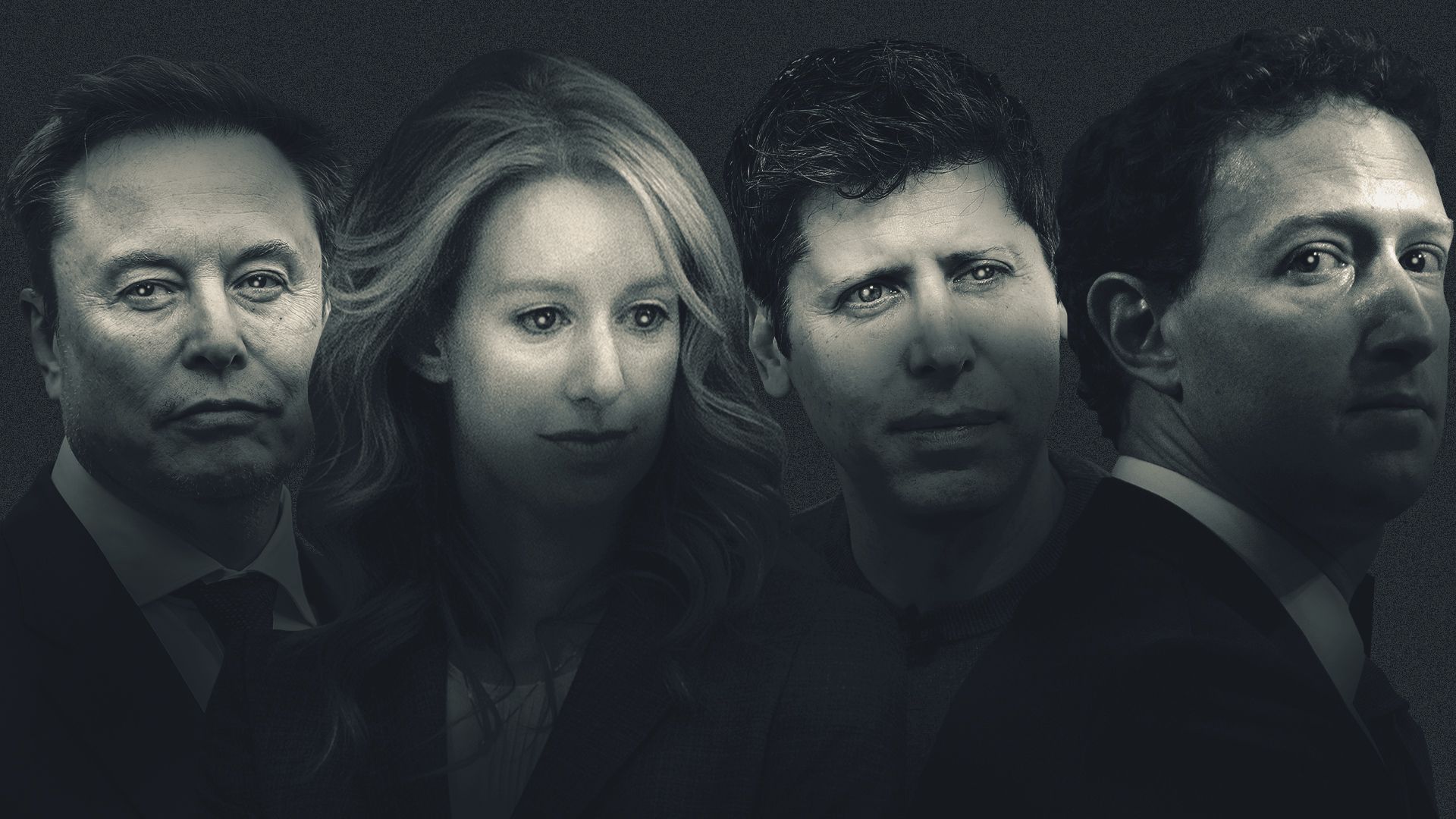
Hollywood's hottest villain right now is the tech billionaire.
Four films hitting theaters this fall put some of Silicon Valley's most powerful and controversial figures in the spotlight: Elon Musk, Mark Zuckerberg, Sam Altman and Elizabeth Holmes.
Why it matters: Hollywood's portrayal of Silicon Valley and its leaders is getting darker as negative headlines about the tech industry seep into pop culture.
America's youth sports boom is quietly rewriting Sunday mornings, turning the family calendar into a competition between the pews and the playing fields.
Why it matters: For generations, churches helped organize American family life around a shared weekly ritual. Youth sports are increasingly filling that role on Sundays — reshaping what families treat as sacred time.