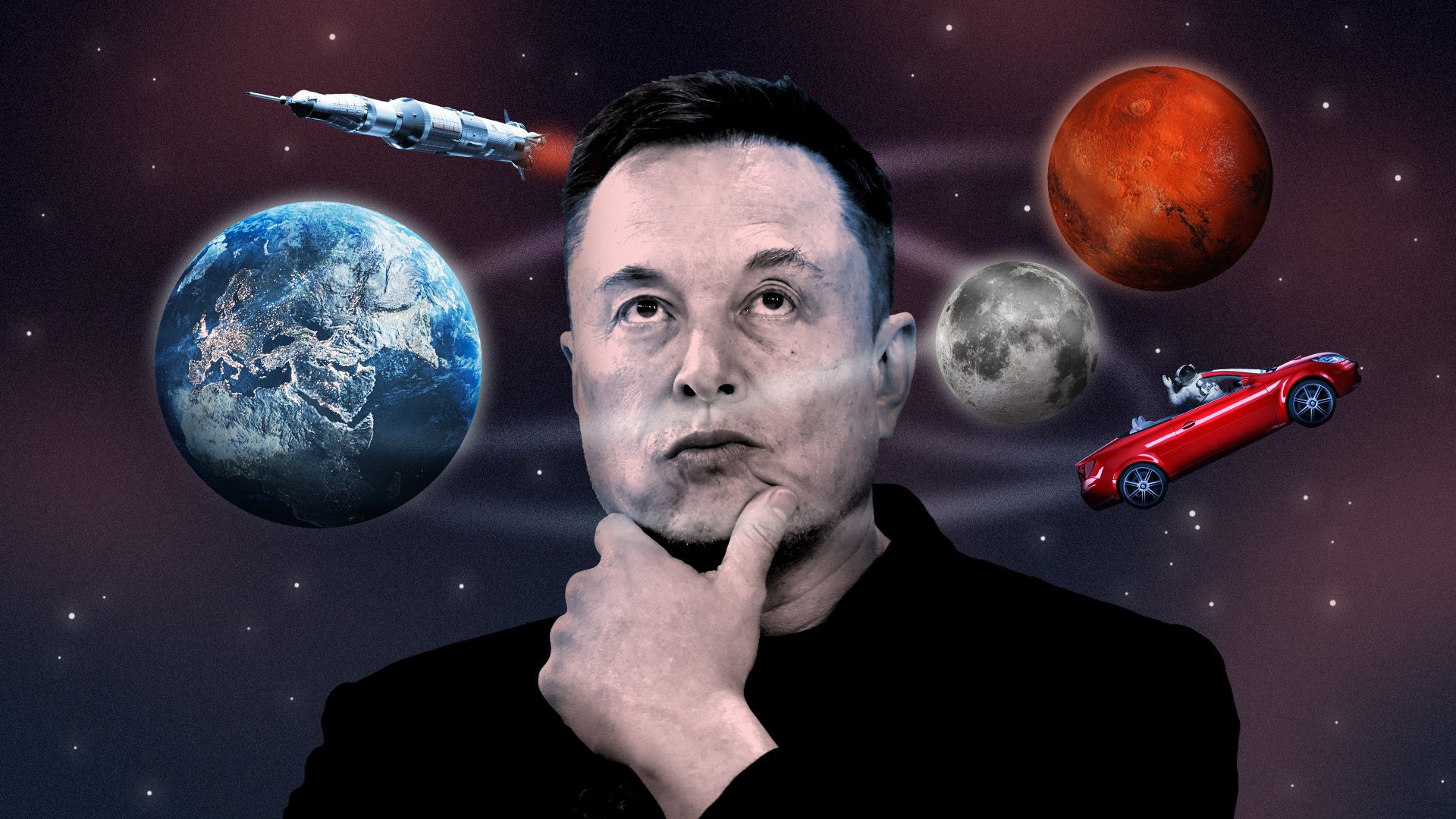
Why it matters: CEO Elon Musk indicated he's "never been more optimistic about the future," but acknowledged the investments could lead to uneven results.
NovaGold Resources (TSX: NG) on Wednesday announced plans to buy the 40% stake it doesn't already own in Donlin Gold Holdings, creating a company valued at $4.2 billion.
Why it matters: Mining M&A has hit the motherlode this year.
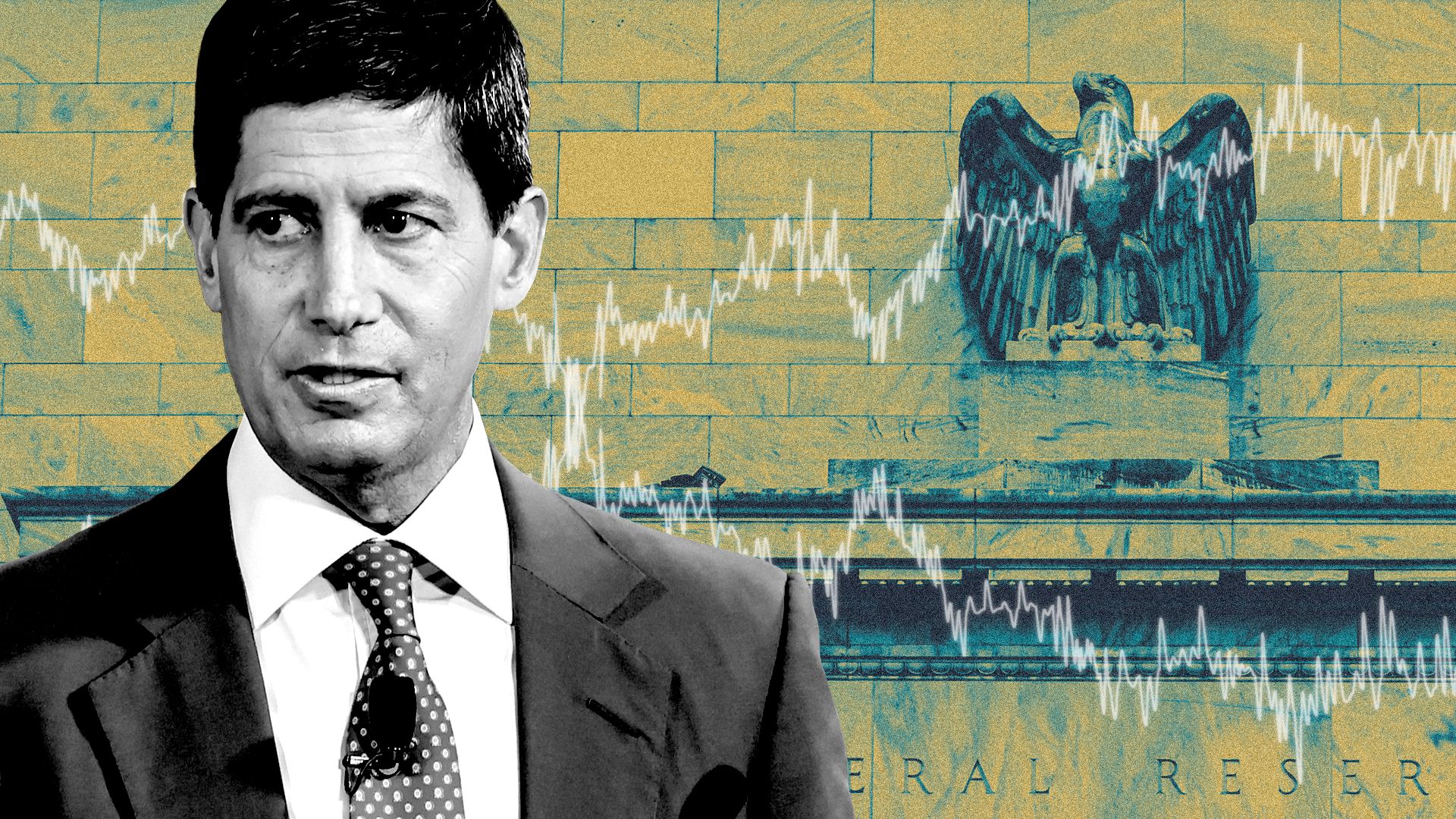
Federal Reserve chairman Kevin Warsh testified before Congress over two days last week, totaling more than five hours. Yet it was comments from several of his colleagues that gave the clearest picture of what the central bank is likely to do at next week's policy meeting.
Why it matters: It is a central paradox of Warsh's communications strategy. He is determined to get out of the business of giving markets and the public much guidance on future policy, which means the markets fill in the gaps based on comments from other officials.
Rep. Ritchie Torres (D-N.Y.) has asked the Securities and Exchange Commission to investigate whether plans by Truth Social's parent company to sell Wall Street firms real-time access to President Trump's posts could violate federal securities laws, according to a copy of the letter obtained by Axios.
Why it matters: The letter escalates scrutiny of Trump Media & Technology Group's plan to monetize faster access for institutional investors to President Trump's market-moving social posts.
Long before companies like Waymo, Tesla or Uber announce robotaxi deployments, they're competing behind the scenes to lock up the best sites for AV maintenance depots and charging hubs.
Why it matters: Deploying a fleet in a new city is the easy part. Building out the necessary infrastructure to support it can take three years or more, and requires plenty of capital.
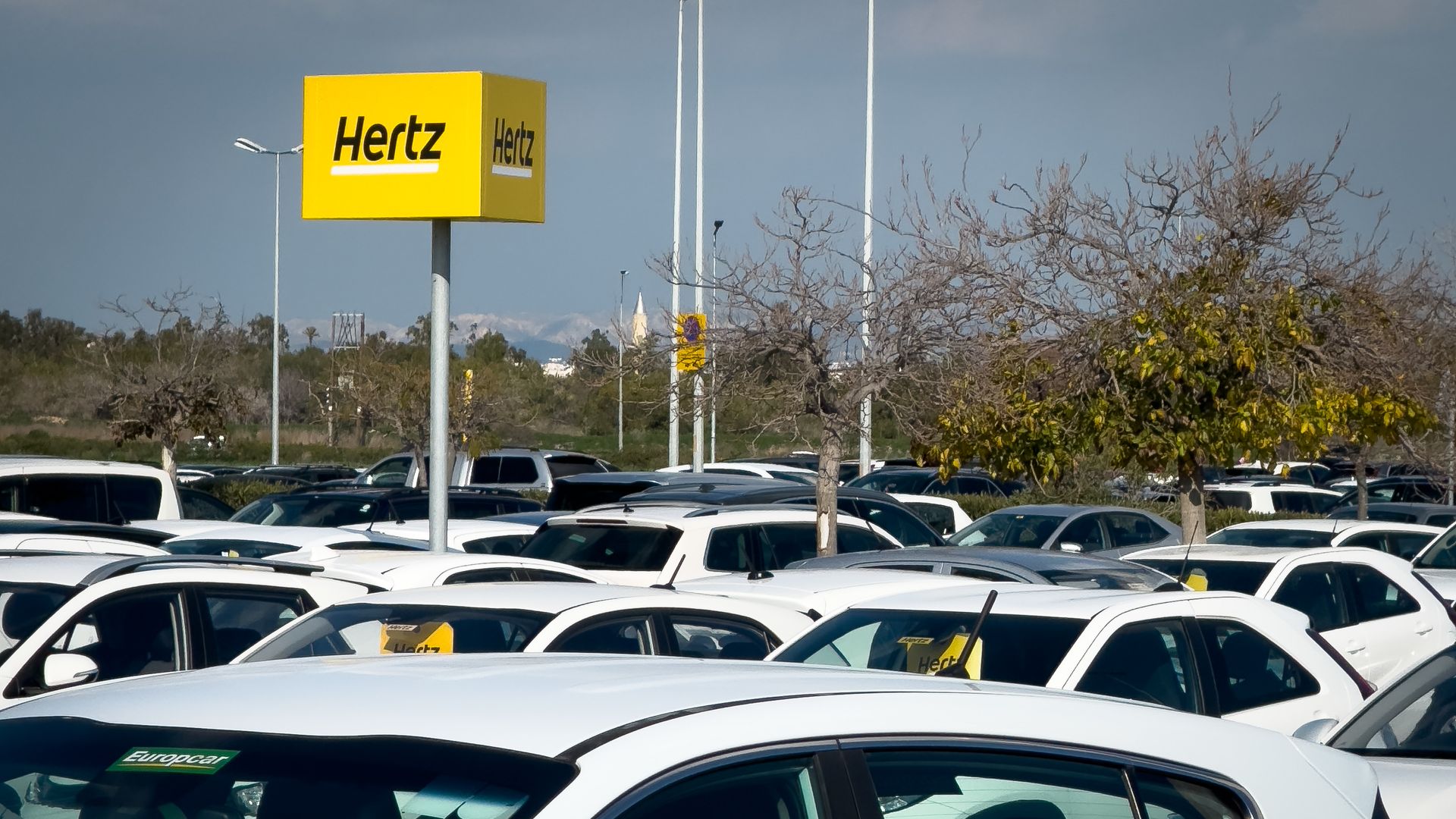
Hertz, one of America's best-known car rental companies, is trying to position itself as the backbone of the robotaxi business.
Why it matters: As robotaxis scale, fleet operators — companies that can efficiently own, charge, clean and maintain self-driving vehicles — could become the industry's kingmakers.
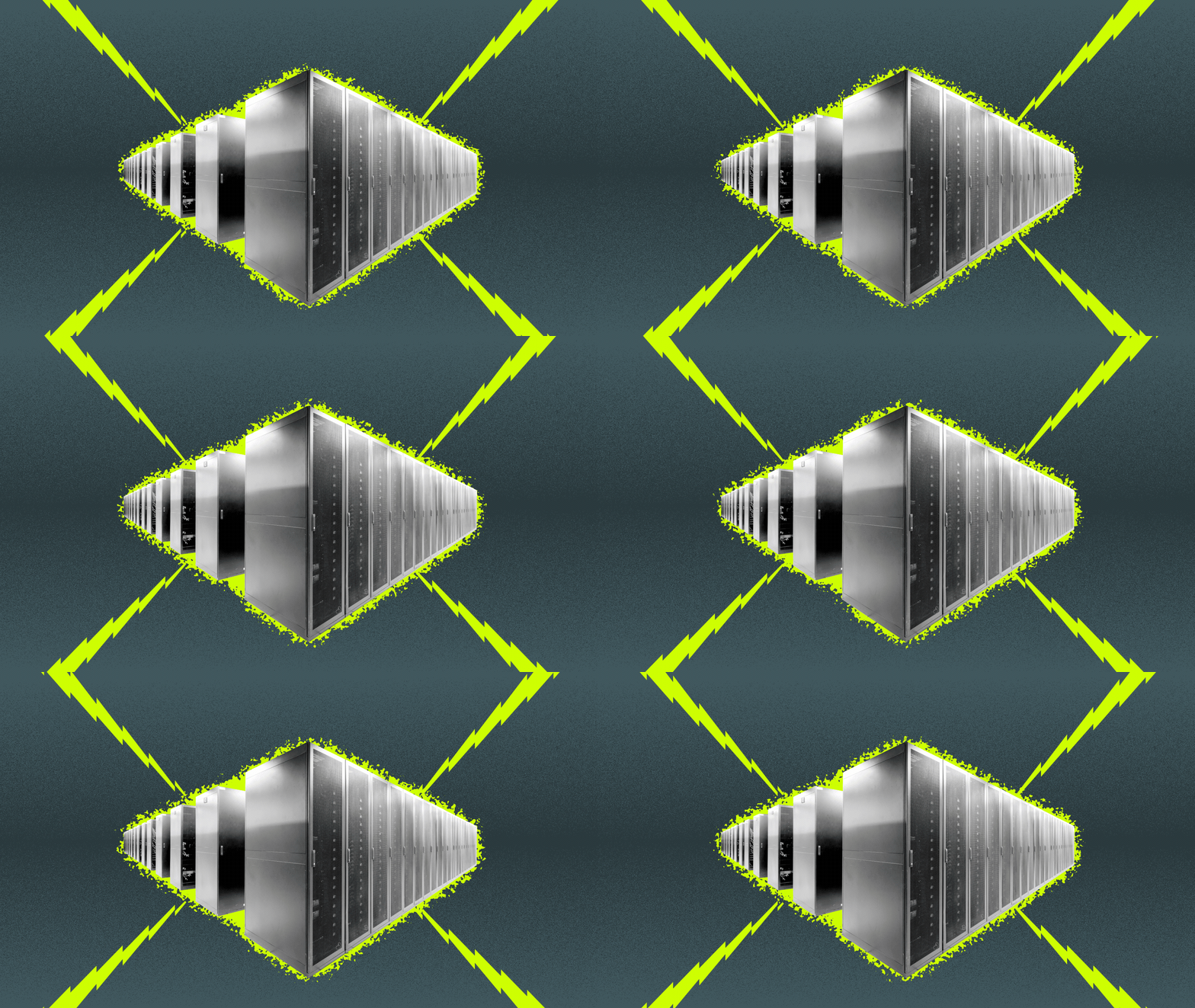
OpenAI on Wednesday announced plans to build a data center near Savannah, Georgia, with 3.2 gigawatts of power to be delivered in phases from 2028 to 2032.
Why it matters: Computing infrastructure is a major constraint on how quickly AI improves and how broadly it can be deployed.
China has poured billions of dollars into the stock market in recent days to snuff out a tech-led selloff, as it seeks to shore up confidence in the domestic economy.
Why it matters: It's a reminder that despite its prowess as an exporter of goods — and increasingly, AI technology — China remains dependent on exports for growth.
Tesla's second-quarter earnings report will provide insights into the state of the core business — but it's the company's future that investors will be focused on more than ever.
Why it matters: After the SpaceX IPO, investors are watching closely for any signs that Elon Musk plans to merge Tesla with SpaceX or keep it independent.
"The stock is increasingly being valued on robotaxi and humanoid developments rather than core auto fundamentals — with a potential SpaceX acquisition adding a premium to our valuation," wrote Tom Narayan, global autos lead equity analyst at RBC Capital Markets.
Used electric vehicles are flying off dealer lots as pinched car buyers hunt for budget-friendly options.
Why it matters: The soaring demand has led to a rare phenomenon — used EVs rising in value, rather than depreciating, according to Recurrent, a research firm specializing in the used EV market.
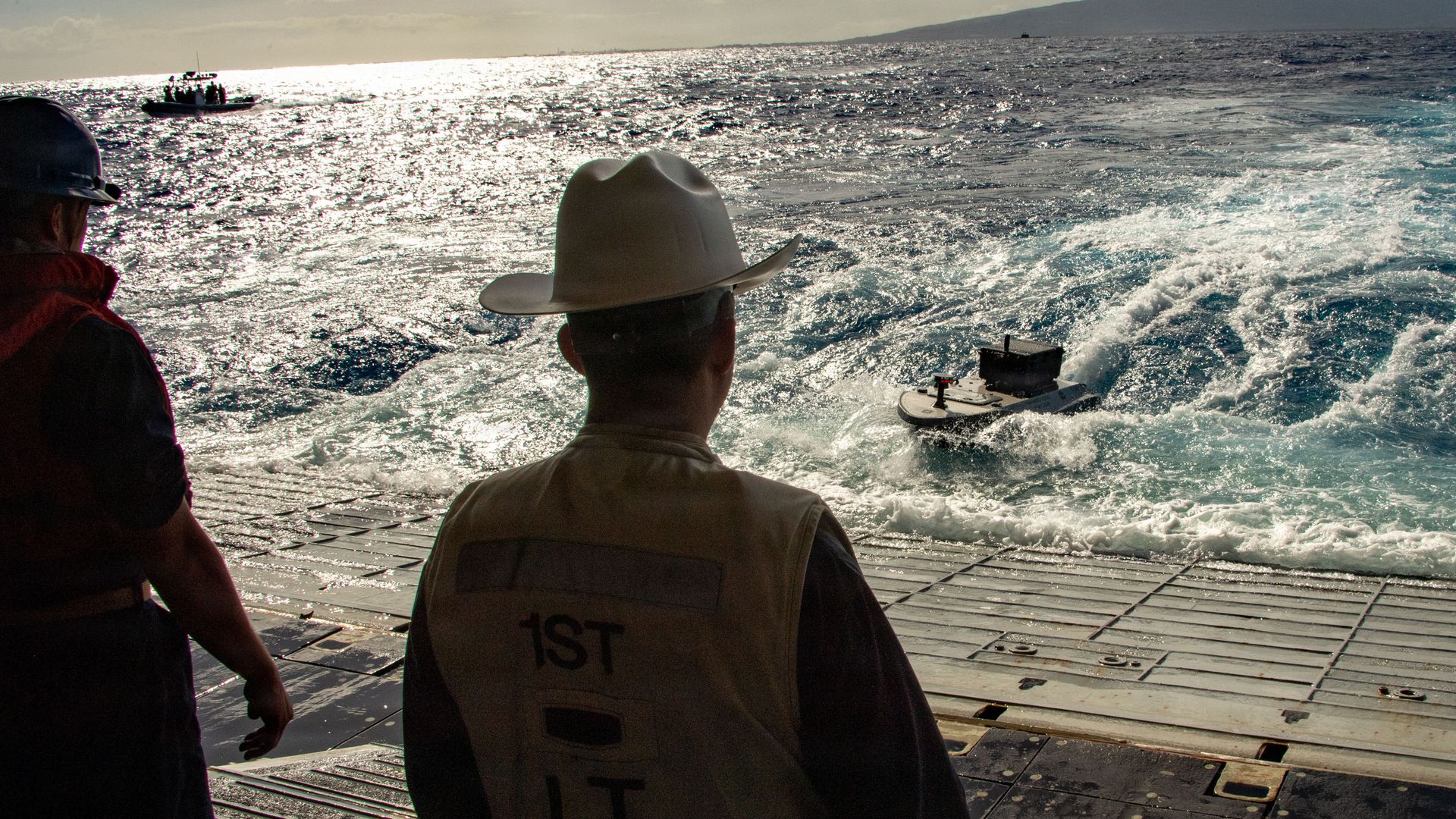
Splash Industries, a California startup, conducted unmanned resupply missions at the Rim of the Pacific exercise, delivering parts to the amphibious assault ship Essex and nuclear-powered aircraft carrier Theodore Roosevelt.
Why it matters: It's a huge moment — at one of the world's largest naval drills, no less — for such a small outfit.
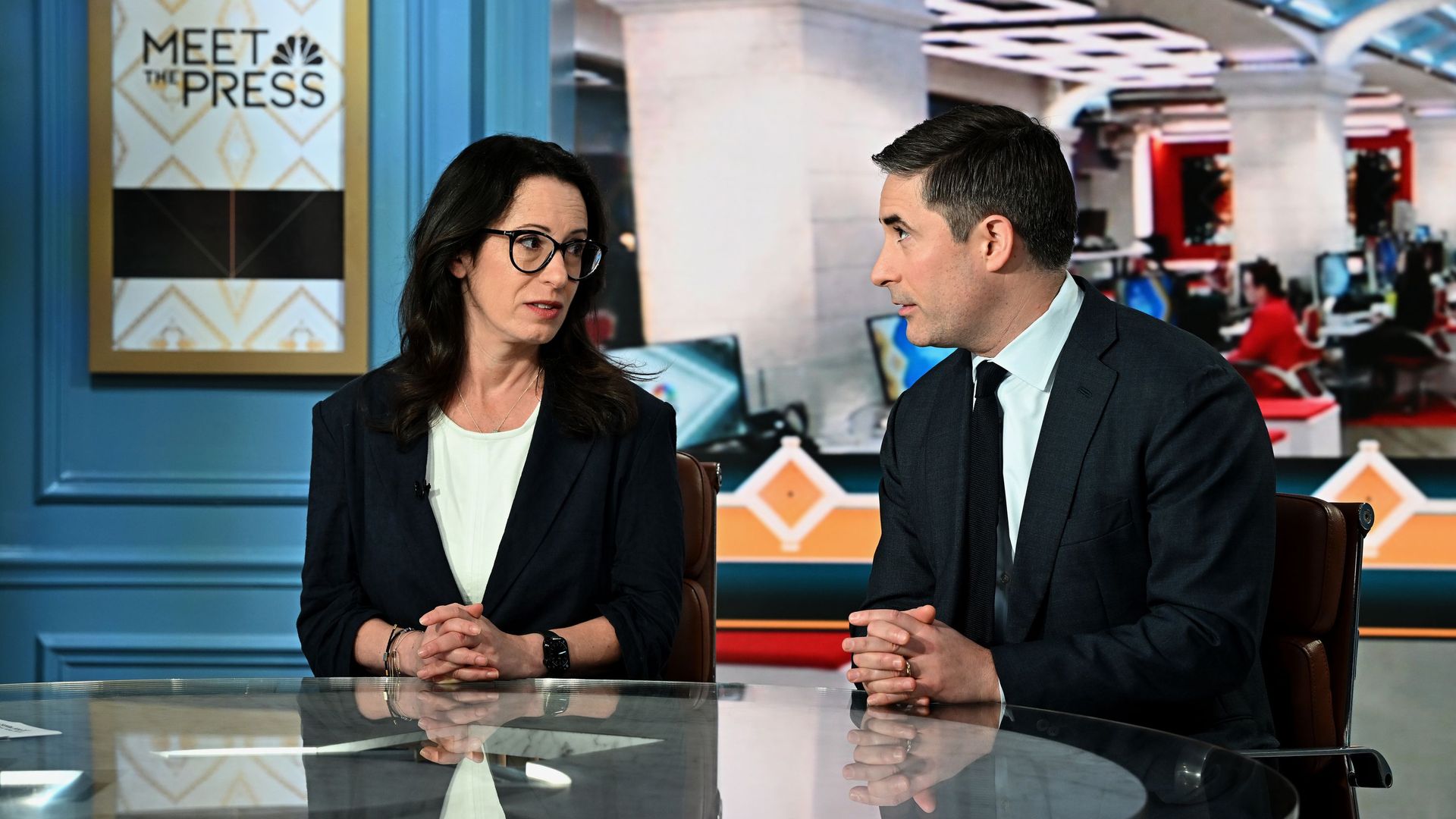
"Regime Change," the juicy exposé on President Trump's second term by Maggie Haberman and Jonathan Swan, has passed the publishing milestone of 500,000 units sold (hardcover, audio, e-book) in just one month.
Publishing sources tell me the blockbuster is on track to be the bestselling nonfiction book of 2026. Simon & Schuster has ordered a seventh printing, bringing the total hardcovers in print to 460,000.
"Reports of the death of the nonfiction book have been greatly exaggerated," said Matt Latimer of the Javelin agency, which represents Haberman.
OpenAI and Anthropic compete fiercely for customers. But in Washington, the two leading AI labs are aligning on one issue: warning policymakers about the risks of powerful Chinese open-weight AI models.
Why it matters: That shared position pits the top U.S. AI labs against researchers, startups and open-model advocates who argue broad access to AI is essential for competition and scientific progress.