Investigators still haven't identified a common contamination source for the cyclosporiasis outbreak gripping the nation, limiting the guidance health officials can give consumers.
The big picture: Fresh produce remains the focus of investigators, with lettuce and other ingredients pulled from some Taco Bell restaurants also under scrutiny.
Vice President JD Vance said the Trump administration "mishandled" last year's release of the Epstein files during an appearance on "The Joe Rogan Experience."
Why it matters: Vance's comments are among the clearest public acknowledgments yet from the Trump administration that the Epstein files release became a major political liability.
Mira Murati's Thinking Machines on Wednesday released Inkling, its first AI model, betting enterprises want AI they can customize rather than simply rent from a handful of frontier labs.
Why it matters: Thinking Machines is making a different bet than many AI labs: that enterprises ultimately care less about the smartest general-purpose model than one they can make their own.
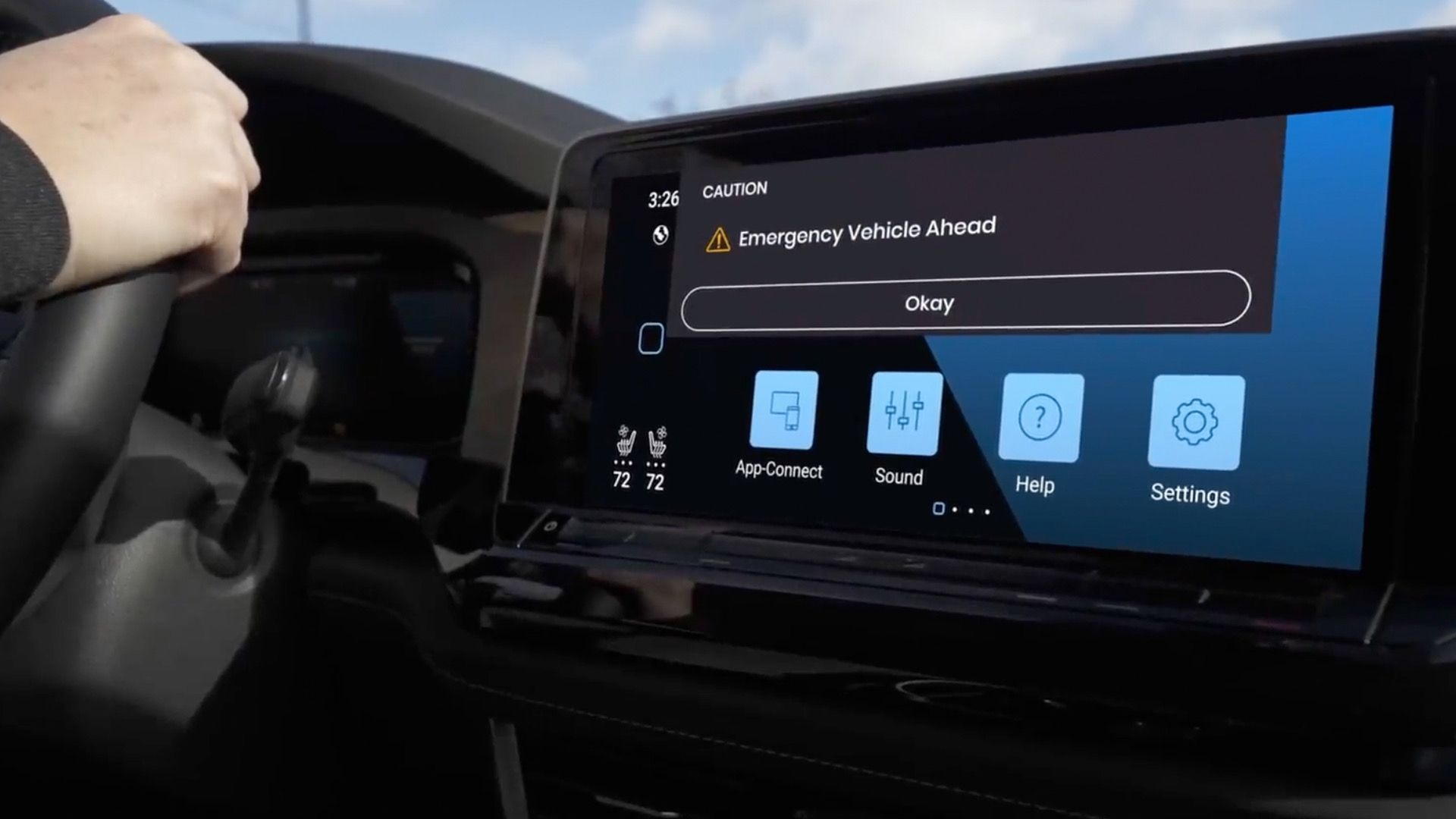
Technology that warns human drivers of emergency vehicles ahead could also be used by autonomous vehicle companies to reroute robotaxis away from danger, a Chicago-based technology startup says.
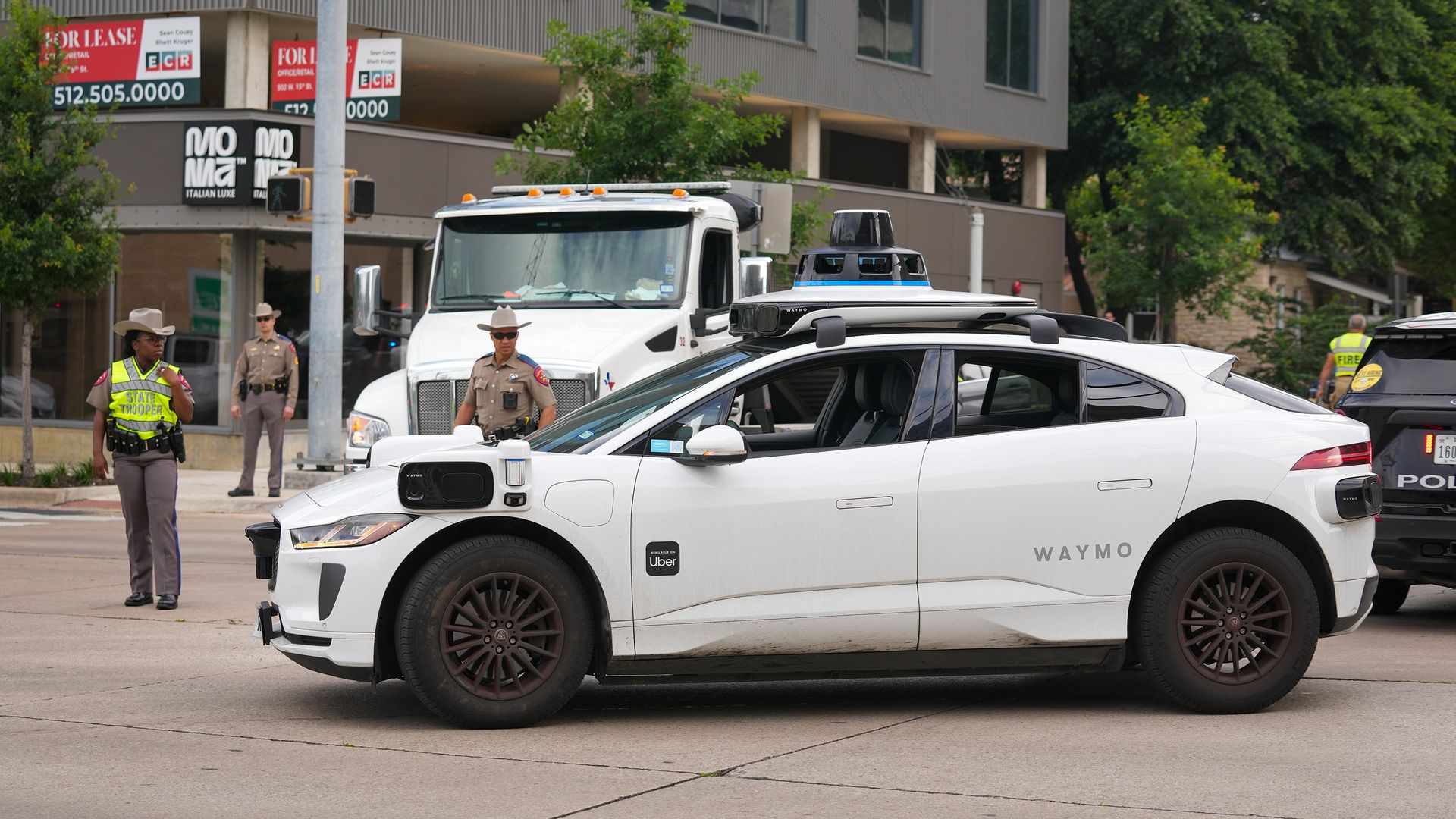
Why it matters: Human drivers usually know enough to avoid police or fire scenes. But robotaxis keep driving into dicey situations and sometimes wind up blocking emergency responders, putting lives at risk.
The Trump administration is simultaneously loosening federal rules to accelerate AV deployment while also slapping robotaxis for getting in the way of first responders during emergencies.
Why it matters: It's a reflection of how government regulations aren't keeping pace with the emerging technology. Self-driving cars are here, but uniform safety standards are not.
The rules of the road for autonomous vehicles are being written in real time, one debate at a time, in Washington and in statehouses and city halls across America.
Why it matters: The growing patchwork of federal, state and local rules could become the next major hurdle to scaling robotaxis in the U.S.
This article contains general information and is not intended to provide information that is specific to American Express, or its products and services. Similar products and services offered by different companies will have different features and you should always read about product details before acquiring any financial product.
As AI shifts from simple automation to agentic systems, the next phase of financial operations may lie in balancing AI-enabled speed and human expertise to maximize efficiency, visibility and control.
The powerful combination of high-tech and high-touch could help companies implement automation in ways that fit their unique needs, potentially enabling them to drive growth and scale with confidence.
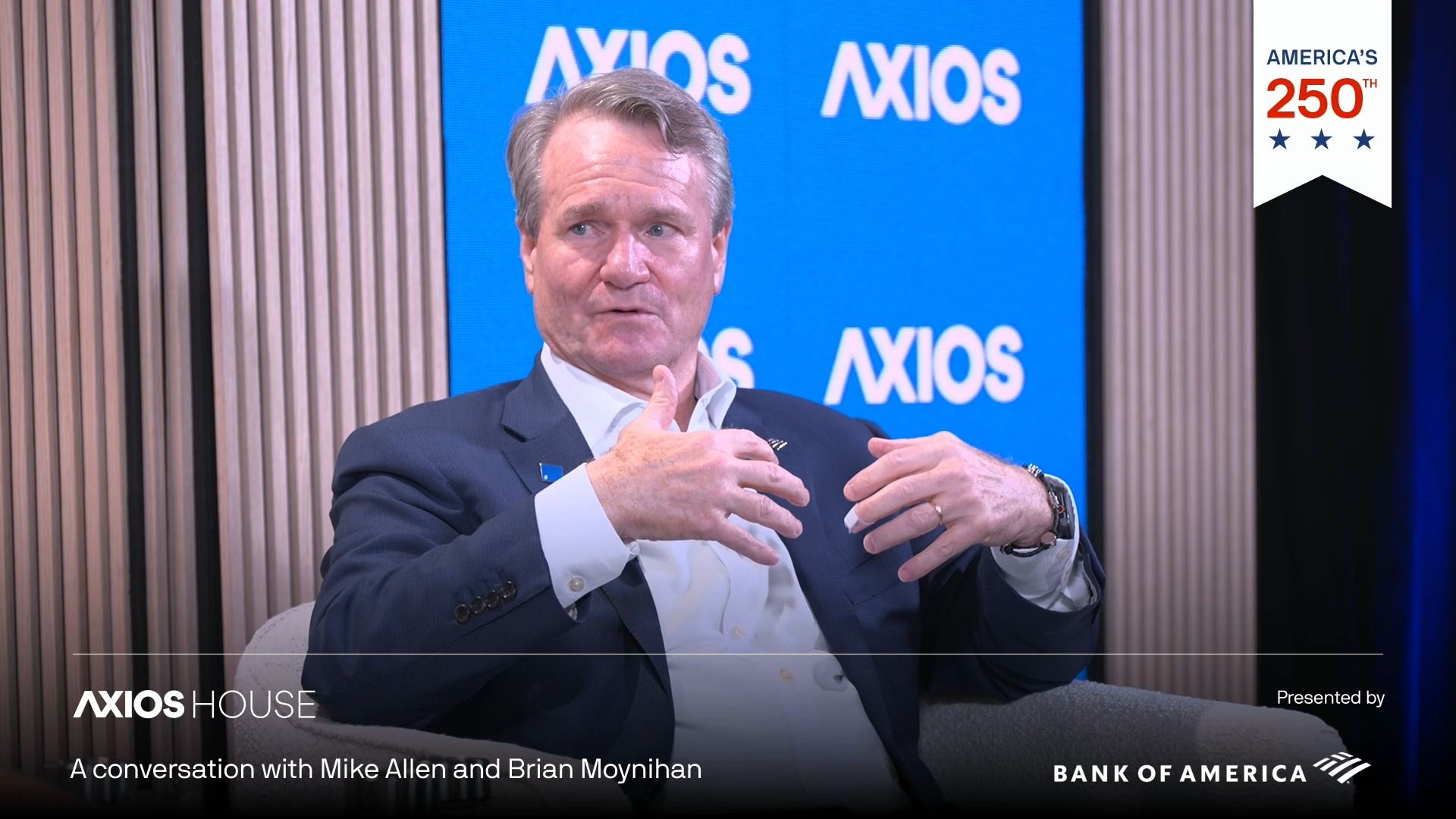
Affordability pain is real, but resilient consumers are still infusing money into the economy, Brian Moynihan, CEO of Bank of America, said at the Axios House News Shapers summit in Washington, D.C.
Why it matters: The U.S. economy sits on a remarkably durable foundation, supporting consumer spending even with hot inflation. But at the same time, Americans tell pollsters economic conditions is at rock bottom, fueling a political reckoning over affordability.
"There's a say-do paradox," Moynihan said. "The question is, what are people actually doing?"
The AI-driven dash to U.S. capital markets to sell stocks and bonds from companies like Alphabet, Nvidia and SpaceX is creating an echo boom on Wall Street.
Why it matters: While the boom is making it rain, at least in the short term, for investment bankers, the deluge of equity and debt issuance has emerged as a concern for investors.
The cost of living in Japan has gotten exceptionally cheap in dollar terms compared with other developed countries, while major U.S. cities have grown ever more pricey, a new report finds.
Why it matters: Inflation, a stronger dollar and a weaker yen, plus larger structural economic shifts, have scrambled the cost-of-living map around the world.
"The old assumptions about which places are expensive, which are cheap and where wages compensate for living costs no longer always hold," wrote the authors of the new paper from the Deutsche Bank Research Institute.
The latest: Coming into Tuesday's inflation report, the U.S. had the highest rate of inflation among G7 countries, as economist Justin Wolfers noted, citing the latest available readings from the OECD.
Consumer prices in the U.S. fell 0.4% in June from May, thanks mostly to a big drop in energy prices after the U.S. and Iran signed a ceasefire deal.
But that deal has since unraveled, and oil prices have since soared — a sign that the inflation reprieve may be short lived.
Catch up quick: Back in 2012, when Deutsche Bank started doing this global cost-of-living report, Tokyo was typically ranked one of the most expensive cities in the world.
Where it stands: Now, Japan is among the cheapest developed economies in the world, and cities in the U.S. like New York and San Francisco are among the priciest.
Since 2012, the yen has fallen 51% in value against the dollar, but prices in the country are up only about 20% — a bargain for anyone spending greenbacks.
Between the lines: In 2012, as the U.S. was still recovering from a bruising recession and the dollar was weak — there were doubts about the country's economic health. In hindsight, it was a good time for investors to increase their exposure to U.S. assets.
This year's report arguably makes a similar case for Japan.
"Today I look at how cheap Japan is, and it's not hard to argue that people should increase their exposure," Jim Reid, head of the Deutsche Bank Research Institute, tells Axios.
How it works: The bank looked at 69 cities across six continents and converted prices into dollars — it compared the costs of housing and dining out, as well as things like the price of a "cheap date" and an iPhone, using data from Numbeo, which maintains a global database of prices.
Tokyo ranks near the middle or bottom of the bank's tables for many expenses — 57th most expensive for a meal for two, 40th most expensive for renting a three-bedroom apartment.
A meal for two in New York, Zurich or Geneva now costs around three times as much as it would in Tokyo, in dollar terms, per the report.
Japan is now the cheapest place in the world to buy an iPhone, after accounting for taxes. A cappuccino in Tokyo is cheaper than in 44 of the 69 cities examined, including many emerging-market locales.
Stunning stat: The average monthly cost of renting a three-bedroom apartment in New York is $8,900 — more than $2,000 more than the next priciest city, Zurich.
In Tokyo, it's $2,400.
Yes, but: Averages can skew the numbers a bit, as super pricey rentals get thrown into the mix.
Reality check: More expensive doesn't reflexively mean "bad."
"Being expensive isn't necessarily an outright negative. It can be just because the economy runs well and attracts a lot of inflows," Reid says.
Senra Systems, a wire-harness startup,plans to open a third factory and hire engineers and technicians on the heels of a $65 million Series B.
Why it matters: Wire harnesses are a major national-security bottleneck, as they serve as the nervous systems inside everything from munitions to aircraft, satellites to cars.
"Without wire harnessing, nothing turns on," CEO Jordan Black told Axios.
"We are standardizing something that's never been standardized before," he said, "and that's the only way to scale this."
A public dispute between New Mexico's attorney general and the U.S. Department of Justice escalated Tuesday over records sought in the state's Jeffrey Epstein investigation.
Why it matters: The clash underscores questions about whether federal privacy restrictions and court orders are preventing state investigators from pursuing potential criminal leads tied to Epstein's former Zorro Ranch in New Mexico.