Yum Brands is using AI, data science and predictive market research to identify potential menu winners across Taco Bell, KFC, Pizza Hut and Habit Burger & Grill, the company revealed exclusively with Axios.
Why it matters: Restaurants spend millions developing new menu items with no guarantee that customers will bite.
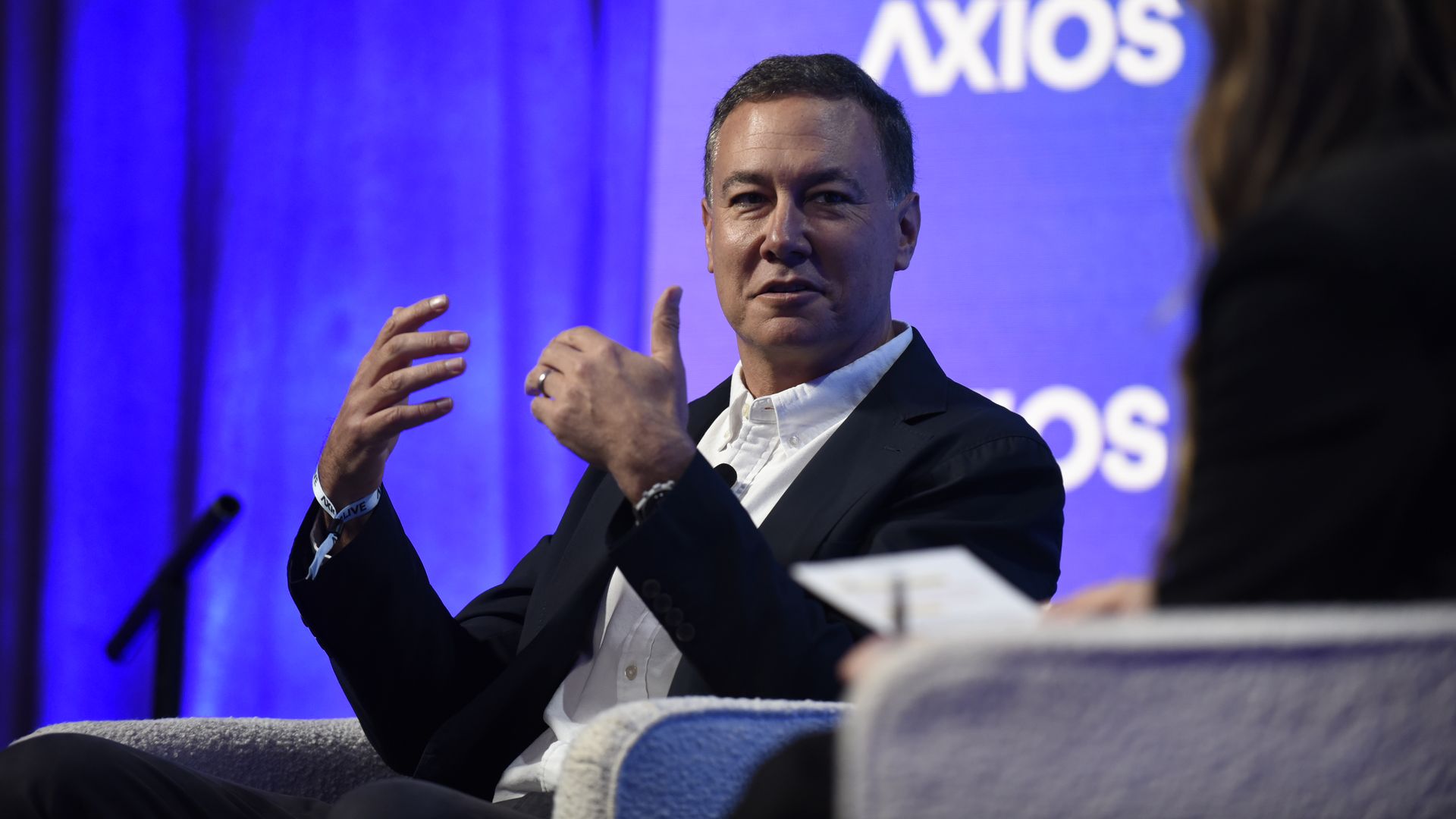
Yahoo is launching two products powered by its AI answer engine Yahoo Scout for its sports and finance verticals, CEO Jim Lanzone announced Wednesday at Axios' AI+ NY Summit.
Why it matters: As more people turn to ChatGPT, Gemini and other AI assistants for information, Yahoo is betting on its trust and expertise, and building new experiences to make it more accessible.
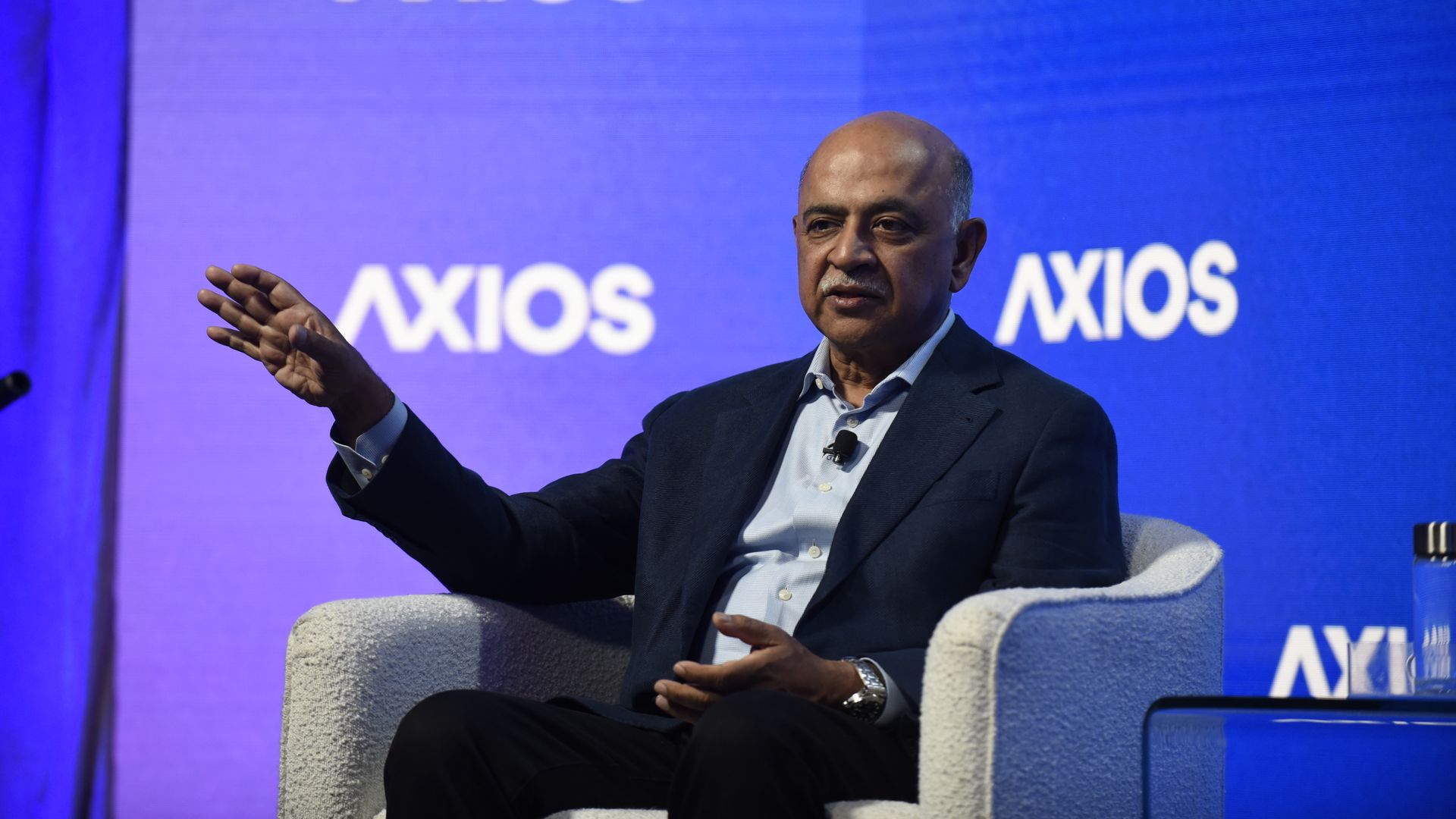
IBM CEO Arvind Krishna backed the Trump administration's executive order on artificial intelligence and cybersecurity at Axios' AI+NY Summit Wednesday, preferring light government guardrails over more active intervention.
The big picture: The long-awaited order is an attempt to fortify the country's cyber defenses, but it doesn't compel AI companies to share information about their latest models.
A Rhode Island-based startup is advancing testing of a 12-passenger electric sea glider as regulators develop certification rules for a new class of maritime transportation.
Why it matters: Regent Craft aims to launch its Viceroy Seaglider as a faster, cleaner alternative to congested highways and regional air service.
A technology race is heating up in the largest and most overlooked mass-transit system in America: school transportation.
Why it matters: About 26 million children depend on yellow buses to get to school, but they're often slow and unreliable, which has a direct impact on kids' ability to learn.
The Department of Labor received nearly 40,000 comments on a proposed rule that would help 401(k) plans invest in alternative assets, including private equity and private credit.
Yes, that is a lot.
State of play: Staffers now will sift through the responses, a process that typically takes months, before finalizing the rule.
DeepSeek is raising around $7.4 billion at around a $52 billion valuation from investors like Tencent and CATL, according to Bloomberg.
Why it matters: This is a reminder that America's AI trinity faces viable competition from China, particularly as enterprise customers try to control token costs.
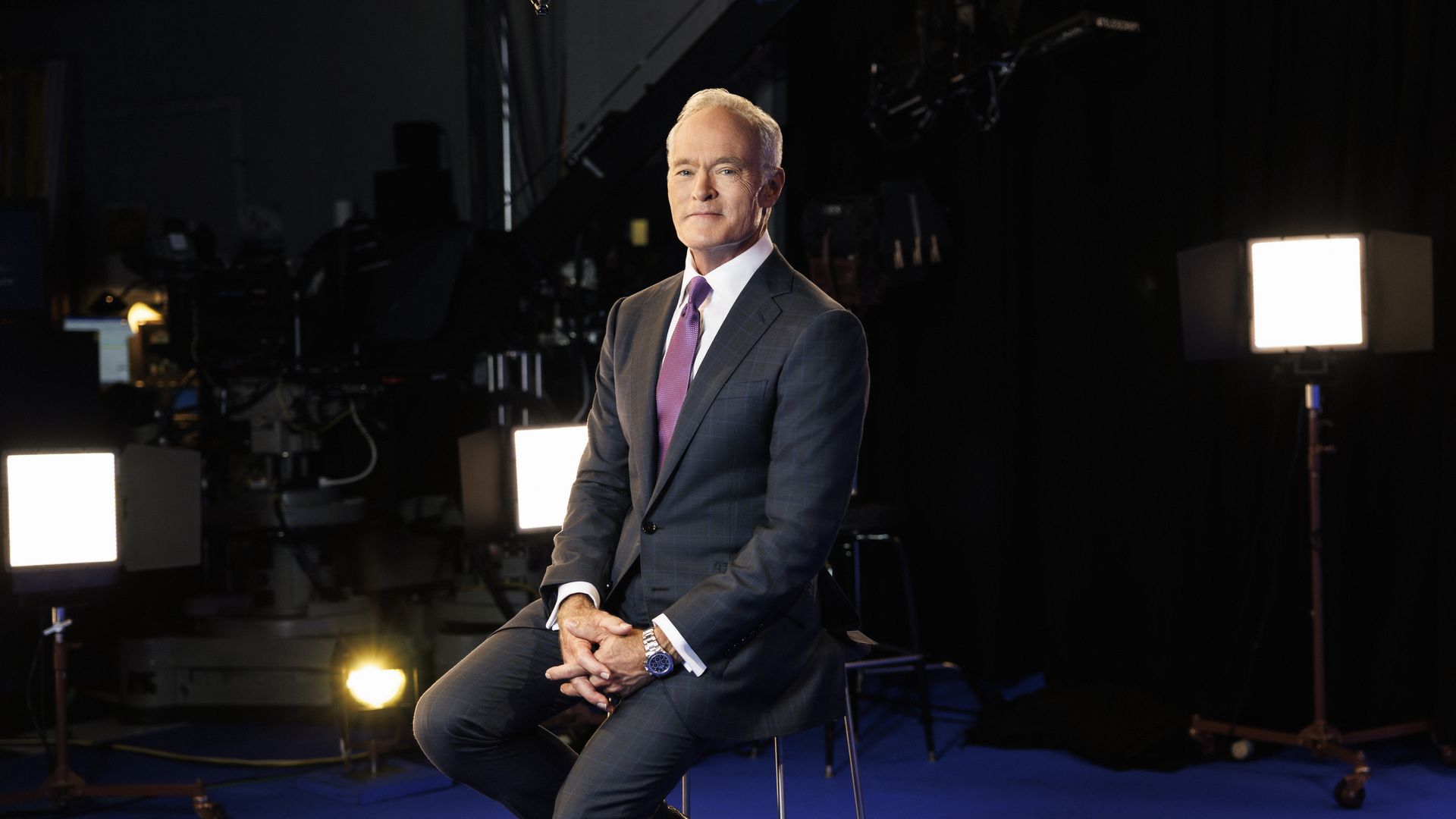
Nick Bilton, the newly installed executive producer of "60 Minutes," has fired Scott Pelley after the veteran anchor assailed him in front of staff members during a meeting on Bilton's first day on the job.
Why it matters: The leaked exchange showed how little confidence top talent has in the new management team at "60 Minutes" and CBS News.
Alphabet, one of the most cash-rich companies in American history, has decided to sell new shares to help pay for its AI data centers .
Why it matters: It's an object lesson in how the AI boom may be disrupting trends — such as the steady "shrinkage" of the stock market due to share buybacks — that have been sources of market stability for years.
Alarm bells are going off around bitcoin, with most of the headlines focusing on the biggest bitcoin treasury company's very big decision to sell a small amount of bitcoin.
Why it matters: A bitcoin sale by Michael Saylor's Strategy has drawn outsize attention, but geopolitical uncertainty and competition from stocks are posing bigger near-term risks to the cryptocurrency's price.
Nvidia CEO Jensen Huang said Tuesday that Marvell Technology is the "next trillion-dollar company," and investors listened: The stock soared nearly 33% in a day.
Why it matters: As leader of the most valuable company in the world, Huang is one of a select few who can move markets simply by saying stuff — a kingmaker of sorts.
An investment from Nvidia can also drive investor interest.
Zoom in: In this case, Nvidia in March announced a $2 billion investment in Marvell, which makes semiconductors and high-speed networking technology used in data centers.
The company, like many chipmakers, is seeing remarkable AI-driven growth. Revenue was $2.4 billion in its most recent quarter, a 28% increase from last year — and profits were up by a similar percentage, the company said last month.
Where it stands: But it was Huang's comments that really gave the stock liftoff.
Speaking at a trade show in Taiwan Tuesday, alongside Marvell CEO Matt Murphy, Huang said the company's chips were "essential" to data centers.
Marvell's stock soared to $290.79 from $219.43 the day before.
Stunning stat: Marvell's market cap shot up to just under $250 billion — last year it was $53 billion.
Reality check: That's still a ways off from $1 trillion, but what even are numbers these days?
Zoom out: Huang on Monday also drove software stock prices higher when he said, contra conventional wisdom, that AI is good for the software industry.
"This is actually an incredible time to be a software company," he said, per MarketWatch.
Flashback: Huang can move stocks down, too. Last year, after he said that useful quantum computers were still decades away, companies in that sector lost billions of dollars in market cap.
The defense-tech sector is a whole lot morethan just drones — and it's diversifying by the day.
The big picture: The Silicon Valley Defense Group's latest inventory of prominent private-capital-backed companies and their contracts, known as the NatSec100, bears this out.
The top quartile, bracketed by Anduril Industries and Blue Origin, includes makers of autonomous boats and hypersonic missiles as well as a serial factory specialist, plus a quantum computer.
Gopuff, an instant delivery platform, is launching an agentic personal shopping assistant that runs on Elon Musk's SpaceXAI chatbot Grok, turning it into a tool that fills your cart for you.
The big picture: AI labs and retailers are looking to AI-powered commerce as a mutually beneficial revenue driver.