Exclusive: How Yum predicts its next menu hit

Add Axios as your preferred source to
see more of our stories on Google.
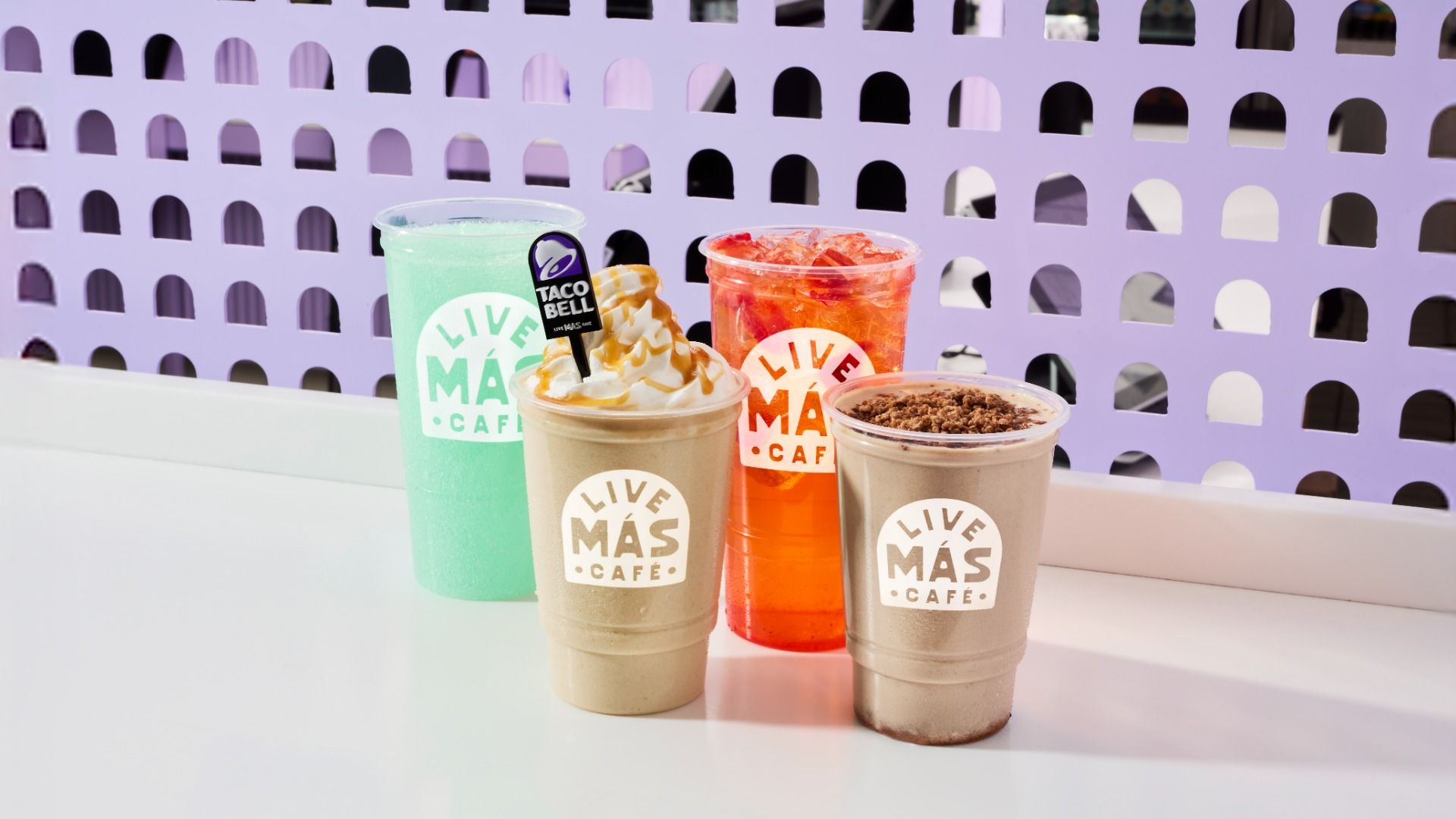
Taco Bell's growing beverage business has become one area where Yum Brands uses data and prediction-market research to evaluate new concepts. Photo: Courtesy of Taco Bell/Yum Brands
Yum Brands is using AI, data science and predictive market research to identify potential menu winners across Taco Bell, KFC, Pizza Hut and Habit Burger & Grill, the company revealed exclusively with Axios.
Why it matters: Restaurants spend millions developing new menu items with no guarantee that customers will bite.
- Yum's efforts come as restaurant chains increasingly embrace AI across their businesses, from McDonald's use of AI-powered personalization and Wendy's FreshAI drive-thru ordering technology.
- Consumer tastes are also evolving faster than ever, with trends that once took years to spread now moving globally in a matter of weeks, according to Yum executives.
The big picture: At the center of the effort is Yum's Global Innovation Database, developed by Collider Lab, the company's in-house strategy and innovation group made up of social scientists, strategists and data scientists.
- The database contains more than 7,000 food, beverage and marketing concepts evaluated across 35 countries.
- The system uses predictive market research, asking consumers to forecast how others will respond to concepts rather than relying solely on traditional consumer research, Greg Dzurik, Yum's vice president of marketing and innovation strategy, told Axios.
Zoom in: The system has informed products including Pizza Hut Melts and KFC shakes, according to Yum. For KFC Saucy, the company tested both menu concepts and potential names before launch.
- It has also been used to evaluate beverage concepts at Taco Bell, where drinks have become a key growth driver, according to Global Chief Food Innovation Officer Liz Matthews.
- Taco Bell sold more than 950 million beverages in 2025, and the chain aims to build a $5 billion beverage business by 2030 as it expands beverage innovation through initiatives like Live Más Café, Matthews told Axios.
- The database has surfaced broader consumer shifts, including demand for snackable foods, protein-focused products and specialty beverages.
What they're saying: Yum views the database as a competitive advantage because it allows teams to connect learnings across brands and markets, chief marketing officer Ken Muench said.
- "Over time, every concept we test makes the system smarter, creating an innovation engine that's difficult to replicate," Muench said.
- Muench said the company views AI as a tool that complements — rather than replaces — human creativity.
- "Become too dependent on AI to make decisions and your marketing will eventually become more standard, less breakthrough, more expected," he said.
The bottom line: Yum executives say AI can help identify patterns and inspire ideas, but marketers, chefs and innovation teams still decide what ultimately makes it to menus.
- "AI will give you the logic and humans will give you the magic," Dzurik said.
More from Axios:
