A bipartisan group of lawmakers introduced a bill that would give visual artists legal protection against commercial AI-generated imitations of their work without permission.
Why it matters: There currently isn't a legal framework that protects a creator's style. Copyright laws protect registered works, but not someone's likeness.
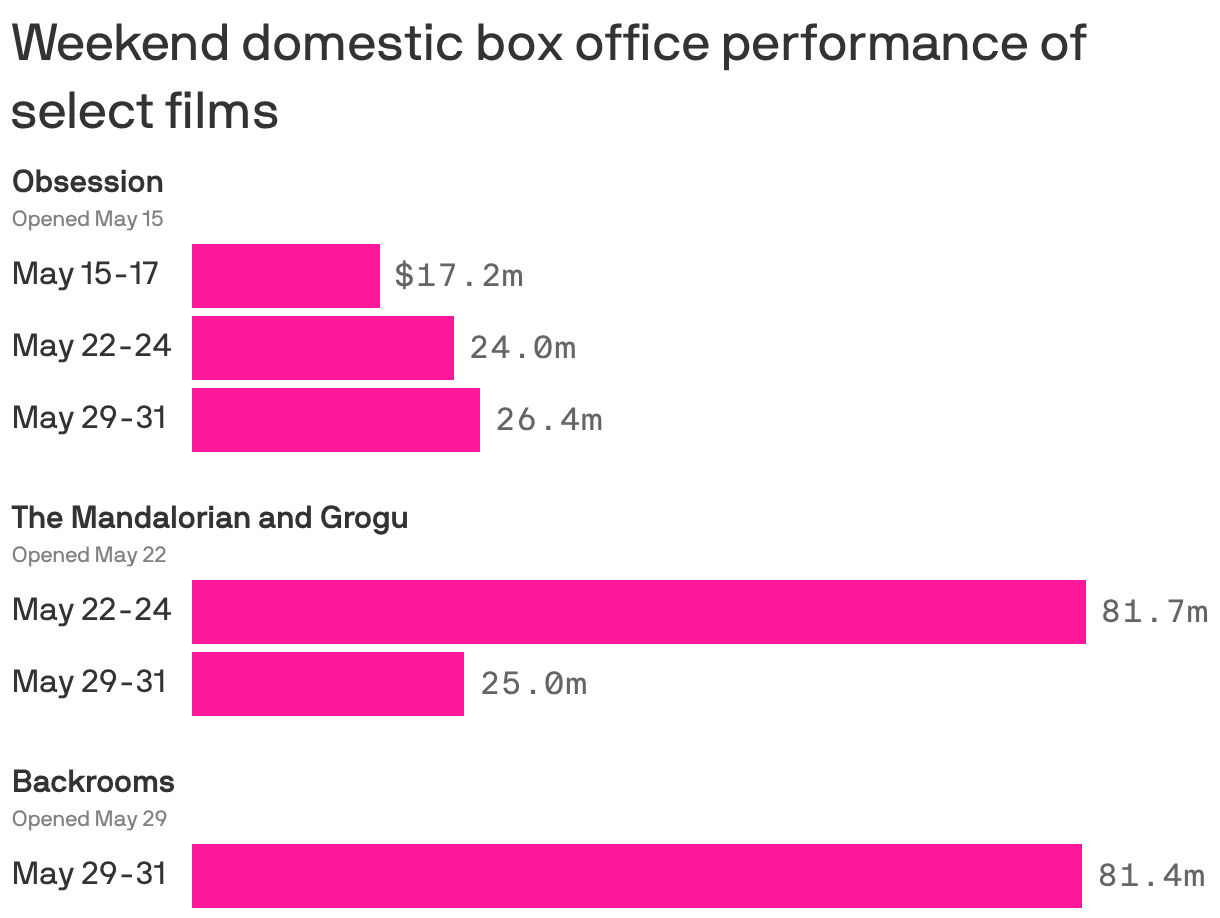
The unprecedented success of "Obsession" and "Backrooms" — both produced by YouTubers in their 20s — represents Gen Z's power in driving what could be a historic shift for Hollywood.
Why it matters: Major movie studios have spent years trying to crack the code on organic social media marketing.
Victoria's Secret and Dollar General are two very different retailers, but they have one intriguing trend in common: they're finding growth at both ends of the income spectrum.
Why it matters: The retailers' latest results suggest both affluent shoppers and budget-conscious consumers are helping fuel sales, even as many Americans feel financial pressure.
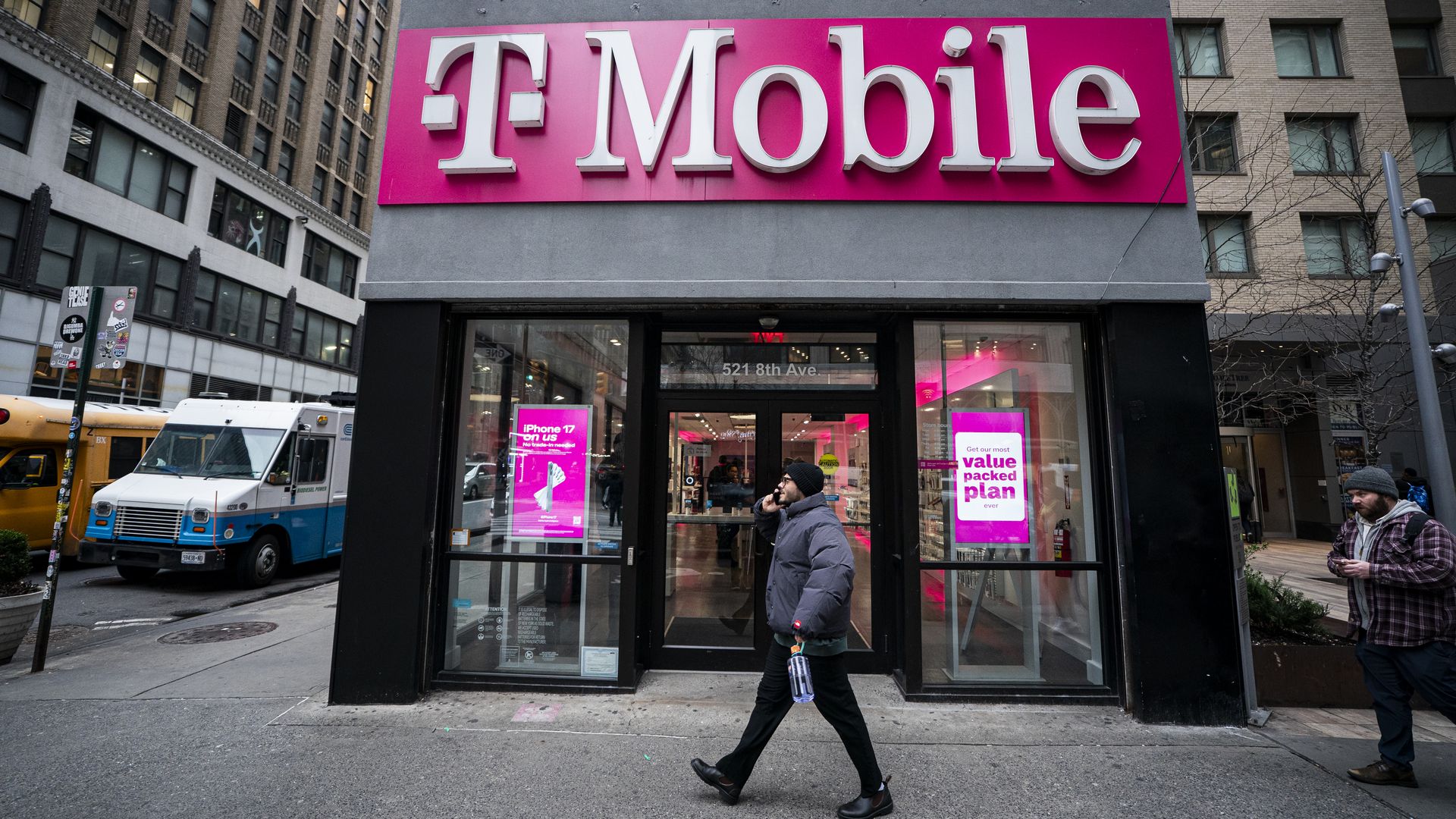
T-Mobile is marking the 10th anniversary of T-Mobile Tuesdays by expanding one of the wireless industry's best-known perks programs into a broader lifestyle and loyalty platform.
Why it matters:Loyalty programs are becoming a bigger battleground for companies looking to retain customers and deepen engagement beyond their core products and services.
Amazon is putting a spotlight on groceries this Prime Day, reflecting its broader push to become a bigger destination for shoppers' everyday spending, not just occasional big-ticket purchases.
Why it matters: The retail giant is using its marquee summer sales event to highlight grocery savings, faster delivery and AI-powered shopping tools as it looks to make Prime a deeper part of consumers' daily lives.
OpenAI CEO Sam Altman said the company's top token user is going through 100 billion tokens per month.
Why it matters: As people inside and out of AI labs are spending more and more on tokens, Altman acknowledges that cost concerns have become a "huge issue."
Companies should resist the temptation to follow shifting political winds or quietly renege on previous public commitments when a social issue falls out of the zeitgeist, according to a new report from strategic communications consultancy FleishmanHillard.
Consumers expect business leaders to communicate through change, even as a chaotic operating environment pressures companies to make high-stakes decisions more quickly.
Why it matters: Every company is juggling compounding pressure from political volatility, AI acceleration and media fragmentation. Clear comms allow companies to pivot and adapt without losing their credibility.
Princeton University's endowment on Monday abandoned its 2022 pledge to divest from publicly traded oil and gas companies, although it will comply with a trustee mandate to divest from thermal coal and tar sands companies.
What they're saying: Princo president Vincent Tuohey writes that the endowment will continue working toward a "net-zero endowment by 2046," but doesn't believe such divestitures are necessary to achieve that goal.
Anthropic officially started its IPO clock yesterday, filing a confidential registration statement with the SEC.
It could be one of three American companies to go public this year at a valuation of more than $1 trillion, something that has never before happened even once on a U.S. exchange.
The retail trading crowd has found a new buzzworthy stock: IBM.
Yes, your father's "Big Blue" IBM.
Driving the news: Shares of IBM exploded in recent days, posting their best two-day showing in records stretching back to the early 1970s.
Why it matters: IBM's surge shows how individual investors have become a market force, by coordinating purchases, touting positions on social media and boosting buying power with borrowed money, or margin.
This is Axios CEO Jim VandeHei's plan to help CEOs and other leaders navigate this moment. This call to action, which got a sneak peek over the weekend in his C-Suite newsletter, is a follow-up to our Monday column, "The Rattled Generation."
Americans have lost faith in almost every binding institution and leader — except the CEO.
The 2026 Edelman Trust Barometer is unambiguous. "My employer" is the most trusted institution on Earth at 78% — more trusted than government, media or organized religion.
Why it matters: This isn't a trophy. It's an obligation. Business leaders have an urgent call to fill the leadership void.
A new bid to fix the process for resolving surprise billing disputes may not make a dent in the massive backlog of cases.
Why it matters: Providers and insurers have been sparring over how to settle claims for out-of-network services almost from the moment Congress protected privately insured patients from getting stuck with huge, unexpected costs.
Anthropic filed paperwork to go public just as corporate America is entering its AI sticker shock phase.
Why it matters: Companies are Anthropic's biggest customers. If they dial down their AI spend, that could weaken the AI lab's revenue just as the it prepares to IPO.
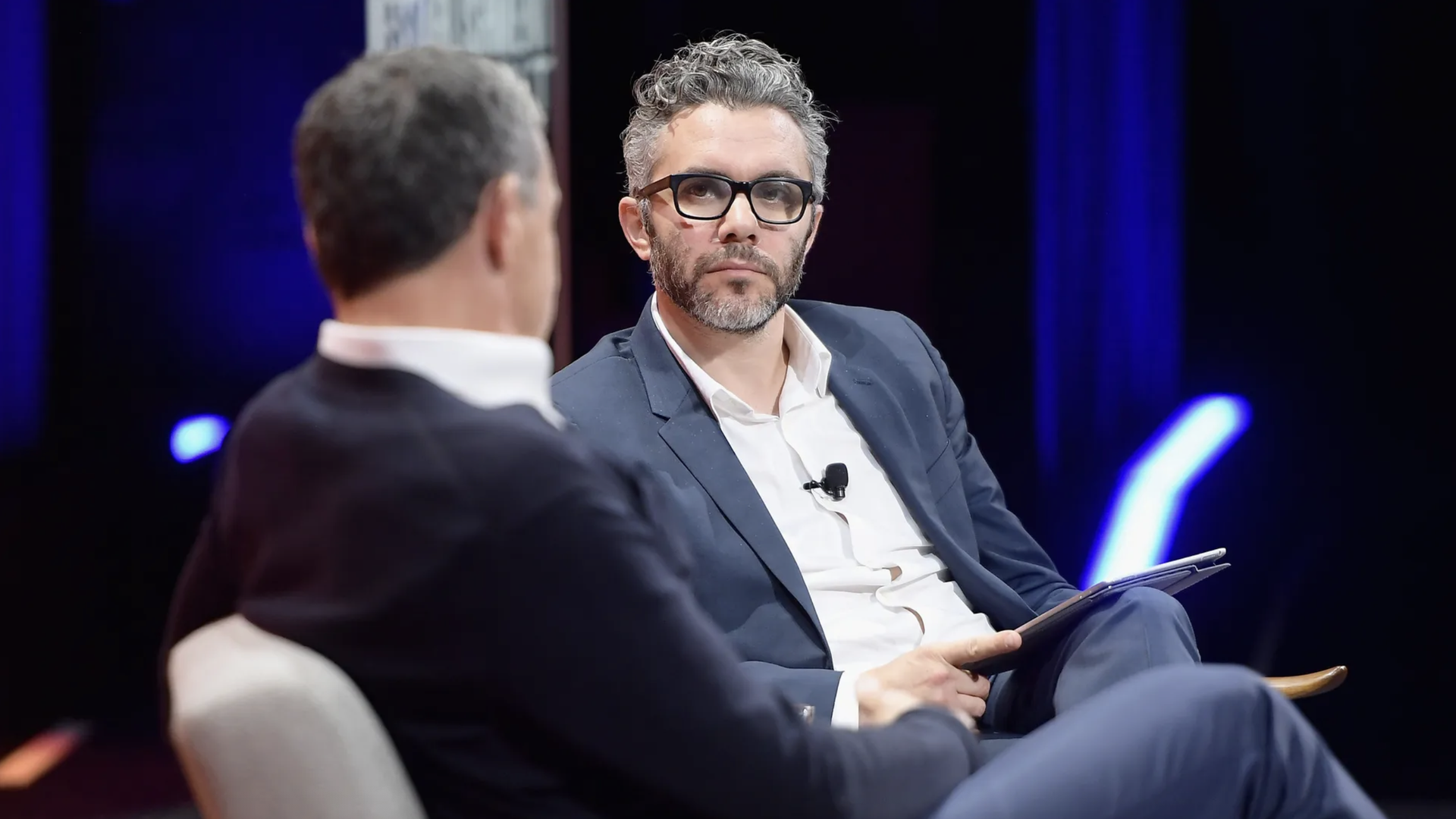
Nick Bilton, the newly installed executive producer of "60 Minutes," faces a crisis of confidence as senior CBS News staffers openly rebuke his appointment amid broader backlash to changes at the show and network.
Why it matters: "60 Minutes" has spent more than 50 consecutive seasons as the top-rated news program in the country. Its insular culture within CBS News is what insiders credit for preserving its editorial sanctity.