Americans across income levels are flocking to cruise vacations despite economic anxiety and broader travel headwinds.
Why it matters:Cruises are one of the travel industry's most resilient sectors — drawing younger travelers and value-conscious consumers even as other parts of the vacation economy show signs of strain.
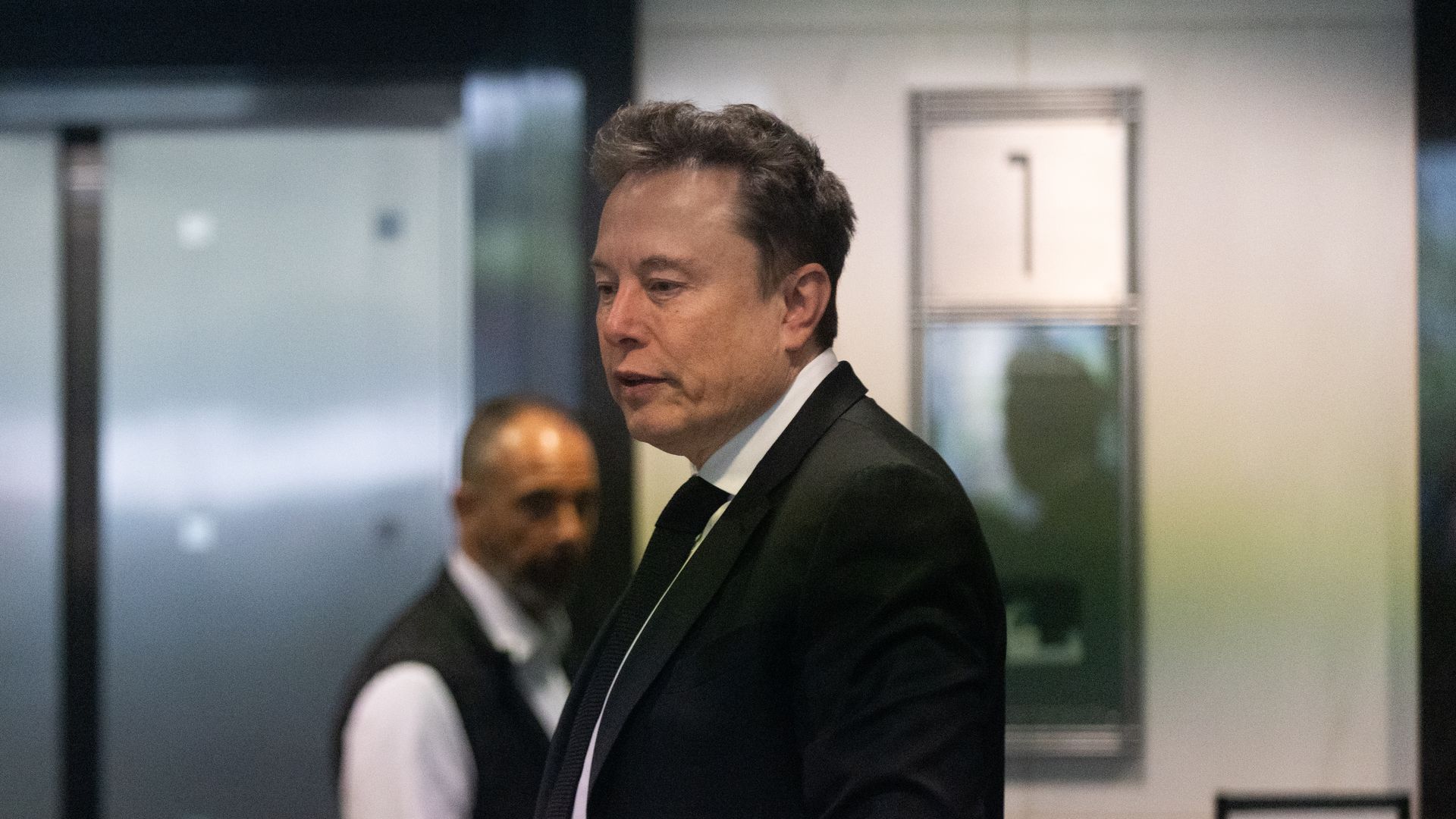
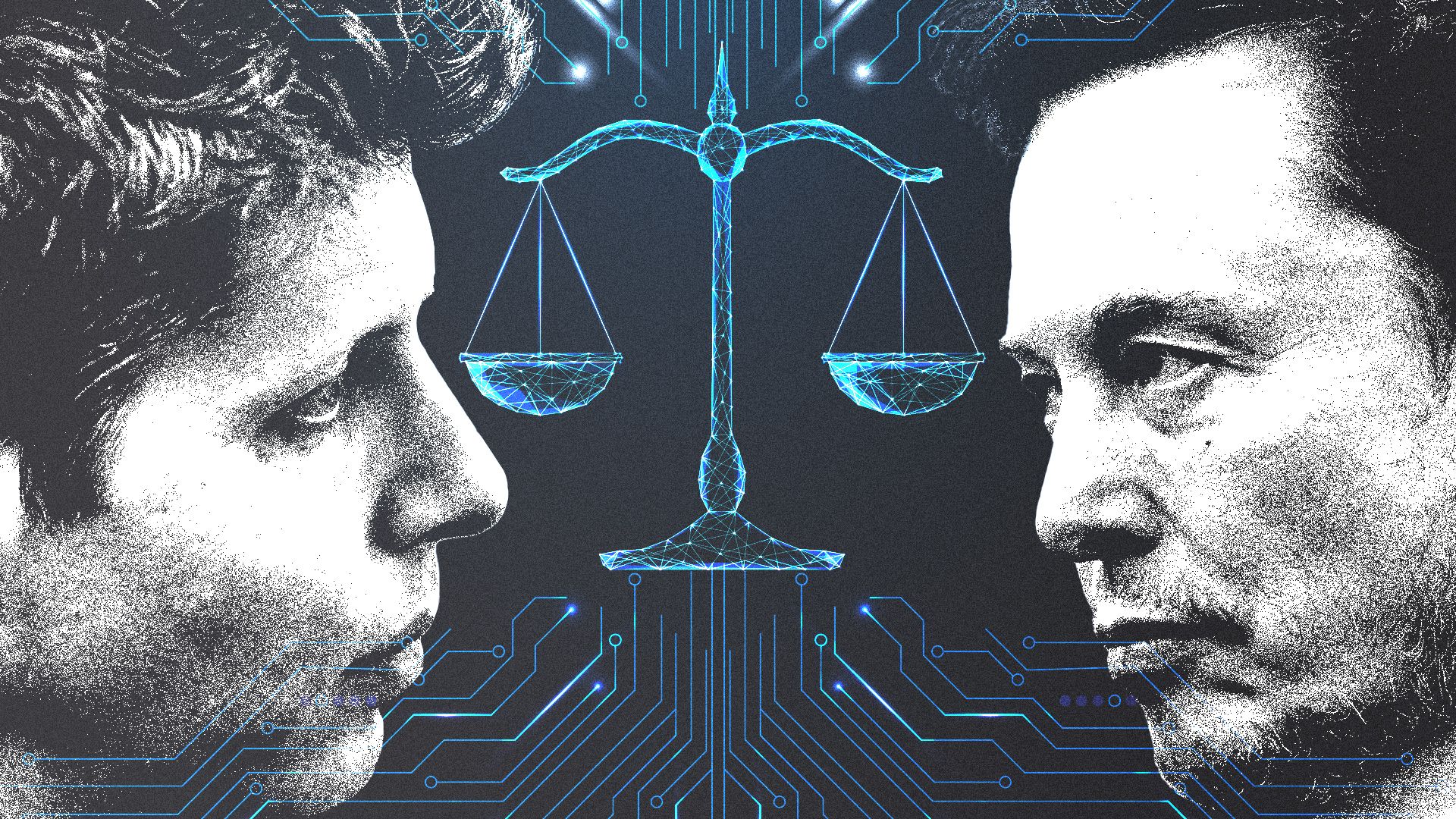
Attorneys for Elon Musk wrapped up their case against OpenAI on Thursday, asserting in closing arguments that they've proven the AI giant misused the millions of dollars Musk donated and violated their duty to uphold OpenAI's founding ethos.
The other side: OpenAI lawyers countered that Musk's $38 million donations in the early days of OpenAI didn't have specific strings attached and that the organization has continued to pursue its mission, albeit with various changes in structure.
OpenAI and Microsoft are also claiming that the lawsuit was filed too late and that Musk's own misconduct should prevent him from prevailing.
Why it matters: Musk wants Sam Altman ousted as CEO and removed from OpenAI's board, as well as billions of dollars in damages, though he says he would donate any winnings back to OpenAI's nonprofit arm.
Two high-profile doctors are urging policymakers to support autonomous vehicle deployment, arguing the technology is already saving lives and should be a public health imperative.
Why it matters: It adds a public health voice to a broader policy push by the AV industry as state legislation stalls and debate over long-delayed federal regulations heats up in Congress.
Paramount is evaluating a potential distribution deal with Katie Miller as it considers expanding its podcast business beyond creative and more into distribution and monetization, sources told Axios.
Why it matters: More entertainment giants are eyeing podcasts as a way to build up their video intellectual property and find new audiences.
Cerebras Systems, a Silicon Valley-based AI chipmaker, raised $5.6 billion in its IPO.
Why it matters: We knew this would be the year's largest IPO, but it crushed even those high expectations — benefiting from a broader surge in semiconductor stocks.
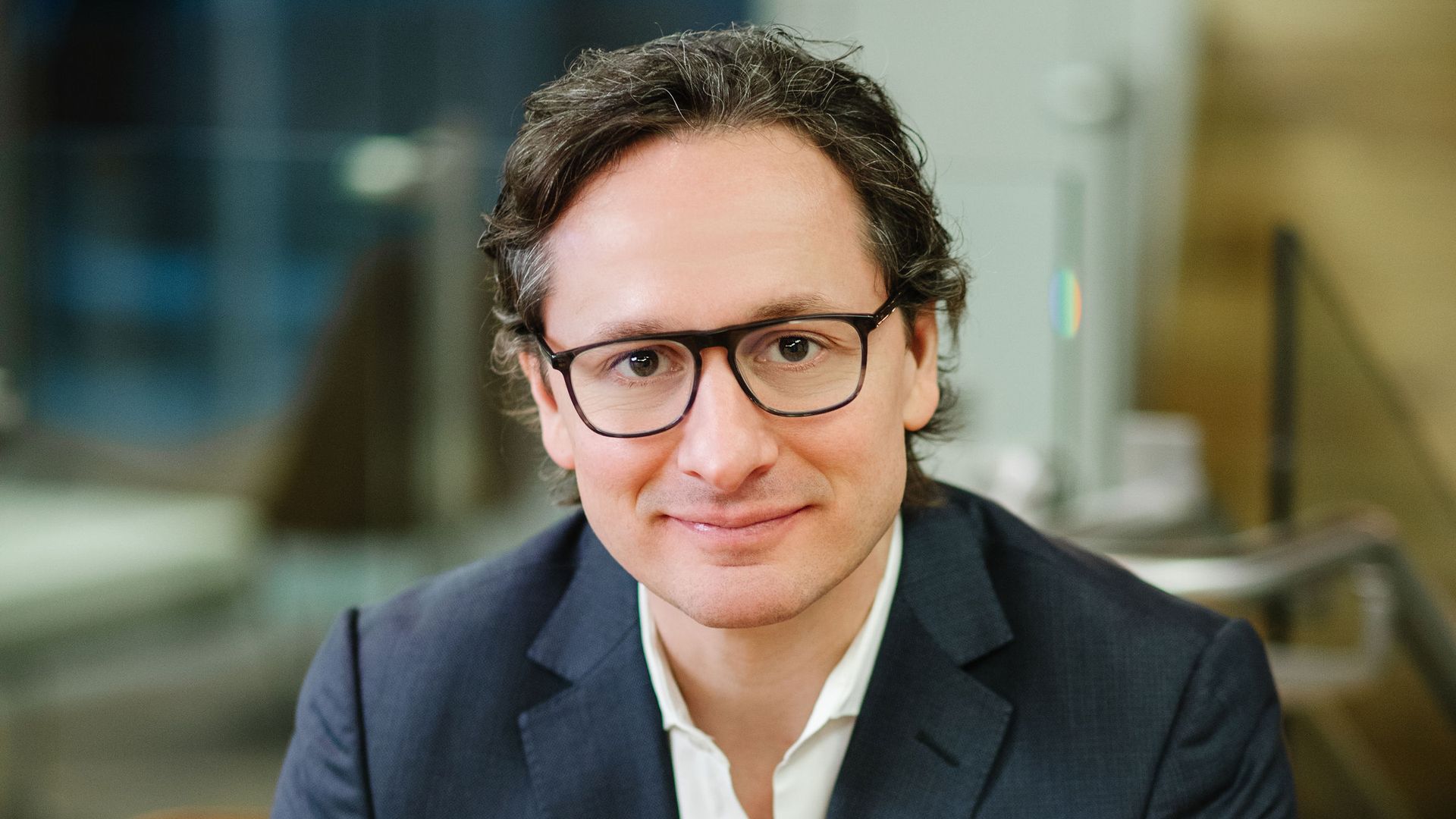
Jim O'Leary is departing Weber Shandwick to join corporate advisory firm Penta Group as CEO.
Penta co-founder and current CEO Matt McDonald will continue to serve on the firm's board and will work closely with O'Leary as he steps into the role this summer.
Why it matters: O'Leary's departure from a large holding company to a smaller, private equity-backed advisory firm speaks to the shifting PR agency landscape.
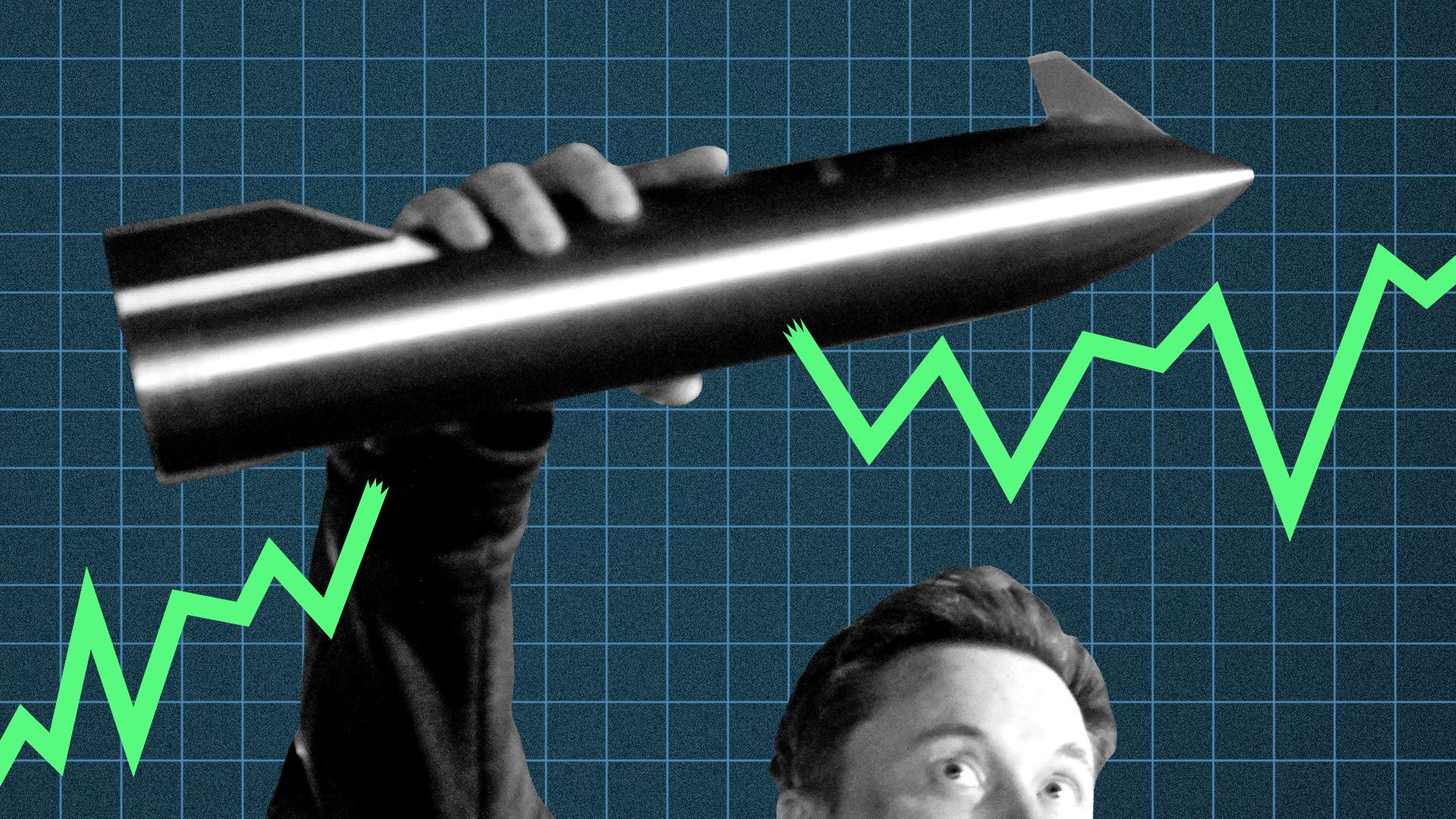
Elon Musk's $1 trillion-plus SpaceX isn't a public company yet, but its size and ambitions are already upending the stock market and sparking questions over the power and influence wielded by such behemoths.
Why it matters: The IPO, expected next month, would signal the start of a new AI era for the public markets, potentially valuing SpaceX as much as $2 trillion.
The CEO of the main pharmaceutical company trade group on Wednesday called for the next Food and Drug Administration commissioner to "calm the waters" and ensure stability as drug companies develop new treatments.
Why it matters: The FDA has faced a tumultuous several months leading up to commissioner Marty Makary's resignation Tuesday, with staff layoffs and top leaders heading out the door.
Anthropic is launching a new package for small businesses, betting that mom and pop shops, solo entrepreneurs and lean teams are the next big market for AI agents.
Why it matters: After spending years chasing enterprise contracts and consumer adoption, AI labs are now racing to win over small businesses — a challenging and largely untapped market defined by limited staffs and little time to experiment.
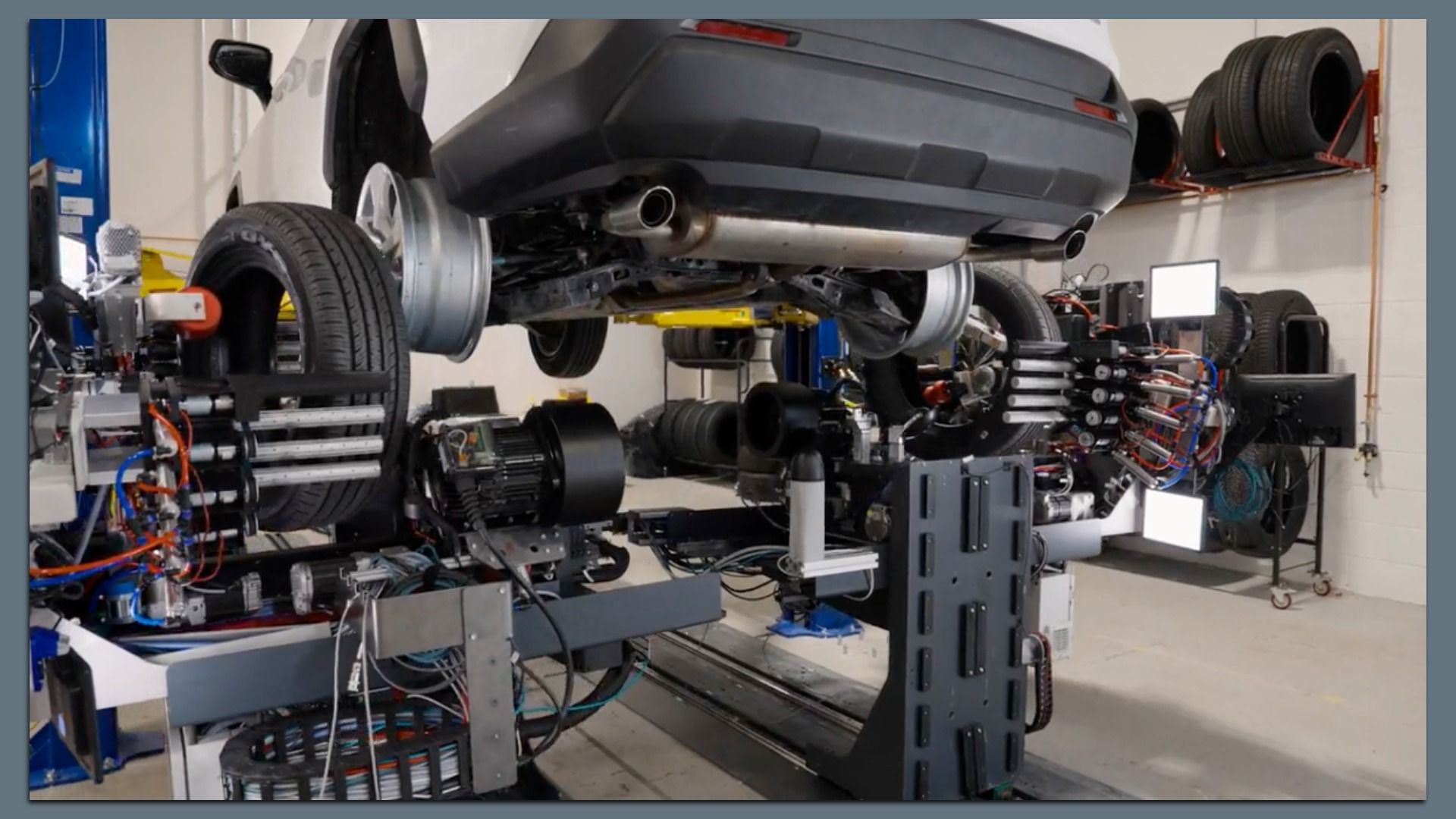
Nvidia wants its automated-driving technology to do for cars what Microsoft and Intel did for PCs: become an industry standard.
Why it matters: Nvidia's gone from designing graphics chips for video games to powering the AI boom — and now it wants to dominate self-driving cars, too.
Americans may be burdened by inflation, but they're still willing to buy cars, especially used ones, according to new research shared first with Axios.
Why it matters: While cost pressures persist, demand for vehicles remains resilient because of how essential they are to work and opportunity.
Anthropic surpassed OpenAI in business adoption for the first time in April, according to Ramp's latest AI Index.
Why it matters: As both companies race toward what could become some of the biggest IPOs in history, enterprise adoption — typically a larger revenue driver than customer usage — is a key metric for investors.
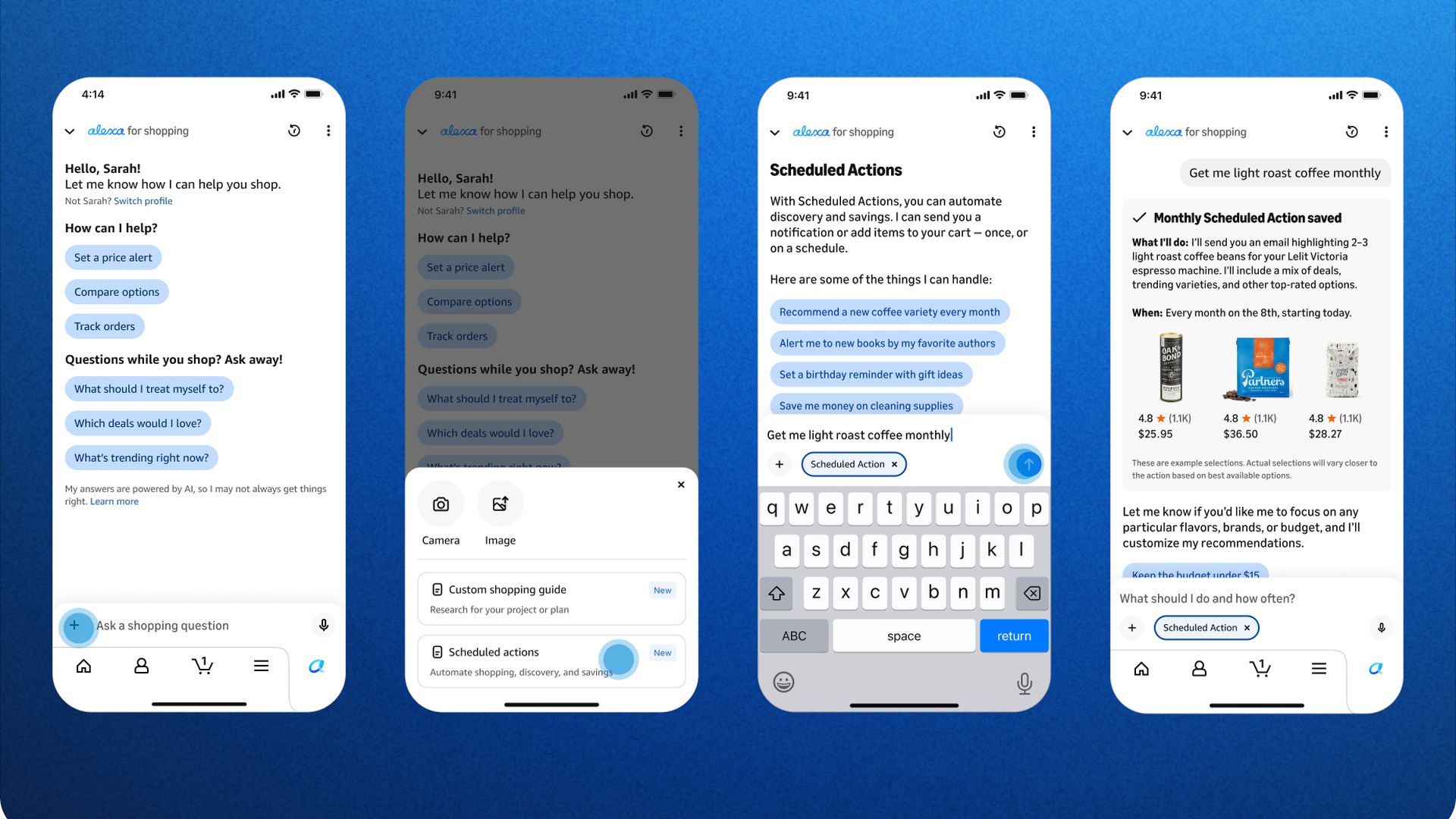
Amazon is making Alexa a more powerful shopping companion by folding its Rufus assistant into Alexa+.
Why it matters:AI shopping assistants are quickly moving from search boxes to software agents that can track prices, remember preferences, recommend products and eventually make purchases for consumers.
Semiconductors, or chips, are again turning out to be the It Girl of the global economy.
Why it matters: Chips are essential to the AI build-out, and that's driving a huge burst of demand, creating supply shortages, pushing up prices and creating an investment frenzy.
General Dynamics Information Technology and NightDragonhave teamed up and are on Wednesday making public their plans to accelerate U.S. government adoption of commercial and emerging tech.
Why it matters: Trump 2.0 is seeking new suppliers for the Pentagon and rewriting how the military does business.
Symbiotic relationships between traditional primes and smaller, venture-backed startups are emerging — and appear to be bearing fruit.
Chris Lehane, OpenAI's chief global affairs officer, fears the rising risk of unpopular AI and told us the solution might be a reorg of government and business. He offered two megapoints in a conversation Tuesday at OpenAI's new office in Washington:
The AI companies and government are so interdependent — the companies need light regs, contracts; government needs AI systems — that it might require a new public-private hybrid to manage them.
The AI companies could get crushed by bad politics if they don't find ways to share any wealth they create, much like Alaska shares oil & gas revenue with its residents. "People need to feel like they're gonna have a piece of this and participate in it," Lehane said. "You can't talk beyond people or above people. You need to talk with people and involve them in the conversation."
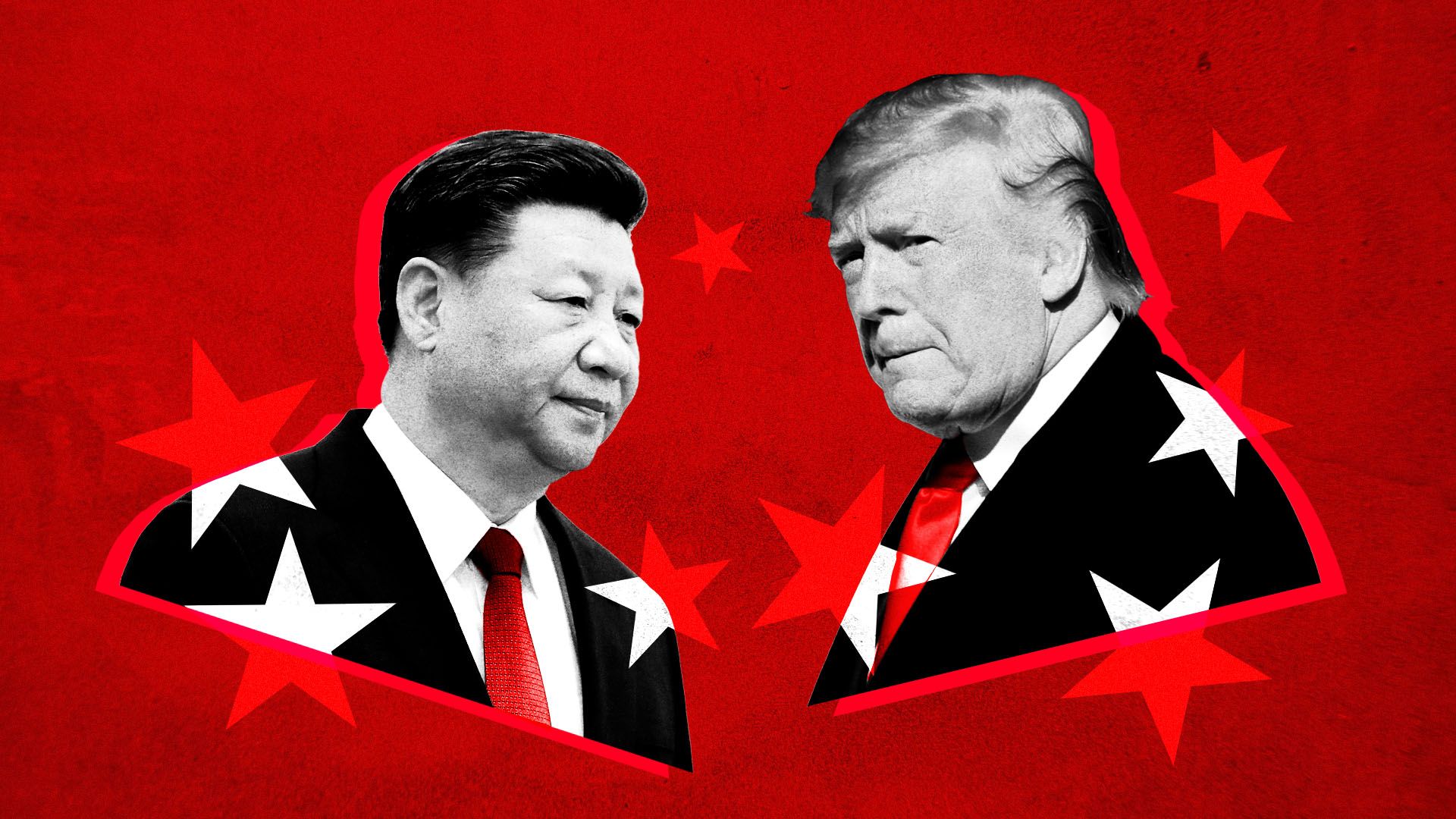
Business leadersand lawmakers are closely watching whether President Trump returns from Beijing with a splashy Chinese investment commitment.
Why it matters: Such a deal would go further than the agricultural and aircraft purchases that have so far anchored U.S.-China negotiations.
Trump has made big-dollar investment pledges a trademark of his second term, giving him numbers to tout back home, even as earlier commitments from the likes of Japan and Europe have yet to fully materialize.
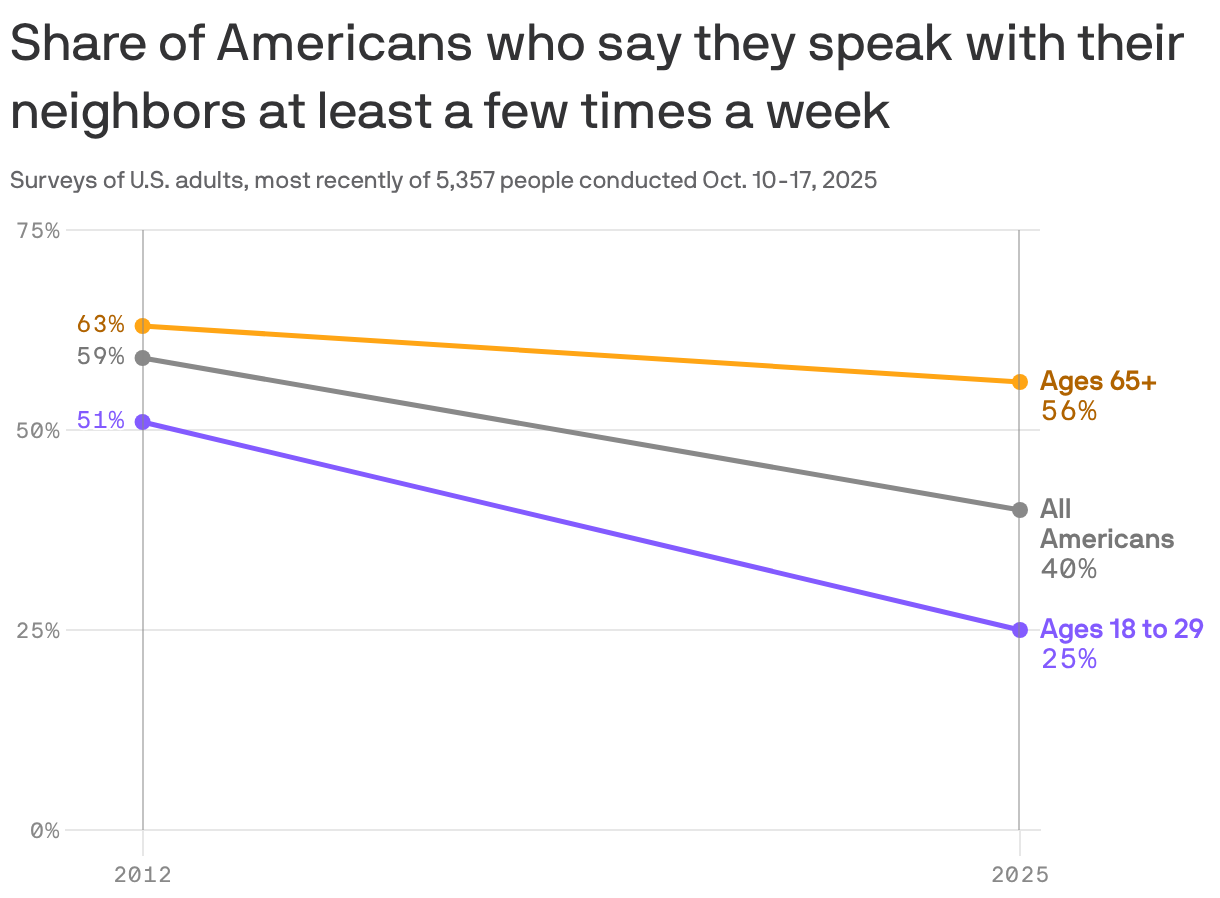
Americans are spending more time at home, yet many have become strangers to their neighbors — especially young Americans, who are increasingly unlikely to socialize with those living feet away.
Why it matters: Without casual conversations with neighbors — who are often from other races, or have different religions and political ideologies — people risk becoming more isolated and more dependent on superficial, algorithm-driven digital communities.
OpenAI CEO Sam Altman's first turn on the witness stand Tuesday sharpened the central fight in Elon Musk's lawsuit: whether either man can be trusted to put AI safety ahead of money and control.
Why it matters: The testimony showed how hard it is for any AI leader to claim the moral high ground.