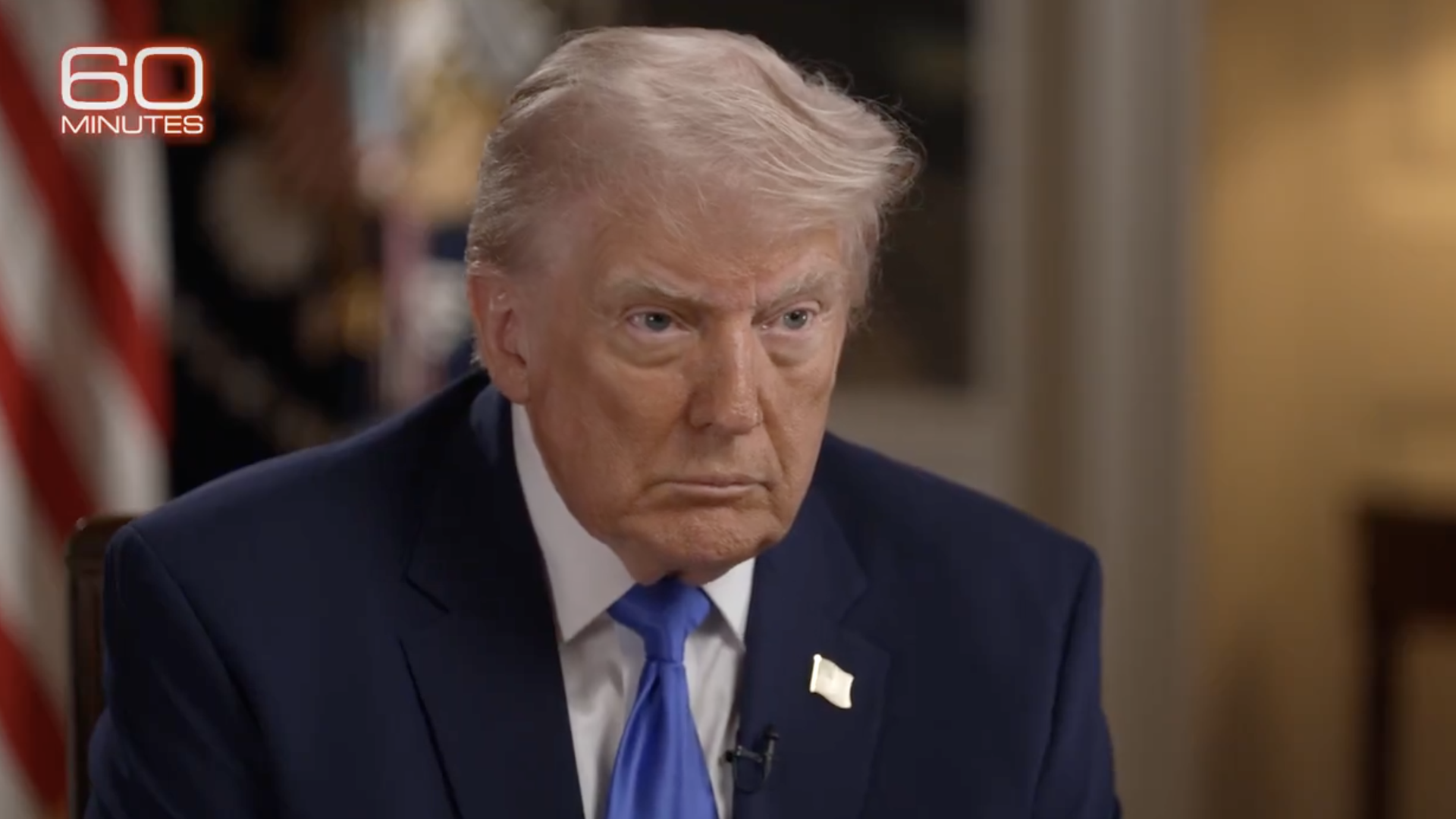
President Trump called CBS' Norah O'Donnell "disgraceful" during a "60 Minutes" interview Sunday after she raised comments the gunman from the White House Correspondents' Association dinner allegedly made about him in a manifesto.
The big picture: O'Donnell asked Trump for his reaction to the manifesto and allegations the suspect appeared to make about him, prompting the president to say: "I was waiting for you to read that because I knew you would because you're horrible people. ... Yeah, he did write that. I'm not a rapist. I didn't rape anybody."
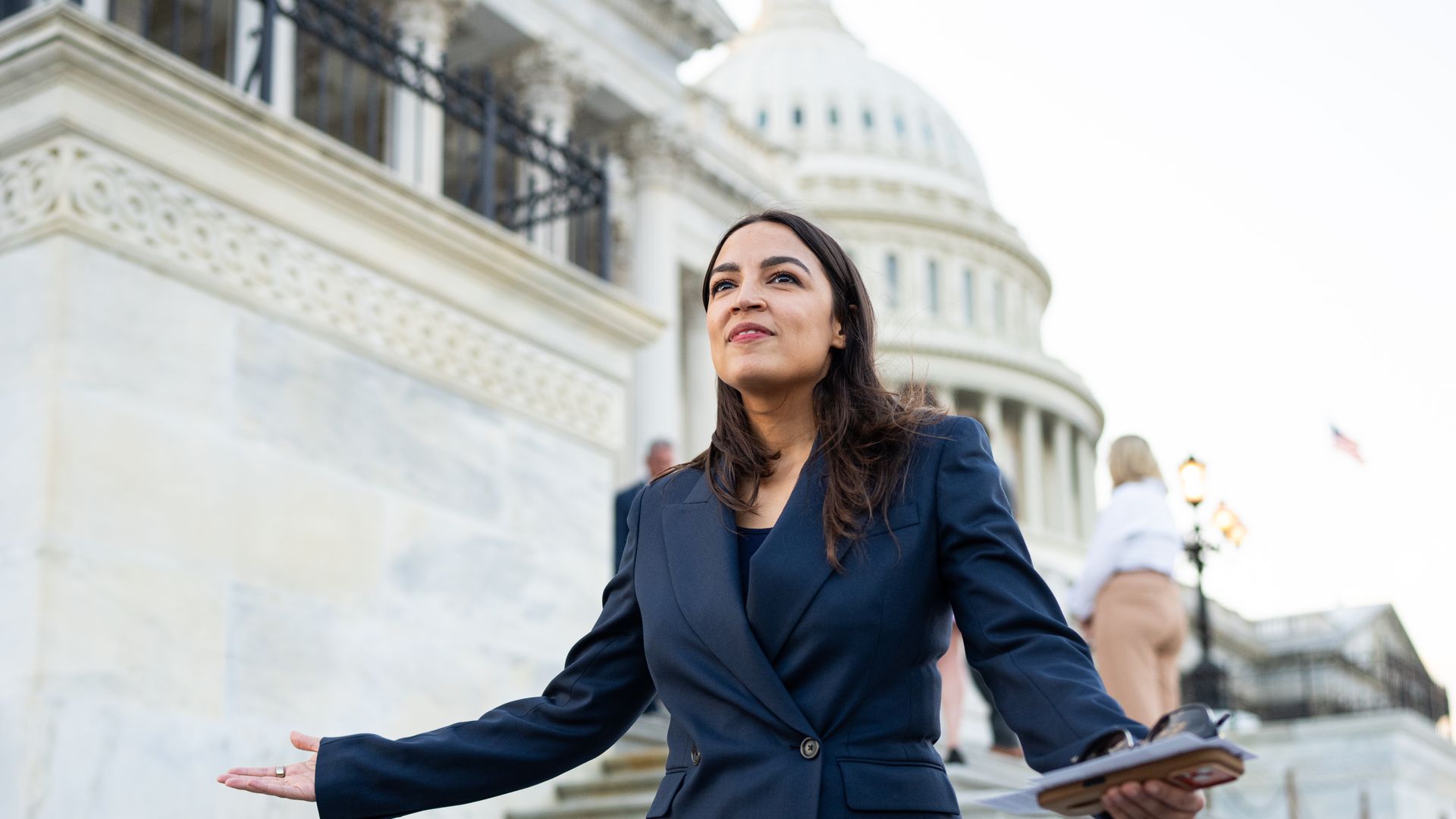
The progressive lawmaker has sat for just three interviews with national media this year — a fraction of what other potential 2028 candidates for president have done.
When she is interviewed it's usually with an ideologically sympathetic outlet or reporter, or is focused on a topic that's politically safe.
Why it matters: This distinct approach to the media suggests three things about Ocasio-Cortez and her team's approach as she weighs a run for the White House:
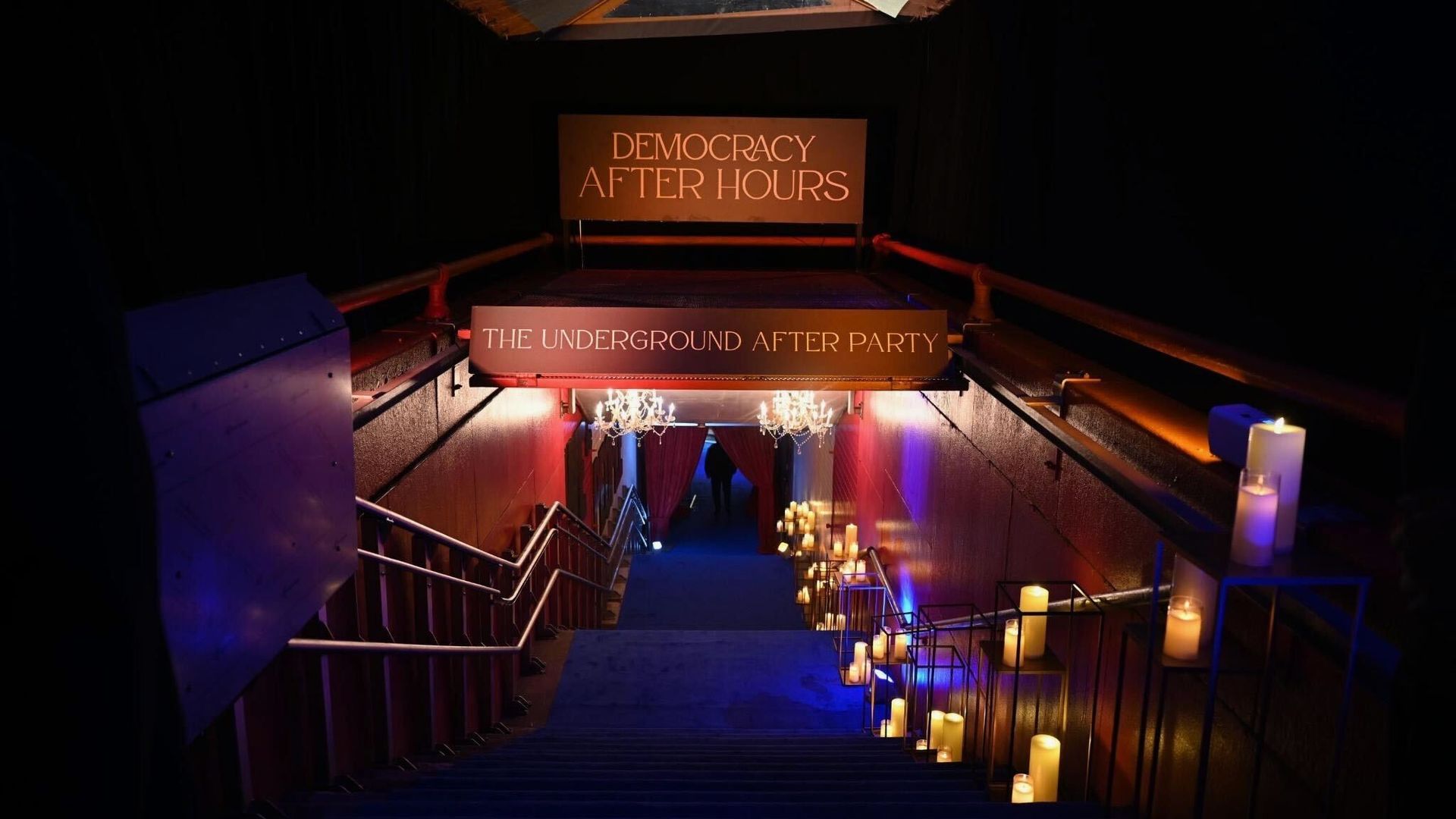
White House Correspondents' Dinner weekend has always been a reflection of the changing news ecosystem, but this year's event shows just how fast the media industry is being disrupted.
Why it matters: Washington's traditional media powerbrokers are being challenged by independent journalists and upstarts with a less complicated political history.
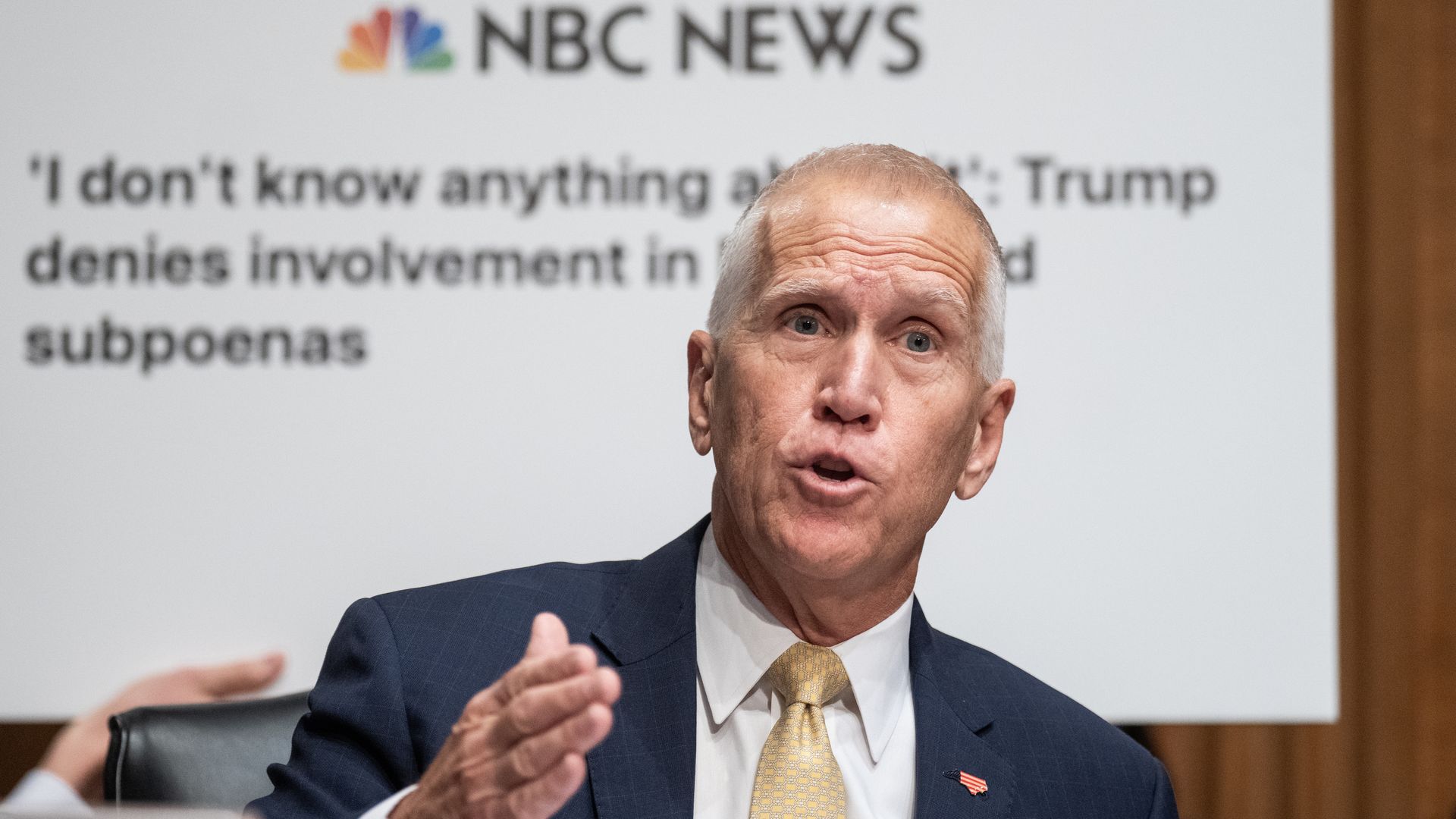
Sen. Thom Tillis (R-N.C.) on Sunday said that he would no longer block Kevin Warsh's Federal Reserve chair confirmation, removing a key hurdle for President Trump's pick to lead the central bank.
Why it matters: The Department of Justice said last week that it was dropping its investigation into current Fed chair Jerome Powell, satisfying the key Republican's conditions for supporting Warsh.
The Trump administration moved faster than anyone expected to build a system to repay businesses billions of dollars in tariffs. Now, the president is warning companies not to use it.
Why it matters: Businesses face an especially tricky quandary: On the one hand, consumers and some lawmakers are calling on them to pass down refunds to their customers. On the other, there's now political pressure not to seek refunds at all.