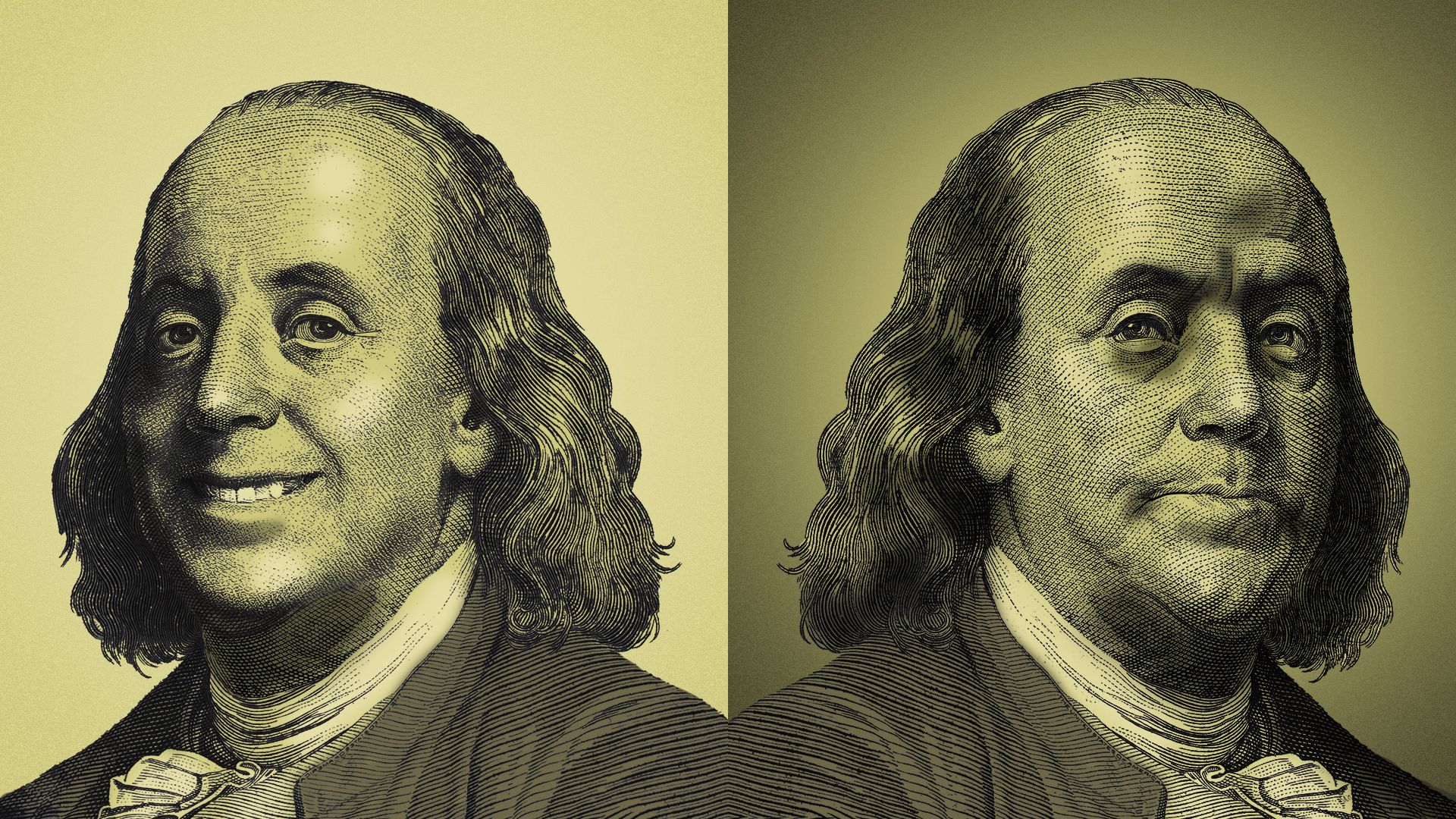
The Trump administration moved faster than anyone expected to build a system to repay businesses billions of dollars in tariffs. Now, the president is warning companies not to use it.
Why it matters: Businesses face an especially tricky quandary: On the one hand, consumers and some lawmakers are calling on them to pass down refunds to their customers. On the other, there's now political pressure not to seek refunds at all.
Google will invest $10 billion in Anthropic, with the potential for an additional $30 billion — days after Amazon announced its own massive investment.
Why it matters: Tech companies with their own AI ambitions keep betting on Anthropic.
For small businesses today, every decision counts. Margins are tighter. Costs are rising. And for many entrepreneurs, access to capital and support can determine whether they grow — or stall.
But in San Francisco, a new wave of investment is targeting that gap.
Canadian AI model company Cohere is combining with Germany's Aleph Alpha, in a deal that Axios has learned will value it around $20 billion after a concurrent Series E closes.
Why it's the BFD: Cohere is leaning into Europe's digital sovereignty movement as it seeks to fend off Anthropic and OpenAI.
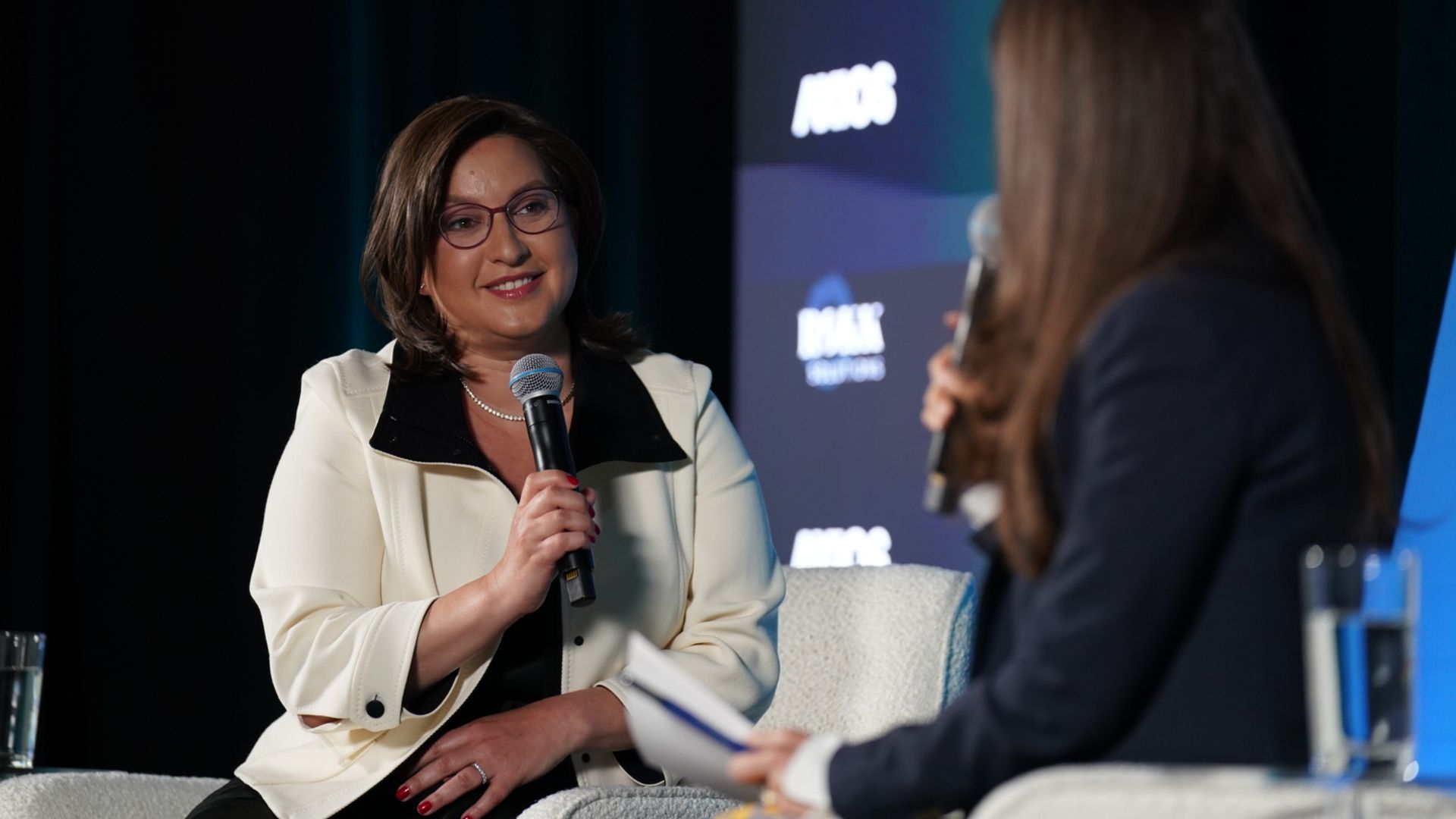
MS Now is leaning into a more focused, digital strategy that includes a subscription product, live events and new talent, president Rebecca Kutler told Axios on Friday in Washington, D.C.
Why it matters: The strategy underscores how MS Now is positioning itself after spinning out from Comcast and into Versant with a model that prioritizes fans and audience engagement over traditional TV distribution.
Economists and analysts say that AI in the long term will make the economy more productive — we'll get more done in less time, and that might even keep inflation in check.
Why it matters: It's a long complicated road to get to that fairy-tale ending. In the short term, AI is actually increasing inflation modestly at a time of more urgent inflationary pressures like war.
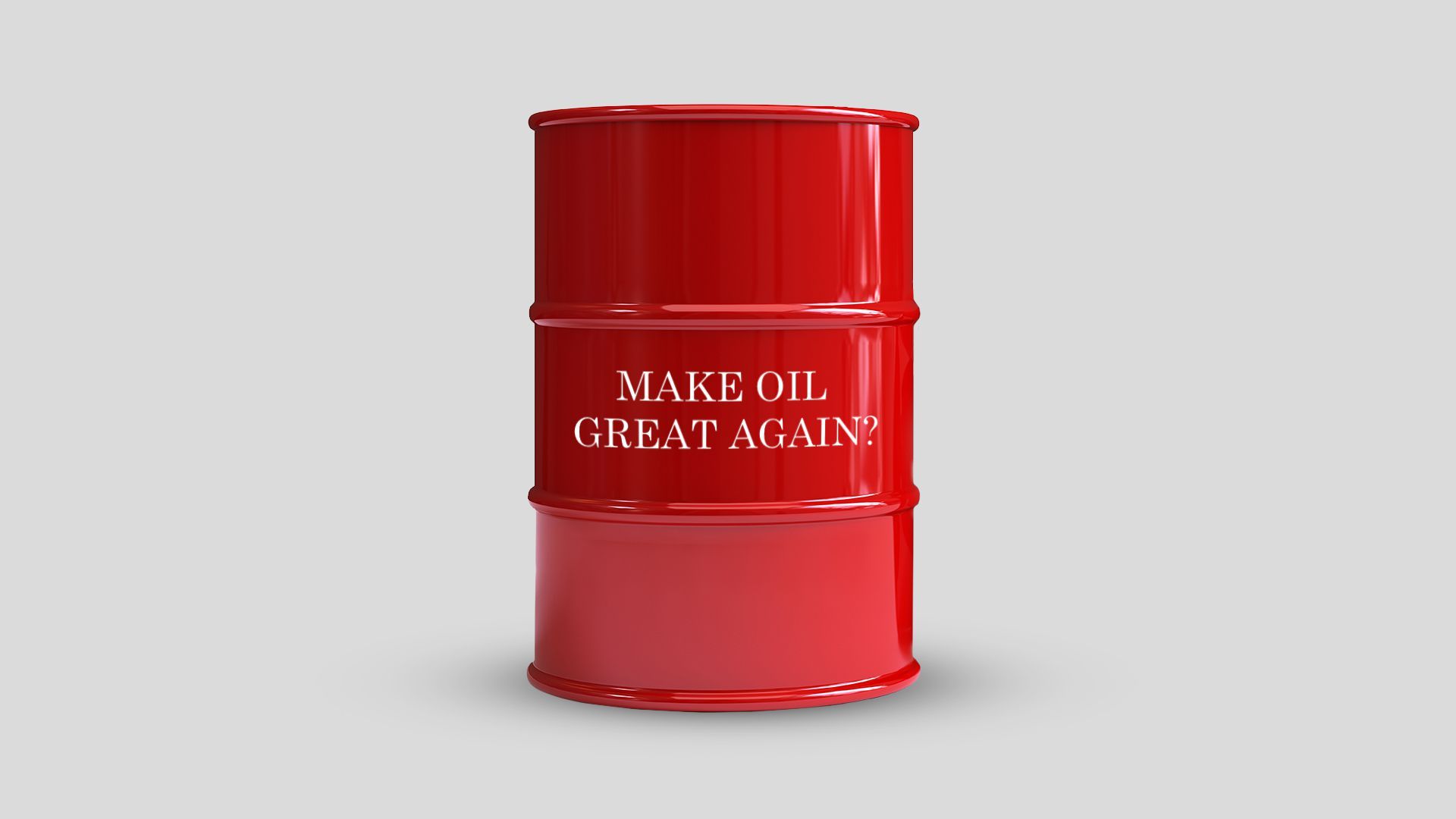
The bottling up of Middle East oil is giving a lift to U.S. exports, but there are real limits on how much more they can grow.
Why it matters: President Trump keeps talking up U.S. exports as the Strait of Hormuzis blocked, and oil and gas exports give America more geopolitical leverage.
Call it a CAR crash: The stock price of auto rental company Avis, whose ticker symbol is CAR, collapsed by nearly 70% over the past two days — after a run-up of more than 600%!
Why it matters: This was a wild short squeeze — investors who bet that the stock price would fall got cornered and were forced to buy their way out of a jam, driving the price even higher.
The Vatican is racing to build digital defenses for the artificial intelligence era — and quietly positioning itself as a global referee of what's real.
Why it matters: The Holy See is moving faster than most other legacy institutions to shape rules and guardrails in verifying reality, with urgency that's unfolding amid unusual geopolitical and digital clashes.
The digital detox movement is gaining popularity, driven by grassroots efforts to limit screen time and a broader push among Gen Zers to switch off their phones.
The big picture: Phone-free bars, restaurants and entertainment experiences are on the rise while cellphone pouches are becoming an essential item at schools, weddings, proms and retreats, and search interest in apps that keep you off your phone skyrocketed.
A U.S. special forces soldier was arrested and charged with using classified information about the raid to capture Venezuelan leader Nicolás Maduro to profit from prediction market bets, the Department of Justice announced Thursday.
Why it matters: The case lands as regulators and lawmakers intensify scrutiny of prediction markets — offering a real-world test of how aggressively authorities pursue insider trading tied to sensitive government information.
This is the first time the Commodity Futures Trading Commission has filed charges of insider trading in connection with event contracts, per a CFTC statement.