JPMorgan Chase CEO Jamie Dimon downplayed the threat of a private credit meltdown, while Goldman Sachs signaled that its private credit business is in good shape.
Why it matters: The trend of investors exiting private credit funds has raised concerns that a blowup in nonbank lending could infect the broader financial markets.
Meta is preparing to release the first new AI models developed under Alexandr Wang, with plans to eventually offer versions of those models via an open source license, Axios has learned.
Why it matters: Meta has been the largest U.S. player to let others modify its frontier models, and there has been growing speculation the company might retreat from that strategy altogether.
The National Basketball Association last week received initial bids for teams in its upcoming European league, with final decisions expected sometime this summer.
Between now and then, there is a lot to be worked out.
What we know: NBA Europe is expected to include between 14 and 16 teams in a dozen European cities, with play to begin in October 2027 at the earliest.
Neurocrine Biosciences (Nasdaq: NBIX)has agreed to acquire Redwood City, California-based Soleno Therapeutics (Nasdaq: SLNO) for $2.9 billion in cash.
Why it's the BFD: This would give Neurocrine its first metabolic disease drug — something that's evolved from "nice to have" to "must have" in the GLP-1 era.
The Associated Press plans dozens of U.S. staff cuts as part of a broader restructuring away from hyper-local print coverage and toward video and national topics, executive editor Julie Pace and global chief revenue officer Kristin Heitmann told Axios.
Why it matters: Founded as a local journalism collective in 1846, U.S. newspaper groups today account for less than 10% of the AP's overall revenue, per Heitmann.
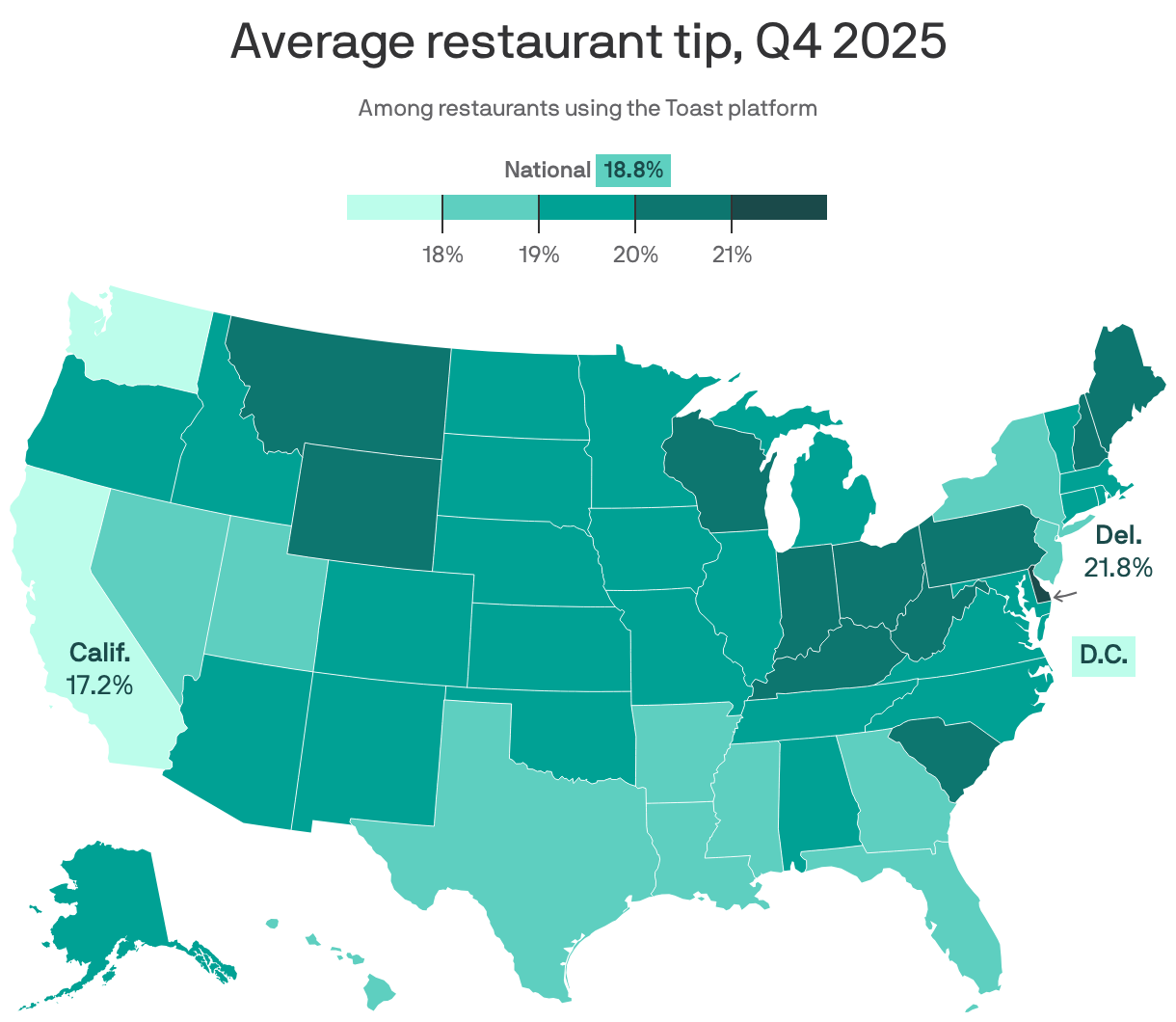
When dining out, Oregonians tend to leave a 19% tip or higher on average, per Toast's latest restaurant trends report.
The big picture: That's about the same as the nationwide average for tips left at full-service restaurants in Q4 2025, but higher than both our West Coast neighbors.
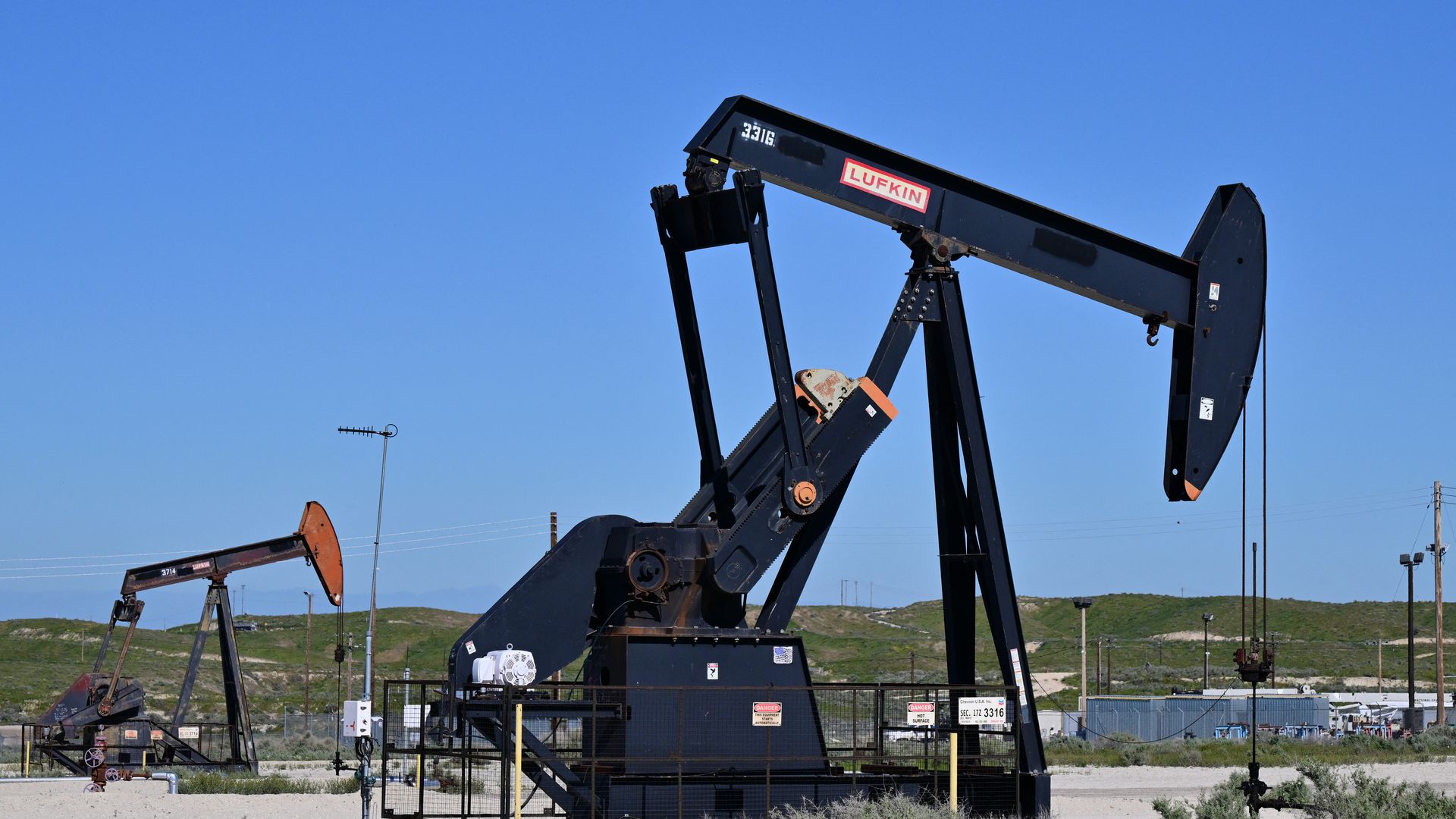
Brent crude oil climbed more than 1% to above $110 per barrel when markets opened Sunday — only to decline slightly later — amid mixed signals about the Iran war that's creating unprecedented disruption to global energy flows.
Why it matters: President Trump is signaling major escalation, but also told Axios' Barak Ravid that the U.S. is in "deep negotiations" with Iran.
AI enthusiasts scrambled over the weekend after Anthropic blocked Claude subscriptions from powering third-party agent tools such as OpenClaw.
Why it matters: The move underscores a growing tension at the heart of the AI boom: Power users want autonomous agents that run constantly, but AI labs are trying to control costs, capacity and how their models are used.
Delaware, West Virginia, New Hampshire and Indiana are home to America's best tippers, with diners leaving roughly 21% or higher on average, according to Toast data.
The big picture: Nationwide, tips at full-service restaurants averaged 19.2% in Q4 2025, the same as the previous quarter, per Toast's latest restaurant trends report.
Even if the Iran war ended now and the Strait of Hormuz reopened, the crisis has lasted long enough to bring a meaningful and damaging toll worldwide.
Why it matters: "What began as a disruption in a key energy corridor is now feeding through the entire global economy," the UN's trade and development arm said in an analysis.
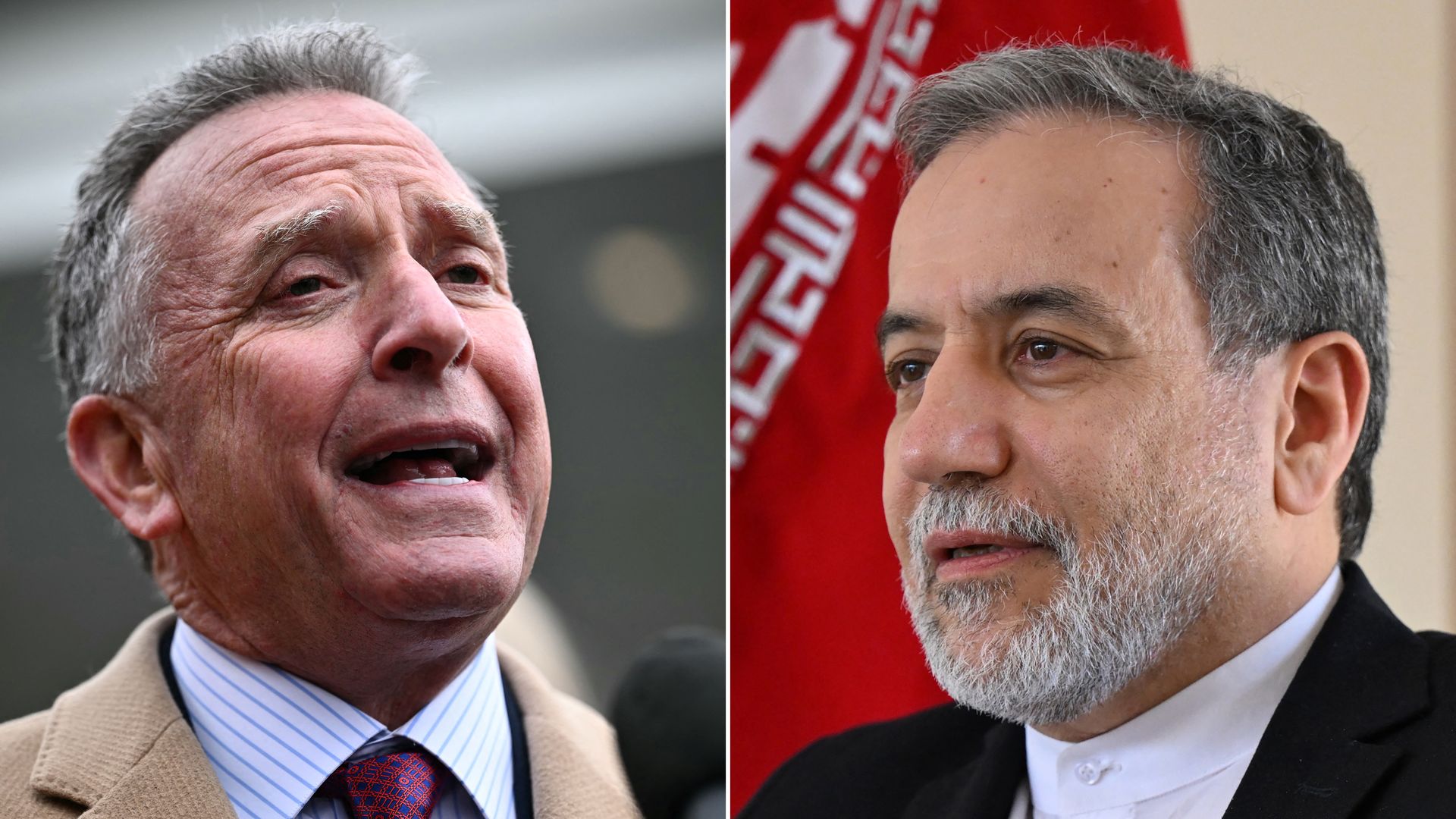
The U.S., Iran and a group of regional mediators are discussing the terms for a potential 45-day ceasefire that could lead to a permanent end to the war, according to four U.S., Israeli and regional sources with knowledge of the talks.
Why it matters: The sources said the chances for reaching a partial deal over the next 48 hours are slim. But this last-ditch effort could be the only chance to prevent a dramatic escalation in the war that will include massive strikes on Iranian civilian infrastructure and retaliation against energy and water facilities in the Gulf states.