Taboola, the publicly traded ad tech company, is partnering with LG's advertising division to bring performance advertising from LG's TV ecosystem to the open web.
Why it matters: It's the first time Taboola has inked a deal with a television manufacturer to expand its native advertising product.
Shareholder activists are taking aim at more companies — and a disproportionate number of them are led by women, a new report finds.
Why it matters: Women are already underrepresented in the C-Suite, accounting for only 9% of the Fortune 500 CEOs — and being put in the cross-hairs of activist investors may only expand the gender gap.
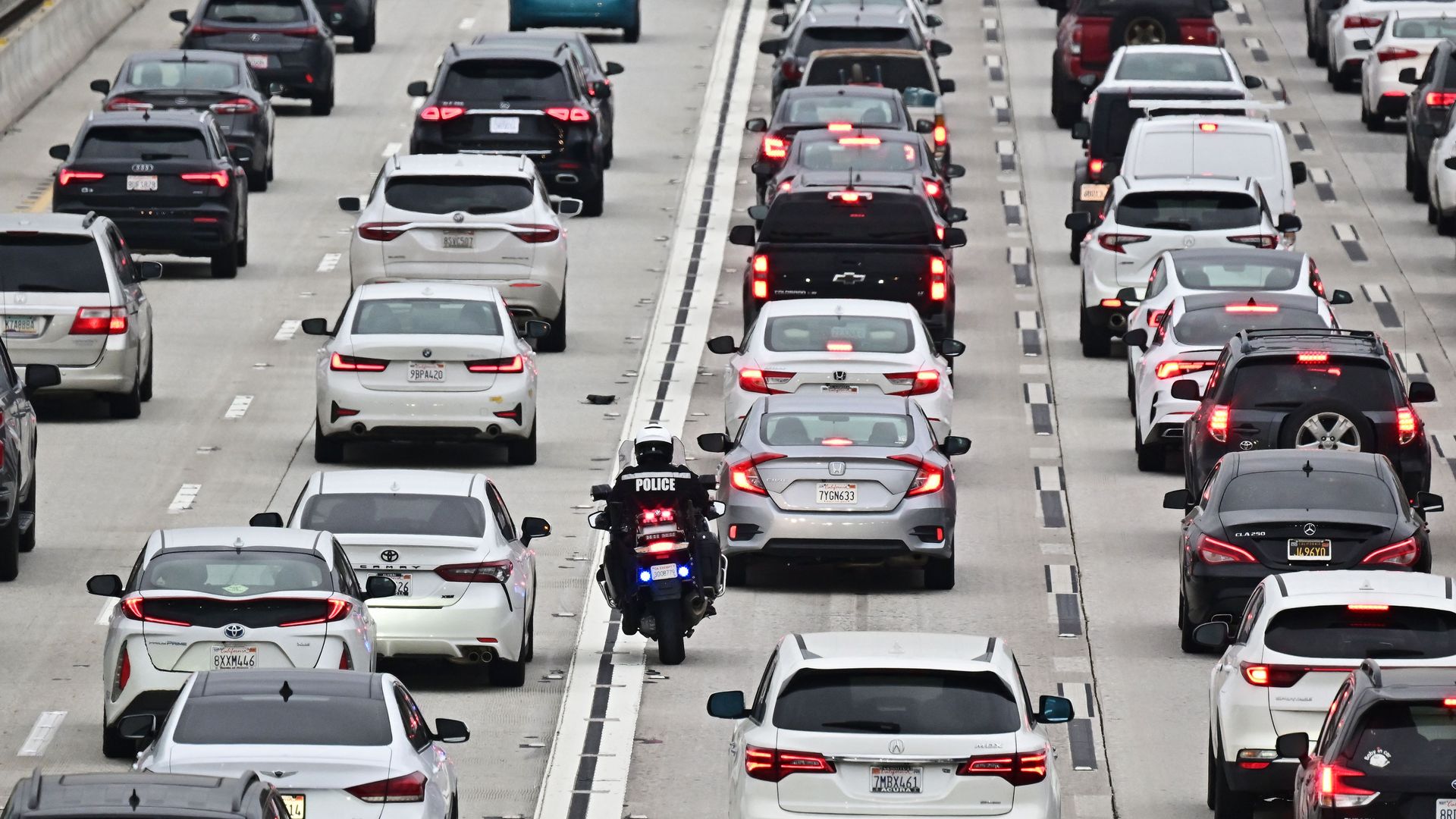
President Trump's newlyproposed fuel economy standards would roll back tough Biden-era targets that were intended to cut emissions and promote electric cars.
The big picture: Trump has been tearing up Biden administration policies he believes were intended to force EVs on Americans, and framed his latest plan as a common-sense strategy to make cars more affordable.
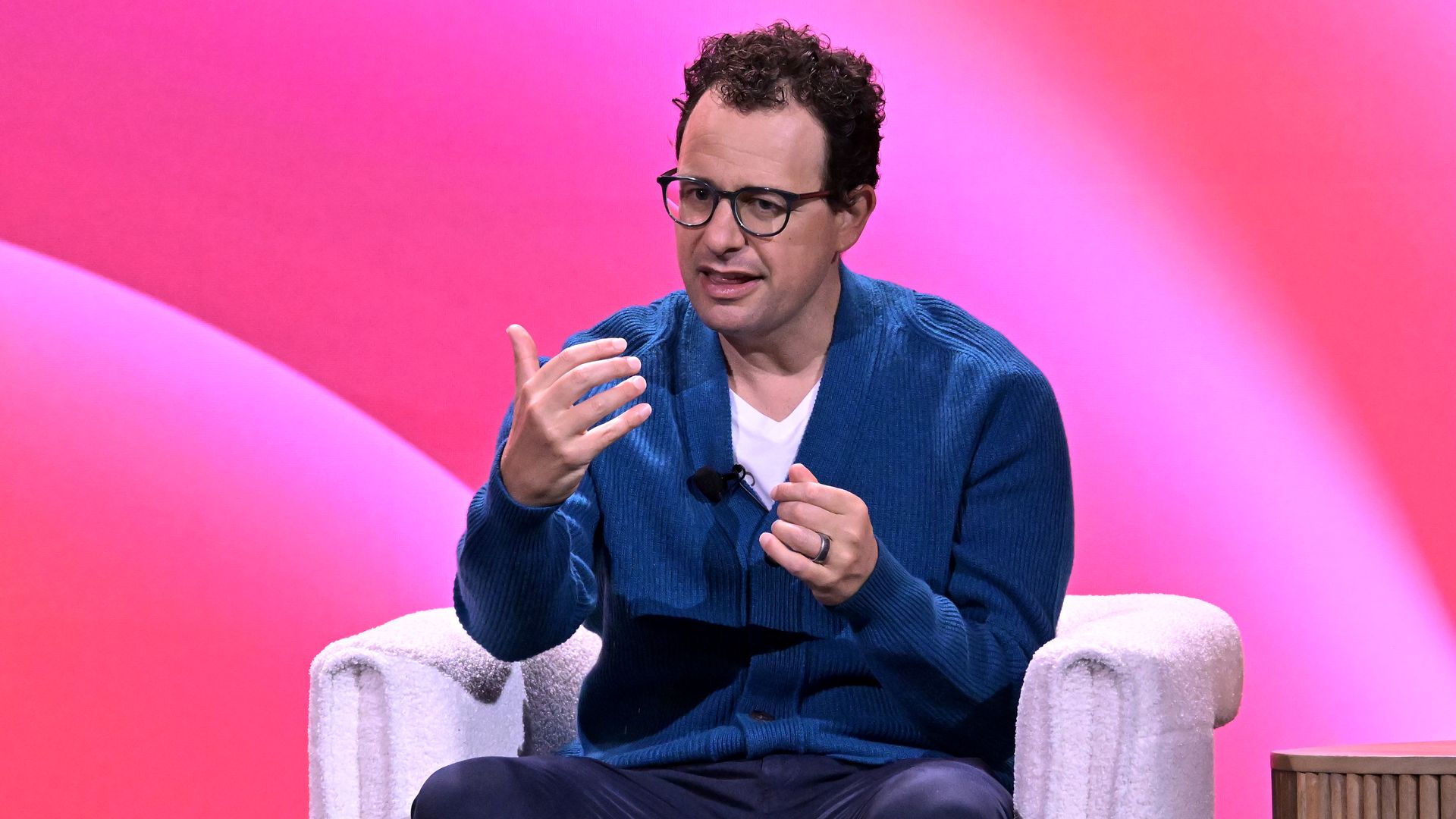
As AI technology transforms the economy, the government will need to step in and retrain the workforce, Anthropic CEO Dario Amodei told a conference on Wednesday.
Why it matters: While some business leaders have played down the danger of AI taking jobs, the Anthropic CEO has been vocal in warning that we should be expecting it —and that the government has a role to play in helping the economy transition.
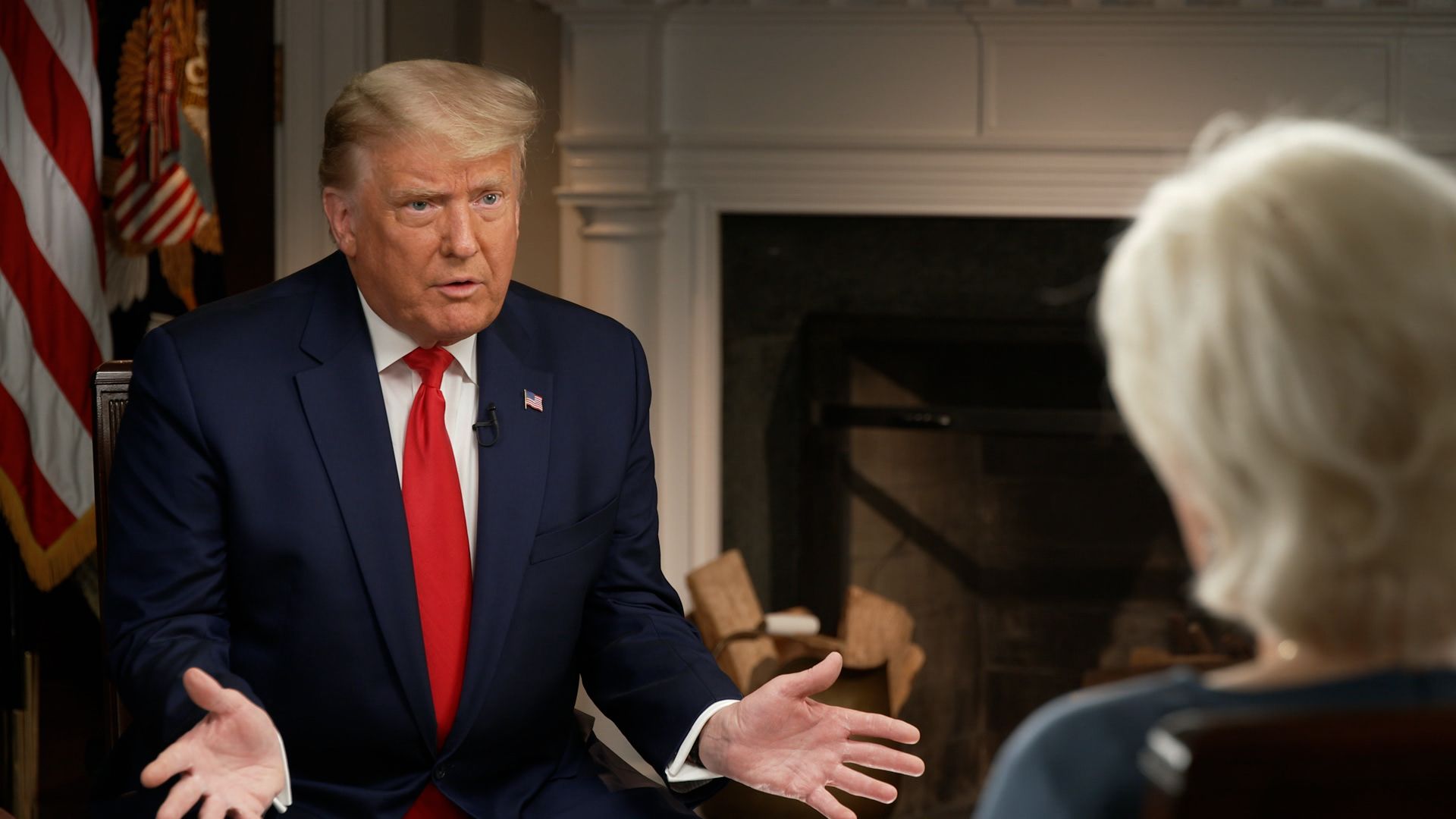
Rep. Jamie Raskin (D-Md.) has asked CBS News' ombudsman Kenneth Weinstein to explain the reasoning behind the outlet's editing of its "60 Minutes" interview with President Trump last month, citing concerns that the president "increasingly appears to be exercising direct control over CBS's editorial decisions."
The big picture: CBS has been under renewed scrutiny from both the Trump administration and its critics following a high-profile lawsuit regarding the new program's edit of an interview with then-Vice President Kamala Harris and public attacks by the president.
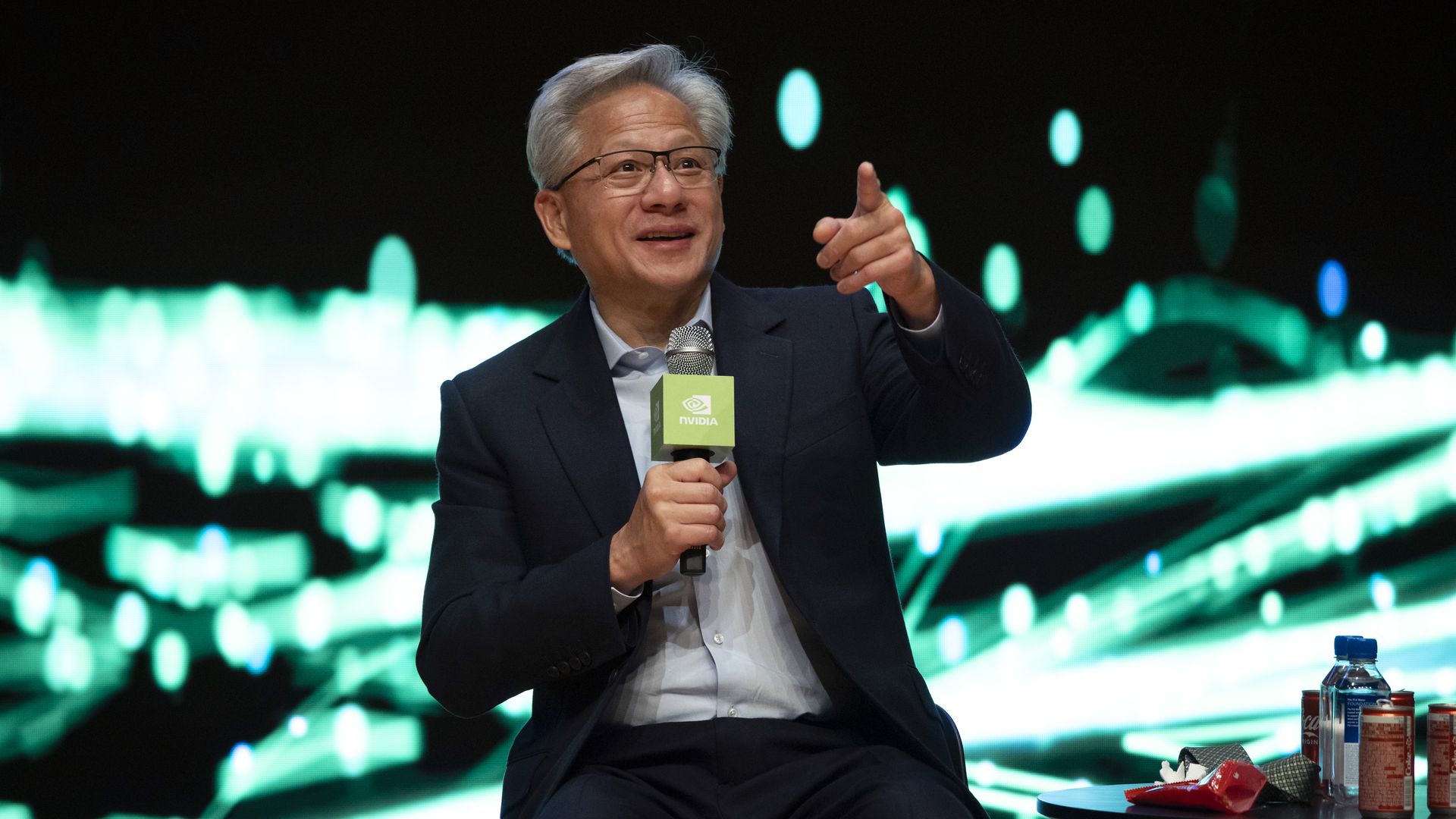
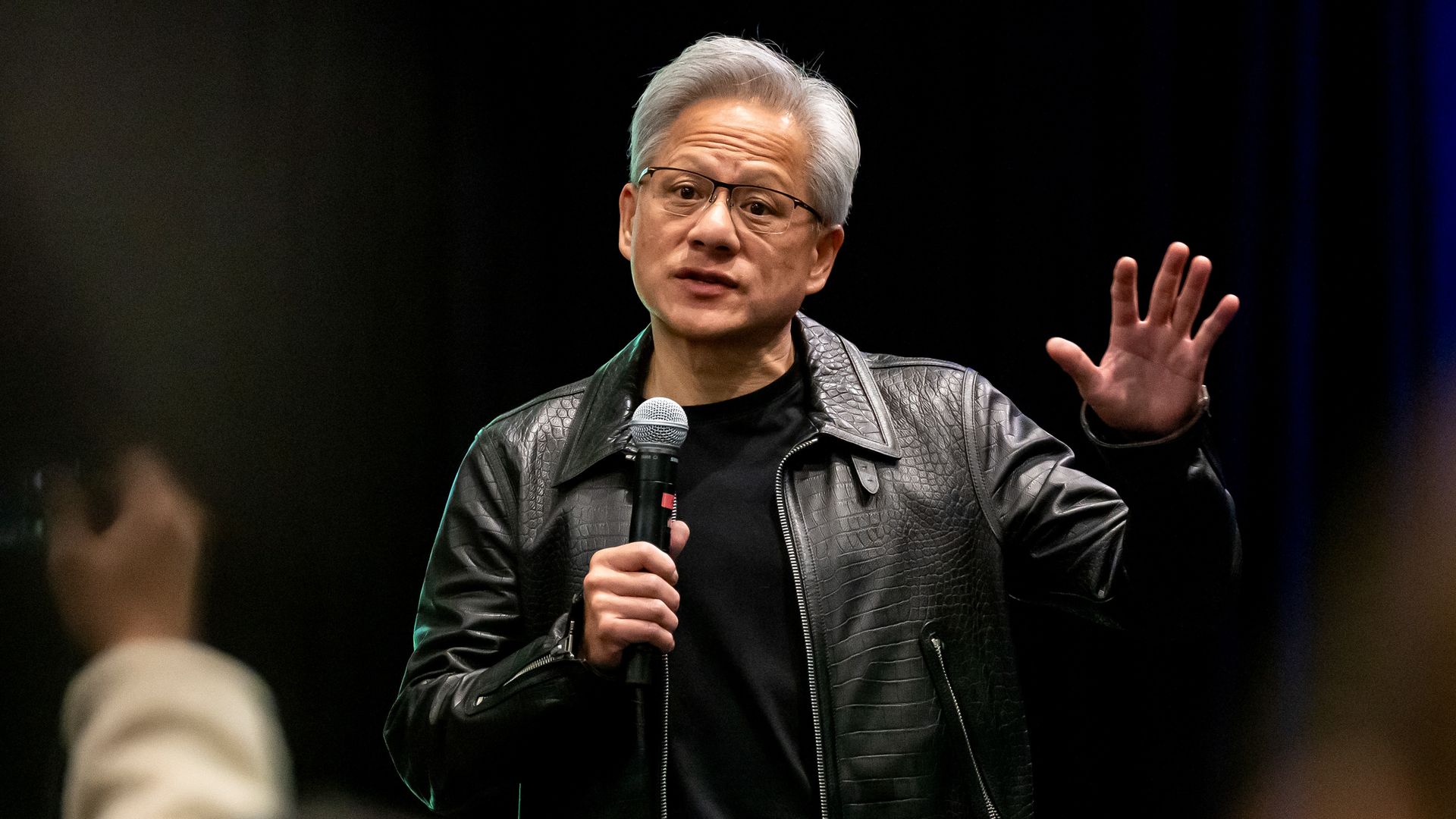
Nvidia CEO Jensen Huang said his company is the only one in the world whose business model is fully driven by technology, rather than by social media or advertising, he said on a new episode of "The Joe Rogan Experience."
Why it matters: Huang is emphasizing his company as the central player in the AI race as competition heats up.
Nvidia CEO Jensen Huang said on a new episode of "The Joe Rogan Experience that he doesn't think "anybody really knows" the future potential national security implications of AI.
The big picture: In the interview, Huang praised President Trump and emphasized the military capabilities of evolving technology, while saying that AI's national security implications are ambiguous.
President Trump last week commuted the seven-year prison sentence of private equity investor David Gentile, who served only 12 days behind bars.
The big picture: Trump isn't pardoning Gentile for his crimes, which included wire fraud and conspiracy to commit securities fraud.
Instead he's arguing that Gentile isn't deserving of prison time or major fines, with White House Press Secretary Karoline Leavitt claiming that Gentile's trial was a "weaponization of justice" by former President Biden.
Early holiday retail data looks a lot like the rest of the economy: fine on the surface, with potentially dangerous cracks underneath.
Why it matters: The consumer is the engine of the U.S. economy — an engine many fear will start to sputter amid tariff pressure, a weak labor market and tariff-driven price increases.
Arcturus, led by veterans of Microsoft, Lucasfilm, Nvidia, Pixar and Unity, has raised $2.3 million for capturing and sharing immersive 3D experiences of live sports, CEO Steve Sullivan exclusively tells Axios.
Why it matters: The media tech platform seeks to transform how live games are covered and analyzed by making it possible to see plays from any angle.
Waymo boasts that deploying robotaxis to new cities has become "routine." But in at least a half dozen of the markets it's targeting for expansion, it may have underestimated the policy roadblocks and political headwinds it faces.
Why it matters: Misreading local politics could foil Waymo's ambitious growth plans, erasing the giant lead the Alphabet-owned company has over competitors.
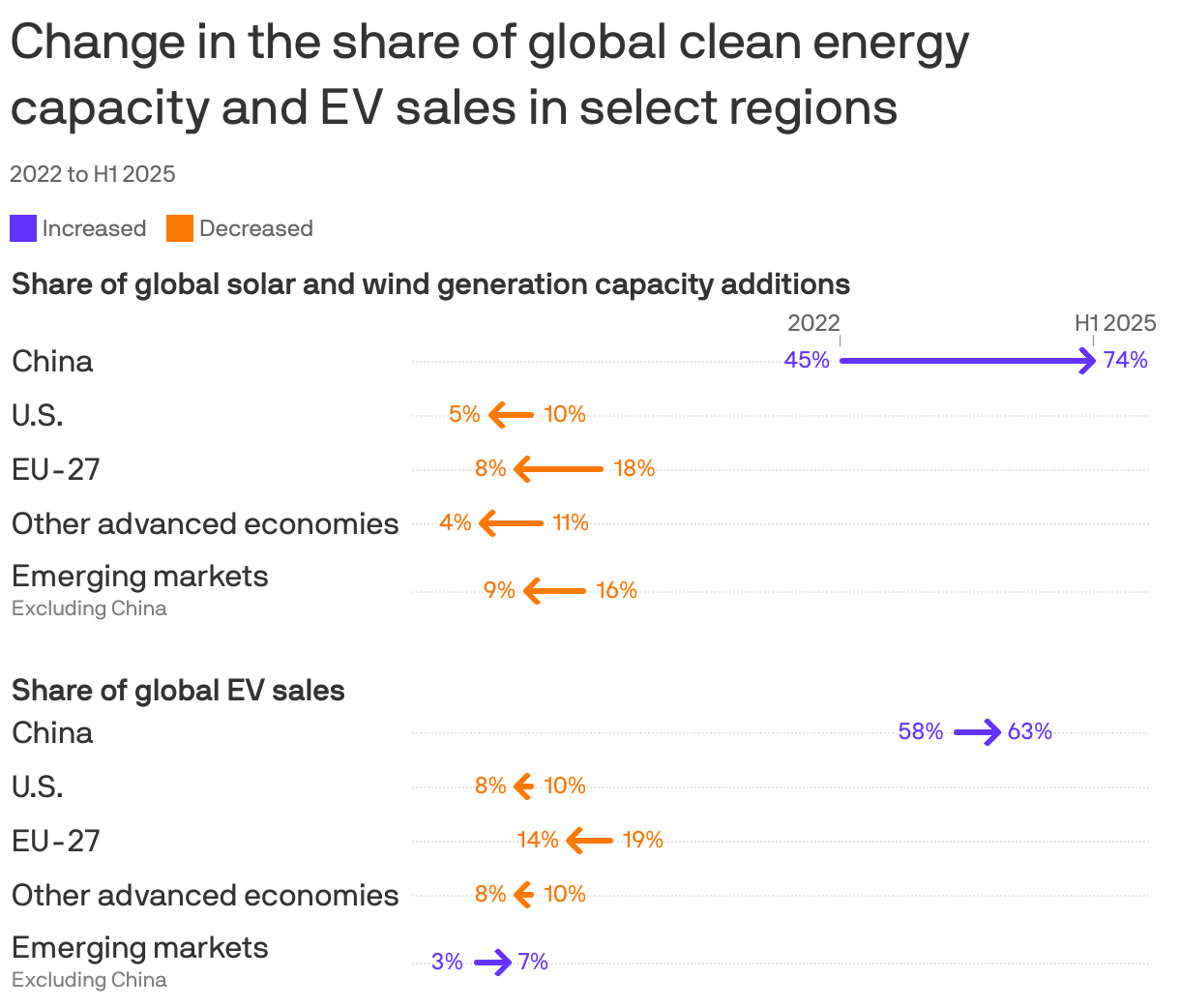
Data: McKinsey Global Institute; Chart: Axios Visuals; Note: EU-27 stands for the 27 countries that comprise the European Union
Not only is China winning the clean energy race, but it's picking up the pace when most other economies — including the U.S. — are slowing down, according to new McKinsey data.
Why it matters: The energy transition is shifting geopolitical alliances and power centers, and China is solidifying its lead while the U.S. falls back.
Starting Wednesday, six Walmart stores on the outskirts of Atlanta are offering drone delivery as an option for those last-minute purchases.
Why it matters: Shifting small package deliveries to the sky could help ease road congestion and cut tailpipe emissions — not to mention enabling shoppers to get their purchases delivered quickly, right to their doorstep.
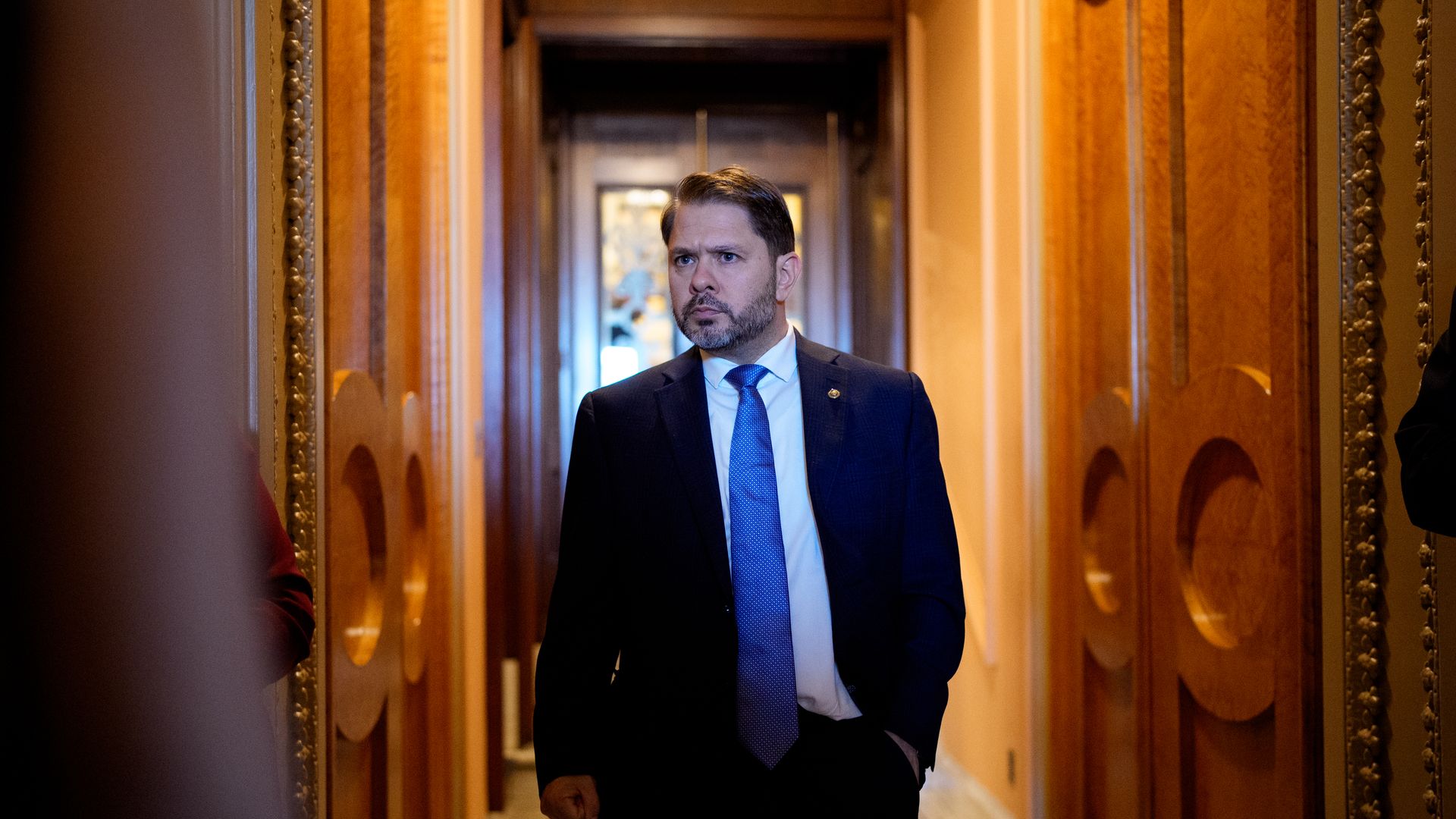
Sen. Ruben Gallego on Wednesday dropped an energy plan that's very much of this political moment: It leads with affordability, with climate present but not front and center.
Why it matters: The Arizona Democrat is a potential 2028 White House candidate, and his plan arrives as energy costs are atop the political radar.
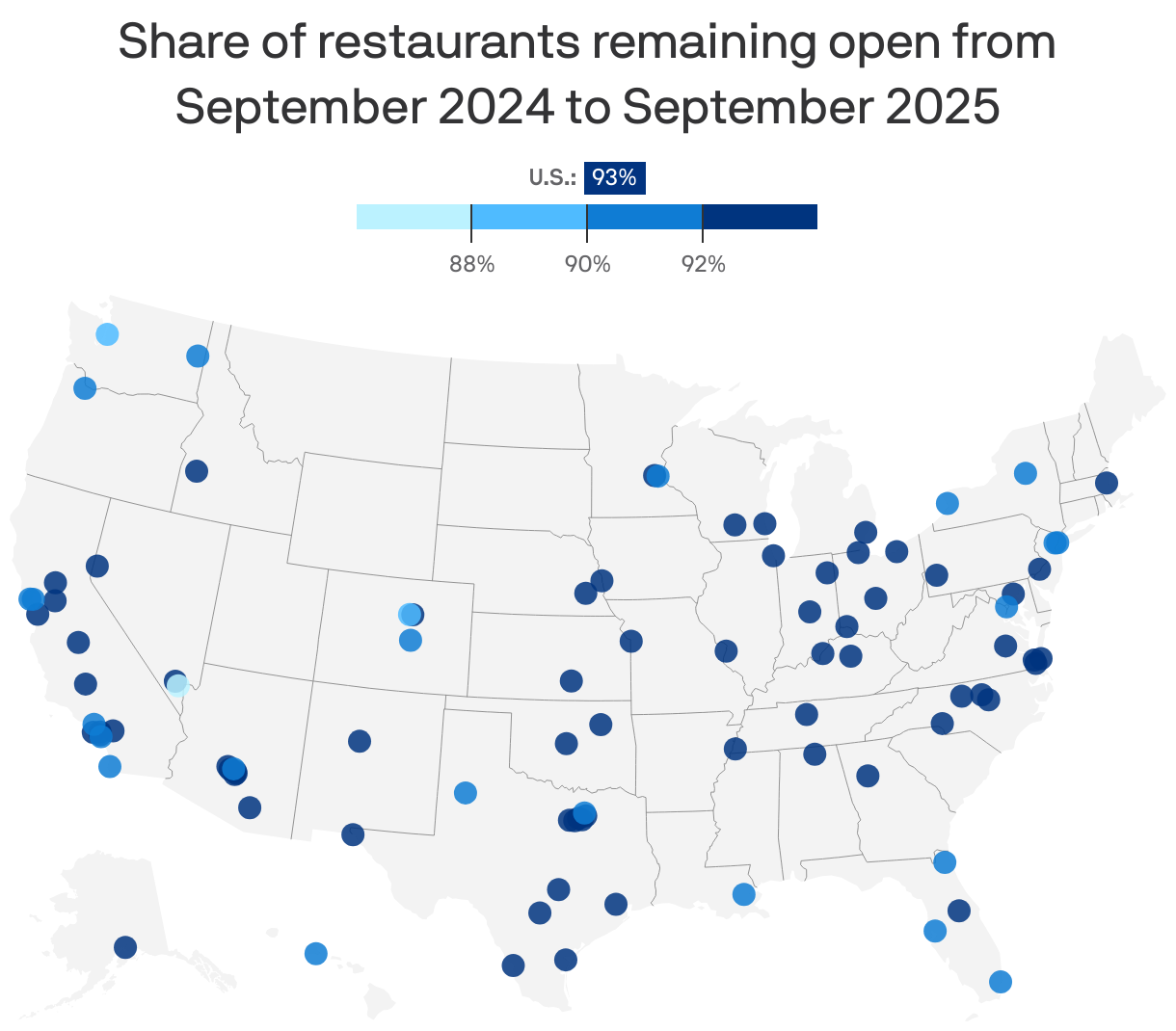
New Orleans restaurants using DoorDash had a relatively low year-over-year survival rate between September 2024 and September 2025 compared to the national average.
Why it matters: Some churn is normal, even healthy. But restaurant survival rates could also suggest something rotten in the state of the local industry.
Wall Street insists AI is not a bubble. But with some clients not convinced, HSBC is steering them toward emerging markets for cheaper, diversified AI exposure.
Why it matters: With high valuations making stocks expensive in the U.S., there may be better deals abroad, the bank says.
Investing in international stocks may pay off monetarily, but market pros say that's sometimes a hard sell with clients focused on domestic performance.
Why it matters: This is an example of the so-called career risk and home bias trumping market fundamentals. Money managers may prefer to keep clients happy by owning U.S. stocks, even if it could mean lower returns.
None of the leading AI companies have adequate guardrails in place to prevent catastrophic misuse or loss of control of their models, according to the Winter 2025 AI Safety Index, out Wednesday from the Future of Life Institute.
Why it matters: AI companies are desperately chasing artificial general intelligence (AGI) and superintelligence, with the promise of surpassing humans someday.
Archer Aviation plans to create an electric air taxi network in south Florida by linking regional airports with properties owned by Miami Dolphins owner and real estate developer Stephen Ross.
Why it matters: Traffic in Miami, one of the fastest-growing metropolitan regions in the U.S., can be a nightmare.