How Meta made Wall Street question the AI rally

Add Axios as your preferred source to
see more of our stories on Google.
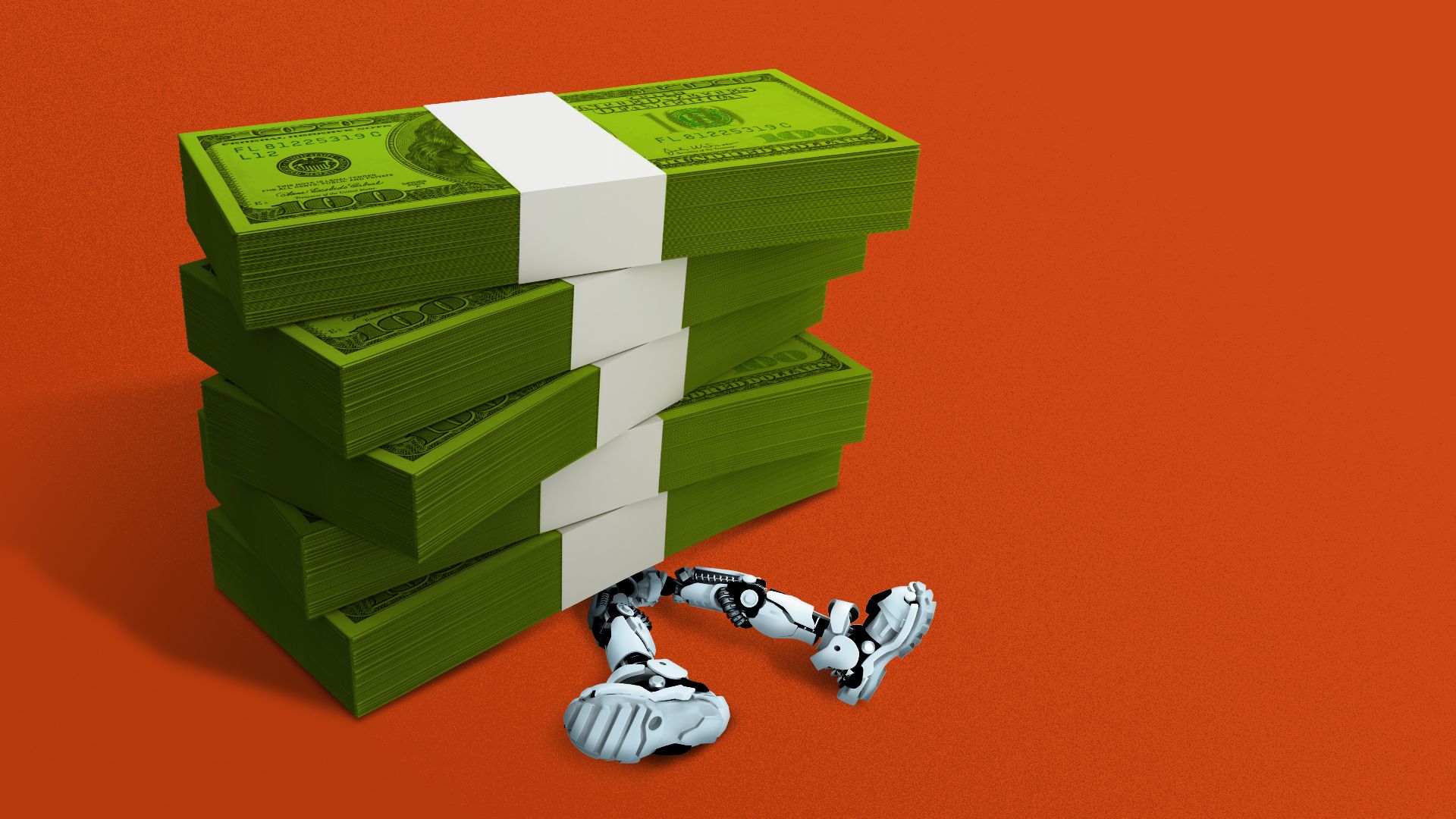
Illustration: Allie Carl/Axios
Things were going well before Halloween, with stocks up 17% for the year. Then Meta raised its capital spending forecast, and investors took fright.
Why it matters: The resulting selloff suggests investors who had previously shrugged off worries about an AI bubble are now turning more skeptical.
What they're saying: Meta's latest earnings report "had some scratching their head, thinking is all this spend justified and where is the ROI (return on investment) on this going to be?" Ken Mahoney, the CEO of Mahoney Asset Management, tells Axios via email.
- It wasn't just about the earnings reaction, but what came before, which was an "unhealthy rally," Mahoney adds.
Zoom out: Meta is not an outlier. There is a broader question of whether the companies driving the market can afford all the AI infrastructure they plan to invest in.
- OpenAI CFO Sarah Friar suggested the U.S. government could provide assistance for AI investments, fueling concerns that the firm, well, needs assistance. (The company later said it does not want federal guarantees.)
- The Big Tech firms are issuing more debt to fund their buildouts, totaling about $200 billion of investment-grade issuance so far this year.
- Famed Big Short investor Michael Burry has essentially bet against the AI narrative. Retail skipped the dip by not buying weakness in tech names.
The big picture: The broader economic outlook is also not encouraging for investors as they try to navigate without government data.
- Private labor market data showed the worst October for layoffs in over two decades. The University of Michigan consumer sentiment index in early November neared its worst level ever.
- While economic weakness could prompt additional interest rate cuts, it was not enough to encourage buyers on Friday, and stocks fell again.
Reality check: Stocks erased just two weeks of gains, and investors are still jittery. This bull market and its participants are not used to down days, but pullbacks are normal.
- That's exactly what the big bank CEOs said last week, though the mere mention of a pullback may have inadvertently fueled part of the selloff.
What to watch: The pending rebound will be determined based on how the markets reads AI capex and inflation, says market analyst Kyle Rodda.
- If Wall Street believes the AI buildout is wasteful, and if inflation makes it difficult for rate cuts to be delivered, the selloff could worsen.
- If dip buyers do what they have done so far this year, stocks will have already started to recover by the time you get to this sentence.
