Saturday's world stories

Iran's supreme leader orders "maximum" response to any U.S. attack
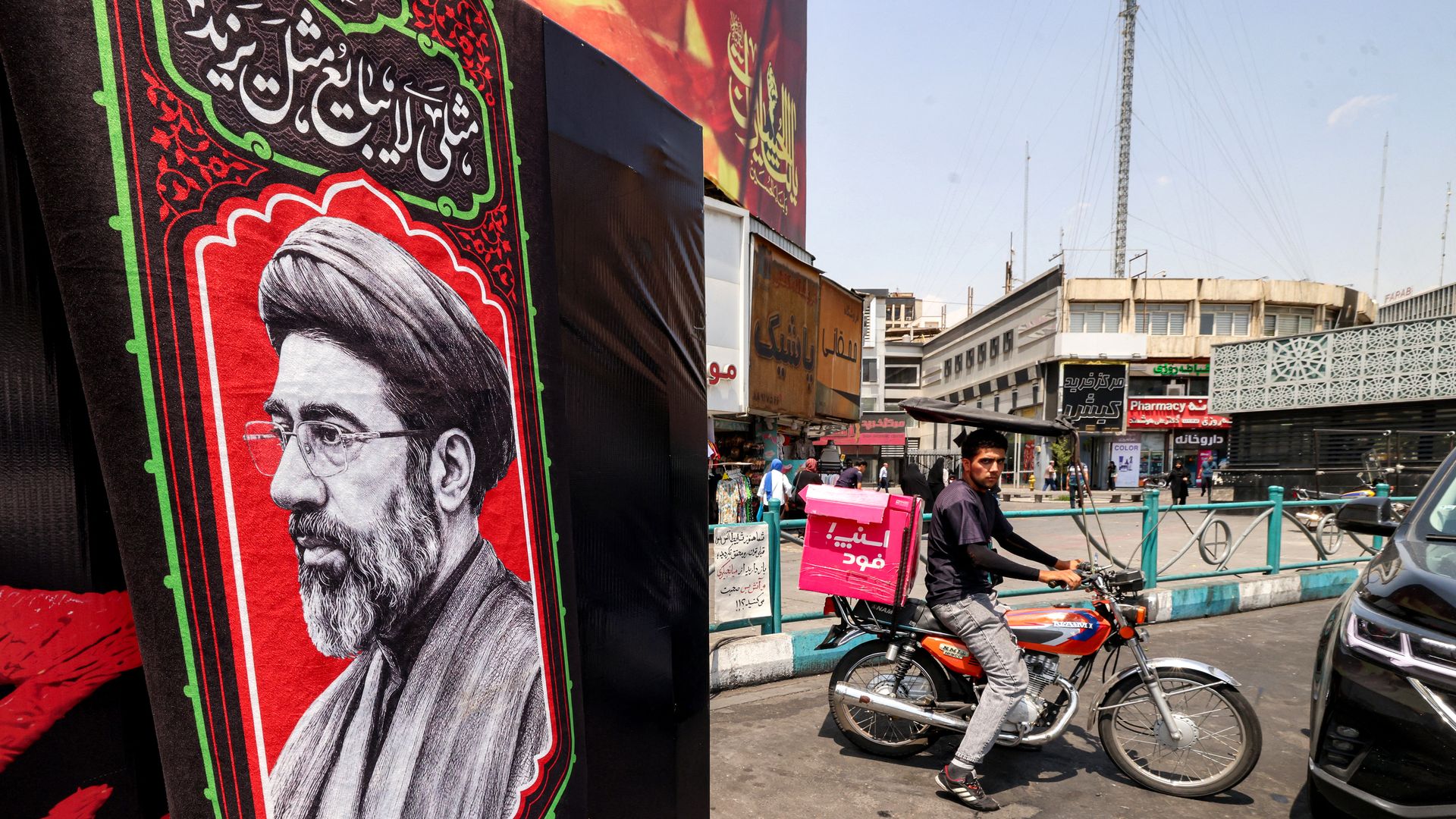
Iran's Supreme Leader Mojtaba Khamenei told the country's top three military commanders that a renewed attack by the U.S. and Israel ״must be met with an immediate and effective response, without geographical limitations״ in order to achieve "maximum deterrence," according to a statement from his office.
Why it matters: This is the first publicly disclosed meeting between Khamenei and all the top commanders of Iran's armed forces since the war began. It comes as President Trump weighs major strikes on Iran after the midterm elections.

How North Korea perfected the crypto heist

The world's biggest crypto heist is the latest feat by North Korean hackers who have spent years perfecting an arsenal of financial theft, social engineering and sophisticated cyberattacks.
Why it matters: The suspected North Korean hackers behind the $6.3 billion Binance theft appear to have combined familiar hacking tactics with extraordinary speed and automation — raising fresh questions about how AI could supercharge their already sophisticated operations.
Qataris hold marathon talks in Tehran in bid for U.S.-Iran deal before midterms
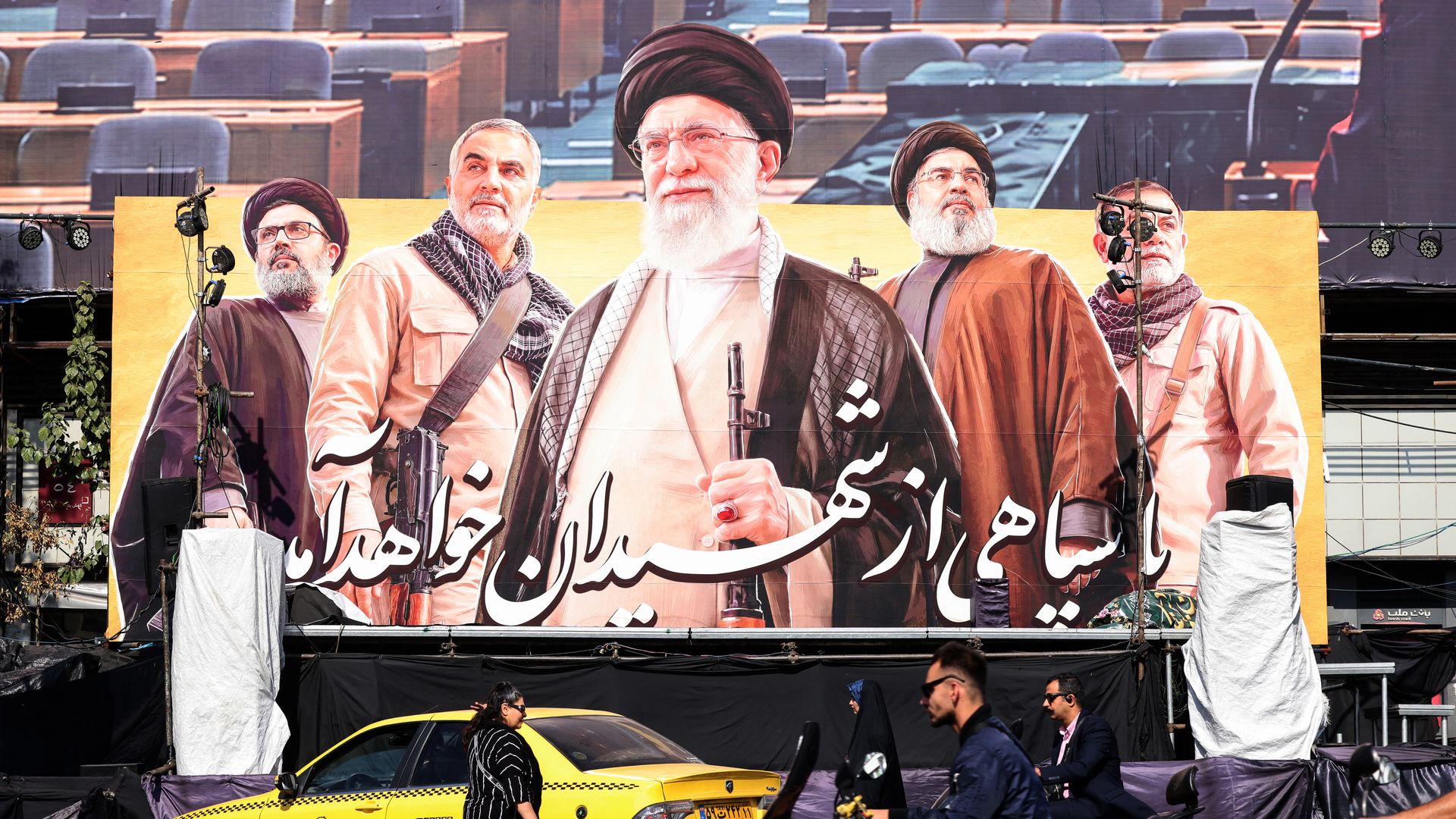
Qatari mediators held talks in Tehran for more than 12 hours on Friday in an effort to reach a deal to restart direct negotiations between the U.S. and Iran and avoid an outbreak of war after the midterms, according to diplomatic sources.
- The discussions will continue in Doha, Qatar, on Saturday.
Why it matters: The U.S. is now just days away from a possible military operation that would inflict enormous damage on Iran and likely lead to retaliatory strikes against Israel and a host of Gulf countries.
Driving the news: A diplomatic source said Qatari mediators were in regular contact with the White House during Friday's daylong session.
- "There was positive progress. Talks are still ongoing in an effort to unlock a deal between the U.S. and Iran," the source said.
- The Qataris are prodding the U.S. and Iran to agree on a set of reciprocal steps that would be implemented over a few days and get the parties back to direct talks on the Iranian nuclear program and other issues.
- A U.S. official said two competing demands have stymied the talks so far: the Trump administration's insistence that Iran make nuclear concessions as part of resuming talks, and Iran's stipulation that the U.S. first lift its naval blockade, release frozen funds and allow it to sell oil.
- The Qataris are trying to convince Iran to allow U.N. inspectors to visit its bombed nuclear sites as a confidence-building measure that the U.S. would respond to with some sanctions relief.
The intrigue: Inside Trump's inner circle, there are different opinions on what he should do.
- Defense Secretary Pete Hegseth and Secretary of State Marco Rubio are highly skeptical that any nuclear agreement can be reached with the current Iranian regime. They think Trump's legacy should be to weaken the regime even more, including with further strikes, a U.S. official said.
- The person said that while Vice President Vance and Trump envoys Steve Witkoff and Jared Kushner want to resume negotiations, Trump is skeptical Iran will ever agree to a deal he finds acceptable.
- "There are talks. They want to talk. They keep talking. ... We have time, frankly. It's a war, but it is not a typical war," Trump told reporters on Friday.
- Treasury Secretary Scott Bessent, who is leading an economic pressure campaign dubbed "Operation Economic Outcast," is one of Trump's closest aides urging him to let the initiative play out rather than rush back into combat.
Zoom out: Countries in the region like Egypt, Turkey, Iraq, Pakistan and Saudi Arabia have been urging Iran to agree to resume negotiations before the midterms, a regional source said.
- One U.S. official said Trump might be more inclined to order a major military operation if Republicans lose badly in the midterms.
- "If he feels embarrassed or disenfranchised he will do something bold. That's what everyone are telling the Iranians. Their best shot to get a deal is right now," the official said.
- A White House official said the election results won't be a factor in Trump's decision-making about Iran.
- The leaders of Saudi Arabia and Turkey urged Trump in recent days to allow more time for diplomacy.
- At the same time, Israeli Prime Minister Benjamin Netanyahu is lobbying Trump to launch a joint operation against Iran immediately after the election.
The big picture: Renewed war could lead to massive destruction not only in Iran but in Gulf countries, exacerbating the global energy crisis.
- Iran has vowed to respond to any U.S. strikes on its energy infrastructure by attacking oil and gas facilities in Saudi Arabia, the UAE, Qatar, Kuwait and Bahrain.
- Any U.S. attack on Iran would be conducted jointly with Israel. Iran would likely retaliate with missile strikes, while Hezbollah could also wage attacks on Israel.

Pope Leo XIV becomes first pope to vote in U.S. election

Pope Leo XIV voted in the 2026 Illinois midterm elections using a mail-in ballot, the Vatican confirmed Friday, becoming the first sitting pope known to vote in an American election.
Why it matters: The pontiff, an American citizen, may be the first to vote in any secular democratic election.
U.S. blockade, sanctions crippling Iran's economy, Treasury report says
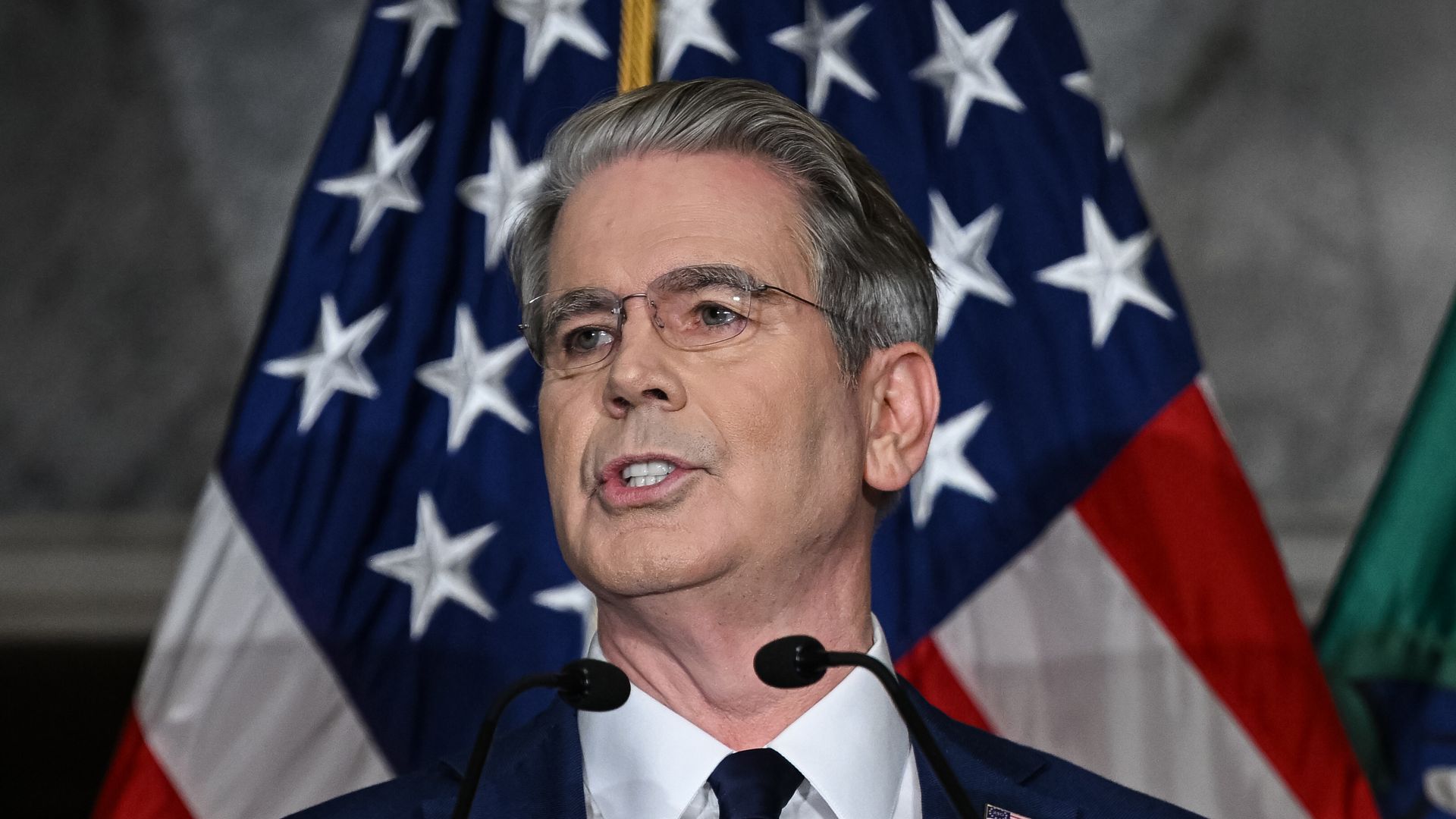
The U.S. naval blockade, sweeping economic sanctions and obstruction of overland export routes have crippled Iran's economy and intensified pressure on the regime, according to a new Treasury Department report obtained by Axios.
Why it matters: Treasury Secretary Scott Bessent, who is leading an economic pressure campaign dubbed "Operation Economic Outcast," is one of Trump's closest aides urging him to let the initiative play out rather than rush back into combat.

French economy unexpectedly contracts in Q3


France's economy unexpectedly contracted in the third quarter, extending a year of stagnation amid political turmoil.
By the numbers: Europe's second-largest economy shrank 0.1% last quarter, after stagnating in the second quarter and contracting 0.2% in the first.
- The broader eurozone grew 0.4%, twice the rate economists expected.

Scoop: Trump blesses El Salvador strongman's troop surge in Haiti
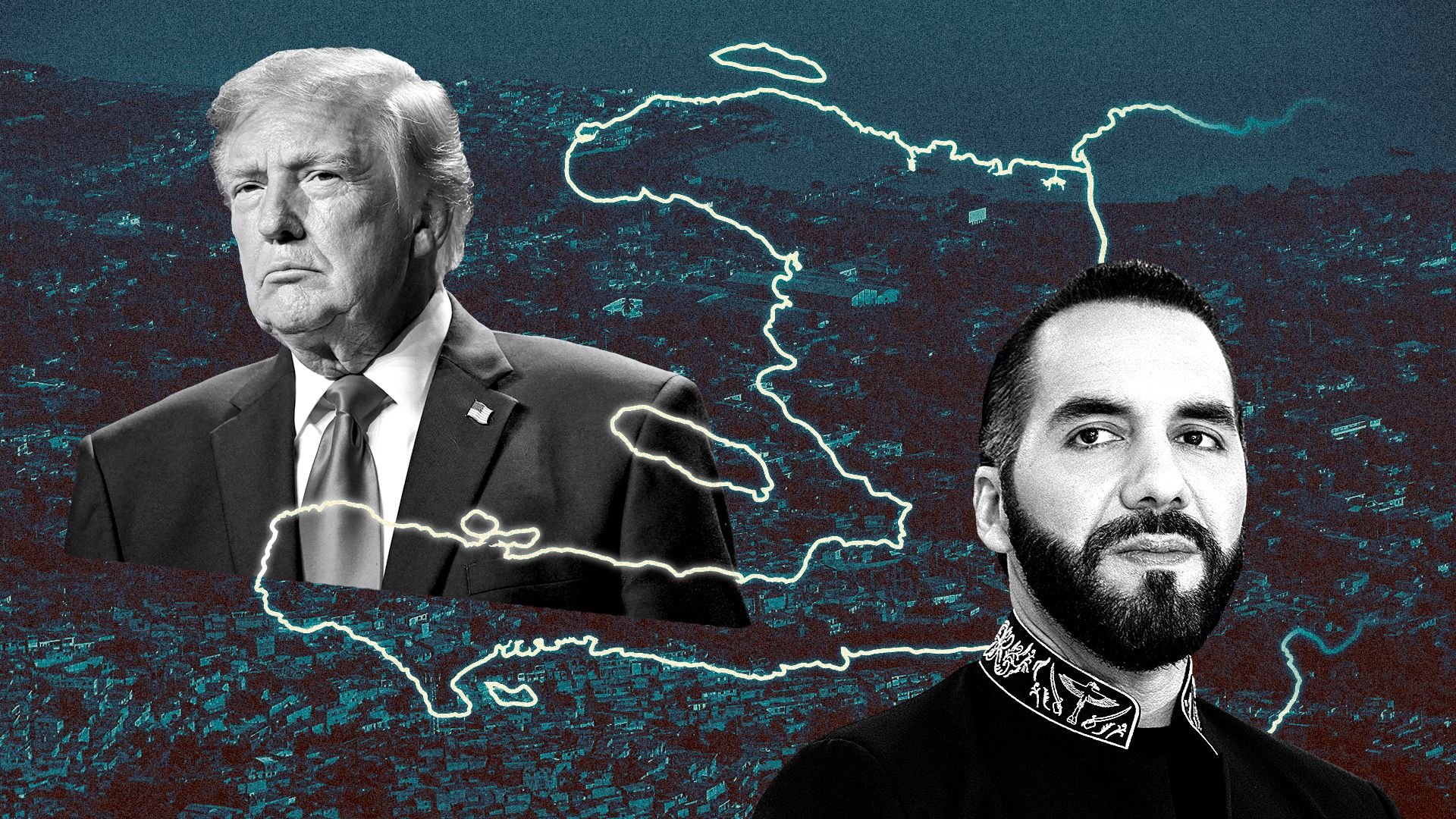
El Salvador's strongman president, Nayib Bukele, is sending thousands of troops to Haiti to boost the island's push to wipe out its gang problem — and find four of his military personnel who were captured in a recent ambush.
- Bukele called President Trump on Tuesday to make sure he had no problem with this major military escalation, to which Haiti's government has agreed.
- "Do what you have to do," Trump told him, according to sources briefed on the call.
Why it matters: If it works, Bukele's troop surge could stabilize Haiti, a country 700 miles from Florida that has been devastated by deadly gang violence and has lacked a president since the last one, Jovenel Moise, was assassinated five years ago.
Binance halts trading after biggest-ever crypto hack

Binance halted trading Thursday after hackers allegedly linked to North Korea stole more than $6 billion, the largest crypto hack in history.
Why it matters: The attack comes after a wave of high-profile cyber intrusions and data breaches during "Black October," when a series of security incidents and AI-discovered bugs triggered fears of a global crisis.

Travel like a toddler

Because we weren't going to change who we were once we had kids, my travel-loving husband and I insisted on bringing our toddler on a very adult trip to Portugal and Italy this summer.
- Think: museum visits, Airbnbs, history tours and restaurant reservations.
Why it matters: Of course, traveling with a toddler changed the pace of the trip.