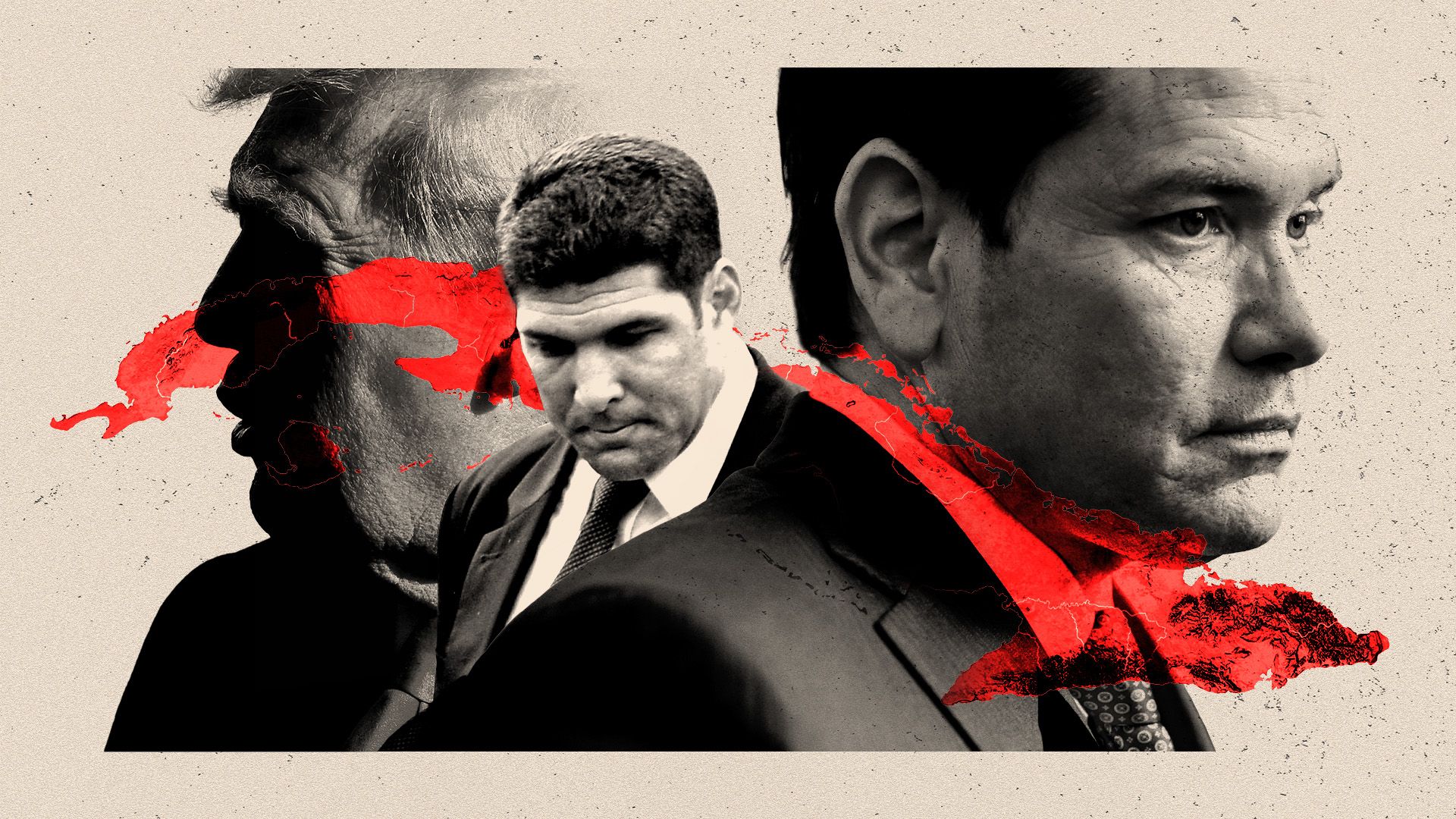
President Trump is increasing pressure on Cuba's government, elevating concerns that his continued threats to invade the Caribbean island could become reality.
Why it matters: A U.S. invasion of Cuba would mark the most dramatic confrontation between Washington and Havana since the 1962 missile crisis — and the boldest test yet of Trump's campaign to expand America's influence in the Western Hemisphere under his version of the Monroe Doctrine.
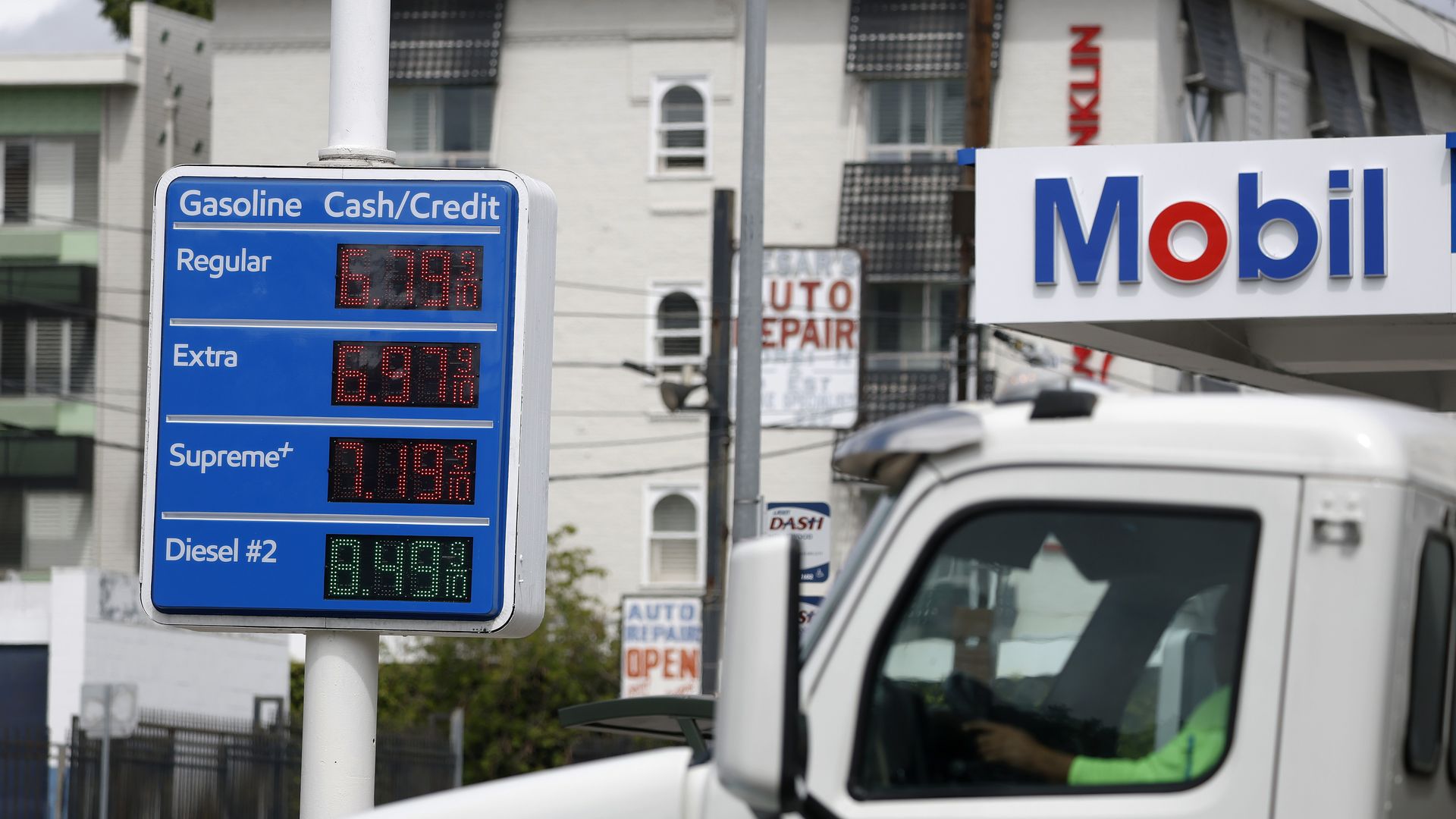
Five years ago, inflation was taking off, and Federal Reserve leaders wrongly believed that it would be transitory. Now, leaders of the central bank are focused on how to avoid repeating that mistake.
The big picture: The U.S. is facing an eerily familiar backdrop of price shocks, and the Fed is trying to avoid a repeat of its biggest forecasting error of recent years.
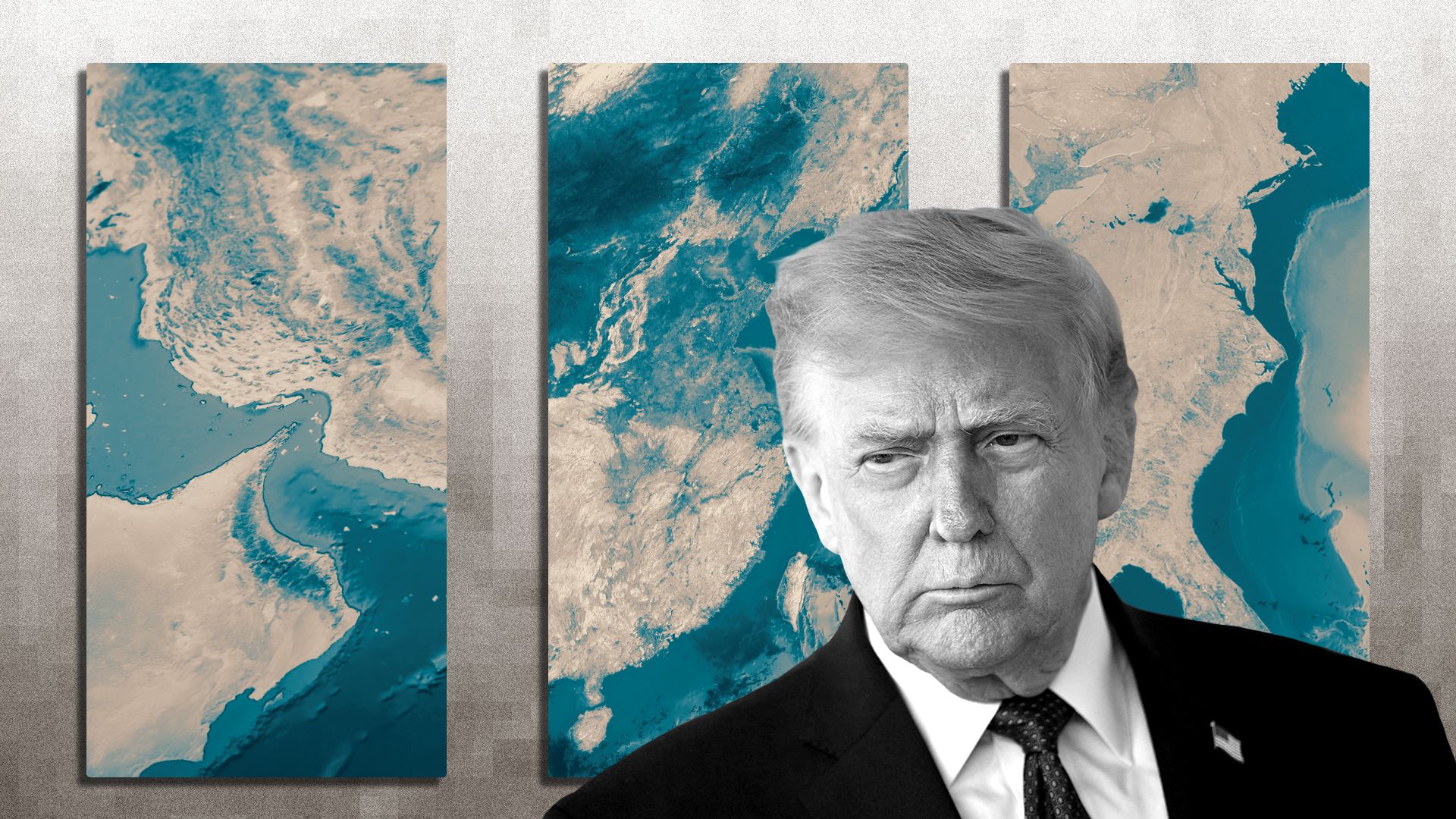
Three generational forces will converge this week — first in Washington, then in Beijing — in what could prove a hugely consequential stretch of Donald Trump's presidency.
Why it matters: The coming days carry stakes measured in decades: war and peace in the Middle East, the trajectory of the U.S.-China relationship, and the rules governing the AI revolution.
President Trump told Axios in a short phone call on Sunday that he would reject Iran's response to the latest draft agreement to end the war.
Why it matters: The U.S. waited 10 days for the Iranian response, which came on Sunday. The White House hoped Iran's positions would show further progress toward a deal, but Trump's initial reaction signals the opposite.
Soccer's most-watched event on Earth is coming back to the United States for the first time in 32 years, and this time it's bringing 47 countries with it.
Why it matters: For one glorious month, fans around the world stop to watch the same thing, and you'll finally get to be there for it. Add in Lionel Messi's likely last dance and a tournament playing out in your backyard, and even the most casual fan has reason to tune in.
Fewer Americans want to become pastors, accelerating a leadership vacuum inside one of the country's oldest civic institutions.
Why it matters: As the pastor role becomes lower-paid, higher-risk and less trusted, the U.S. isn't just losing clergy — it's losing a key layer of local leadership, especially in rural and Black communities.