Friday's world stories

China's drug era is already here
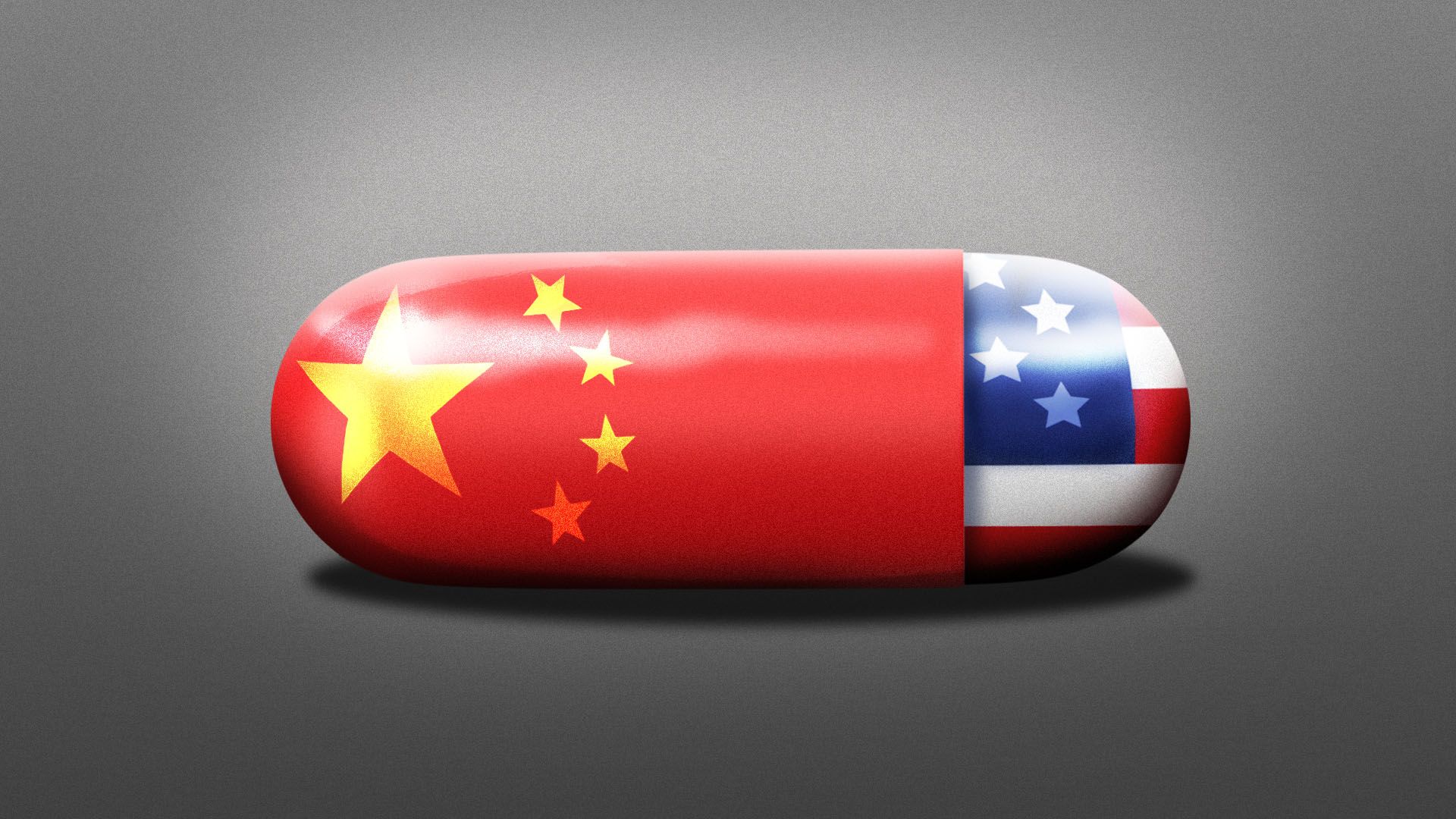
China has gotten very good at making cutting-edge pharmaceuticals — good enough to seriously threaten America's long-standing dominance in drug-making.
Why it matters: This is all happening in plain sight. But it's playing out against a profound remaking of the U.S. federal health bureaucracy that the industry has said threatens future cures.
- China is "really very close to us. If they continue like that with that strength, they will become better than us. I think it's a wake-up call for us," Pfizer CEO Albert Bourla told CNBC earlier this month at Davos.
- He added that, in order to compete, the U.S. needs to adequately fund Ph.D. programs, the NIH and other research.
Driving the news: AstraZeneca on Friday announced a multi-billion dollar deal with China's CSPC Pharmaceuticals in which it obtained global rights outside of China for several early-stage experimental obesity and diabetes drugs.
- The company earlier this week announced it was investing $15 billion in manufacturing and R&D in China.
Between the lines: More high-quality new drugs could be a very good thing for patients around the world.
- But warnings abound about the risks of letting China surge ahead.
- "If the United States loses its primacy in biopharmaceutical innovation, it risks weakening the financial and intellectual engine that drives broader biotechnology leadership," the National Security Commission on Emerging Biotechnology wrote in a December report.
The big picture: So far in 2026, it appears the four-year biotech slump is coming to an end, and investors seem optimistic about the near-term future.
- A key question is whether a year's worth of upheaval at the FDA will blunt biotech's momentum in the U.S.
- If it does, one of the major concerns is that America will be left playing catch-up.
What they're saying: "Marty Makary has done an incredible job at the FDA," Health Secretary Robert F. Kennedy Jr. said yesterday at a White House Cabinet meeting.
- "We're making this a safe and productive and encouraging ecosystem for biotech so that China does not steal that industry from us."
- "We no longer have to imagine a world in which China outperforms the United States in biopharmaceutical innovation. That world is already emerging," the biotech commission report concludes.
- The private sector agrees: "Asia is now the epicenter of global biopharmaceutical progress — outpacing the United States and Europe in pipeline growth, patents, and next-gen therapies," McKinsey wrote in a recent analysis.
It wasn't that long ago that China's role in the global pharmaceutical ecosystem was mostly producing generics and other follow-on drugs.
- In just the last five years, it's become a major player in discovering and developing competitive new treatments that are increasingly being licensed by Big Pharma.
- China "has gained the lead in early-stage asset generation," a recent Pitchbook research note declares. "This advantage will likely persist as early-stage assets remain underfunded in other biopharma markets such as the U.S."
- Notable Chinese biopharma companies are competitive in some of the drug industry's most ambitious — and lucrative — markets, including oncology, metabolic disease and gene therapies.
Zoom in: It's now faster and cheaper to do early-stage clinical trials in China than in the U.S.
- Plus, Big Pharma companies are hungry for new assets as they face the end of market exclusivity for some of their older blockbuster drugs.
- That's resulted in dozens of deals in 2025 alone, the majority of which were for experimental drugs in preclinical studies or early-stage trials.
- The number of deals "indicates growing global trust in Chinese science," Pitchbook notes.
By the numbers: Chinese deals made up 17% percent of global pharma deals in the first three quarters of 2025, up from only 6% in 2020, according to Bain.
- Goldman Sachs found that China accounted for half of all global licensing deals when measured by dollar value, and that nearly half of new drug molecules that entered into human trials in the first half of 2025 were from Chinese companies.
Drug companies aren't just buying up Chinese drug candidates; they're also expanding their footprints in the country.
- Global life sciences companies have clustered in hubs like Shanghai's "Pharma Valley," which is home to more than 1,700 companies.
Reality check: The U.S. is still the world's largest market for pharmaceuticals, namely because it pays the highest prices for them.
- That means absent a radical reordering of the global drug market, the manufacturer of any new drug will still be incentivized to seek FDA approval and sell their product in the U.S.
The bottom line: There's not much the U.S. can do at this point to slow down Chinese innovation, making the only real option for staying competitive to speed up our own.
- And the experts say the best time to do that is now — with little wiggle room.
Editor's note: This story has been updated to reflect Astra Zeneca's Friday announcement of a deal with CSPC Pharmaceuticals for obesity and diabetes drugs.

Albertan separatists court Trump while he feuds with Canada
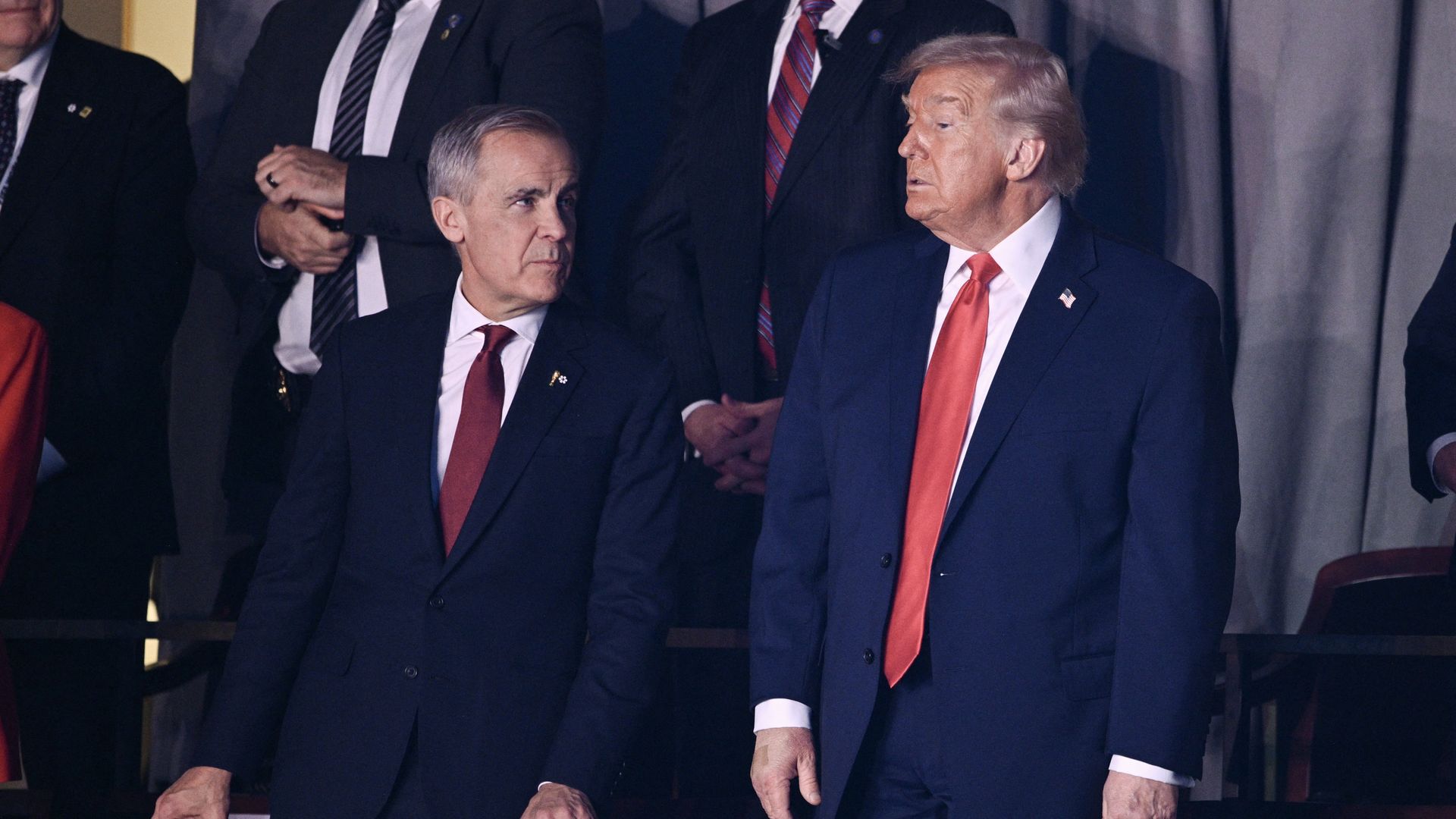
The Trump administration reportedly hosted an Albertan separatist group seeking independence from Canada, which has repeatedly rebuffed President Trump's desire it become the 51st state.
The big picture: Stoking the separatist movement will only inflame tensions between Washington and Ottawa after Trump ignited a rollercoaster trade war with one of America's closest allies.

Iran's foreign minister says Tehran ready to resume nuclear talks with U.S.
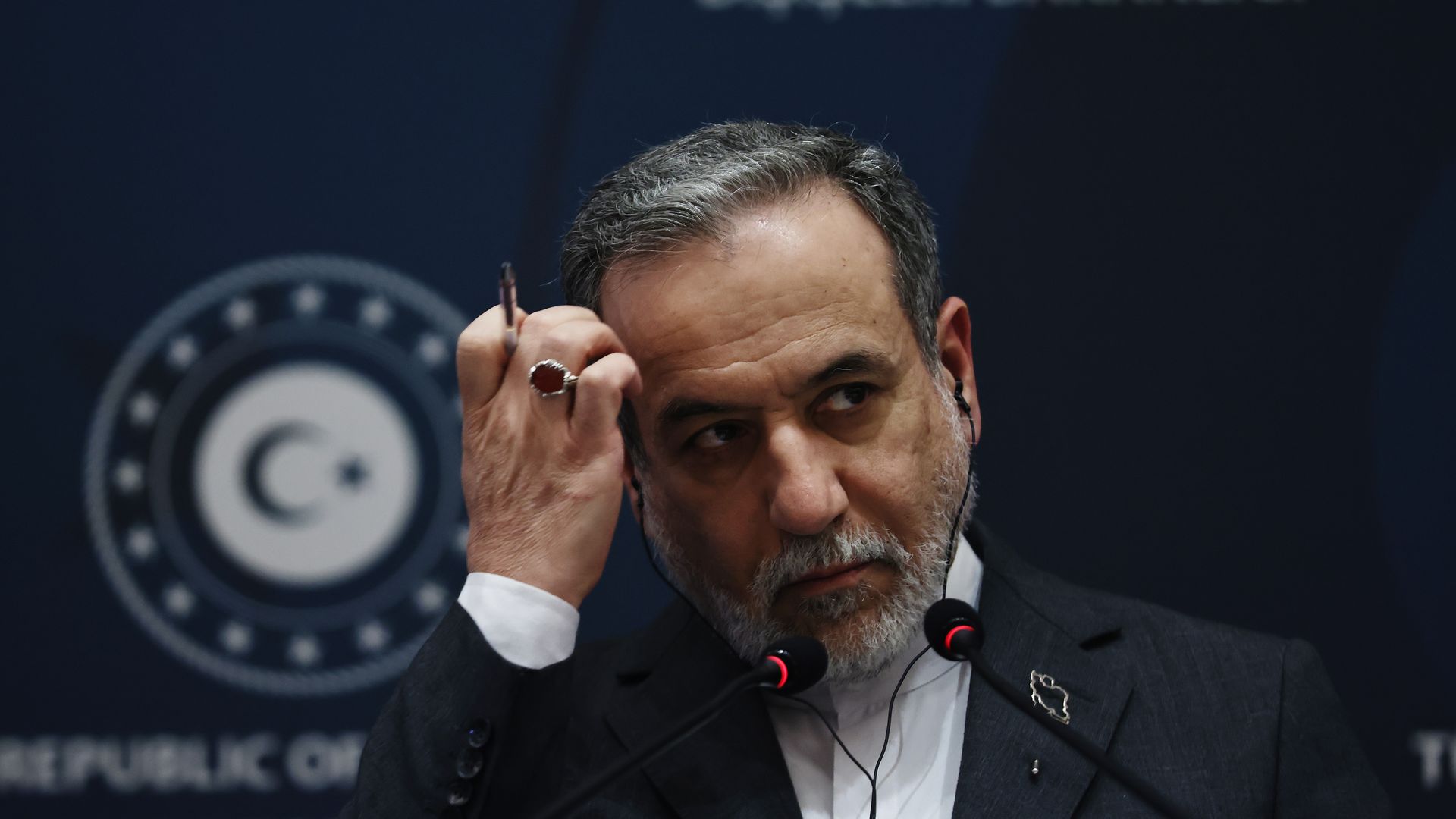
Iranian foreign minister Abbas Araghchi said at a press conference Friday that Iran is ready to resume nuclear talks with the U.S. but stressed the Trump administration needs to stop threatening an attack against Iran.
Why it matters: President Trump has ordered a massive U.S. military buildup in the Gulf ahead of a possible strike against Iran. White House officials say Trump hasn't made a final decision and is still willing to explore a diplomatic solution.

What's debuting at the 2026 Winter Olympics

The Winter Olympics will debut a new sport and multiple new medal events for the first time in years at Milano-Cortina 2026.
Why it matters: The additions push the Games toward greater gender equity and signal a shift to more endurance-driven, mountain-based competition.

Trump's trade minefield squeezes America's allies
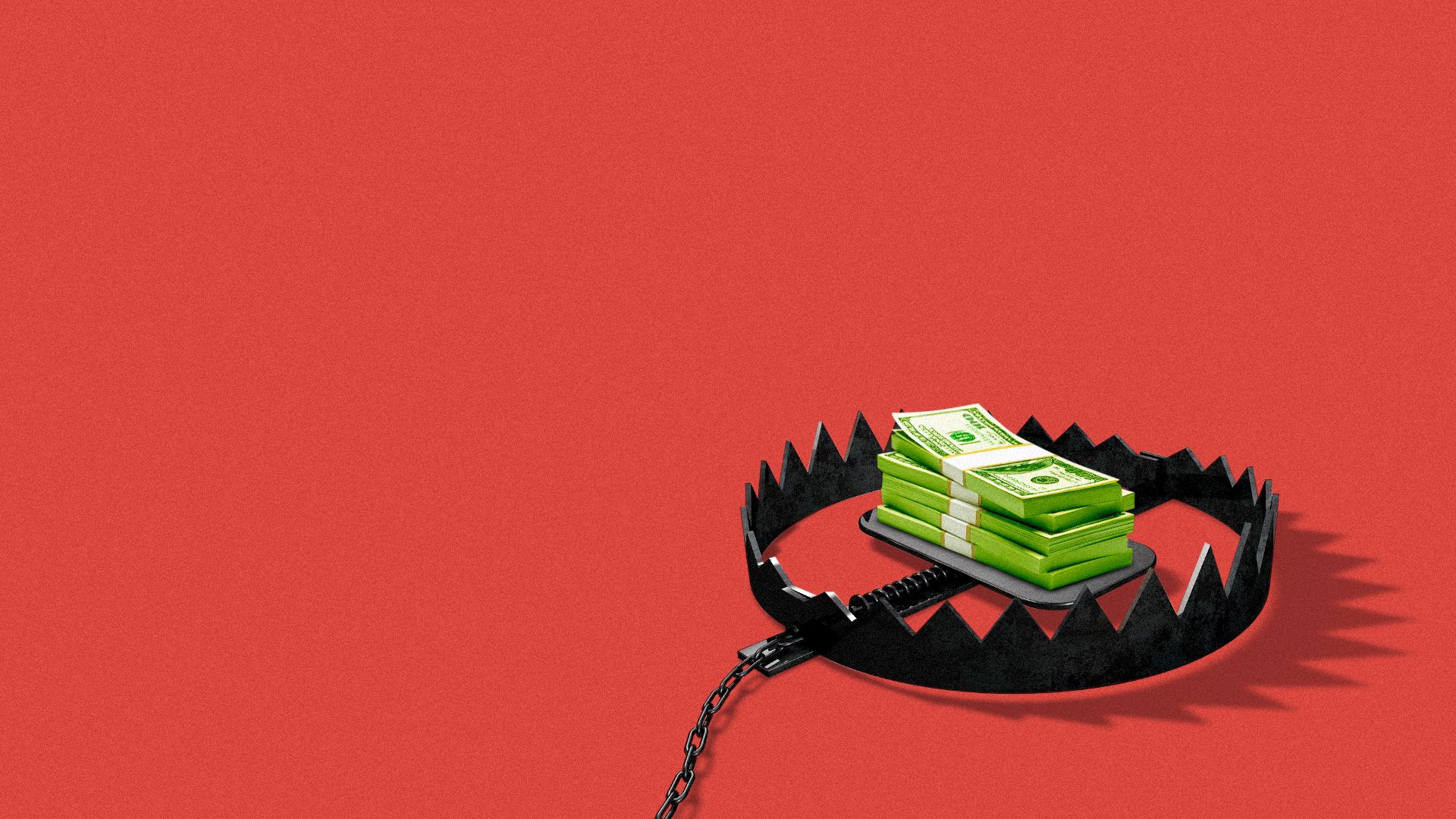
Global trade is a minefield in the Trump era: wherever world leaders step, they risk igniting a new conflict with the Trump administration — trade deal or not.
Why it matters: President Trump's constant tariff threats have pushed U.S. trading partners to diversify away from American markets. But even that carries its own risks, as Trump vows to punish allies who turn elsewhere.

Chinese contract at Panama Canal canceled by court in win for Trump's "Donroe Doctrine"
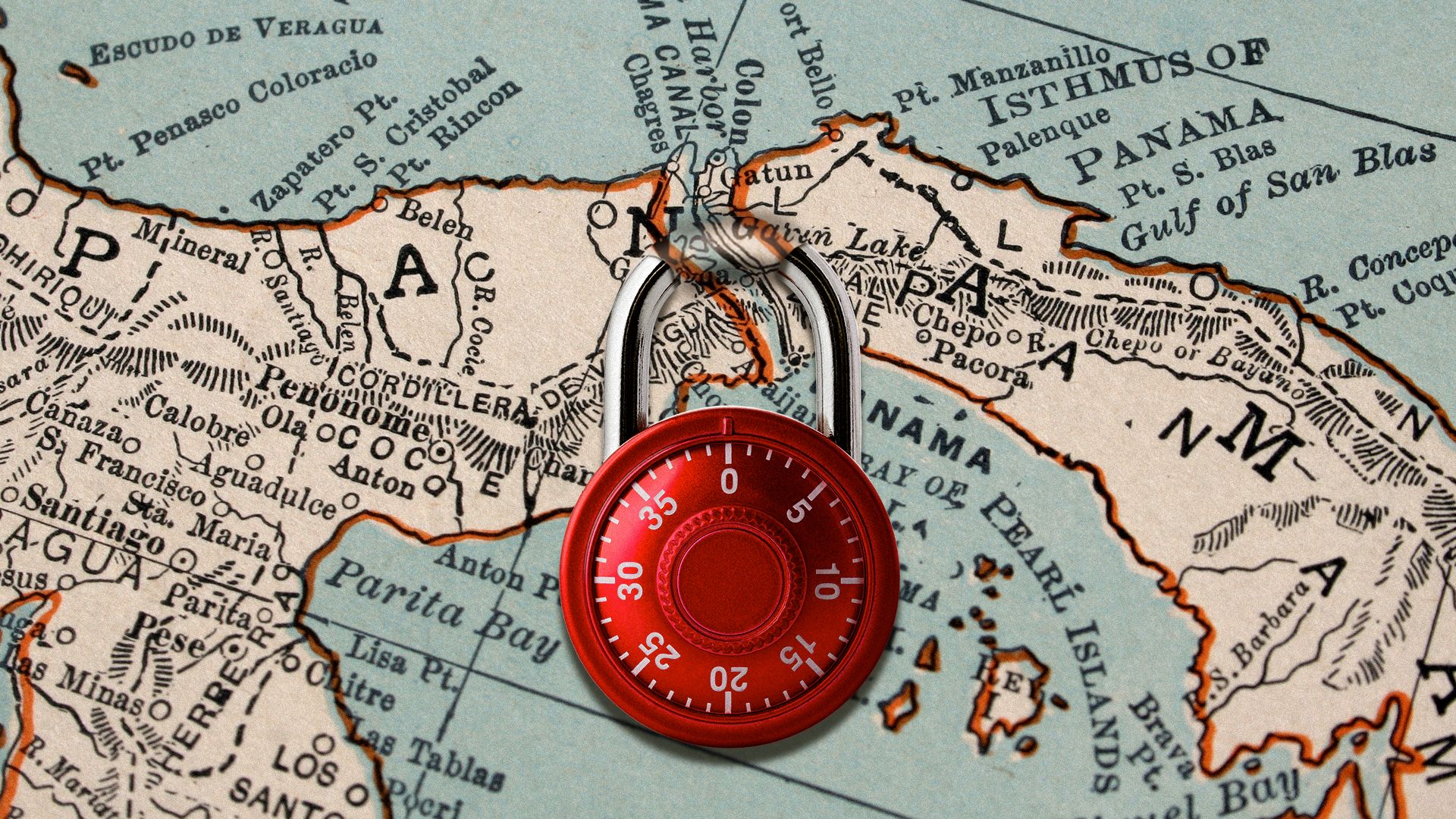
In a win for the Trump administration, Panama's Supreme Court on Thursday canceled a crucial Panama Canal ports contract operated by a firm with ties to China's government.
- Axios exclusively reported earlier that the White House expected the ruling Thursday evening to cancel the contract.
Why it matters: Removing Chinese influence in the Western Hemisphere is central to President Trump's strategy to reassert unquestioned U.S. dominance from the Straits of Magellan to Greenland.
Trump says Americans will be "safe" as Venezuelan airspace reopens
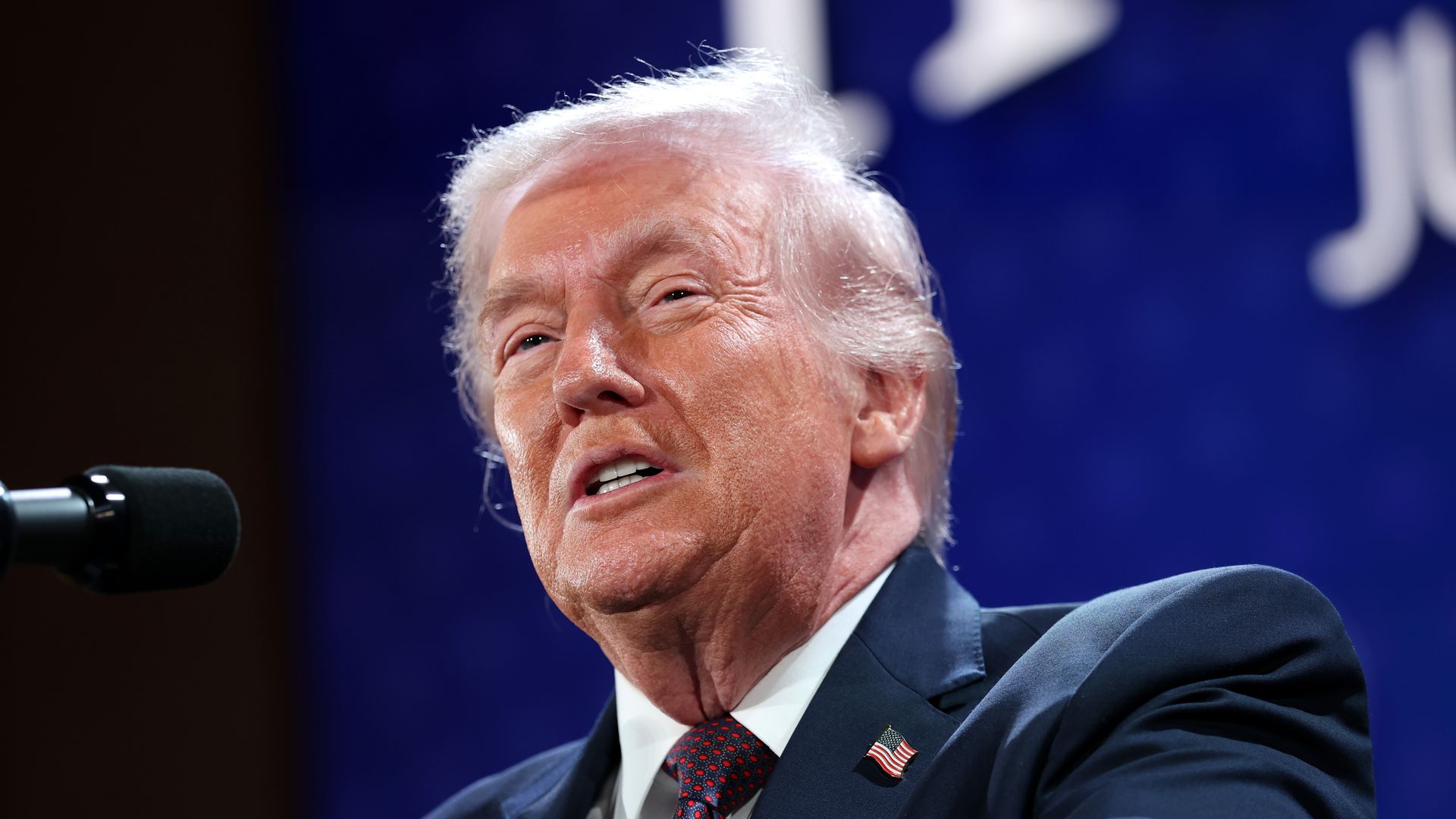
Venezuela's commercial airspace is set to reopen and Americans will soon be able to visit the Latin American country, President Trump announced Thursday.
The big picture: Trump in early January ordered the closure of airspace above and around Venezuela after the U.S. operation that led to the capture of Venezuelan President Nicolás Maduro.
Trump claims Putin promised to stop bombing Ukraine's cities due to extreme cold

President Trump said Thursday that Russian President Vladimir Putin had agreed to his request to halt missile and drone strikes on Kyiv and other cities in Ukraine for a week because of the extreme cold in the country.
Why it matters: Russian strikes have left many Ukrainians without power or heat at a time when temperatures are well below freezing. Pausing the strikes would be a significant step, as attempts to freeze the population into submission are a clear element of Russia's strategy.
Saudi, Israeli officials visit D.C. to talk possible U.S. strikes on Iran
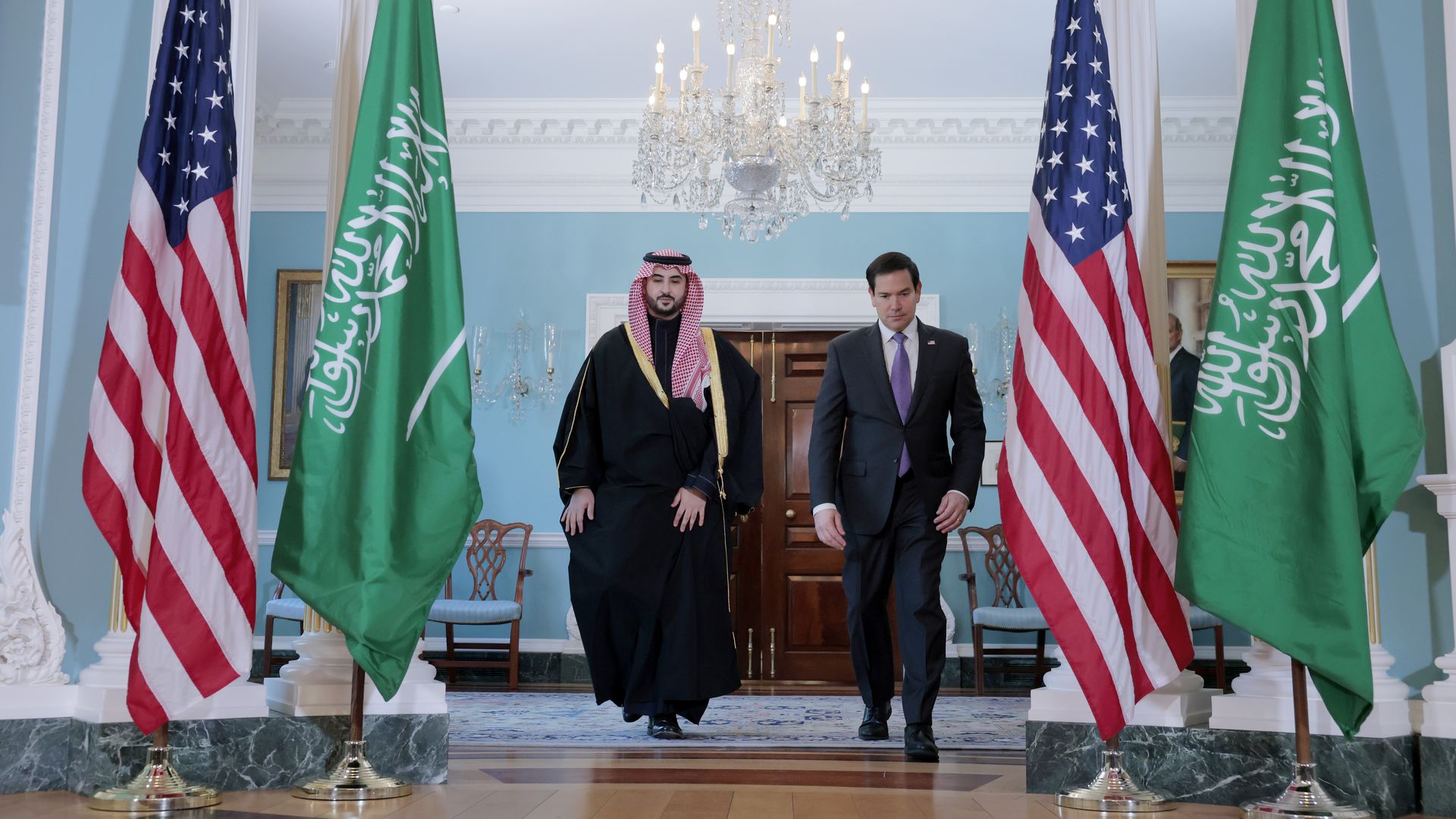
The Trump administration is hosting senior defense and intelligence officials from Israel and Saudi Arabia for talks on Iran this week as President Trump considers military strikes, two U.S. officials and two other sources with knowledge told Axios.
Why it matters: Trump has ordered a U.S. military buildup in the Gulf to prepare for potential military action. Israel, Saudi Arabia and other countries in the region have been on high alert for days in anticipation of a U.S. strike.