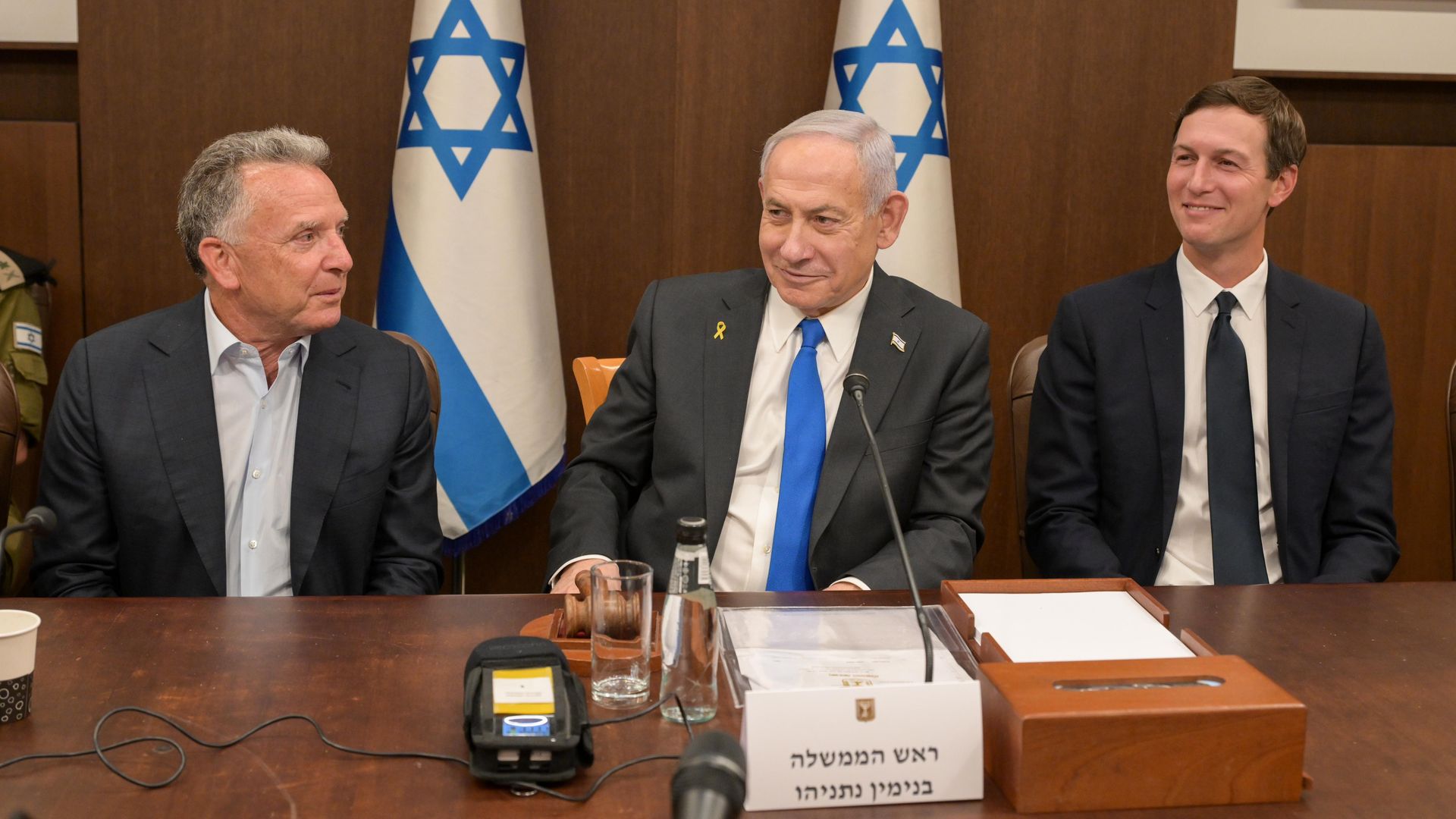
Israel's Cabinet has approved the agreement that stops the war in Gaza and frees the remaining hostages.
The big picture: The agreement calls for an initial Israeli withdrawal from Gaza and the release of nearly 2,000 Palestinian prisoners and detainees. Twenty Israeli hostages are to be freed after two years in captivity, along with the remains of 28 deceased hostages.
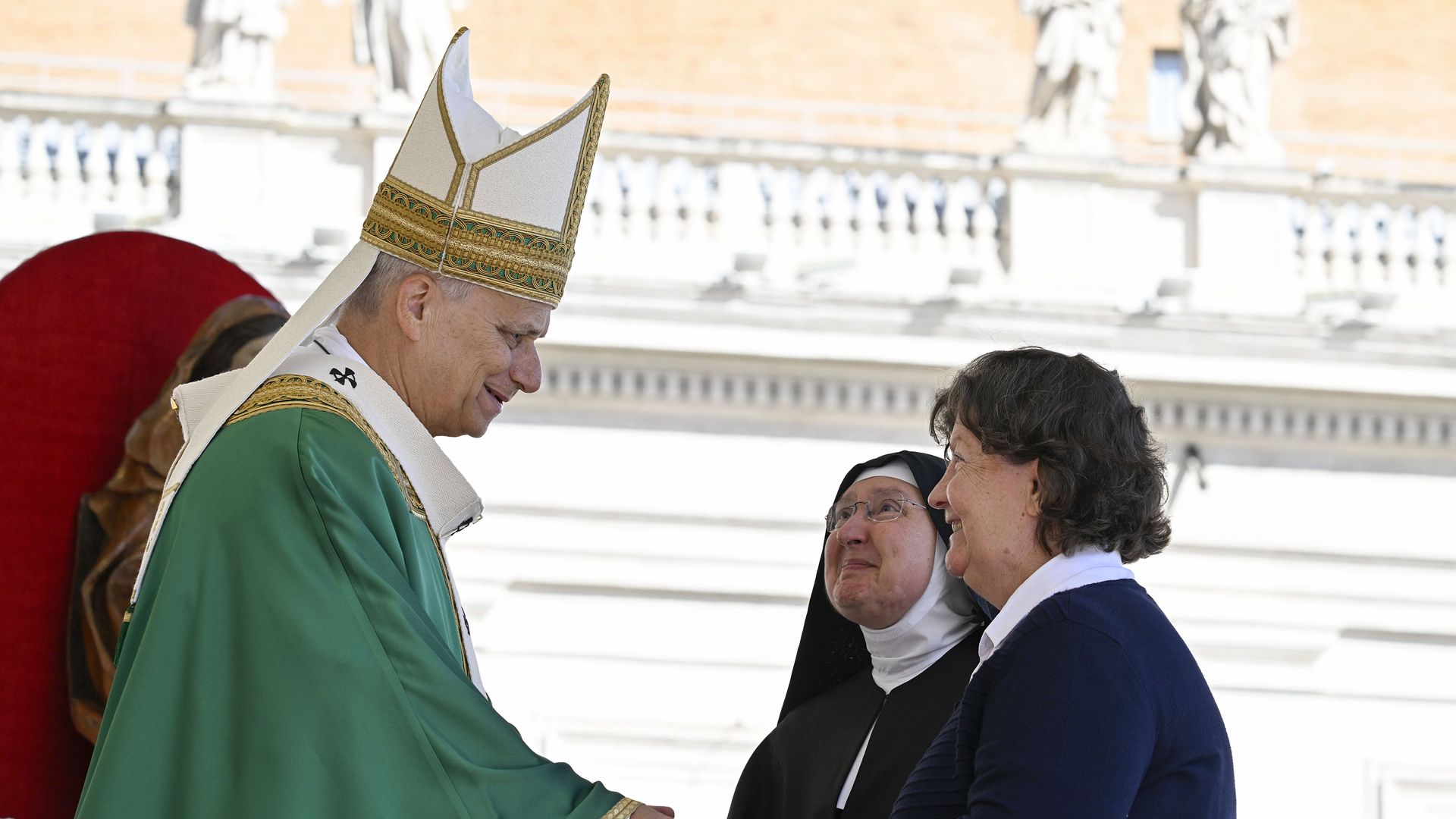
Pope Leo XIV placed the poor at the center of the Catholic Church's mission in his first major document as pontiff, urging bishops worldwide to champion social justice and defend migrants and the vulnerable.
Why it matters: The pope's call to defend "the least of these" thrusts the church at the forefront of global debates on inequality and migration, even as the Trump administration steps up immigration raids.
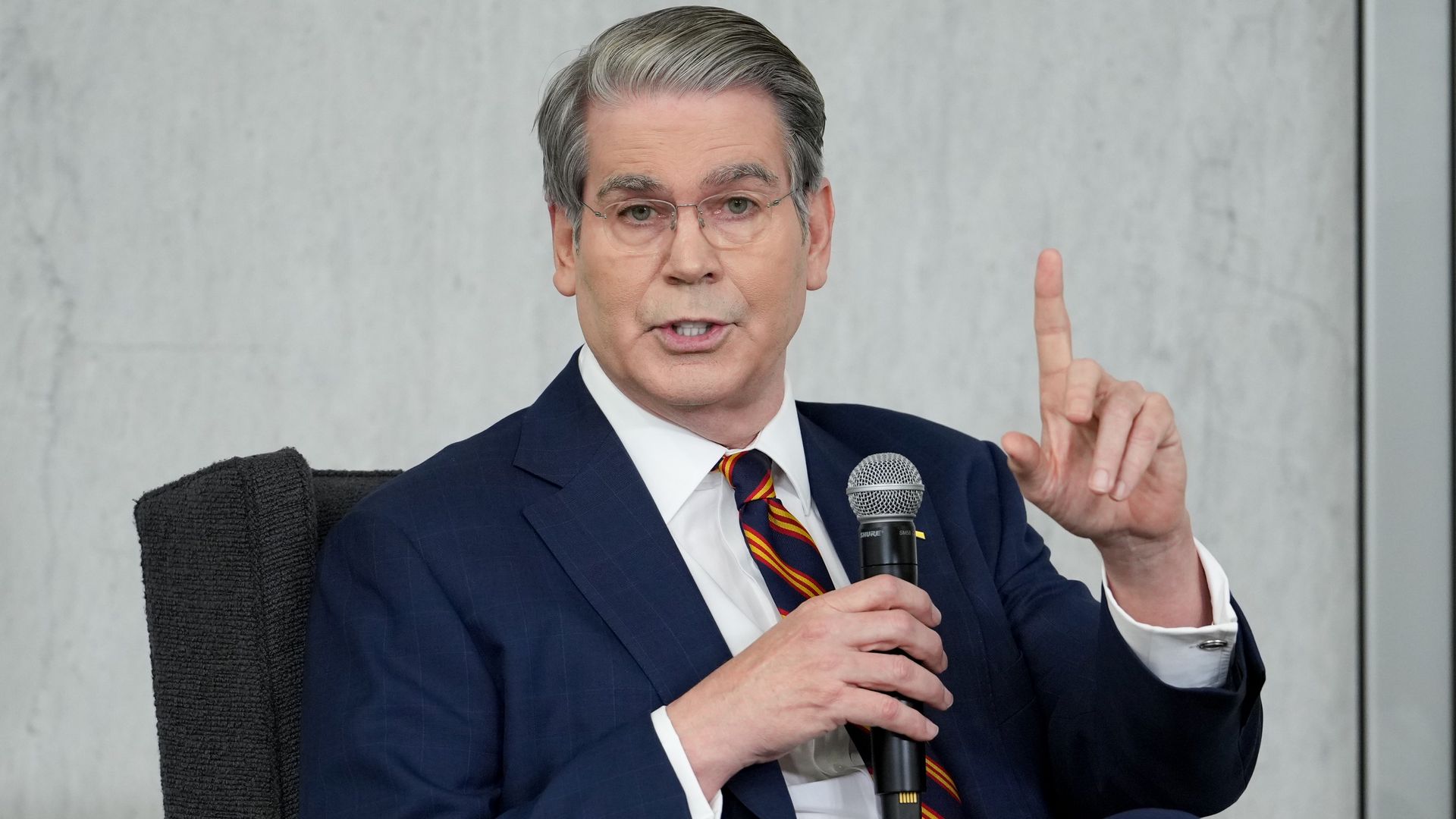
Treasury Secretary Scott Bessent said on Thursday that the U.S. government has bought Argentine pesos as part of a program to help the struggling South American nation.
Why it matters: While an important boost to a political ally in Argentine President Javier Milei, the move could rekindle complaints that a bailout was done at the expense of American farmers.
Venture capital investors have been citing reduced red tape and the Golden Dome as major drivers of their leap into defense tech.
Yes, but: Obstacles remain when the U.S. government collides with Silicon Valley.
Behind the scenes: Most VCs lack the clearances necessary to access classified information — limiting visibility into their investment.
In board rooms, it's not uncommon for a member to excuse themselves when details relating to a major contract emerge.
"We hosted a defense tech dinner in D.C., and people asked, 'Do you have clearance? 'And I say no, and they say: 'Well, I can't tell you this, but I'll speak about it in the abstract," says Michael Brown, managing partner of Battery Ventures.
That has implications for the due diligence process.
Investors still see the overall finances of a business, but might not see the technical specifications of a product tied to a classified project.
In one case heard by Axios, a company could not reveal when a major payment hit, as it risks signaling a highly watched product has successfully been completed.
Between the lines: As record-high dollars flow into the sector, the big question is if investors without clearances have enough information to make investment decisions.
Most investors I spoke to believe the information flow is adequate, noting that not all defense tech deals have highly classified information or are wholly dependent on the government for revenue.
DCVC's Matt Ocko argues clearances will be an edge for investors as the industry dives deeper into critical, and likely sensitive, tech. "You're not getting ground truth," he says. "If there is a new nation-state actor or threat, you can't tell if your company is viable anymore or if you have the golden ball of 'unobtanium'."
Zoom out:"In the defense tech world, there's this overlapping weave of regulatory regimes," says Joshua Gruenspecht, a partner of Wilson Sonsini.
Companies with foreign investors not only file with CFIUS, but they may also face further scrutiny from the Defense Counterintelligence and Security Agency (DCSA) if they handle classified information. And while a foreign investment may not be an issue with the CFIUS, it could be a problem for DCSA.
The constant transition from one administration to the next has led to more self-policing by companies, says Holland & Knight partner Robert A Friedman.
"I've seen people turn down eight-figure amounts," Gruenspecht says, with companies aiming to avoid any conflict with the DCSA. "Scrutiny on FOCI (Foreign Ownership, Control, or Influence) has increased meaningfully. "
Case in point: Allen Control Systems, an autonomous-turret maker, says it's purposely not taken foreign investments of any kind to avoid slowdowns in the contracting process.
The bottom line: Defense tech is not for the faint of heart.
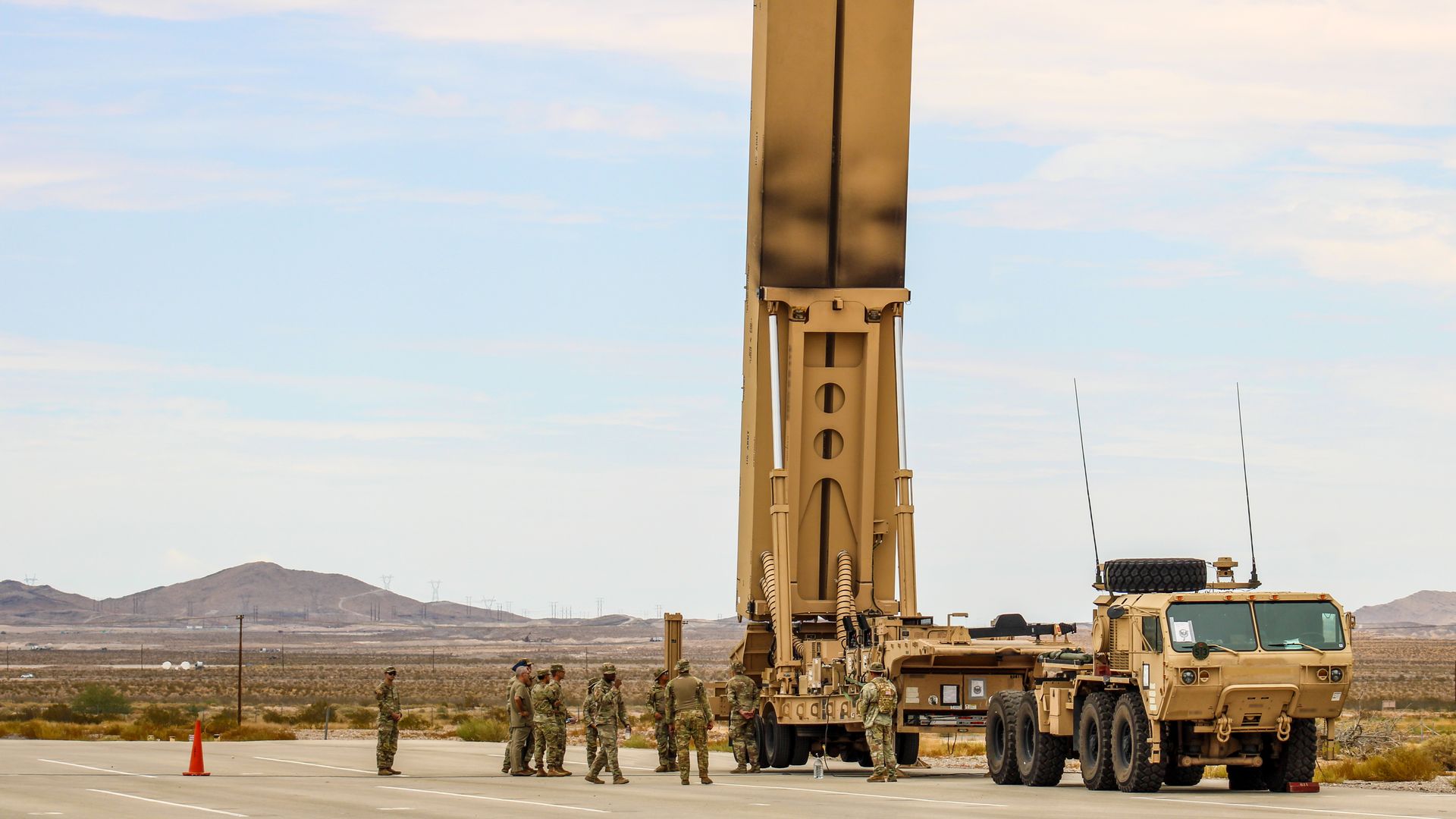
American sluggishness to develop and deploy hypersonic weapons, coupled with Russian and Chinese determination to field their own arsenals, is fostering a "battlefield asymmetry" that threatens Western potency, according to an Atlantic Council study first shared with Axios.
Why it matters: This warning isn't coming from knee-jerk alarmists.
A peace agreement has been reached between Israel and Hamas. In the first phase, Israel will partially withdraw its troops from Gaza and Hamas will release the remaining hostages, President Trump said.
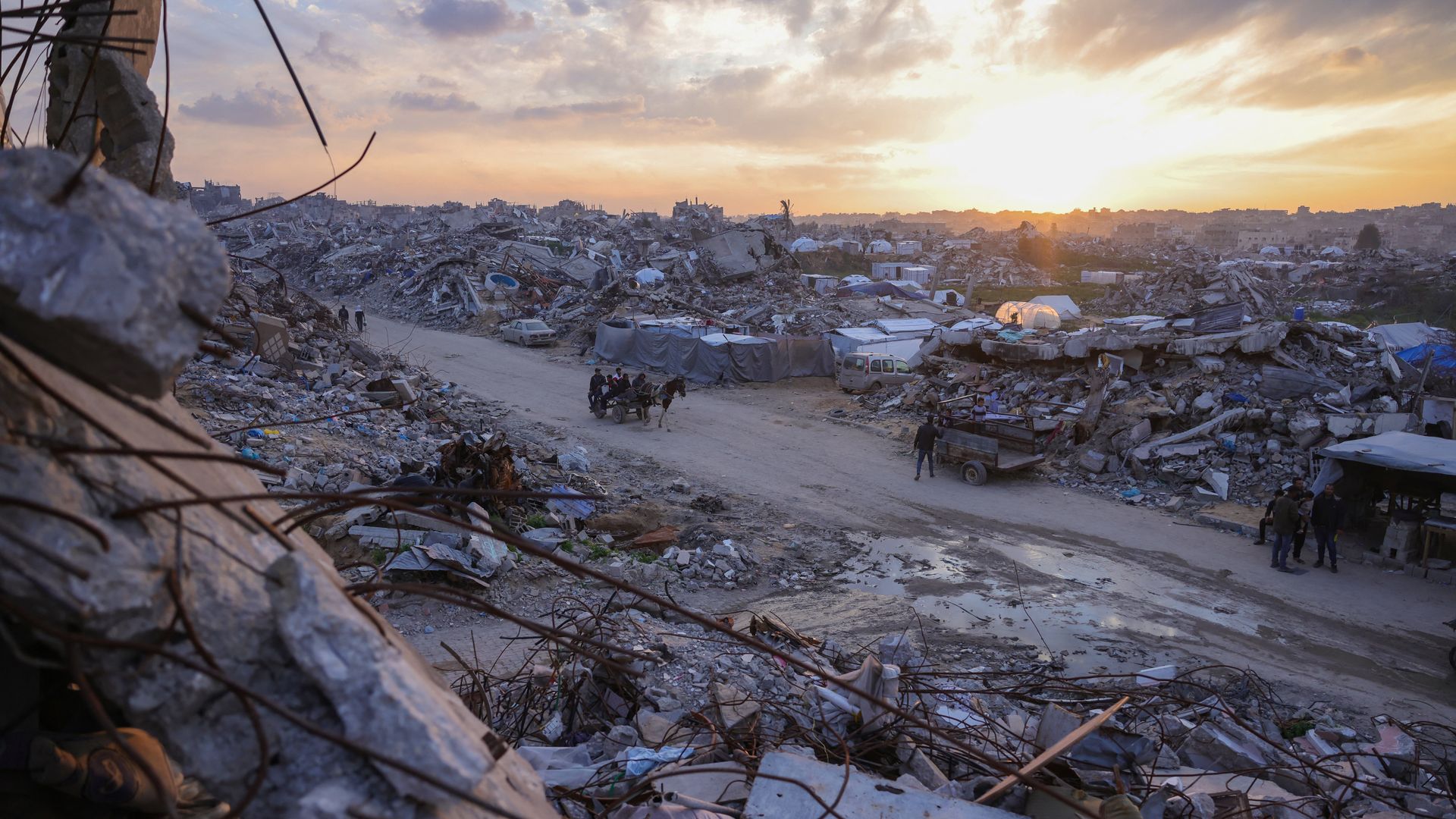
The big picture: The breakthrough comes two years after Hamas' Oct. 7 attack, with Gaza almost entirely destroyed and more than 67,000 Palestinians killed, according to the Gaza health ministry.
President Trump told Axios he is "likely going to Israel in the coming days" to address the country's parliament, the Knesset, in the wake of the Gaza peace deal.
In a brief phone interview shortly after announcing the deal, Trump said: "It's a great day for Israel and for the world."
President Trump said Wednesday that "we are very close" to a deal to end the war in Gaza and he may travel to Egypt on Saturday or Sunday if one is agreed.
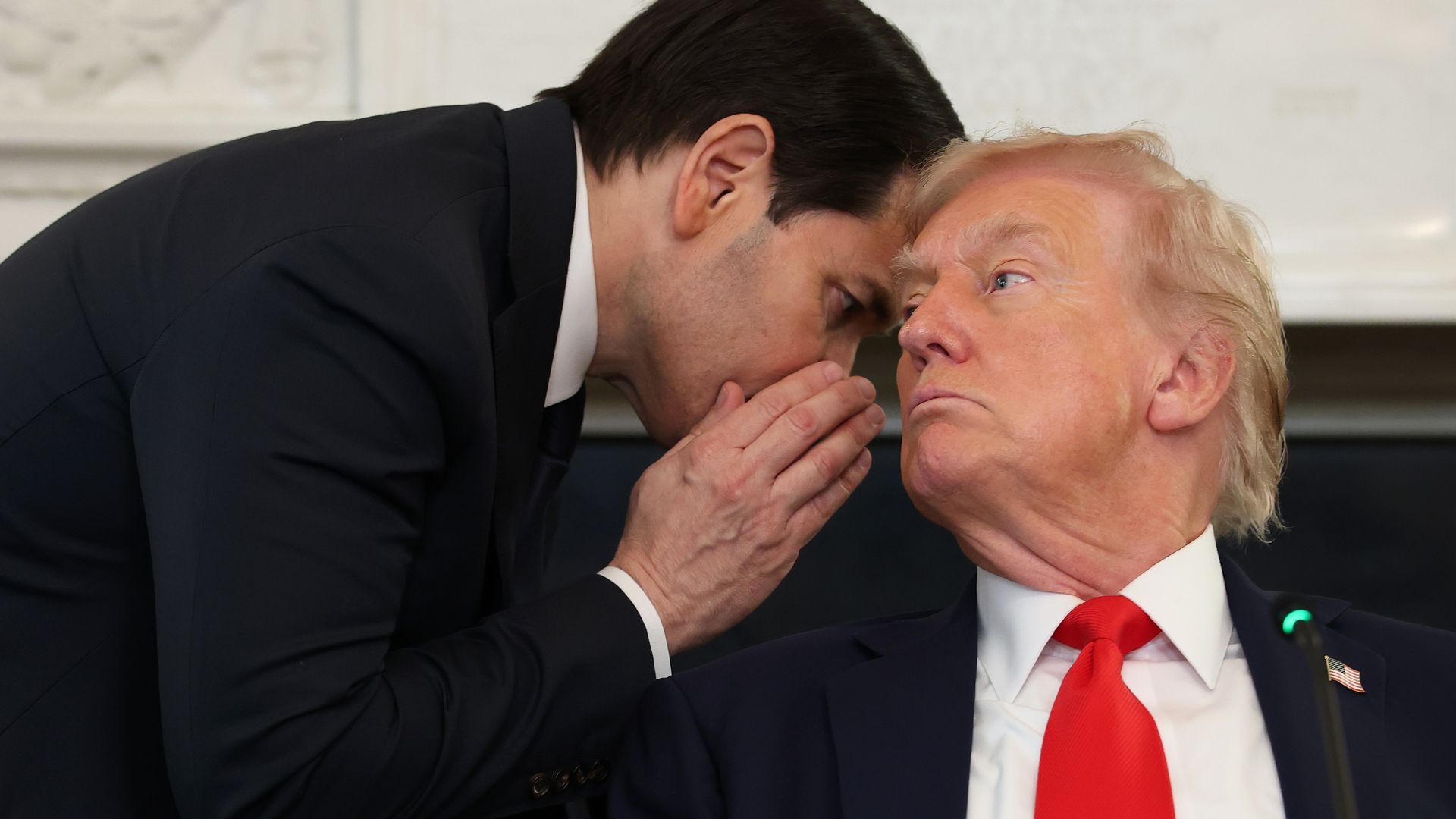
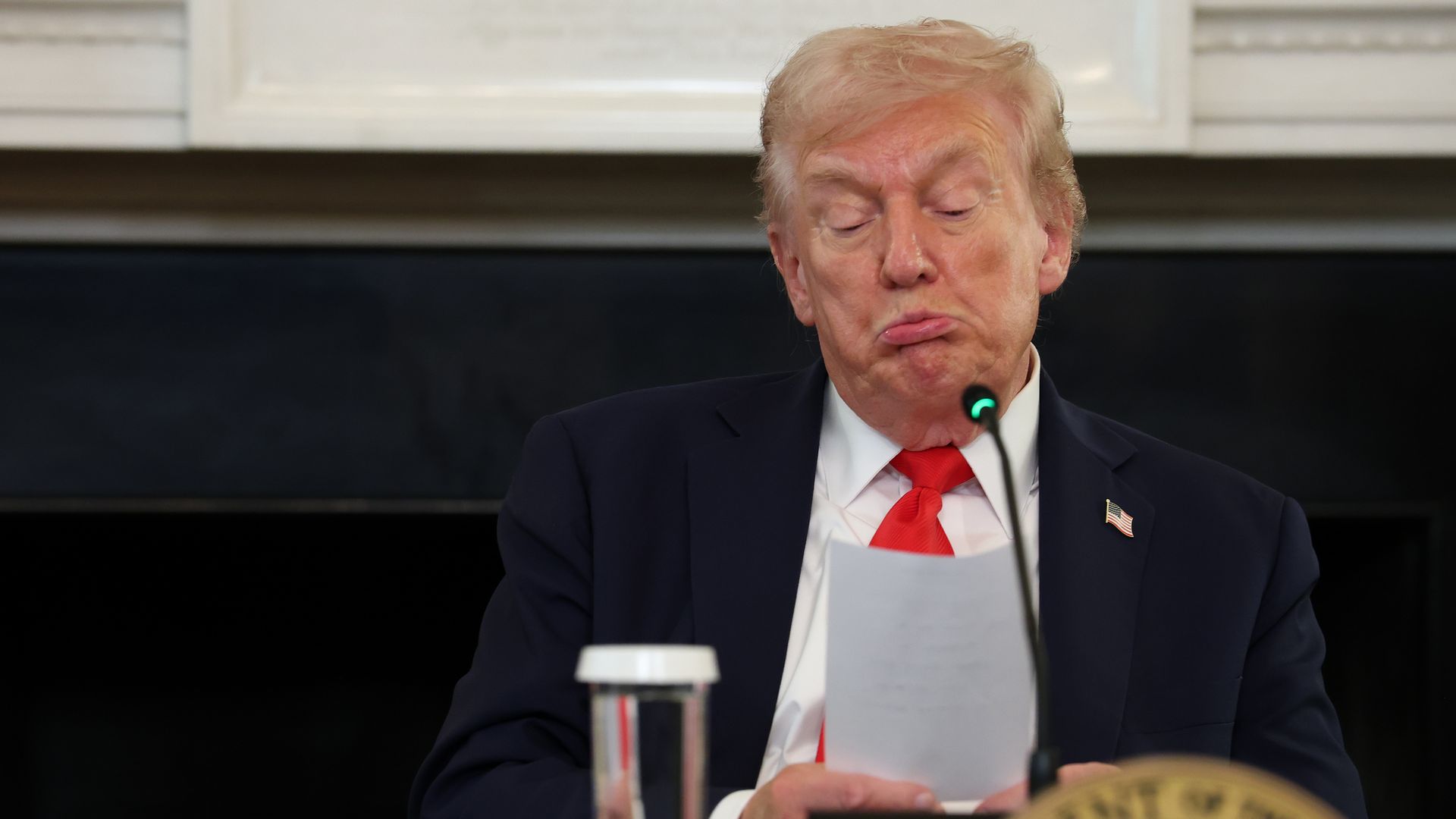
The intrigue: After Secretary of State Marco Rubio gave him a note during an event at the White House on Wednesday evening, Trump said: "I was just told we are close to a deal in the Middle East and they will need me soon."
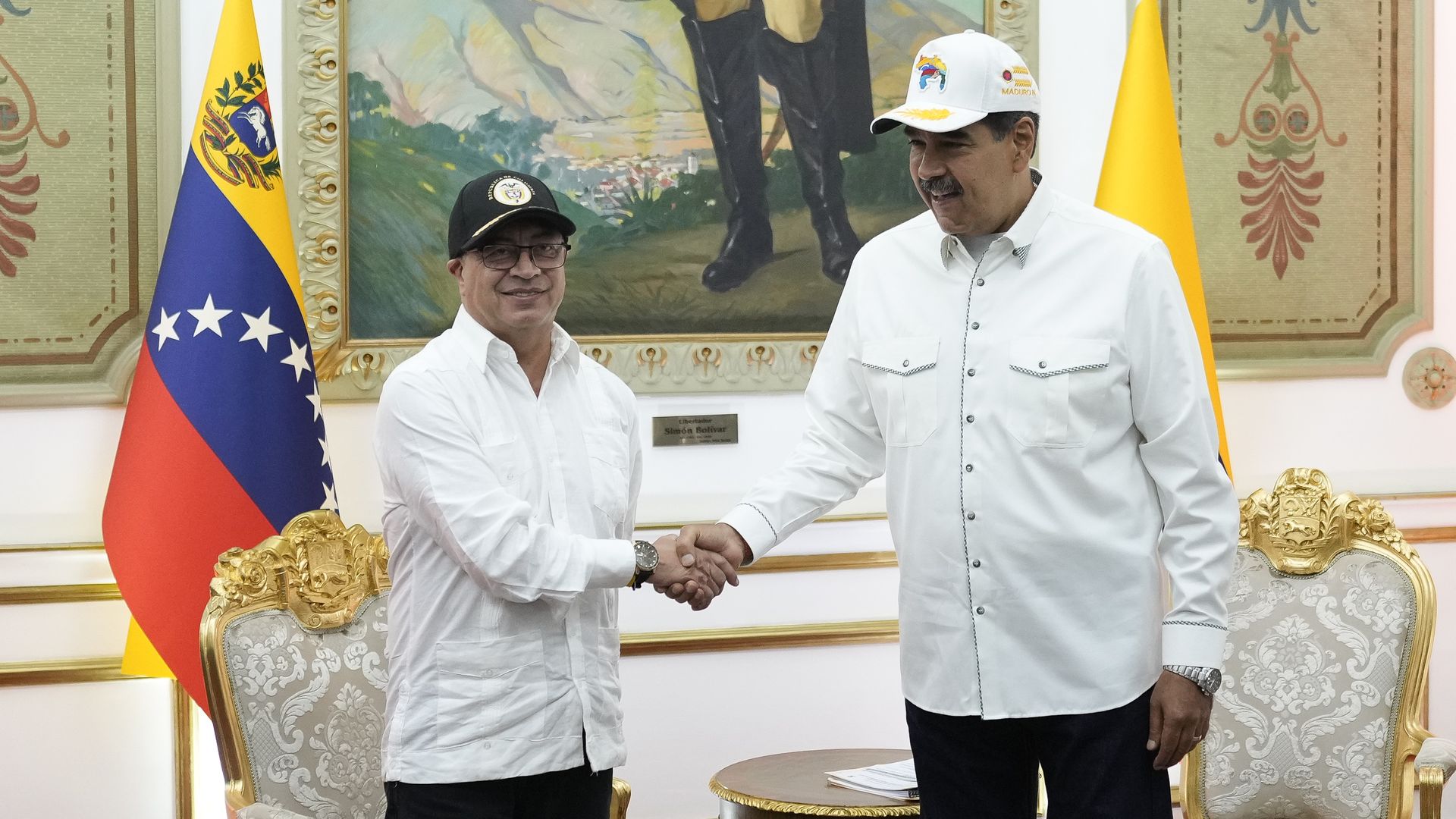
Colombia President Gustavo Petro accused the U.S. of bombing a Colombian boat "with Colombian citizens inside" as part of its recent campaign of striking alleged drug smugglers off of Venezuela.
Why it matters: The Trump administration has conducted a series of deadly strikes in the Caribbean Sea without identifying who it's actually killing, beyond its claim they're all "narco-terrorists."
Democrats have decried the strikes as illegal, and Petro is now claiming the strikes have killed Colombian citizens, alongside others.
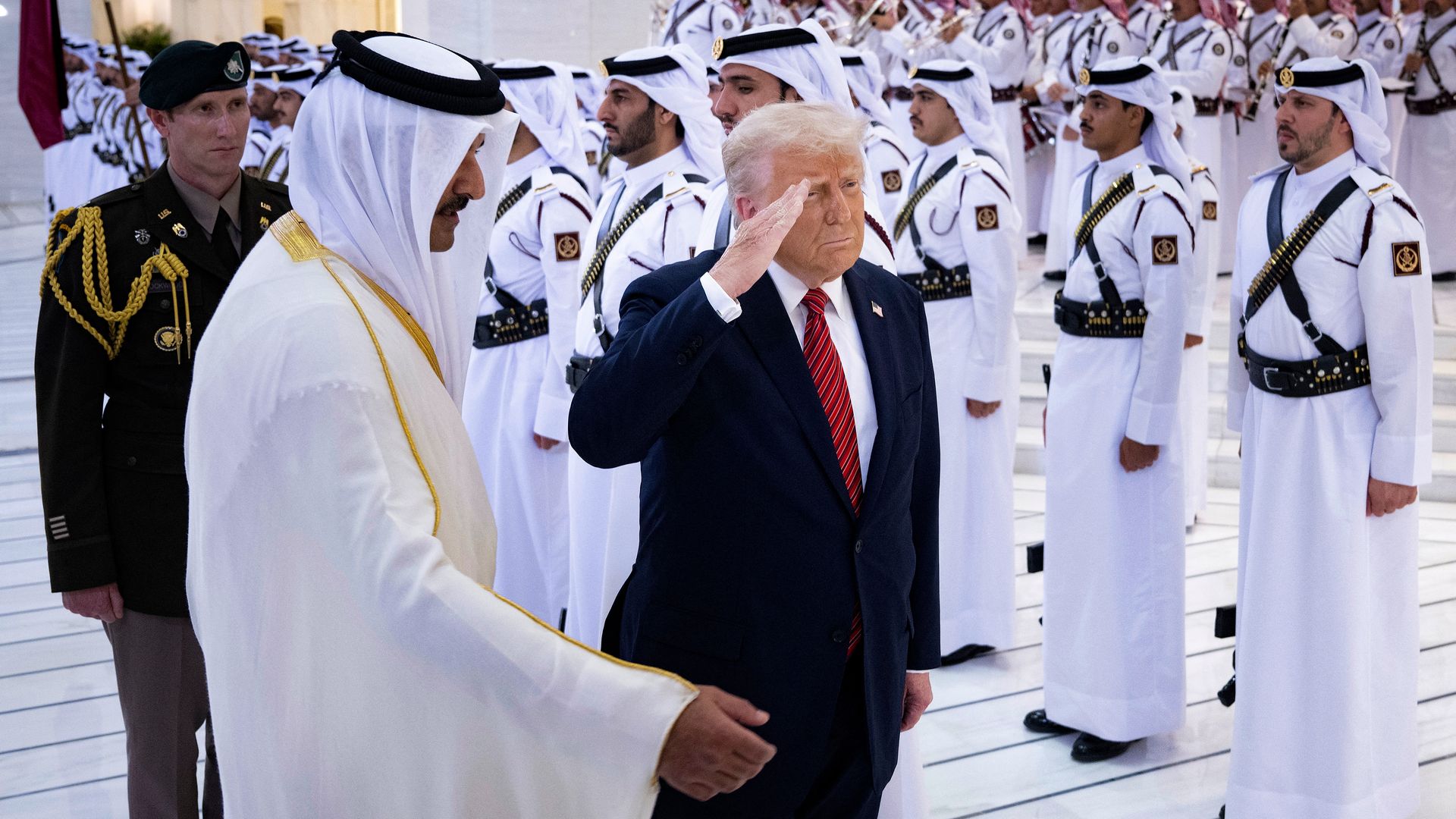
The United States is promising to treat Qatar's security like its own.
That single Trump administration decision sets in motion a geopolitical cluster. There's confusion and jealousy among Gulf states; questions of burden-sharing among NATO allies amid Trump's push for them to spend more money; and a political meltdown in Israel, among other drama.
Why it matters: There now exists a diet version of NATO's cornerstone Article 5 agreement between Washington and Doha — an arrangement several Middle East watchers described to Axios as unprecedented.
"The Trump administration may well have intended it one way, and the region could interpret it in another. It could take on a life of its own, in a sense," Mona Yacoubian at the Center for Strategic and International Studies told Axios.
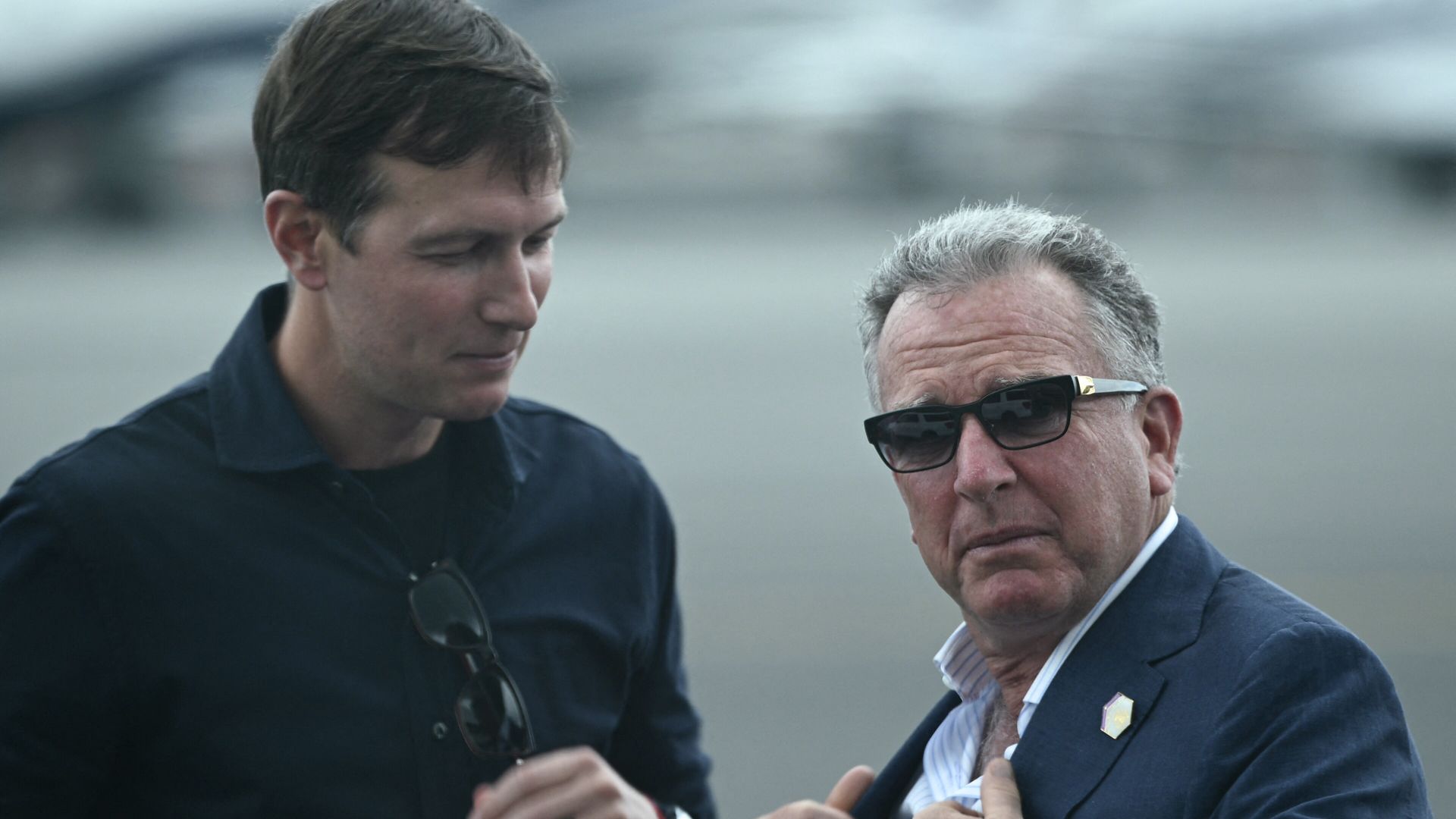
President Trump's envoy Steve Witkoff and Jared Kushner arrived in Sharm el-Sheikh on Wednesday morning to join the negotiations over the deal to release the remaining hostages held by Hamas and end the war in Gaza that has now crossed the two-year mark.
Why it matters: Trump and his team are pushing hard for both Israel and Hamas to conclude their negotiations within days and reach a deal.