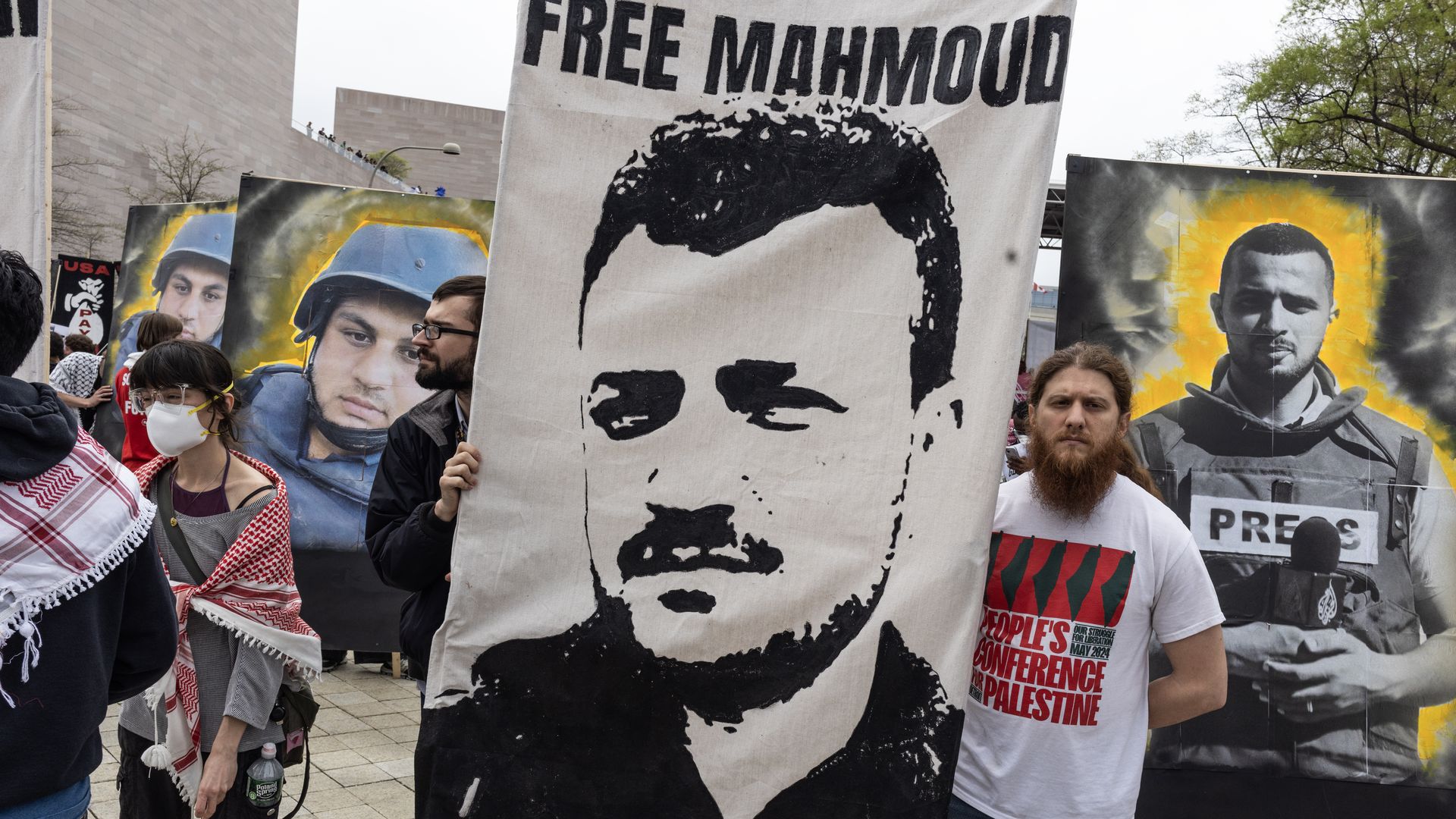
The Department of Homeland Security offered a brief two-page memo as its evidence in the case against Columbia University alumnus Mahmoud Khalil ahead of Friday's hearing that will likely decide if the detained legal permanent resident is deported from the U.S.
The big picture: The memo from Secretary of State Marco Rubio leaned heavily on the U.S.' right to remove noncitizens whose presence in the country would "compromise a compelling U.S. foreign policy interest."
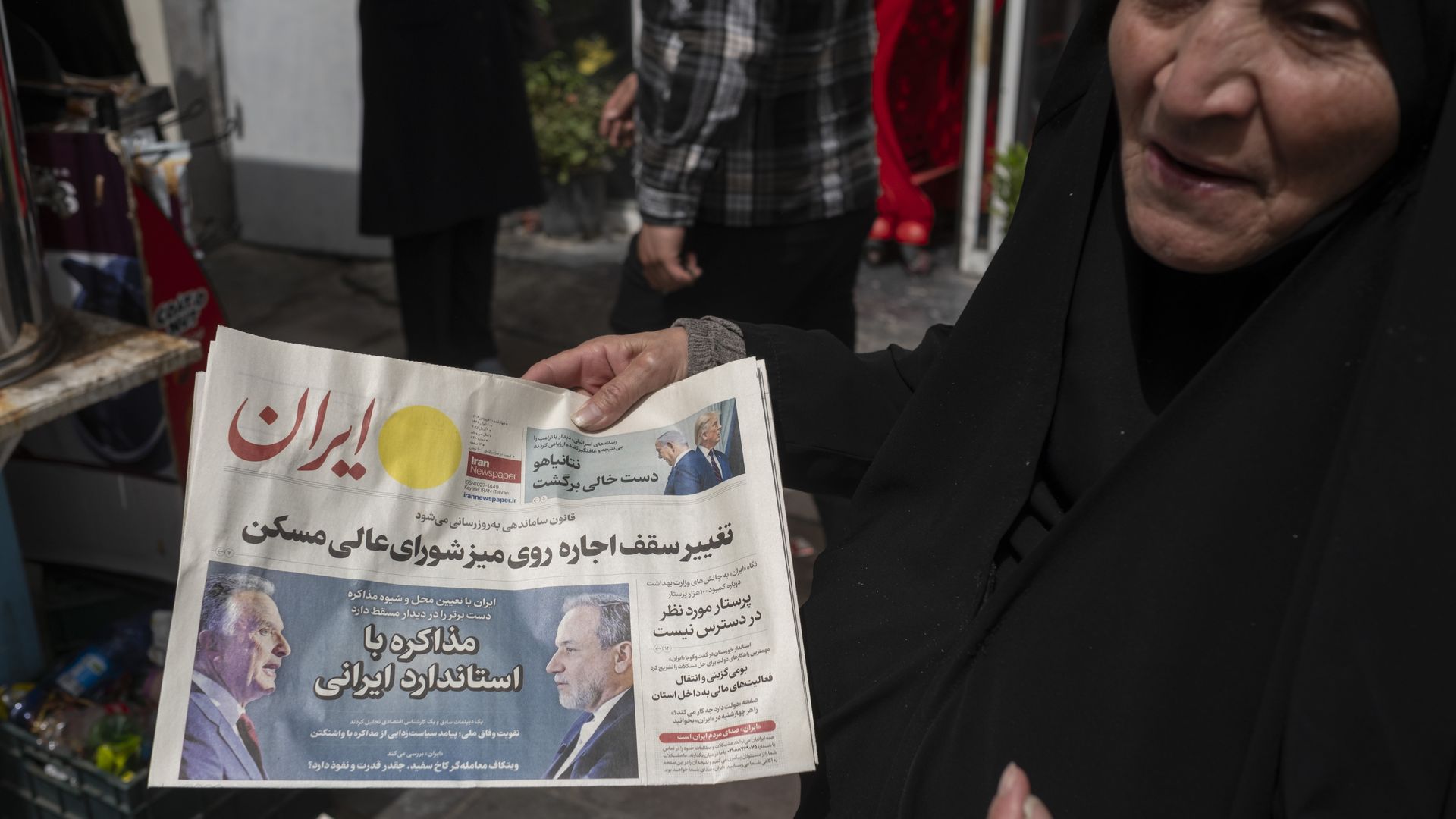
Iran is considering proposing during talks with the U.S. that the two countries work on an interim nuclear agreement before pursuing negotiations over a comprehensive deal, a European diplomat and a source familiar with the issue told Axios.
Why it matters: President Trump has set a two-month deadline for negotiations with Iran on a new nuclear deal — and in the meantime ordered a build up of U.S. military forces in the Middle East as another option if diplomacy fails.
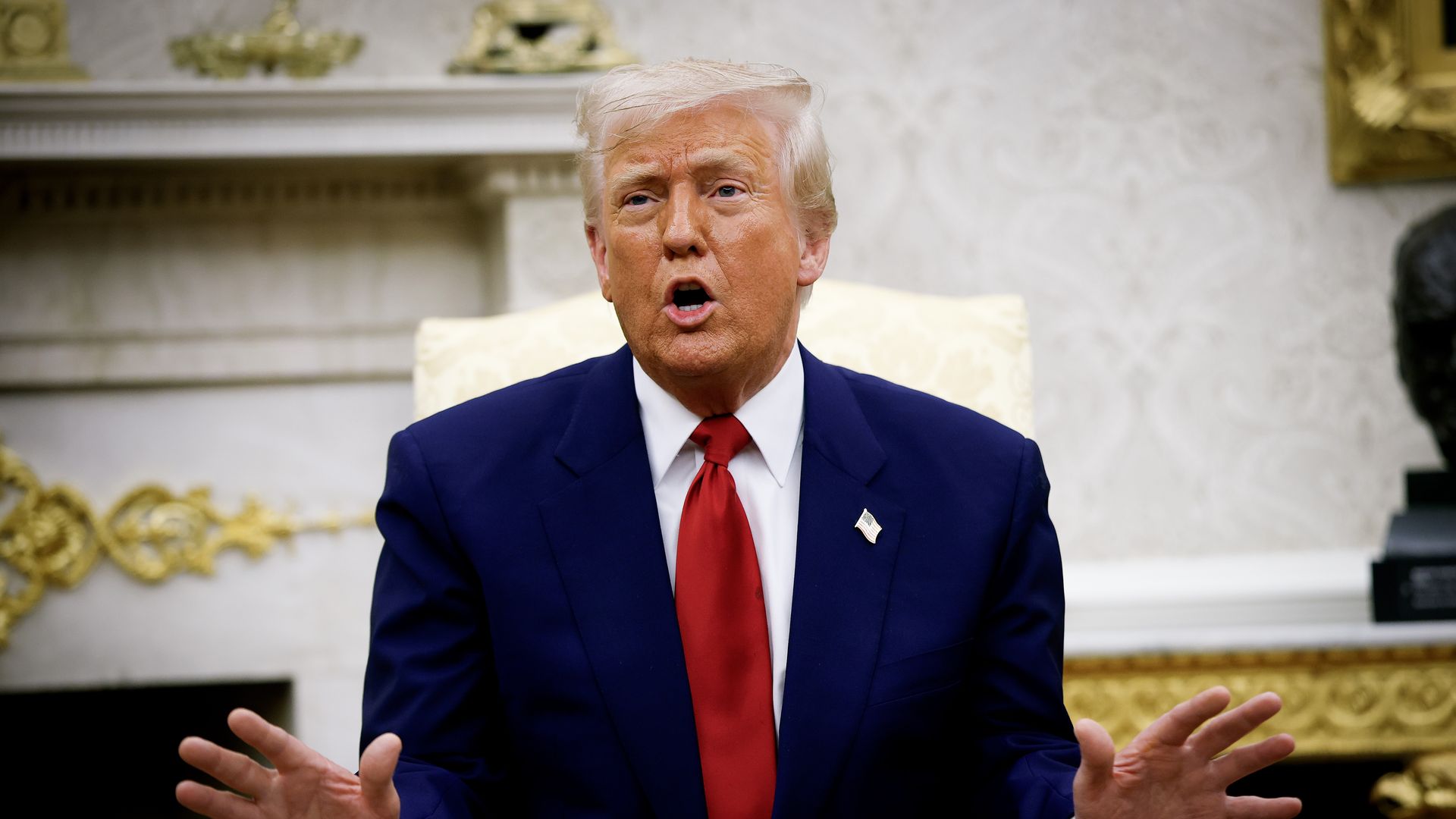
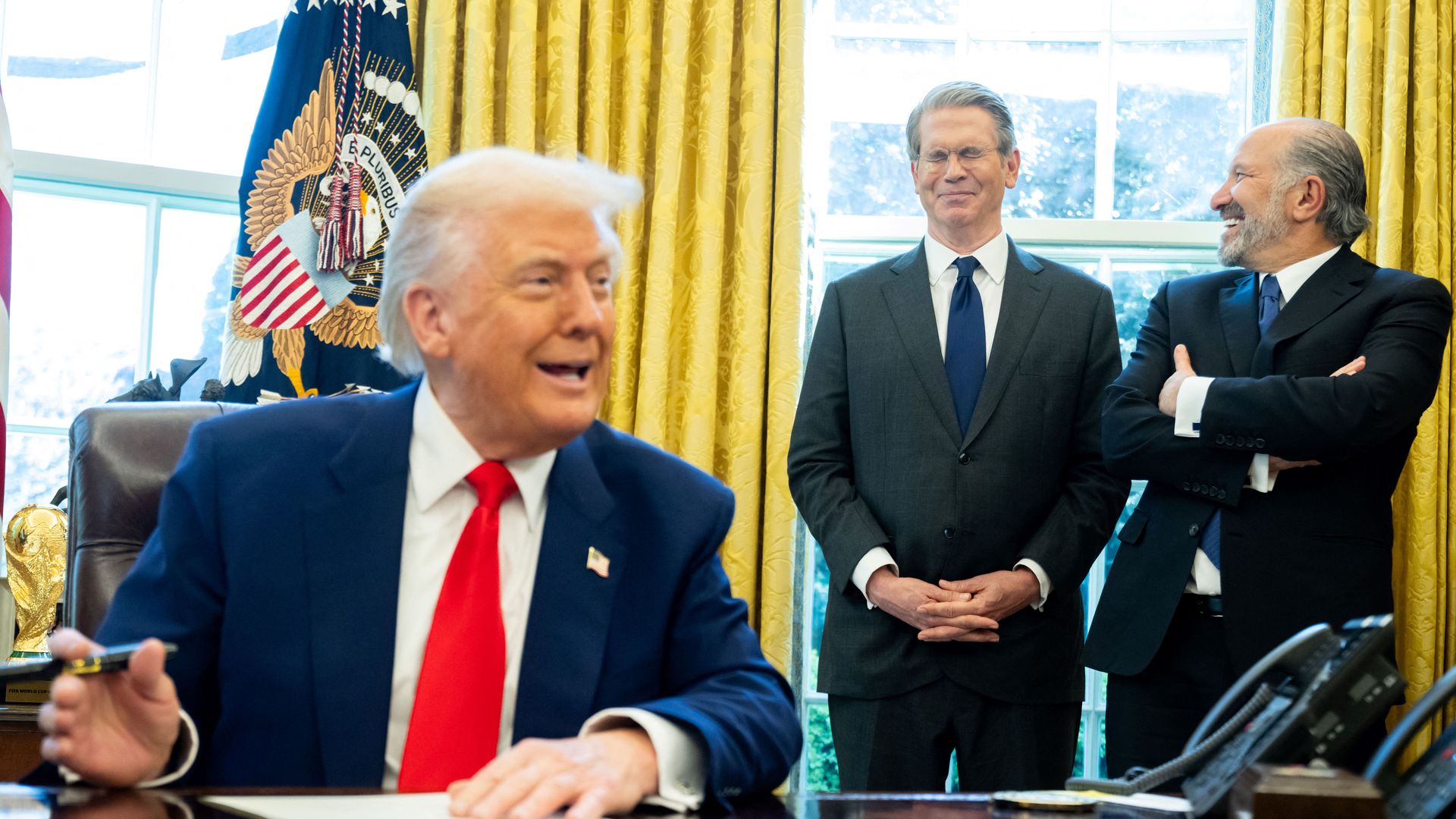
President Trump said during a Cabinet meeting Thursday that "we are getting closer" to a deal to free the remaining hostages in Gaza and re-establish a ceasefire.
Why it matters: White House envoy Steve Witkoff and Egyptian mediators are trying to hammer out an interim deal that would be acceptable to both Israel and Hamas.
Chagee, a Chinese teahouse operator and franchisor, on Thursday launched an IPO that could raise over $400 million at a $5.1 billion valuation.
Why it matters: The IPO market has been catatonic since President Trump announced new tariffs, so it would be ironic if the first major listing after "Liberation Day" comes from the one country still in his crosshairs.
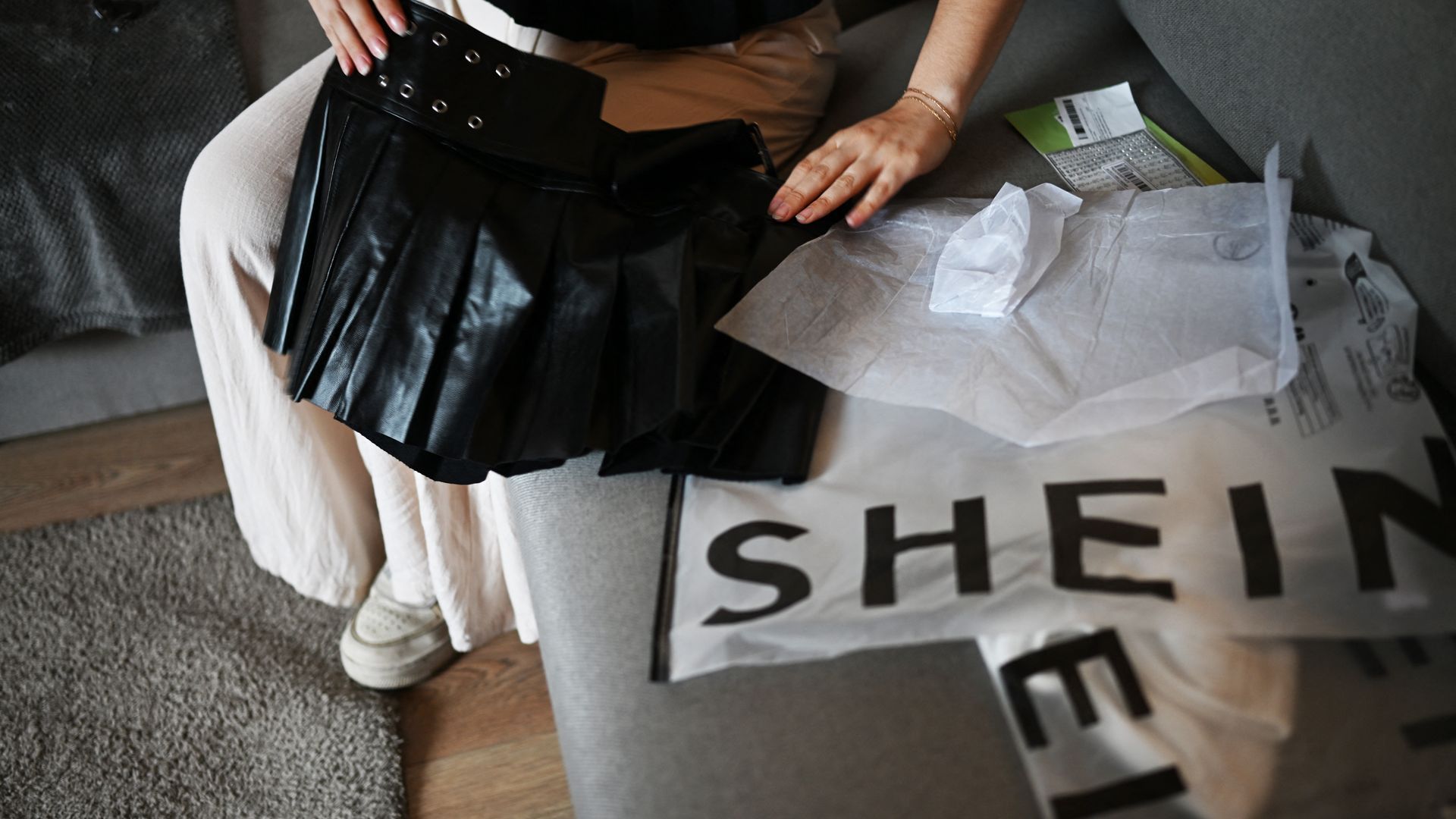
Packages from the likes of low-cost Chinese retailers Temu and Shein are facing another tariff hike from President Trump.
Why it matters: Imported shipments valued at less than $800 had enjoyed the "de minimis" exemption from added duties, which enabled foreign online retailers like Temu and Shein to sell super-cheap items to American consumers without facing tariffs.
There is now sand — a lot of it — in the gears of global commerce, and it won't be going away in the foreseeable future.
Why it matters: President Trump may have backed down on some of the most extreme — and hardest to justify — trade barriers he announced a week earlier. But the tariffs that remain in place still make for a more fractured global economy, albeit with slightly different fractures.
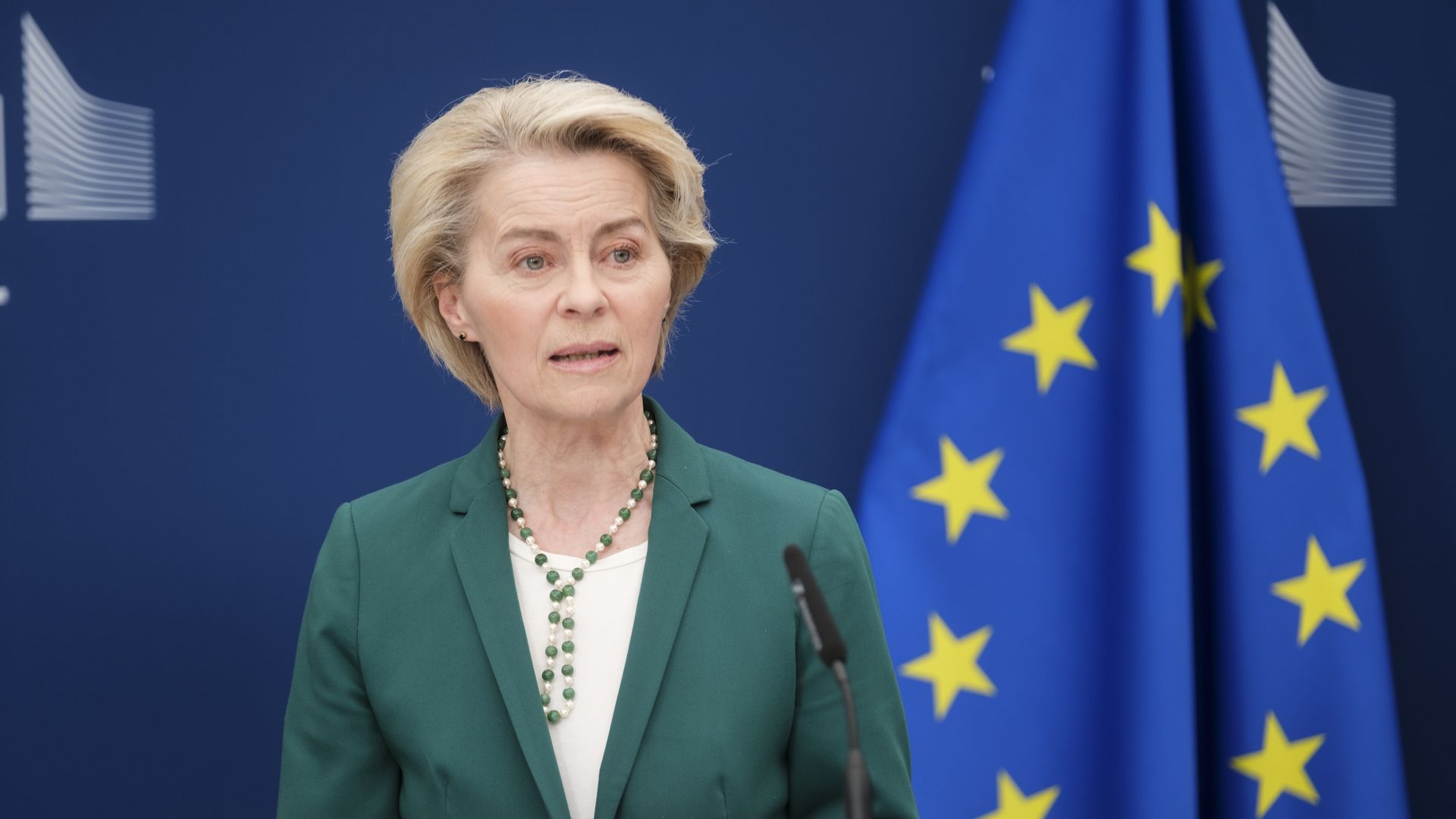
The European Union will hold off on about 21 billion euros of retaliatory duties against American exports after President Trump paused his tariff plans for 90 days.
Why it matters: It's another sign of cooling temperatures in what had been a rapidly escalating trade war between the U.S. and the rest of the world. Markets have begun bouncing back in response.
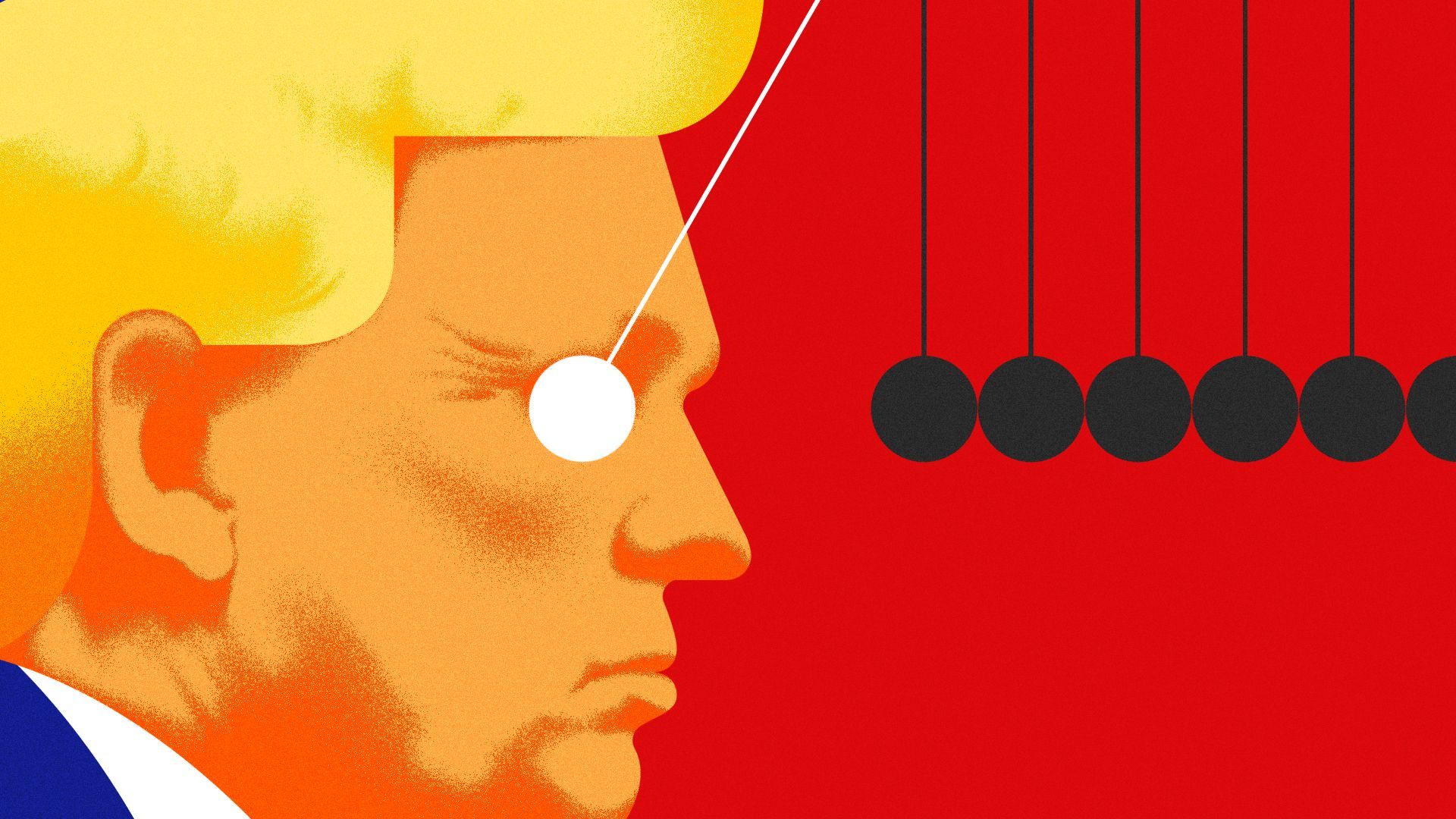
President Trump's boosters hailed his decision to pause tariff increases for countries around the world as a strategic masterstroke.
But few are buying the spin. Trump buckled under tremendous, mounting-by-the-minute pressure from CEOs ... friends ... GOP senators ... the markets ... and bond prices. Trump himself admits he blinked when "people were getting a little queasy" about the bond market.
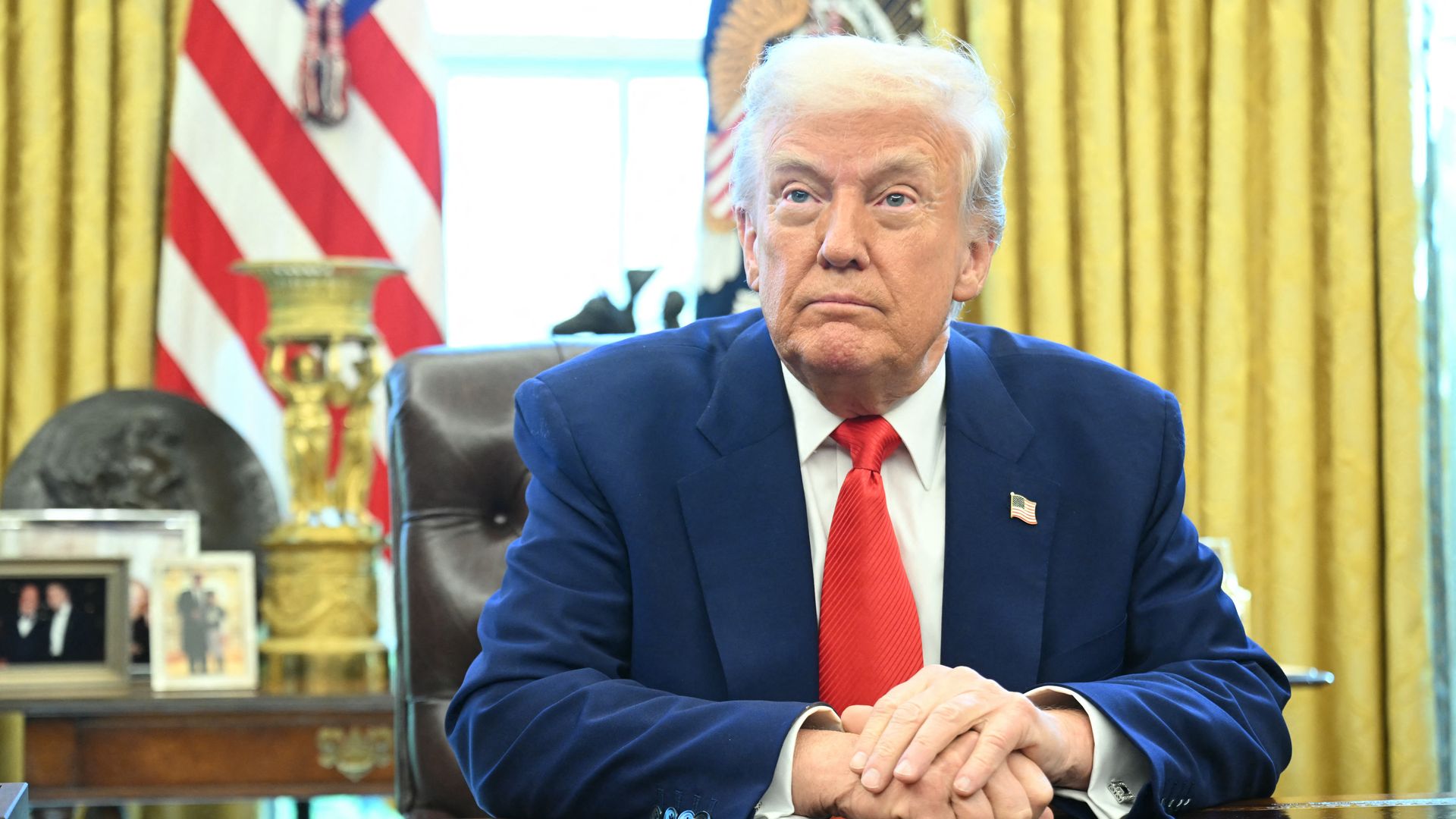
President Trump said his sudden announcement to pause hard-hitting tariffs except on Chinese imports the day they took effect on Wednesday happened after he'd been thinking about the matter "for a few days."
The big picture: Trump's sweeping tariffs push sent stock markets spiralling and the president noted to reporters at the White House on Wednesday about his abrupt reversal the day they took effect that stocks had since surged.