1. Puerto Rican authorities said yesterday they'd reached a deal to cancel the student debt of thousands of people on the island.
The agreement came through a lawsuit from the Puerto Rico Department of Justice against loan provider Navient (formerly called Sallie Mae) for alleged fraudulent practices.
About 20,000 students will benefit, authorities said, with the estimated cancellation of about $7 million in debt.
2. Guatemala's Congress started the process this week of confirming hundreds of nominees to the Supreme Court and appeals courts, even as some of the suggested names are people accused of corruption.
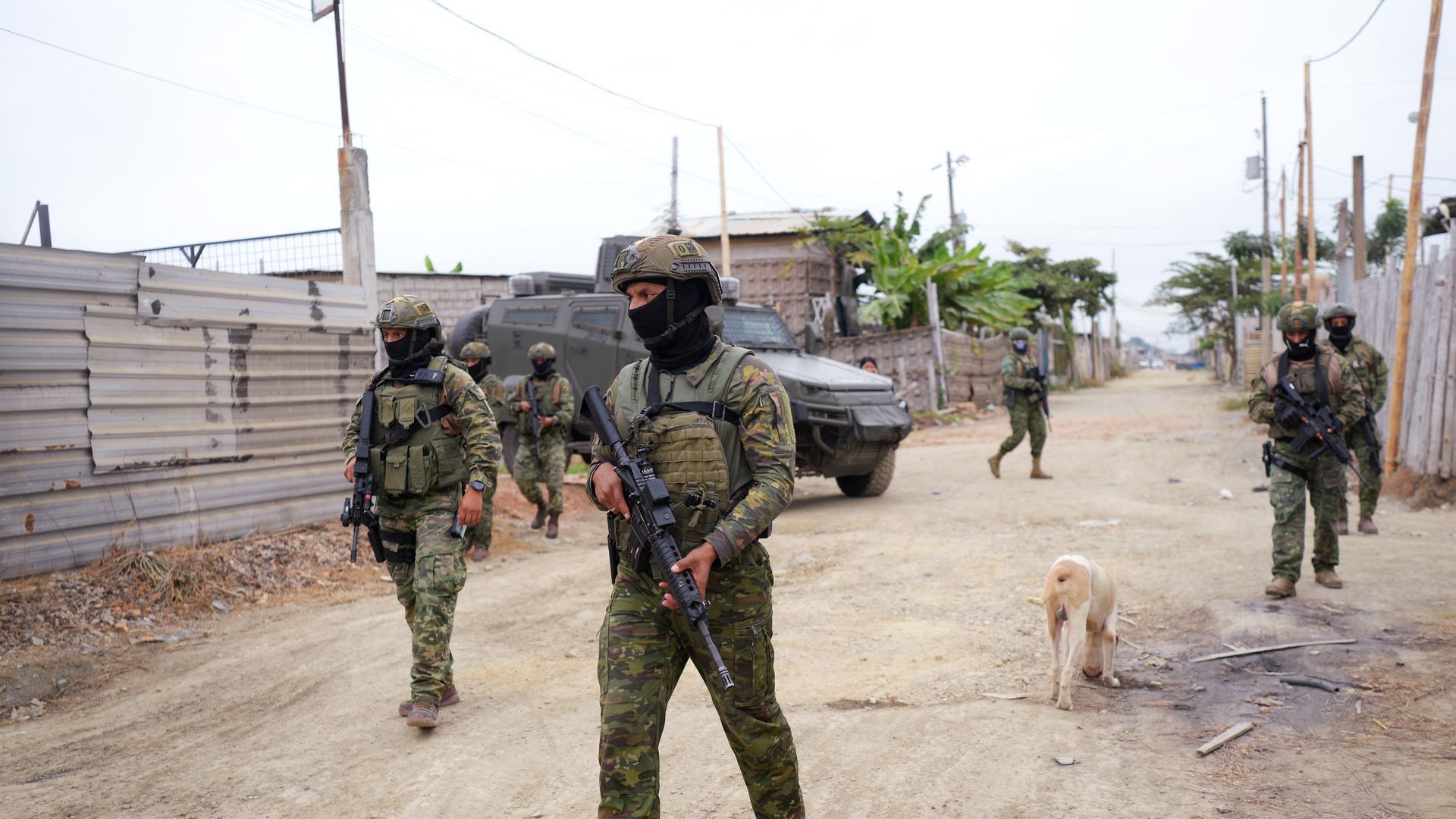
Ecuadorians are the least likely in the world to feel safe in their country, according to new polling data from Gallup.
Why it matters: Ecuador's long-time status as one of the safest nations in Latin America and the Caribbean is no more as the nation has been hit by the same systemic violence as nearby countries.
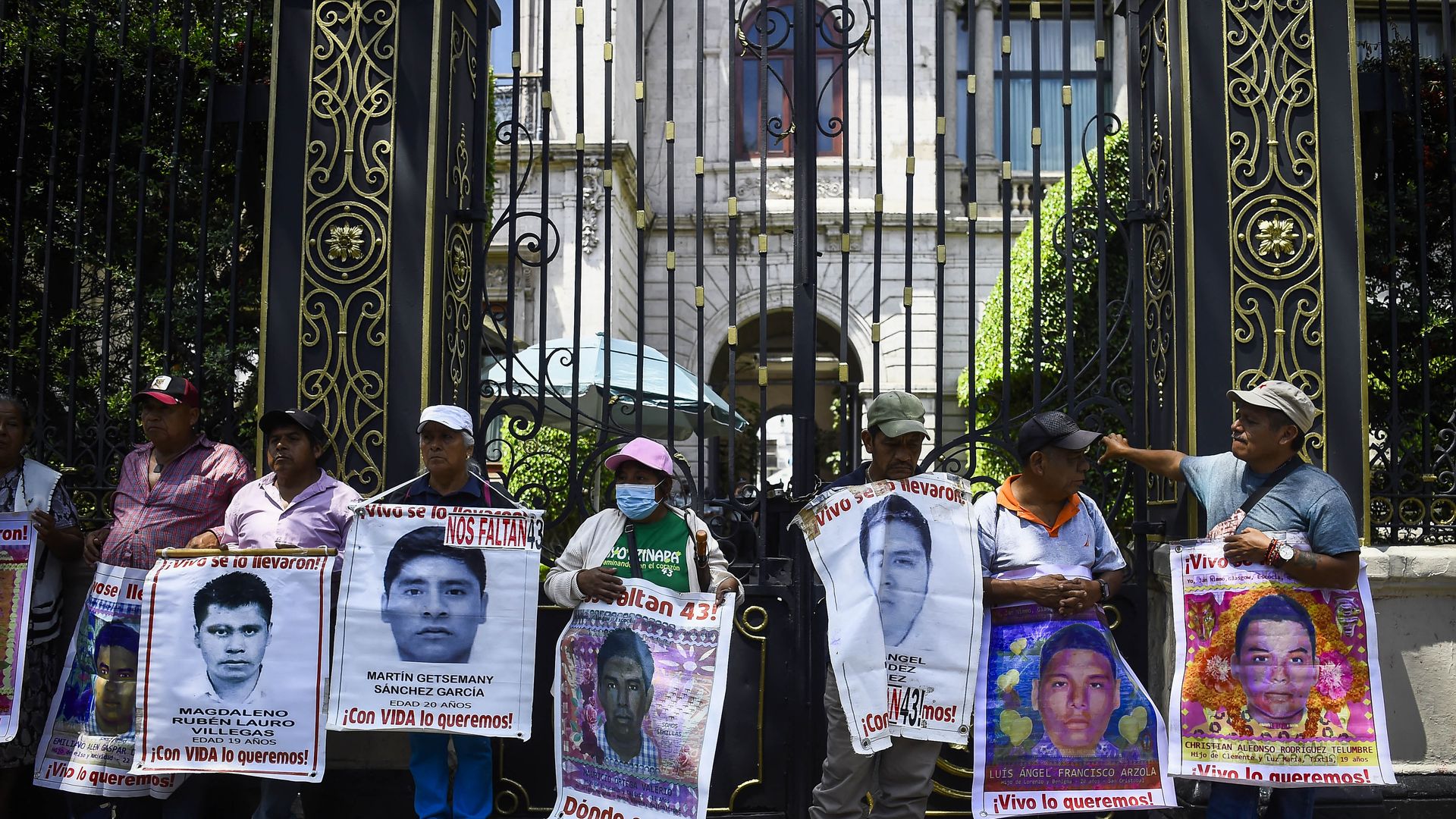
A decade after 43 students were abducted in Guerrero, Mexico, their families say the government has largely abandoned the investigation.
Why it matters: The students from Ayotzinapa rural school are part of the largest mass disappearance in modern Mexican history, and they are among the more than 110,000 people who have been reported missing or disappeared in the last 50 years.
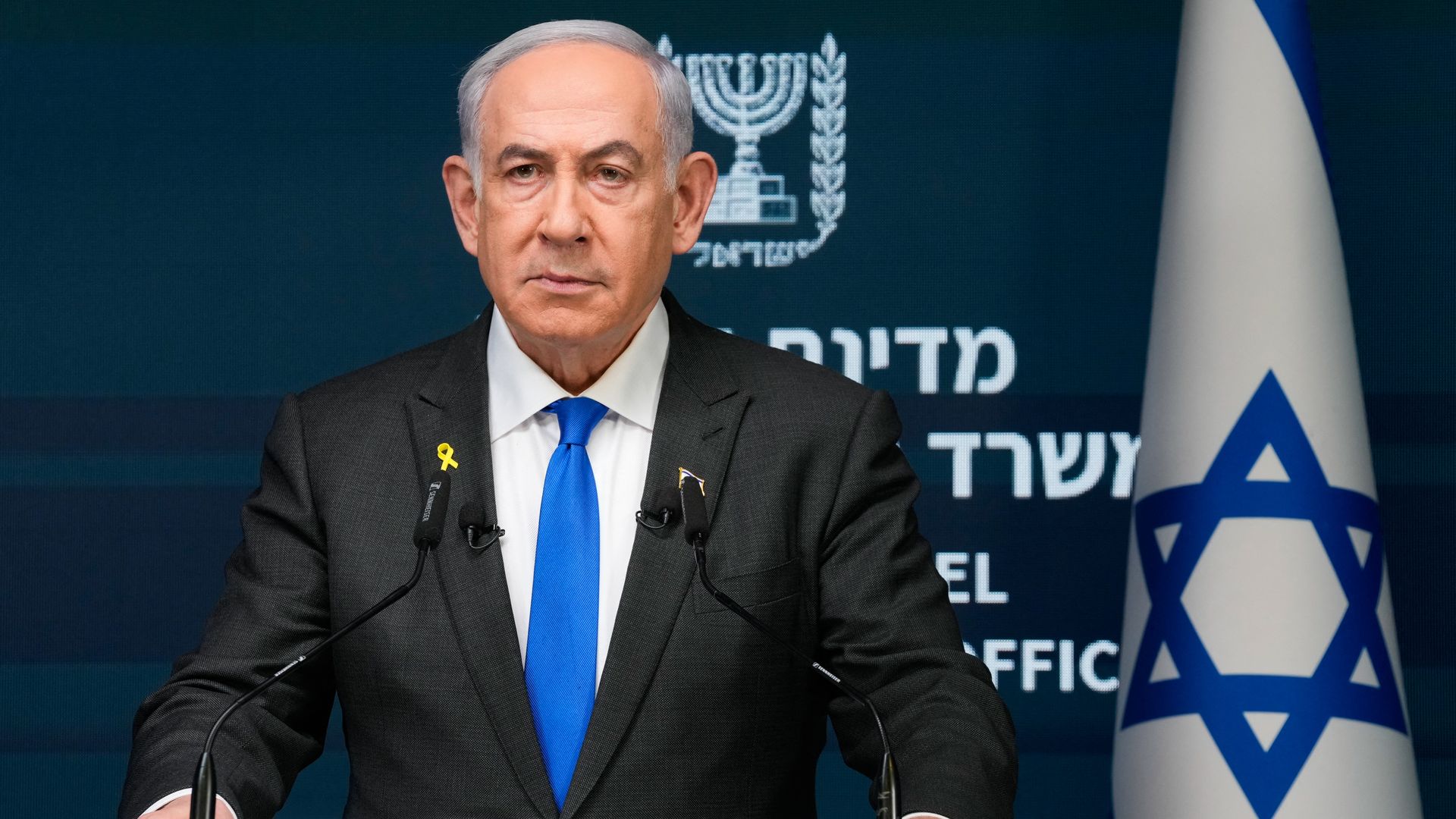
Israeli Prime Minister Benjamin Netanyahu on Thursday walked back from a private understanding with the Biden administration and distanced himself from the proposal for 21-day ceasefire in Lebanon presented by the U.S., France and other allies.
Why it matters: U.S. officials said Netanyahu and his close confidants were directly involved in the formulation of the temporary ceasefire.
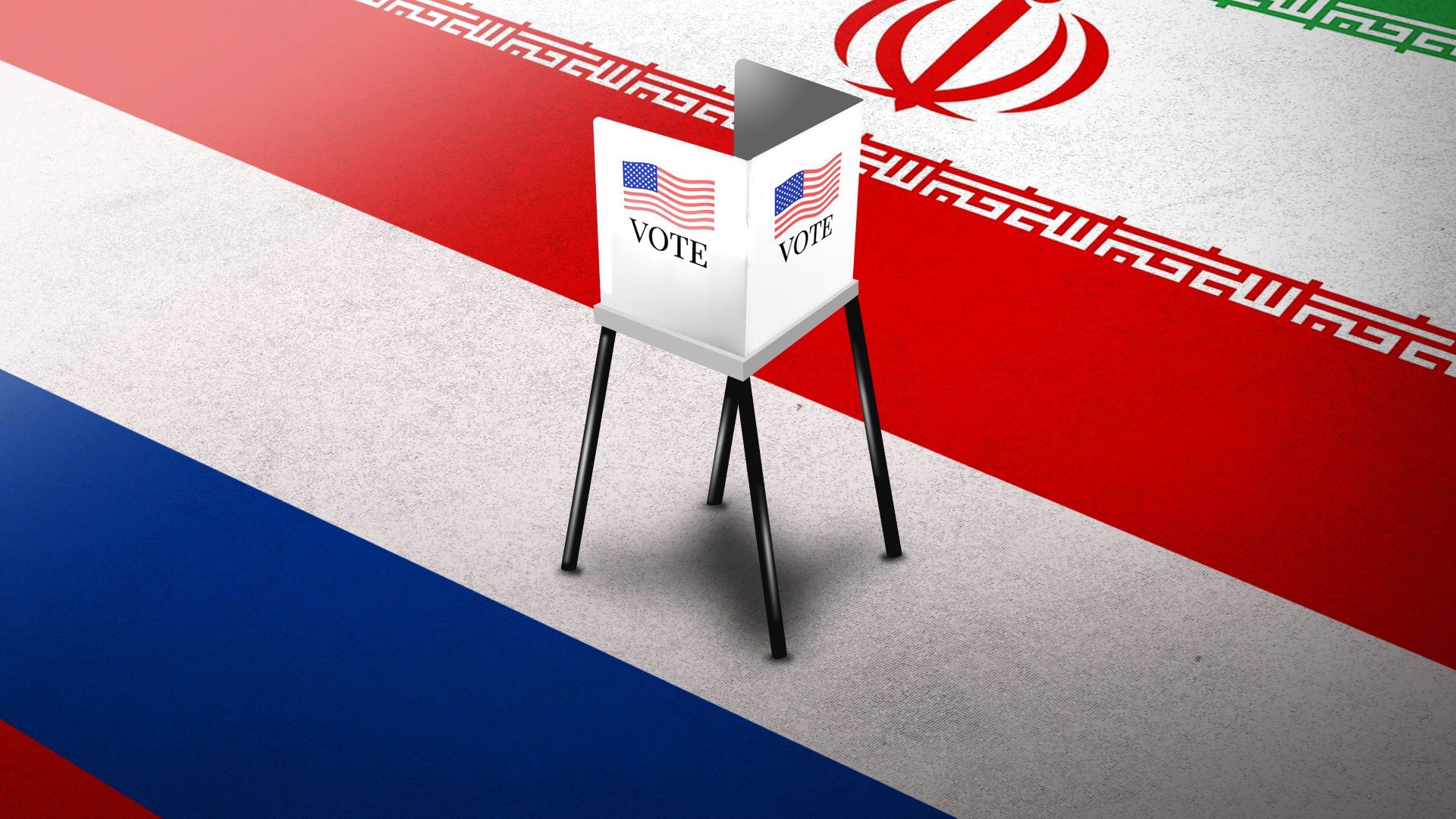
Russia and Iran are close partners in Ukraine and in the Middle East, but they're intervening on opposite sides in the U.S. election.
Why it matters: An emerging axis of U.S. adversaries and rivals, including China and North Korea, has moved closer together on a number of fronts in recent years — but not when it comes to partisan U.S. politics.
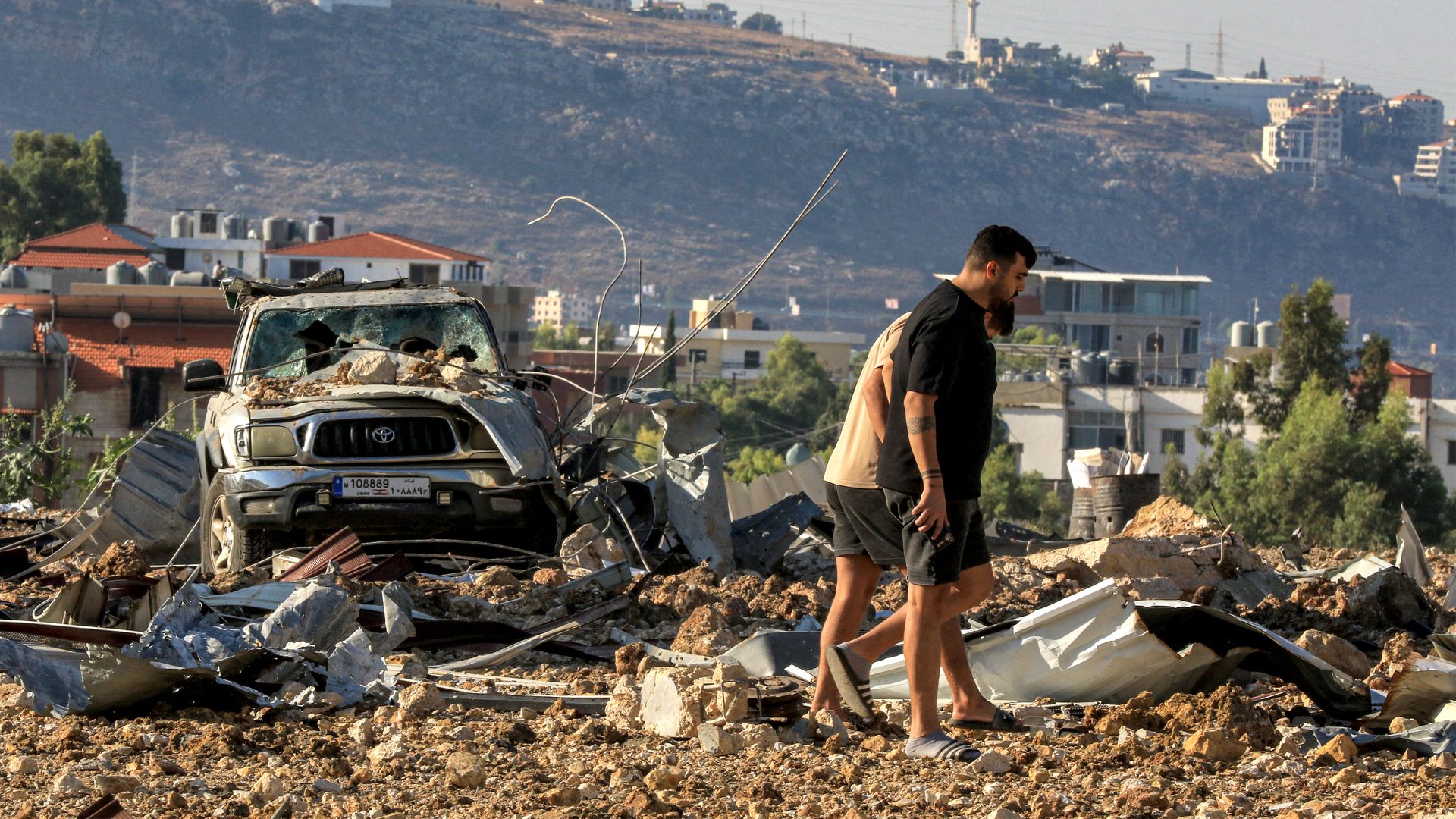
The U.S., France and key allies issued a joint statement on Wednesday calling on Israel and Hezbollah to agree to a 21-day ceasefire during which negotiations could take place on a diplomatic solution to the crisis on the Israeli-Lebanese border.
Why it matters: The statement — released after 10 days of intense fighting that has killed more than 700 people in Lebanon — is aimed at stopping the escalation and particularly at preventing a possible Israeli ground invasion of southern Lebanon to push Hezbollah militants away from the border.