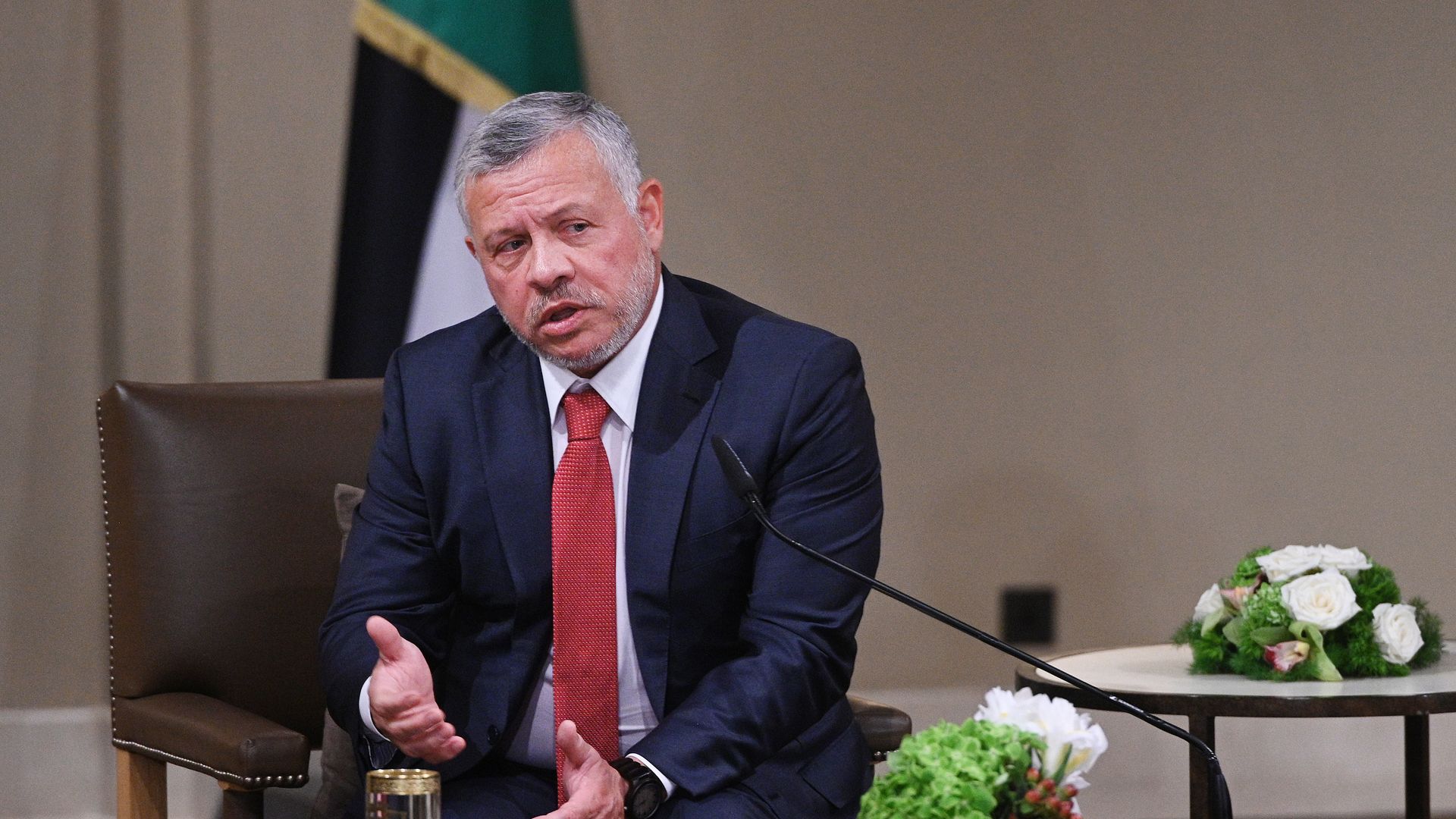
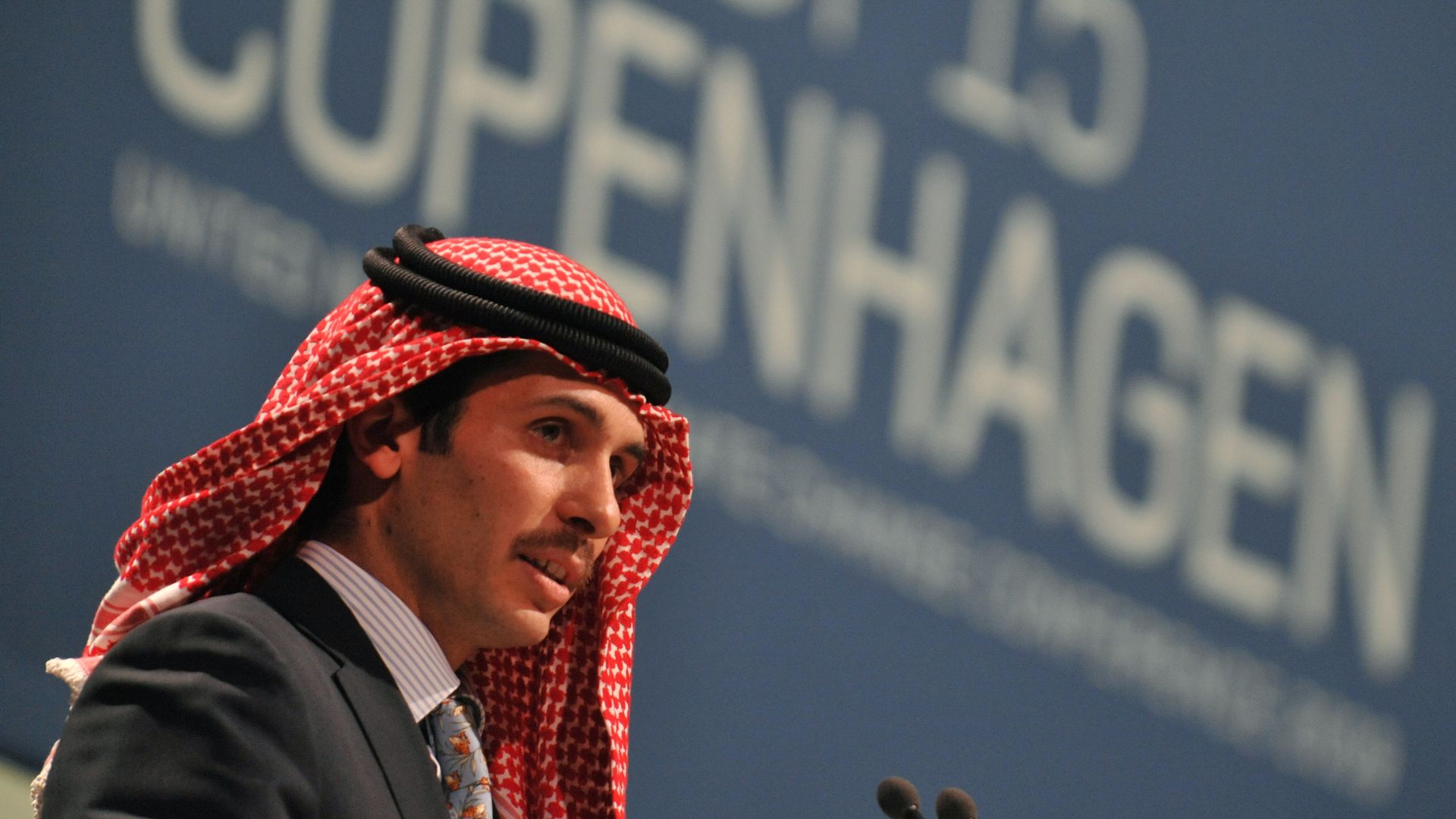
Former Jordanian Crown Prince Hamzah bin Hussein, who was put under house arrest on Saturday and accused of trying to destabilize the country, signed a letter on Monday pledging allegiance to his half-brother, King Abdullah II, Jordan's official news agency reports.
Why it matters: For now, the letter seems to have resolved the crisis inside the royal family that began on Saturday with a string of arrests and allegations of a coup plot.
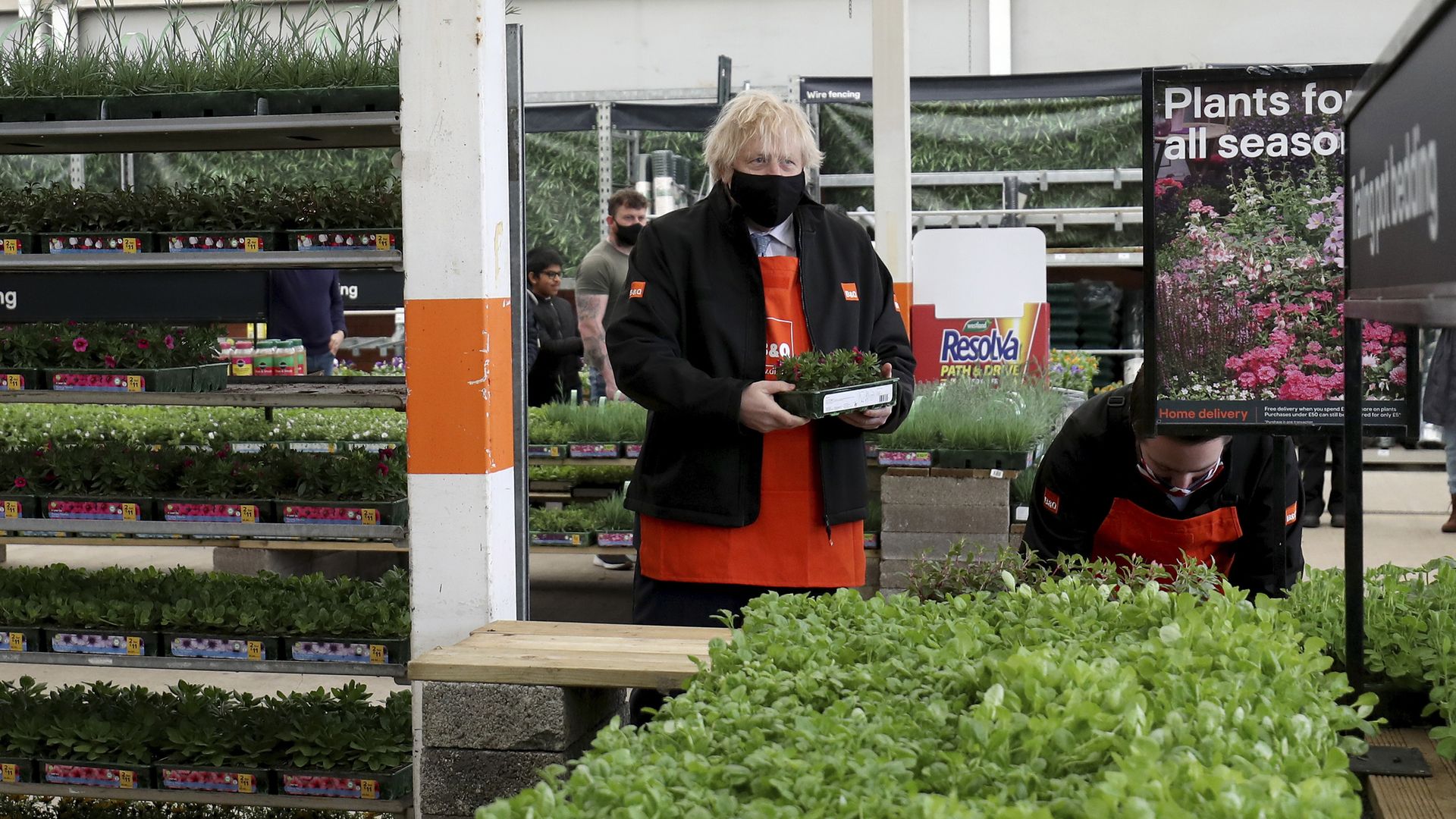
U.K. Prime Minister Boris Johnson confirmed Monday that England will proceed on April 12 with phase two of its four-step roadmap to reopening its economy, announcing that all nonessential shops, hairdressers and gyms can reopen and that pubs and restaurants will be permitted to serve customers outdoors.
Why it matters: It's a reflection of the continued success of Britain's vaccine rollout, which has been among the best in the world. The U.K. last year suffered the worst coronavirus death toll in Europe and its biggest economic contraction in 300 years.
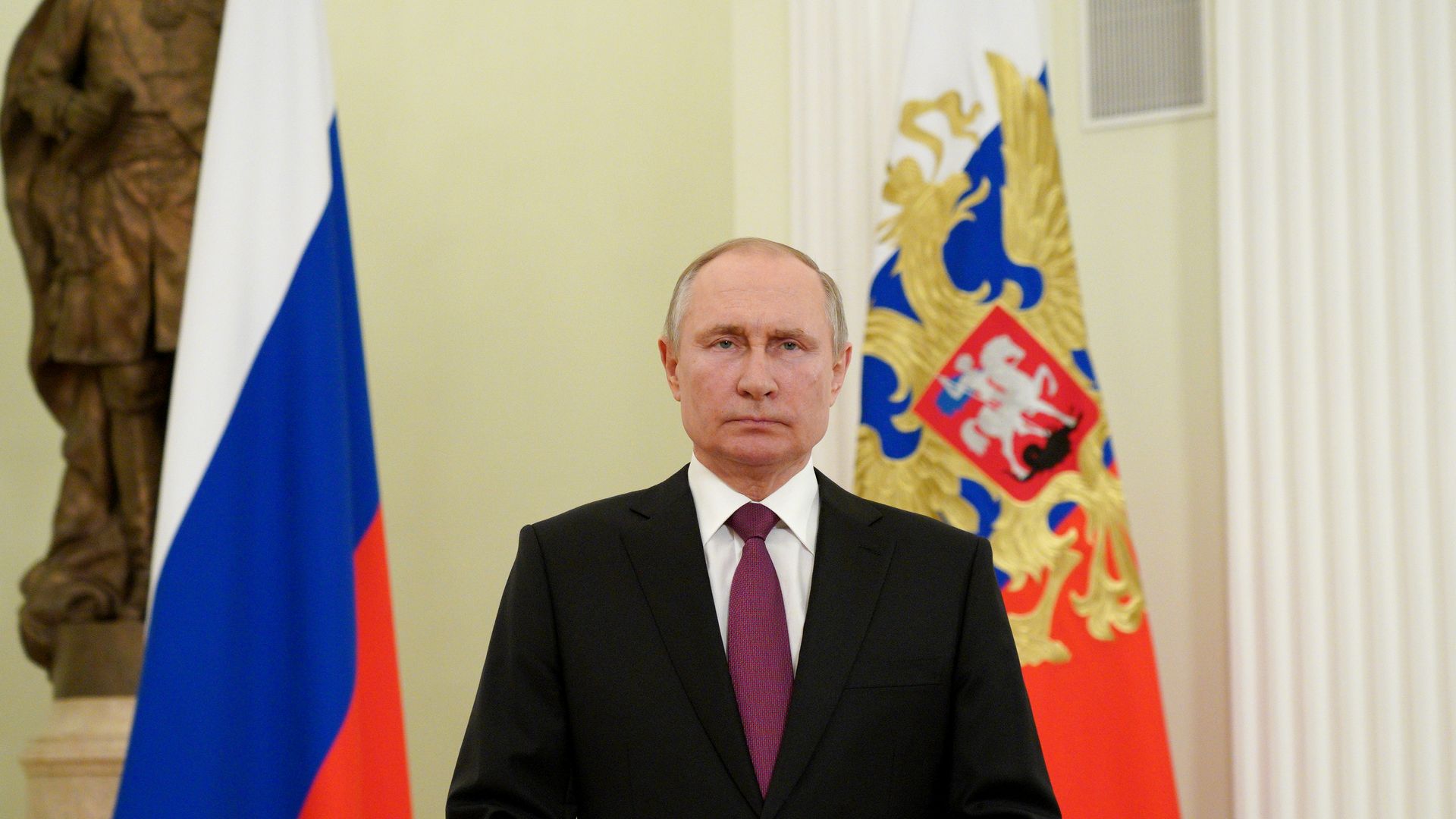
Vladimir Putin has signed a law that would let him seek additional presidential terms in 2024 and 2030, Reuters reports.
Why it matters: Putin was running up against term limits until proposed constitutional changes were approved via referendum last year. Now he could potentially remain in power until 2036, when he'll be 83.
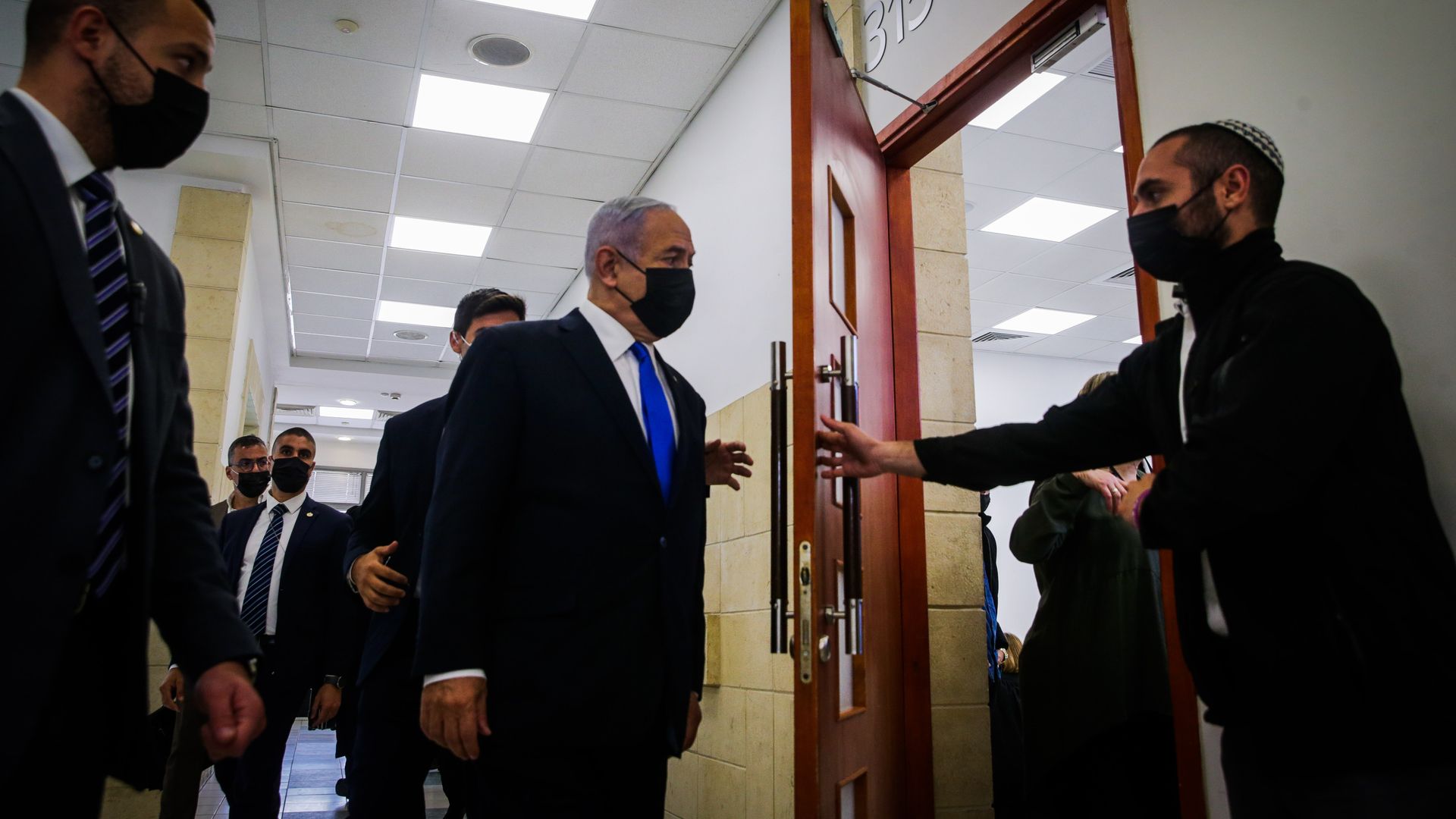
As the first witness in Israeli Prime Minister Benjamin Netanyahu’s corruption trial took the stand on Monday, President Reuven Rivlin was consulting with representatives of Israel's political parties as to who should form the next government.
Why it matters: This split-screen moment between the Jerusalem district court and the president’s residence encapsulated the political and legal crisis that has engulfed Israel over the last two years. The crisis appears likely to continue now that a fourth election has ended with no clear winner.
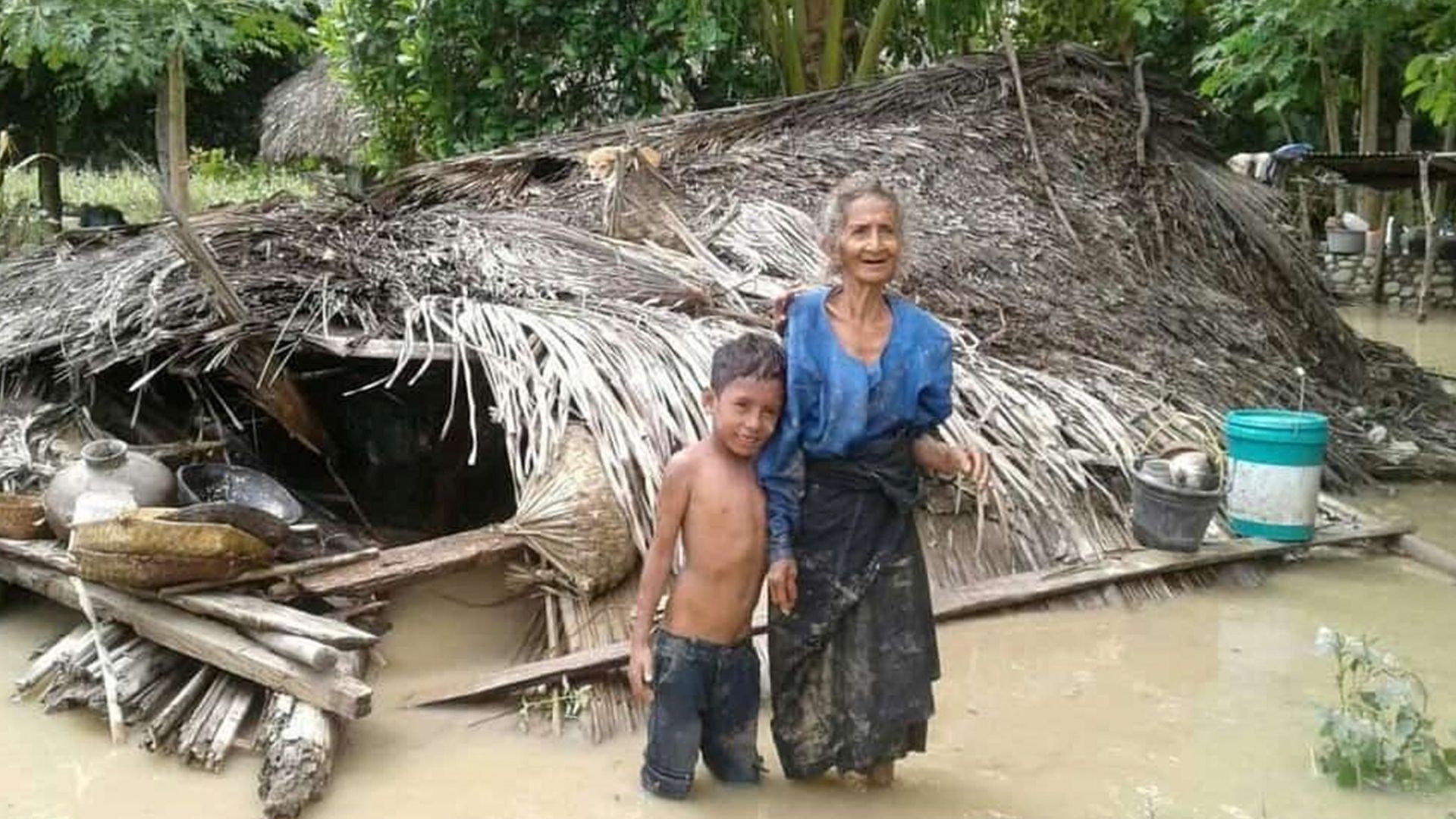
At least 76 people have been killed and thousands displaced after flash flooding and landslides struck Indonesia and the tiny nation of Timor-Leste Sunday following heavy rains overnight, per Reuters.
The big picture: Dams overflowed, inundating thousands of homes from Indonesia's Flores Island to Timor-Leste, AFP notes. Officials said Monday the disaster killed 55 people in Indonesia's East Nusa Tenggara province and 21 in Timor-Leste. Dozens were missing.
Editor's note: This article has been updated to reflect the death toll increase.
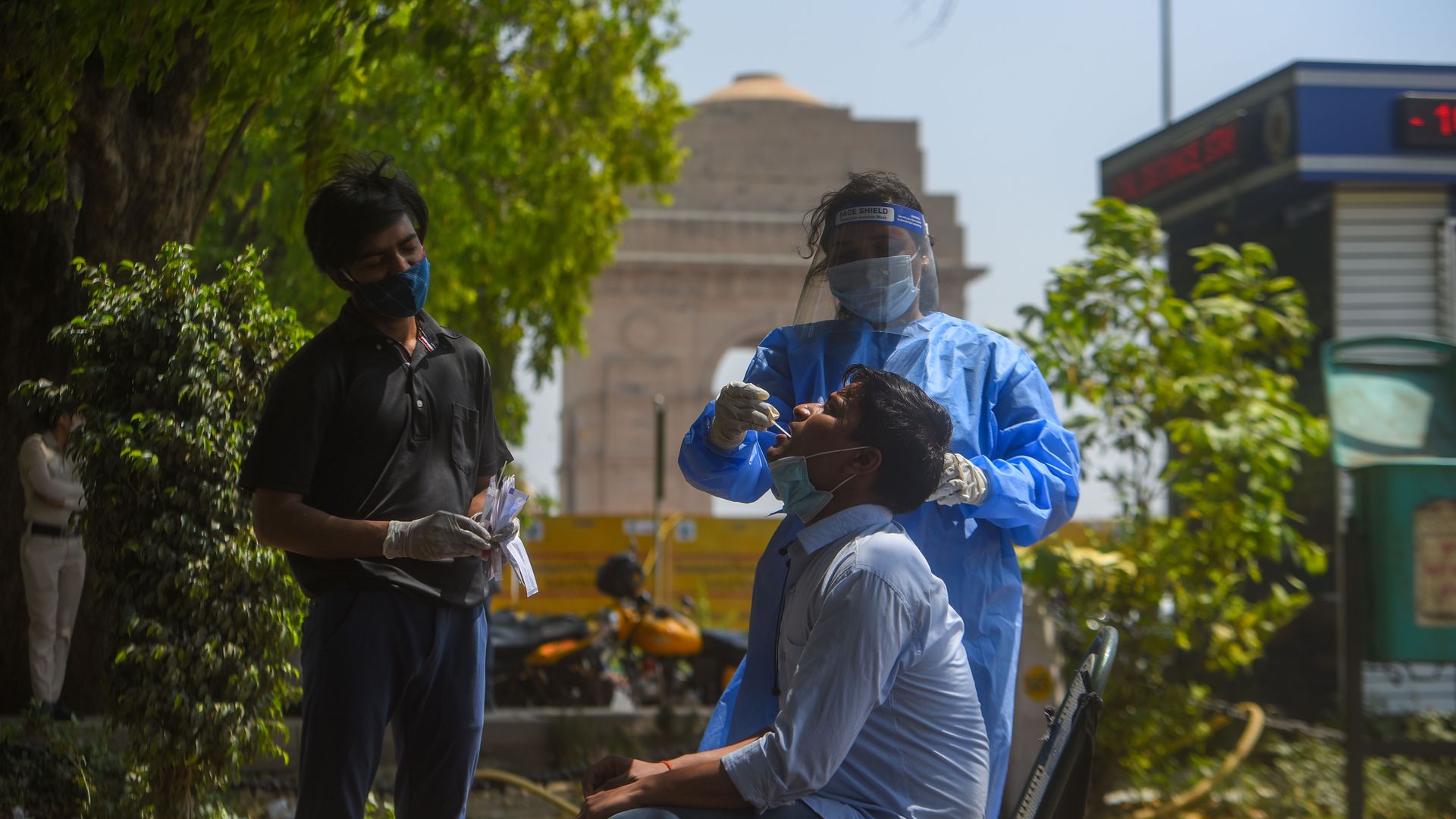
India's Ministry of Health confirmed 103,558 new COVID-19 infections on Monday.
Why it matters: It's the first time the country has reported over 100,000 new coronavirus cases in one day. India is the second country after the U.S. to reach that milestone.
An Israeli businessman with ties to the U.S. government was in touch with former Jordanian Crown Prince Hamzah bin Hussein when he was put on house arrest on Saturday, and proposed to send a private jet to take his wife and kids to Europe.
The intrigue: The Jordanian government claims the Israeli has connections to the Mossad spy agency, while the businessman stresses he's only a friend of the prince.
A day after putting former crown prince Hamzah bin Hussein under house arrest, the Jordanian government on Sunday publicly accused him of conspiring to destabilize the country.
Why it matters: Prince Hamzah claims he is a victim of a campaign by the royal palace to crack down on dissent and silence his criticism of the government’s corruption and incompetence. Foreign Minister Ayman Safadi rebutted those claims in a press conference.
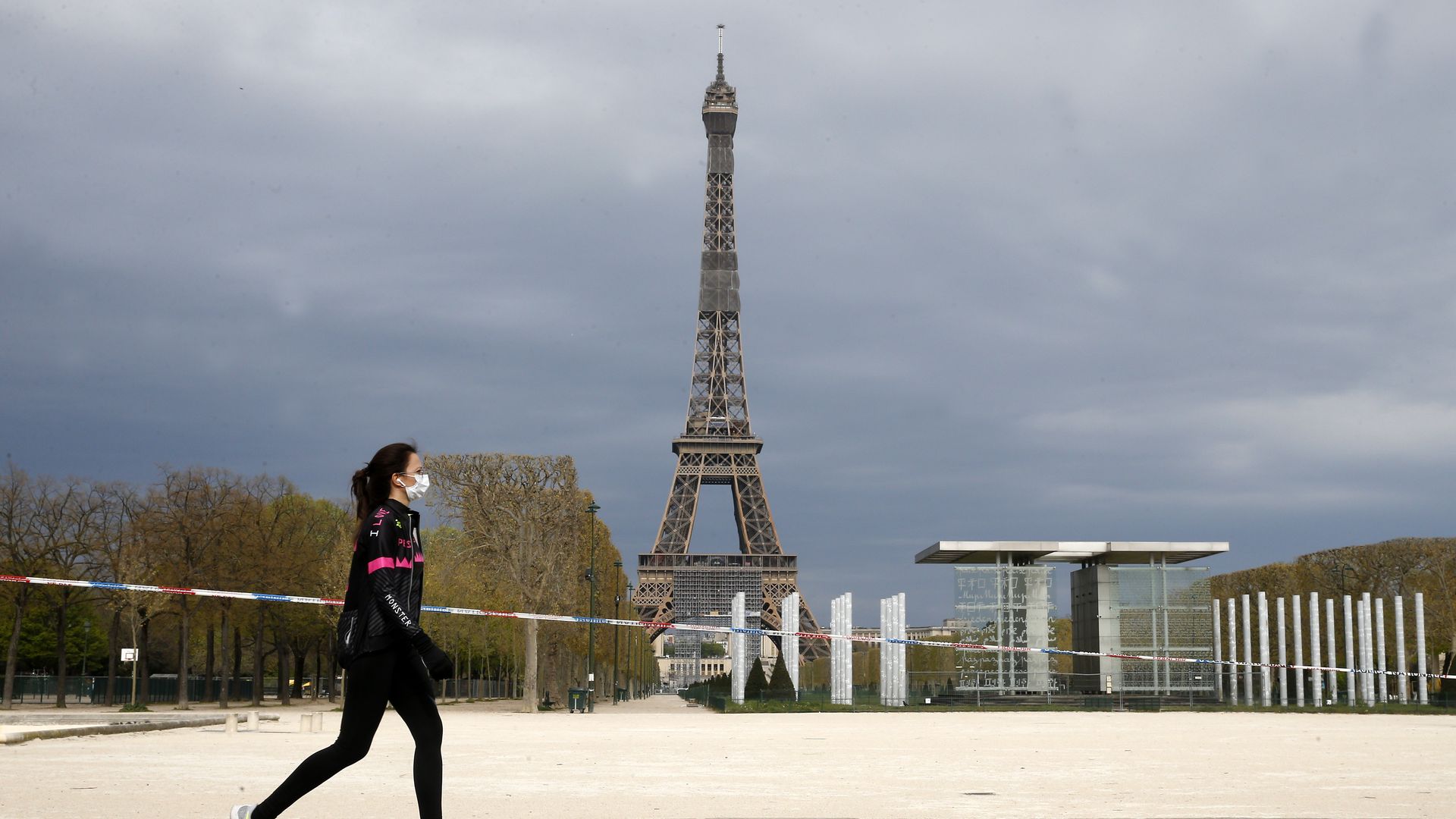
France is cutting it's GDP growth forecast to 5% from 6% as the country enters a four-week national lockdown aimed at slowing a recent surge in COVID-19 cases, Bloomberg reports.
Why it matters: The lockdown, France'sthird since the start of the pandemic, comesamid a surge in new COVID-19 cases across much of Europe that has seen some countries reimpose restrictions.
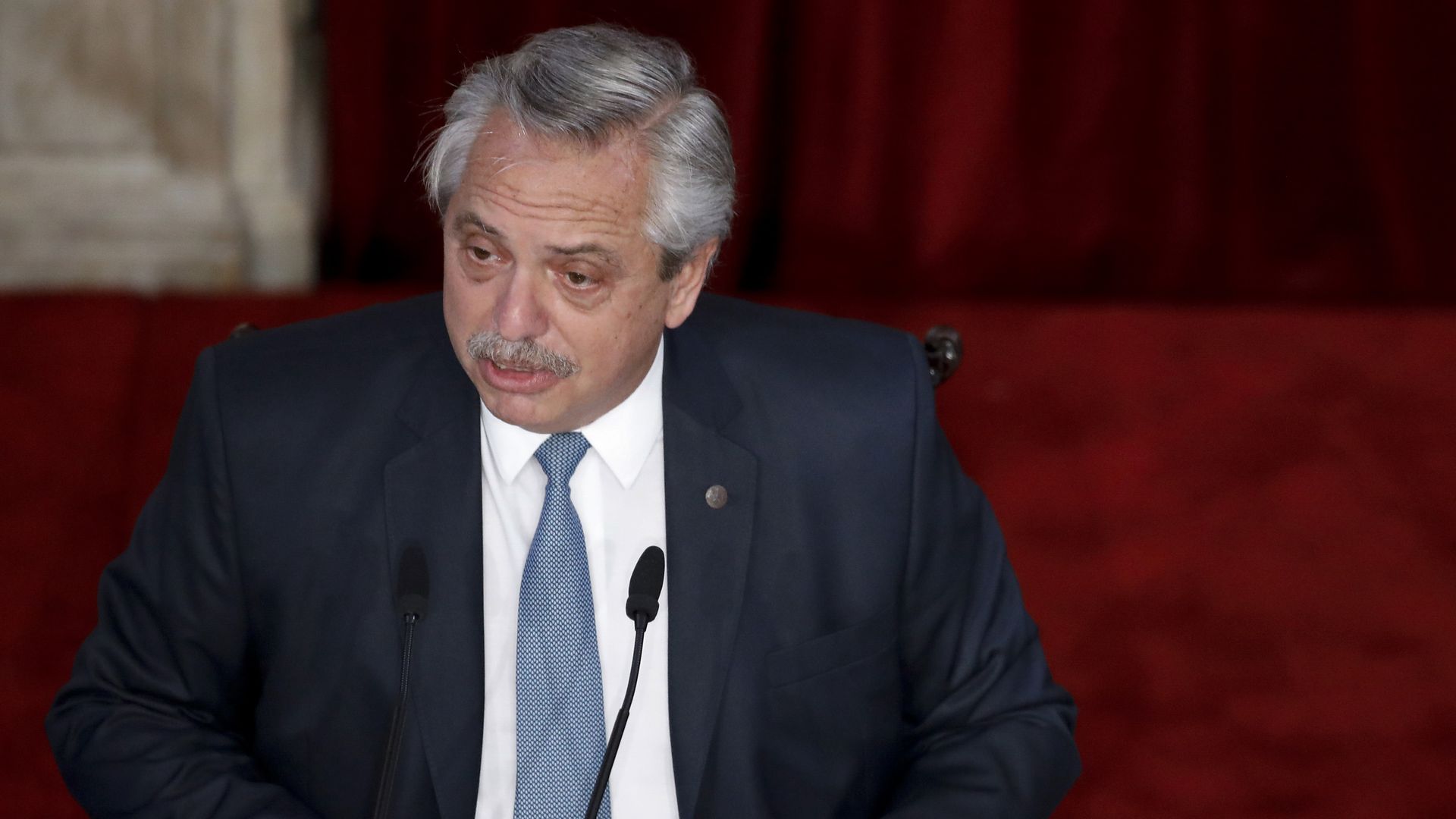
Of note: Fernández received his first dose of Russia’s Sputnik V coronavirus vaccine on Jan. 21 and the second on Feb. 11, per the Wall Street Journal.
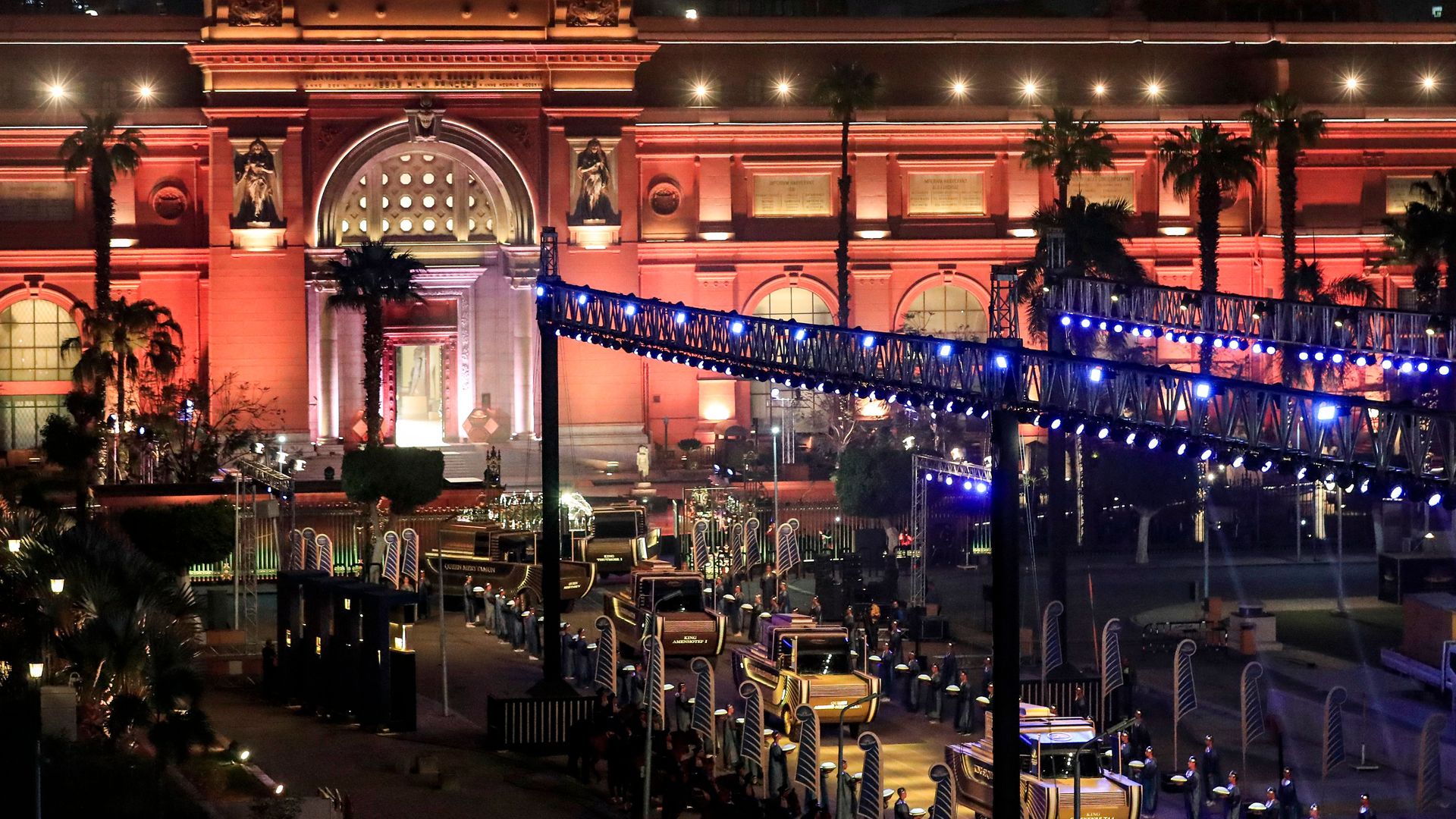
Egypt held a 5-mile procession of 22 ancient mummies in Cairo, as they were moved from a museum where they'd been for over a century to the new National Museum of Egyptian Civilization Saturday night.
For the record: Organizers "deliberately" hid from view working-class neighborhoods during the nationally televised event celebrating Egypt's past, locals told the New York Times. Urban planner Ahmed Zaazaa noted to the NYT, "The government says they are making reforms, but the vast majority of people in Cairo who live in working-class neighborhoods are excluded."