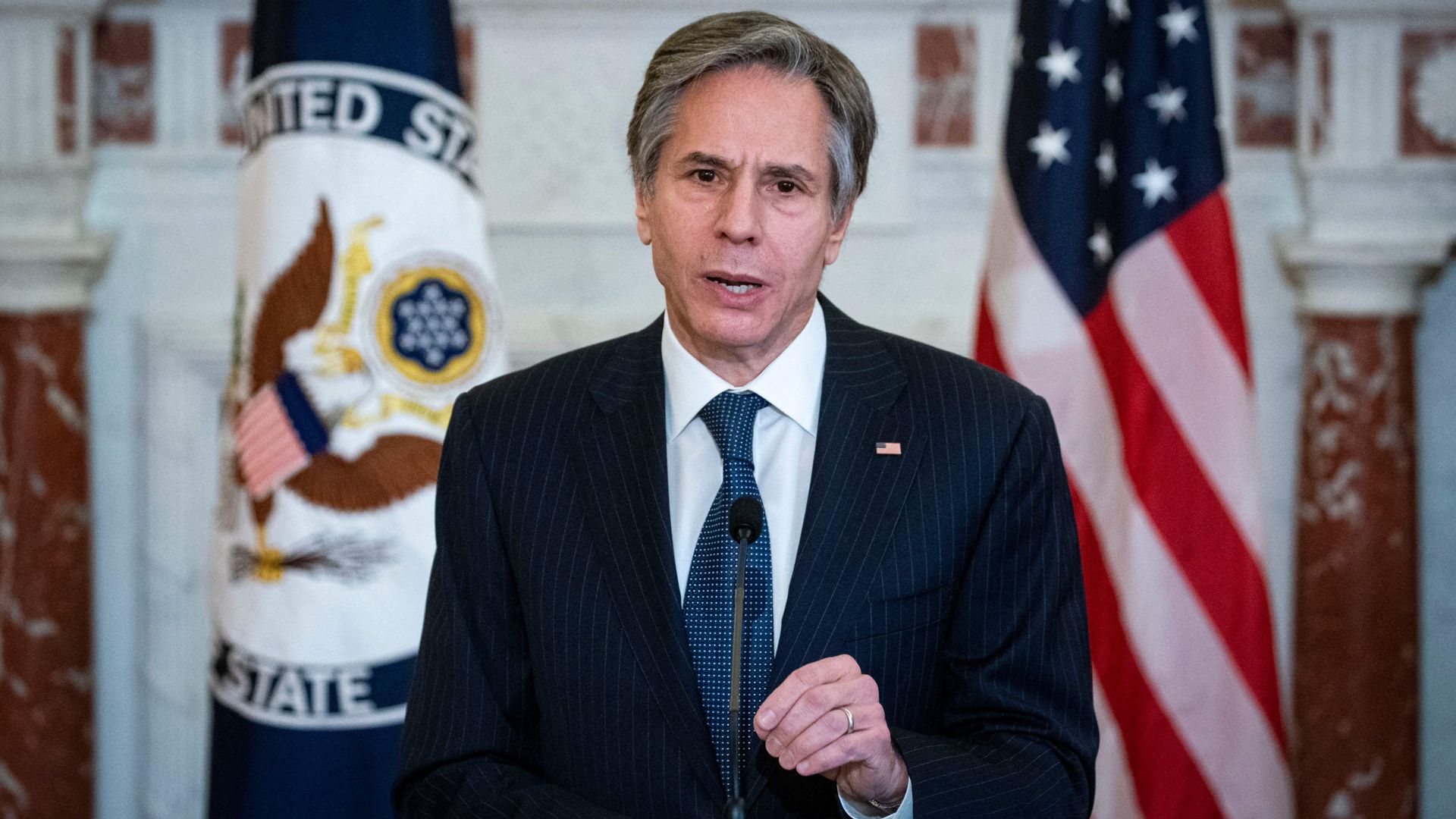
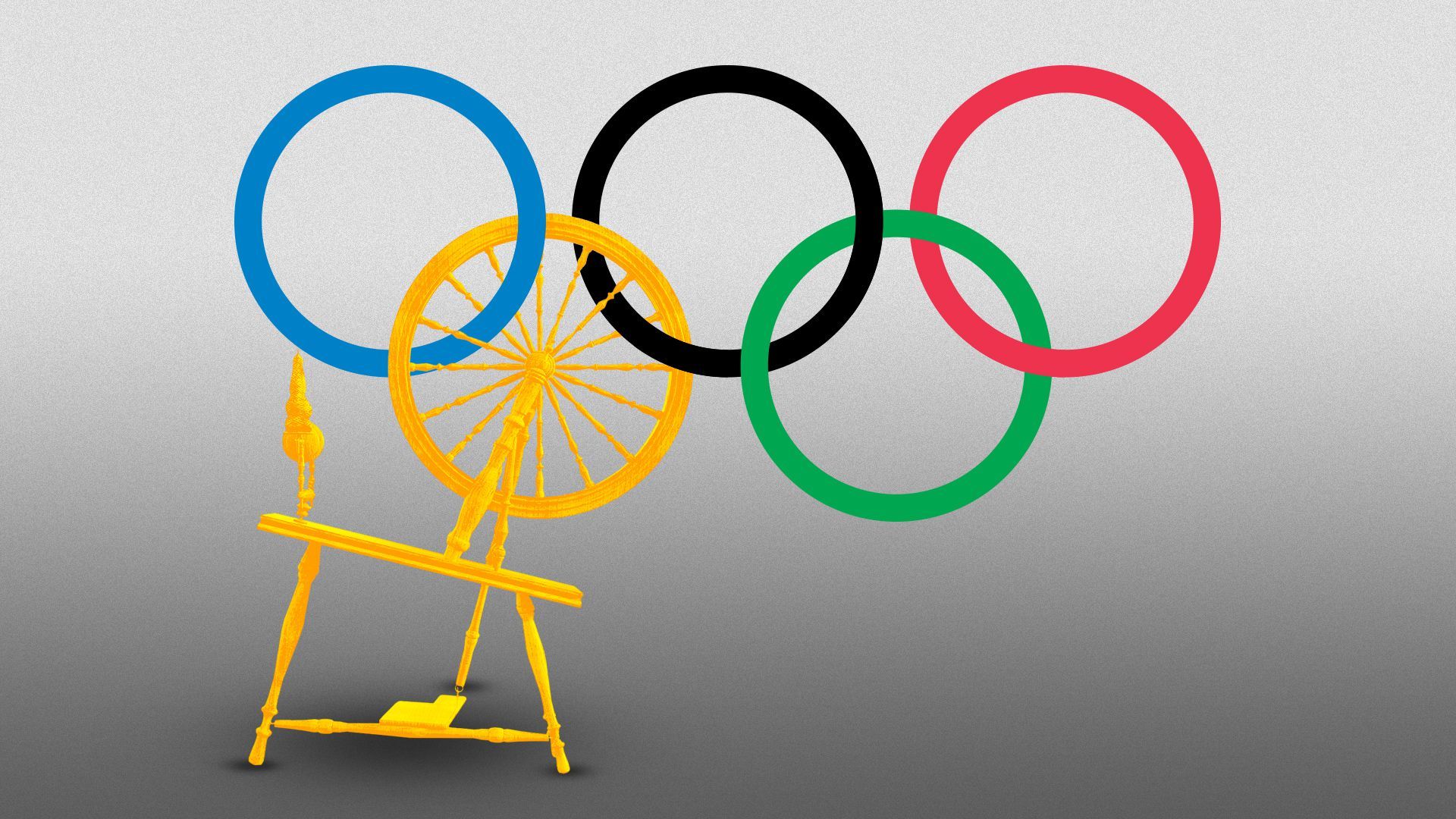
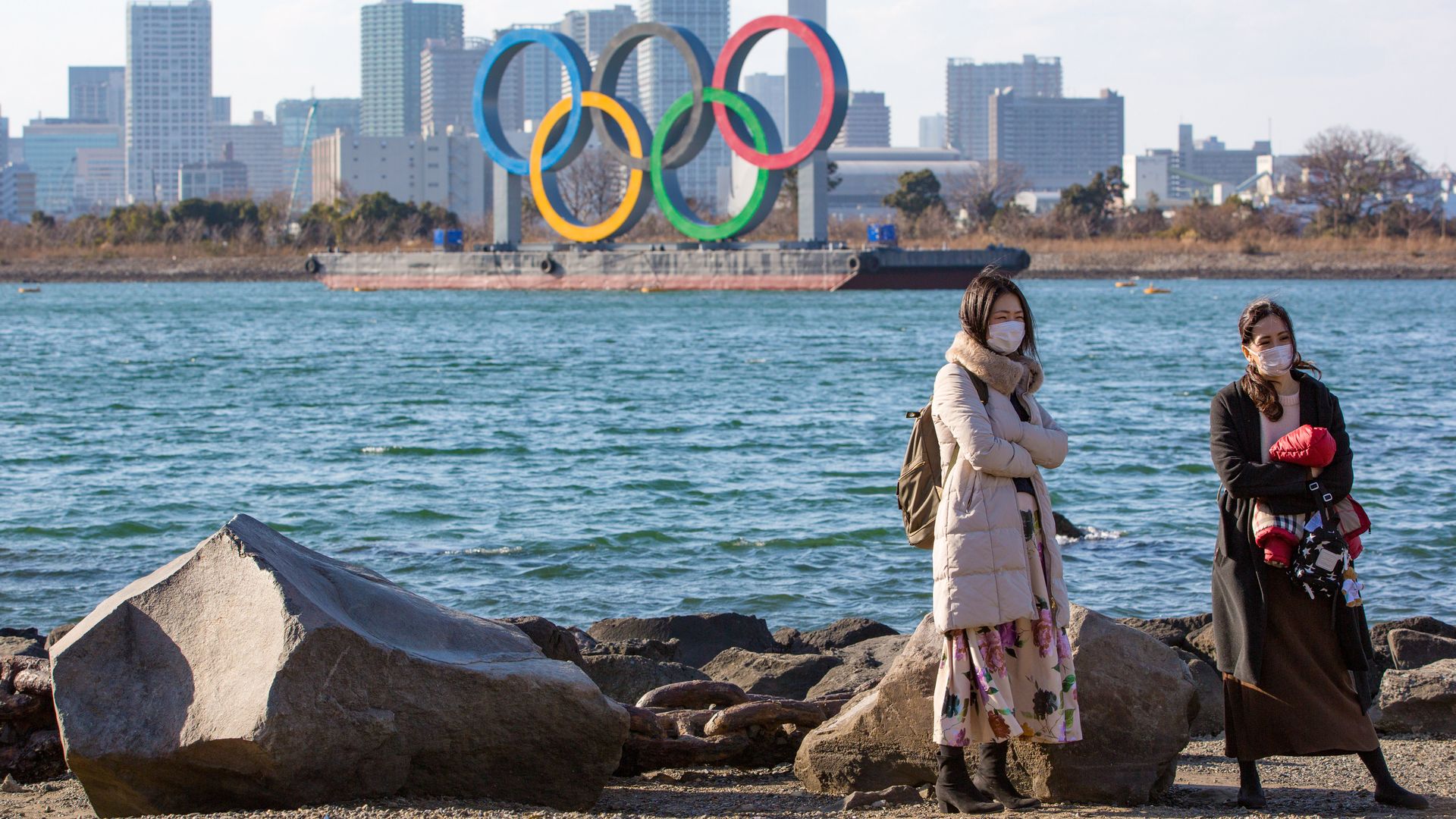
The U.S. would discuss a joint boycott of the 2022 Winter Olympics in China with its allies and partners, State Department spokesperson Ned Price said during a press conference on Tuesday.
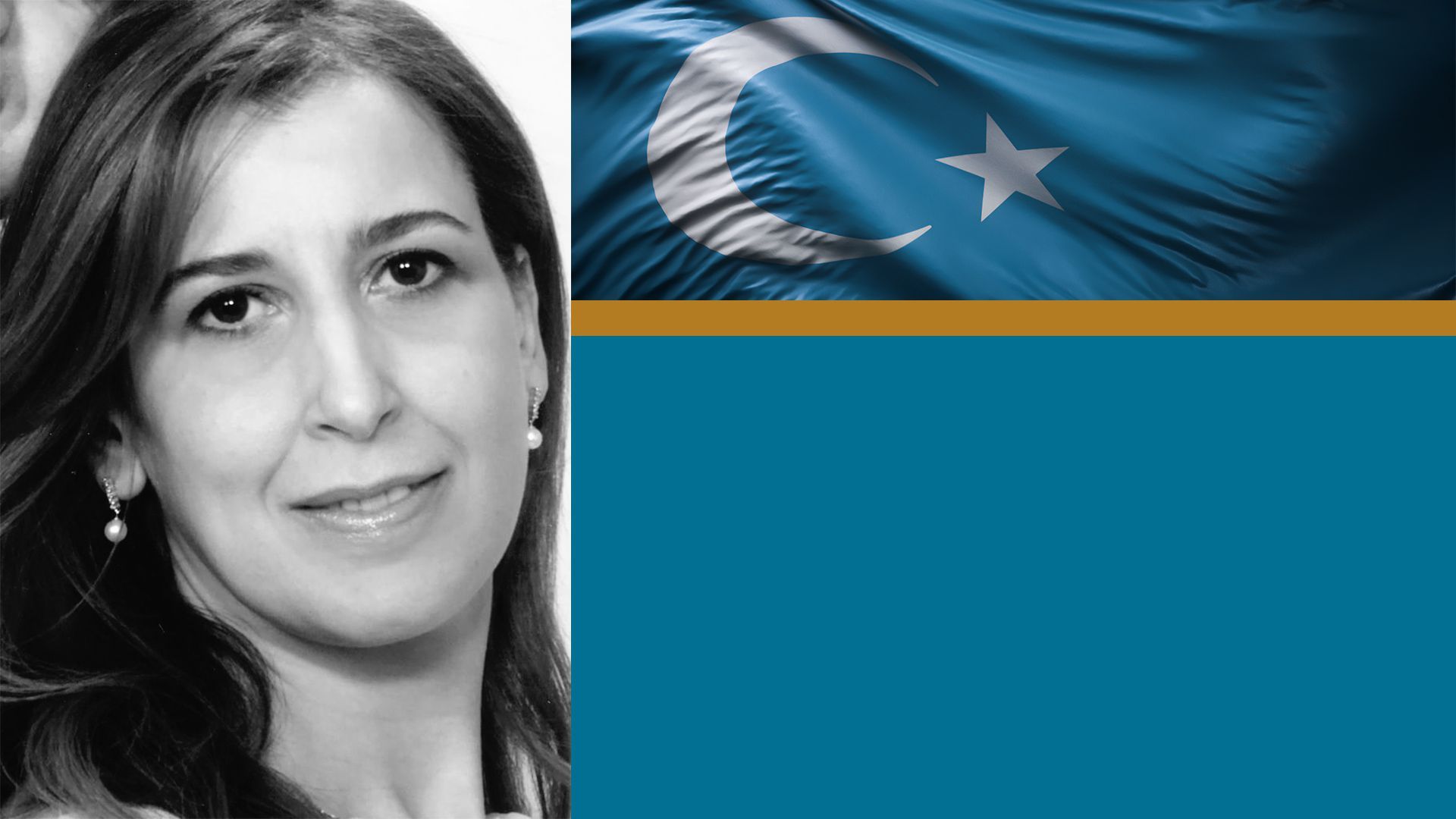
Why it matters: An Olympics boycott by the U.S. and its allies could help persuade international legal institutions to open an investigation related to allegations of genocide in Xinjiang, human rights lawyer Djaouida Siaci tells Axios' Bethany Allen-Ebrahimian.
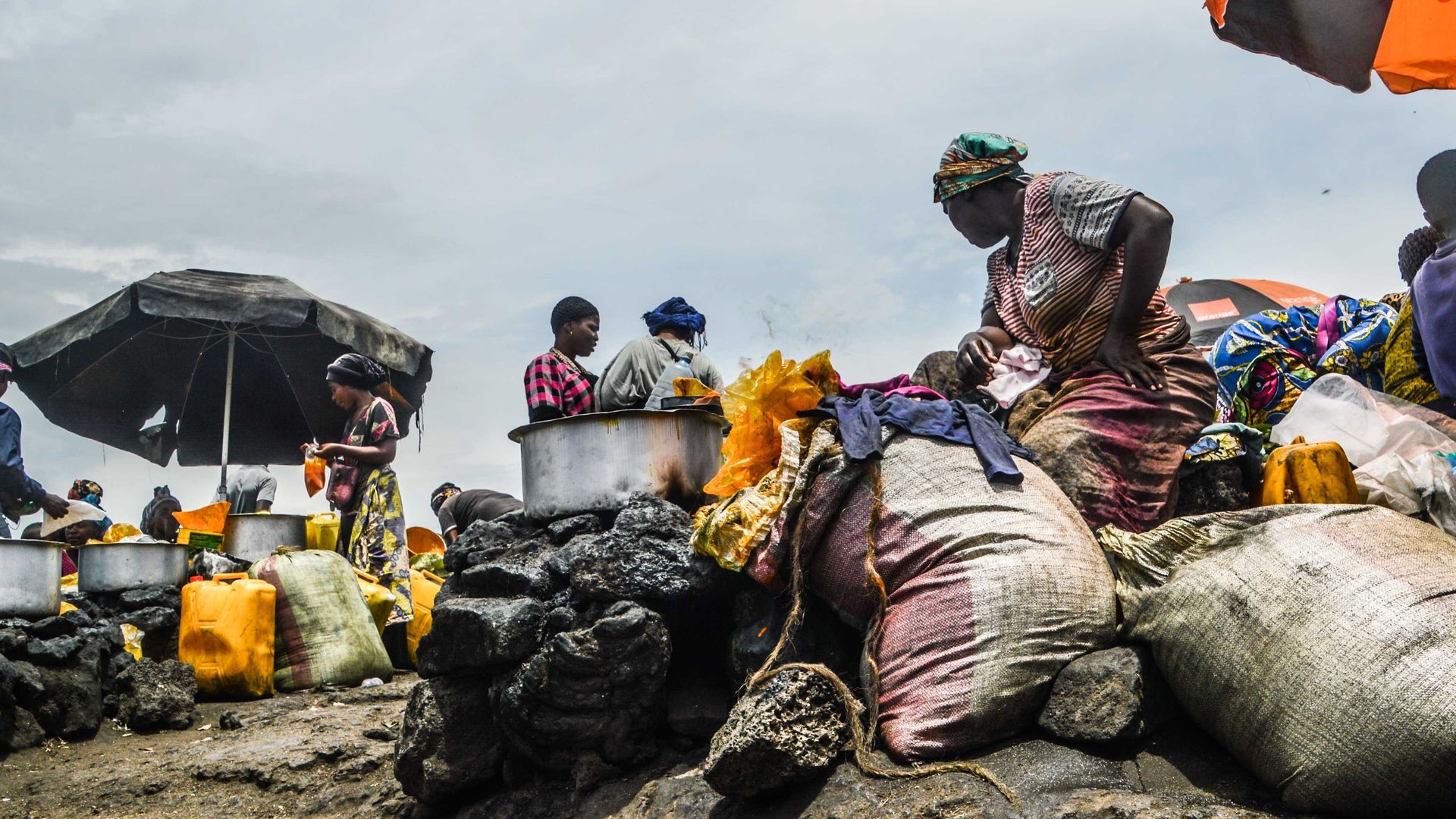
Some 27.3 million people in the Democratic Republic of the Congo are affected by high acute food insecurity, two United Nation agencies warned Tuesday.
Why it matters: The central African country is home to the highest number of people in urgent need of food security assistance in the world, according to the Food and Agriculture Organization and the World Food Programme.
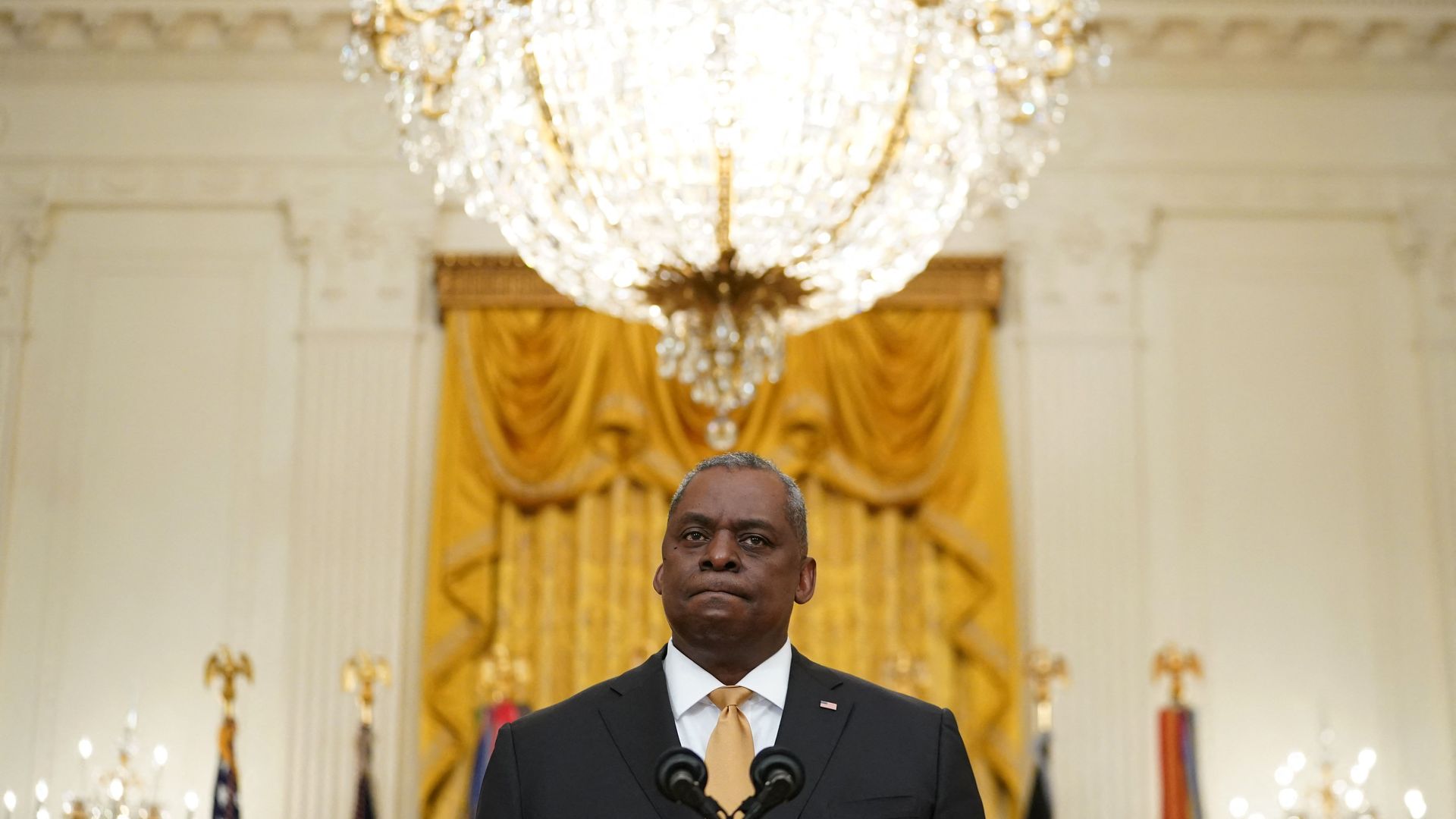
U.S. Secretary of Defense Lloyd Austin is expected to travel to Israel next week, Israeli officials tell me.
Why it matters: This will be the first Cabinet-level visit to the Middle East from the Biden administration, which has been shifting attention away from the region and toward China and Russia.
Djaouida Siaci is an international lawyer who focuses on human rights violations, genocide and sexual violence. She spoke to Axios about the international human rights law perspective on the Chinese government's actions in Xinjiang.
Why it matters: Siaci believes that a boycott of the 2022 Beijing Olympics wouldn't just be symbolic; it could help persuade international legal institutions to open an investigation related to allegations of genocide in Xinjiang.
The International Olympic Committee (IOC) gave a uniform contract for the Tokyo 2021 Summer Olympics and the Beijing 2022 Winter Olympics to a Chinese textiles company that has an affiliated factory in Xinjiang and that openly advertises its use of Xinjiang cotton.
Why it matters: The opacity of supply chains in China means it may be hard to determine if goods are made through forced labor.
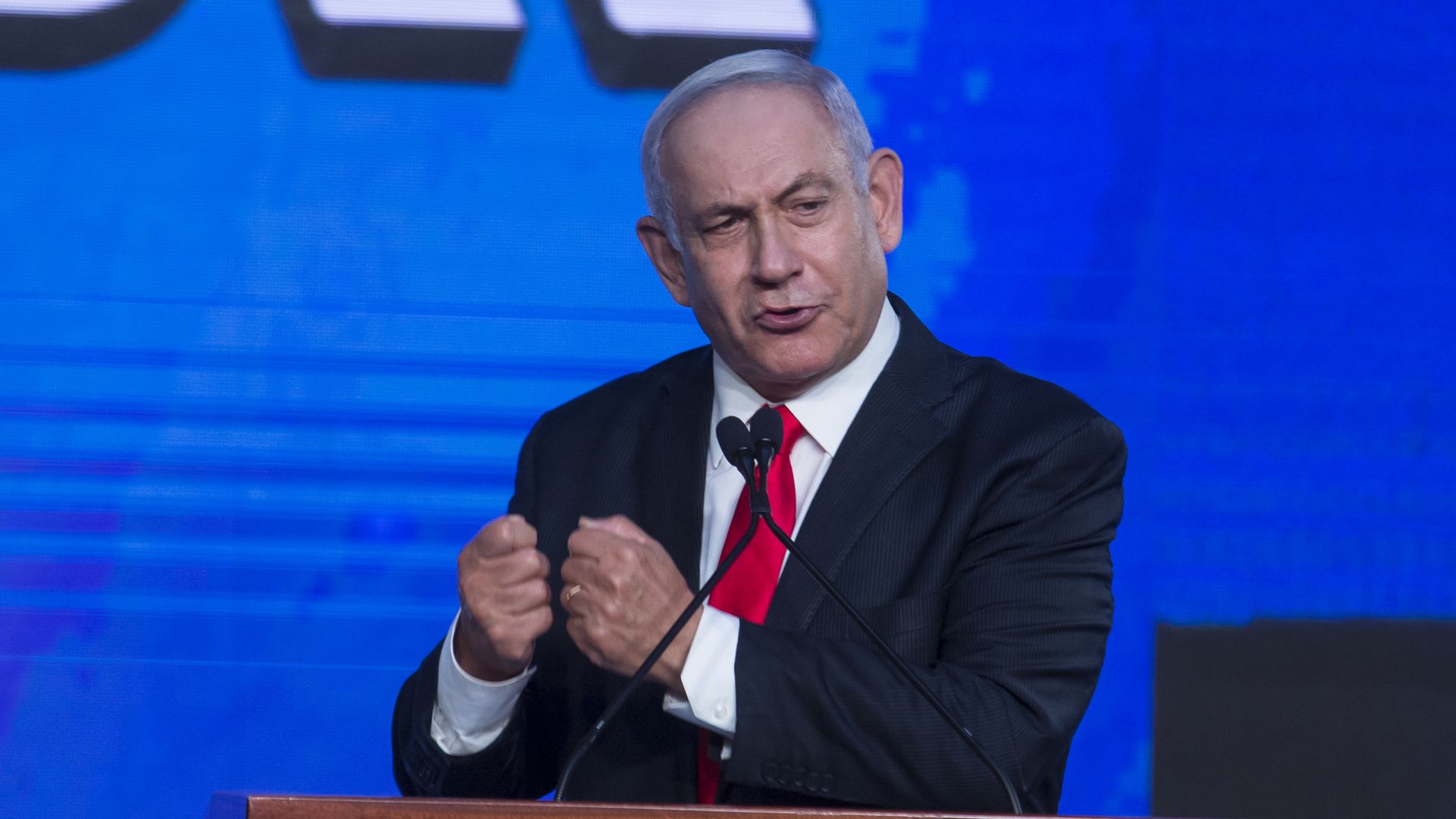
Two weeks after Israel's fourth consecutive election, Israeli President Reuven Rivlin on Monday gave the mandate for forming a new government to Prime Minister Benjamin Netanyahu.
Why it matters: Netanyahu's path for forming a coalition is very, very narrow. Although he received the mandate from the president, Netanyahu does not at the moment have a majority in the Israeli Knesset that will allow him to form a new government.
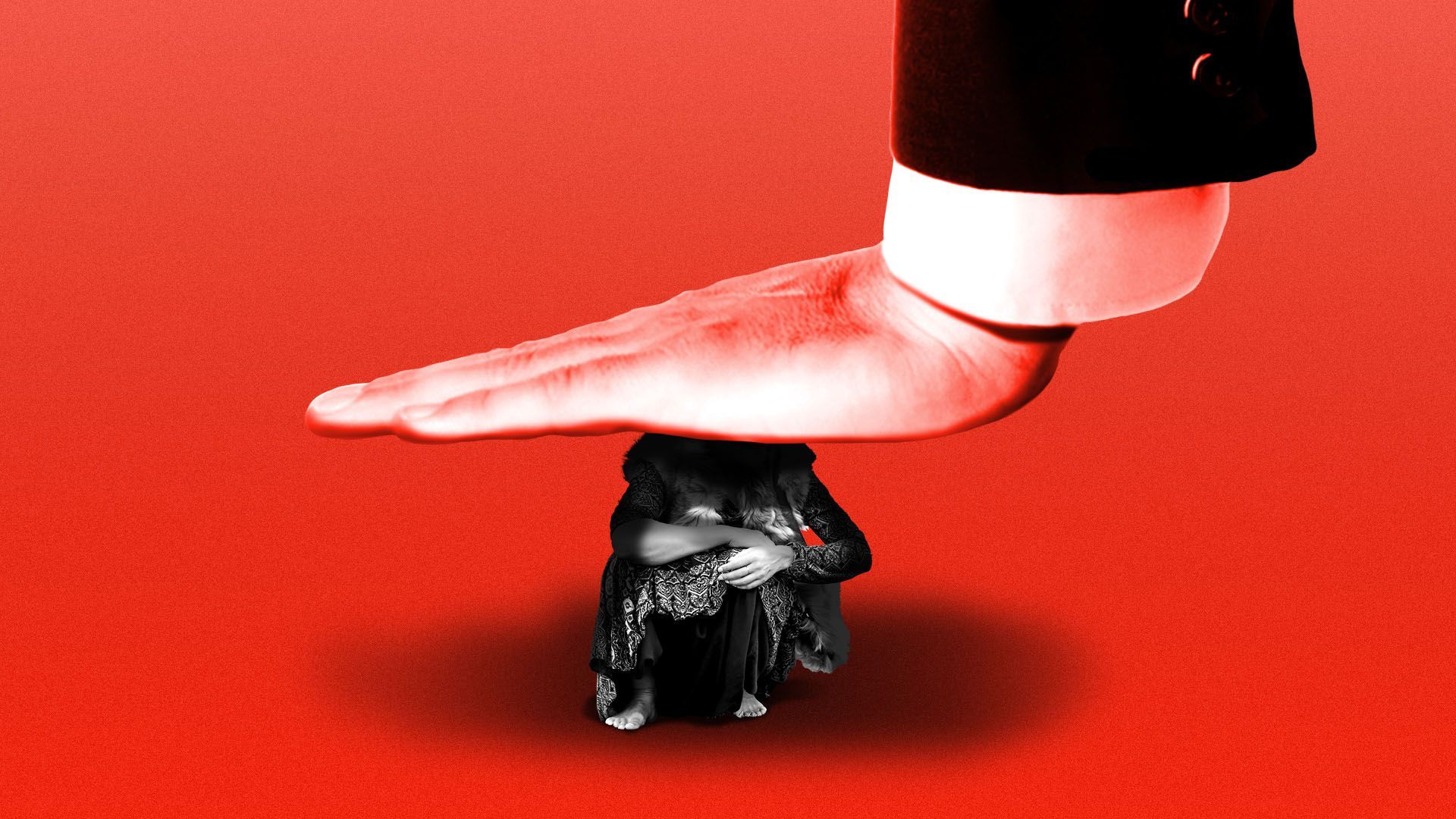
By incentivizing companies togo along with the Chinese government's repressive policies in Xinjiang and imposing punishments on those that don't, the Chinese Communist Party has made complicity in repression profitable for some companies — and for others, even mandatory.
The big picture: With the second-largest market in the world — one that is projected to surpass the U.S. to take the top spot by 2028 — the Chinese Communist Party has an enormous amount of power.
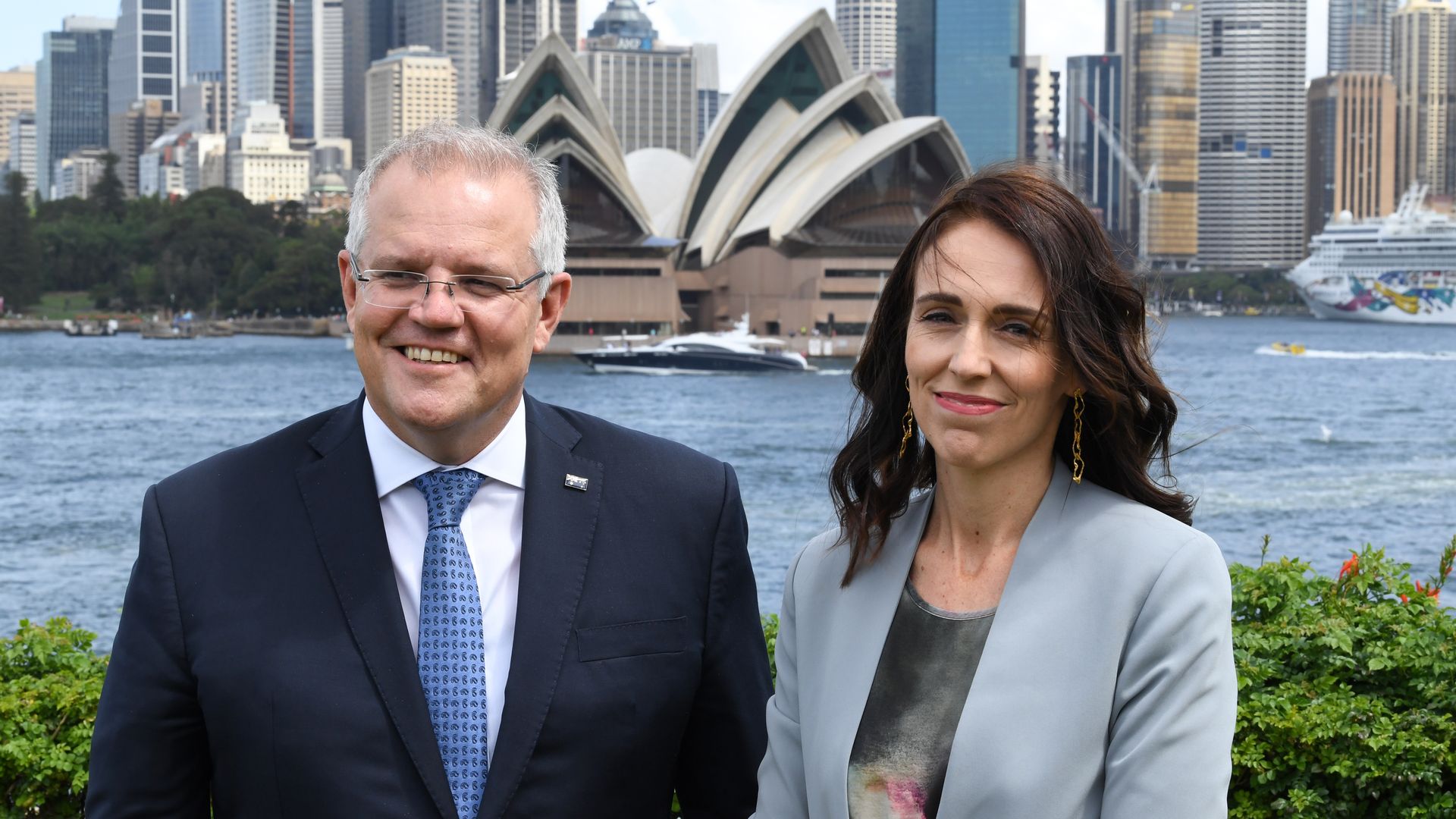
New Zealand will open a quarantine-free "travel bubble" with Australia from 11:59pm on April 18, Prime Minister Jacinda Ardern announced Tuesday.
Why it matters: New Zealand tourism industry official Chris Roberts and Michael Barnett, an NZ Chamber of Commerce director, told Axios the plan could serve as a model for other countries.
North Korea's sports ministry announced Tuesday that it's decided to pull out of this summer's Tokyo Olympics "to protect athletes from the global health crisis caused by the coronavirus."
Why it matters: North Korea is the first country to withdraw its team from the Games because of pandemic concerns.
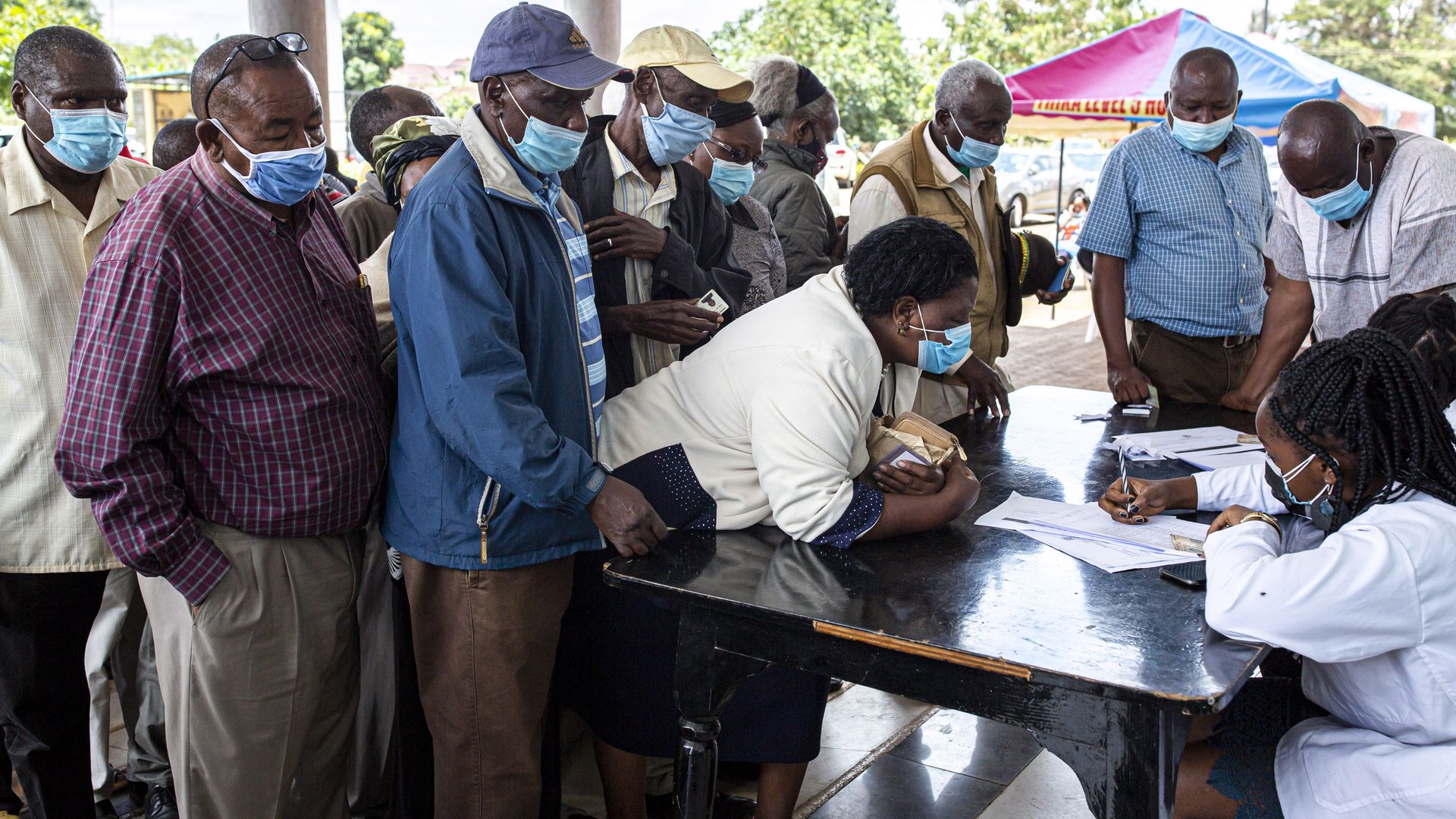
The first shipment of long-awaited coronavirus vaccines finally arrived in the Democratic Republic of the Congo on March 3. One month later, they’re still sitting in a warehouse in the capital, Kinshasa.
Why it matters: Africa is at the back of the global line for vaccines, and most countries only expect enough doses to cover a fraction of their populations this year. But in some cases, even those limited supplies may not be fully deployed before they expire.