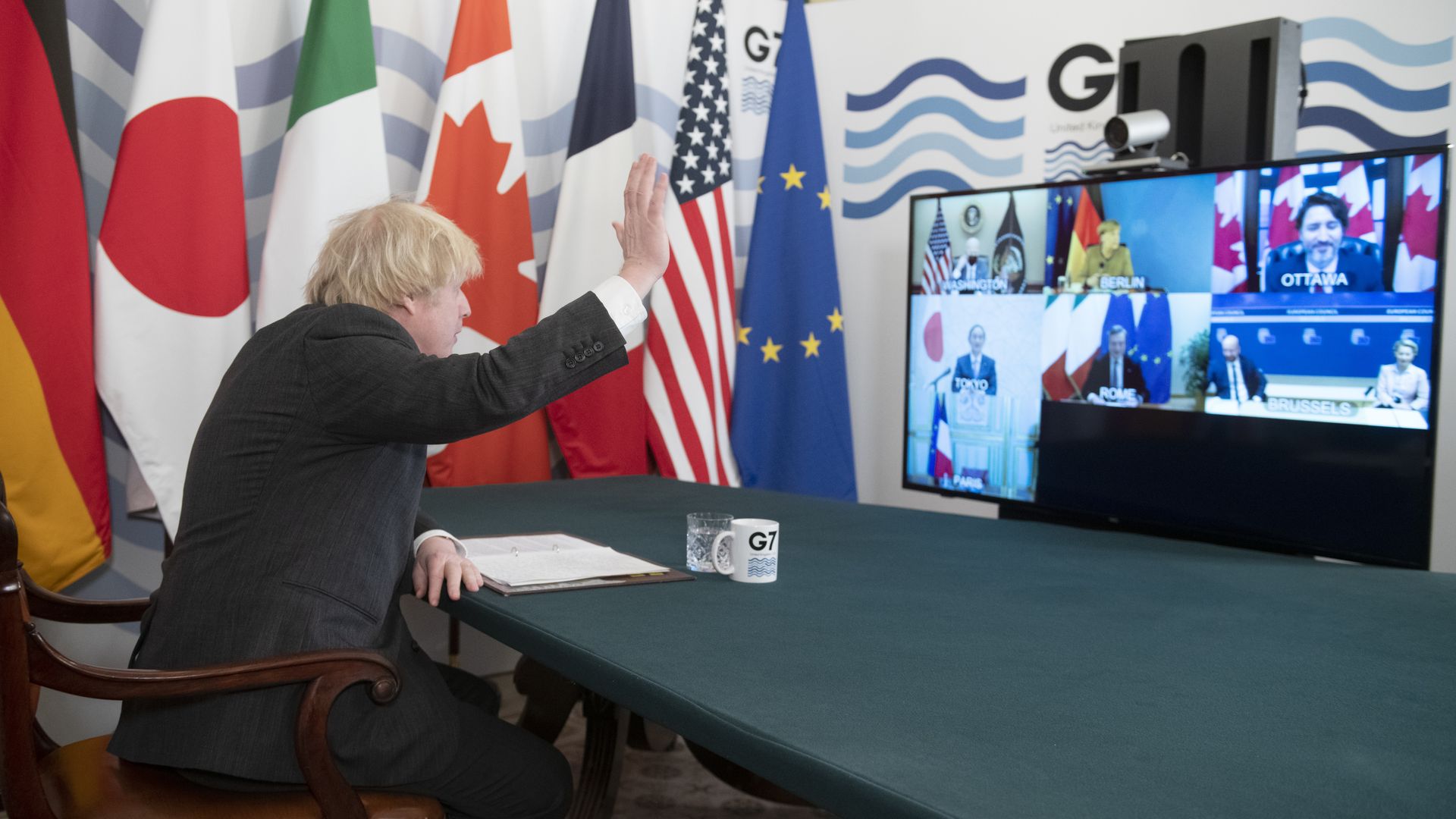
The leaders of seven of the world’s most powerful democracies released a joint statement following their virtual summit on Friday, pledging to help low-income countries gain access to coronavirus vaccines and to “deliver a green transformation” by making environmentally conscious investments during the economic recovery.
What they're saying: The statement released after Biden's first international summit echoed many of his priorities, including making 2021 "a turning point for multilateralism."
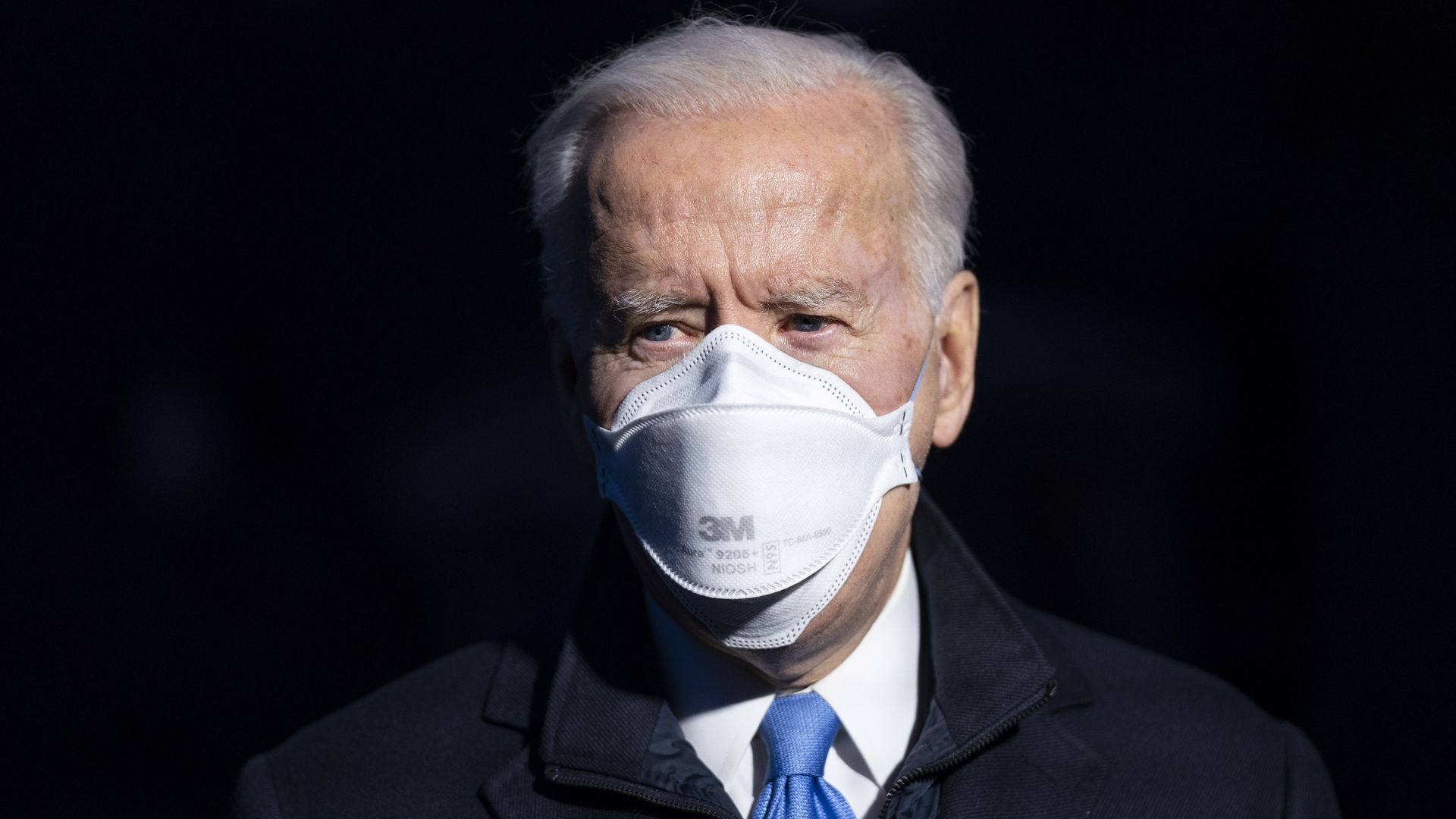
President Biden committed the U.S. to "working in lockstep with our allies and partners" to protect democracy and promote prosperity, telling the Munich Security Conference on Friday: "Democracy doesn't happen by accident. We have to defend it. Fight for it. Strengthen it. Renew it."
Why it matters: In his first major speech to world leaders, Biden acknowledged that four years of former President Trump's "America First" foreign policy has left the transatlantic relationship in disrepair.
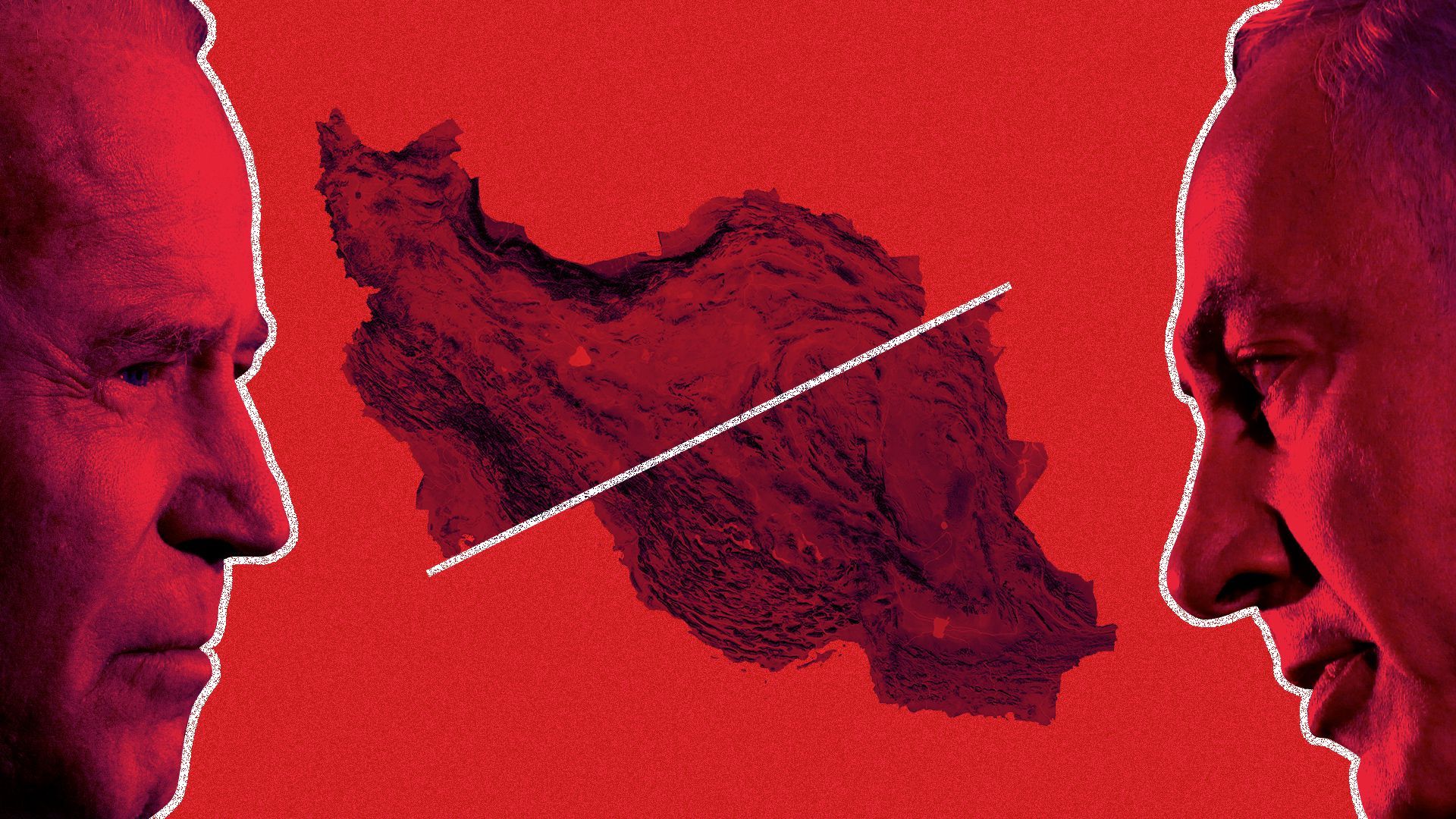
The Israeli government has raised concerns about Secretary of State Tony Blinken's announcement on Thursday that the U.S. is willing to open discussions with Iran about returning to the 2015 nuclear deal.
What they're saying: “Israel believes that going back to the old nuclear agreement will pave Iran’s path to a nuclear arsenal. We remain committed to preventing Iran from getting nuclear weapons," Prime Minister Benjamin Netanyahu's office said in a statement.
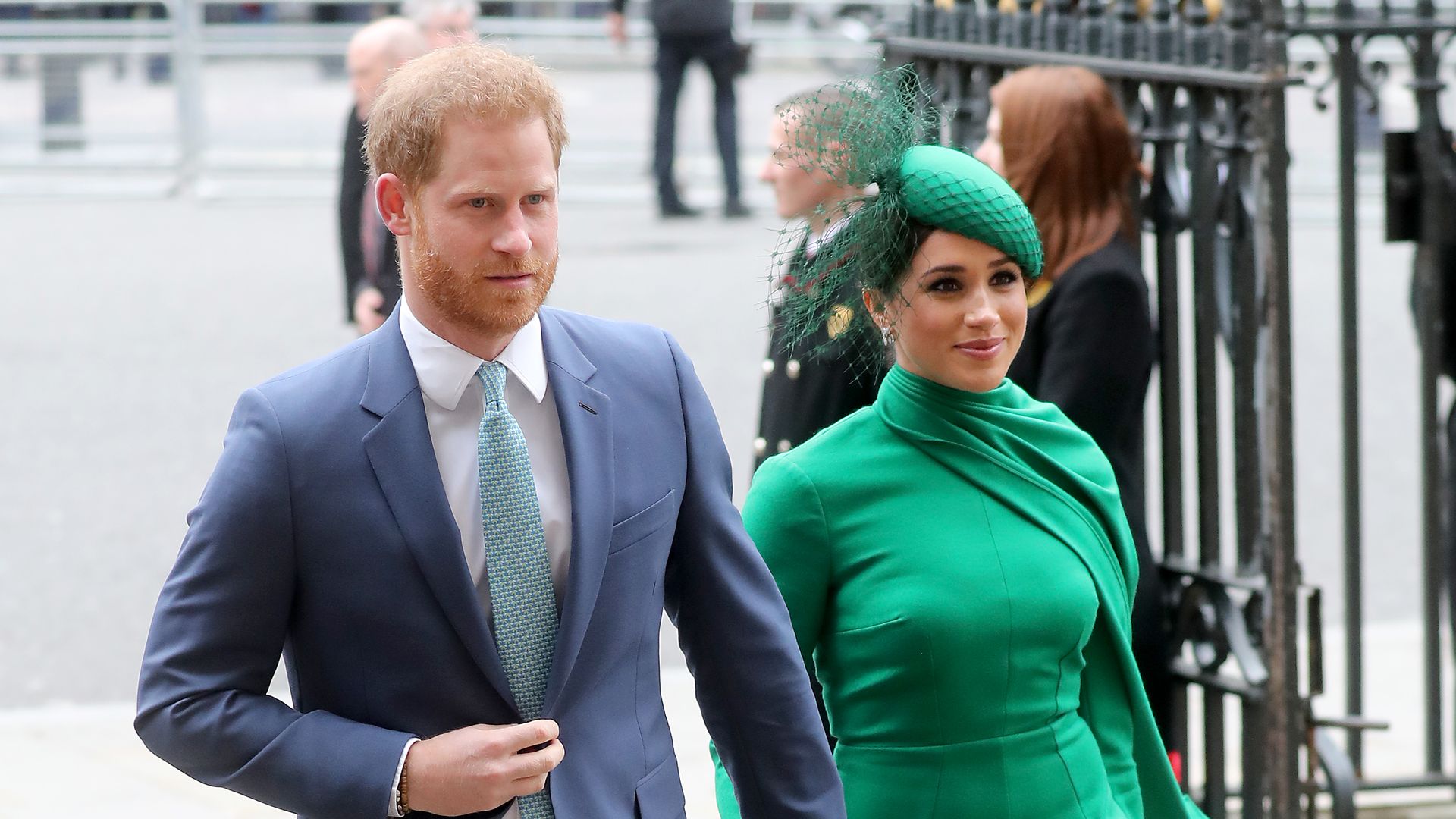
Prince Harry and Meghan Markle will not return as working members of the British royal family, and will relinquish all honorary military appointments and royal patronages, Buckingham Palace announced Friday.
The big picture: The Duke and Duchess of Sussex announced last year that they would "step back" as senior members of the royal family in order "to carve out a progressive new role within this institution" — choosing to become financially independent and splitting time between the U.K. and North America.
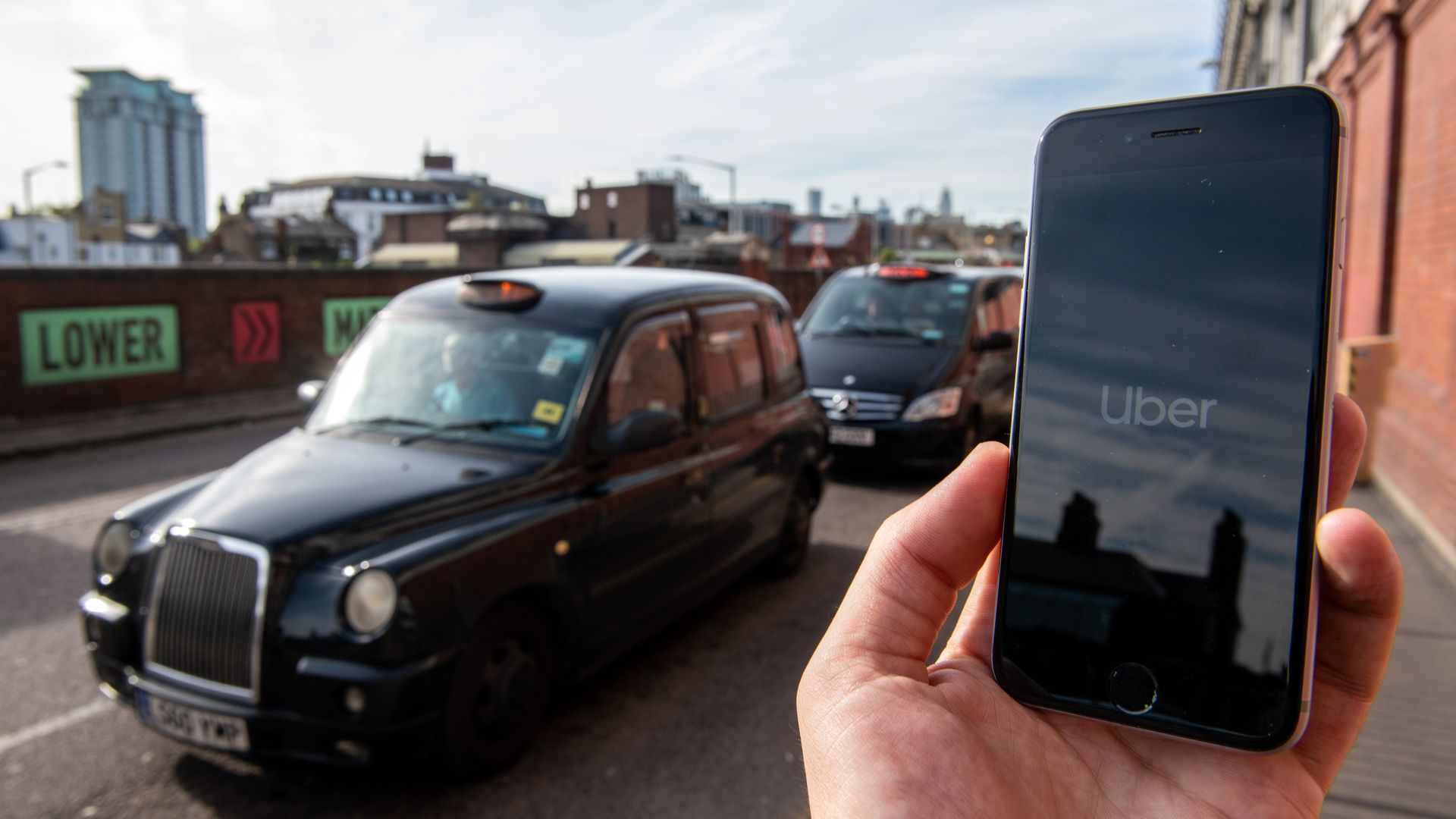
The United Kingdom's Supreme Court ruled Friday that Uber drivers should be classified as "workers" and not self-employed independent contractors, dealing a major blow to the ride-hailing giant's business model.
Why it matters: Uber has 65,000 active drivers in the U.K., according to the AP. The ruling could have major implications for the gig economy in Britain writ large.
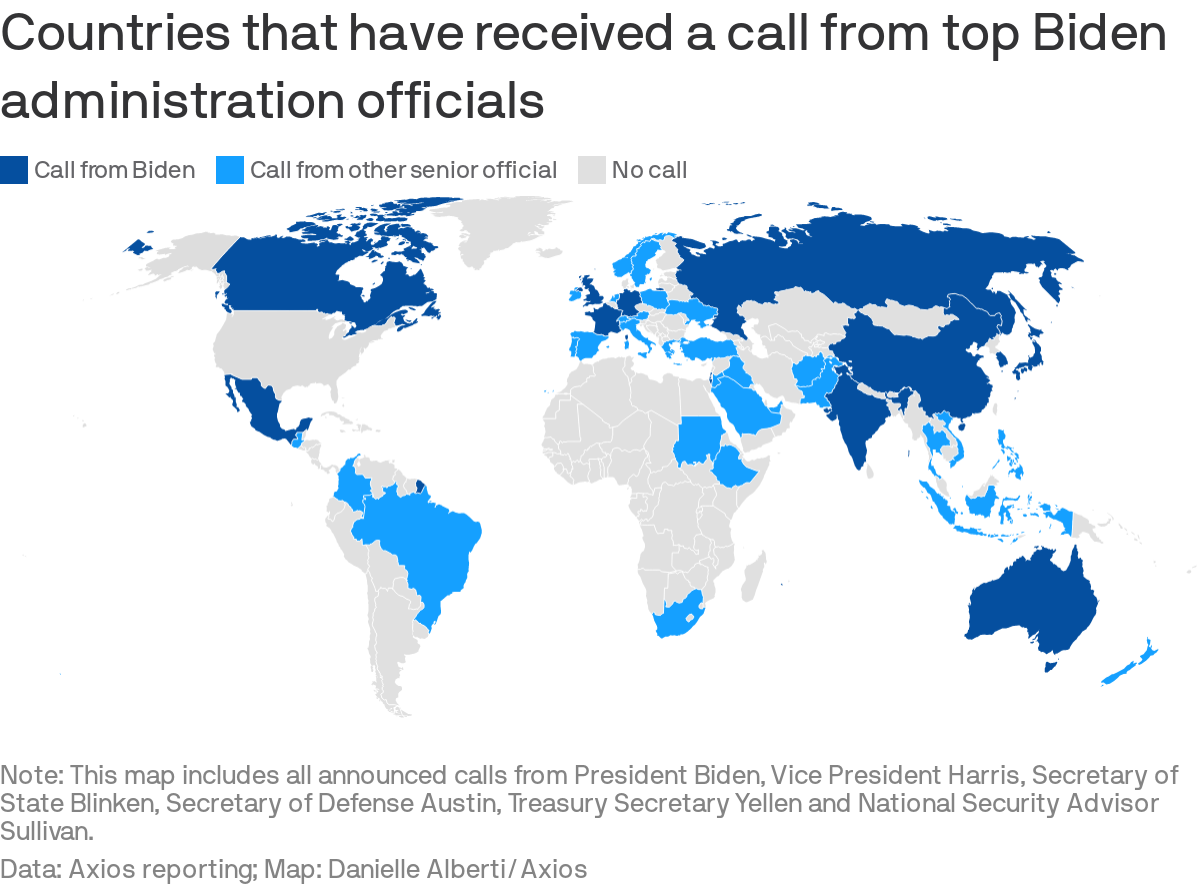
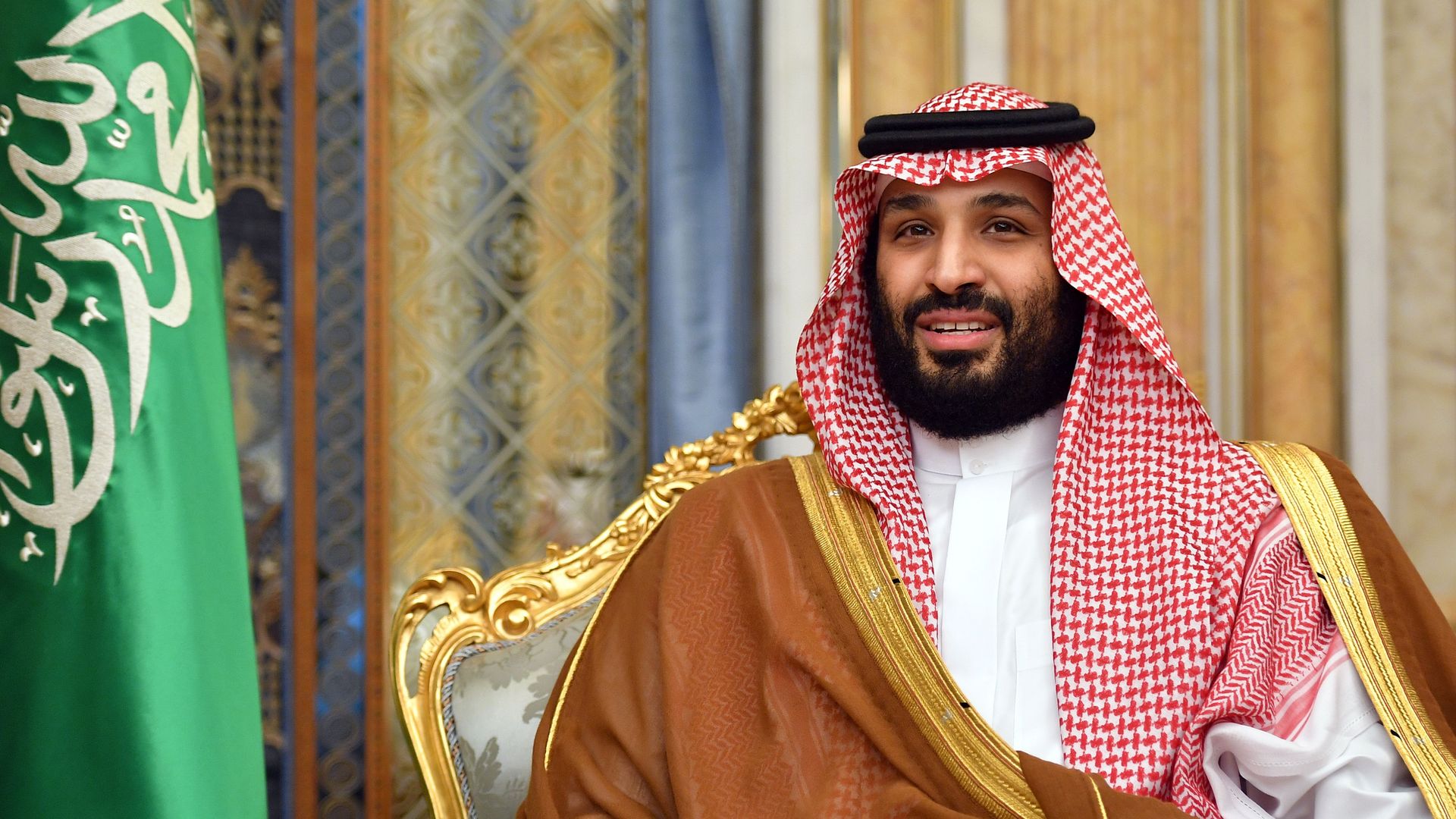
Israeli Prime Minister Benjamin Netanyahu had to wait a month for a call from President Biden, and while Saudi Crown Prince Mohammed bin Salman got a call Thursday, it came not from Biden but from Defense Secretary Lloyd Austin.
The big picture: Biden, Austin, Secretary of State Tony Blinken, Treasury Secretary Janet Yellen and national security adviser Jake Sullivan have together called officials from at least 43 countries, with Blinken alone calling 39 (there’s considerable overlap between their call lists).
The U.S. is committing $2 billion for the global COVAX vaccine initiative within days (using funds already allocated by Congress), plus an additional $2 billion over the next two years, the White House announced ahead of Friday's virtual G7 summit.
Why it matters: Senior administration officials told reporters Thursday evening that they'll use those commitments to "call on G7 partners Friday both to make good on the pledges that are already out there" and to make further investments in global vaccine manufacturing and distribution.
U.S. Defense Secretary Lloyd Austin called Saudi Crown Prince Mohammed bin Salman on Thursday to reaffirm the "strategic defense partnership" between the two nations and discuss recent changes to U.S. policy on Yemen, the Pentagon said.
Why it matters: The call comes just days after the White House said it would "recalibrate" its relationship with Saudi Arabia, and return to "counterpart to counterpart" engagement, with President Biden's counterpart being King Salman, not MBS.
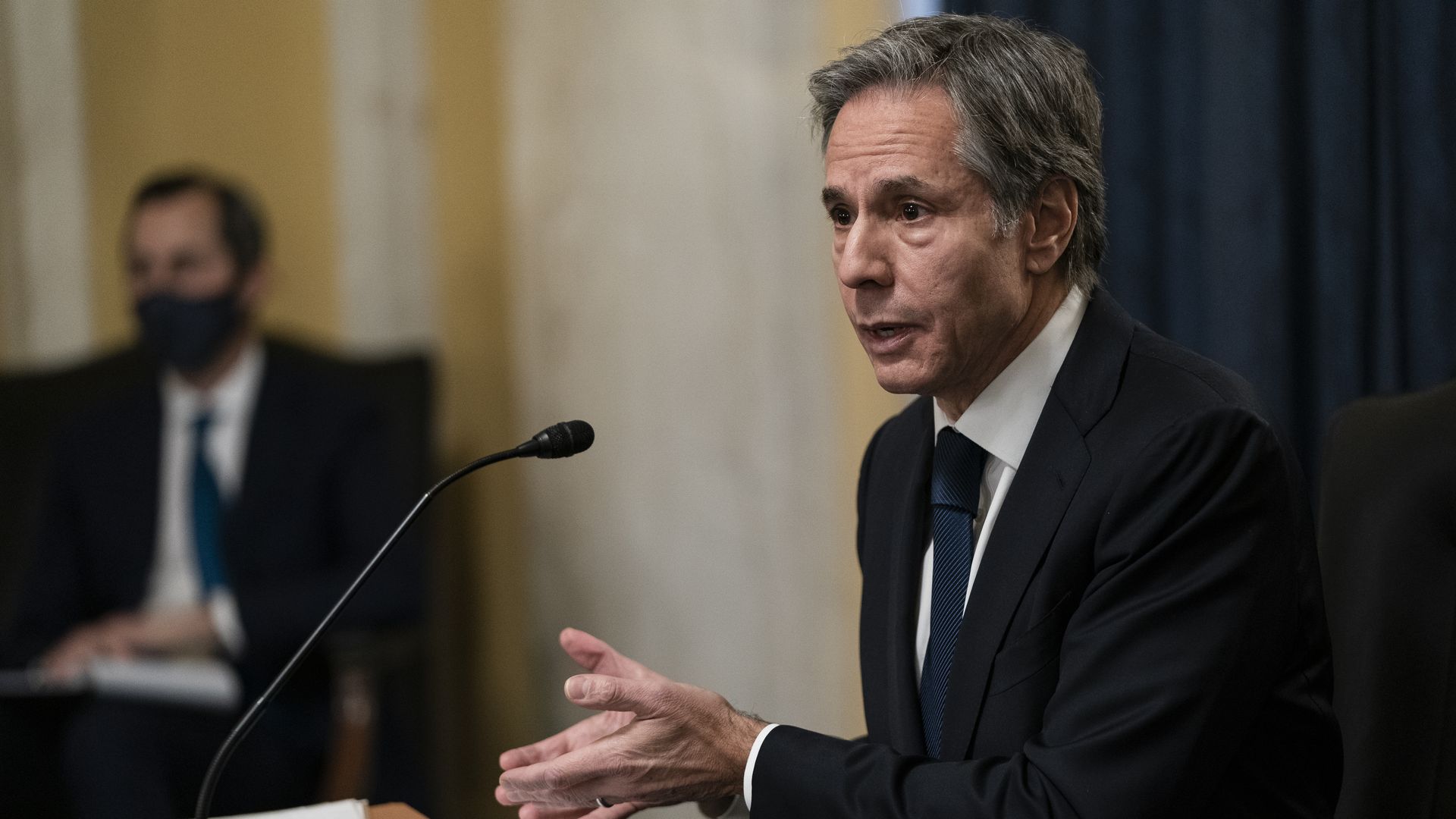
Secretary of State Antony Blinken told his counterparts from the E3 — France, Germany and the U.K. — in a video conference on Thursday that the U.S. is prepared to engage in discussions with Iran in an attempt to reach an agreement on returning to full compliance of the 2015 nuclear deal, according to a joint readout of the call.
Why it matters: The U.S. and Iran still haven't engaged in direct talks since President Biden assumed office. Both sides are exchanging public messages demanding the other take the first step to move forward with the nuclear deal.
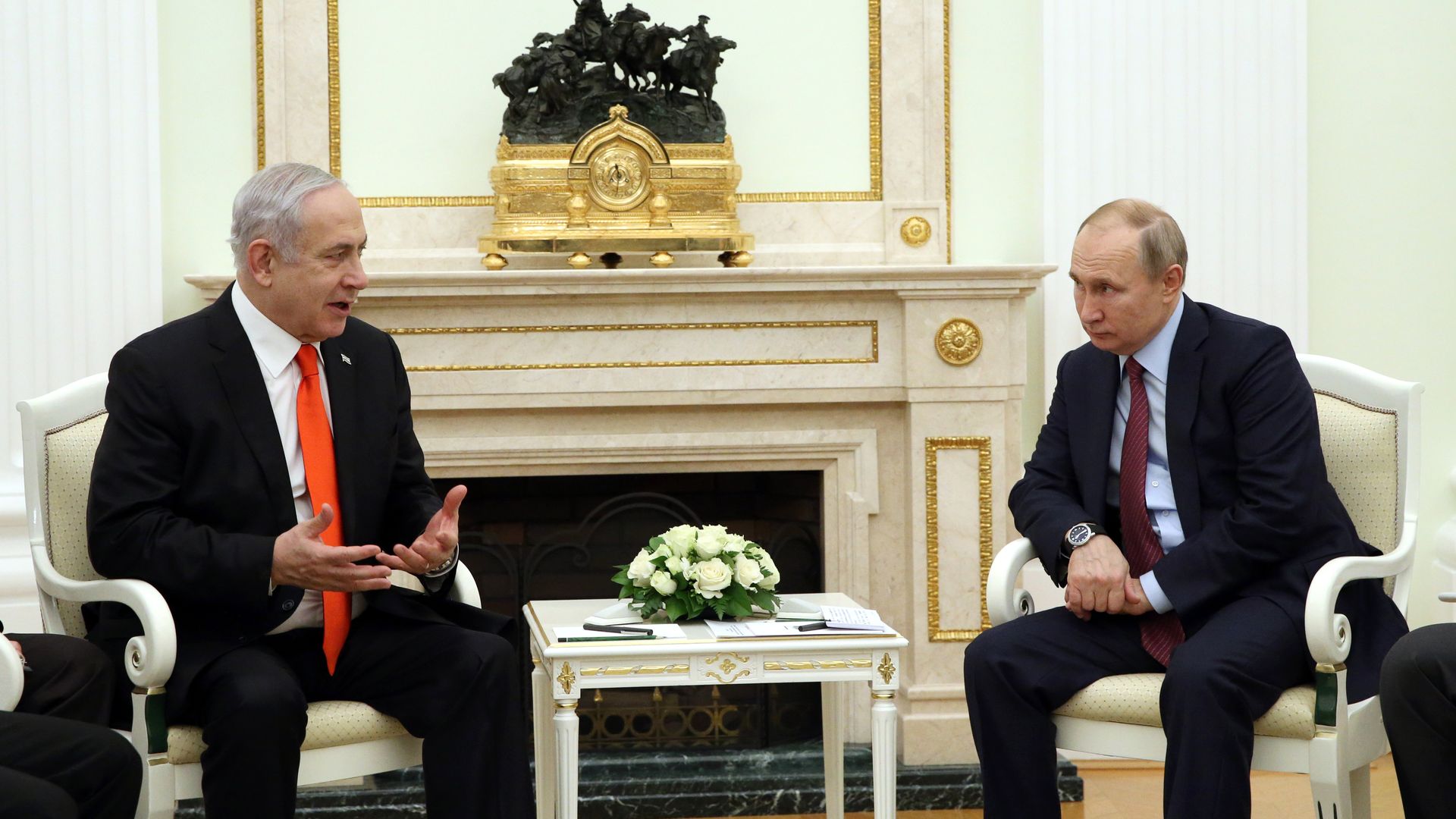
Russia has brokered an unusual prisoner swap that saw Syria release an Israeli woman who crossed into the country on Thursday, Israeli officials say.
The big picture: The two weeks leading up to the deal involved a call between Russian President Vladimir Putin and Israeli Prime Minister Benjamin Netanyahu, the capture of two Syrian shepherds by Israel as bargaining chips, and the refusal of a Syrian prisoner to leave prison as part of the deal.
The U.K. plans to intentionally infect healthy volunteers with the coronavirus in the world's first "human challenge trial," the goal being to enhance understanding of the virus, the Washington Post reports.
Why it matters: The effort is controversial, but the government says the study will help with developing new treatments and vaccines for the virus.
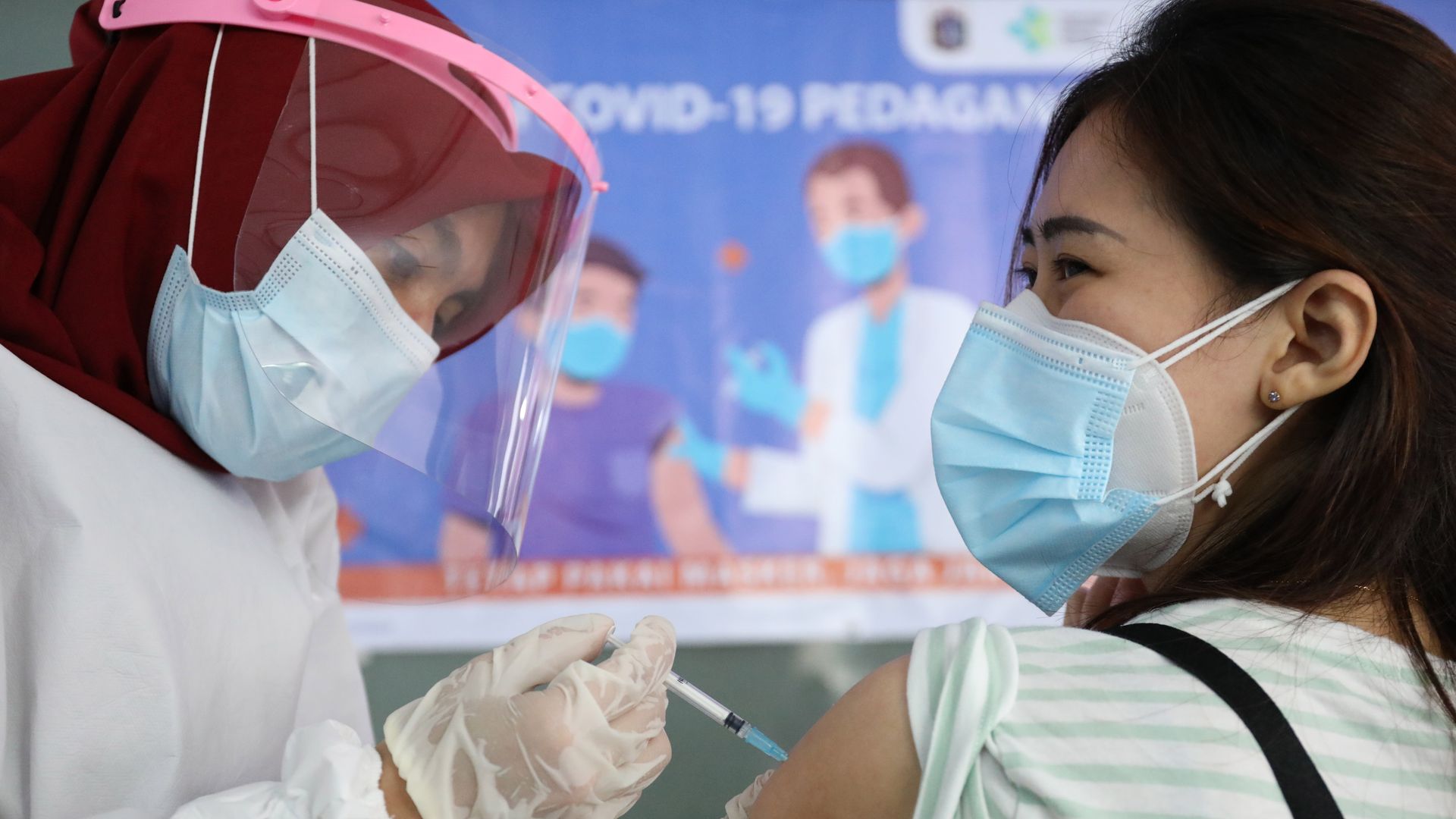
Indonesia's government has made COVID-19 vaccines mandatory for anyone who's eligible and warned of punishments for those who refuse, as authorities move to curb Southeast Asia’s largest coronavirus outbreak, Bloomberg reported Thursday.
The big picture: Sanctions include fines and social assistance program delays. Local authorities will decide on penalties. The government is providing the vaccines for free. Over 1.2 million Indonesians have tested positive for the virus, per Johns Hopkins.
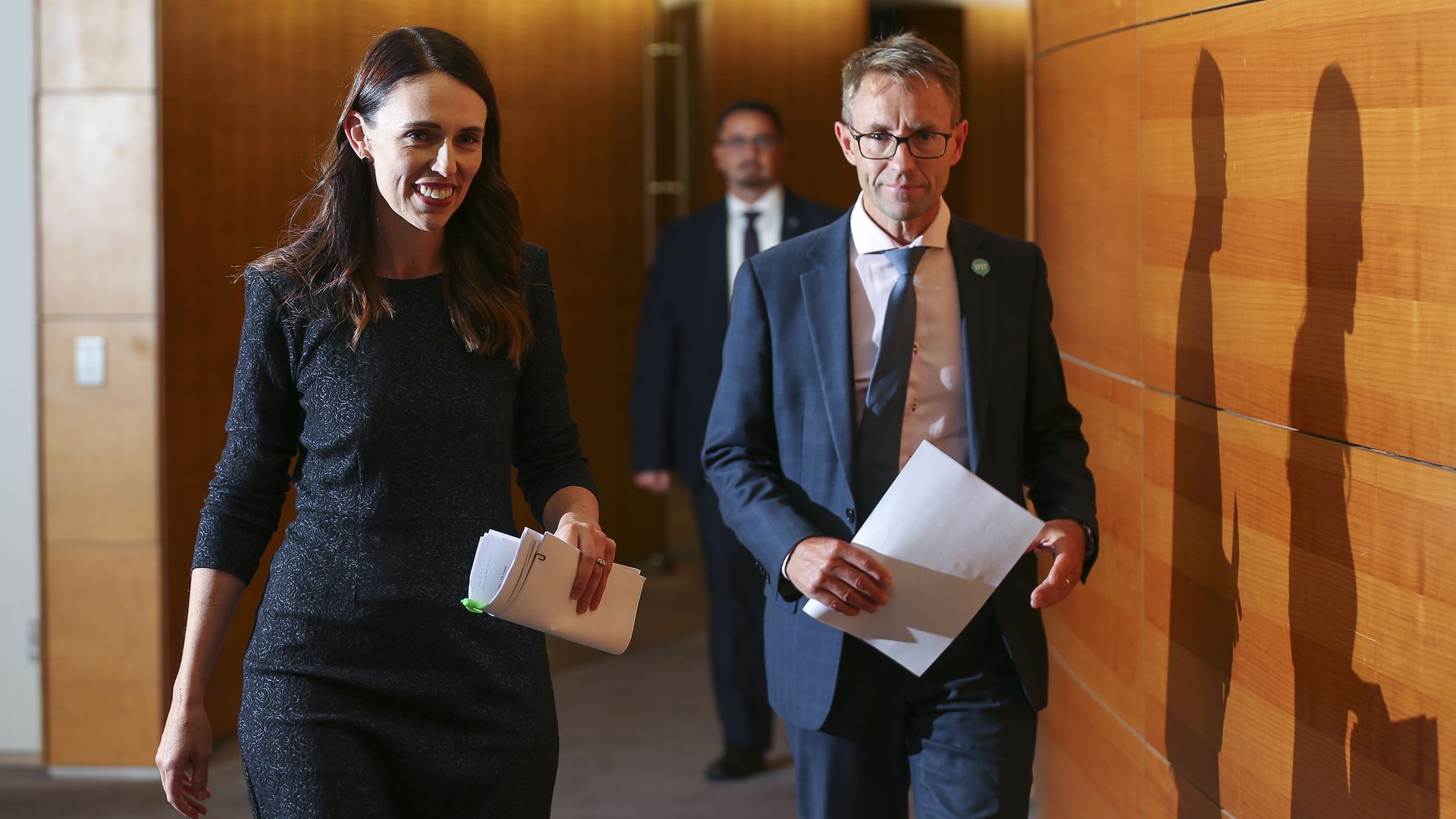
All New Zealand schools will from June provide students with access to free menstrual products following a successful trial, Prime Minister Jacinda Ardern announced Thursday.
Why it matters: It's the latest sign a global push to stamp out period poverty by providing menstrual products at no cost or tax-free is gaining momentum.
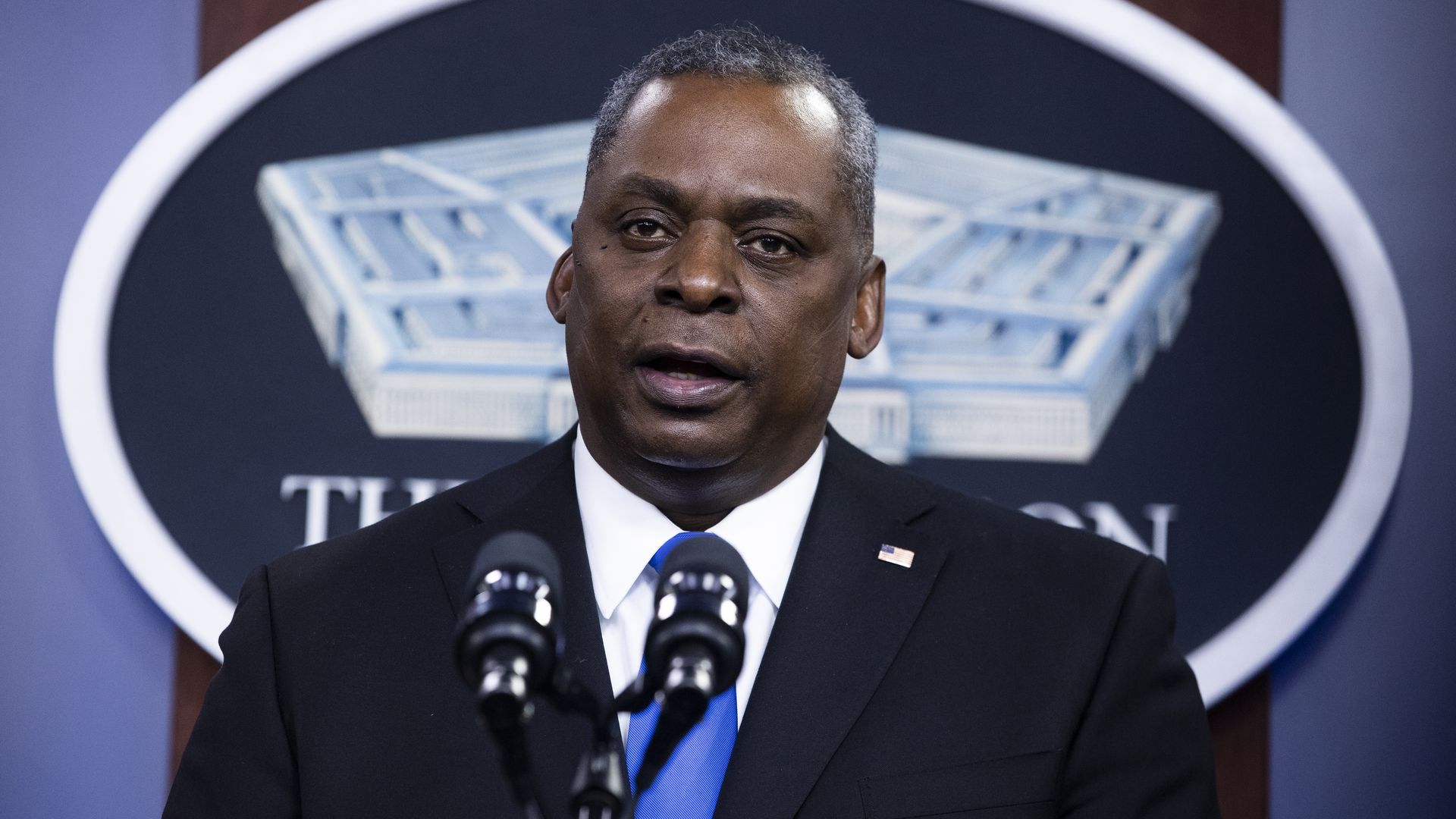
Defense Secretary Lloyd Austin signaled a new era of cooperation during a NATO meeting Wednesday while warning of the threat from "strategic competitors," per a news conference with Pentagon press secretary John Kirby.
Why it matters: Austin's first meeting with NATO defense ministers marks a clear shift from the previous administration. Relations with European allies became so strained under former President Trump, French President Emmanuel Macron referred to NATO as "brain dead."