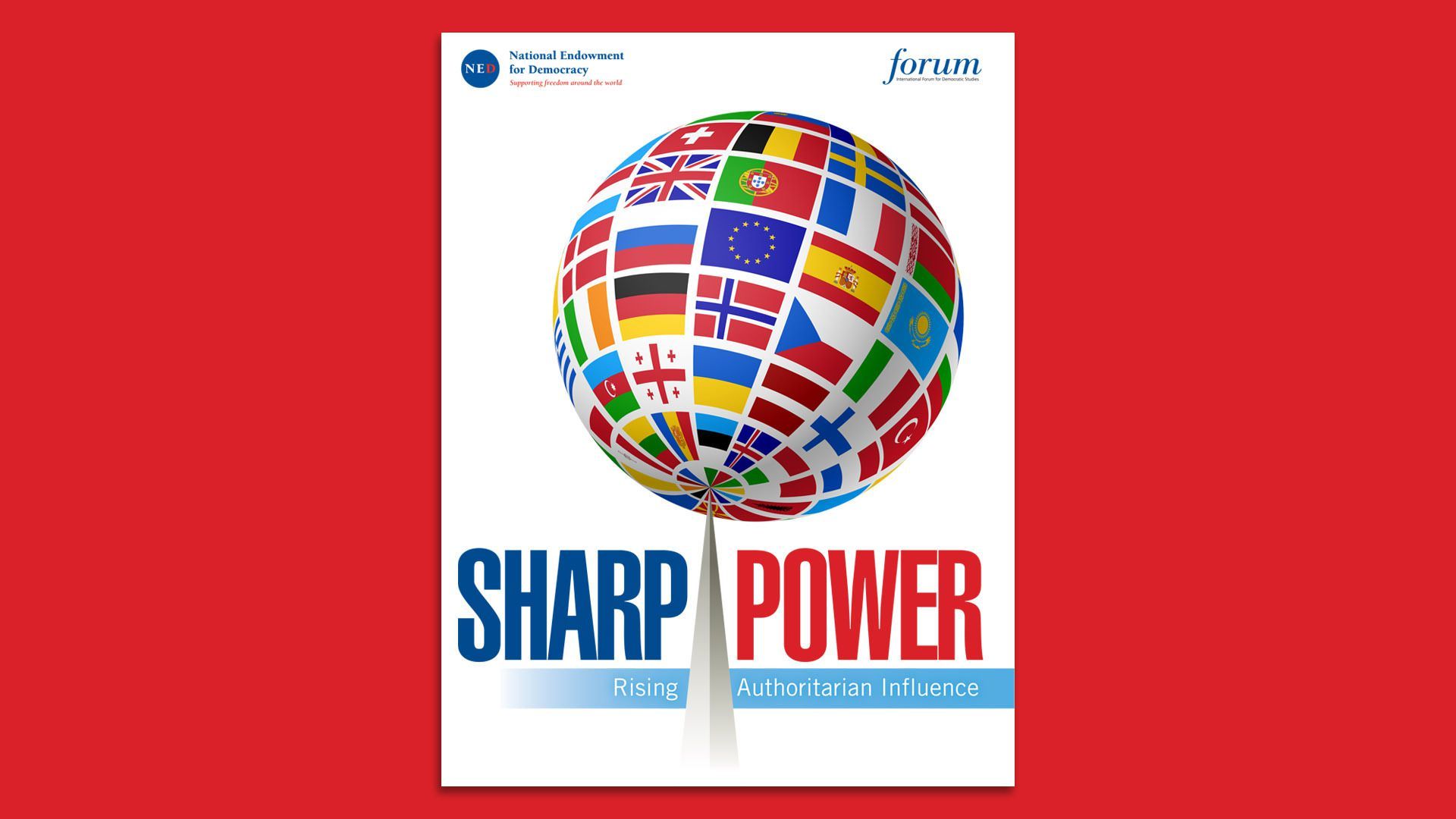
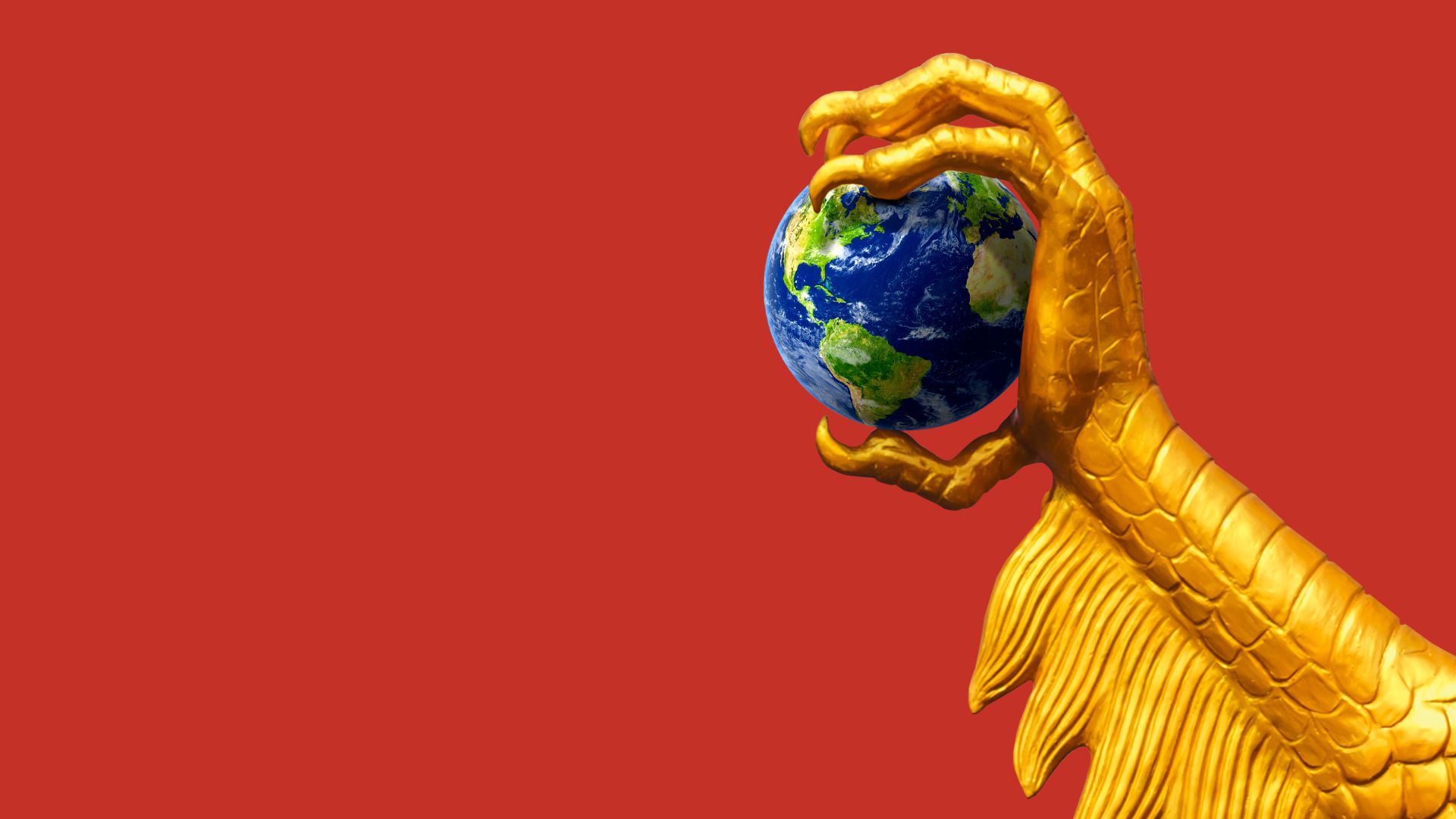
A senior Biden administration official used the term "sharp power" last week in a phone call with reporters to describe China's coercive activities around the globe.
Why it matters: The phrase hints at the administration's intellectual influences as they formulate new U.S. policies toward China.
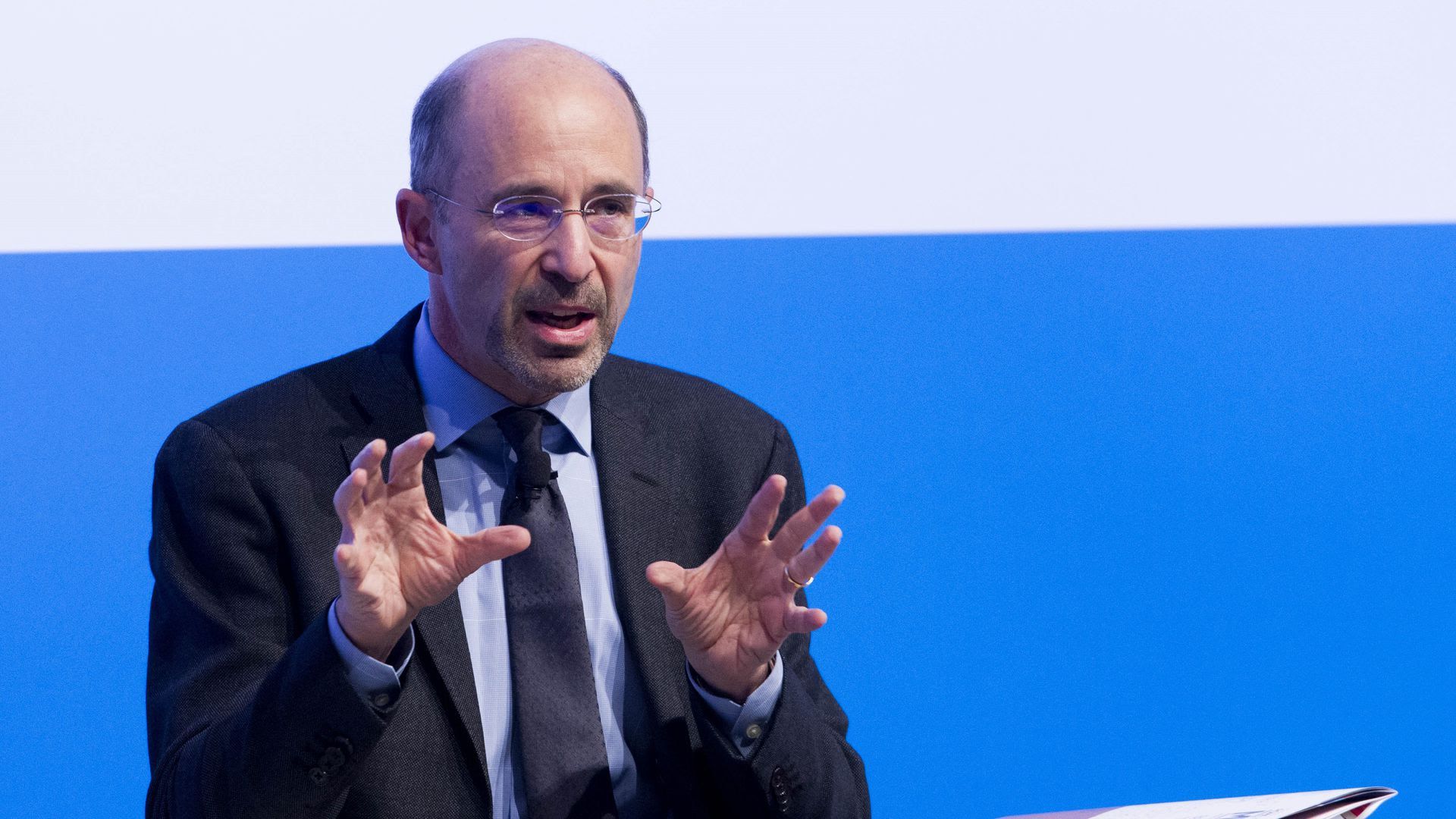
U.S. special envoy to Iran Rob Malley had an "in-depth exchange of views on the Iranian nuclear issue" with a Chinese vice minister on a call initiated by Malley, China's Ministry of Foreign Affairs said on Feb. 10. The Biden administration has not spoken publicly about the call.
The big picture: Renewing multilateral diplomatic efforts to stop Iran's nuclear program is Malley's mandate under Biden.
In the past week, intelligence agencies in the Netherlands, Finland and Canada expressed deep concern about China's espionage and political influence in democracies.
Why it matters: Three years ago, the U.S. was something of a global outlier in its strident warnings against China. Now democratic countries around the world are echoing the same fears.
Why it matters: If they can strike those deals, Google and Facebook will avoid a law that would make Australia the first country to force both companies to pay news publishers for their content.
The VC arms of Chevron and BP are funding Eavor, a startup looking to commercialize a form of geothermal energy that it says can provide large-scale power in many regions worldwide.
Why it matters: It's the latest sign of momentum and investor interest behind technology that could significantly scale up geothermal.
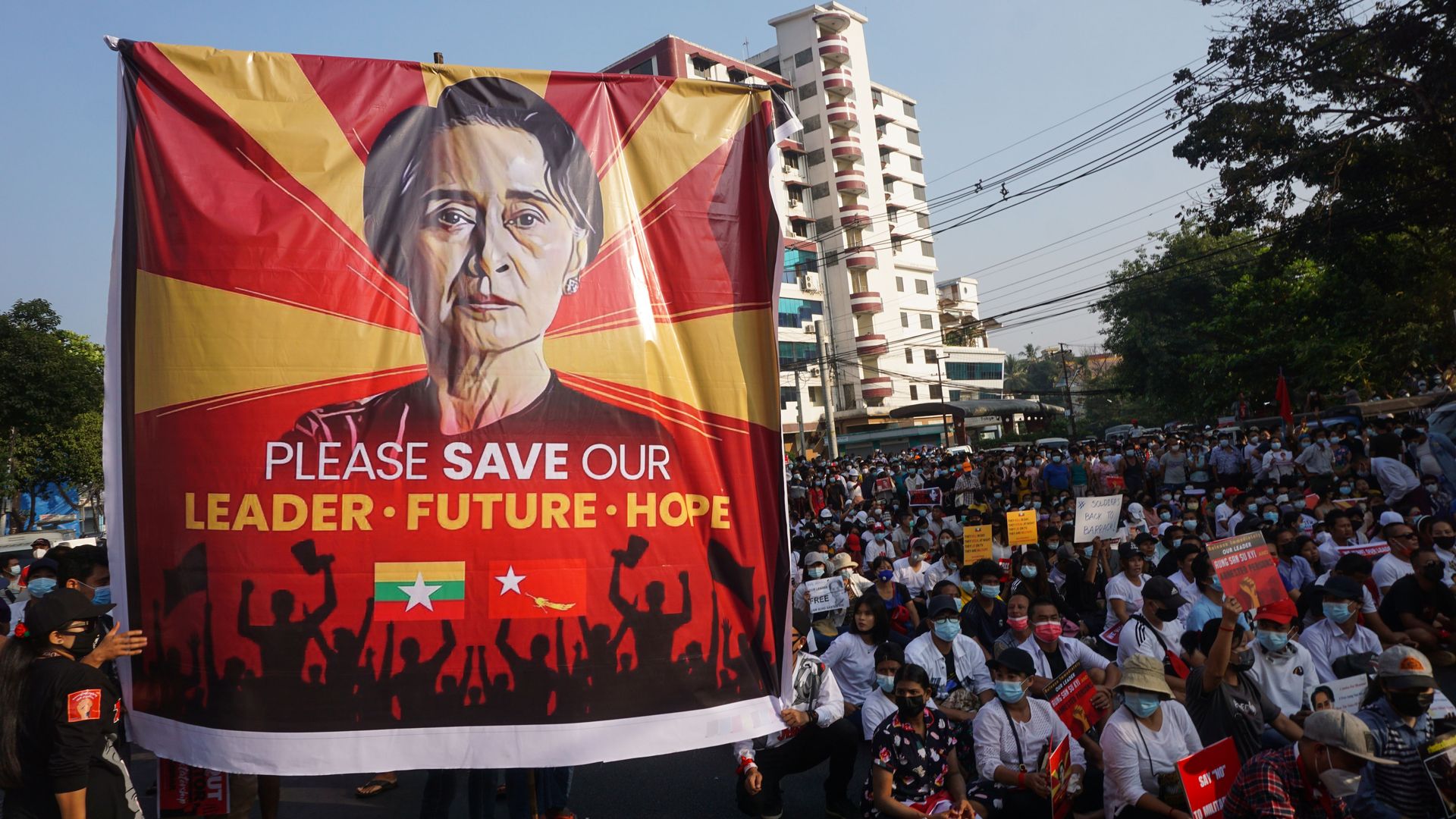
Police in Myanmar filed a new charge against democratically elected leader Aung San Suu Kyi for violating the country's Natural Disaster Management Law, which is often used to prosecute people who have defied coronavirus restrictions, AP reports.
Why it matters: Suu Kyi, who was detained in a military coup on Feb. 1, was already facing a charge for illegally importing walkie-talkies. The new charge could allow her to be held indefinitely without a trial, after the military changed the Penal Code last week to allow law enforcement to detain people without court permission, per AP.
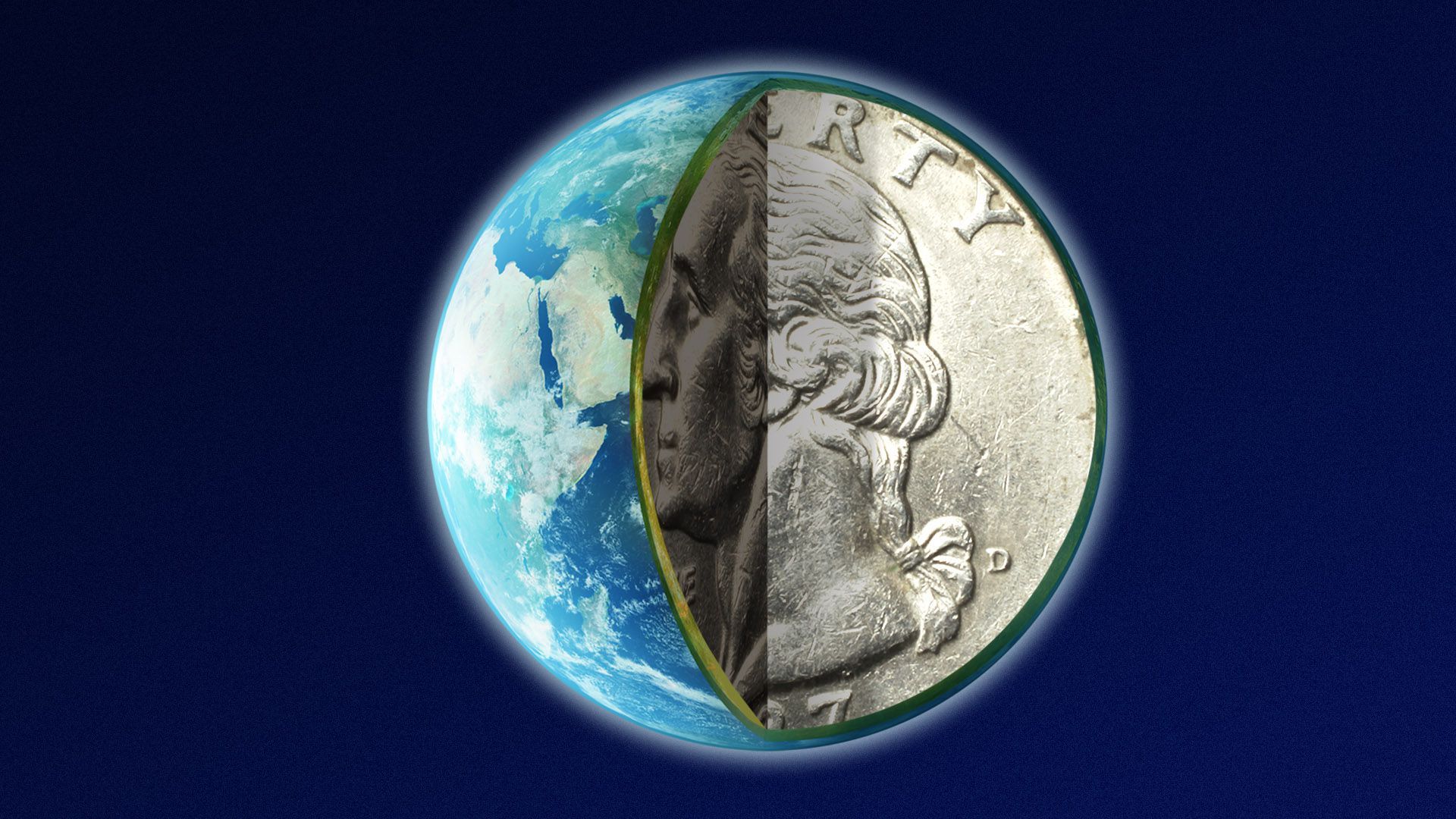
Thanks to a mandate for outside investment and its strong rebound from the coronavirus pandemic, China’s financial markets are drawing record high chunks of global capital — particularly from U.S.-based investors — and are poised to keep growing.
Why it matters: As more money flows to China’s markets, its political leaders will have a clear mechanism to increase the country’s political power, giving China another potent weapon to challenge the United States’ position as the world’s financial superpower.
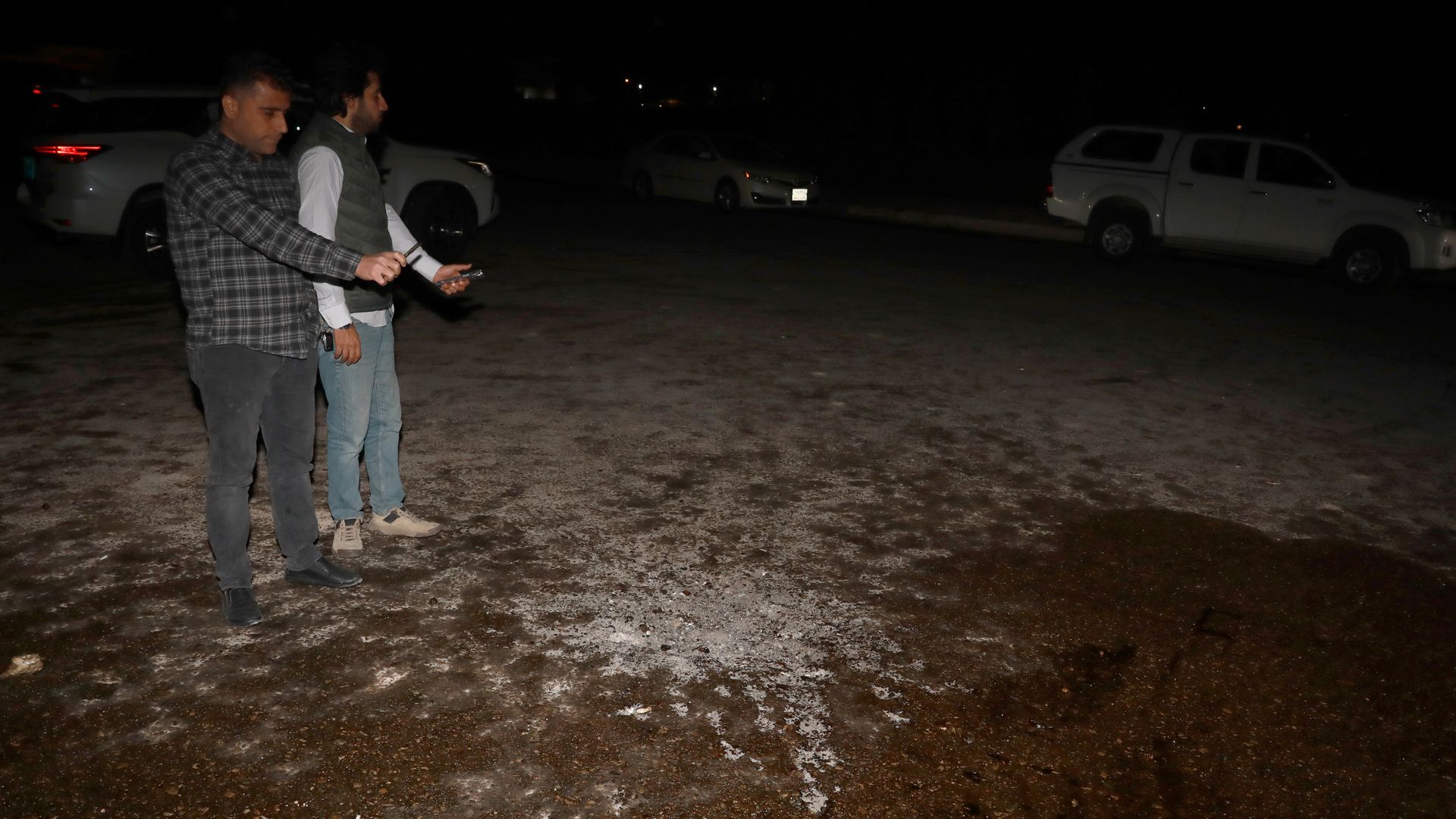
Secretary of State Antony Blinken said he's "outraged" by a rocket attack on a U.S.-led military base in northern Iraq that killed a contractor and wounded six others — including an American service member on Monday.
Why it matters: Although it's unclear who carried out the attack on the usually peaceful Kurdish city of Erbil, it comes amid heightened tensions over the threat of Iran-backed militias against U.S. targets in Iraq, per the New York Times.
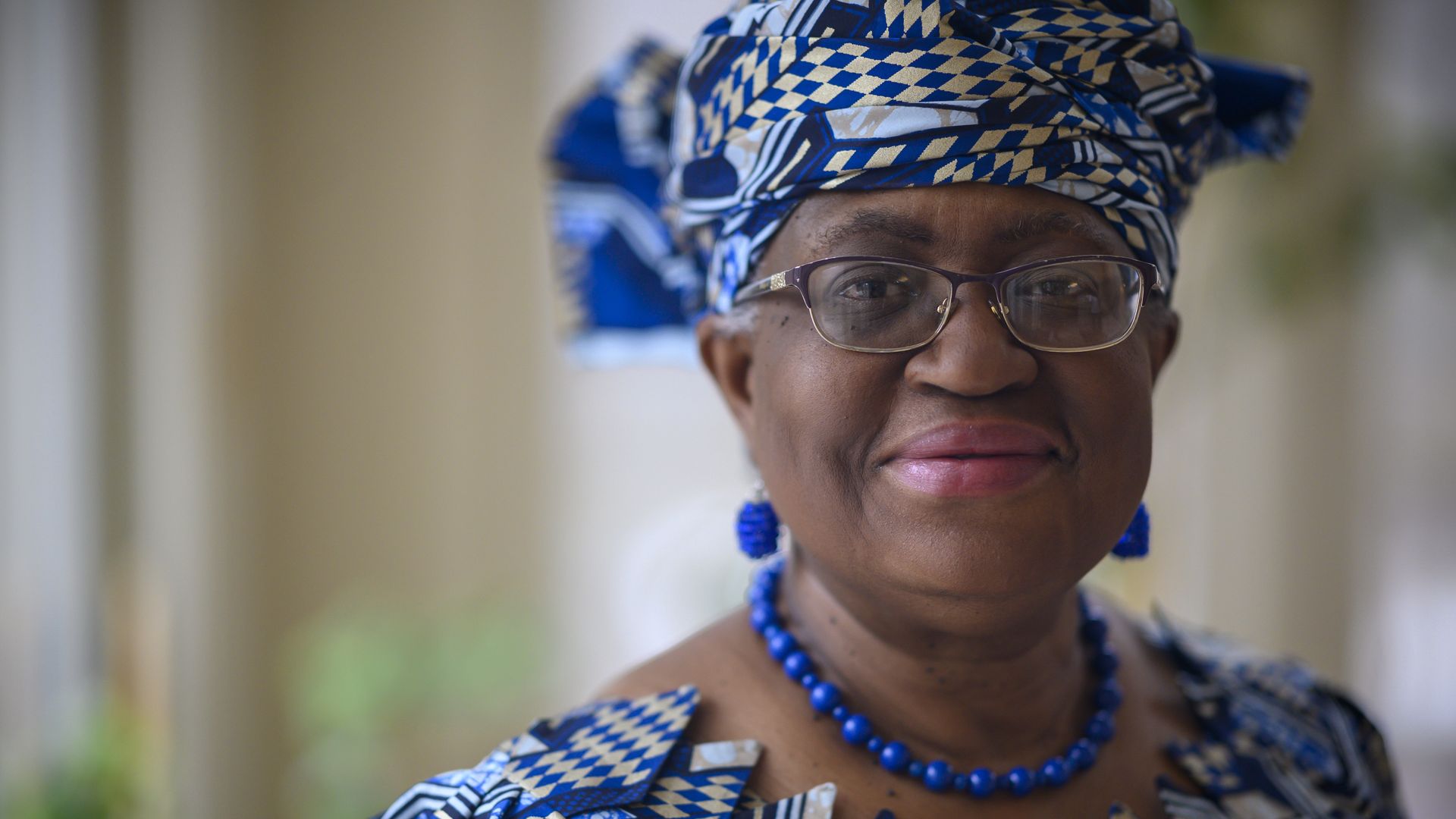
The World Trade Organization announced Monday that Ngozi Okonjo-Iweala, a Nigerian economist and former finance minister, has been selected as the global trade body's next director-general.
Why it matters: Okonjo-Iweala was named to the position by representatives from the WTO's 164 member countries, becoming the first woman and first African to take the helm.
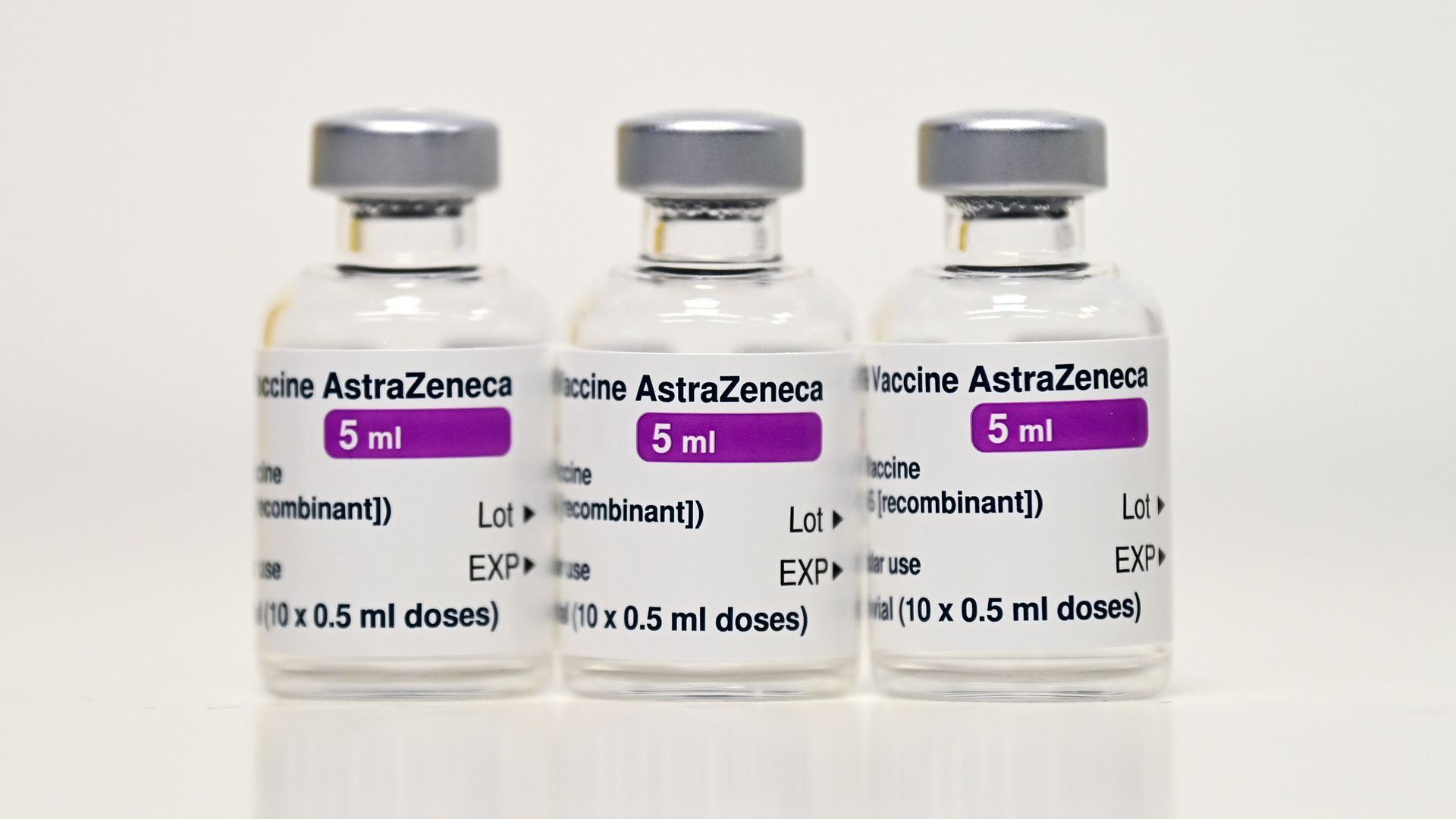
The World Health Organization on Monday granted emergency authorization to the Oxford-AstraZeneca coronavirus vaccine.
Why it matters: WHO's authorization "should trigger the delivery of hundreds of millions of doses to countries that have signed up for the U.N.-backed COVAX effort, which aims to deliver vaccines to the world’s most vulnerable," AP writes.
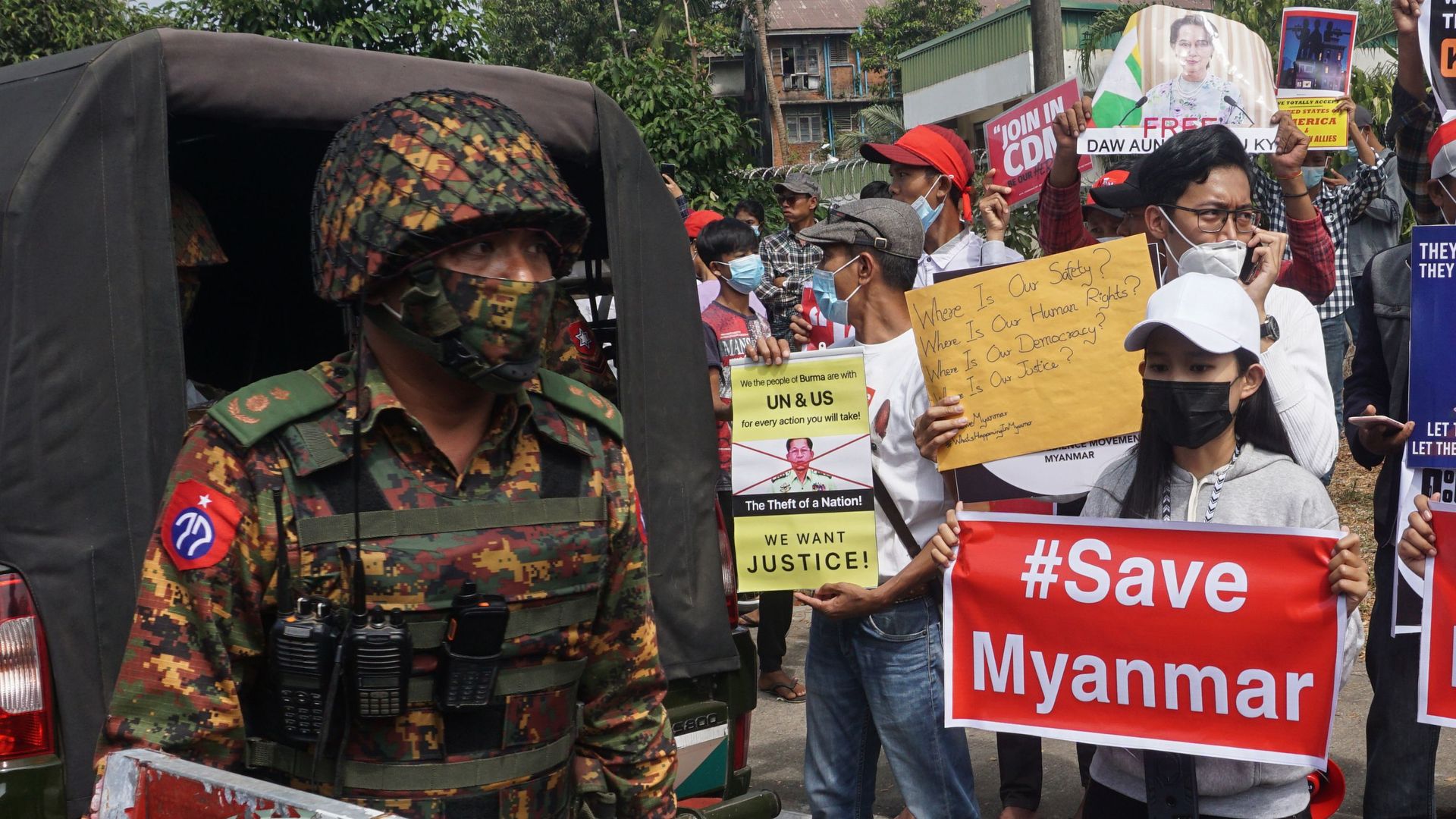
Myanmar anti-coup protesters gathered for a 10th day on Monday despite fears of a crackdown after the military deployed armored vehicles in city streets overnight, per the BBC.
The big picture: Additional troops were seen in the capital Yangon as civilian leader Aung San Suu Kyi's detention was extended for two days, the Guardian notes. She and other officials from her National League for Democracy have been detained since the Feb. 1 coup.
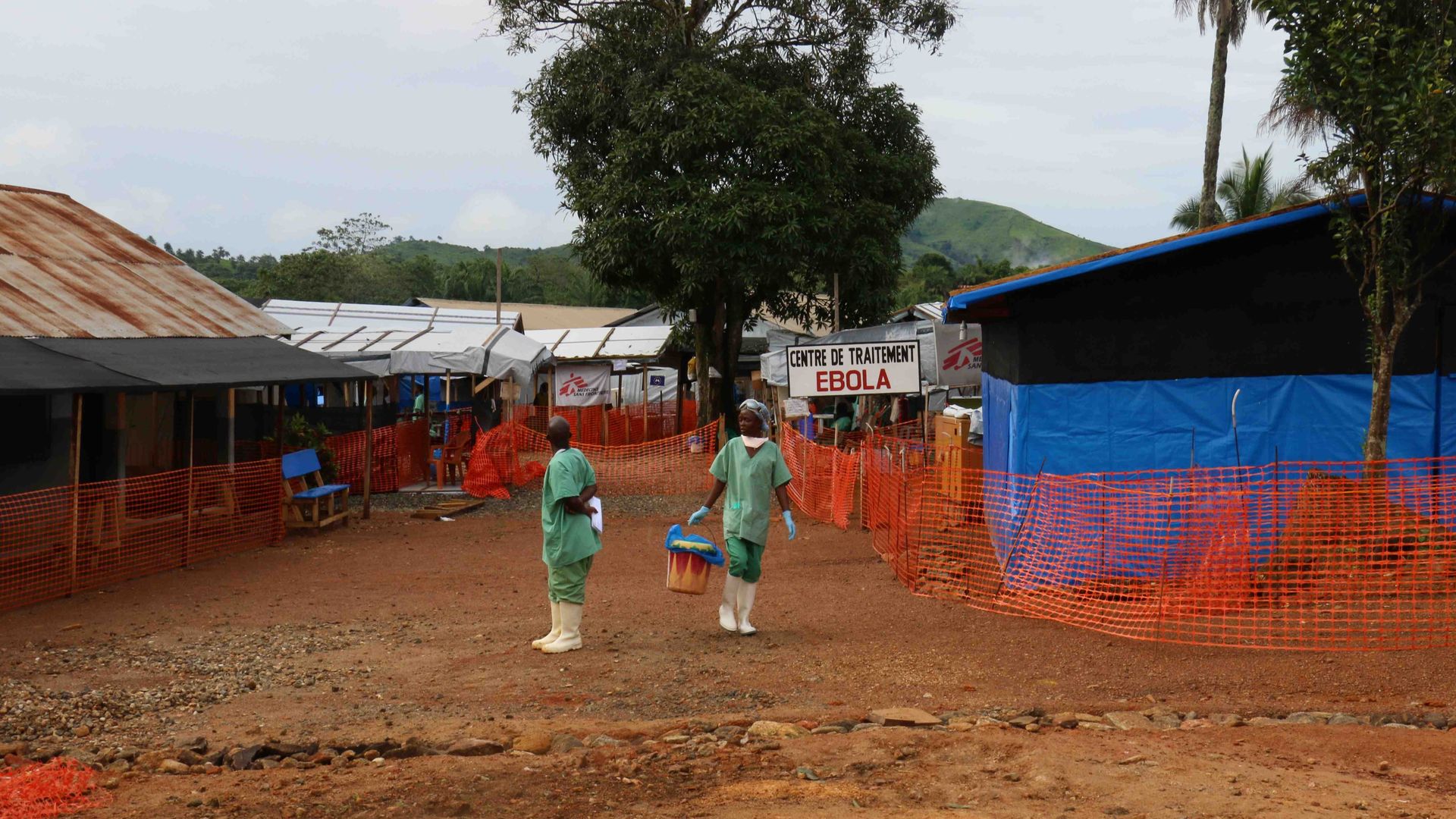
Guinea's Ministry of Health on Monday declared an Ebola epidemic after three people died from the virus and four others became infected in the West African country.
Why it matters: West Africa is still struggling with COVID-19 cases. Guinea's Ebola epidemic follows fresh cases of the disease in the Democratic Republic of Congo, three months after the DRC's last outbreak was declared eradicated, per the New York Times.
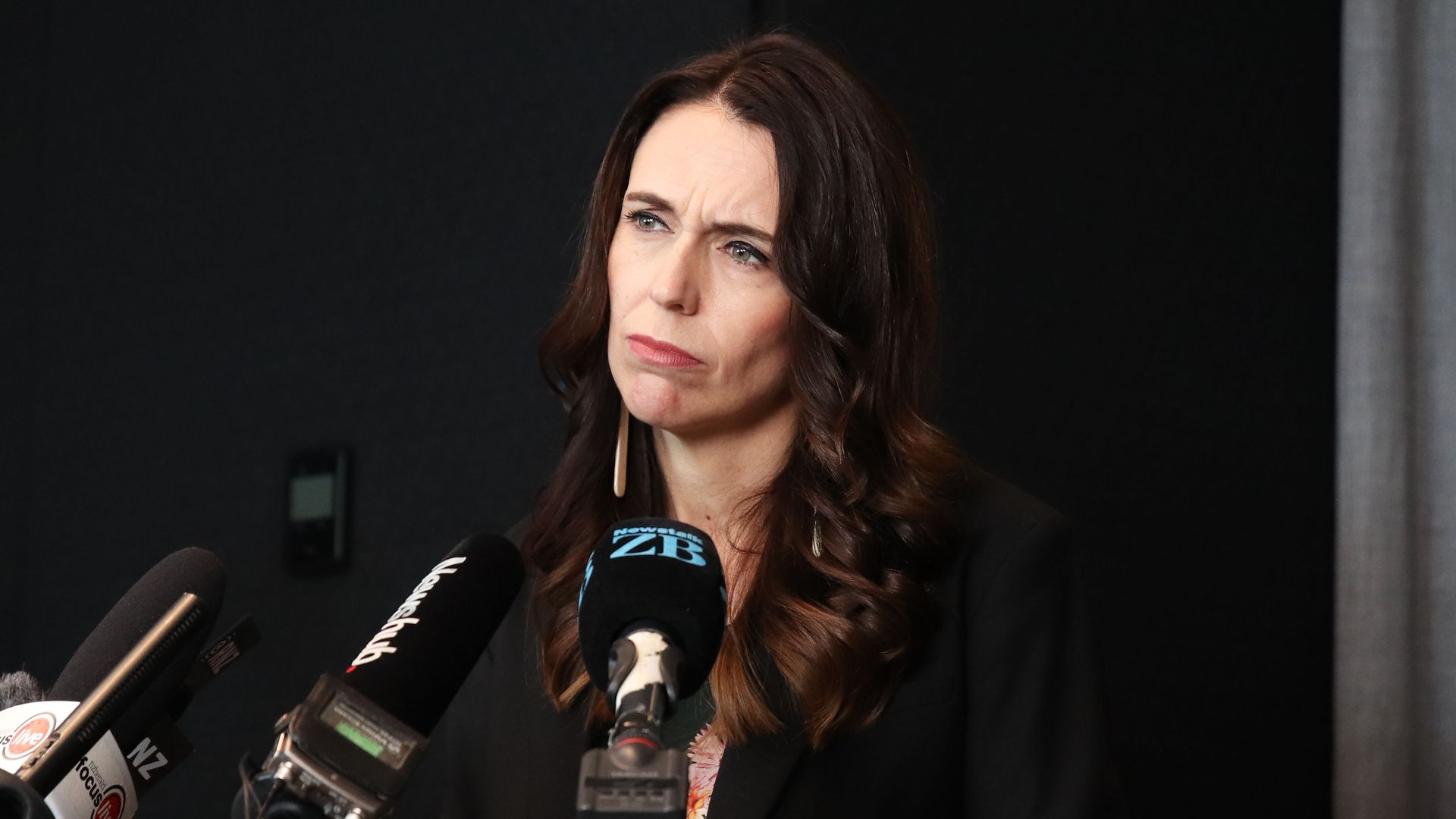
Prime Minister Jacinda Ardern said Monday it was "absolutely right" for New Zealand's most populous city to lock down, after genome sequencing linked a COVID-19 outbreak in an Auckland family to a more virulent strain.
Why it matters: It's the first time the B.1.1.7 variant first detected in the U.K. has been found in NZ. Auckland locked down late Sunday for three days over the three community cases amid concern it might be a more contagious strain.
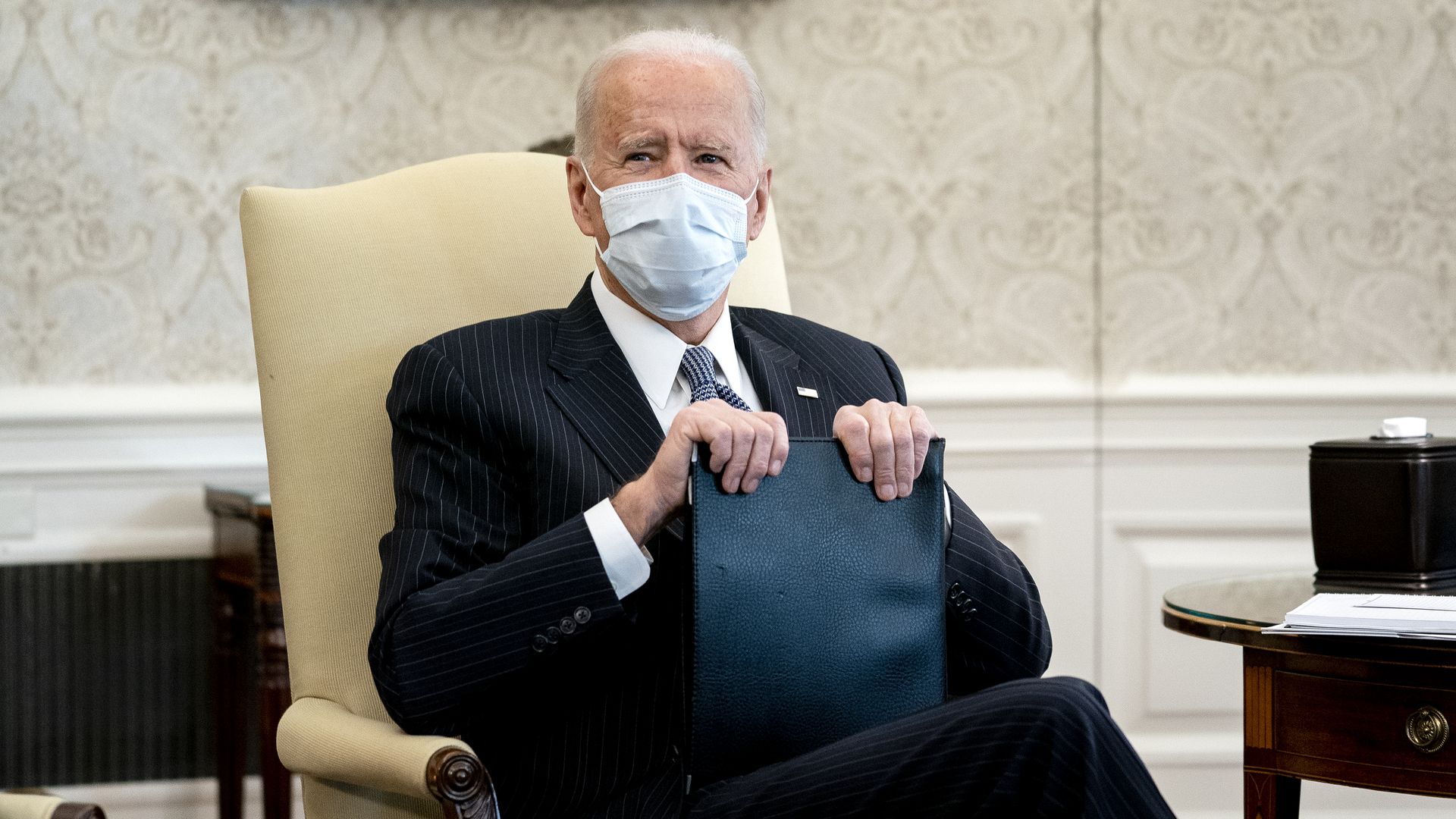
President Biden will join fellow G7 leaders for a virtual meeting Friday to discuss the pandemic response, economic recovery, China and the climate crisis, the White House said.
Why it matters: This will be Biden's first meeting with Group of Seven leaders as president. It's the first gathering of G7 leaders from the U.S., Canada, France, Germany, Italy, Japan, the United Kingdom since last April.