Why it matters via Axios' Miriam Kramer:It's only the second time pristine asteroid material has been brought back to Earth. Sample return missions like this one are incredibly valuable to scientists.
Violence erupted in Paris on Saturday as demonstrators clashed with law enforcement officers while protesting a proposed security bill that critics say would restrict civil liberties.
The state of play: Demonstratorswere seen destroying storefronts and burning cars, with police responding with tear gas, per Sky News.
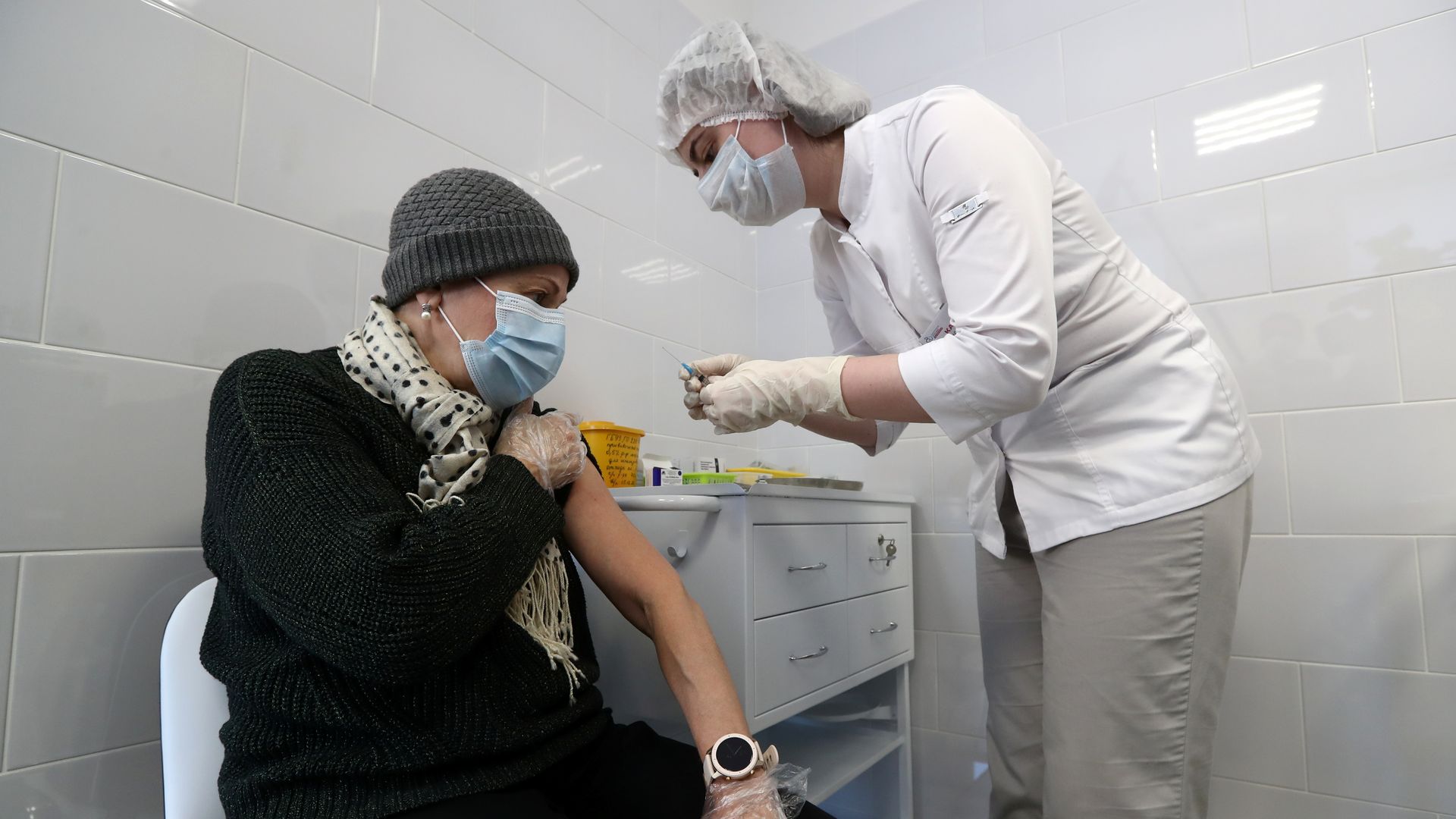
Russia began distributing its coronavirus vaccine on Saturday, making Sputnik V available at 70 different locations around Moscow.
Driving the news: The immunization effort comes days after Russian President Vladimir Putin directed officials to begin large-scale vaccination against the virus, despite widespread criticism from scientists worldwide over the Sputnik V vaccine's safety and effectiveness.
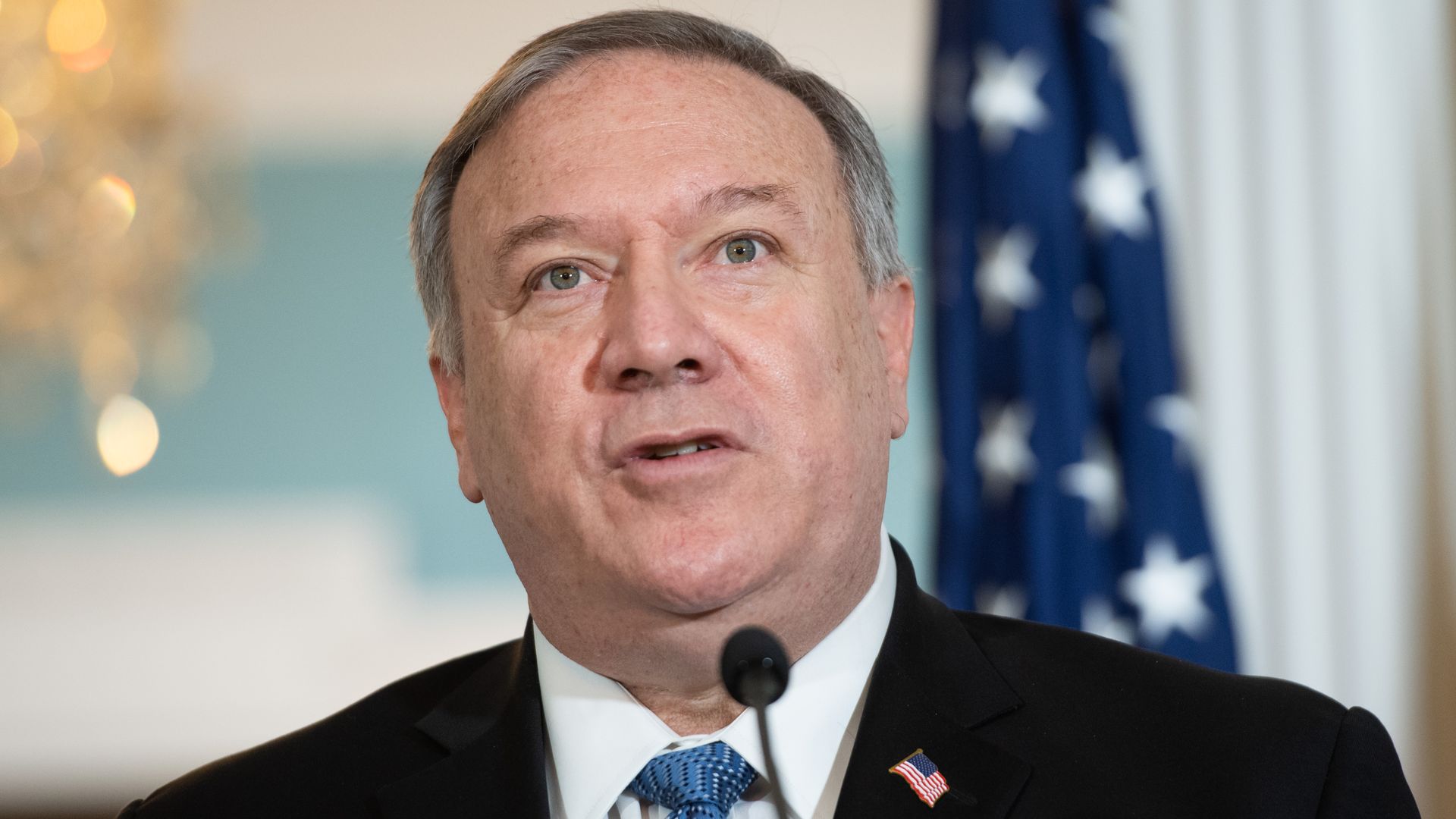
The Trump administration on Friday ended five cultural-exchange programs with China that the U.S. says were used as "soft power propaganda tools" by the Chinese government.
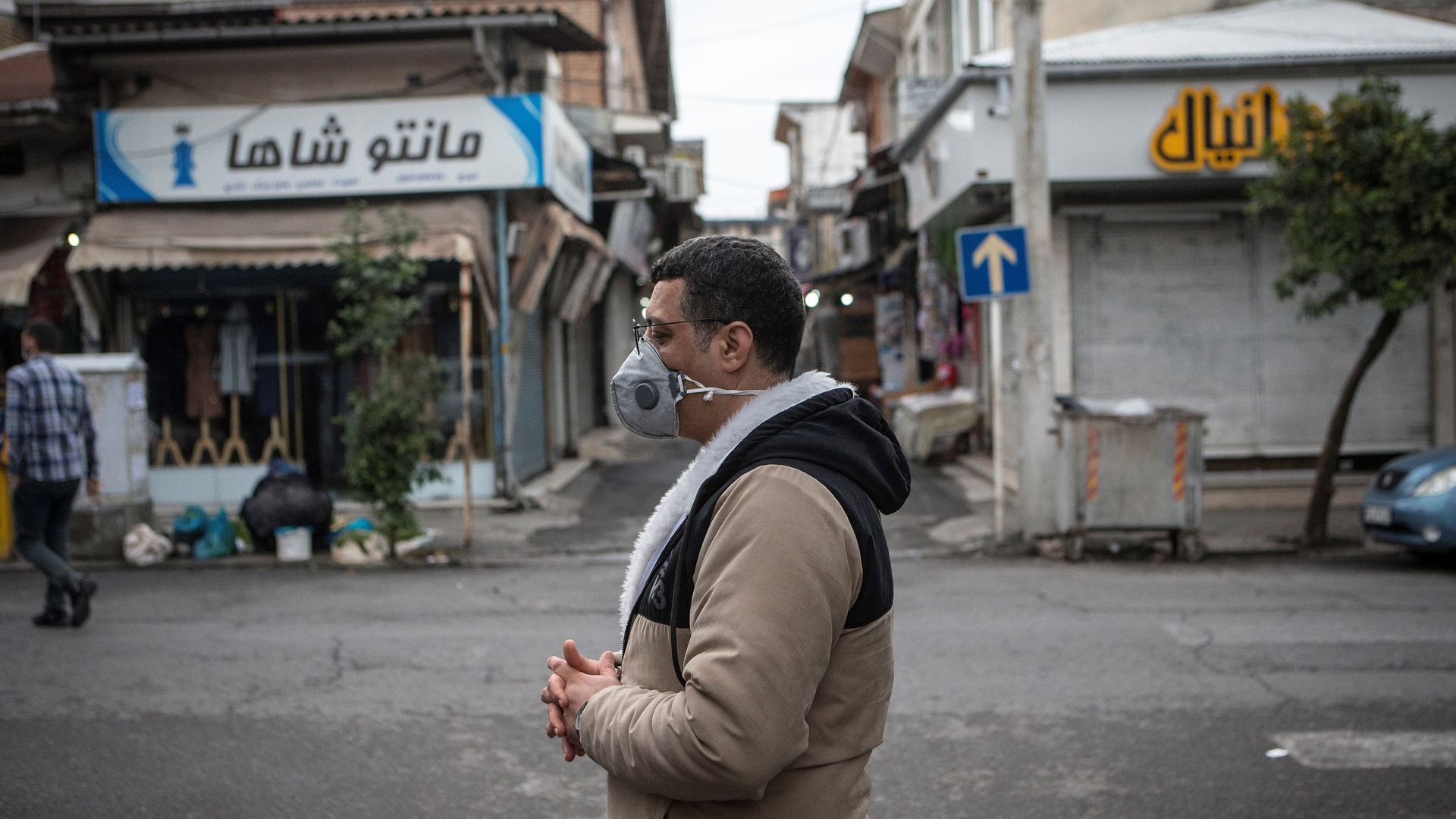
Iran's coronavirus death toll has topped 50,000, according to data from Johns Hopkins University.
Why it matters: The grim milestone comes two weeks after the country imposed restrictions in its major cities, which aimed to slow the spread of the virus and daily death toll.
The White House is again giving TikTok's Chinese parent company more to satisfy national security concerns, rather than initiating legal action, a source familiar with the situation tells Axios.
The state of play: China's ByteDance had until Friday to resolve issues raised by the Committee on Foreign Investment in the U.S. (CFIUS), which is chaired by Treasury secretary Steve Mnuchin. This was the company's third deadline, with CFIUS having provided two earlier extensions.
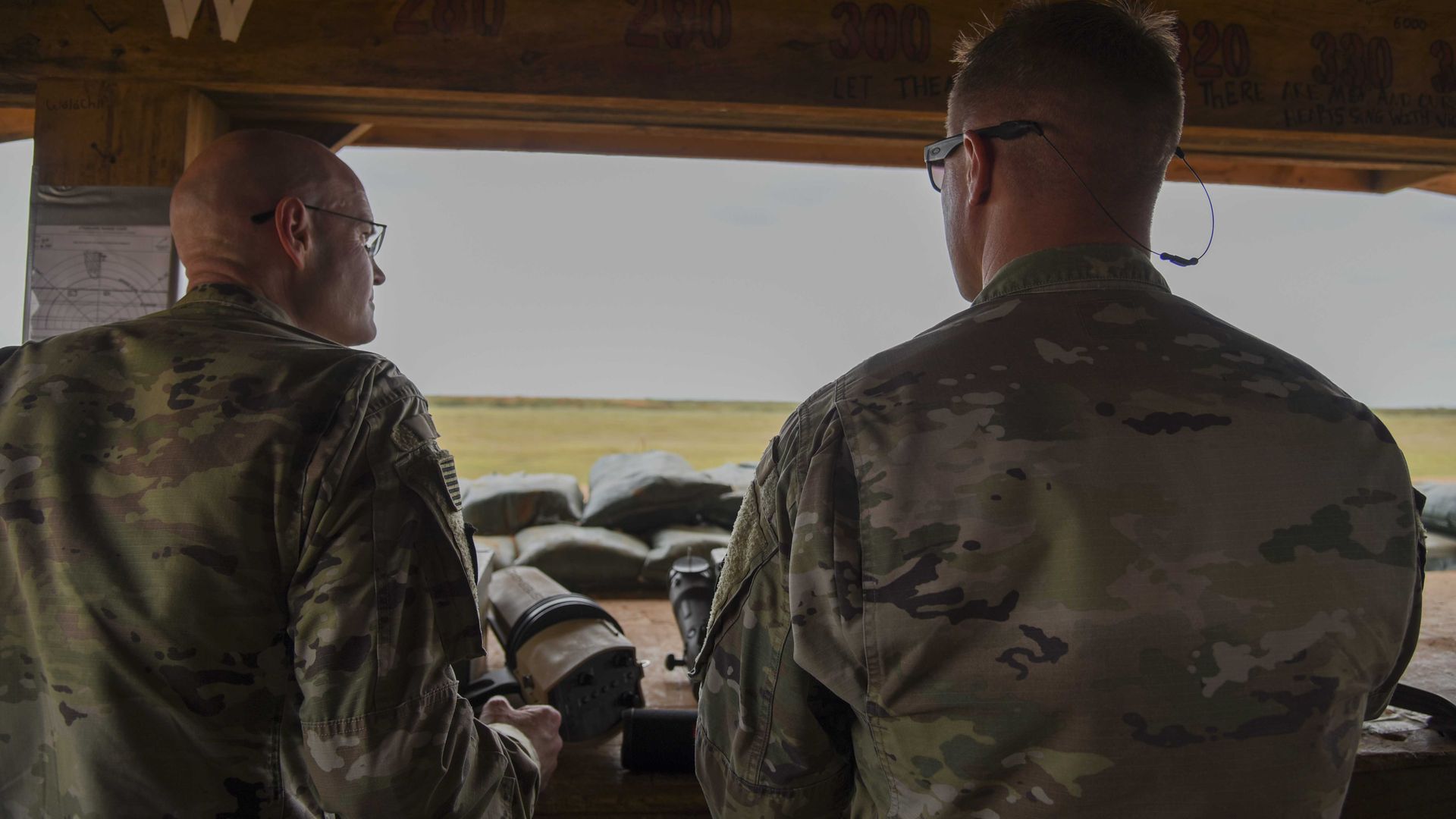
The Pentagon said Friday it would be pulling most U.S. troops out of Somalia by early 2021, per President Trump's orders.
Why it matters: Although some of the 700 American troops in Somalia will be "repositioned" to neighboring countries, the announcement is the latest in Trump's efforts to draw down the U.S. military presence in what he has described as "endless wars."
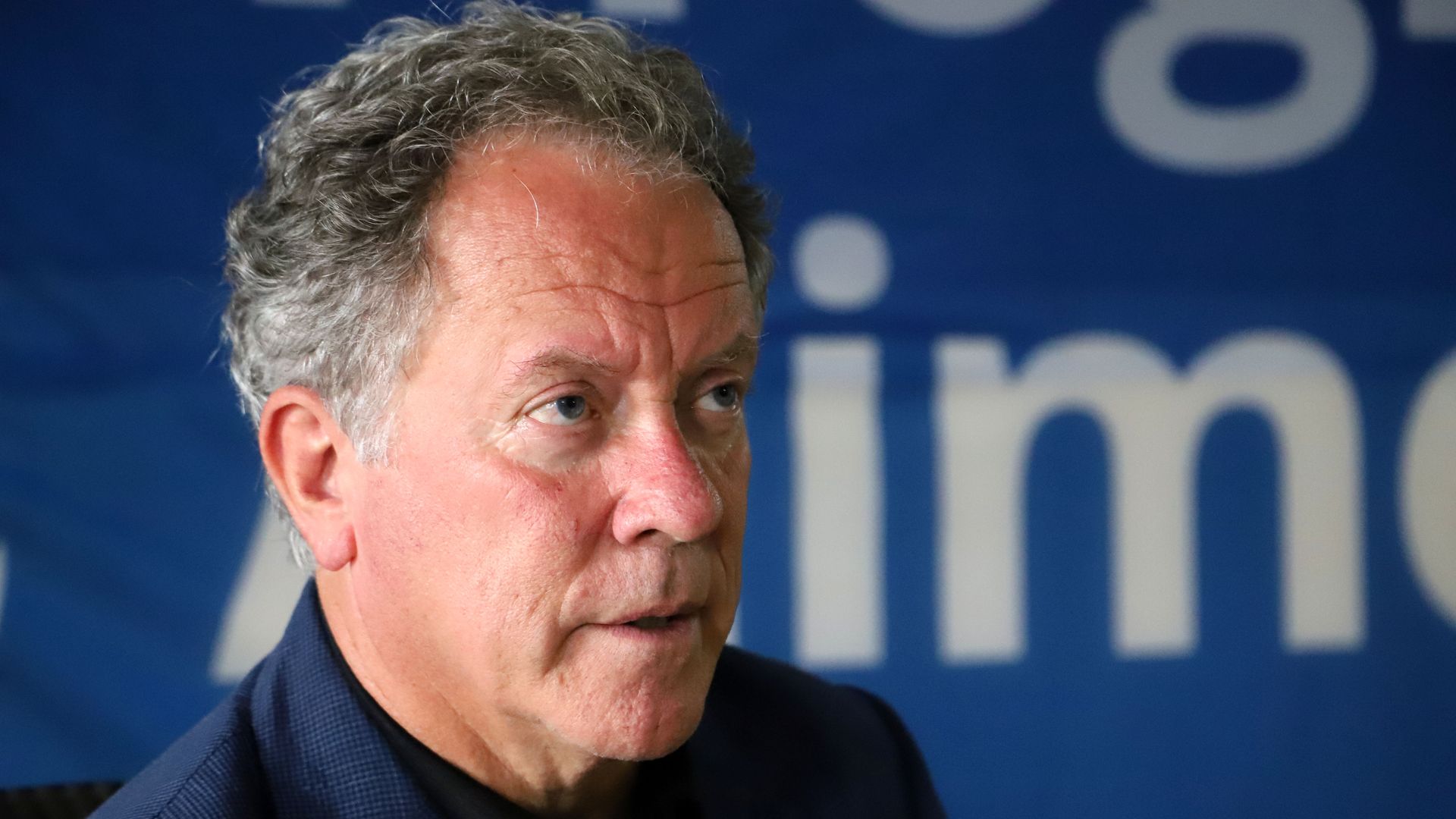
Next year is "going to be catastrophic" in terms of worldwide humanitarian crises, World Food Program executive director David Beasley warned on Friday, per Reuters.
Driving the news: The stark outlook comes as many countries contend with not only the coronavirus pandemic, but also possible famine, economic instability, conflict and other humanitarian crises. A record 235 million people will need humanitarian assistance and protection next year, a nearly 40% increase from 2020, the UN projected earlier this week
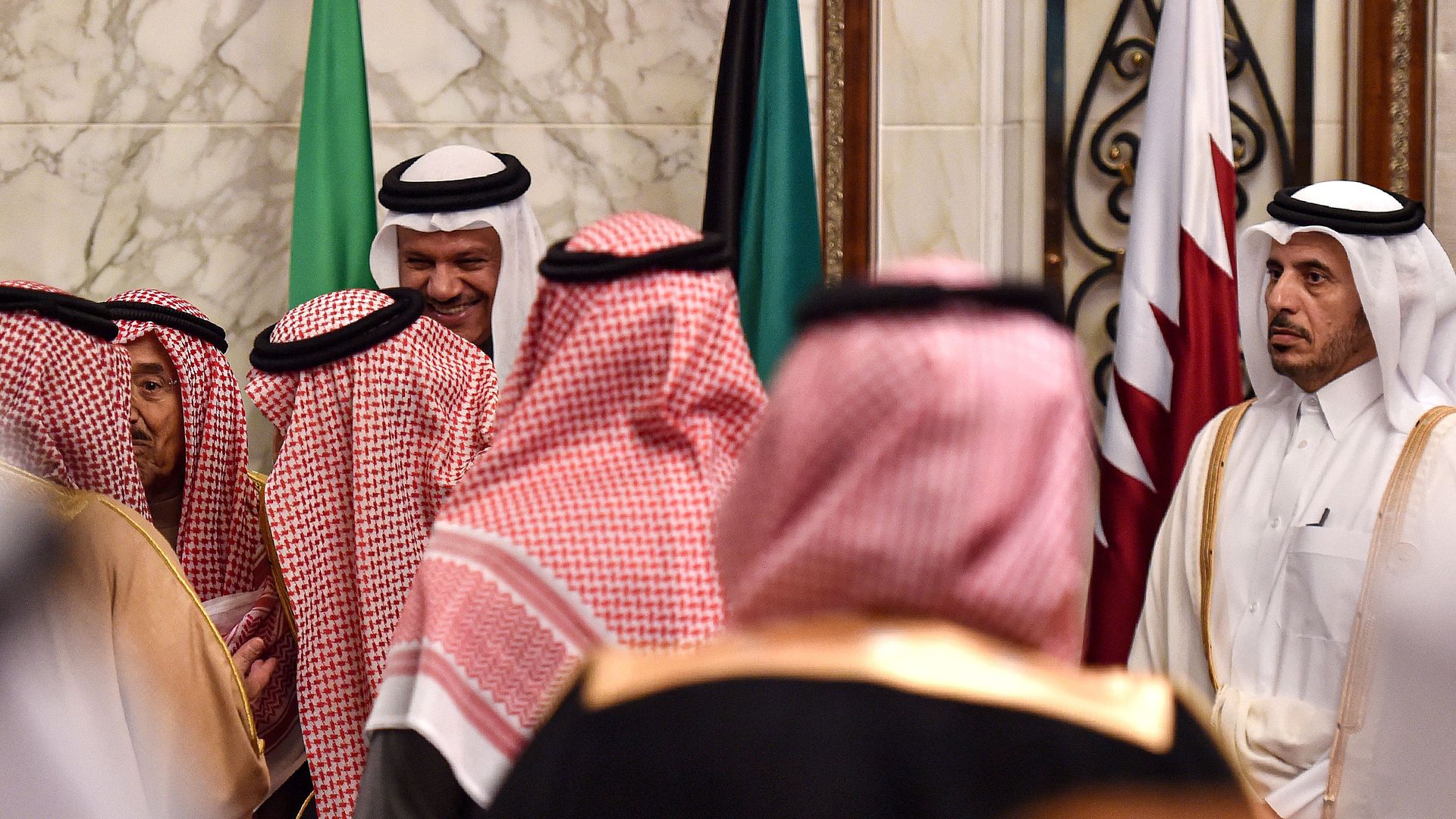
Saudi Arabia and Qatar are close to a deal to end the diplomatic crisis in the Gulf following U.S.-mediated reconciliation talks this week, sources familiar with the talks tell me.
Why it matters: Restoring relations between Saudi Arabia and Qatar would bring a sense of stability back to the Gulf after a 3.5 year standoff. It could also notch a last-minute achievement for the Trump administration before Jan. 20.
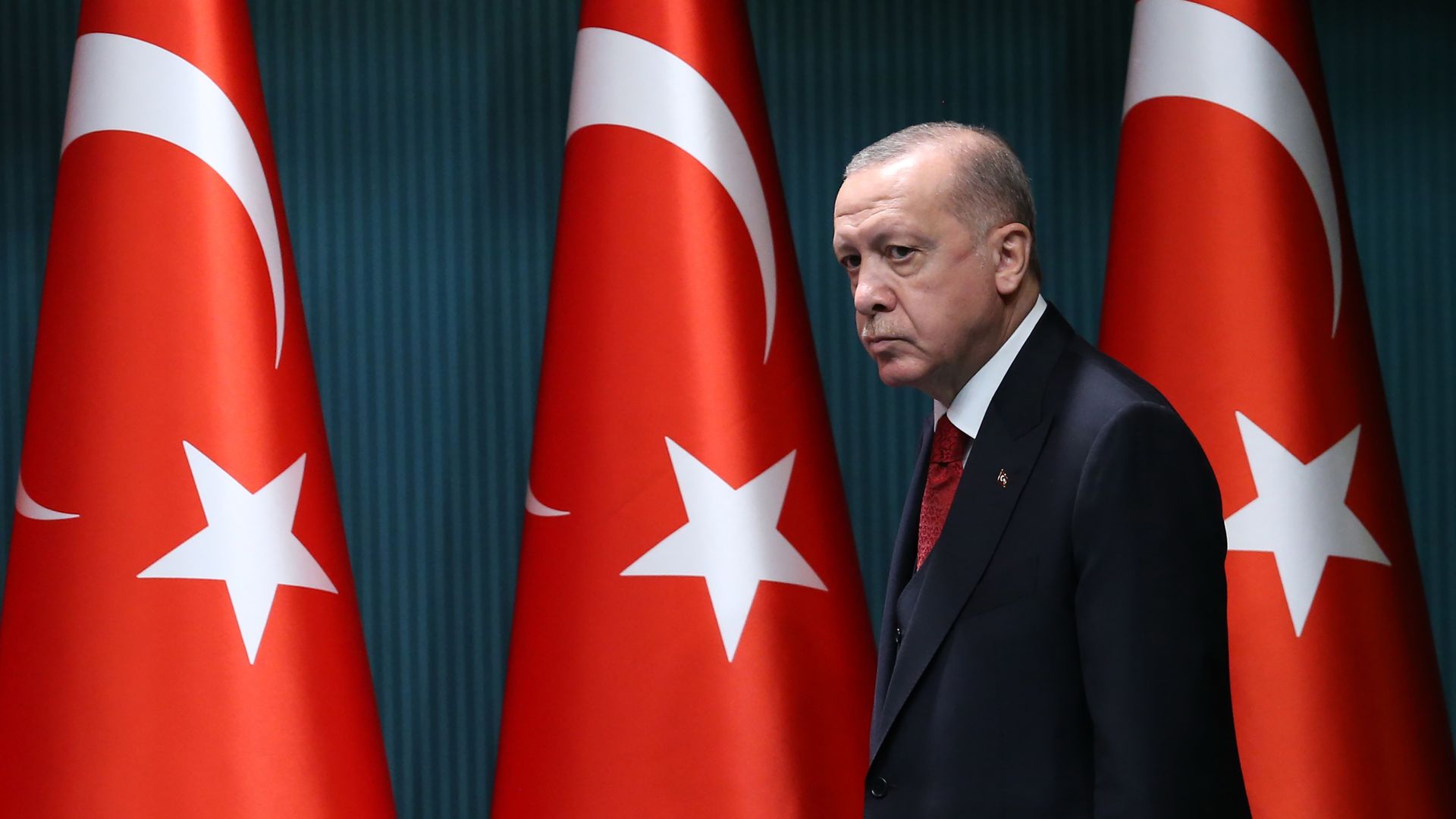
European Union leaders will discuss next week whether to blacklist Turkish officials or impose other sanctions over human rights concerns, a spokesperson for the European Commission told EU Observer.
Why it matters: Tensions between Turkey and the EU have reached new heights this year over President Erdoğan's crackdown on dissidents and journalists, disputes in the Eastern Mediterranean, Turkey's intervention in the Armenia-Azerbaijan conflict and more.
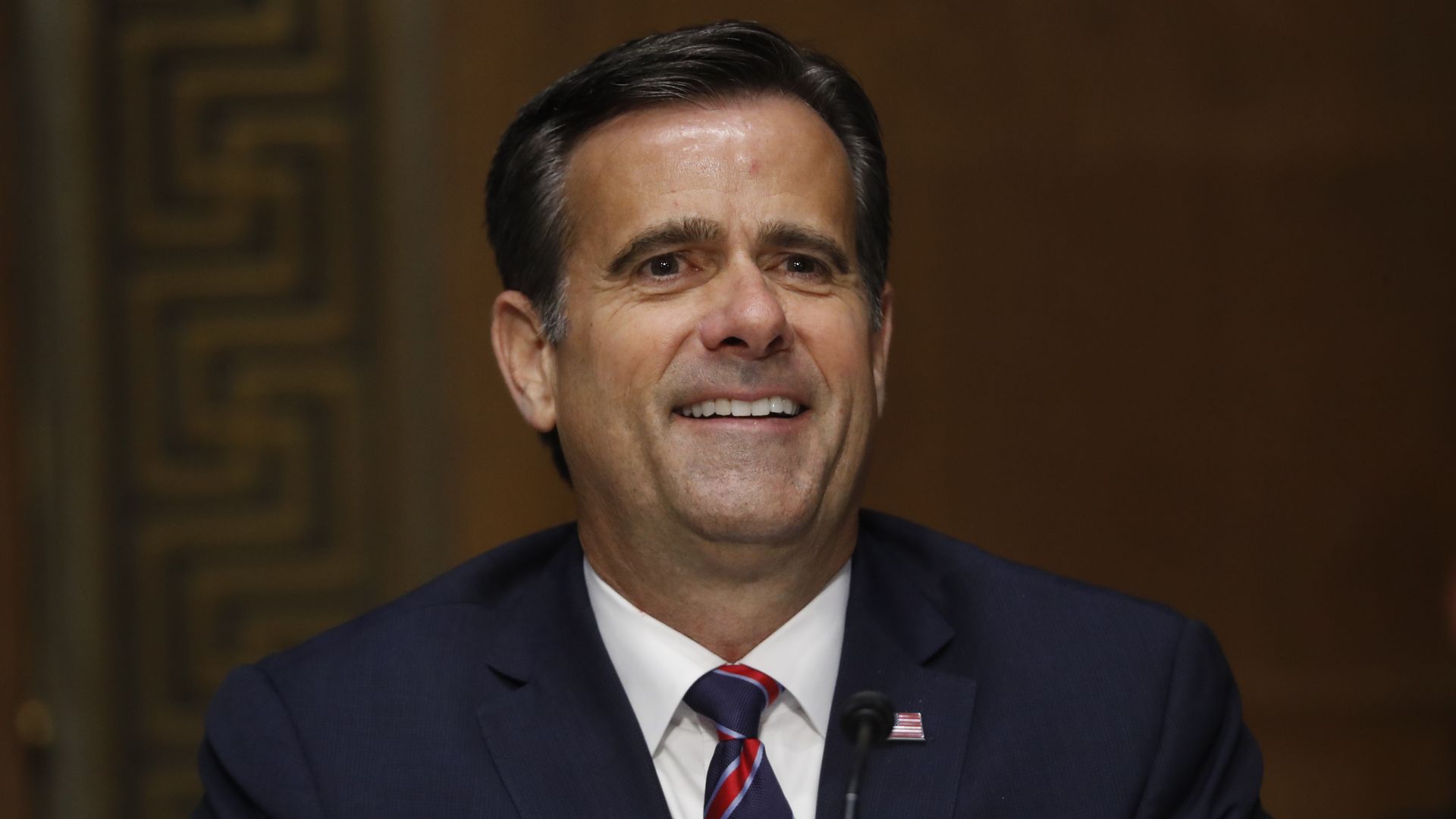
Director of National Intelligence John Ratcliffe told Axios in an interview Thursday that "China and China alone is the only country that has the ability to compete with the U.S." — and hopes the intelligence community will adopt his view even under "the next administration."
Why it matters: Ratcliffe's comments suggested that he's trying to lock in the Trump era's harder line on China for the long term.
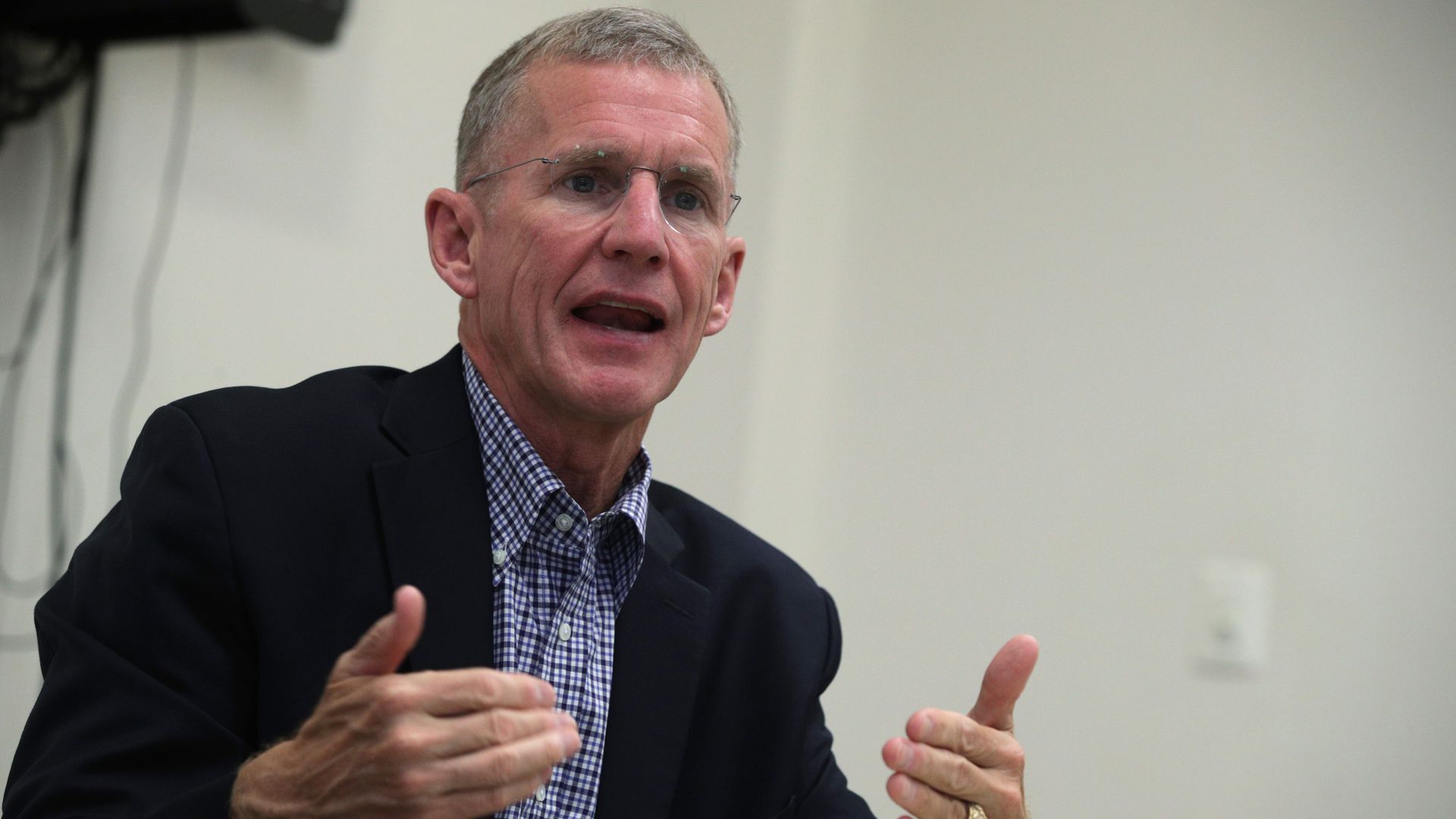
Stanley McChrystal, a top retired general and Biden adviser, tells Axios that "China's military capacity has risen much faster than people appreciate," and the U.S. is running out of time to counterbalance that in Asia and prevent a scenario such as it seizing Taiwan.
Why it matters: McChrystal, the former commander of U.S. and NATO forces in Afghanistan, recently briefed the president-elect as part of his cabinet of diplomatic and national security advisers. President-elect Joe Biden is considering which Trump- or Obama-era approaches to keep or discard, and what new strategies to pursue.
France and Italy are keeping ski resorts closed through the holidays, but Switzerland's share of the Alps is already open.
Driving the news: French Prime Minister Jean Castex has announced random border checks to keep French skiers from hitting the Swiss slopes and returning to France. Germany has called for EU-wide closures of ski resorts until Jan. 10.
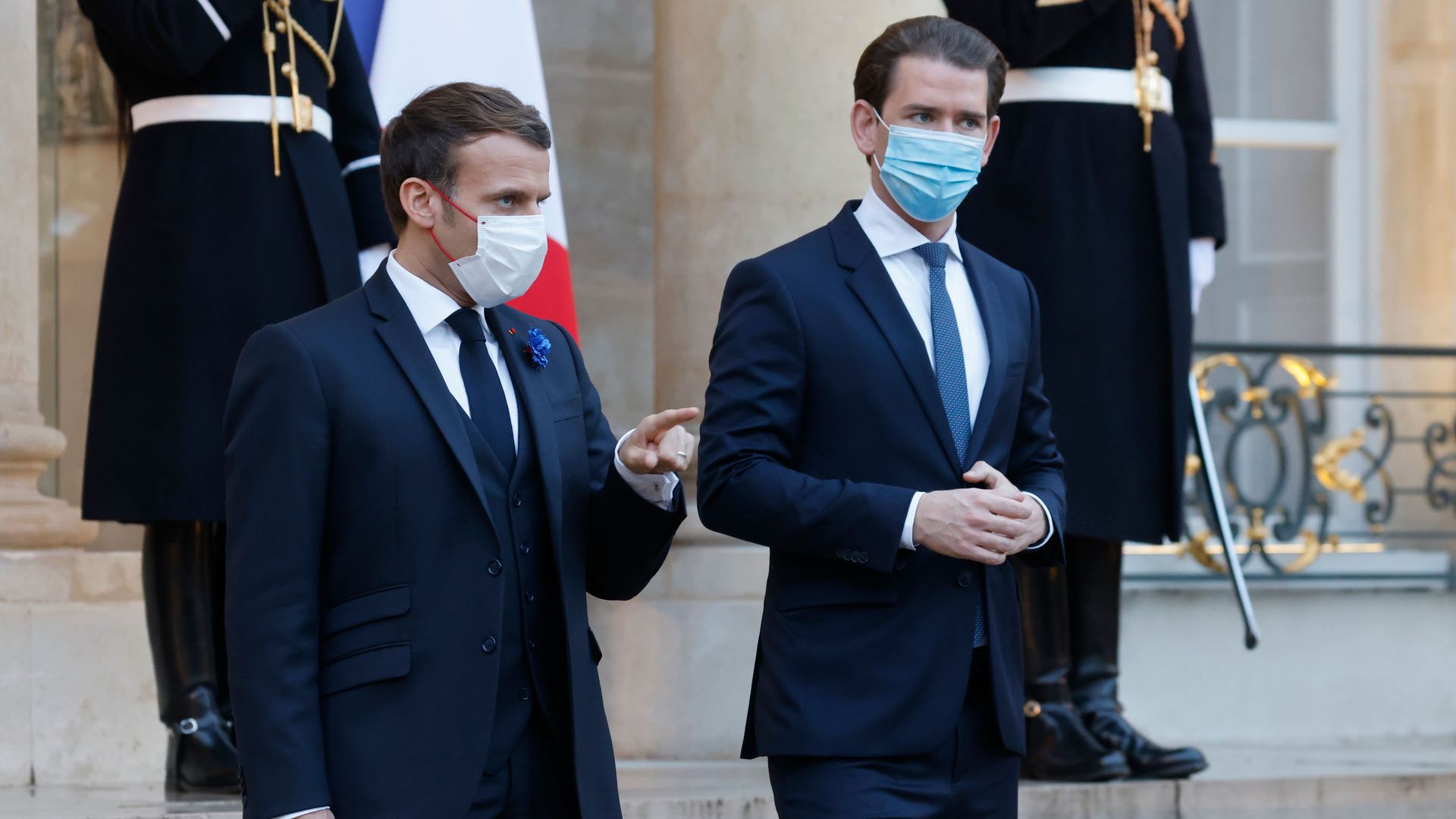
In the wake of terror attacks by Islamic extremists, French President Emmanuel Macron has launched a campaign against "Islamist separatism," while Austrian Chancellor Sebastian Kurz plans to outlaw "political Islam."
Why it matters: Both leaders argue that they're targeting not Islam, but Islamic extremism. Both are being accused of fueling Islamophobia.
Venezuelans will go to the polls on Sunday, Nicolás Maduro will complete his takeover of the last opposition-held body, and much of the world will refuse to recognize the results.
The big picture: The U.S. and dozens of other countries have backed an opposition boycott of the National Assembly elections on the grounds that — given Maduro's tactics (like tying jobs and welfare benefits to voting), track record, and control of the National Electoral Council — they will be neither free nor fair.
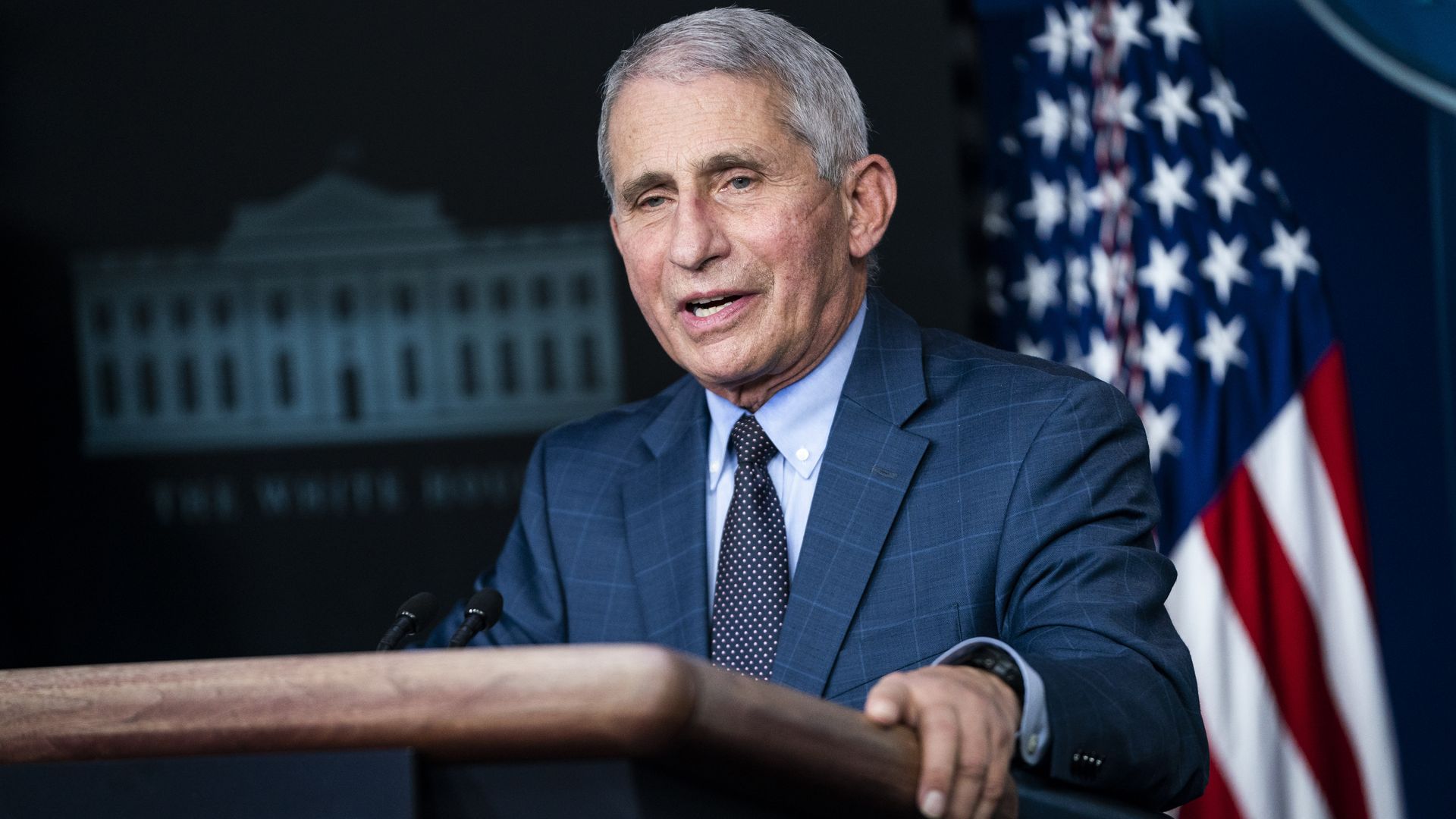
Anthony Fauci, the U.S. government's top infectious-disease expert, on Thursday walked back his earlier comments criticizing British regulators over their recent approval the Pfizer-BioNTech COVID-19 vaccine.
What he's saying: "I have a great deal of confidence in what the U.K. does both scientifically and from a regulator standpoint," Dr Fauci told the BBC on Thursday after saying earlier in the day that U.K. regulators "rushed" their approval of the vaccine.