FBI director Christopher Wray said in an interview with Fox News on Wednesday that the bureau has more than 2,000 active investigations that link back to the Chinese government.
Context: Wray said that amounts to a roughly 1,300% increase in terms of economic espionage probes focused on China over the past decade.
The Defense Department is making public for the first time a list of Chinese companies that are operating in the U.S. and are tied to the Chinese military. The list, obtained by Axios, includes Huawei, Hangzhou Hikvision, China Railway Construction Corporation, and China Telecommunications Corporation.
Why it matters: President Trump has the authority to invoke emergency economic powers, including sanctions, against the 20 companies on the list.
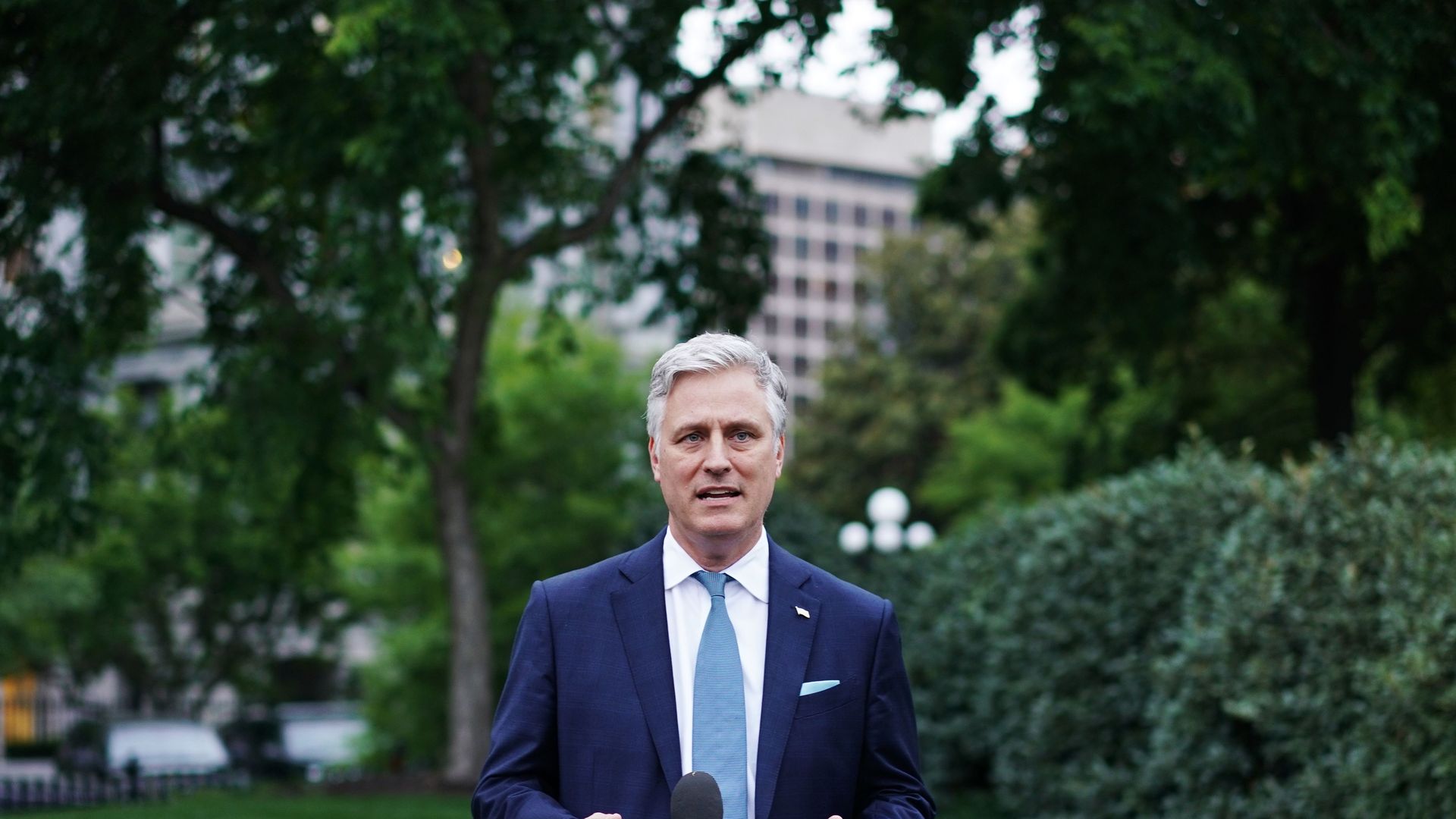
White House national security advisor Robert O'Brien gave a searing speech in Phoenix, Arizona on Wednesday, in which he criticized the Chinese Communist Party's totalitarian vision for China and its growing influence around the world.
Why it matters: This is the first in a string of speeches on China from top Trump administration officials. It highlights the administration's emphasis on China as a campaign issue, but also stems from bipartisan concern about the growing power of the world's largest authoritarian country.
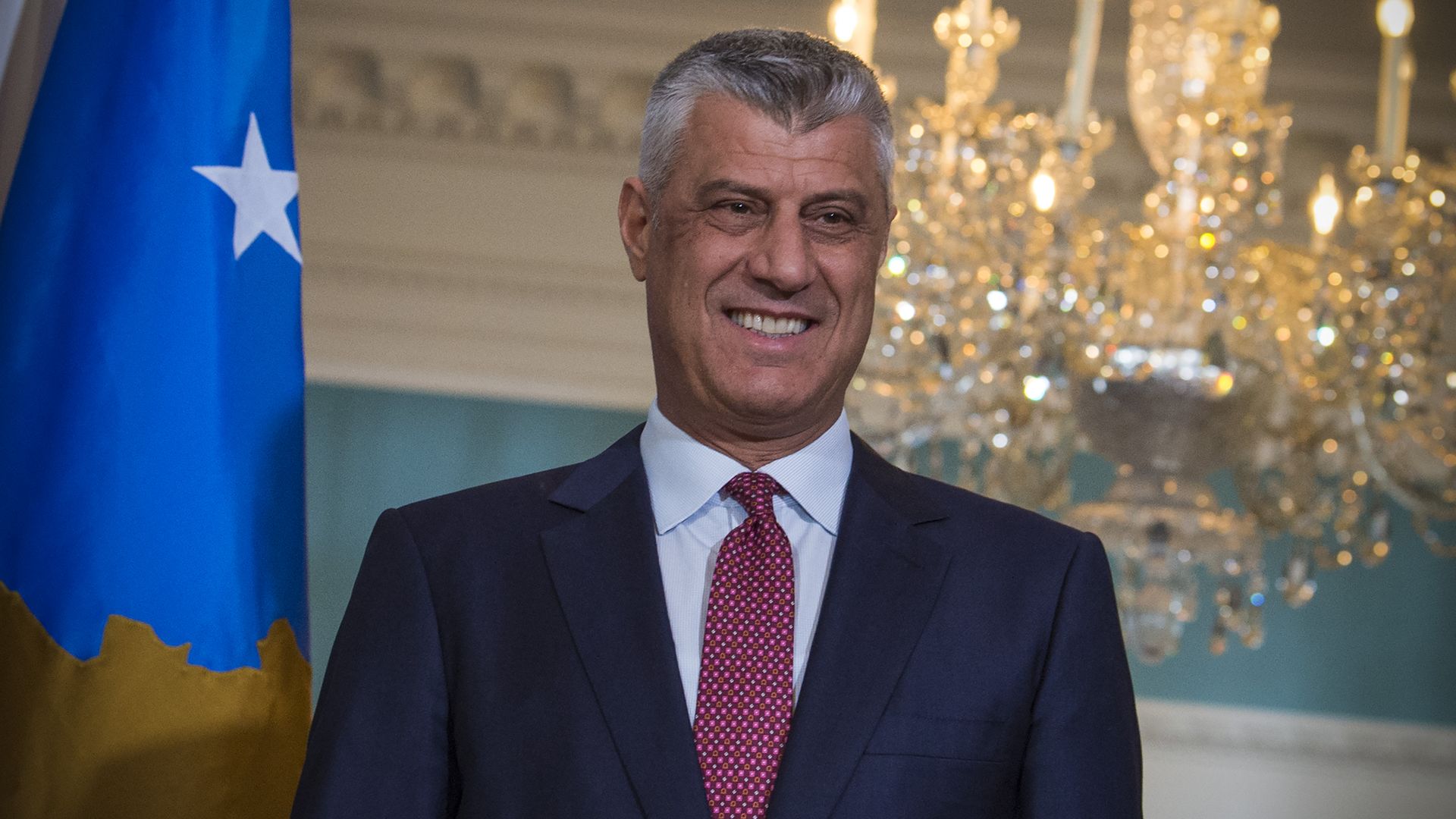
Kosovo's president, Hashim Thaci, has cancelled a visit to the White House this weekend after being charged with war crimes "including murder, enforced disappearance of persons, persecution and torture" by prosecutors in the Hague.
Driving the news: The White House meeting is part of an effort by the Trump administration to achieve a diplomatic breakthrough between Serbia and Kosovo. It will be led by Serbian President Aleksandar Vučić and Kosovo Prime Minister Avdullah Hoti, according to President Trump’s envoy for dialogue between the countries, Richard Grenell.
National security concerns drove a recent bipartisan Senate vote to crack down on Chinese companies that can hide their books from U.S. regulators even though they are publicly traded on U.S. exchanges, according to interviews with six current and former US. officials.
The big picture: The Holding Foreign Companies Accountable Act, which the Senate passed May 20, targets fraud and aims to promote transparency. But U.S. officials are also hoping to uncover hidden links between these companies and the Chinese government.
Even while still living in the midst of the coronavirus pandemic, we're starting to see the long-term effects of lost schooling, curtailed travel and shuttered businesses.
Why it matters: The U.S. will see some $7.9 trillion in lost economic growth through this decade, according to the Congressional Budget Office. The World Bank, meanwhile, predicts global gross domestic product will shrink by 5.2% in 2020 alone — nearly three times as much as the 2009 recession.
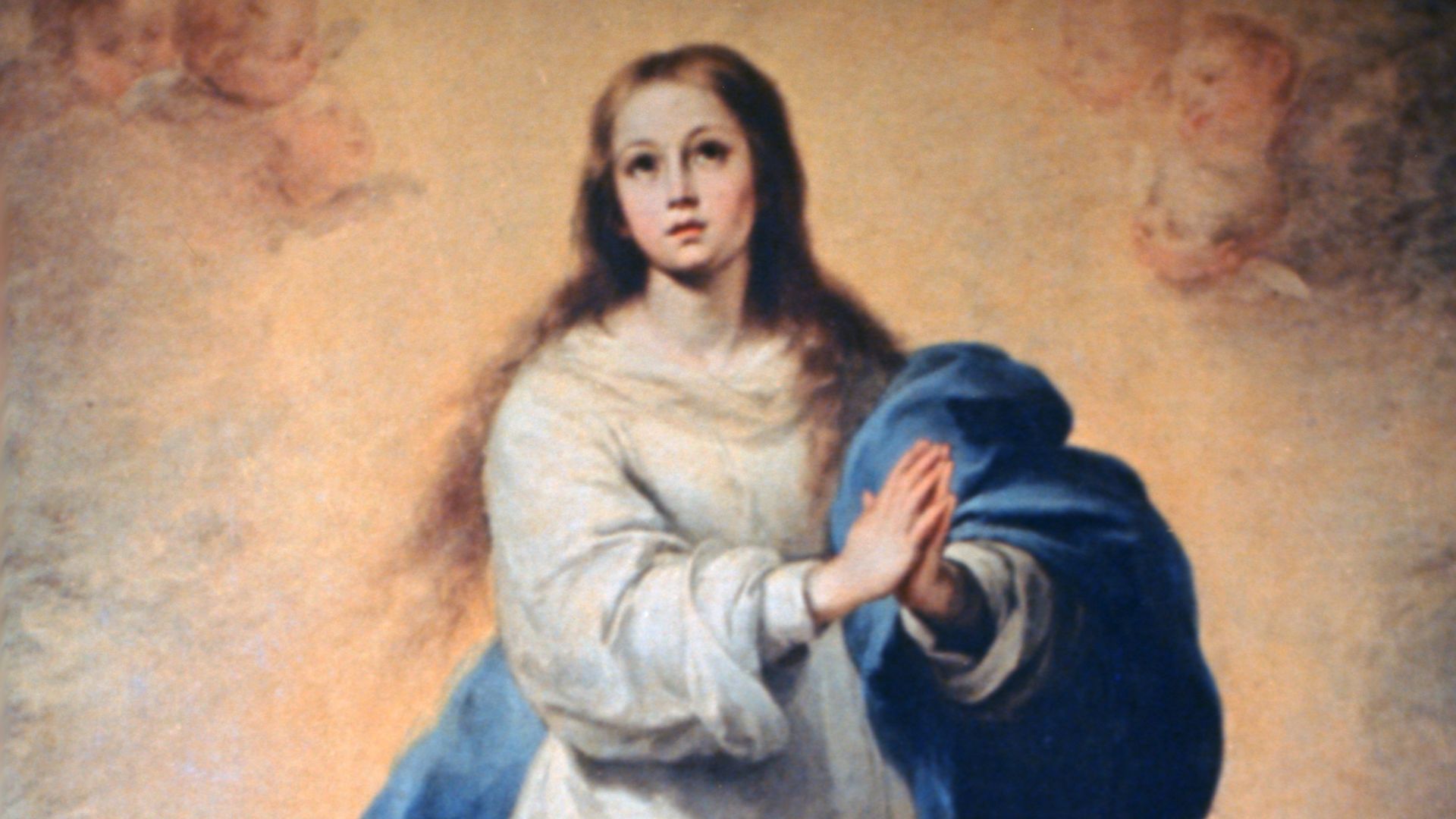
Spain's Professional Association of Restorers and Conservators issued a statement on Tuesday calling for tighter regulations after another Spanish artwork was disfigured during restoration, warning "part of our heritage is disappearing by these disastrous actions."
Details: In the latest example, the unnamed owner of the copy of Baroque artist Bartolomé Esteban Murillo's "The Immaculate Conception of Los Venerables" paid €1,200 ($1,350) for it to be cleaned by a furniture restorer, according to Europa Press. The images below show the results of two attempts to fix the botched job.
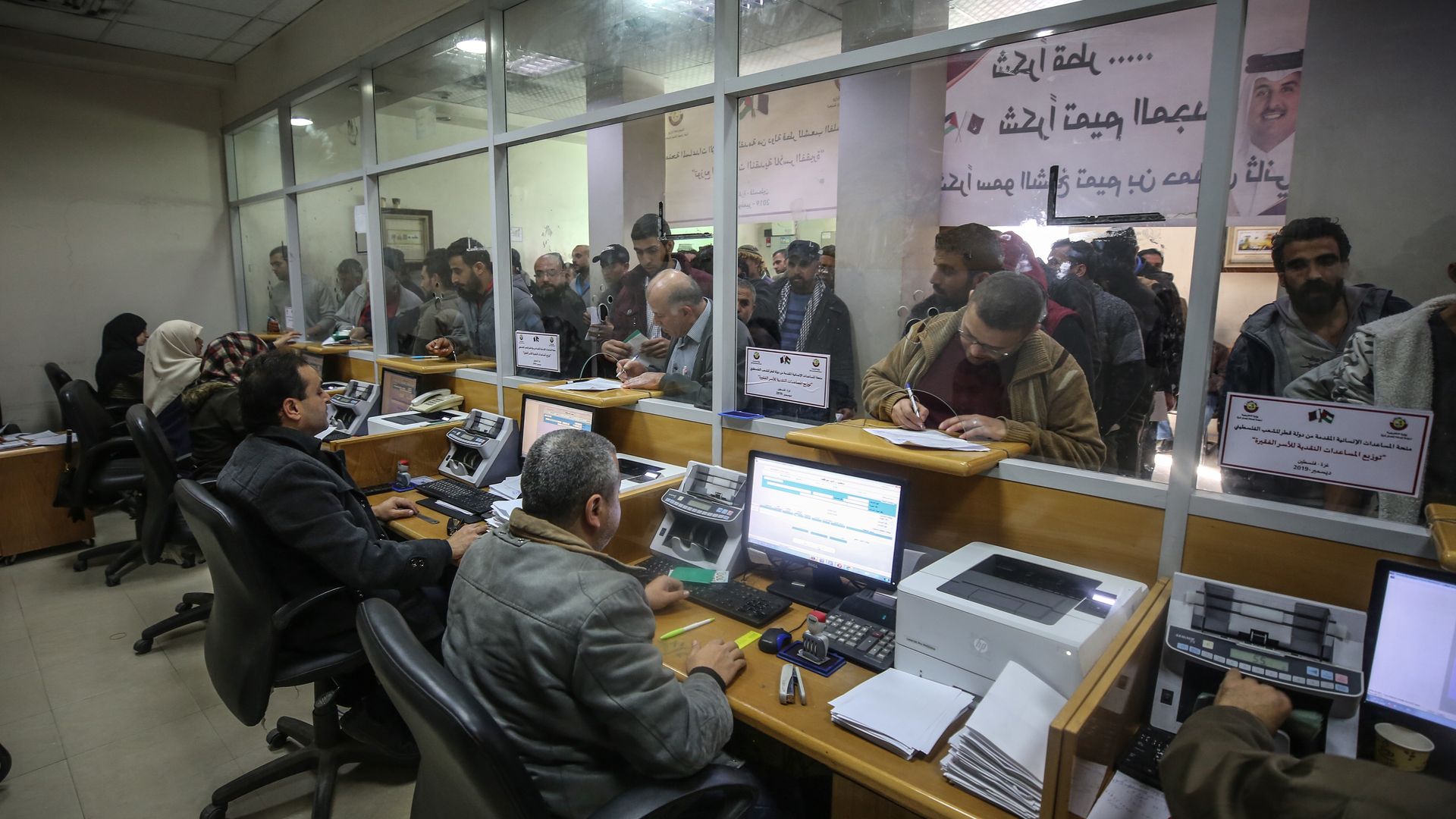
Qatar has informed Israel that it will suspend money transfers to Gaza next month because of Israel's pending plans to annex parts of the West Bank, Western diplomats briefed on the matter tell me.
Why it matters: Qatar transfers money to government employees and poor families in Gaza, which is run by Hamas, as part of an Israel-Hamas ceasefire deal. Suspension of the payments could lead to renewed violence.
If you've ever wished you were a fly on the wall as top leaders in the U.S. and China were considering how to parry their counterparts' most recent moves, here's your big chance.
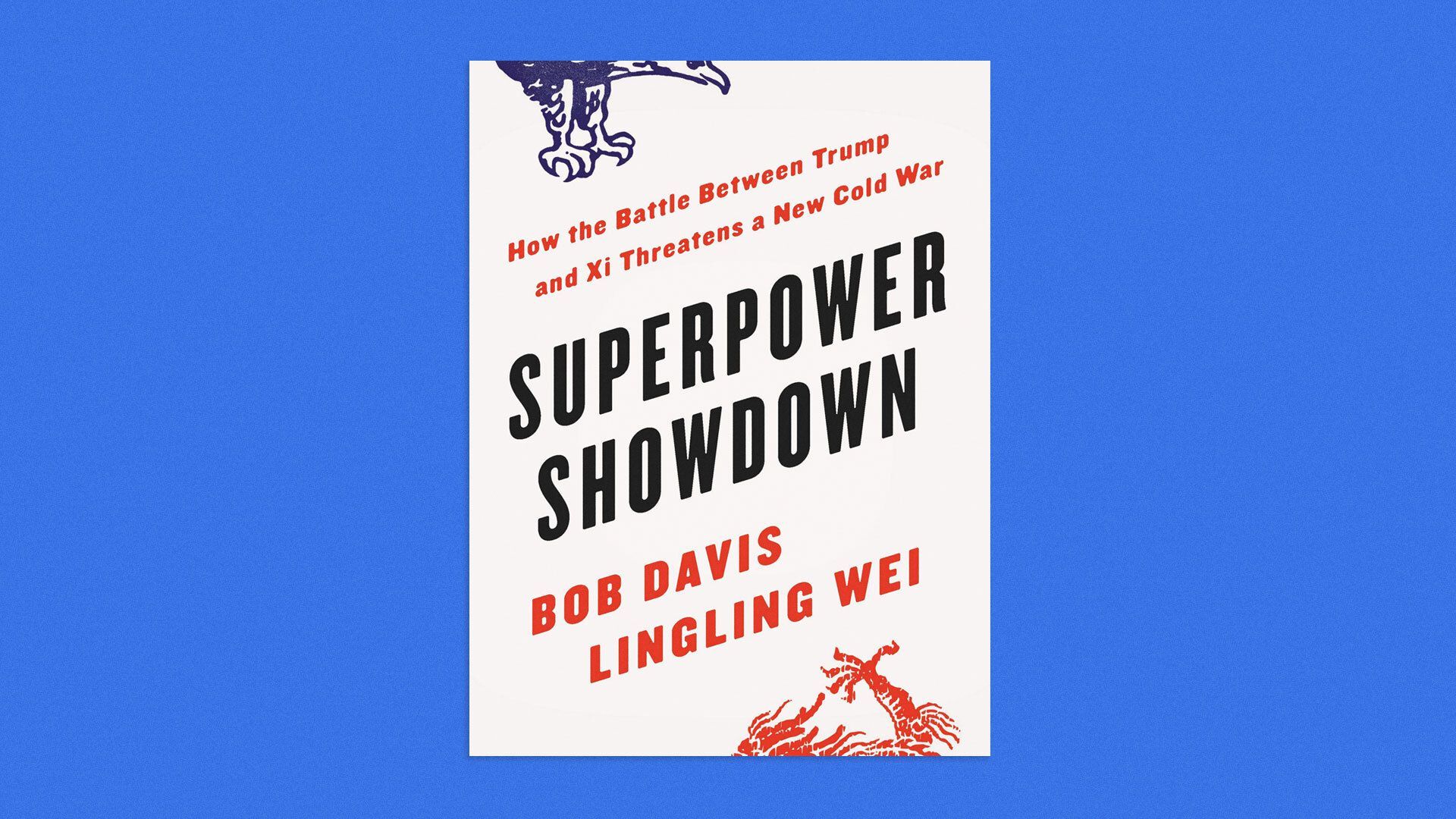
The big picture: "Superpower Showdown: How the Battle Between Trump and Xi Threatens a New Cold War" (HarperCollins, June 2020), by Wall Street Journal reporting duo Bob Davis and Lingling Wei, takes you behind the scenes of some of the biggest decisions over the past 25 years of the U.S.-China trade relationship.
In the wake of a leadership change at the U.S. Agency for Global Media (USAGM), a small group of religious freedom advocates is trying to secure millions of dollars in funding for two internet censorship circumvention tools developed by supporters of the Falun Gong, a controversial religious group banned in China.
Why it matters: In recent years, Falun Gong supporters have made common cause with the global far-right, and a growing rapport between its advocates and U.S. ultra-conservatives within USAGM could override internal vetting processes and channel funding toward pet projects.
Pubs, restaurants and other businesses in England can resume business on July 4 after U.K. Prime Minister Boris Johnson announced that it would move to the third stage of its coronavirus reopening plan, per the BBC.
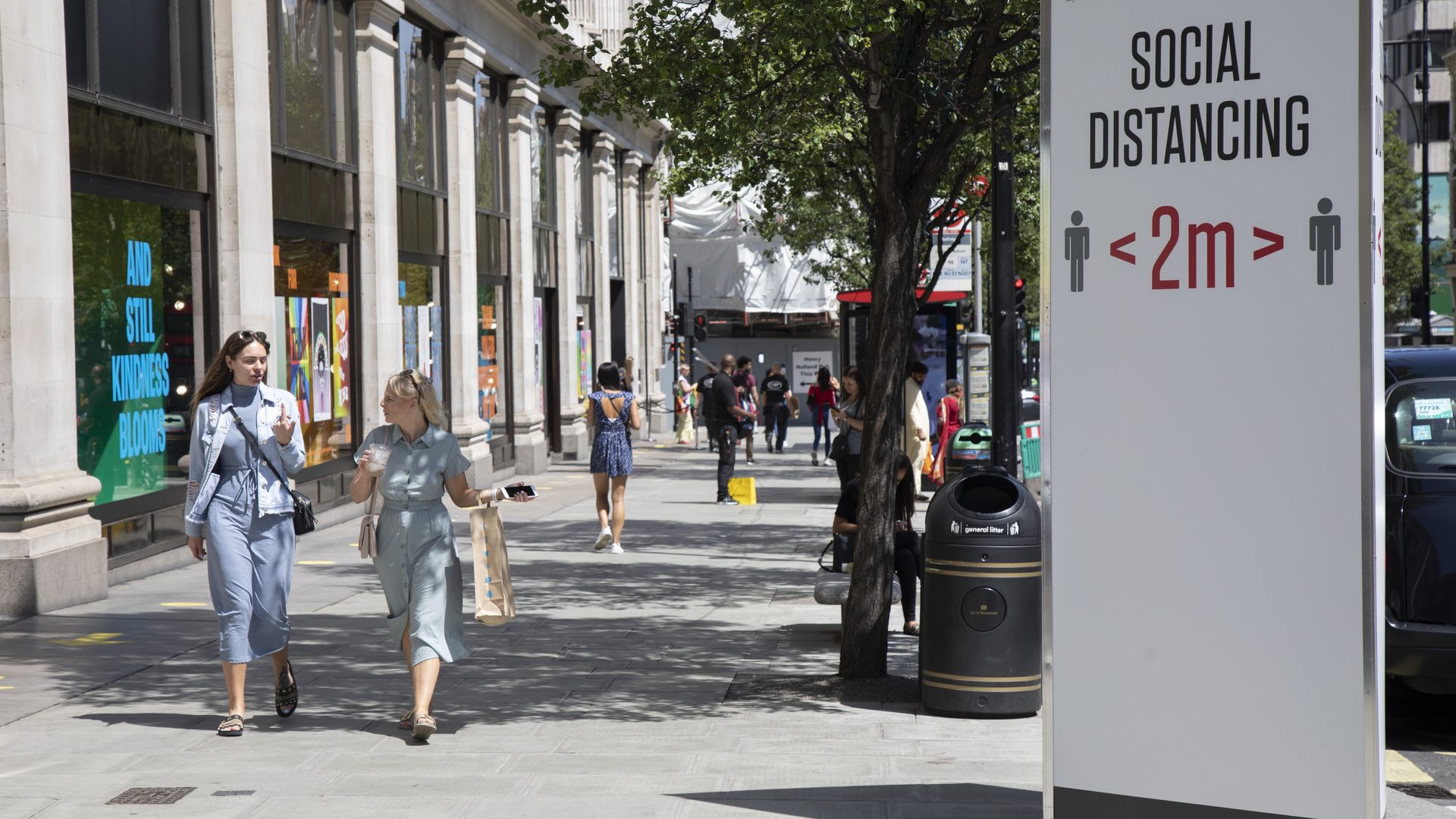
Why it matters: The U.K. government also reduced its two-meter social-distancing rule in England and will instead introduce a "one meter plus" rule as the lockdown eases.
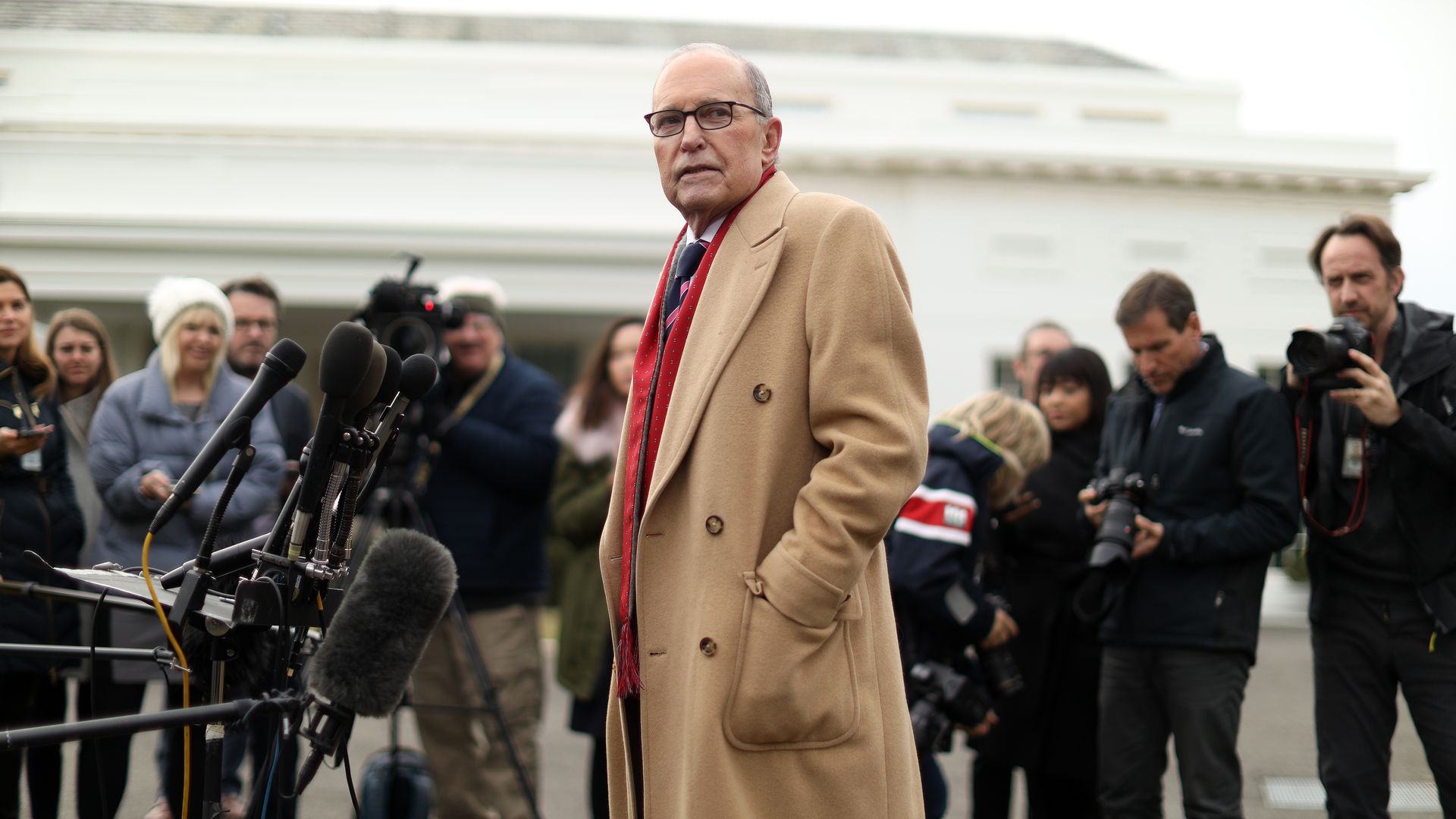
The president's chief economic adviser Larry Kudlow disputed comments from Trump’s trade adviser Peter Navarro, who said Monday night on Fox News the U.S.-China trade deal is "over."
Details: "The U.S. remains engaged with China over the phase one trade deal signed last January and according to trade negotiator Bob Lighthizer the deal is going well. President Trump has made similar comments just recently," Kudlow told me.
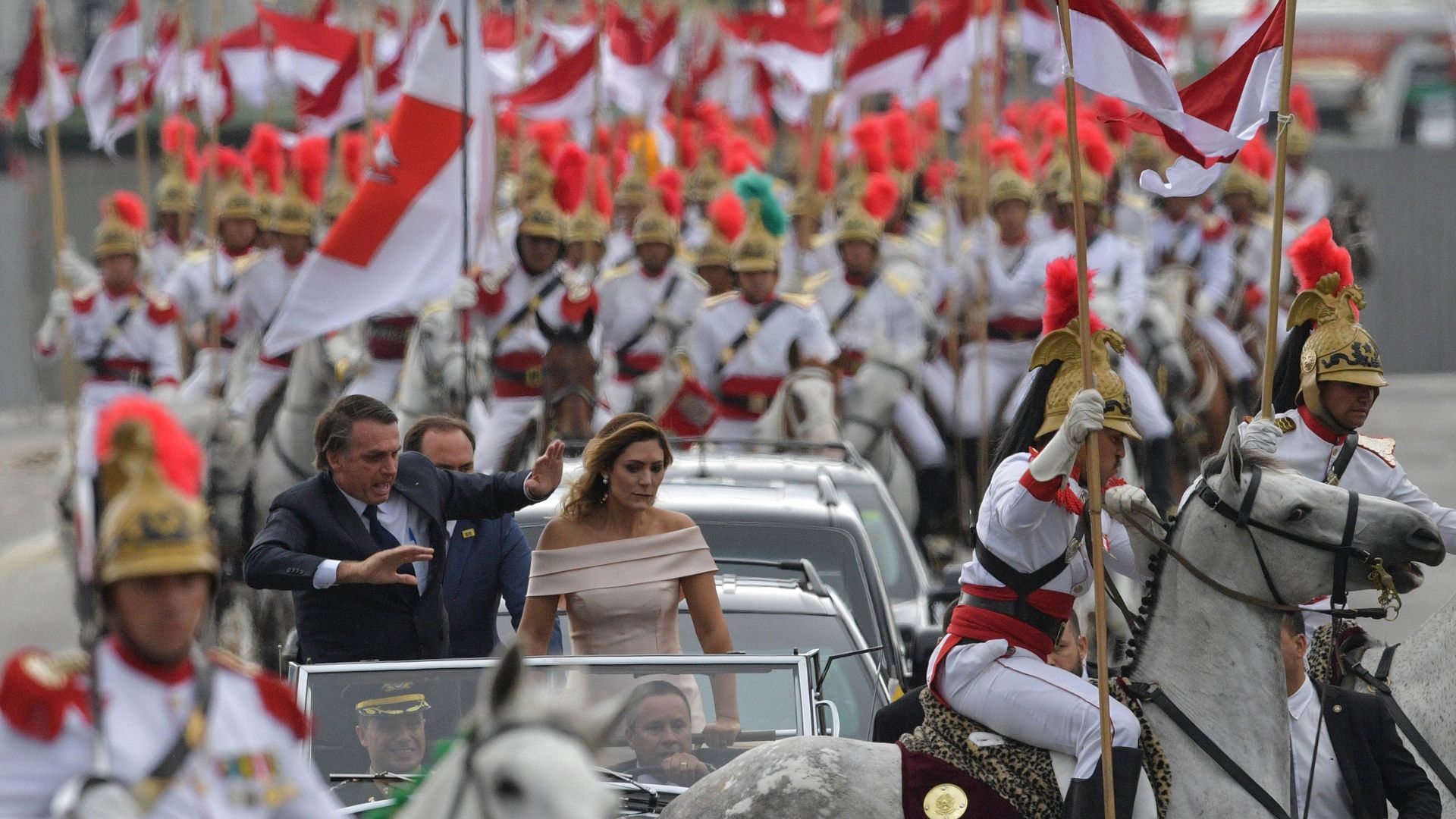
Jair Bolsonaro’s presidencyhas captured global attention for three ongoing crises: deforestation in the Amazon, deaths from COVID-19, and doubts about the future of Brazilian democracy.
The big picture: Brazil is now the epicenter of the coronavirus pandemic, registering more new cases each day than any other country and the second-most deaths to date, after the U.S.