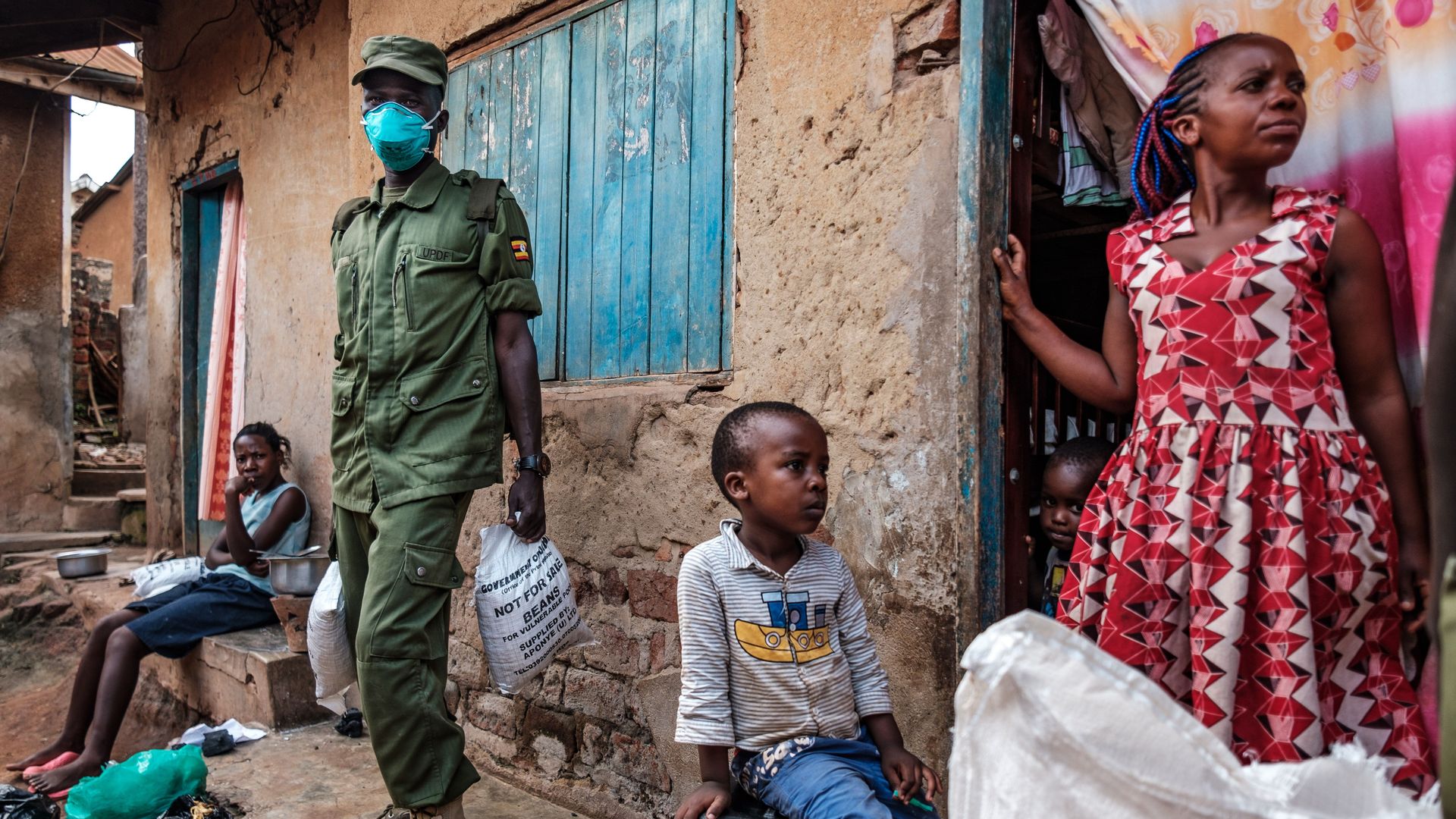
Africa is reeling from the economic ravages of the coronavirus. Now the disease itself is accelerating across the continent.
Why it matters: “The question we’ve been asking is, ‘Is it that we will not see widespread outbreaks or that we haven’t seen them yet?’” says Tom Frieden, former CDC director.
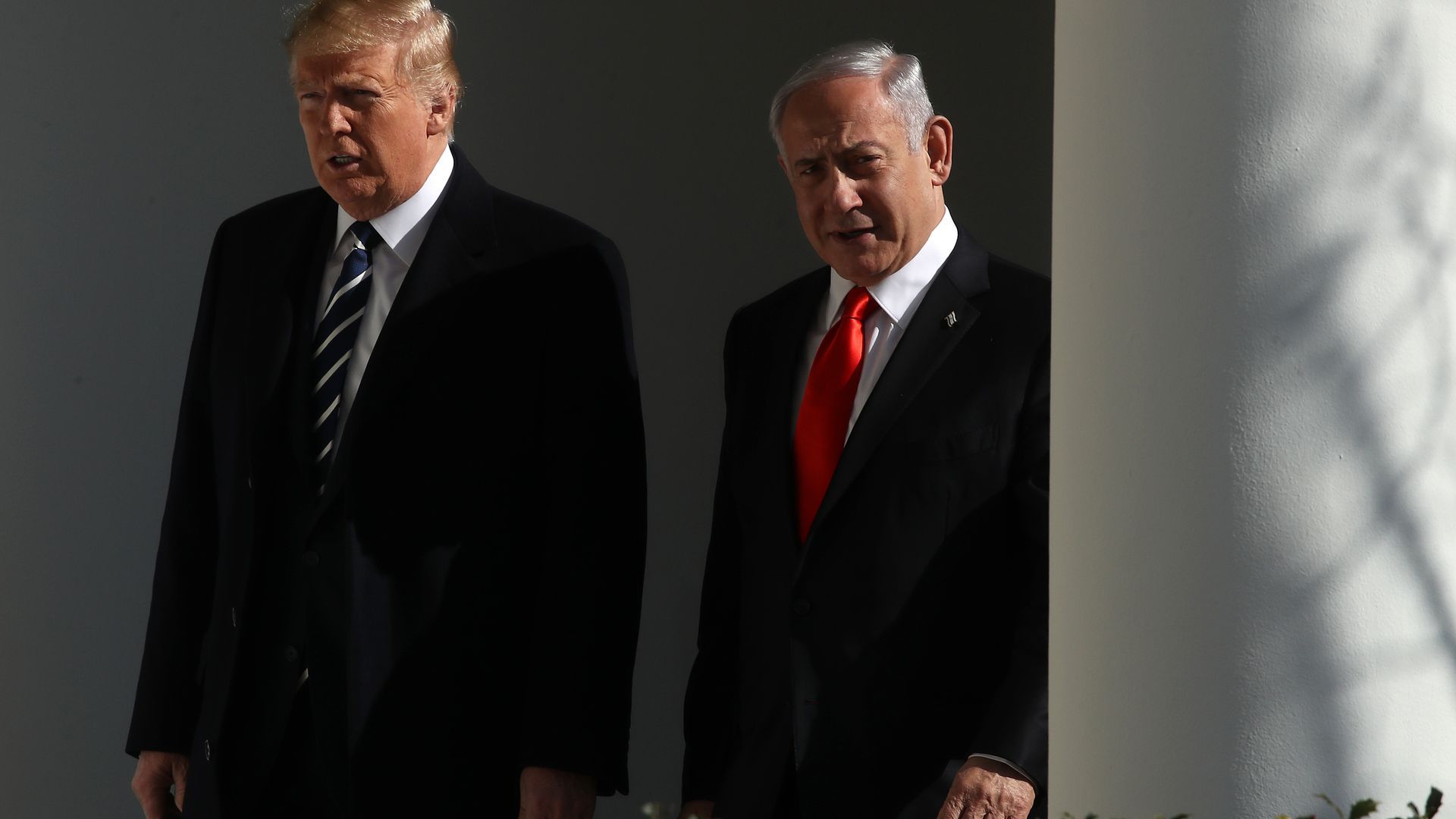
Discussions at the White House on the Trump administration's plan on how to handle possible Israeli annexations in the West Bank ended with no final decision, a U.S. official told me.
Why it matters: The fact there is no firm decision yet signals that the White House has decided to take a more cautious approach toward the issue. U.S. officials told me that talks with the Israelis will continue, but it is going to take more time.
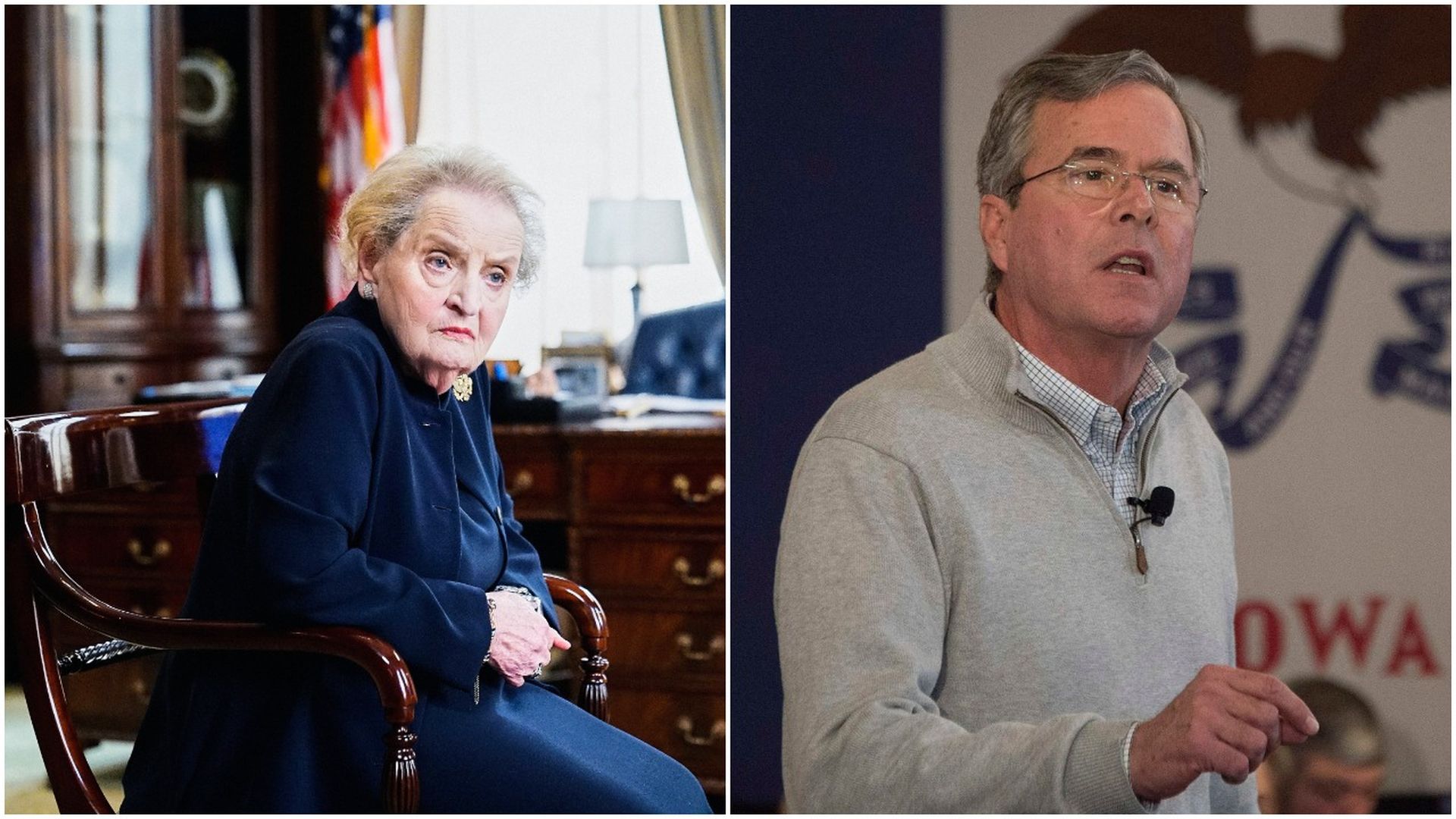
Liberal democracy is at risk from the coronavirus pandemic, warns an open letter signed by prominent figures including former Secretary of State Madeleine Albright, ex-Trump national security adviser H.R. McMaster and former Florida Gov. Jeb Bush (R).
Details: The letter, also signed by Nobel Prize winners and current and former leaders from around the world, notes democratically elected governments are "amassing emergency powers that restrict human rights and enhance state surveillance," with little oversight.
FBI director Christopher Wray said in an interview with Fox News on Wednesday that the bureau has more than 2,000 active investigations that link back to the Chinese government.
Context: Wray said that amounts to a roughly 1,300% increase in terms of economic espionage probes focused on China over the past decade.
The Defense Department is making public for the first time a list of Chinese companies that are operating in the U.S. and are tied to the Chinese military. The list, obtained by Axios, includes Huawei, Hangzhou Hikvision, China Railway Construction Corporation, and China Telecommunications Corporation.
Why it matters: President Trump has the authority to invoke emergency economic powers, including sanctions, against the 20 companies on the list.
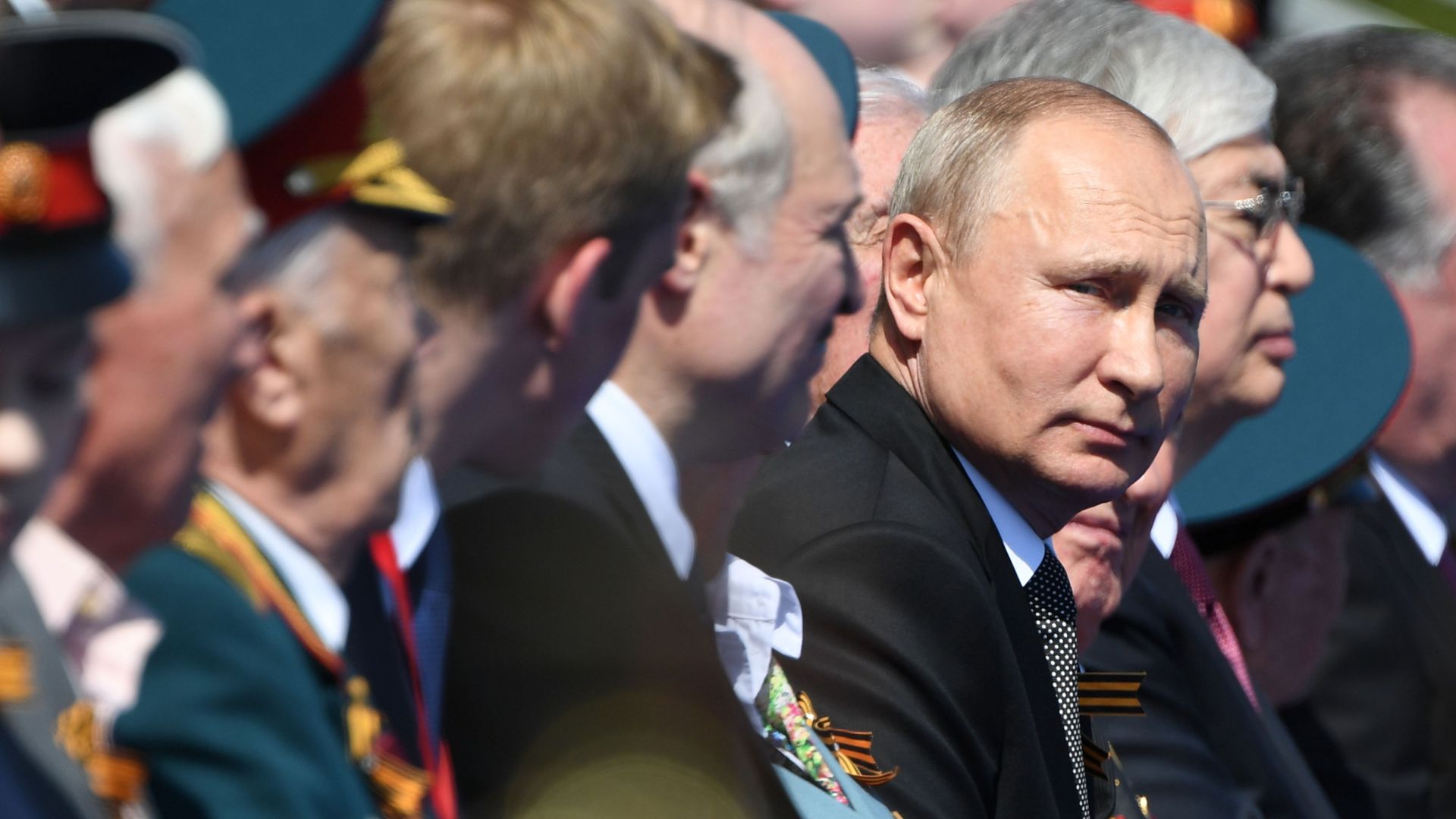
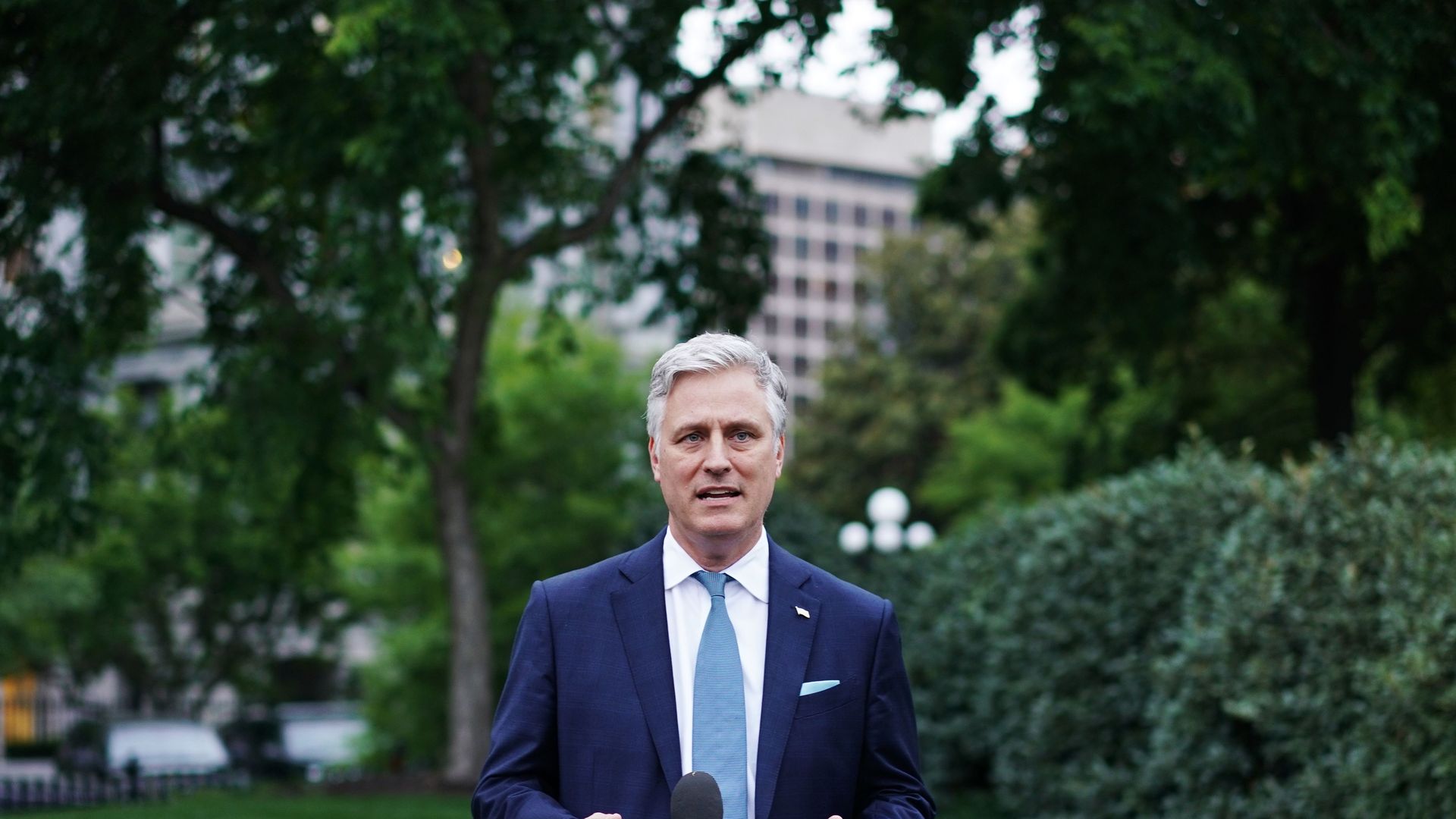
White House national security advisor Robert O'Brien gave a searing speech in Phoenix, Arizona on Wednesday, in which he criticized the Chinese Communist Party's totalitarian vision for China and its growing influence around the world.
Why it matters: This is the first in a string of speeches on China from top Trump administration officials. It highlights the administration's emphasis on China as a campaign issue, but also stems from bipartisan concern about the growing power of the world's largest authoritarian country.
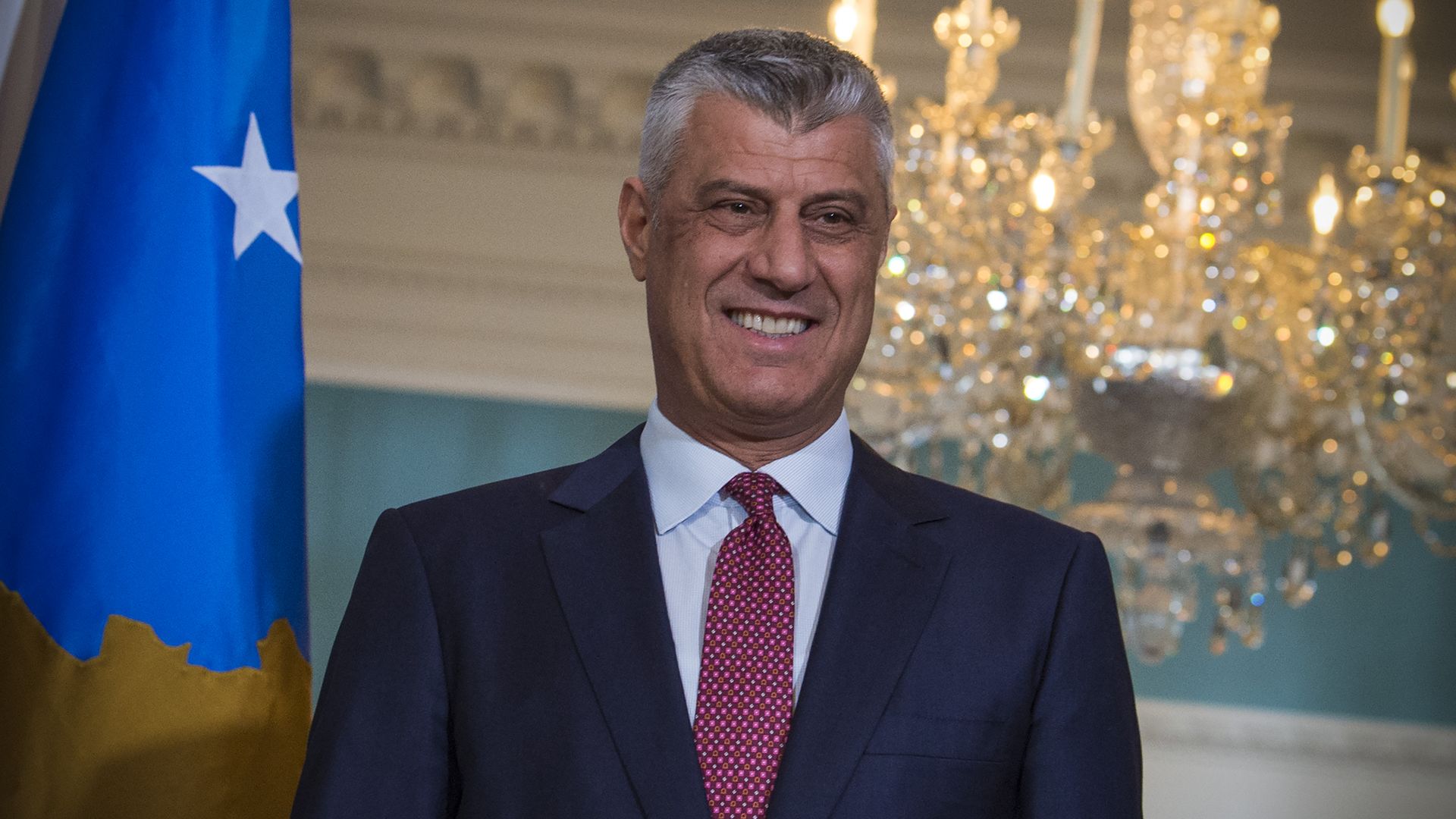
Kosovo's president, Hashim Thaci, has cancelled a visit to the White House this weekend after being charged with war crimes "including murder, enforced disappearance of persons, persecution and torture" by prosecutors in the Hague.
Driving the news: The White House meeting is part of an effort by the Trump administration to achieve a diplomatic breakthrough between Serbia and Kosovo. It will be led by Serbian President Aleksandar Vučić and Kosovo Prime Minister Avdullah Hoti, according to President Trump’s envoy for dialogue between the countries, Richard Grenell.
National security concerns drove a recent bipartisan Senate vote to crack down on Chinese companies that can hide their books from U.S. regulators even though they are publicly traded on U.S. exchanges, according to interviews with six current and former US. officials.
The big picture: The Holding Foreign Companies Accountable Act, which the Senate passed May 20, targets fraud and aims to promote transparency. But U.S. officials are also hoping to uncover hidden links between these companies and the Chinese government.
Even while still living in the midst of the coronavirus pandemic, we're starting to see the long-term effects of lost schooling, curtailed travel and shuttered businesses.
Why it matters: The U.S. will see some $7.9 trillion in lost economic growth through this decade, according to the Congressional Budget Office. The World Bank, meanwhile, predicts global gross domestic product will shrink by 5.2% in 2020 alone — nearly three times as much as the 2009 recession.
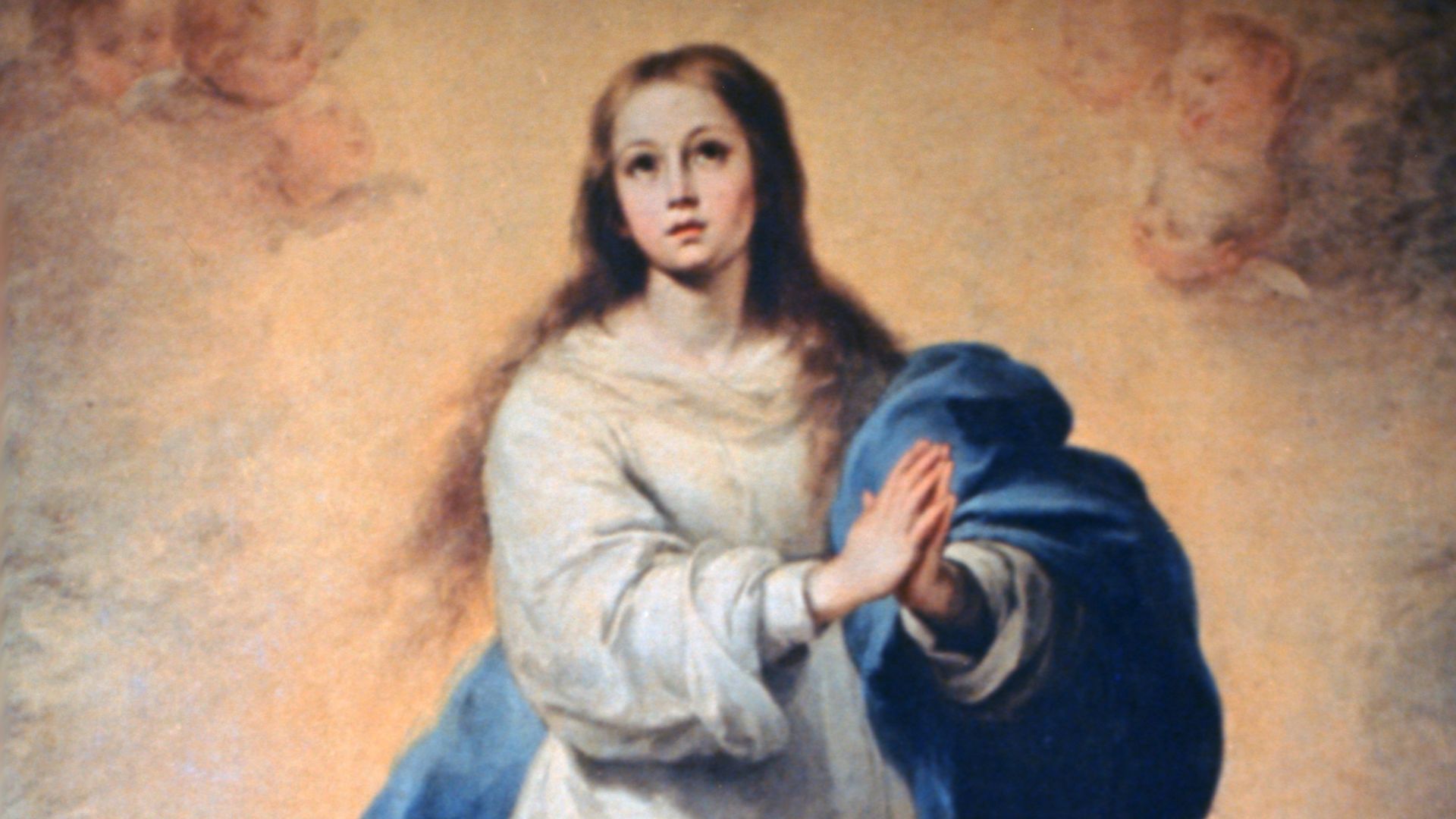
Spain's Professional Association of Restorers and Conservators issued a statement on Tuesday calling for tighter regulations after another Spanish artwork was disfigured during restoration, warning "part of our heritage is disappearing by these disastrous actions."
Details: In the latest example, the unnamed owner of the copy of Baroque artist Bartolomé Esteban Murillo's "The Immaculate Conception of Los Venerables" paid €1,200 ($1,350) for it to be cleaned by a furniture restorer, according to Europa Press. The images below show the results of two attempts to fix the botched job.