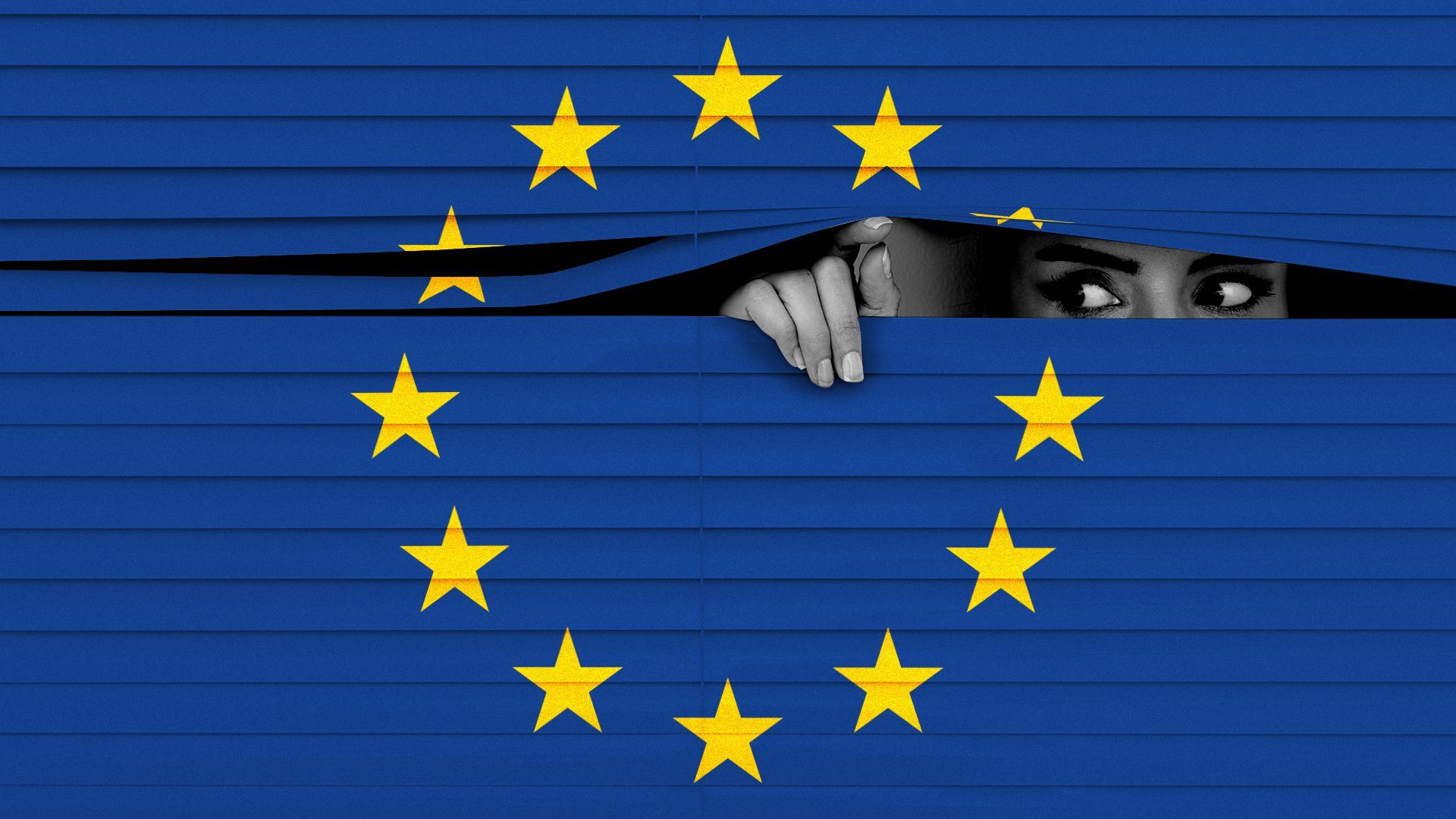
Europe led much of the world into lockdown, but countries across the continent are now tiptoeing out.
Why it matters: Austria, Denmark, Italy and Spain relaxed some measures this week, while Germany and France unveiled staged reopening plans. The U.S., India and other locked-down countries will be watching closely as they consider their own exit strategies.
The United States will give $5 million in humanitarian assistance to help hospitals in the West Bank cope with the coronavirus outbreak, U.S. ambassador to Israel David Friedman announced in a tweet on Thursday.
Why it matters: Over the last three years, the Trump administration cut almost all civilian and humanitarian aid to the Palestinians — worth around $500 million per year. The only assistance that continued was to the Palestinian security forces. This is the first time the Trump administration has renewed aid to the Palestinians.
The big picture: Abe faced criticism for holding off on stricter measures because of possible damage to the economy. Roughly 80% of the public feels the response came too late, the Wall Street Journal writes, citing a Kyodo News poll.
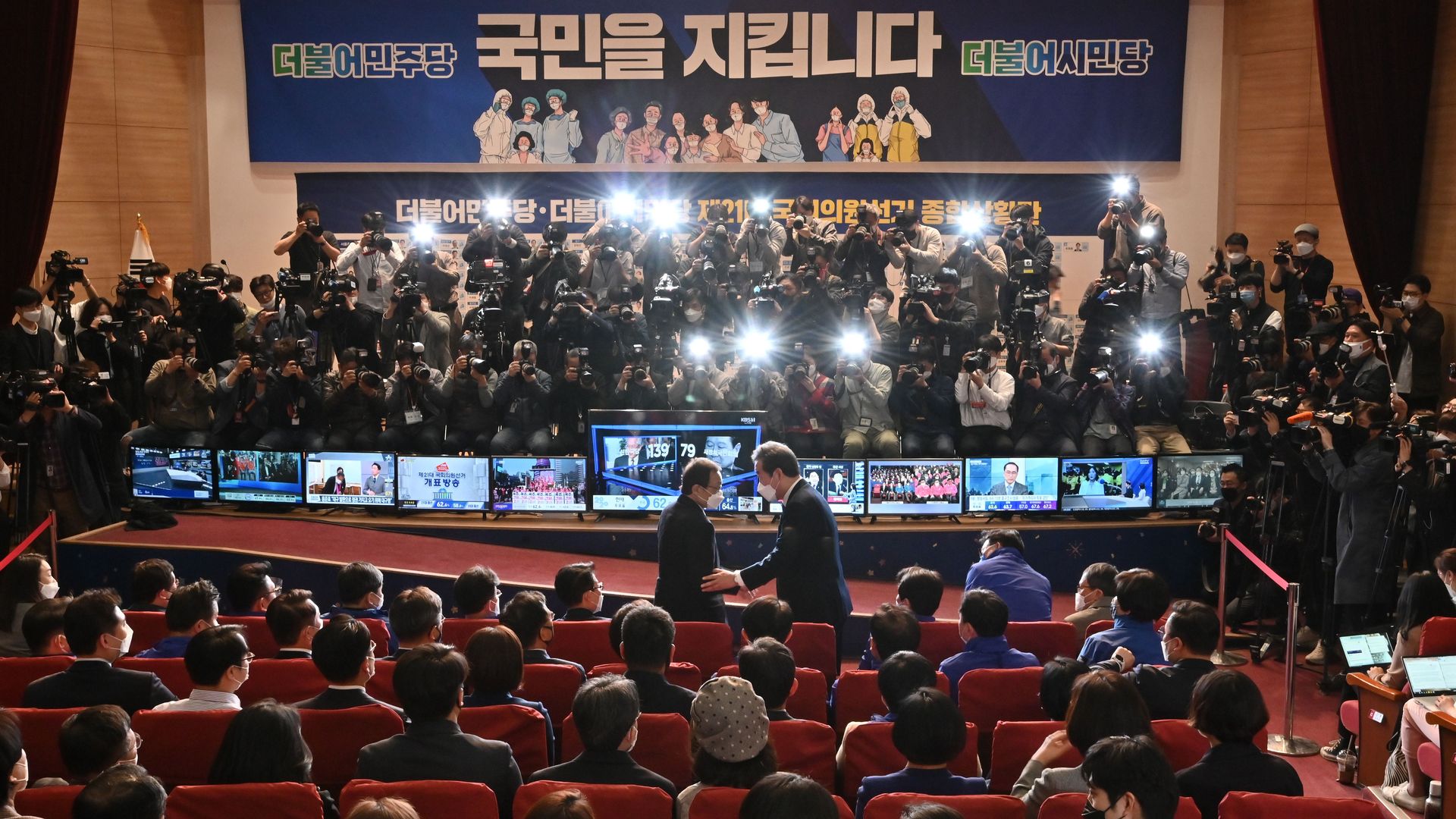
South Korean President Moon Jae-in's left-leaning ruling party won the largest majority of seats in 30 years in parliamentary elections on Wednesday, per the New York Times.
The big picture: The country's election marked the first national poll held worldwide since the novel coronavirus was declared a pandemic. Voters casting ballots in-person were required to wear face masks and have their temperatures checked, following record-high early voting participation, AP reports.
Russia has staged a test of an anti-satellite weapons system that could take out spacecraft in low Earth orbit, according to a statement from U.S. Space Command today.
Why it matters: The move further escalates tensions between the U.S. and Russia when it comes to military uses of outer space.
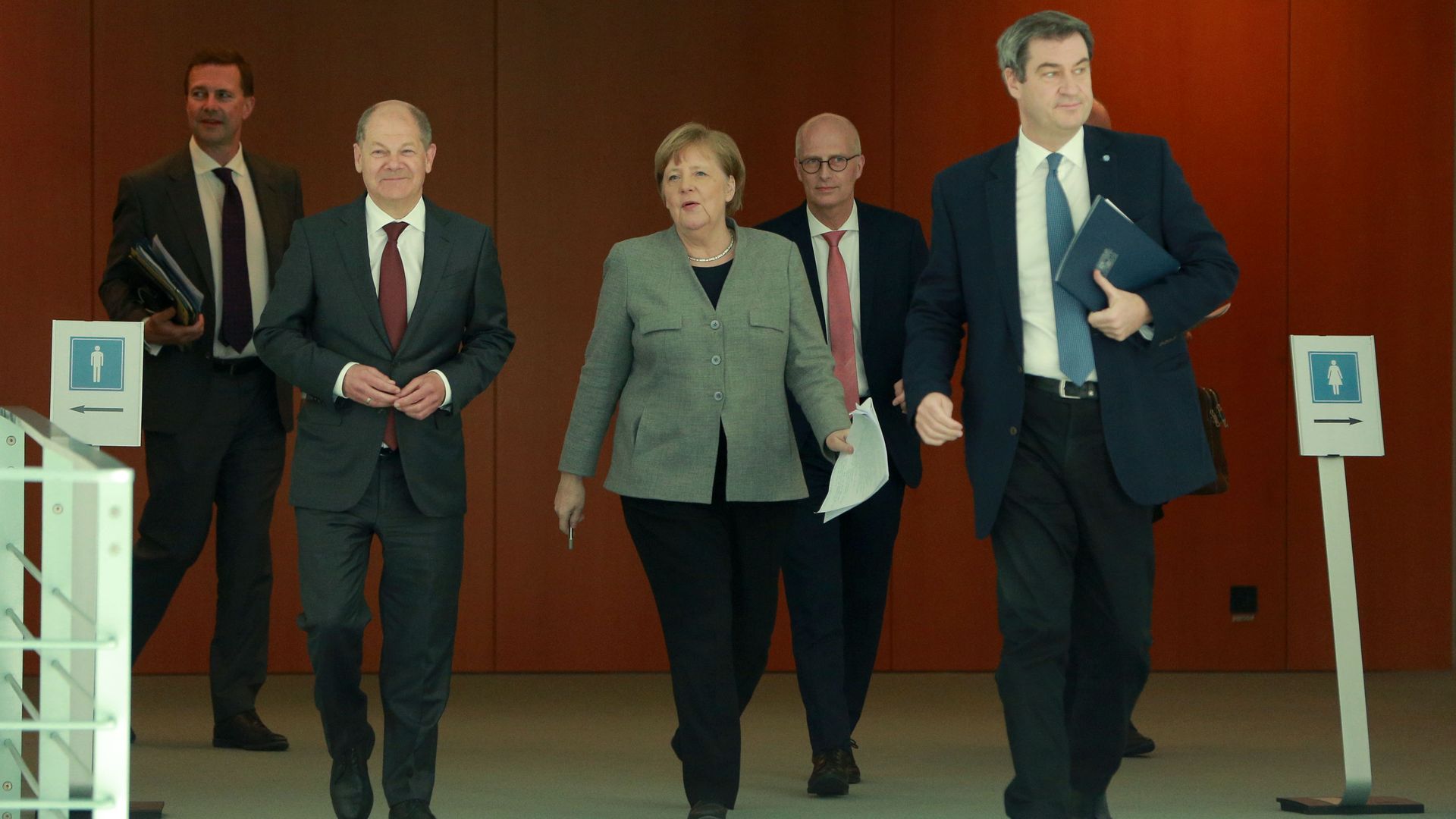
Germany will begin a "gradual" and "very careful" loosening of its coronavirus lockdown next week, though social distancing rules will remain in place through at least May 3, Chancellor Angela Merkel said Wednesday.
Where things stand: After previously rebuffing calls for a plan to reopen the economy, Merkel laid out a general roadmap as much of Europe remains locked down.
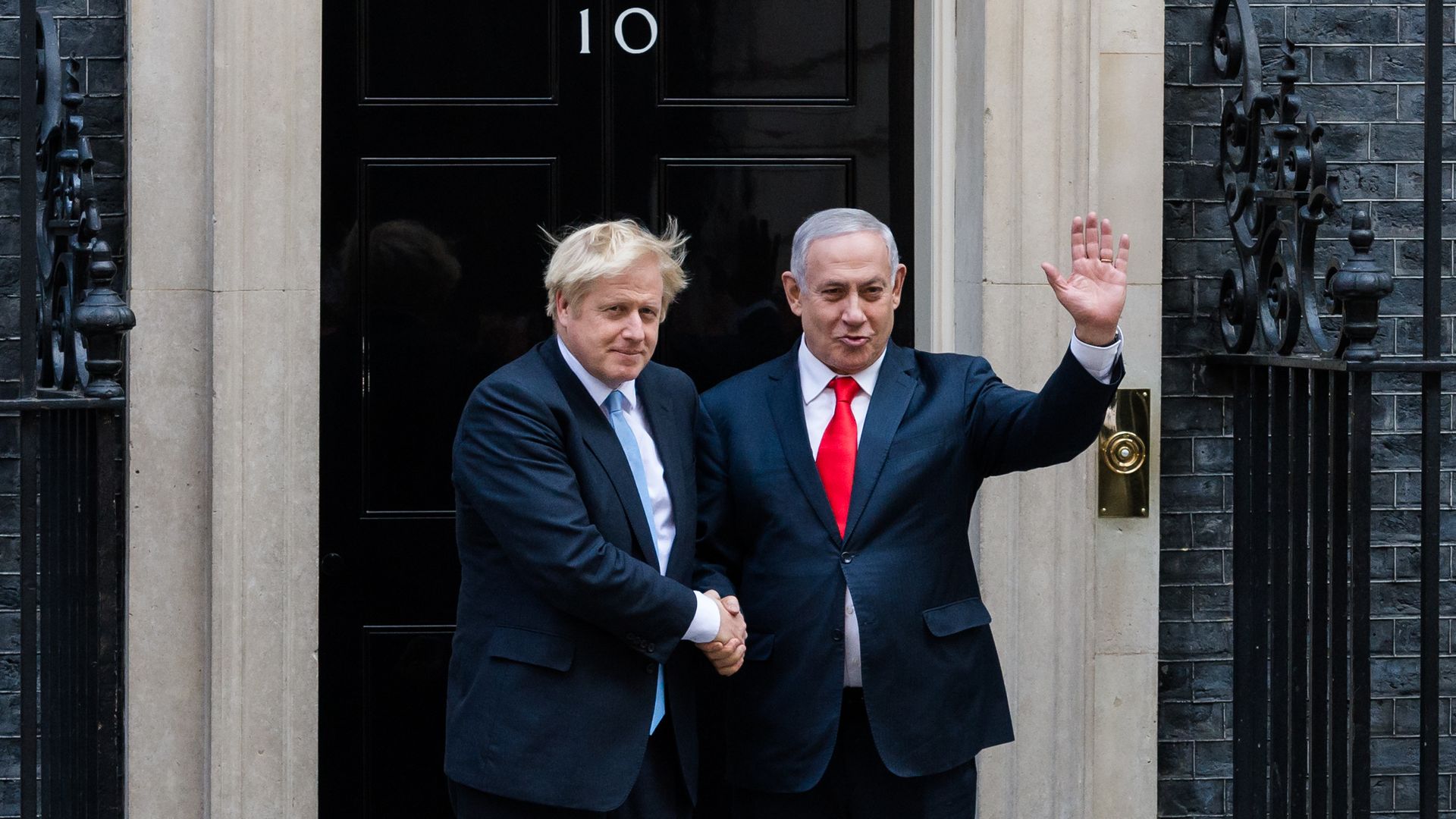
Israeli Prime Minister Benjamin Netanyahu rejected a request from U.K. Foreign Secretary Dominic Raab to allow ventilators to be exported from Israel to the U.K., Israeli officials tell me.
Why it matters: The U.K. is one of Israel's closest allies, and it's facing one of the world's worst coronavirus outbreaks. Raab made the request last week while deputizing for Prime Minister Boris Johnson, who was hospitalized with severe coronavirus symptoms but has since been released.
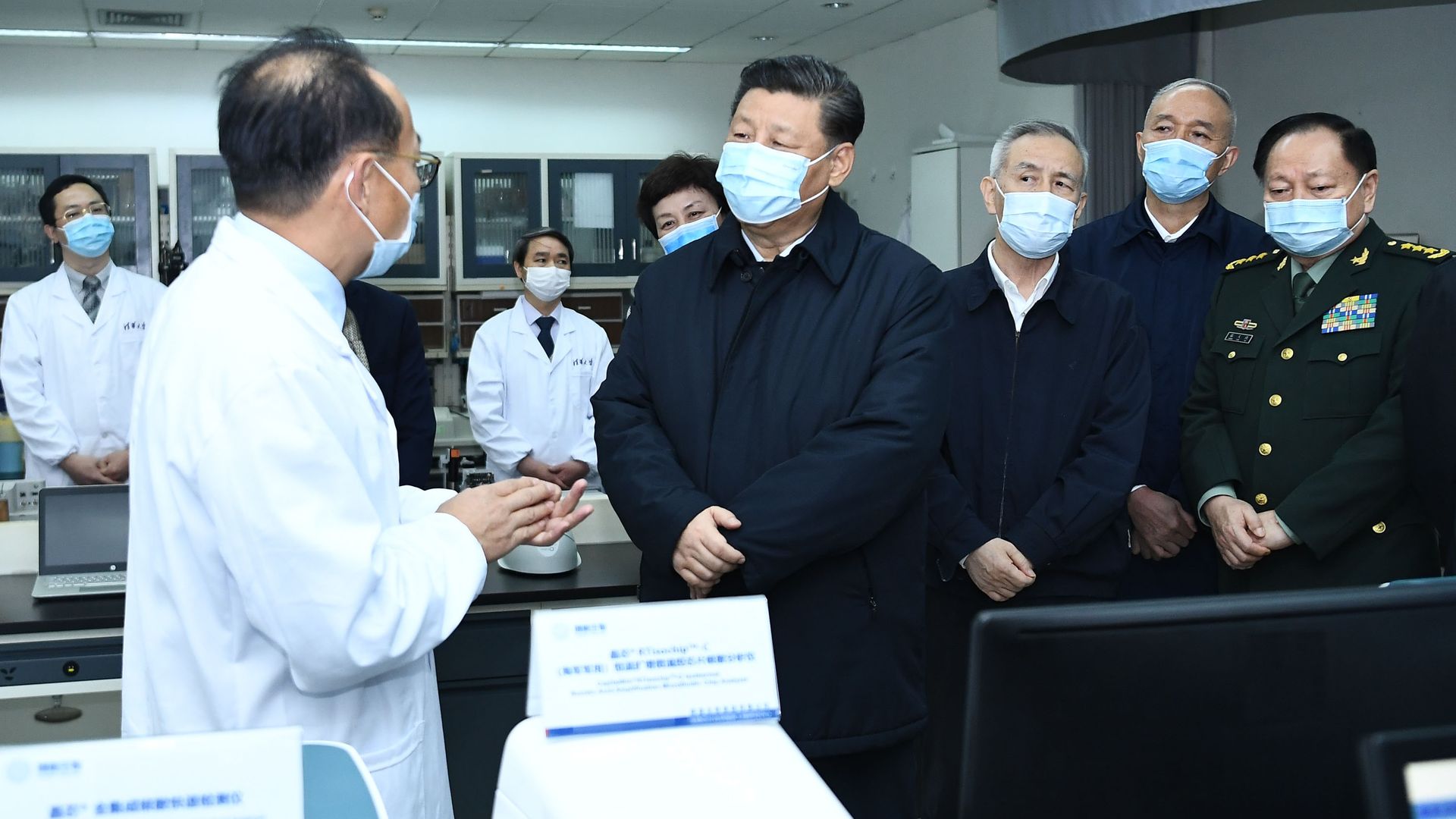
We've all heard of China's Belt and Road Initiative (BRI), which I have described as a growing global network of "Chinese-led, largely opaque alternatives to Western-led institutions and global norms."
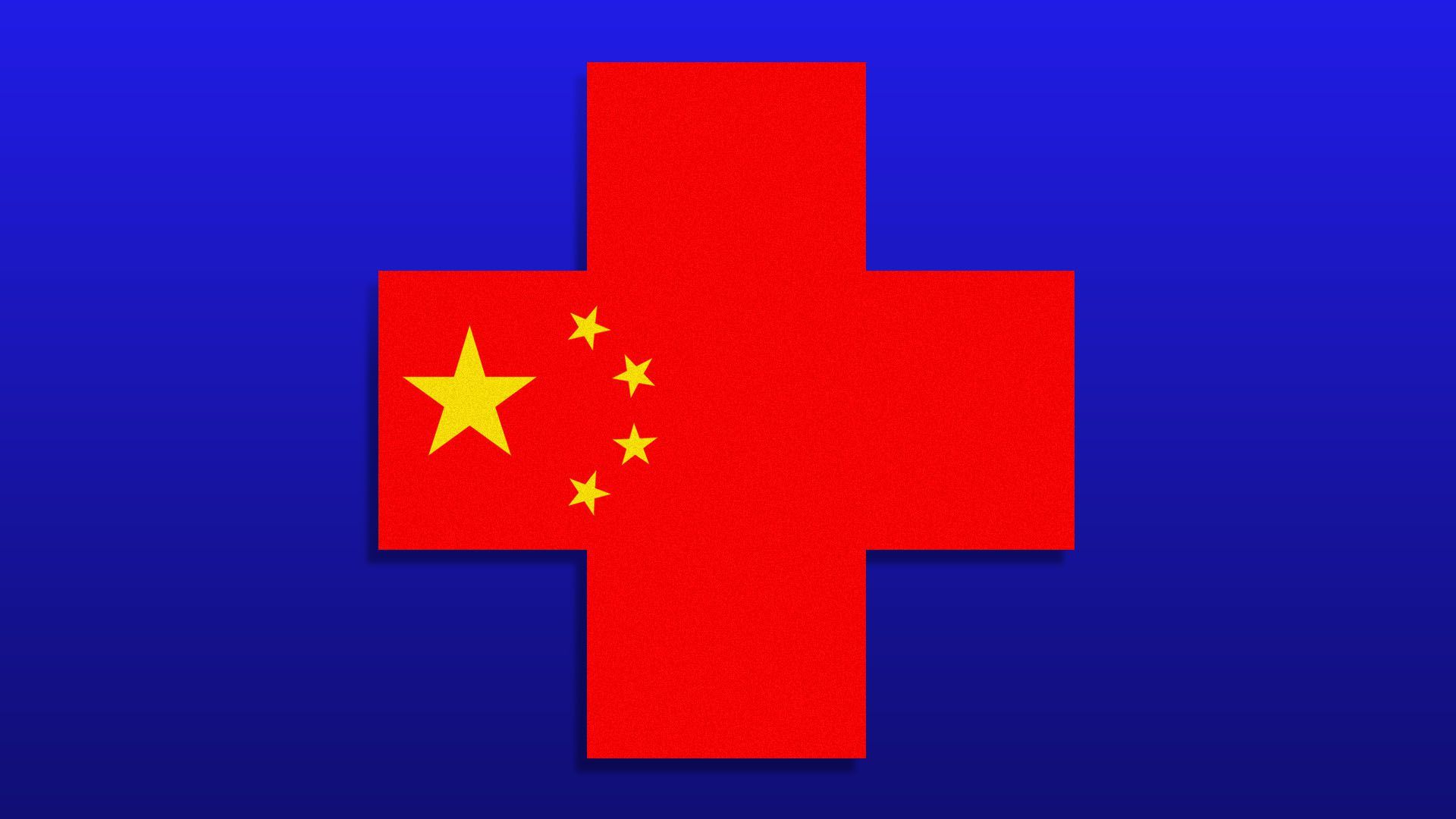
Yes, but: Western observers have tended to ignore a BRI-linked initiative that Chinese President Xi Jinping has recently touted — the "Health Silk Road" (健康丝绸之路).
President Trump announced yesterday that the U.S. would suspend funding for the World Health Organization, pending a review. Rising scrutiny of the WHO, and especially the perception that China wields strong influence over it, has led GOP leaders to call for funding cuts.
Why it matters: The U.S. is by far the largest single contributor to the WHO. In 2018–2019, according to information on the WHO website, the U.S. provided 14.67% of the WHO's total funding, whereas China provided just 0.21%.
African nations are expressing concern about abusive and discriminatory treatment of Nigerians, Kenyans and other African citizens living and working in the southern Chinese city of Guangzhou.
Why it matters: This is the latest public relations disaster for China amid its widespread propaganda campaign to recast itself as a global health leader, rather than as the origin of a global pandemic.
World Health Organization Director-General Tedros Adhanom Ghebreyesus said at a press briefing Wednesday that he "regrets" President Trump's decision to halt U.S. funding, pointing out that the coronavirus is not the only health crisis that the group works to combat.
The big picture: Tedros said the WHO is reviewing the impact that the withdrawal of U.S. funding will have on its operations, adding that the agency will work with its partners "to fill any financial gaps we face and to ensure our work continues uninterrupted." He also said that the agency's controversial response to the pandemic will be reviewed "in due course."
The Chinese government failed to warn the public for days about the seriousness of the coronavirus outbreak in Wuhan after officials secretly concluded on Jan. 14 that they likely were facing a pandemic, according to documents reviewed by the AP.
Why it matters: Chinese President Xi Jinping finally warned the public on Jan. 20, but millions of people had already begun traveling across the country to attend Lunar New Year celebrations.
As the U.S. embraces President Trump's "America First" mantra and steps away from its traditional global leadership role, China is aggressively looking to fill the void but has so far come up short.
Why it matters: The coronavirus pandemic desperately needs a united global response, but the U.S. and China are instead upping the ante in a battle for global supremacy that could leave both countries in a worse position.
French President Emmanuel Macron said Wednesday he's gotten the agreement of President Trump and the leaders of two other United Nations Security Council permanent members to back a UN call for a global ceasefire so the world can overcome the coronavirus.
Why it matters: It would be a rare sign of global unity in the current climate, after Trump announced he's halting U.S. funding to UN subsidiary the World Health Organization for 60 to 90 days over its "very China-centric" handing of the pandemic — prompting criticism from UN chief António Guterres.





/2020/04/15/1586985646723.gif?w=3840)





/2020/04/15/1586909310248.gif?w=3840)