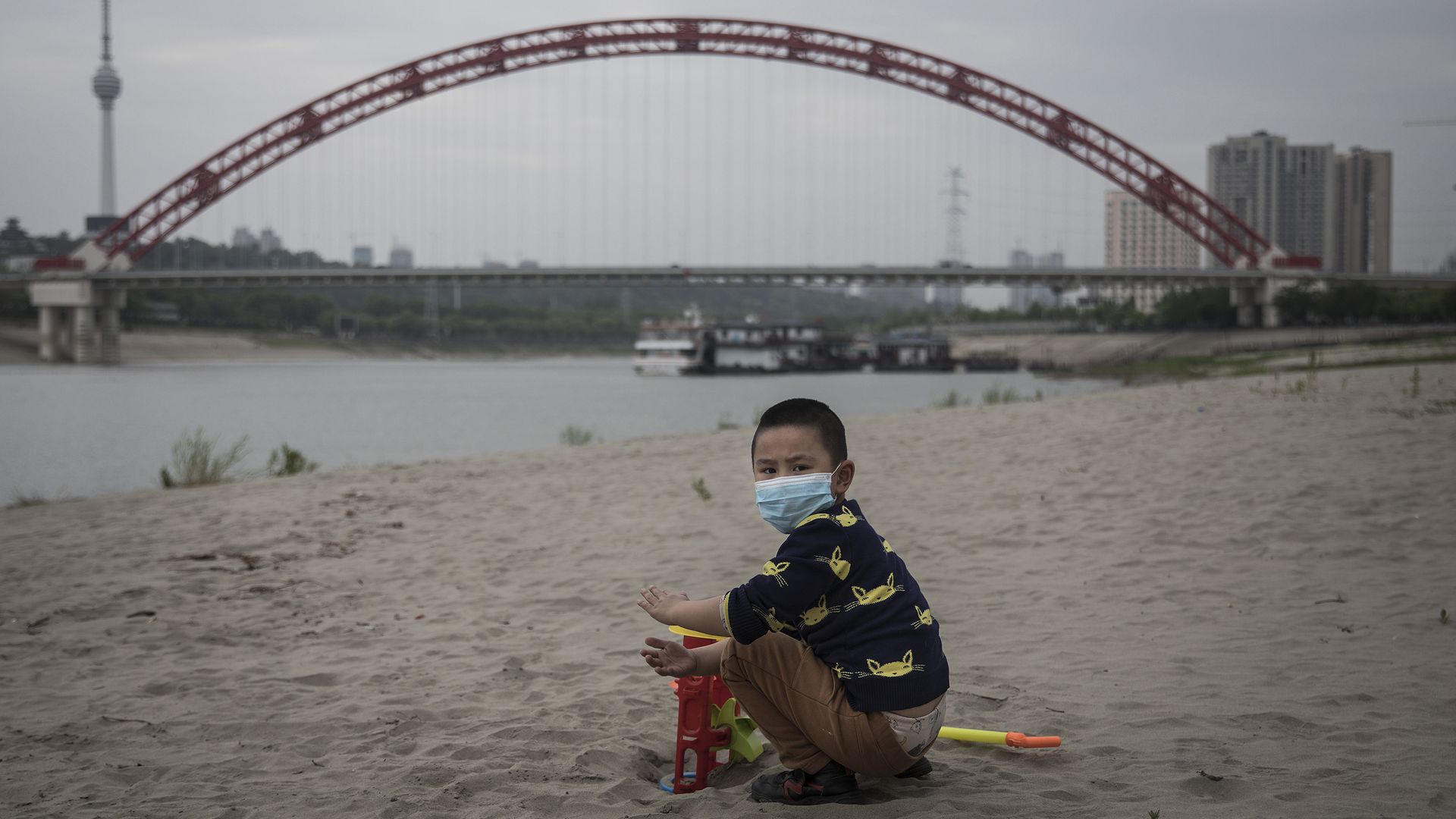
Millions of children around the world are endangered by the coronavirus pandemic, despite being a low-risk age group to contract COVID-19, the United Nations warned in a report released this week.
The big picture: Lack of schooling, poverty caused by lost family income, malnourishment, and risk of abuse while staying at home all pose dangers to children during the crisis.
Some European countries are attempting to reopen parts of their economies, and the rest of the world is watching for successes and failures. Dan digs in with Axios' Dave Lawler.
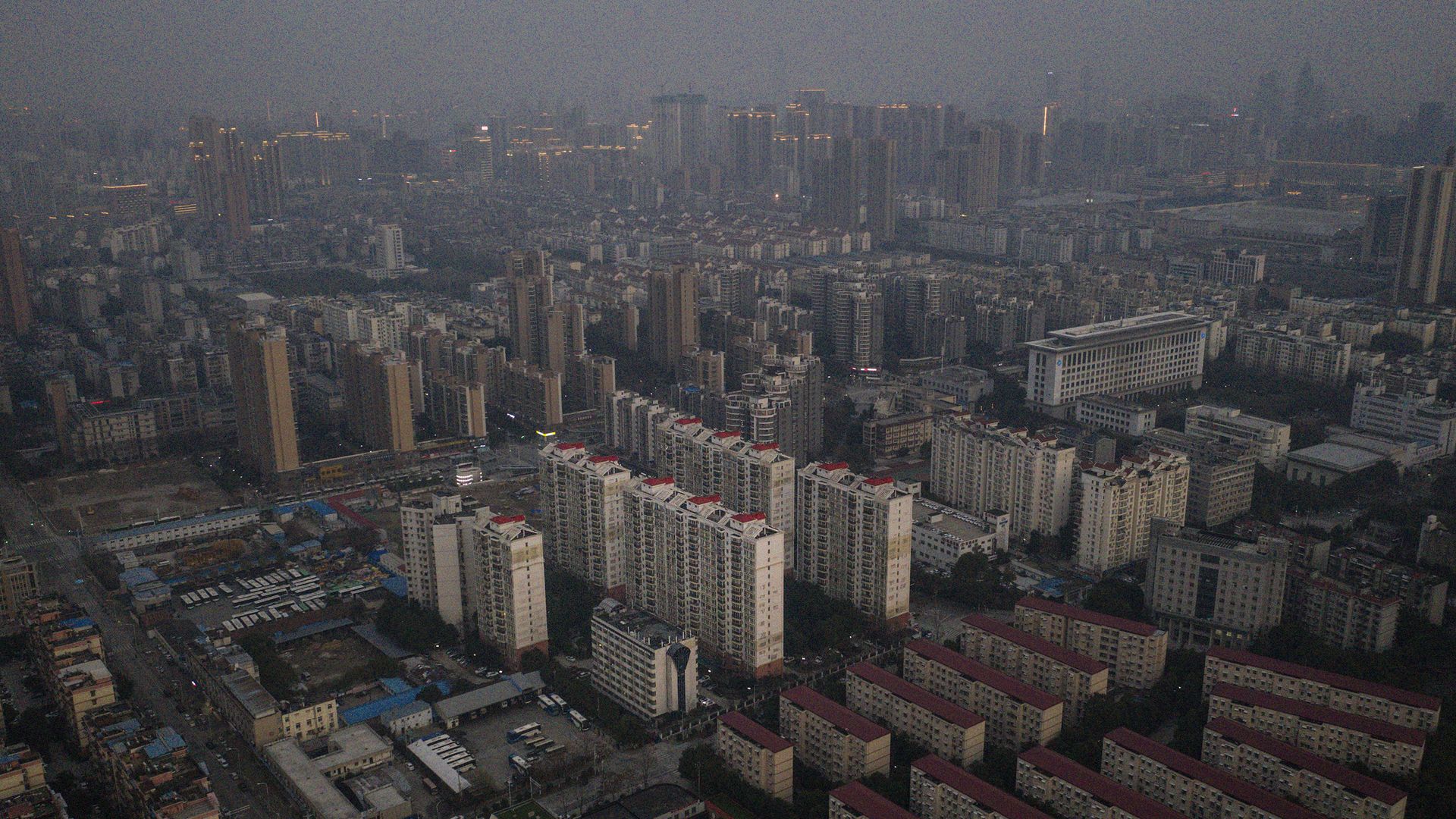
At least 50% more people died in China's coronavirus epicenter of Wuhan than previously announced, with the death toll jumping from 2,579 to 3,869, official state media admitted Friday, AP reports.
Why it matters: China's numbers have come under fierce criticism. The change shows that Beijing is likely responding to both domestic and international pressure regarding how it evaluates the number of dead in Wuhan.
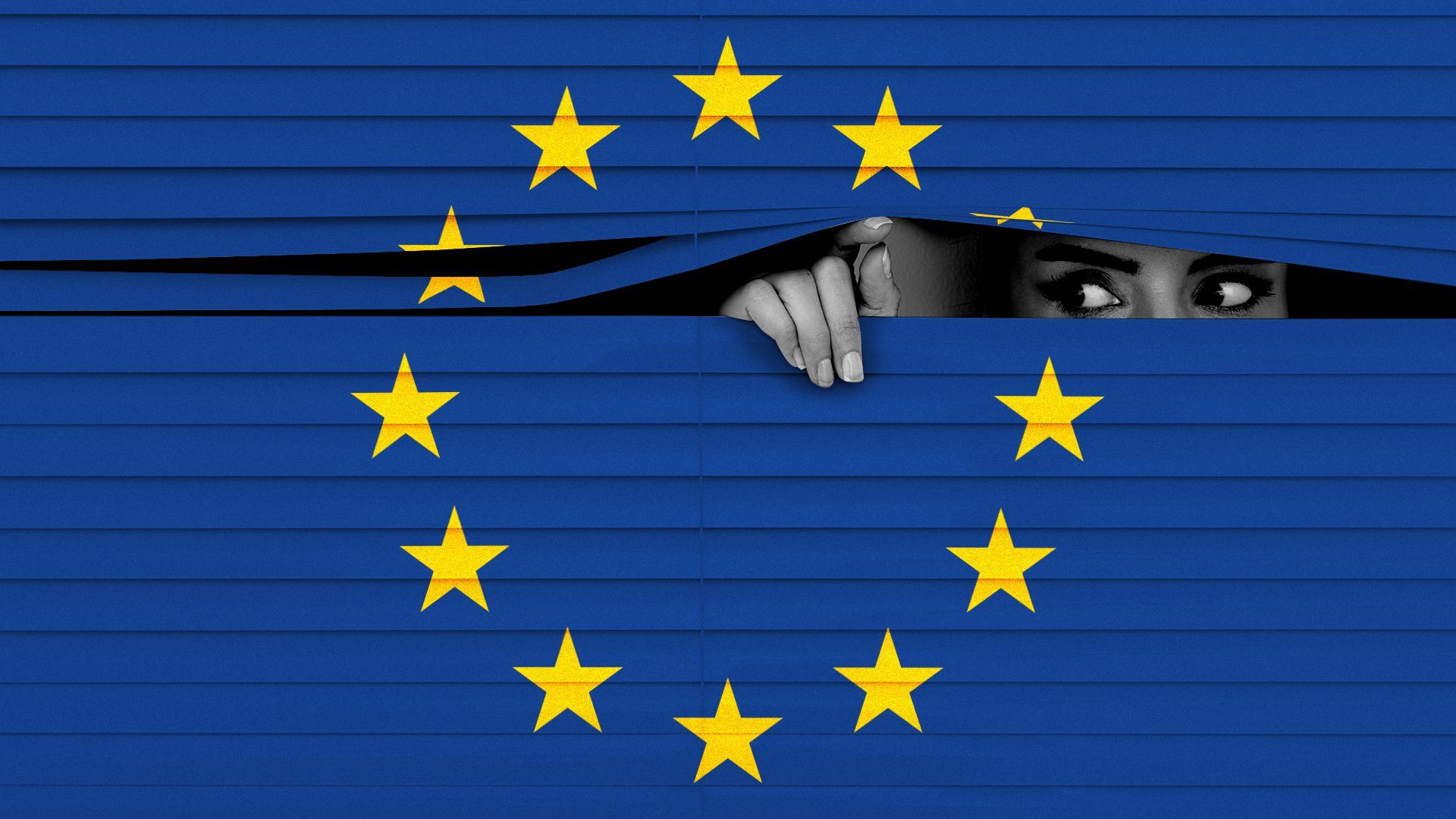
Europe led much of the world into lockdown, but countries across the continent are now tiptoeing out.
Why it matters: Austria, Denmark, Italy and Spain relaxed some measures this week, while Germany and France unveiled staged reopening plans. The U.S., India and other locked-down countries will be watching closely as they consider their own exit strategies.
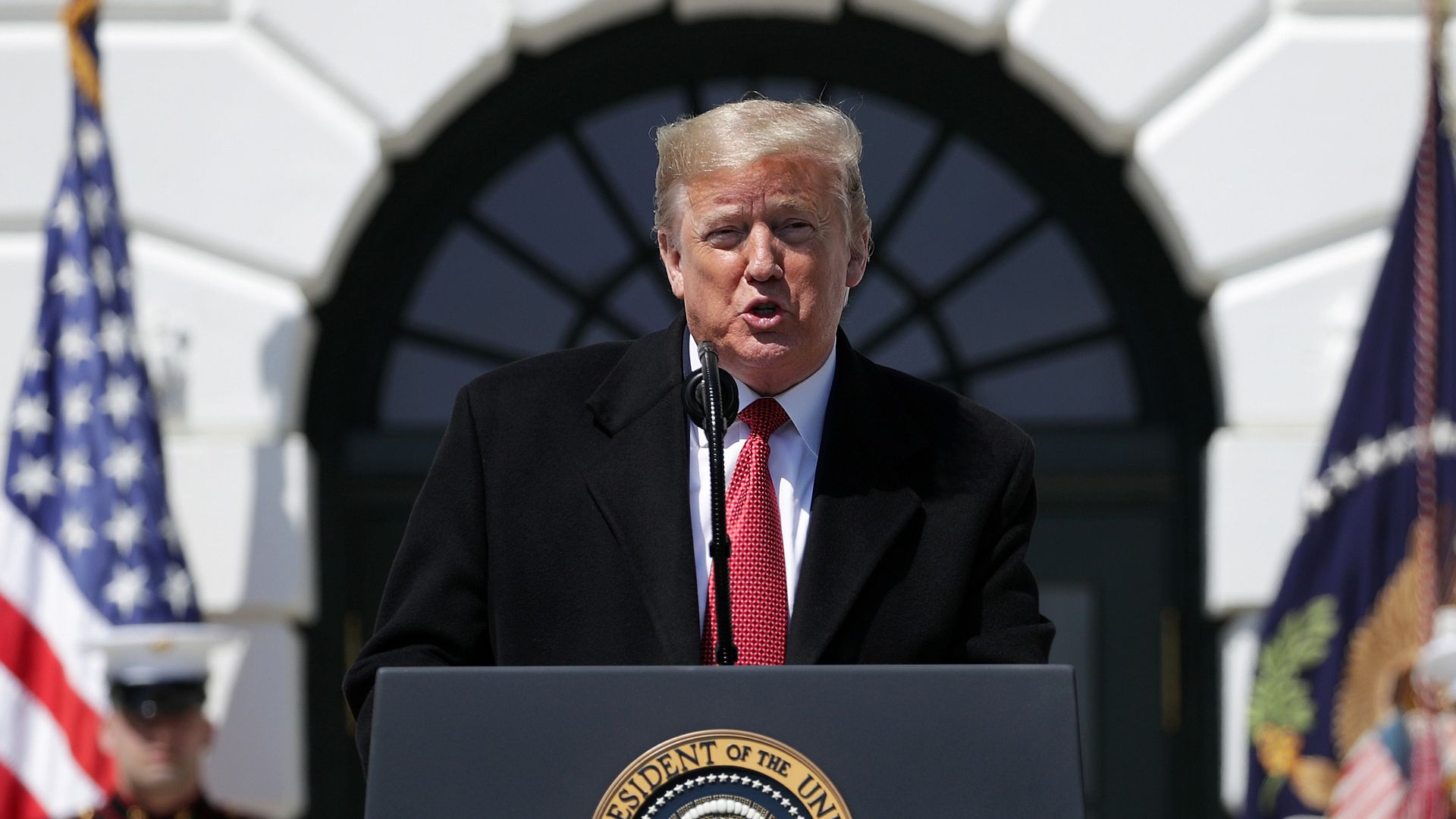
The United States will give $5 million in humanitarian assistance to help hospitals in the West Bank cope with the coronavirus outbreak, U.S. ambassador to Israel David Friedman announced in a tweet on Thursday.
Why it matters: Over the last three years, the Trump administration cut almost all civilian and humanitarian aid to the Palestinians — worth around $500 million per year. The only assistance that continued was to the Palestinian security forces. This is the first time the Trump administration has renewed aid to the Palestinians.
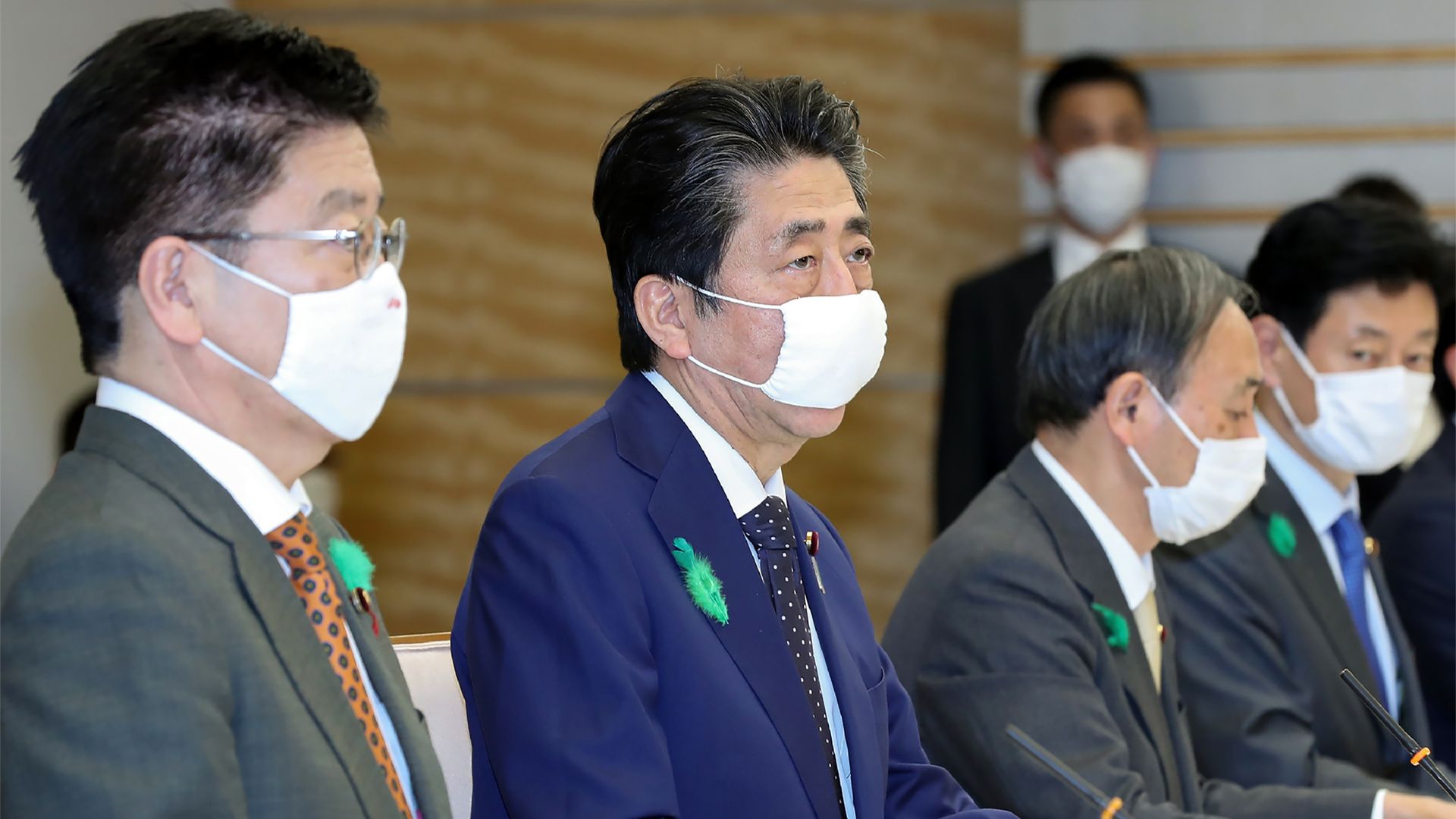
The big picture: Abe faced criticism for holding off on stricter measures because of possible damage to the economy. Roughly 80% of the public feels the response came too late, the Wall Street Journal writes, citing a Kyodo News poll.
South Korean President Moon Jae-in's left-leaning ruling party won the largest majority of seats in 30 years in parliamentary elections on Wednesday, per the New York Times.
The big picture: The country's election marked the first national poll held worldwide since the novel coronavirus was declared a pandemic. Voters casting ballots in-person were required to wear face masks and have their temperatures checked, following record-high early voting participation, AP reports.