At least 10 people are dead after a mass shooting in Nova Scotia, Canada, that began Saturday night, the Washington Post reports.
The state of play: The 51-year-old male suspect is also reported to be dead after a lengthy manhunt that ended on Sunday afternoon. One of the victims was constable Heidi Stevenson — a 23-year veteran of the Canadian police force. A second member of the force was injured in the line of duty, according to the National Police Federation.
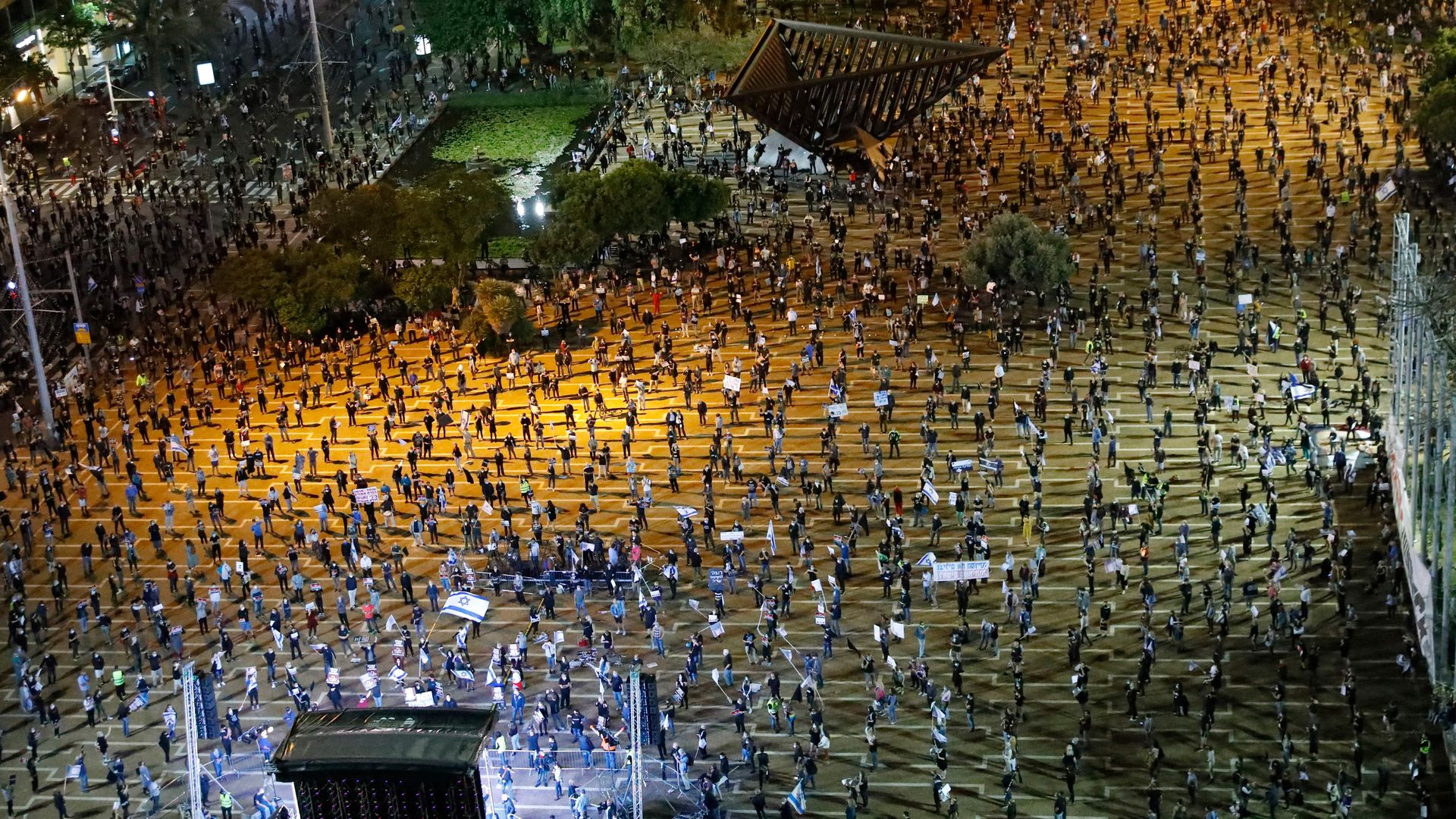
More than 2,000 Israelis stood 6 feet apart in Tel Aviv's Rabin Square on Sunday to protest what they consider the erosion of democracy under the coronavirus-era government of Prime Minister Benjamin Netanyahu, Haaretz reports.
The big picture: The "Black Flag" demonstrations, which began in March, are a response to stringent coronavirus policies that include phone tracking for civilians. Police marked spots on the ground where protesters could stand, and organizers were required to provide participants with masks, Haaretz notes.
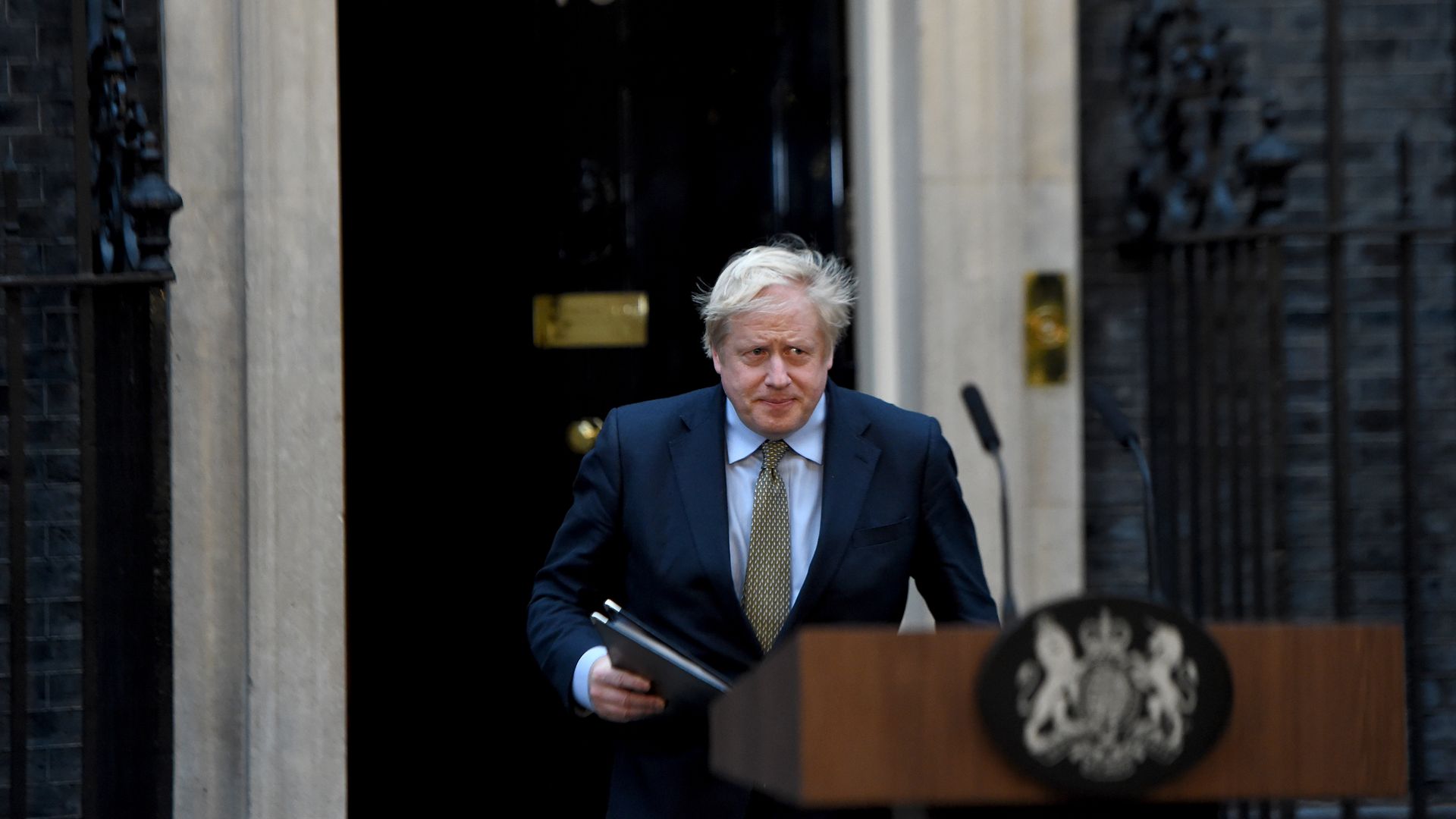
A 5,000-word exposé by the Sunday Times of London — "38 days when Britain sleepwalked into disaster" — finds that Prime Minister Boris Johnson, distracted by personal turmoil and his Brexit victory lap, skipped five early crisis briefings (Cobra meetings) on the coronavirus.
Why it matters: Warnings issued in January and repeated in February fell on "deaf ears," according to the Sunday Times, with the lost time potentially costing thousands of British lives.
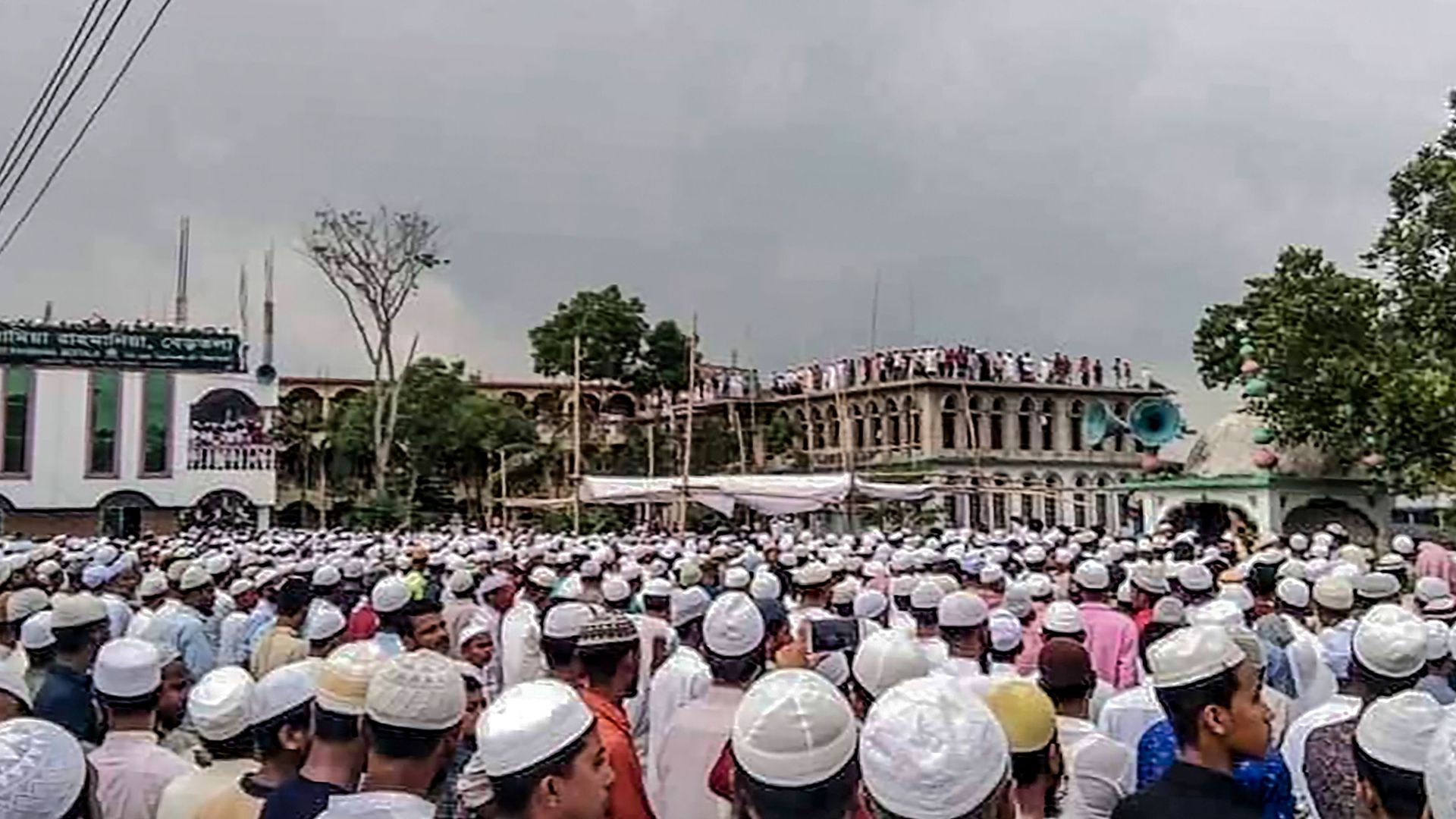
As many as 100,000 people in Bangladesh ignored a nationwide lockdown on Saturday to attend the funeral of Islamist leader Maulana Jubayer Ahmed Ansari without masks or other protective gear, the Dhaka Tribune reports.
Why it matters: Health officials fear the mass gathering could set off a surge in coronavirus cases in a country that is ill-equipped to manage an epidemic. Bangladesh has thus far reported 2,456 cases and 91 deaths from the virus, according to Johns Hopkins University data.
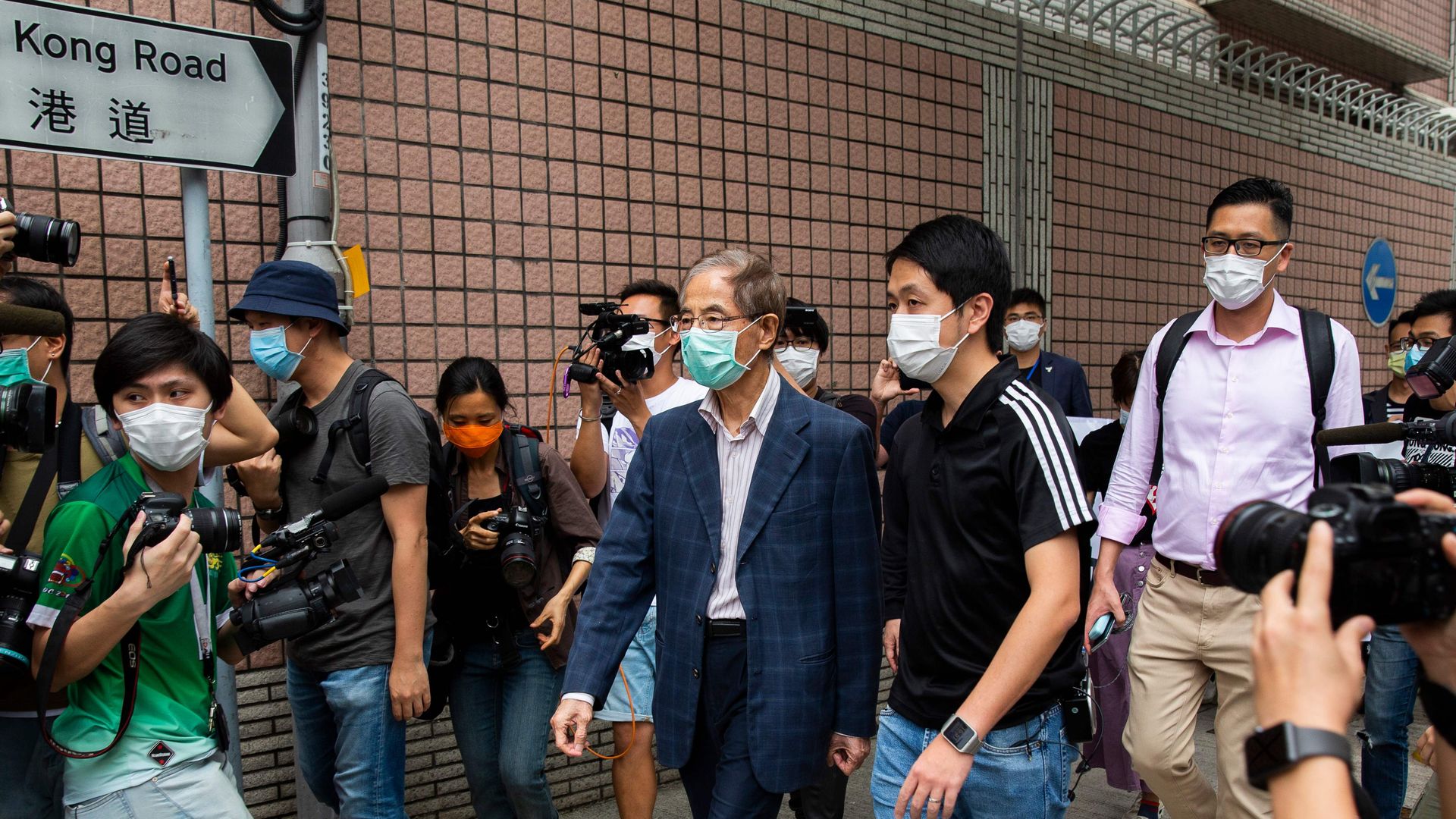
15 prominent Hong Kong activists were arrested Saturday on charges of holding illegal assemblies in August and October related to the massive pro-democracy protests that swept the semi-autonomous Chinese territory last year, per AFP. Media tycoon Jimmy Lai and former lawmaker Martin Lee, 81, were among those arrested.
The big picture: Hours before the arrests, a Chinese government office in the Asian financial hub "declared it is not bound by Hong Kong's constitutional restrictions that bar Chinese government from interfering in local affairs," The Guardian notes. Secretary of State Mike Pompeo tweeted that the arrests were "deeply concerning," noting "politicized law enforcement is inconsistent with universal values of freedom of expression, association, and peaceful assembly."
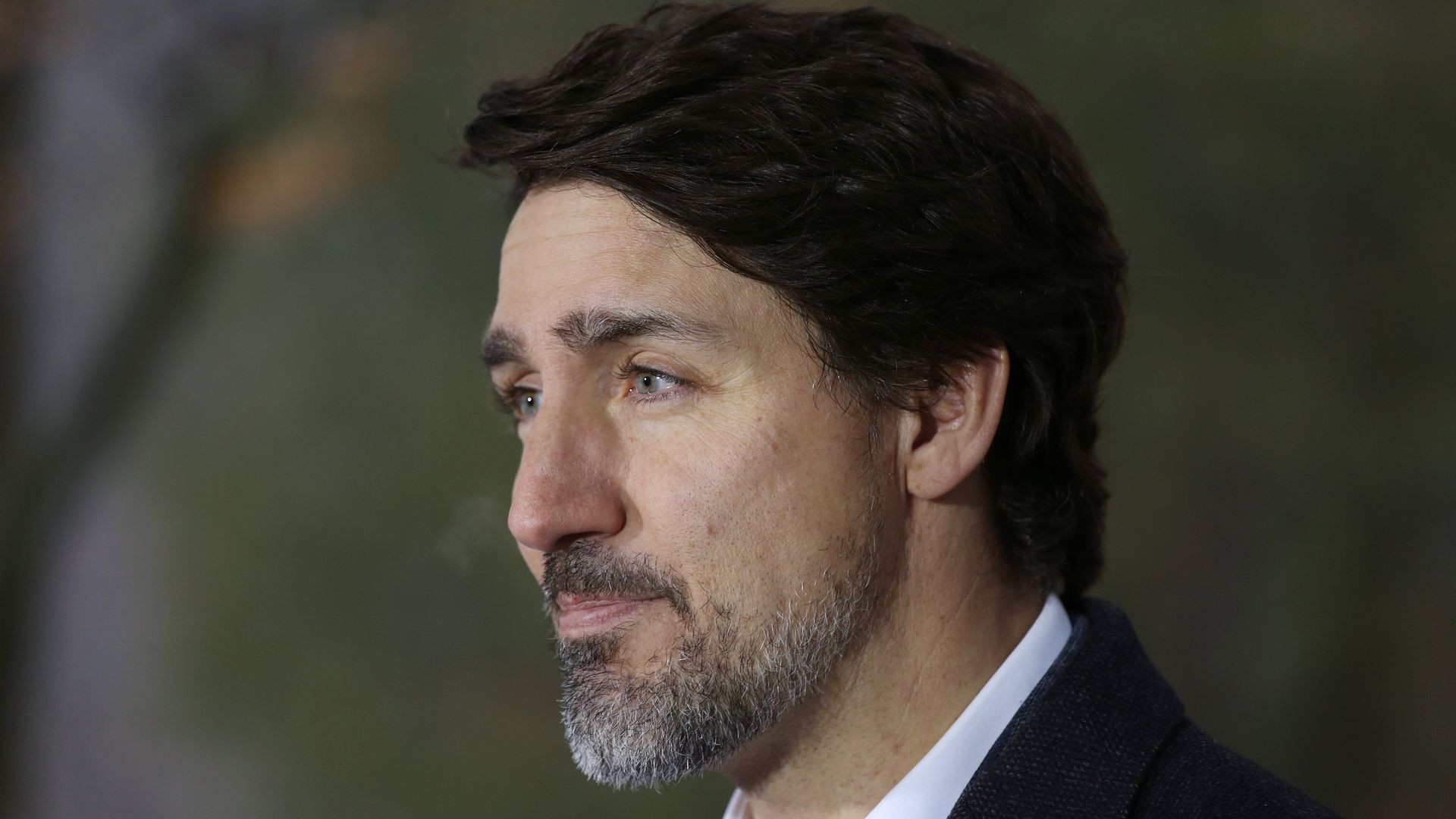
The U.S. and Canada have agreed to maintain border restrictions for 30 more days to combat the novel coronavirus, Prime Minister Justin Trudeau said at a press conference on Saturday.
What's happening: President Trump tweeted on March 18 that the neighboring countries reached a "mutual" decision to close their shared border to "non-essential traffic" in an effort to mitigate the spread of COVID-19.
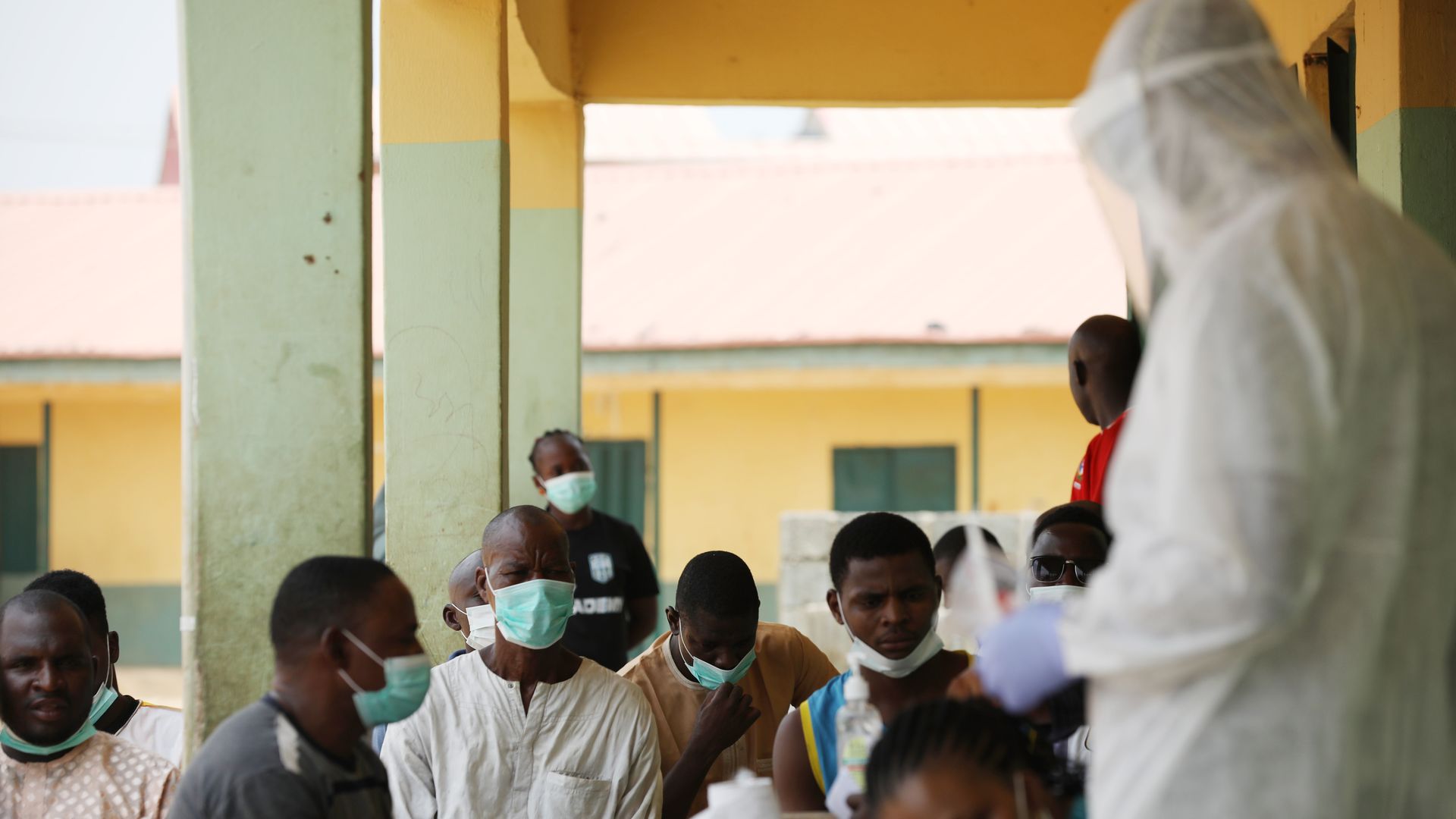
Several countries across Africa are struggling to get basic health supplies and ventilators as the number of coronavirus cases swells — highlighting how unprepared the continent is for the coronavirus pandemic.
Why it matters: The United Nations Economic Commission of Africa estimates that at least 300,000 Africans will die from the virus and 29 million could be pushed into extreme poverty, Reuters notes.
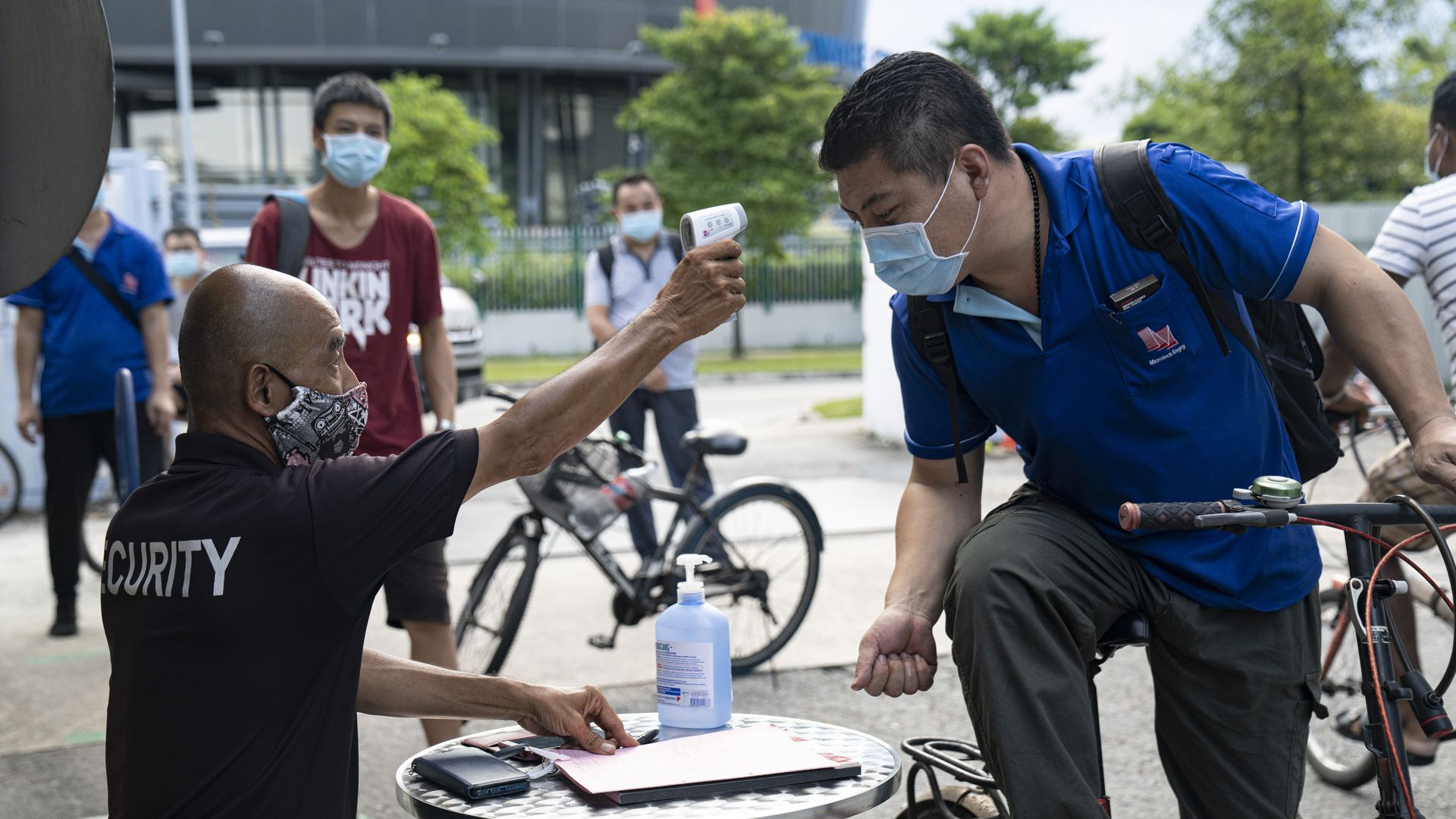
Japan and Singapore were glimmers of hope throughout the coronavirus pandemic, but now both countries are struggling to control the breakout as new waves of infections hit the two countries.
Why it matters: The new wave of outbreaks highlights holes in their health systems and response strategies.