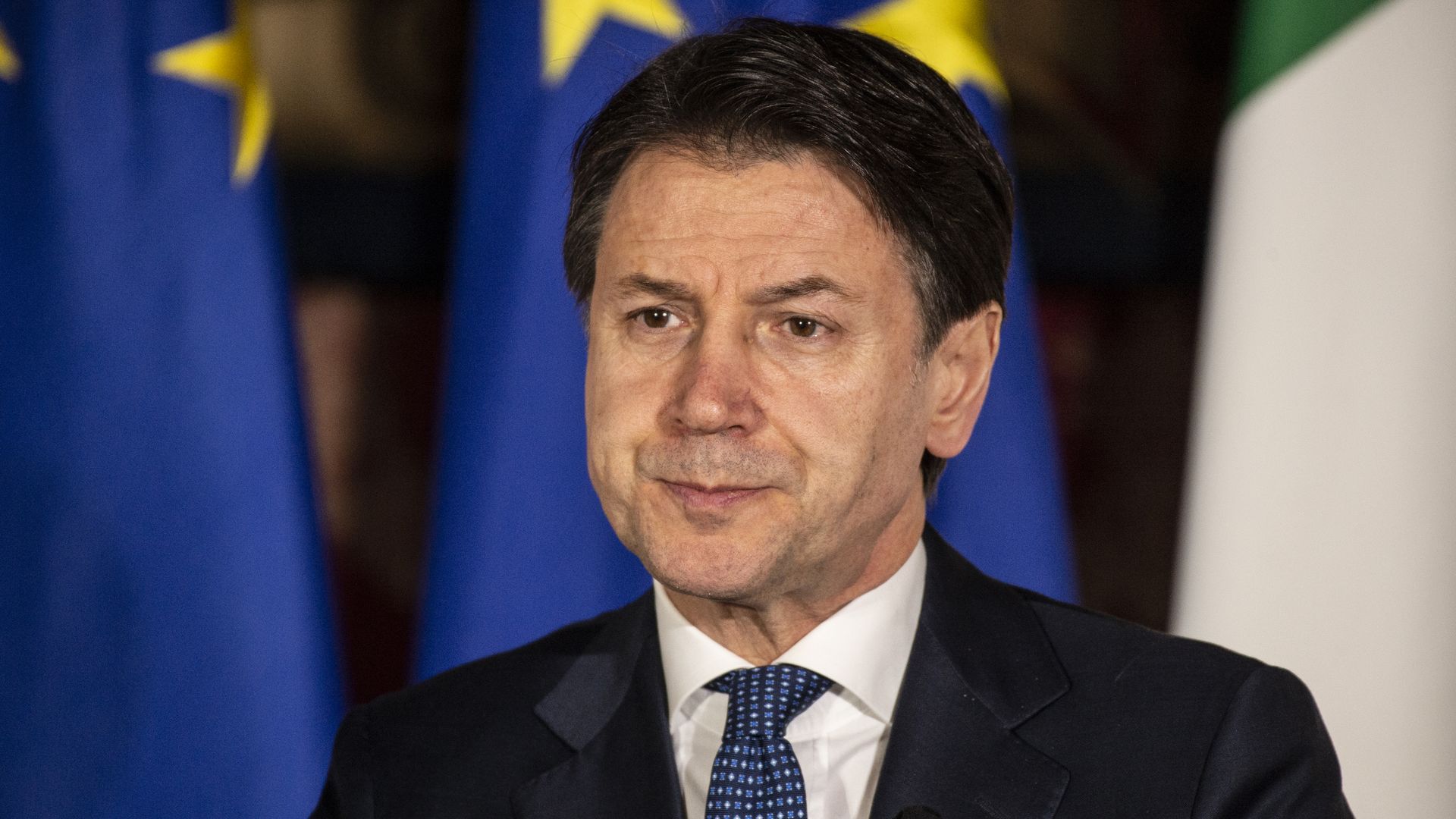
Italy's Prime Minister Giuseppe Conte said Wednesday that the country's retailers and businesses, other than pharmacies and grocers that sell "essential items," will close as the country responds to the novel coronavirus, AP reports.
Why it matters: It's the most extreme measure any nation other than China has taken to stem the rapidly spreading virus. With more than 12,000 cases and 827 deaths, Italy has had the worst outbreak outside of China. On Monday, Conte announced that the government extended internal travel restrictions to the entire country through April 3.
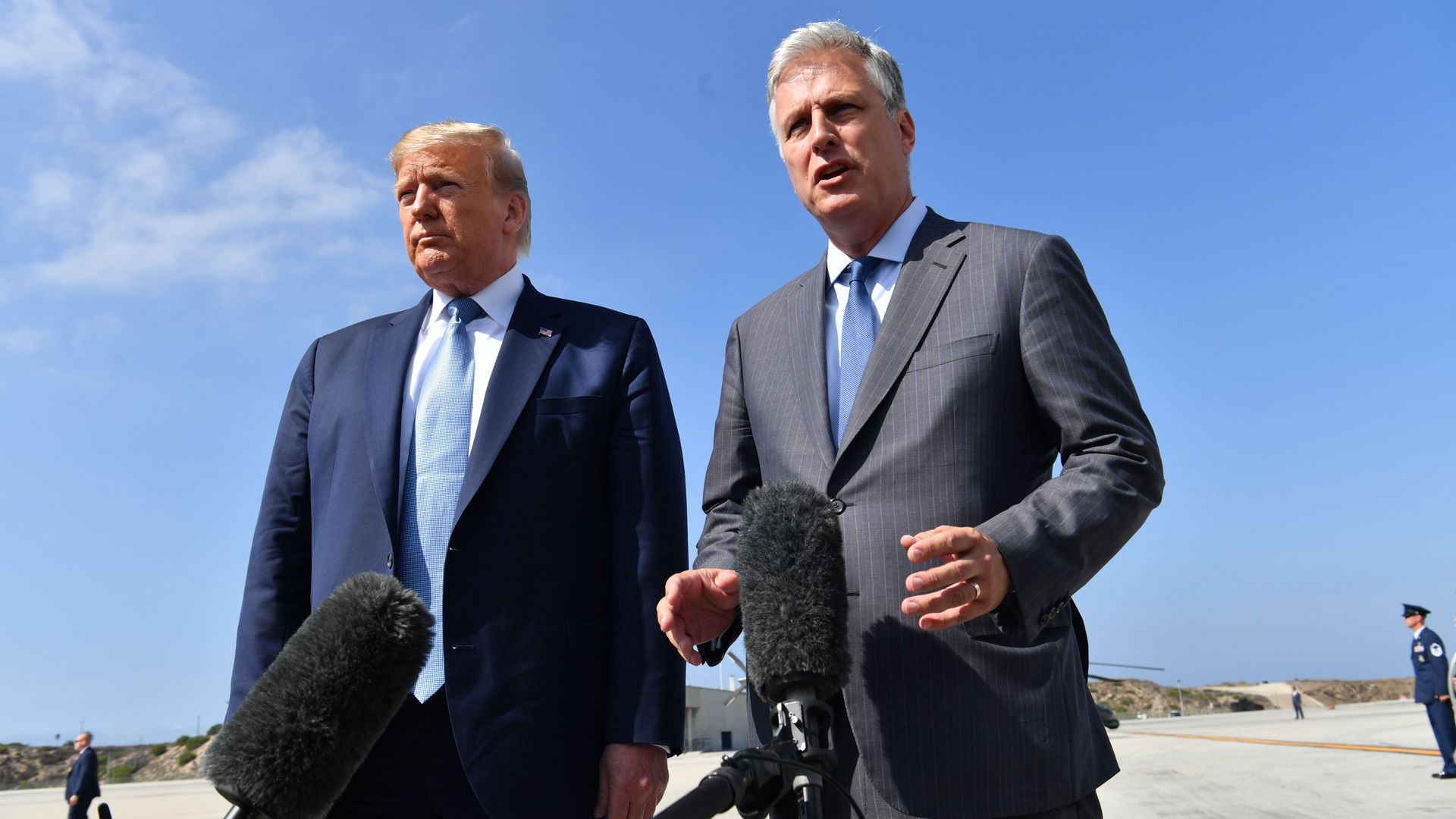
National security adviser Robert O’Brien claimed Wednesday that an initial cover-up of the coronavirus in China “cost the world community two months” and exacerbated the global outbreak.
Why it matters: In the face of a global crisis, the world’s two most powerful countries are pointing fingers at one another.
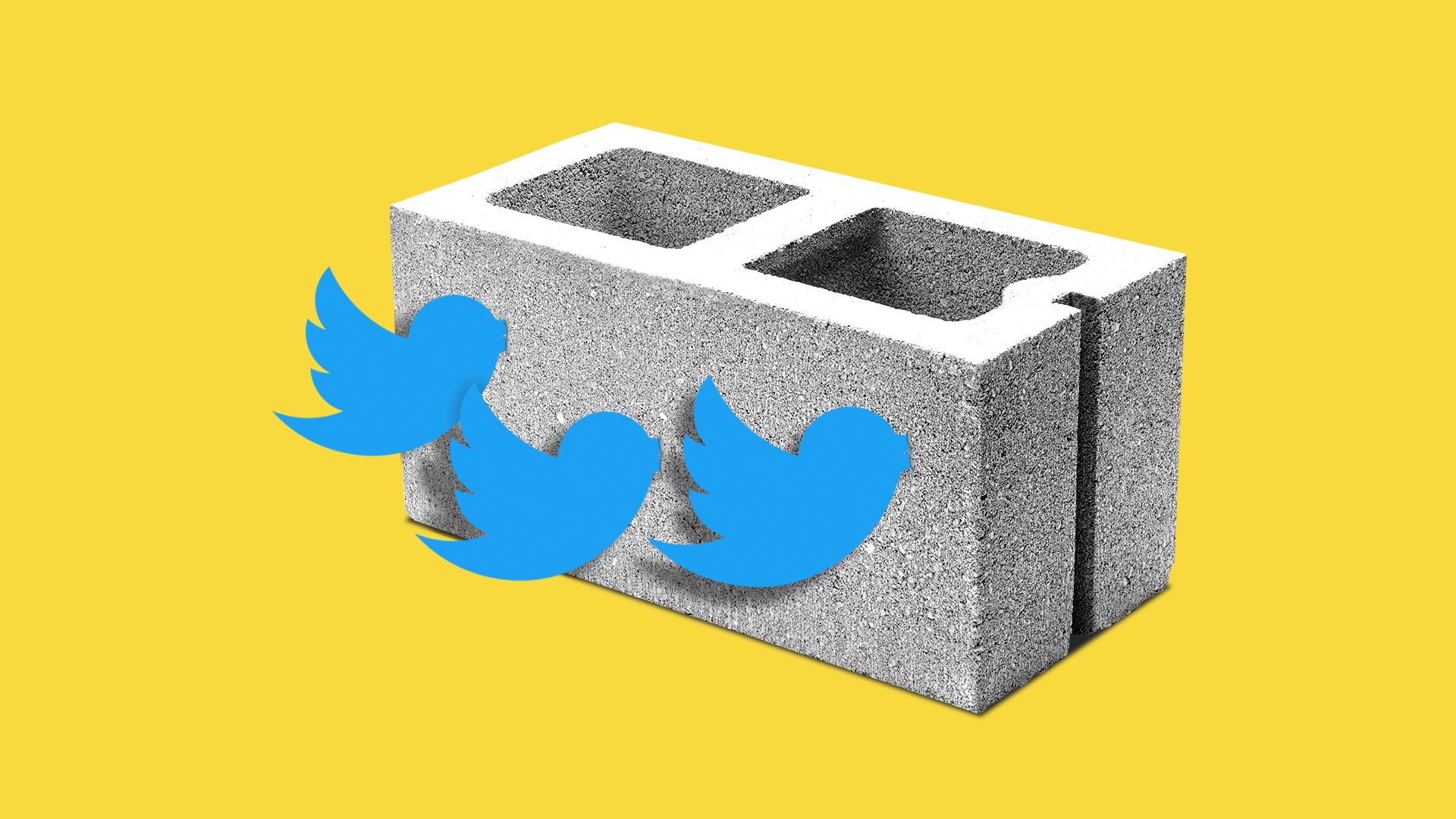
After intense criticism from the U.S. government, the United Nations' International Civil Aviation Organization (ICAO) is doubling down on its policy of blocking Twitter accounts that criticize its policy of excluding Taiwan from membership, according to a letter viewed by Axios.
Why it matters: ICAO's attempts to suppress criticism on an issue that China's leaders consider sensitive have raised fears that the organization is under Beijing's sway.
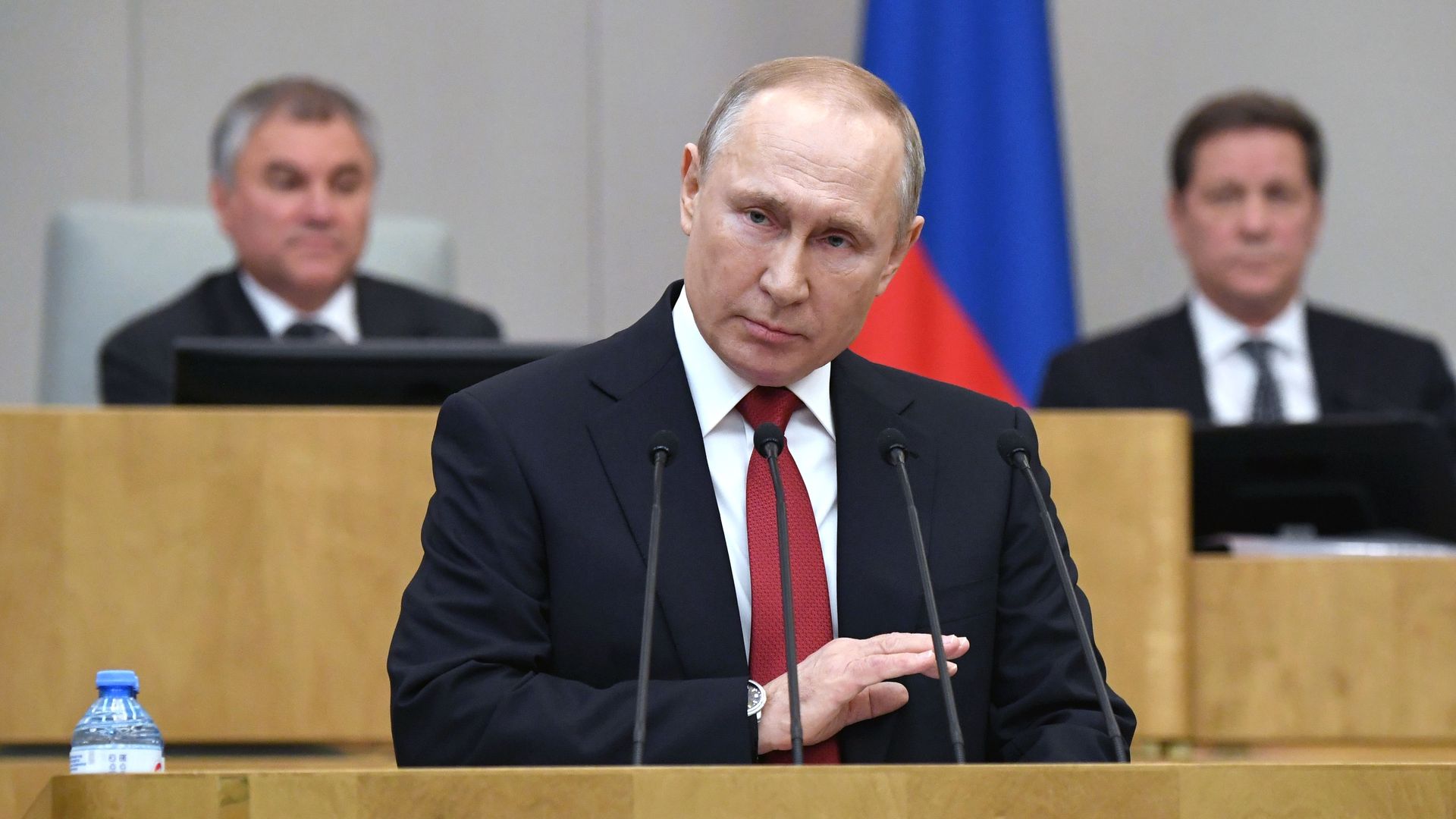
Russia's parliament approved constitutional amendments backed by President Vladimir Putin that, among other changes, could allow him to remain in power until 2036 by resetting his presidential tenure after his current term ends in 2024.
The state of play: The question of what will happen at the end of Putin's current term has loomed over Russia, leading him to propose sweeping constitutional changes earlier this year. Russia's Duma applied the rubber stamp in a 383-0 vote, with 43 abstentions.
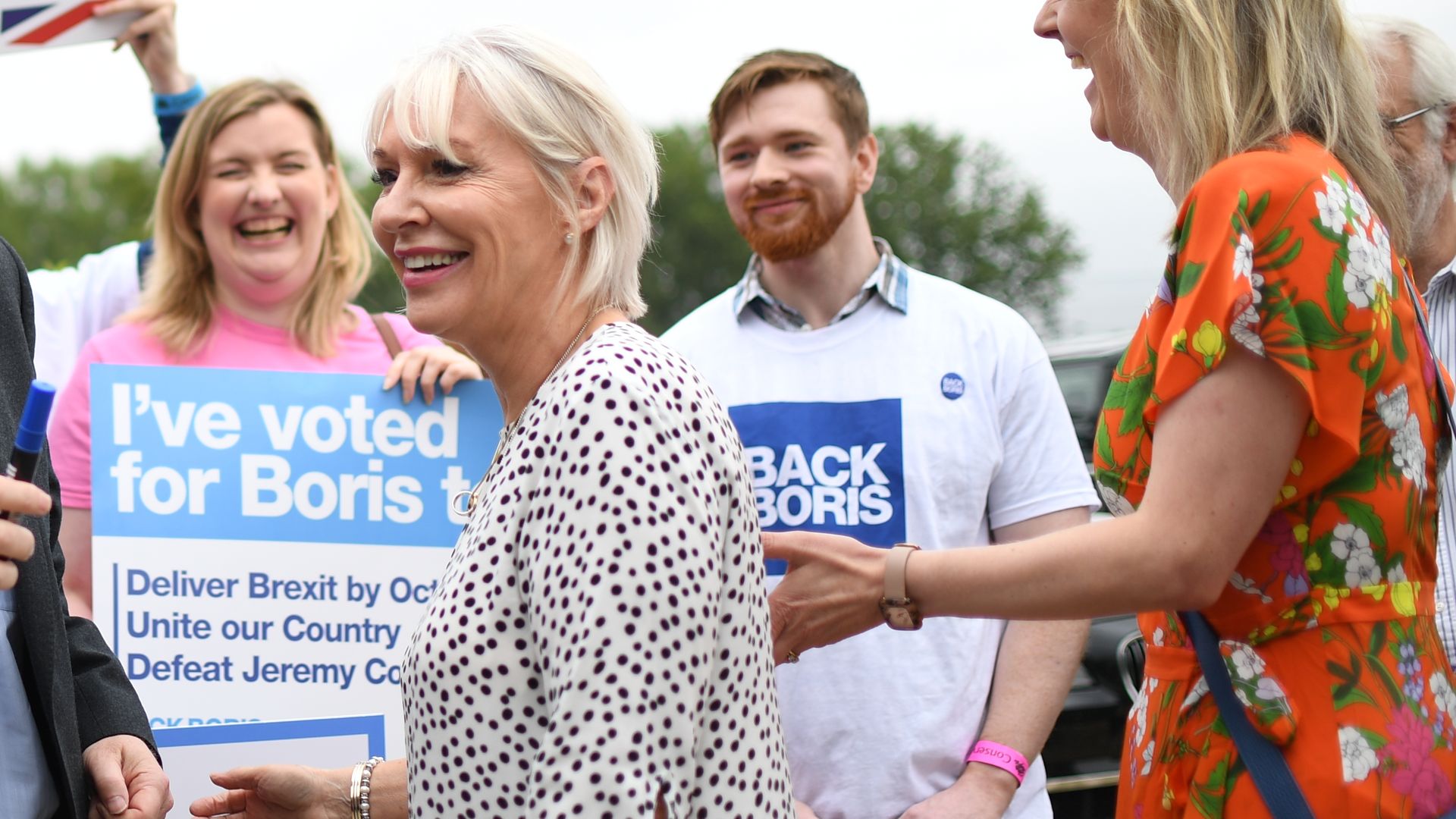
United Kingdom Health Minister Nadine Dorries announced in a statement that she tested positive for the coronavirus and is now in isolation, per the BBC.
Why it matters: Dorries reportedly came into contact with hundreds of people since developing symptoms last week — including Prime Minister Boris Johnson, the Times first reported. The U.K. currently has 373 confirmed cases and six deaths, per Johns Hopkins University. Dorries is the first known member of Parliament to test positive for COVID-19.
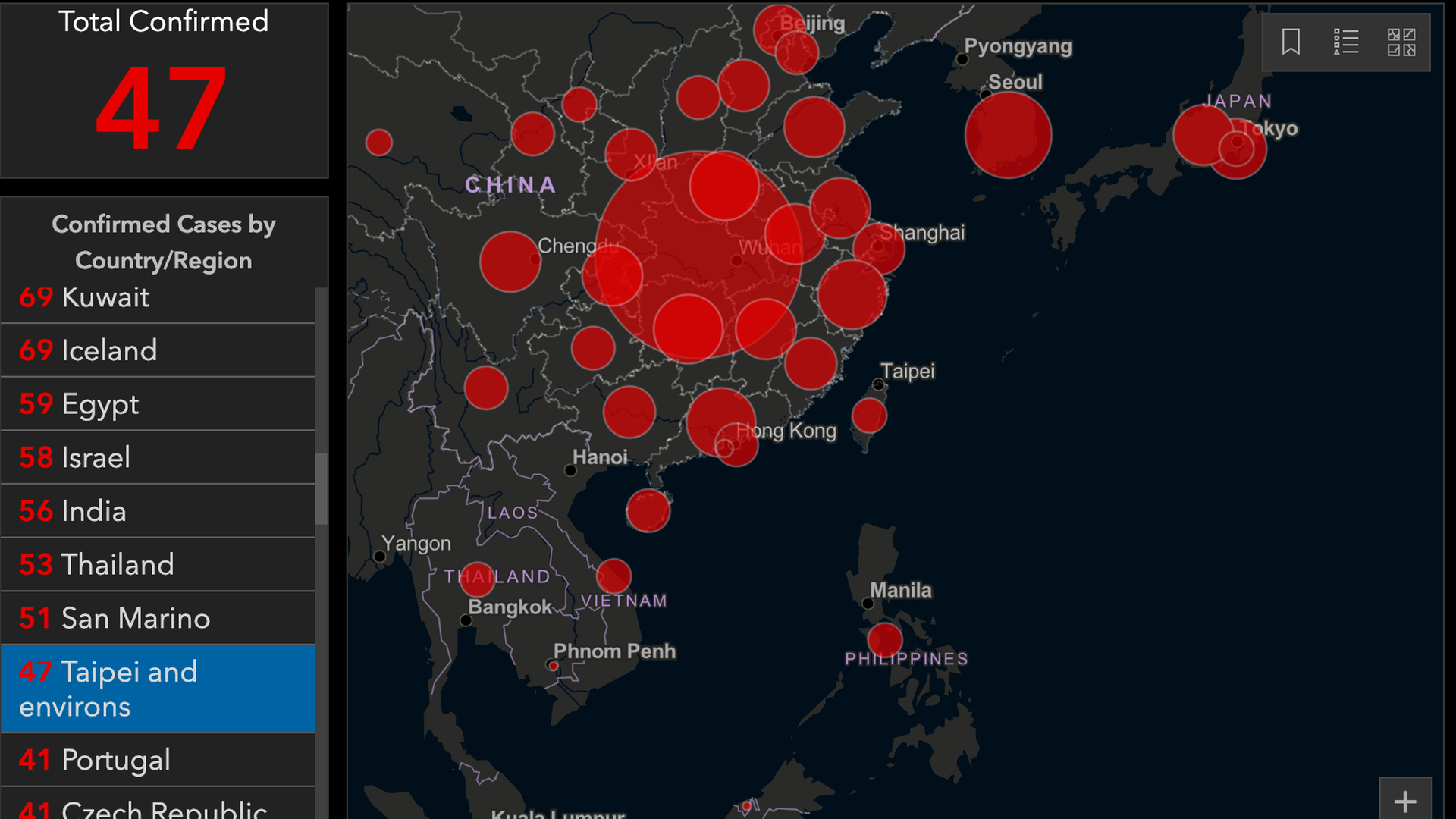
The Johns Hopkins University Coronavirus Resource Center, which maintains an interactive map tracking the number of coronavirus cases worldwide, changed how it refers to Taiwan, Axios has learned. Instead of “Taiwan,” the label was changed to “Taipei and environs.”
Why it matters: The change tracks closely with how the Chinese government prefers to refer to Taiwan, which it views as part of Chinese territory.
Update: After attracting criticism, the center has reversed its decision.
The coronavirus is here and will complicate life for millions of Americans — but there are signs from Asia that it can get better if we're willing to take that pain now.
The big picture: Coronavirus is stifled by early and aggressive action — and no matter how well-intentioned, half-measures only seem to make things worse.
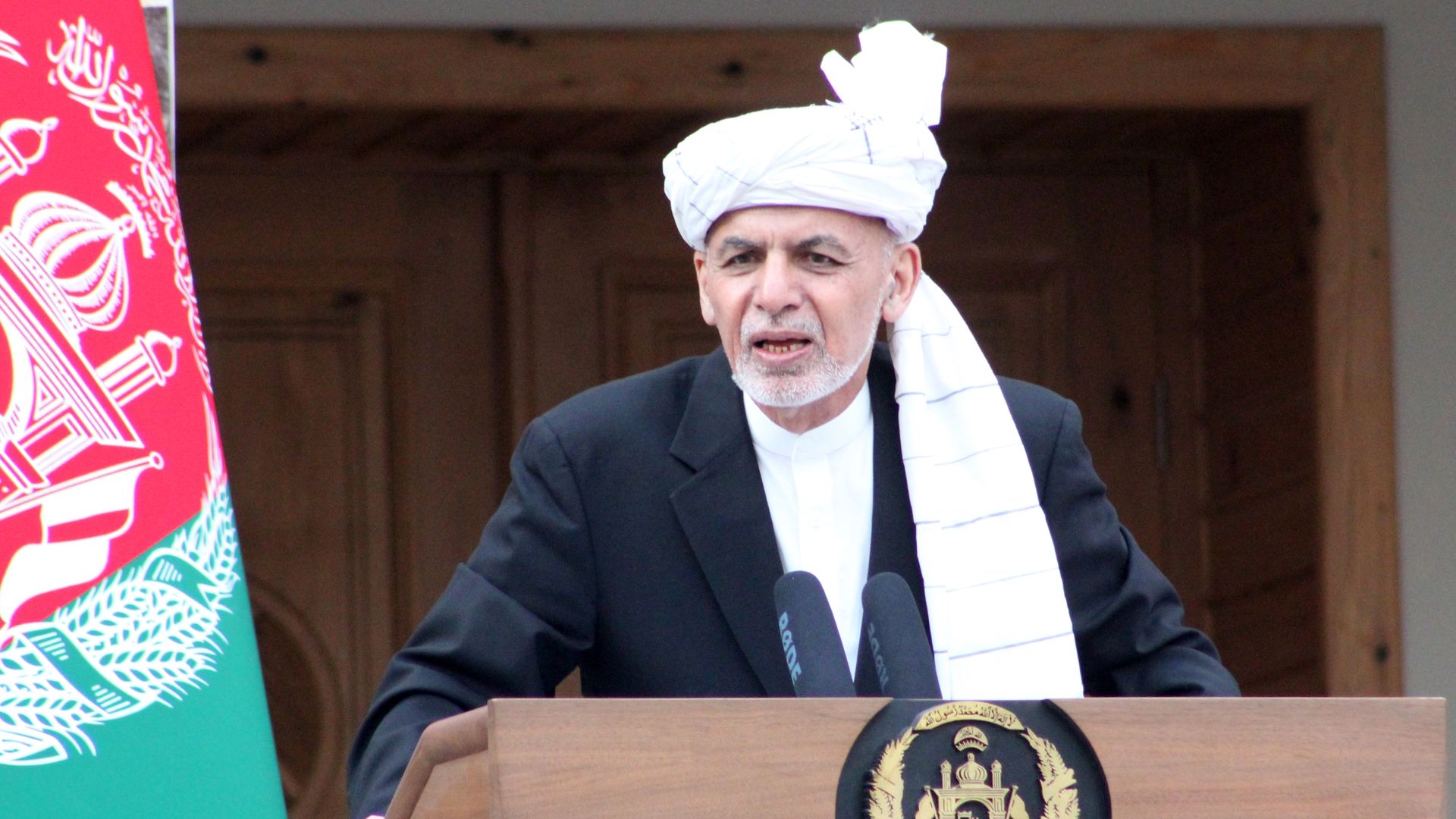
U.S. troops began withdrawing from Afghanistan on Tuesday under the peace agreement signed by the U.S. and Taliban last month, reports the AP.
The state of play: The move comes amid ongoing political tensions in Afghanistan as Kabul hosted two presidential inaugurations on Monday, with both incumbent Ashraf Ghani and his rival Abdullah Abdullah continuing to insist that they won the last election.
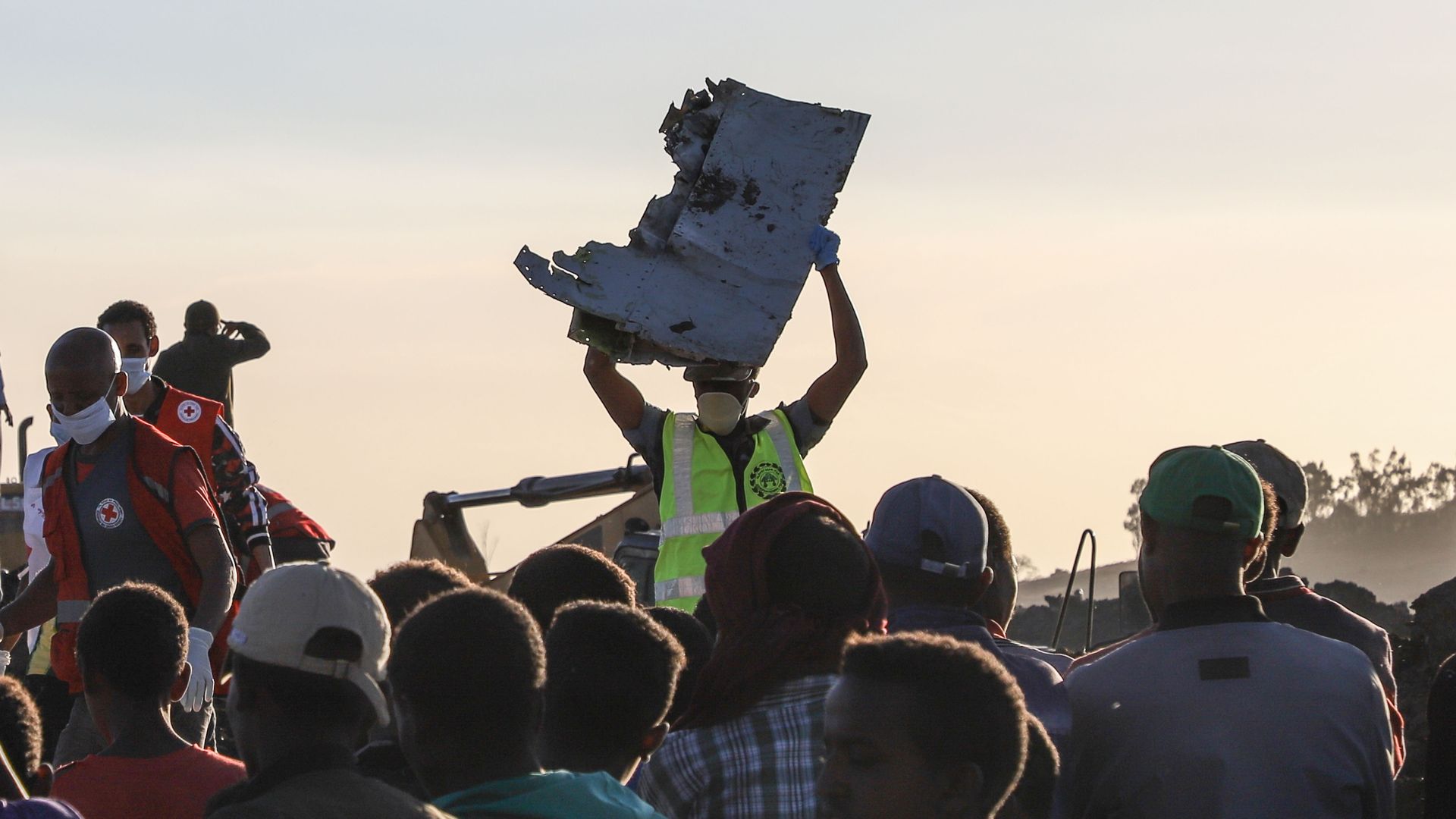
Investigators in Ethiopia have found that Boeing 737 Max jet design flaws contributed to the Ethiopian Airlines crash in the country last year, according to an interim report released Monday.
Why it matters: The report was released as families prepared to mark the first anniversary of the crash, which killed all 157 people on board. This second fatal crash involving a Boeing 737 Max jet within six months prompted scores of countries, including the U.S., to ground the planes.
While the U.S. has yet to break the presidential glass ceiling, 57 countries worldwide have been led by women since 1960.
The big picture: That year, former Sri Lankan prime minister Sirimavo Bandaranaike became the modern world's first female head of state. Finland and New Zealand have led the way in electing women since, with three women leaders each.