The current collapse in global equities markets is mirroring a broader collapse in global public confidence.
The big picture: Both financial markets and public sentiment are reacting to uncertainty at three levels: the future trajectory of the coronavirus outbreak; the adequacy of the policy response; as well as the impact on the economy and financial institutions.
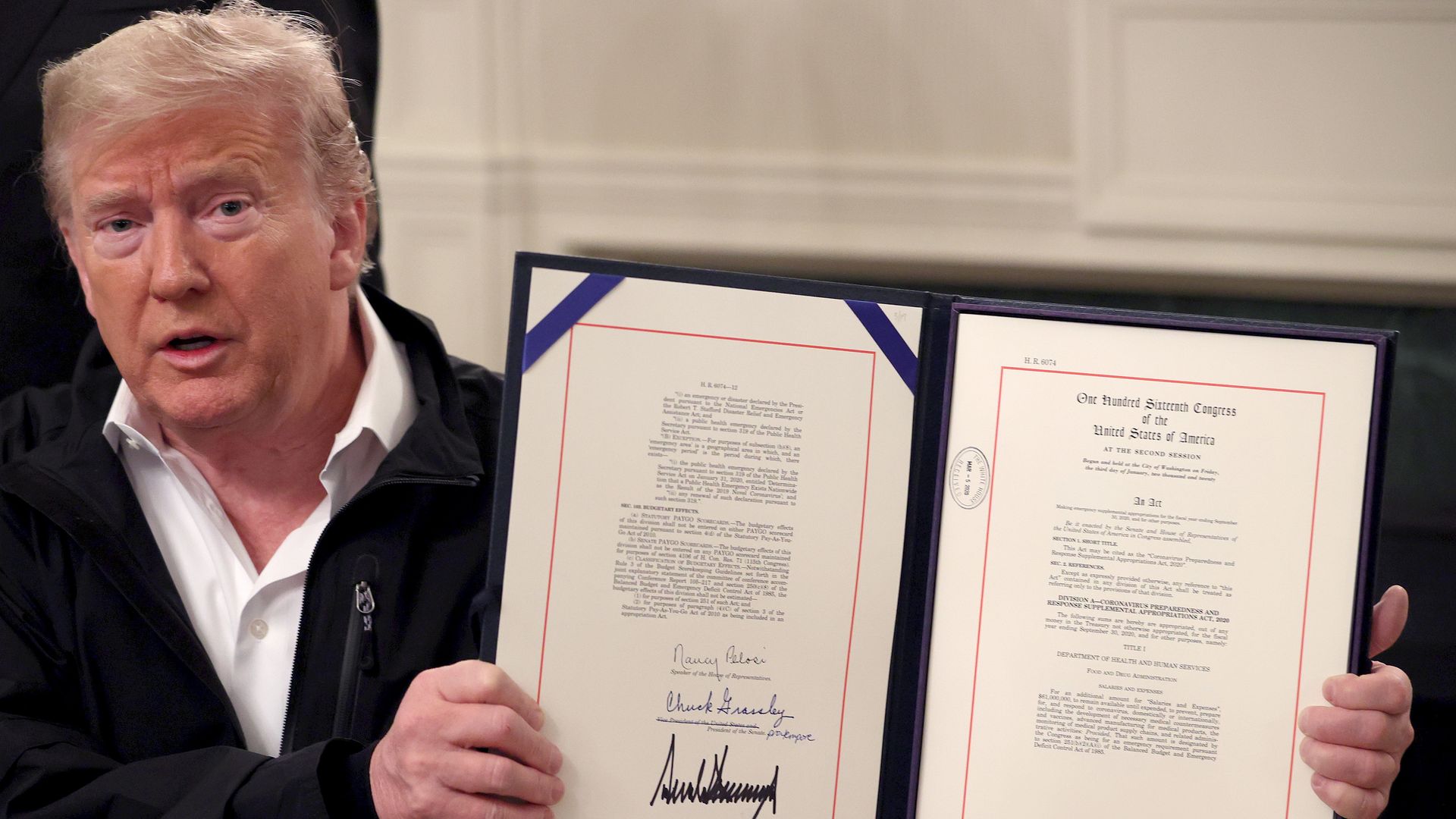
Vice President Mike Pence personally asked Israeli Prime Minister Benjamin Netanyahu not to target Israel's newly announced coronavirus quarantine at only visitors from the U.S., but to "go global," senior Israeli officials tell me.
Why it matters: On Monday, Netanyahu announced a new policy of self-quarantine for a period of 14 days for anyone who enters Israel regardless of their country of origin — thus implementing Pence's request, made during a call on Sunday. Israeli officials say Pence's request significantly influenced Netanyahu's decision.
Prince Andrew has so far "completely shut the door on voluntary cooperation" with investigations into Jeffrey Epstein's sex trafficking ring, U.S. Attorney Geoffrey Berman said Monday.
Why it matters: Federal investigators for months have sought to question Prince Andrew, a longtime friend of Epstein who was accused of sexual abuse by one of Epstein's accusers. Berman said his office is now "considering its options," per NBC.
Two U.S. Marine Special Operations service members were killed while accompanying Iraqi forces on a mission to eliminate an Islamic State (ISIS) stronghold in northern Iraq, the Department of Defense announced Monday.
Why it matters: It's the first time this year that U.S. troops have died in combat in the American campaign against ISIS, which began in 2014.
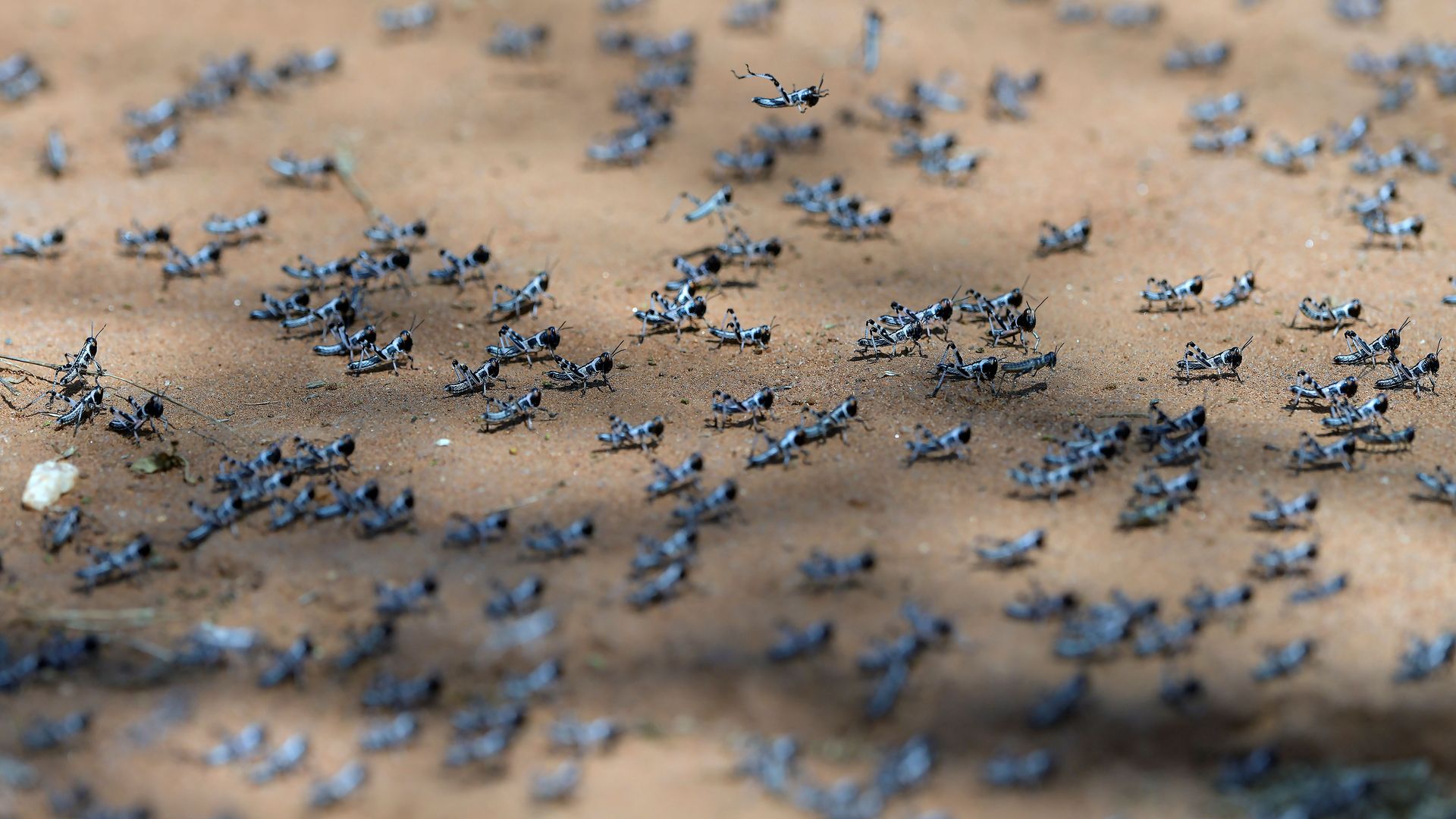
In East Africa, the Middle East and South Asia, traveling locust swarms the size of Manhattan are putting potentially hundreds of millions at risk of starvation in what the UN has called the worst outbreak in a quarter of a century.
What it means: "Millions will starve because clouds of approximately 80 million desert locusts per square kilometer are voracious," writes Robert Rotberg, founding director of the Harvard Kennedy School’s Program on Intrastate Conflict.
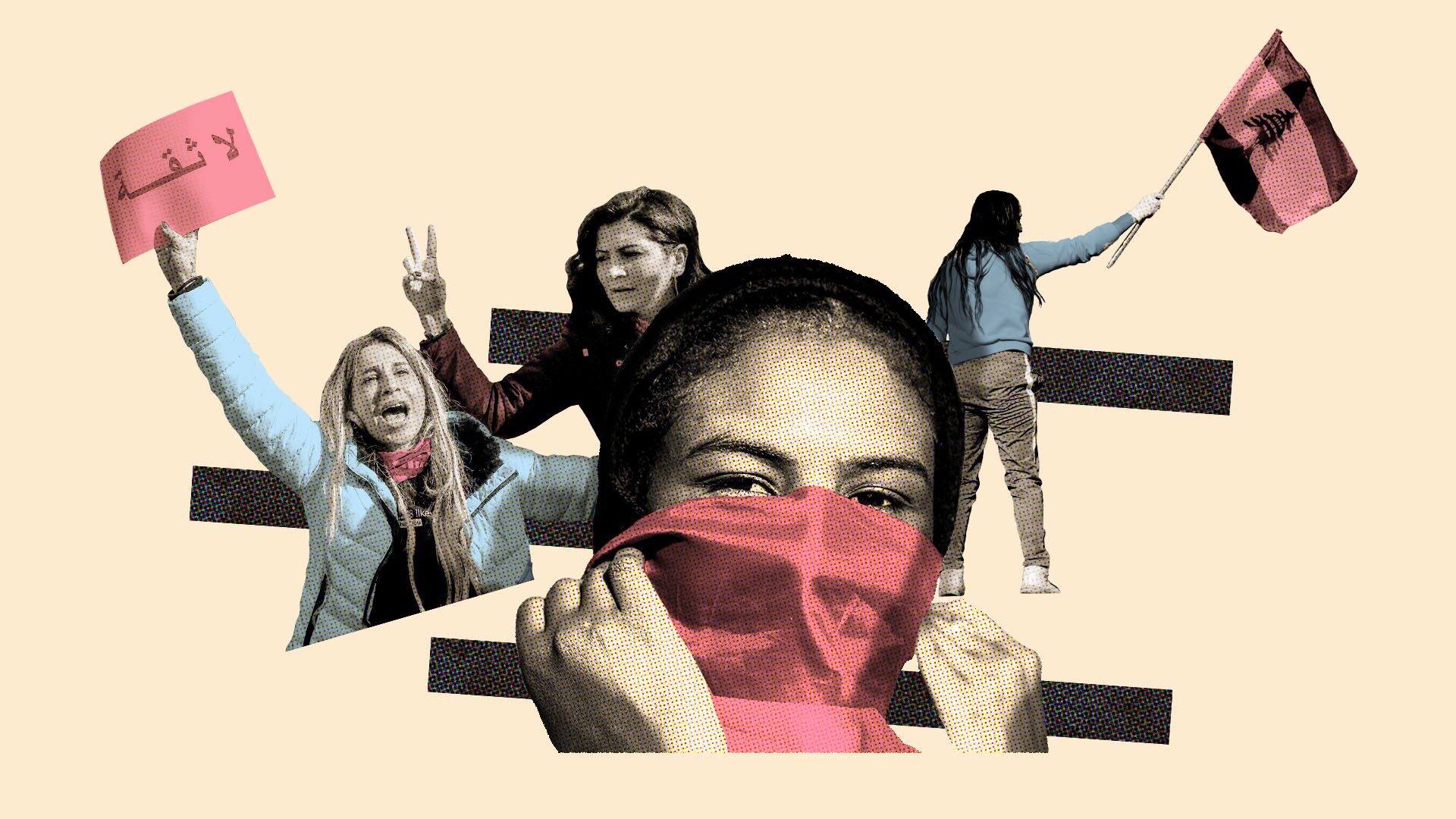
Gender-based violence, WhatsApp message taxes and the rising cost of bread have set off some of the largest protests in the past year, and women were among the first in the streets, often risking their personal safety.
Driving the news: Women in Mexico have organized "A Day Without Us," a national strike on March 9, to coincide with International Women's Day. Women are encouraged to "disappear": to stay at home, away from work, out of stores and off the streets to highlight their vital role, The New York Times writes.
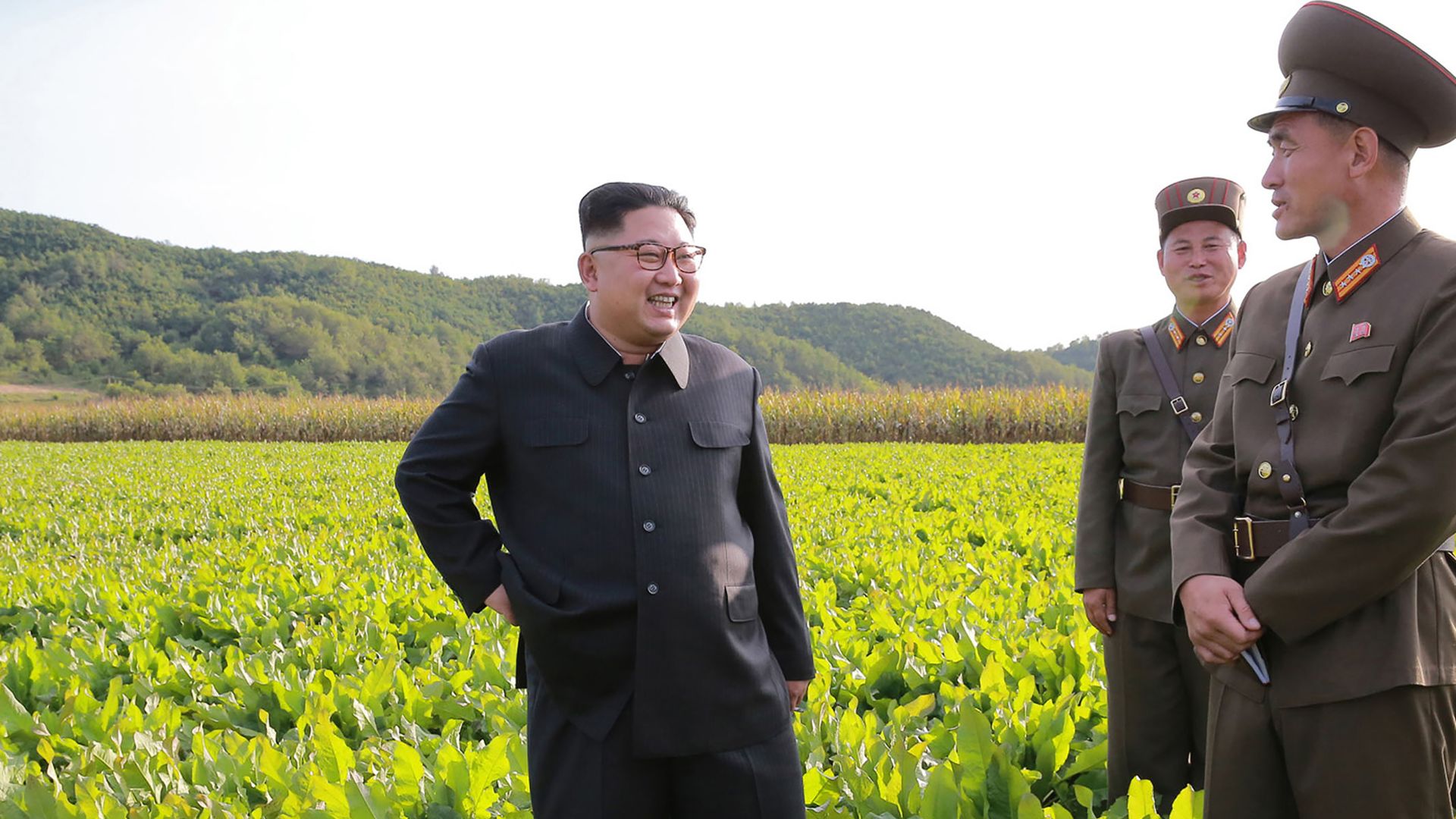
North Korea "fired three short-range projectiles into the East Sea" from the country's South Hamgyong province on Monday morning, South Korea's Joint Chiefs of Staff said, per Yonhap news agency.
Details: Japan's Chief Cabinet Secretary Yoshihide Suga said multiple projectiles were detected to have traveled up to 125 miles before hitting the stretch of water also known as the Sea of Japan and they were likely ballistic, AP reports.
Pope Francis livestreamed his Sunday blessing from inside the Vatican — and not from his window overlooking St. Peter's Square — in order to dissuade crowds gathering there during Italy’s coronavirus outbreak, Reuters reports.
Why it matters: Italy has the largest number of reported cases in Europe, and at least 16 million people are now under quarantine in the country's north. Despite the precautions, Pope Francis waved from the window at the small crowd that gathered in the square to watch his address on large video screens.
Female representation on corporate boards around the world has doubled in the last decade. But board members — who play a big role in corporate decision-making, and earn big money for their labors — are still much more likely to be male.
Why it matters: Today is International Women's Day, and — despite unprecedented pressure from shareholders and others to diversify boardrooms — the prospects for gender parity there are bleak. Researchers say it could take another 25 years before there are just as many women as men in boardrooms worldwide.