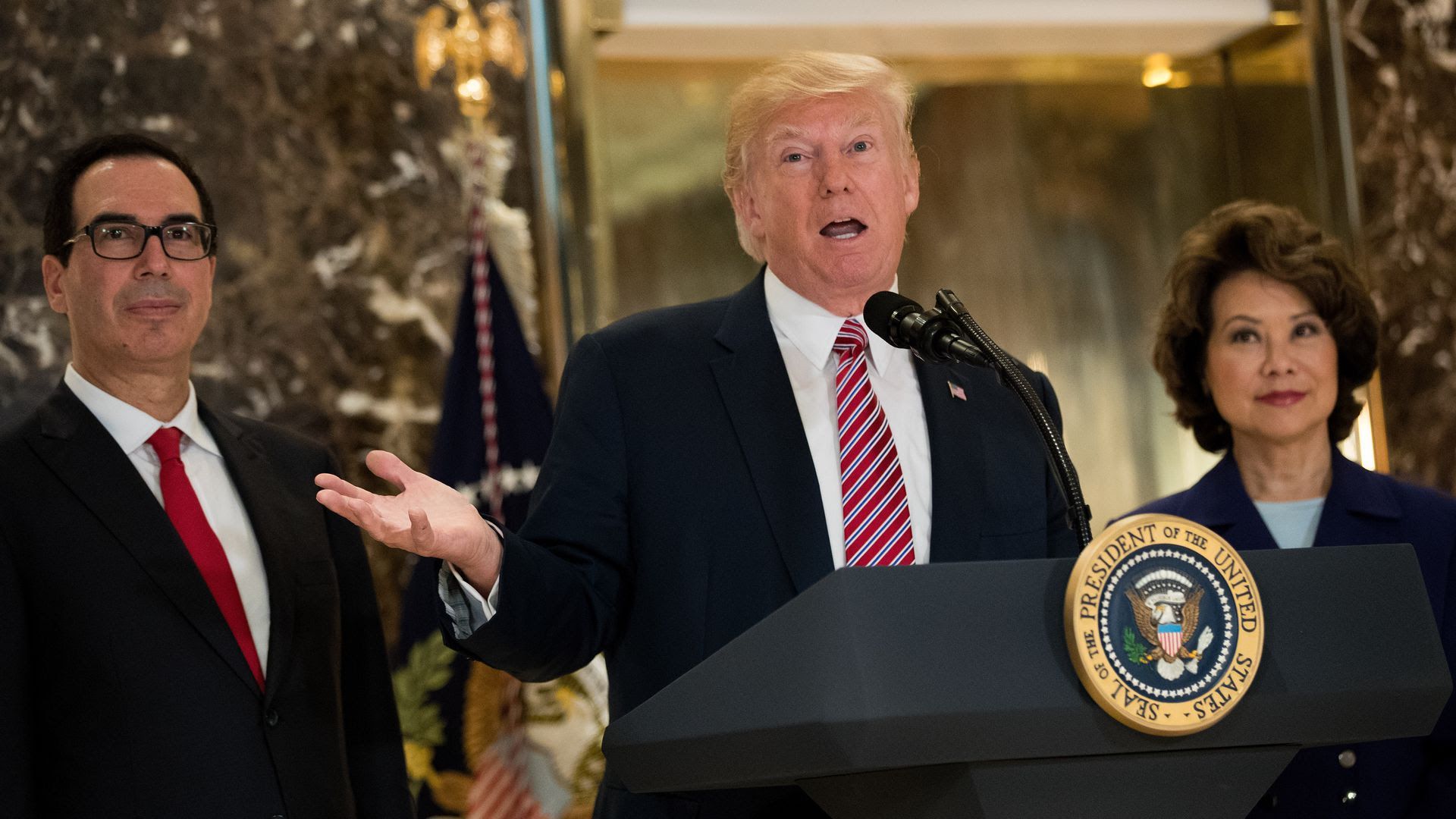
In a report dated June 29, 2019, Beijing-based D&C Think examined the views of President Trump's top advisers on China.
Why it matters: The report's findings, while subjective, provide a glimpse into the increased emphasis that many in Beijing are placing on reading the tea leaves of the White House.
Beijing-based think tank D&C generated a series of reports rating state governors and White House officials on how "friendly" they are toward China. Pro Rata producer Naomi Shavin is joined by Axios China reporter Bethany Allen-Ebrahimian, who obtained and analyzed the reports.
A Chinese think tank has rated U.S. governors and White House advisors on how "friendly" they are to Beijing in a series of reports analyzed by Axios.
Why it matters: Washington's sharp turn toward hardline policies on China means there's a strong push in Beijing to find alternate channels of engagement, especially via U.S. local government leaders.
Huawei lost a round in court Tuesday, with a federal judge ruling that Congress was within its rights to exclude agencies and contractors from buying gear from Huawei and ZTE.
The big picture: This is one battle in the larger and more multifaceted conflict between Washington and Beijing that's playing out in courts, through trade negotiations and in public rhetoric.
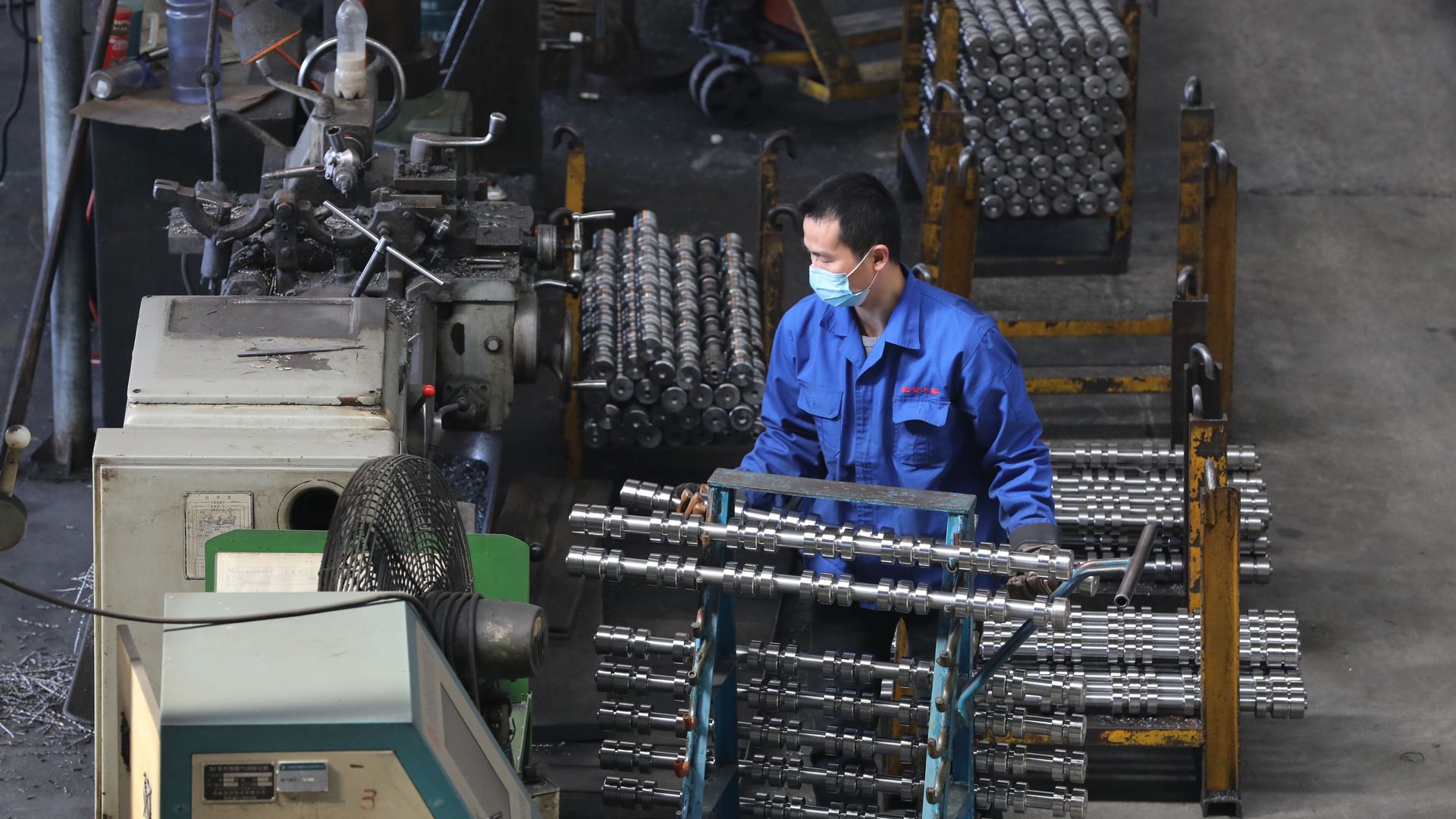
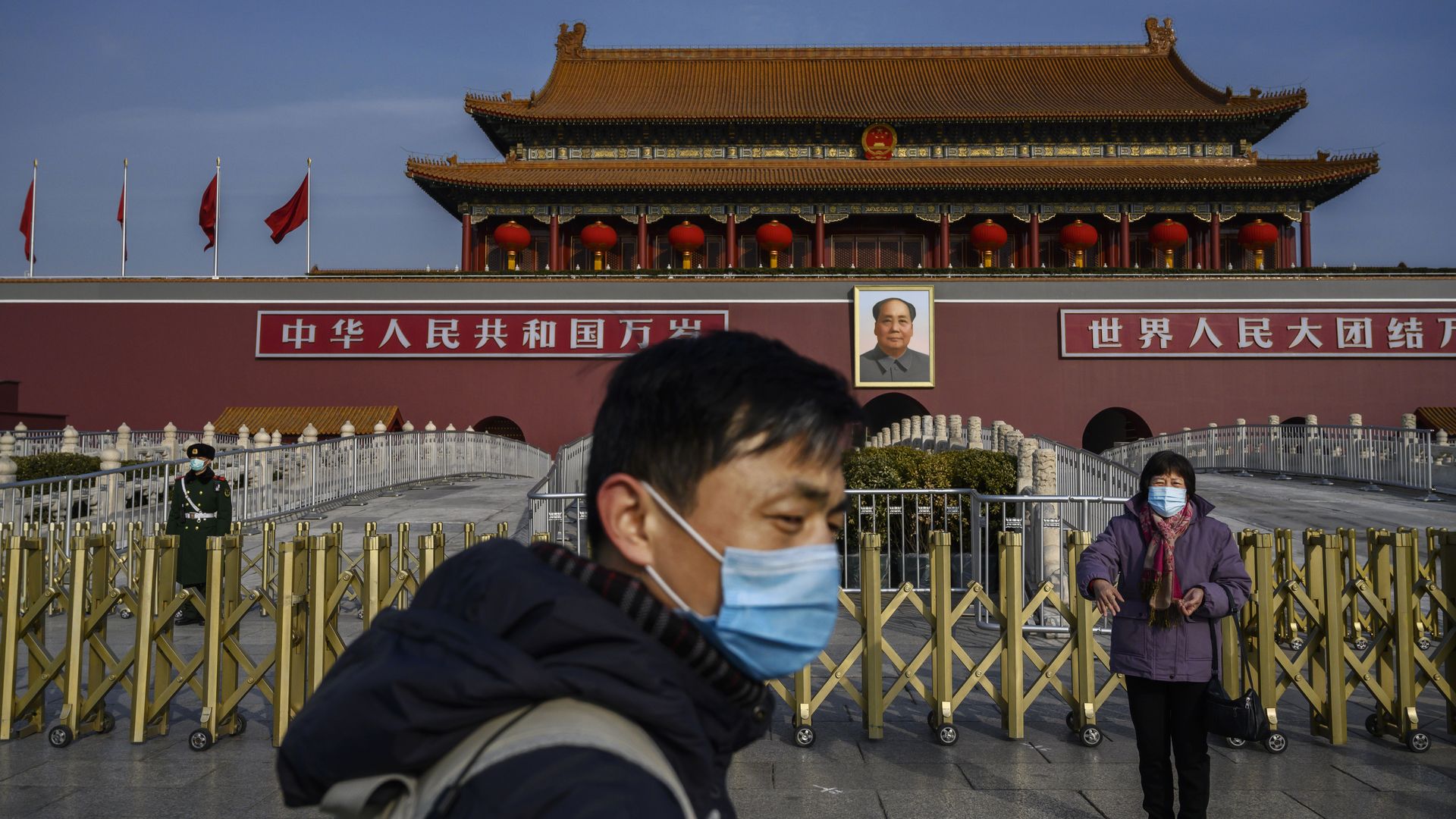
The novel coronavirus outbreak in China is affecting nearly every sector of tech manufacturing, leading analysts to reduce production estimates for everything from TVs and smartphones to laptops and video game consoles.
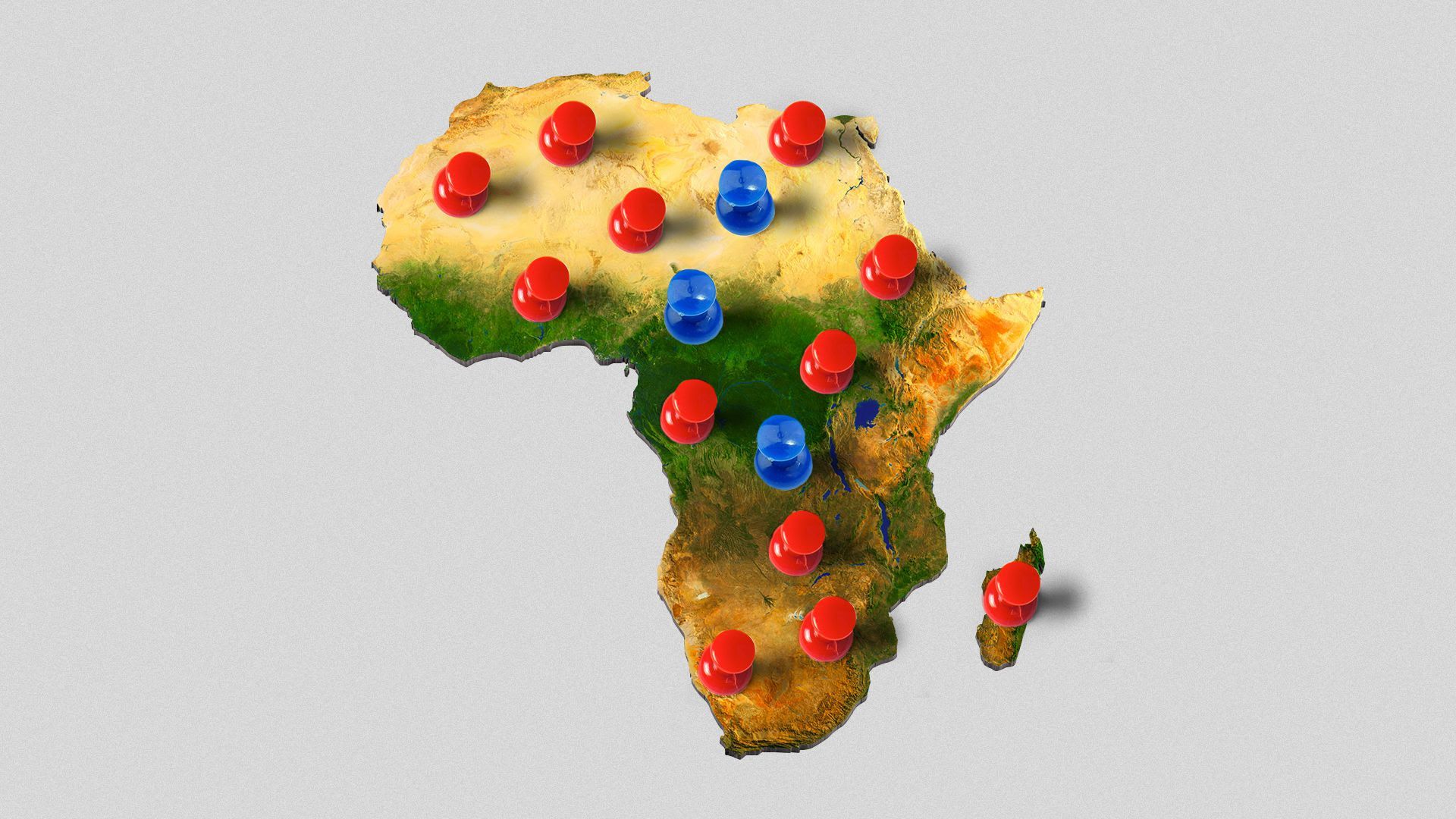
Secretary of State Mike Pompeo is in Africa working to counter growing Chinese investment in the continent as the U.S. tries to fight China's rising global influence.
Why it matters: China has upped its spending on the continent in recent years while the Trump administration has not and looks to be trying to make up for lost time.
China's Foreign Ministry revoked on Wednesday the press credentials of three Beijing-based Wall Street Journal journalists and ordered them to leave the country within five days, the news outlet confirmed.
Why it matters: The action taken over the Journal op-ed headline "China Is the Real Sick Man of Asia" comes hours after the State Department designated the Chinese state media outlets Xinhua, China Global Television Network, China Radio International, China Daily and Hai Tian Development USA as "foreign missions," meaning they are treated as arms of the government, as Axios' Bethany Allen-Ebrahimian first reported.
The State Department announced Tuesday that it has designated five Chinese state media outlets as "foreign missions," meaning that they will be treated as arms of the Chinese government.
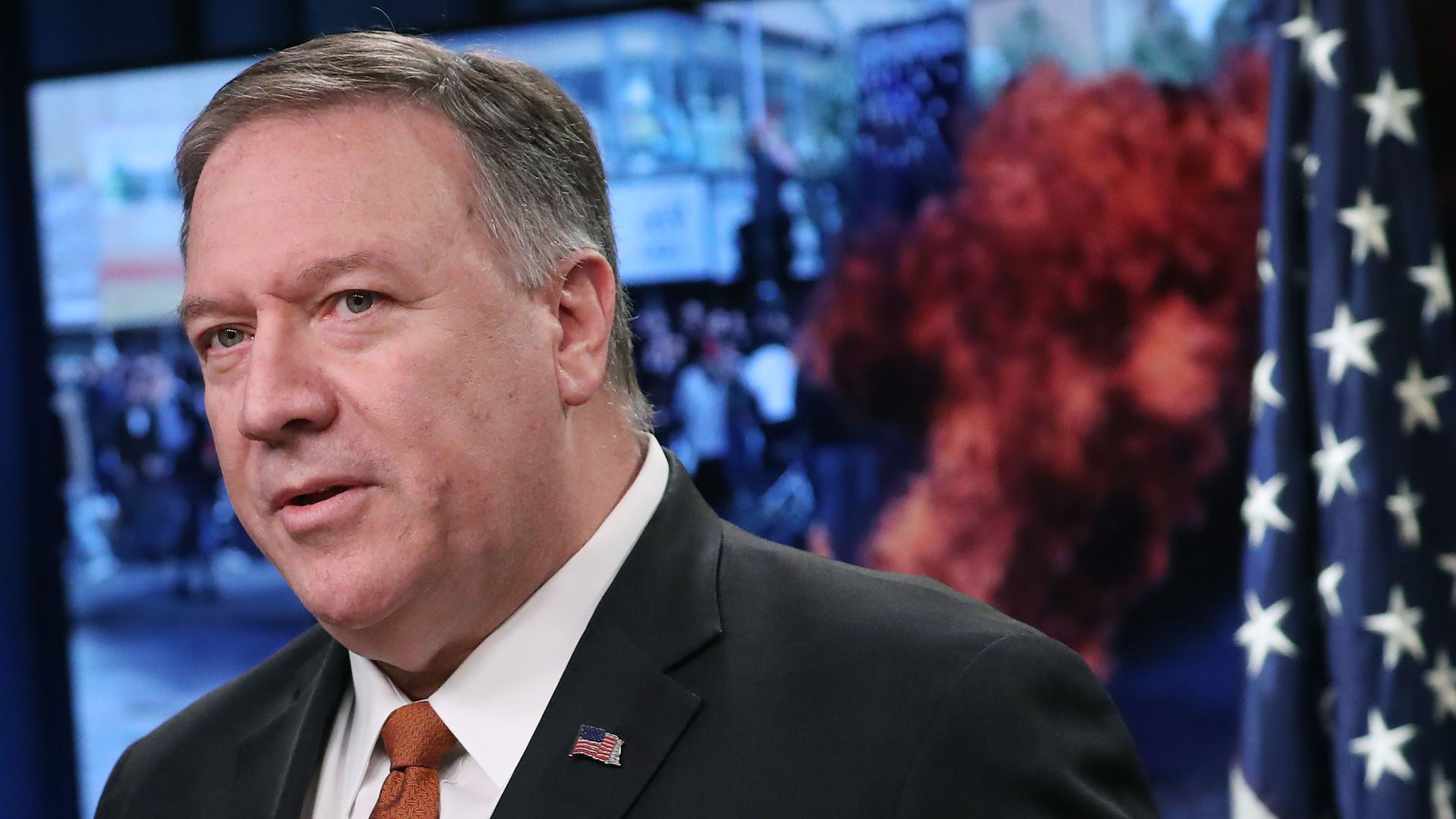
Driving the news: In his first public statement on the new designation, Secretary of State Mike Pompeo tells Axios that the five outlets are "clearly controlled by the [Chinese Communist Party], and we are simply recognizing that fact by taking this action.”
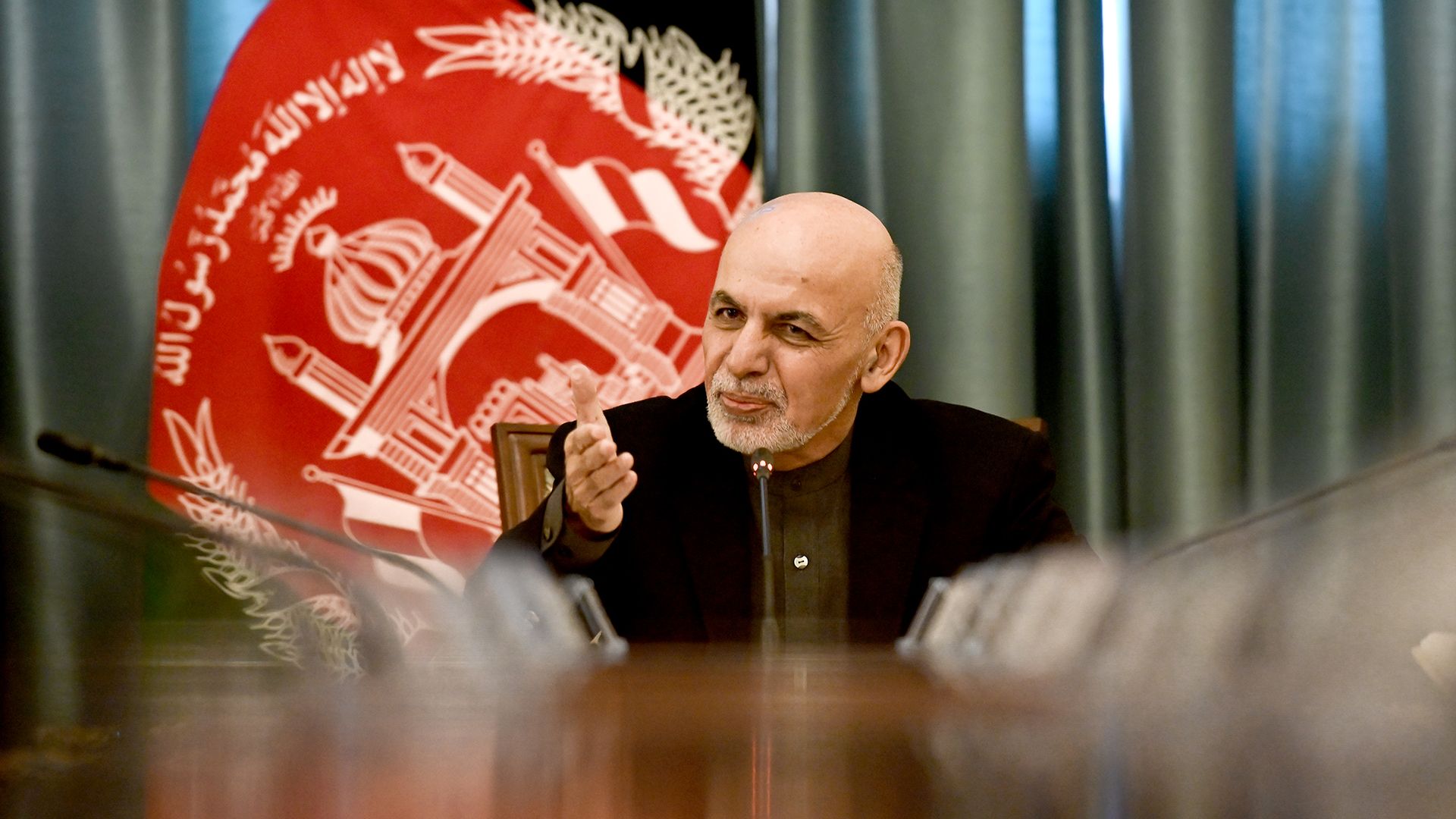
Tuesday's long-awaited announcement that Afghanistan's President Ashraf Ghani won re-election last September appears likely to deepen, rather than resolve, a tense dispute over the country's presidential election.
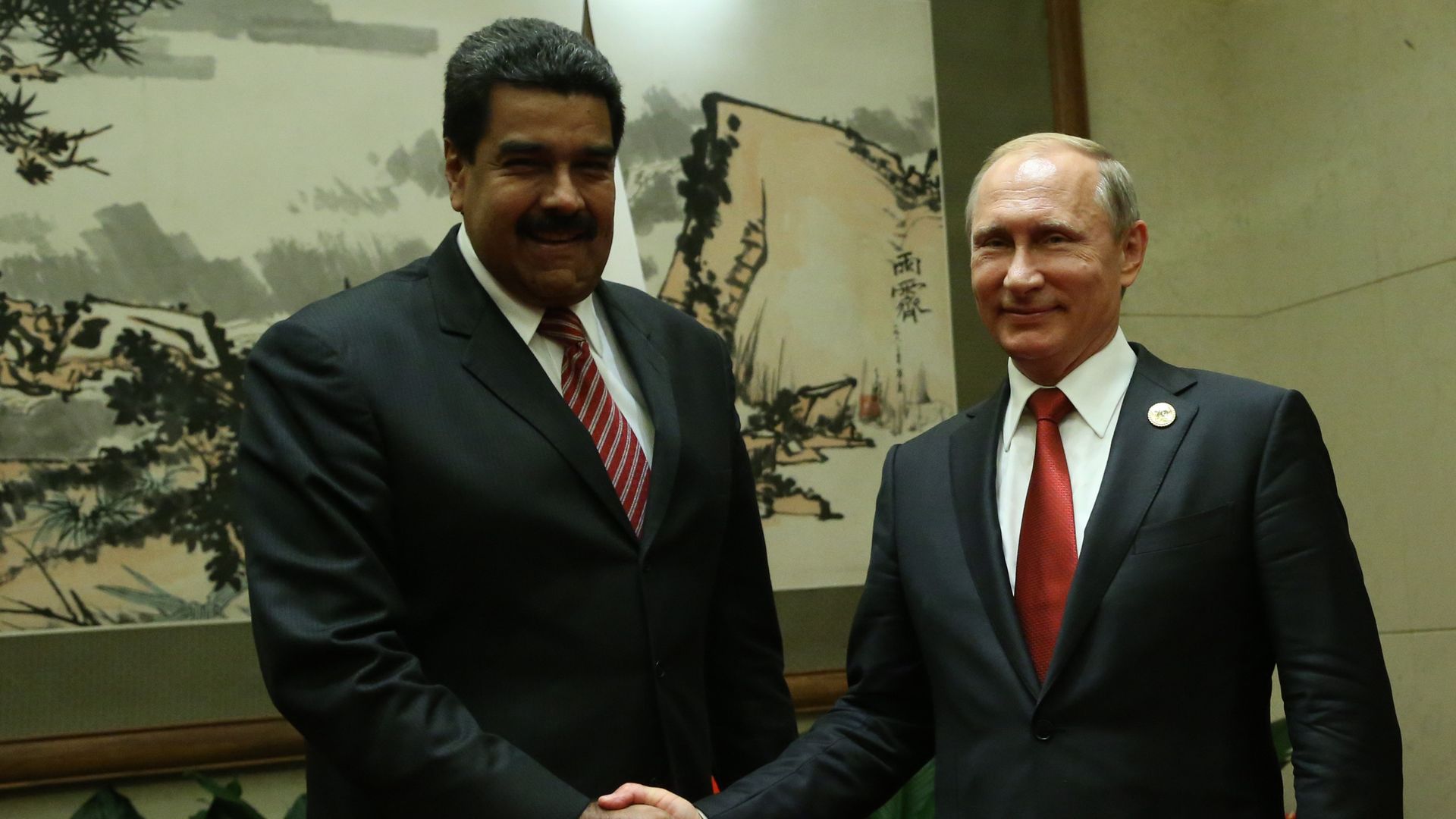
The Trump administration today announced sanctions on Rosneft Trading, a subsidiary of Russian oil giant Rosneft, for helping to keep Venezuela's Maduro regime afloat by facilitating oil exports.
Why it matters: Senior administration officials announcing the sanctions in a call with reporters framed the step as a warning not only to Rosneft but to Russia. They described it as part of a "maximum pressure" campaign that is currently "50-60%" implemented and will continue to ramp up as long as Nicolás Maduro refuses to give up power.
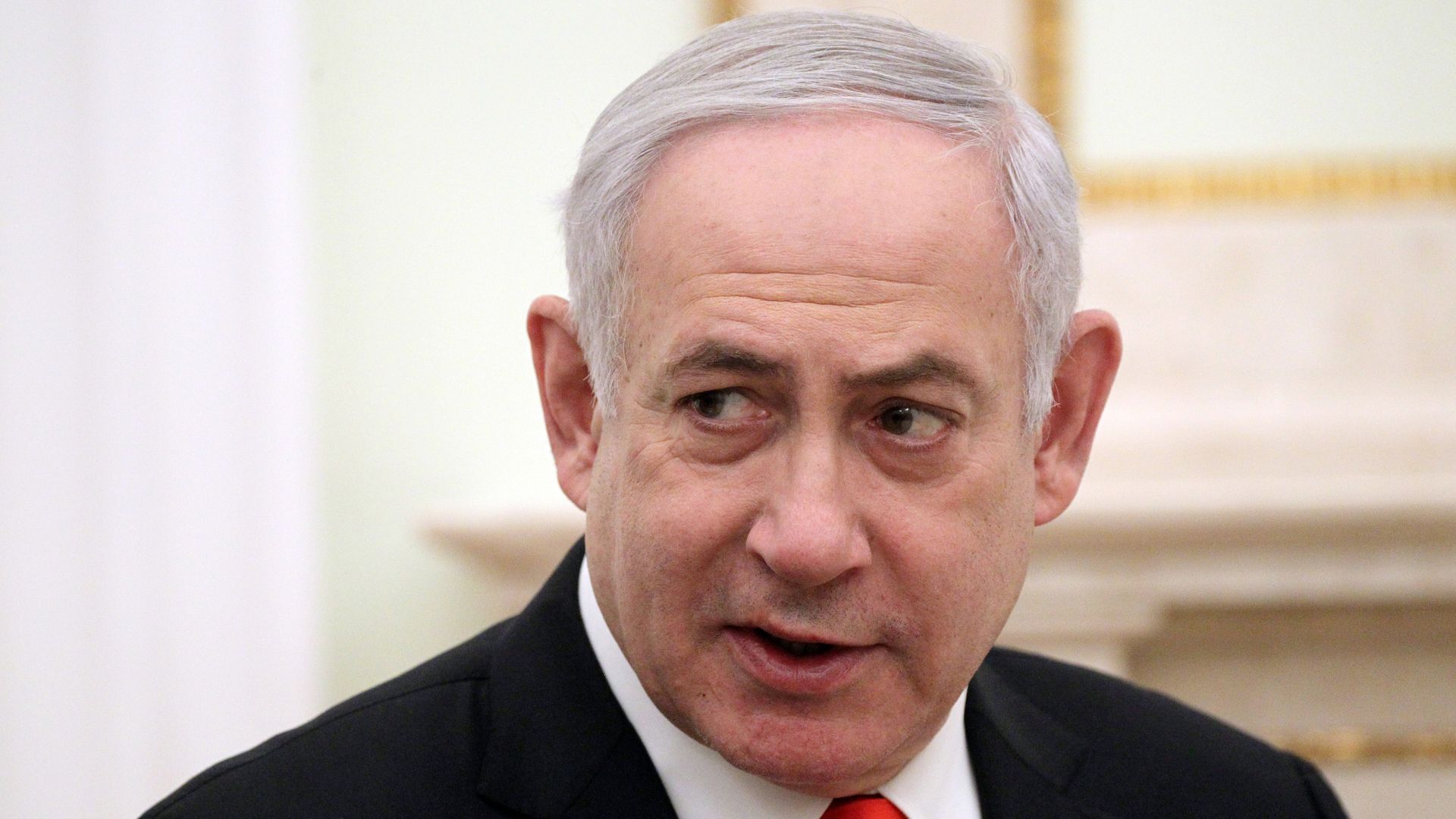
Israeli Prime Minister Benjamin Netanyahu's trial on charges of bribery, fraud and breach of trust is set to begin on March 17 at the district court in Jerusalem, the court announced today.
Why it matters: Netanyahu's trial will begin two weeks after the March 2 elections, likely in the middle of efforts to form a new government.
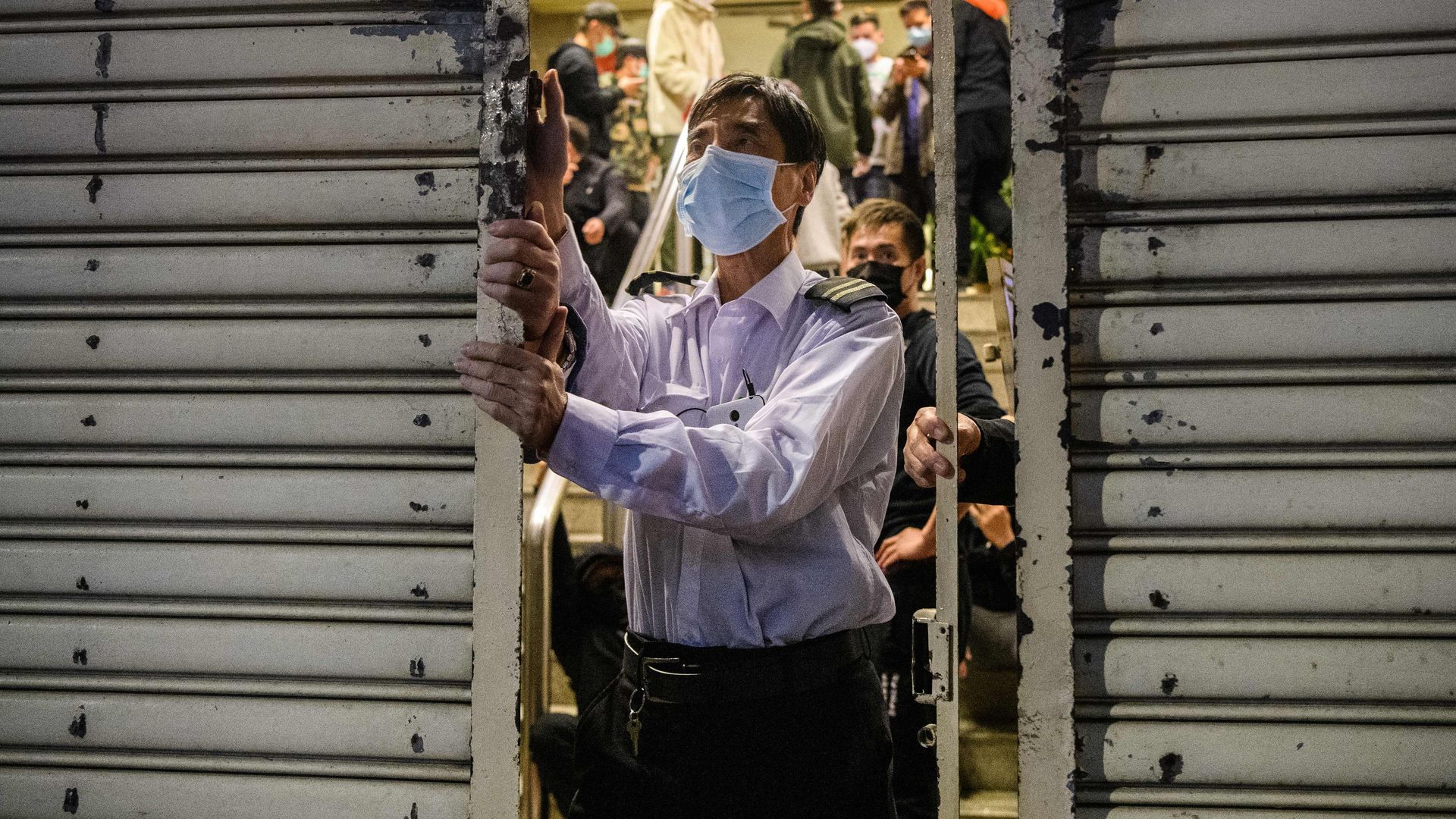
Worries are growing that the economic impact from the novel coronavirus outbreak will be worse than expected and that markets are being too complacent in factoring it in as a risk.
What's happening: The number of confirmed cases has already far outpaced expectations and even those reports are being viewed through a lens of suspicion that the Chinese government is underreporting the figures.