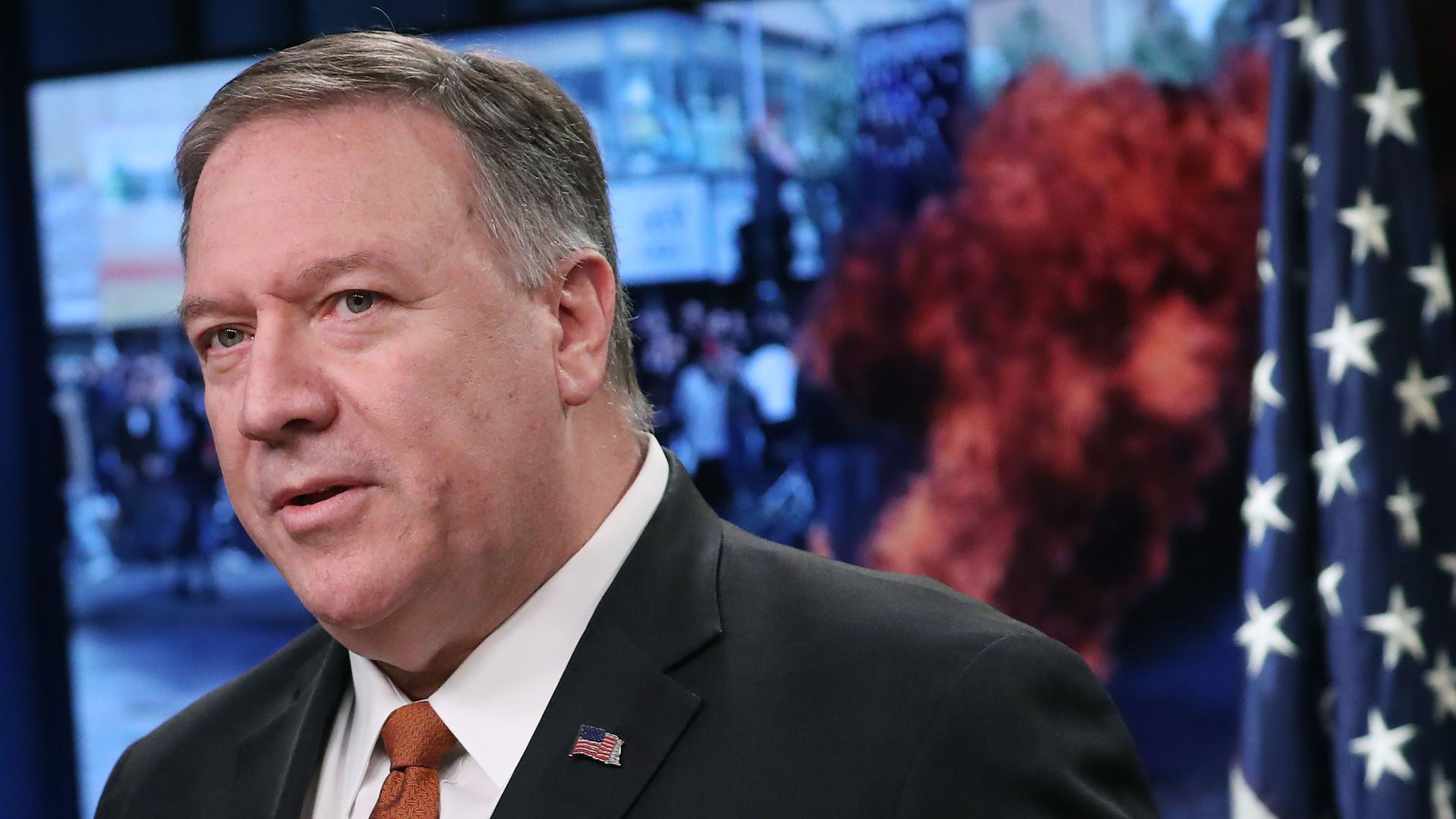
The State Department announced Tuesday that it has designated five Chinese state media outlets as "foreign missions," meaning that they will be treated as arms of the Chinese government.
Driving the news: In his first public statement on the new designation, Secretary of State Mike Pompeo tells Axios that the five outlets are "clearly controlled by the [Chinese Communist Party], and we are simply recognizing that fact by taking this action.”
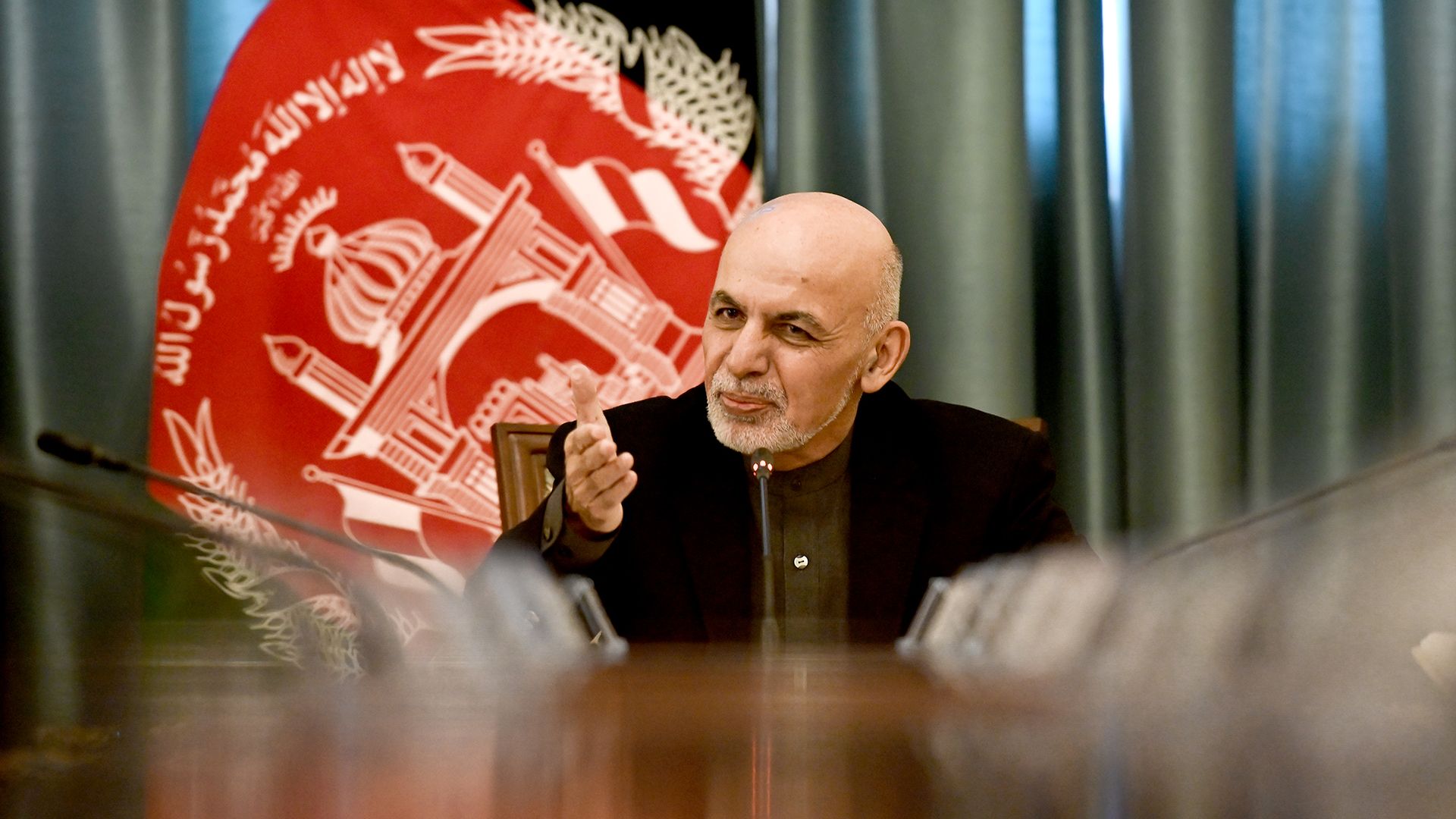
Tuesday's long-awaited announcement that Afghanistan's President Ashraf Ghani won re-election last September appears likely to deepen, rather than resolve, a tense dispute over the country's presidential election.
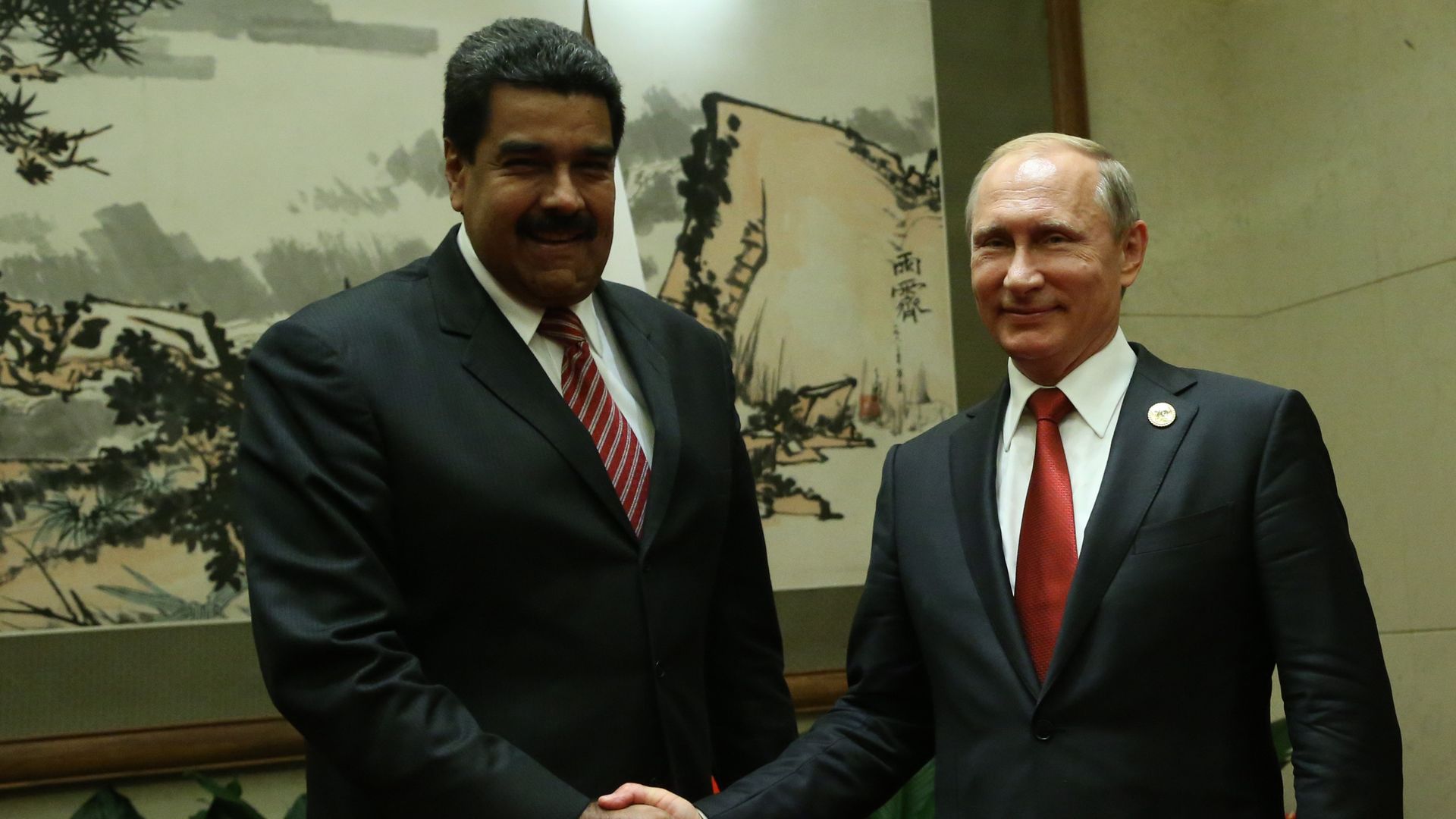
The Trump administration today announced sanctions on Rosneft Trading, a subsidiary of Russian oil giant Rosneft, for helping to keep Venezuela's Maduro regime afloat by facilitating oil exports.
Why it matters: Senior administration officials announcing the sanctions in a call with reporters framed the step as a warning not only to Rosneft but to Russia. They described it as part of a "maximum pressure" campaign that is currently "50-60%" implemented and will continue to ramp up as long as Nicolás Maduro refuses to give up power.
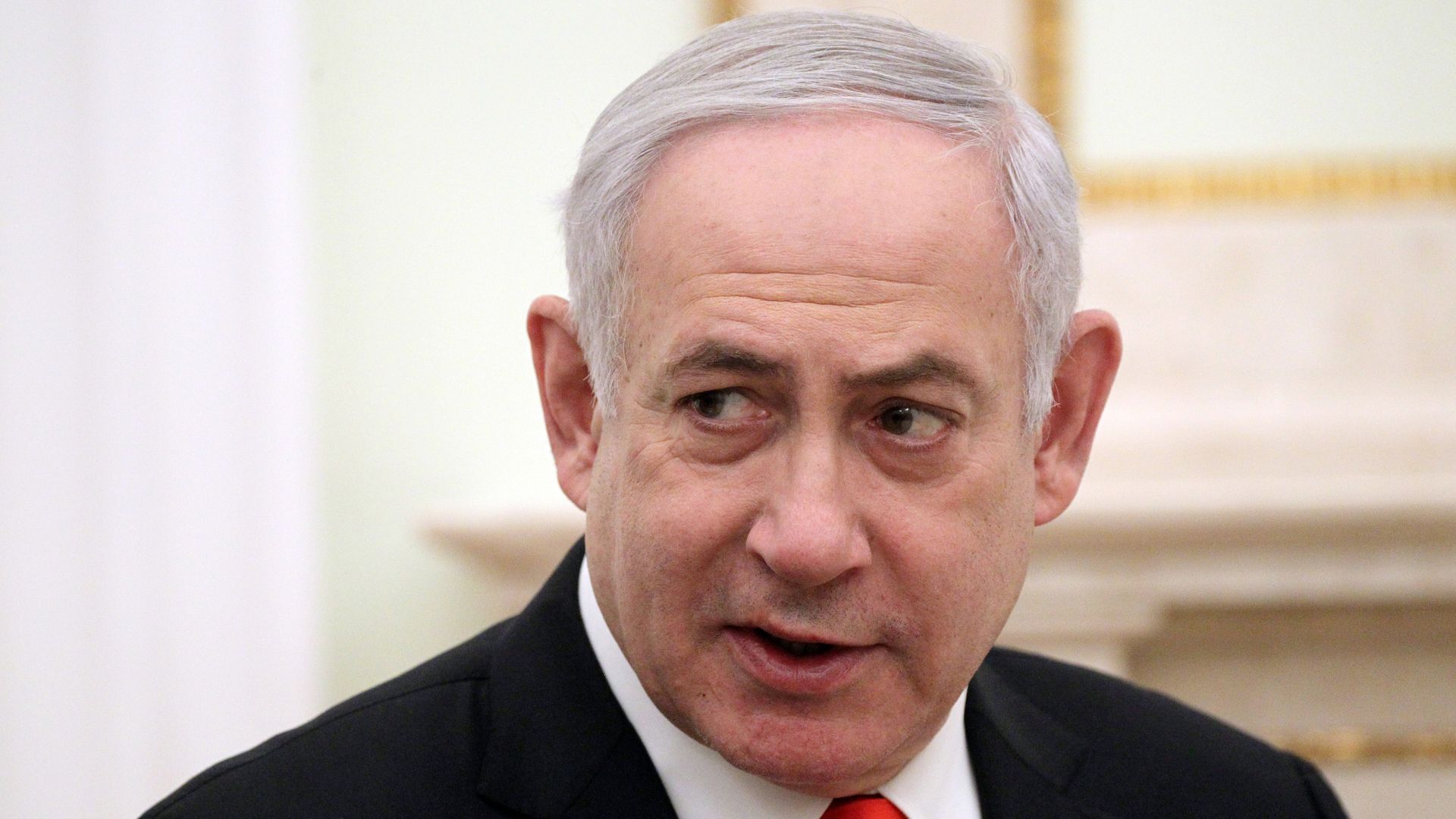
Israeli Prime Minister Benjamin Netanyahu's trial on charges of bribery, fraud and breach of trust is set to begin on March 17 at the district court in Jerusalem, the court announced today.
Why it matters: Netanyahu's trial will begin two weeks after the March 2 elections, likely in the middle of efforts to form a new government.
Worries are growing that the economic impact from the novel coronavirus outbreak will be worse than expected and that markets are being too complacent in factoring it in as a risk.
What's happening: The number of confirmed cases has already far outpaced expectations and even those reports are being viewed through a lens of suspicion that the Chinese government is underreporting the figures.
The Trump administration is weighing new trade restrictions that could force factories across the globe to obtain licenses if they want to use U.S. equipment to make chips for Huawei products, the Wall Street Journal reports.
Why it matters: The restrictions "risk disrupting the global supply chain for semiconductors and dent growth for many U.S. companies," the WSJ reports, citing unnamed U.S. industry participants. One goal of the proposed restrictions is for China to see the action as a threat, per the WSJ.
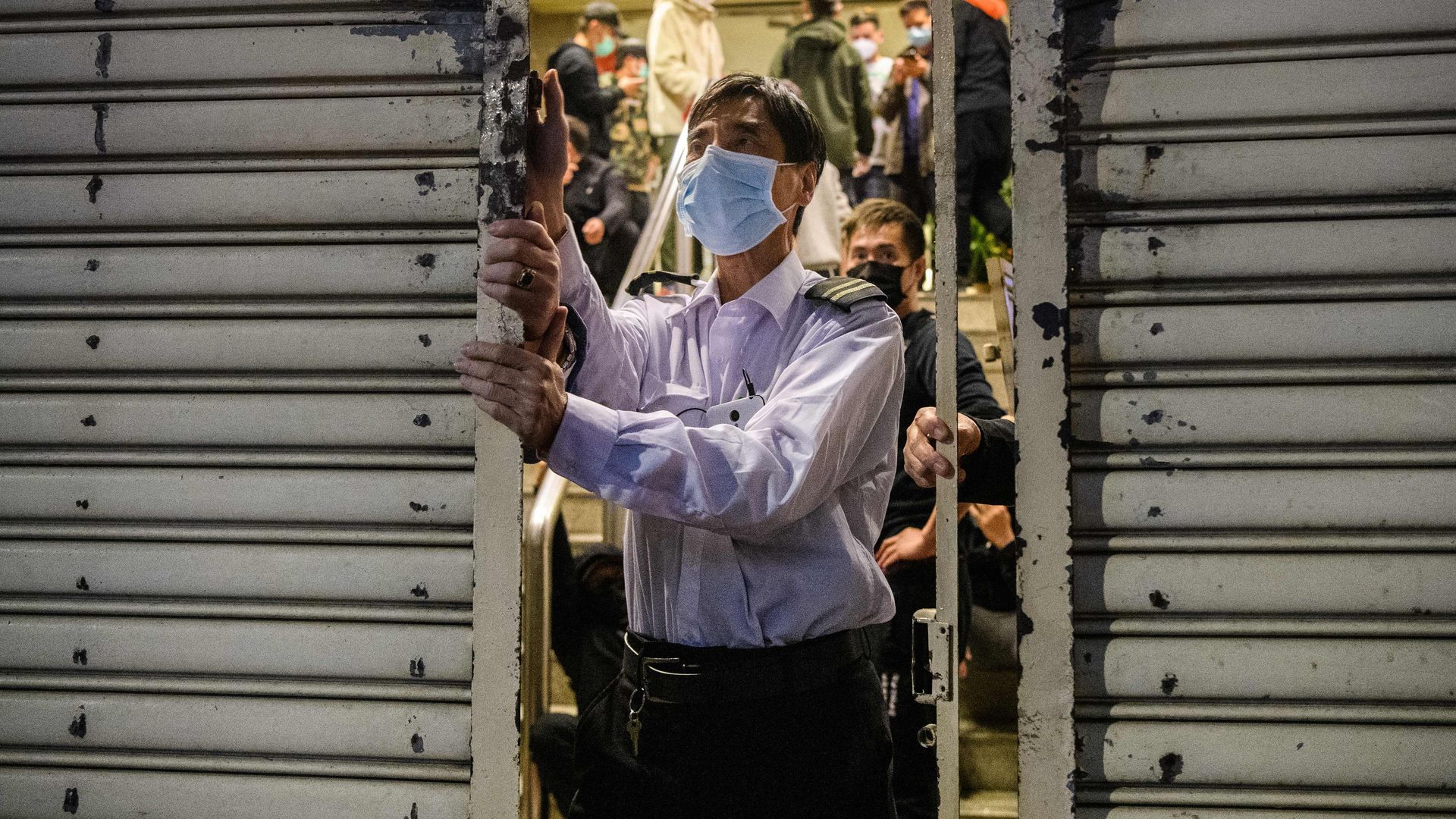
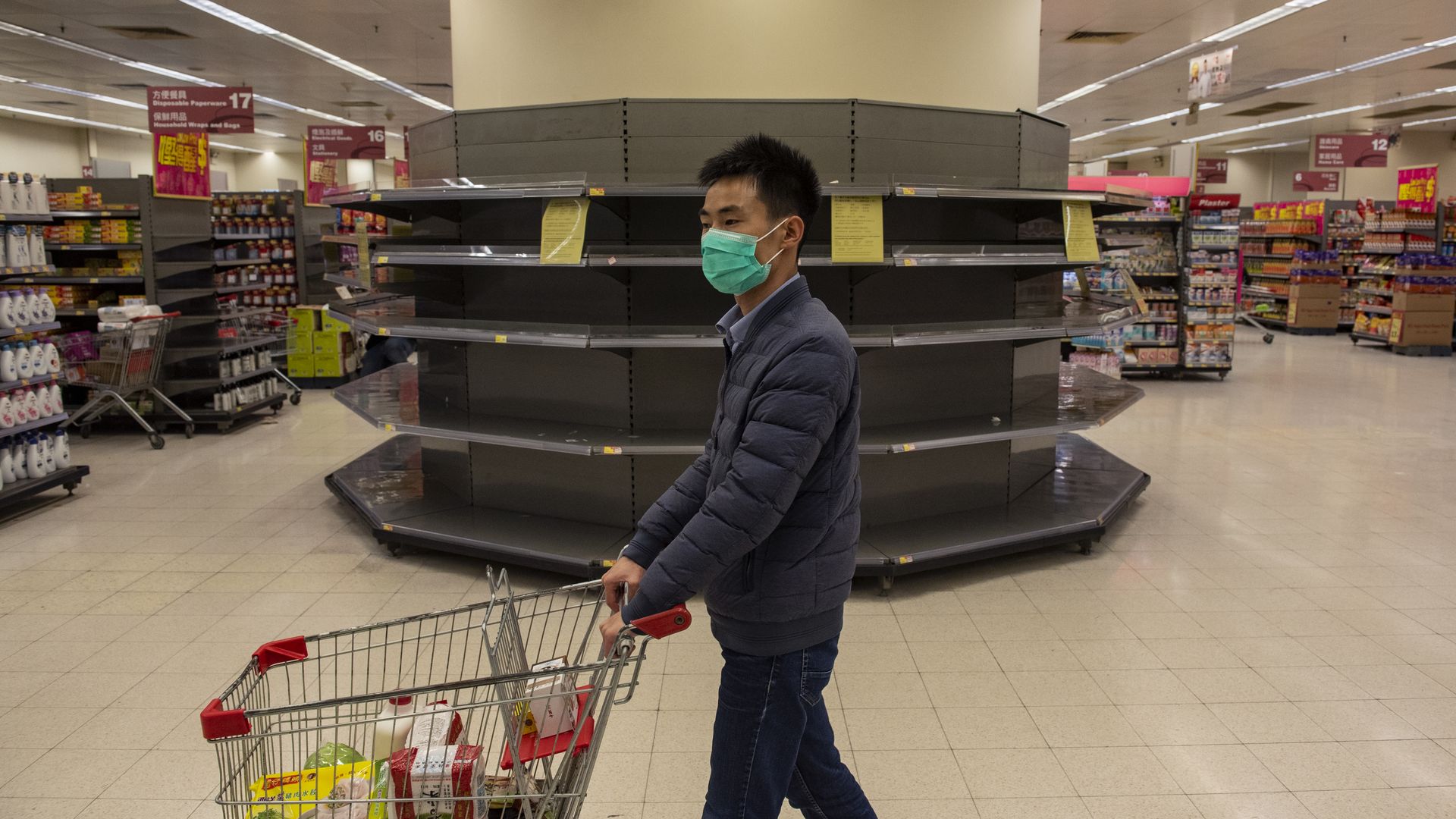
A deliveryman in Hong Kong on Monday was robbed at knife point for toilet paper, as the city copes with ongoing shortages of basic household and cooking supplies amid the coronavirus outbreak, the New York Times reports.
What's happening: Some Hong Kong supermarkets began selling out of sanitary towels, frozen dumplings, cooking oil, bottled water, bread, shower gel, cleaning products and noodles in the first week of February, South China Morning Post reports, while canned goods started to run low.
Storm Dennis continued to pummel parts of England, Wales and Ireland over Sunday night with heavy rain after battering Northern Ireland and Scotland, per the official British weather agency the Met Office.
Why it matters: It's the second-strongest nontropical storm ever recorded in the North Atlantic Ocean, with its hurricane-force winds and heavy rains that caused widespread flooding across the U.K., the Washington Post notes. Police in Wales confirmed Sunday they found the body of a man who fell into a river as the storm lashed Ystradgynlais.