Fake meat is the latest American industry vying for access to China's massive market of 1.4 billion consumers.
Why it matters: The global fake meat market is expected to grow to around $140 billion within the next 10 years as consumers move away from real meat due to health and environmental concerns — and the fastest-growing market is Asia, Axios' Erica Pandey reports.
China has rapidly become one of the most cashless countries in the world. That's a big problem for foreigners who don't have a Chinese bank account, because outside the major tourist hubs few merchants accept credit cards.
The big picture: Two private payments systems dominate the Chinese market: Alipay and WeChat. But until now, you had to have a Chinese bank account in order to be able to use either of them.
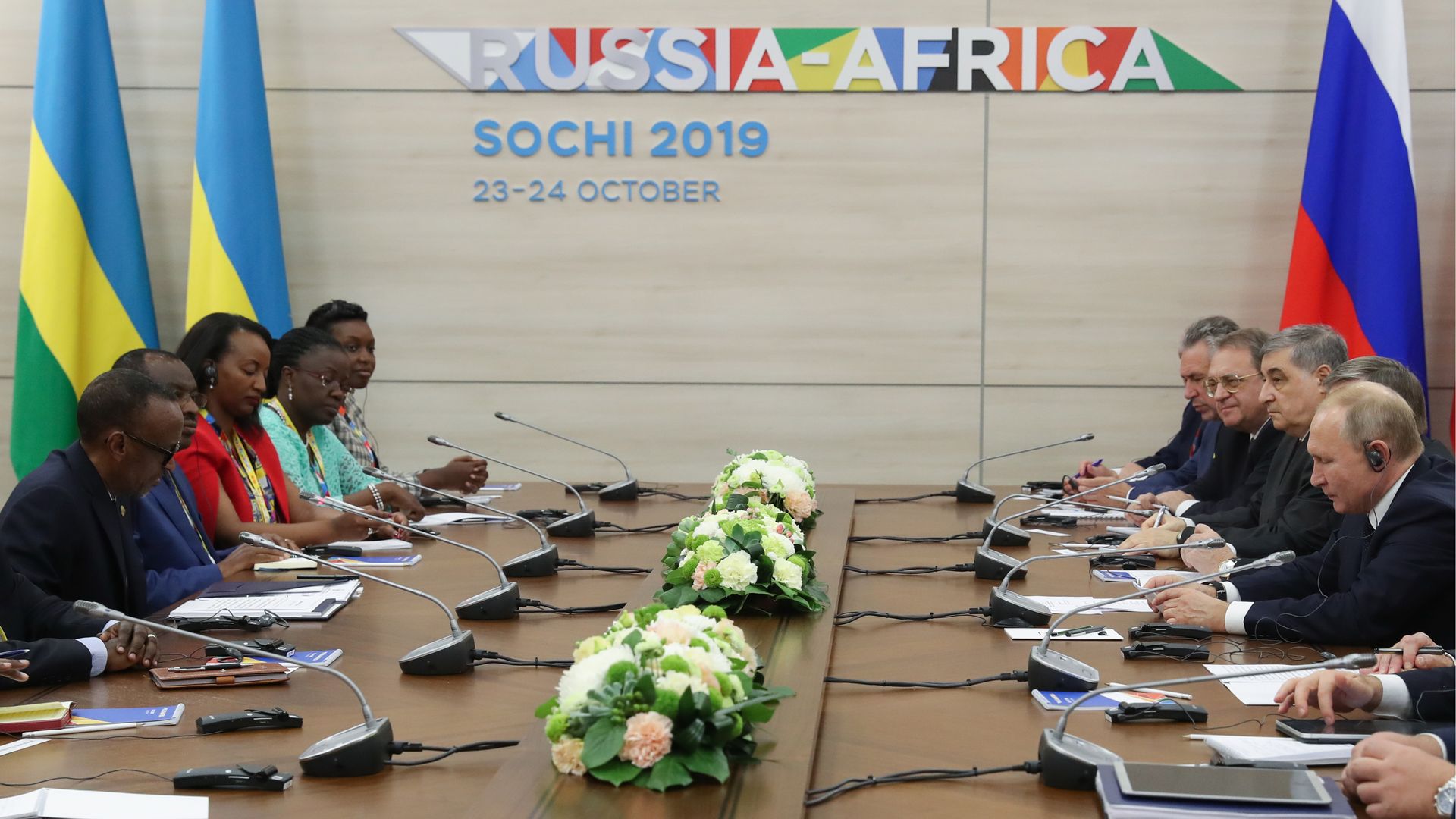
Russia's late October summit with African leaders in Sochi took place amid a renewed global scramble among foreign powers for influence on the continent.
Why it matters: Increased competition holds promise for Africa. Not only will foreign investment — which rebounded last year after a recent downturn — rise, but African countries can be more selective about deal terms while diversifying their partnerships beyond currently dominant powers such as China.
Internet freedom is in decline around the world, with governments using social media to monitor their citizens and spread disinformation at home and overseas, according to an annual Freedom House report.
The big picture: "What was once a liberating technology has become a conduit for surveillance and electoral manipulation," the authors write of social media. "Sophisticated mass surveillance that was once feasible only for the world's leading intelligence agencies is now affordable for a much broader range of states."
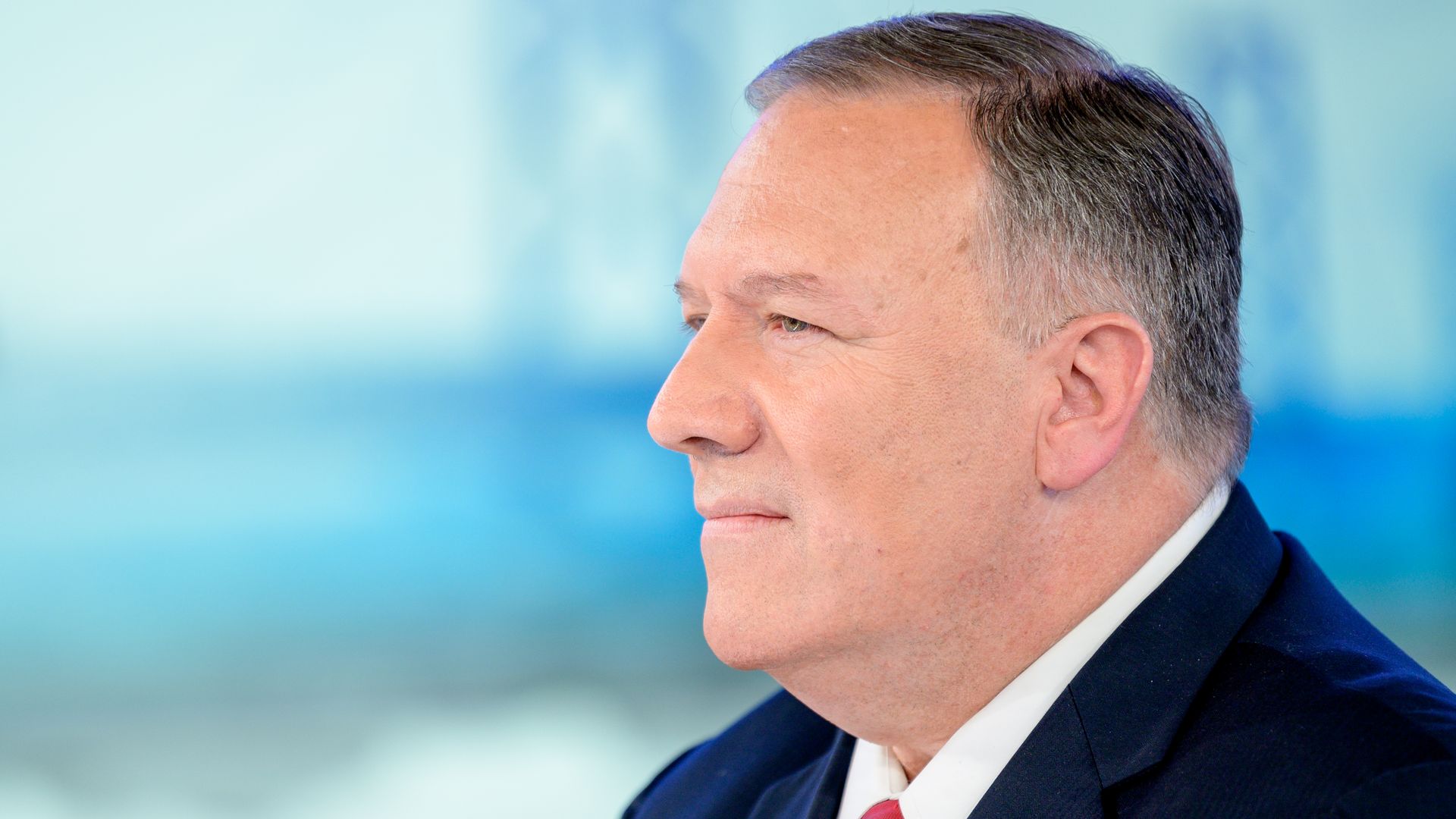
Secretary of State Mike Pompeo raised the possibility that Iran is preparing for "a rapid nuclear breakout" in a Thursday statement, highlighting the escalating crisis between Iran and the rest of the international community.
Why it matters: Since President Trump decided to withdraw from the Iran nuclear deal last year and engage in a pressure campaign against the country, the Iranian government took steps to reduce their commitment to the 2015 deal.
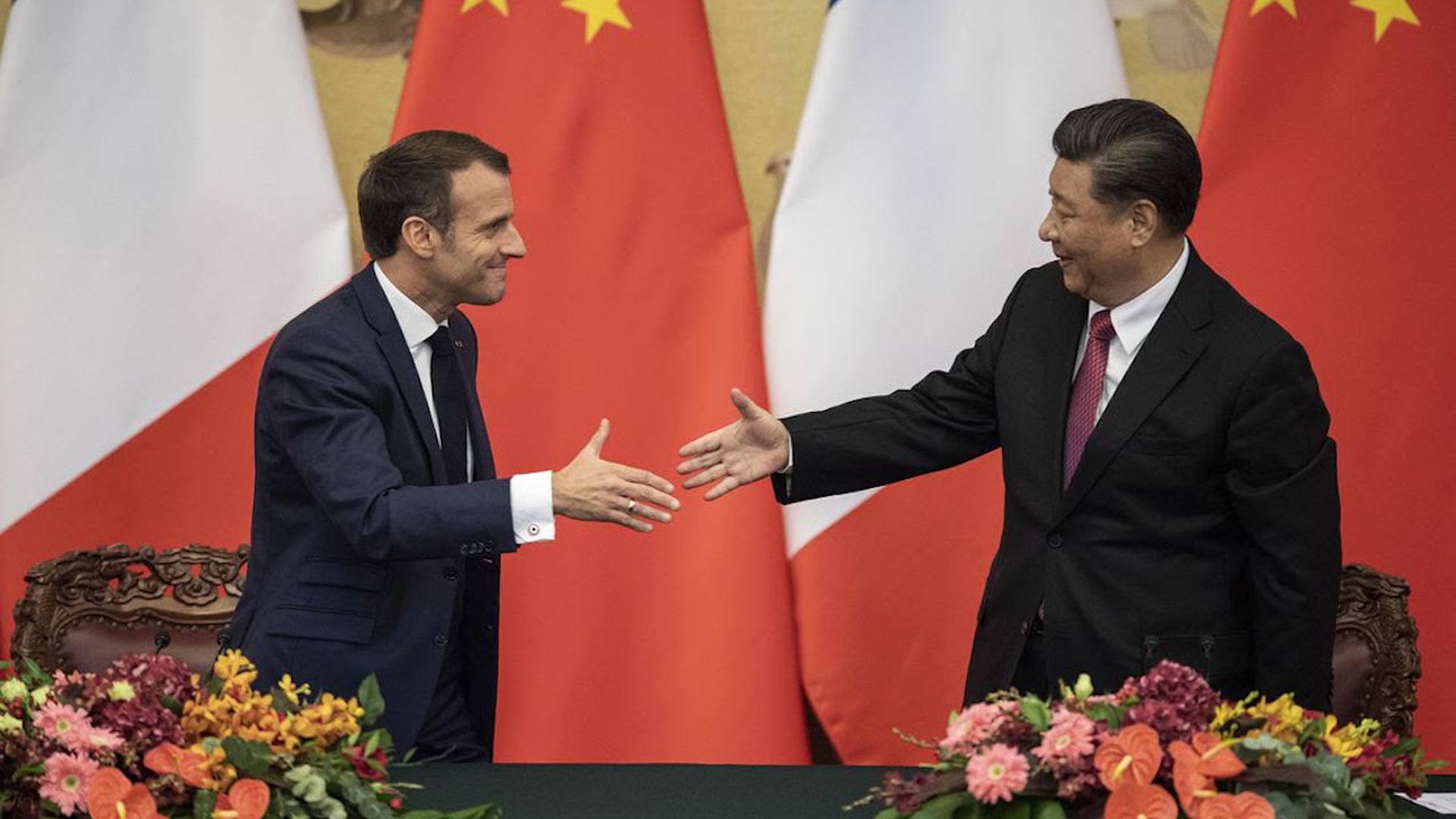
When French President Emmanuel Macron wants to take European concerns to the world stage — climate, trade, Iran — he no longer calls Washington. He flies to Beijing, the AP reports.
Why it matters: Macron's visit to China this week suggests that the U.S. risks being sidelined on the global stage. One moment spoke volumes: Chinese President Xi Jinping sampled French wines, which the Trump administration recently slapped with heavy tariffs.
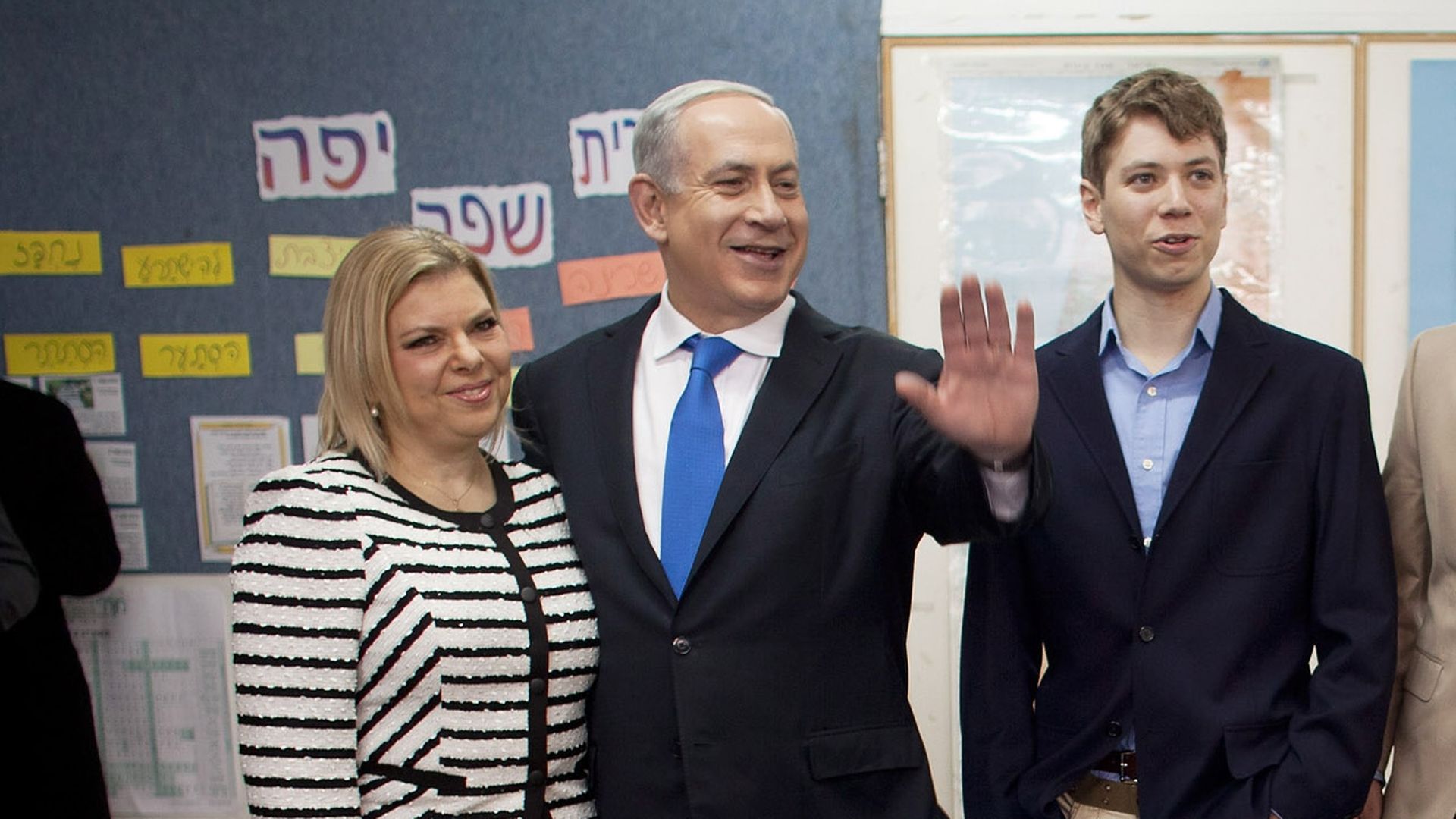
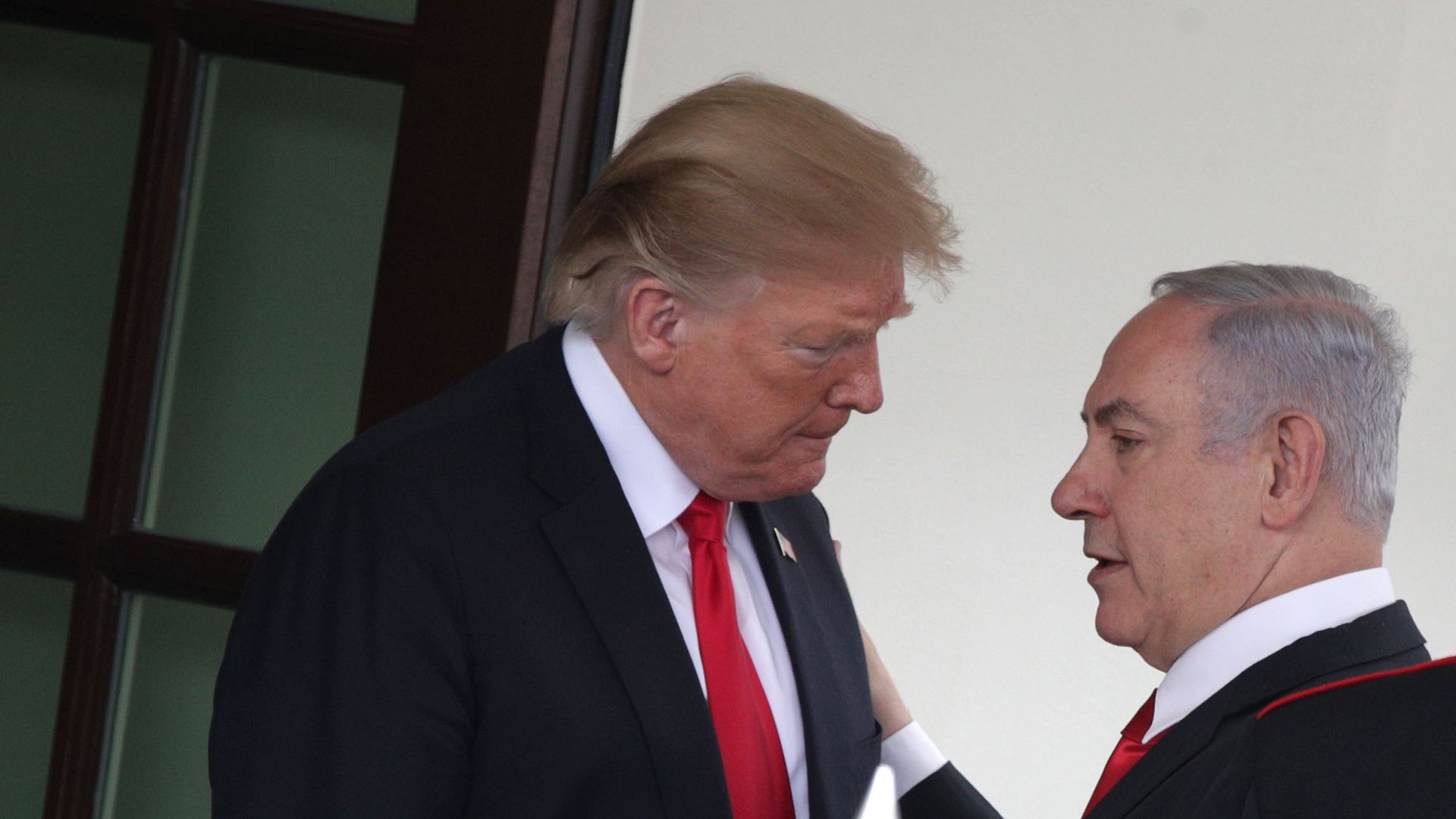
In a rare public appearance in New York, Yair Netanyahu, the son of Israeli Prime Minister Benjamin Netanyahu, defended his father's legacy, claiming "Israel had nothing but oranges" before he became PM in 1996 and attacked what he called the "extreme left-wing media."
Why it matters: In the past year, he's been trying to position himself as a leading populist right-wing voice in Israel and abroad. Through his Twitter account and growing number of public speeches to conservative audiences, he is trying to be the Israeli version of President Trump's eldest child, Donald Trump Jr. Indeed, on many days it seems both men are using the exact same talking points.
Several months ago, President Trump rejected a request by Israeli Prime Minister Benjamin Netanyahu to allow U.S. aid to be transferred to Palestinian security forces and told aides that Netanyahu should pay for it, U.S. officials told me.
Why it matters: In the last two years, the Trump administration has gradually cut all funding to the Palestinians, with the latest cut taking place at the end of January. One of the key players in encouraging the funding cut was Netanyahu.
Didi Chuxing, the Chinese ride-hailing giant, said Wednesday that it will roll out a revamped trial version of its peer-to-peer carpooling ride service in seven cities later this month after suspending it last year following the deaths of two female passengers.
Why it matters: The incidents put a halt to the company's meteoric success — it was once even expected to go public before its U.S. peers. The new service will have curfews in place for passengers, limits to trip length and new initiatives around women's safety.
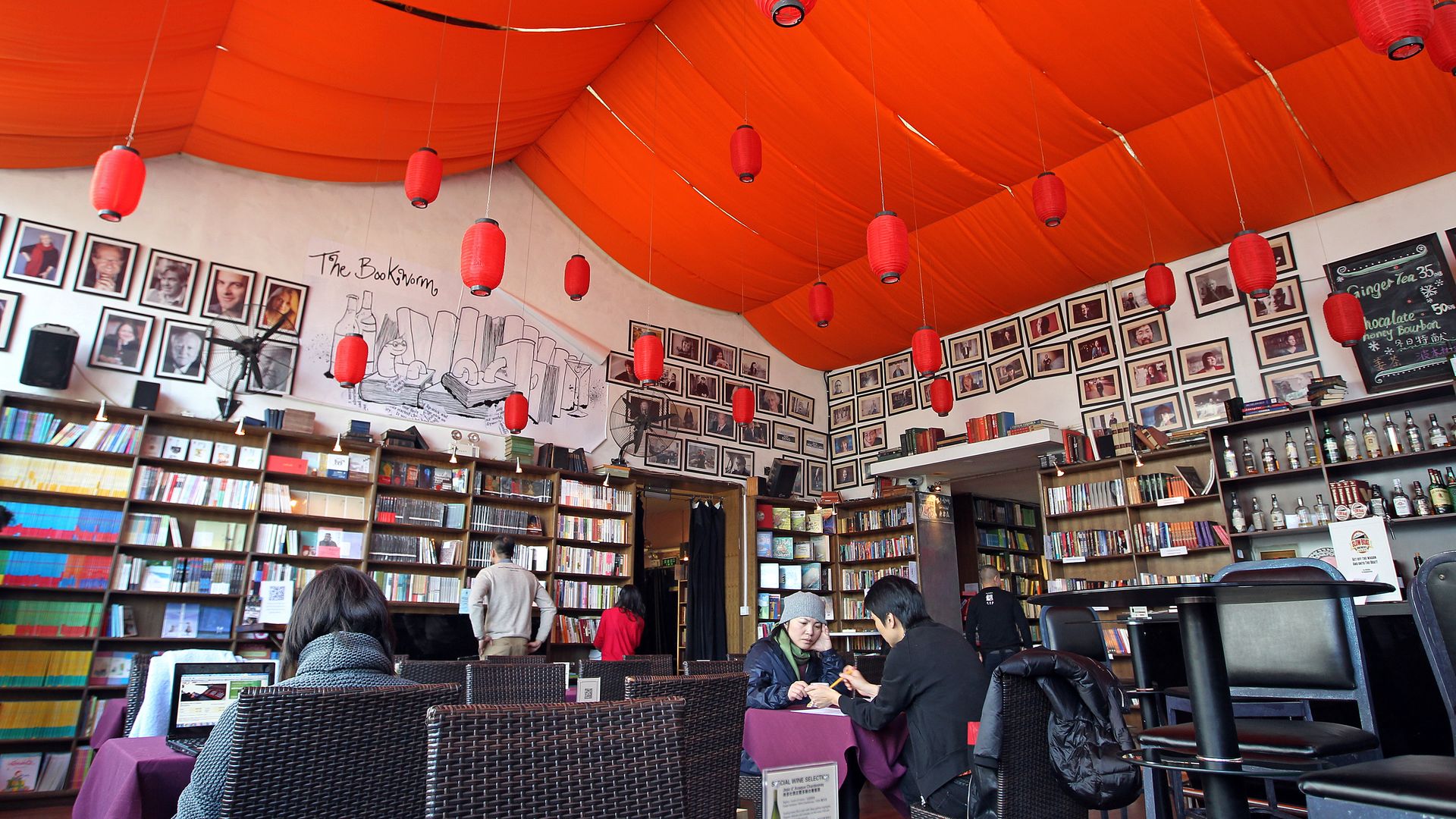
The Bookworm, a center of literary life in Beijing and a refuge for expats, will close, "unable to renew its lease amid crackdown on 'illegal structures,''' reports Hong Kong's South China Morning Post.
The state of play: A co-founder of the store says the store has fallen victim to restructuring by city planners and wouldn't tell the South China Morning Post if there is a political reason. However, the paper notes that "there has been talk that the free-flowing discussions on contemporary affairs, social and political issues that Bookworm hosted antagonized Chinese censors."




/2019/11/07/1573160981761.gif?w=3840)