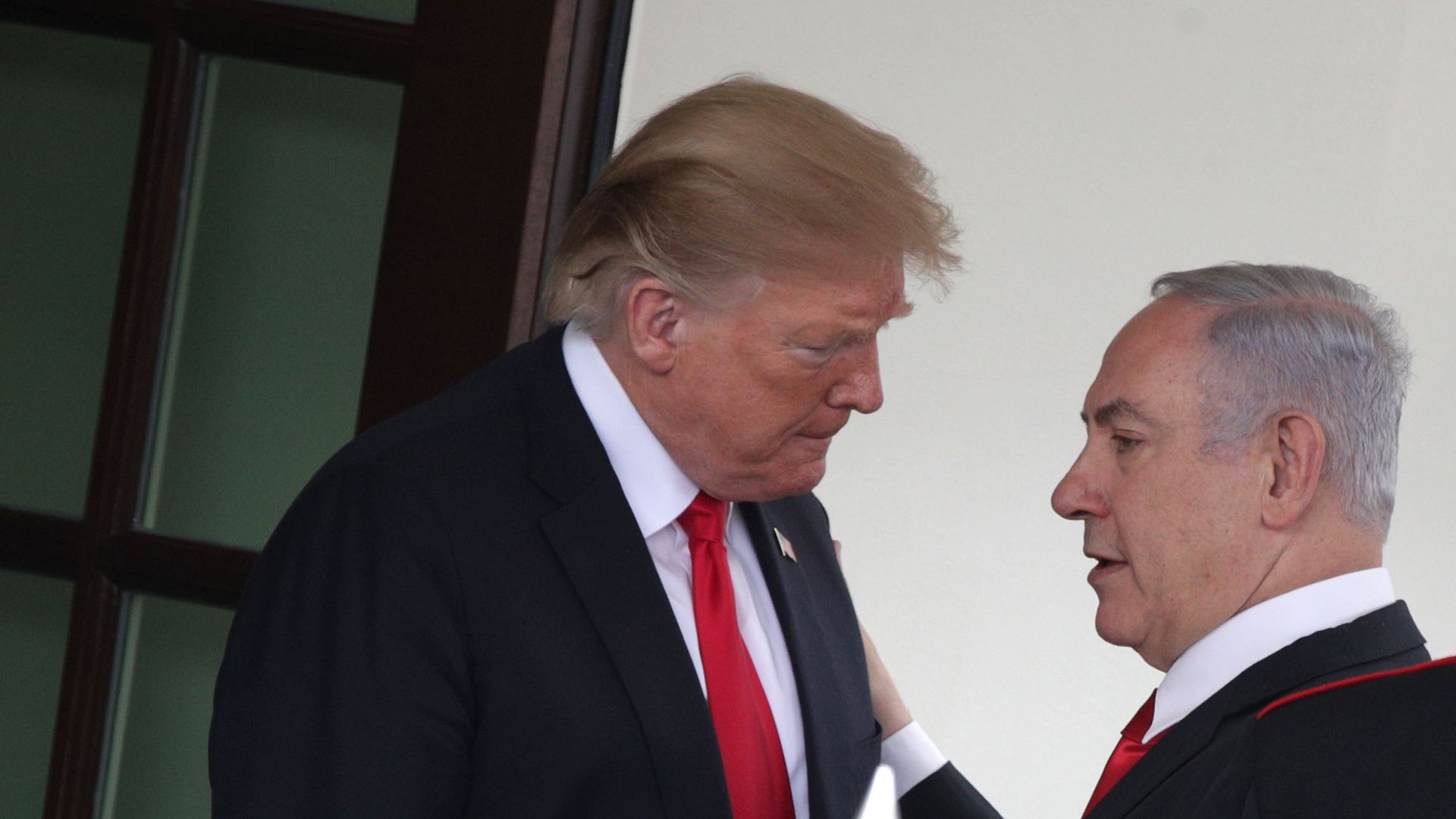
Several months ago, President Trump rejected a request by Israeli Prime Minister Benjamin Netanyahu to allow U.S. aid to be transferred to Palestinian security forces and told aides that Netanyahu should pay for it, U.S. officials told me.
Why it matters: In the last two years, the Trump administration has gradually cut all funding to the Palestinians, with the latest cut taking place at the end of January. One of the key players in encouraging the funding cut was Netanyahu.
Didi Chuxing, the Chinese ride-hailing giant, said Wednesday that it will roll out a revamped trial version of its peer-to-peer carpooling ride service in seven cities later this month after suspending it last year following the deaths of two female passengers.
Why it matters: The incidents put a halt to the company's meteoric success — it was once even expected to go public before its U.S. peers. The new service will have curfews in place for passengers, limits to trip length and new initiatives around women's safety.
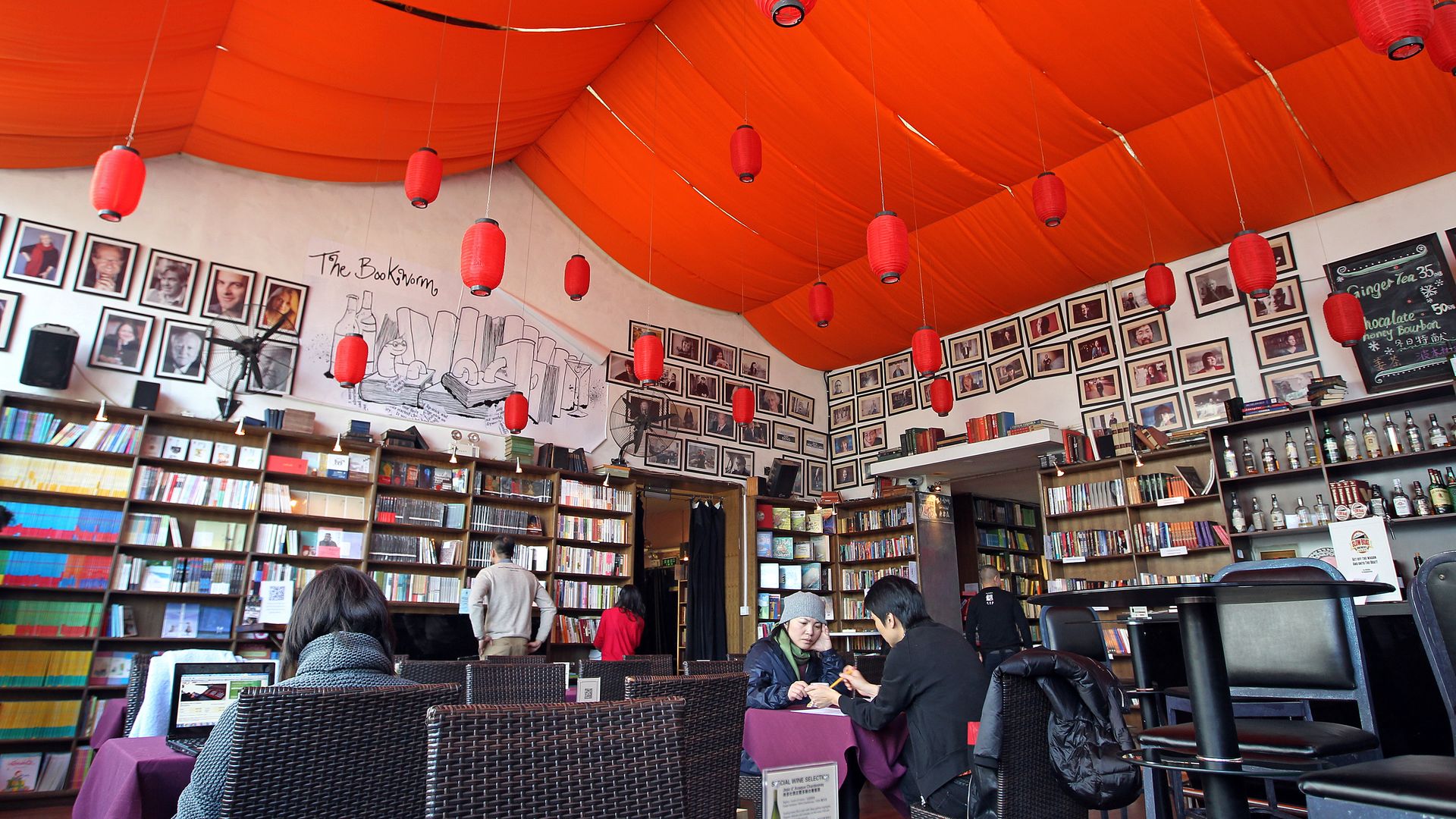
The Bookworm, a center of literary life in Beijing and a refuge for expats, will close, "unable to renew its lease amid crackdown on 'illegal structures,''' reports Hong Kong's South China Morning Post.
The state of play: A co-founder of the store says the store has fallen victim to restructuring by city planners and wouldn't tell the South China Morning Post if there is a political reason. However, the paper notes that "there has been talk that the free-flowing discussions on contemporary affairs, social and political issues that Bookworm hosted antagonized Chinese censors."
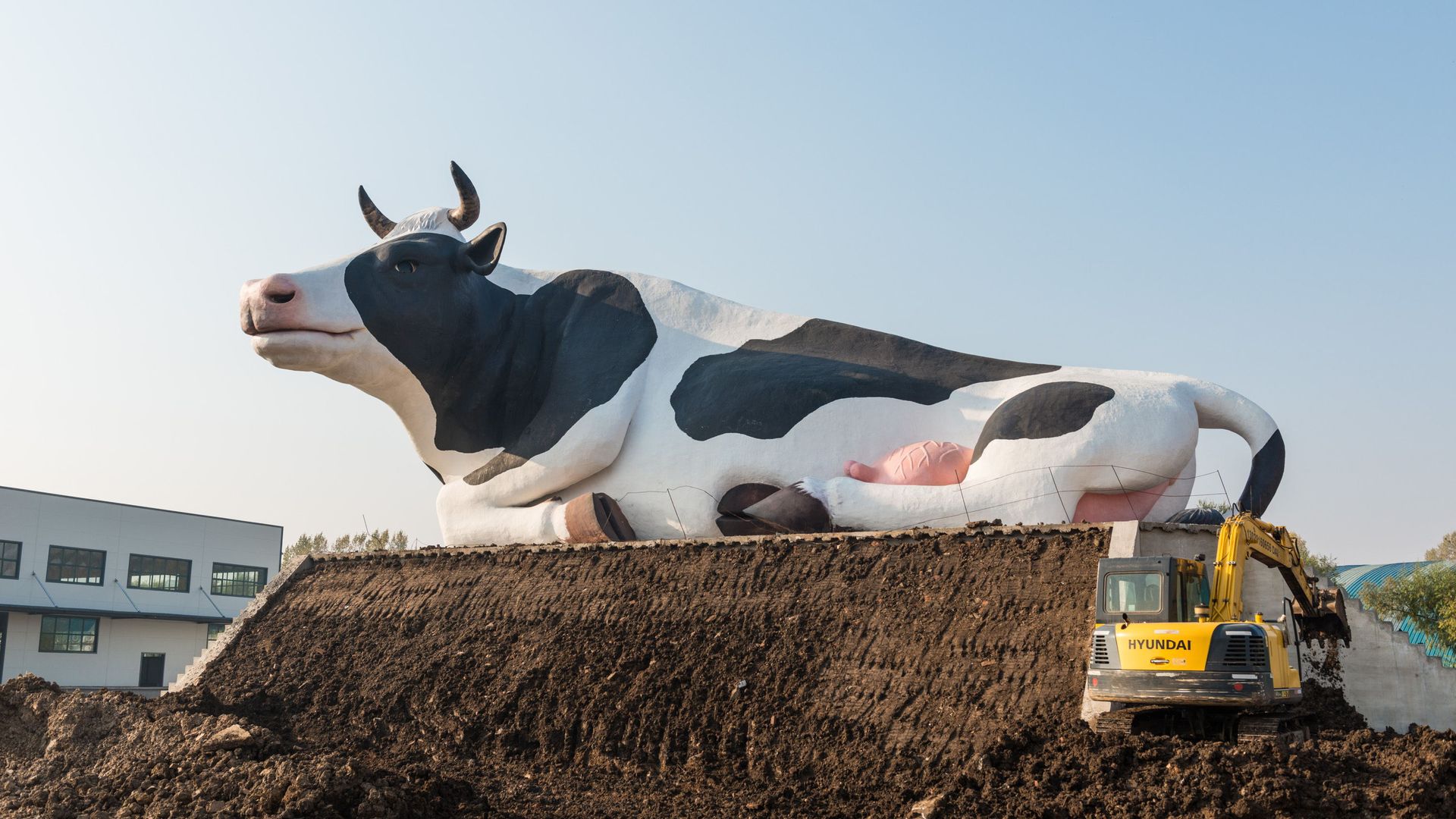
People in China are consuming more dairy products in the form of baked goods and beverages than ever before, despite the fact that milk products have not been traditionally used in Chinese cuisine, the Wall Street Journal reports.
Why it matters: Milk powder prices have reached multiyear highs as a result of the surge in dairy demand from China, which is good news for milk producers around the world who have weathered several years of low returns.
Chinese companies are taking an increasingly larger share of the Fortune Global 500, an annual ranking of the world’s top 500 companies by revenue.
What's happening: In 2008, China had just 29 companies on the Global 500 and none in the top 10. This year, the list includes 119 Chinese companies that have a combined revenue of nearly $8 trillion, which represents almost a quarter of the revenue generated by all the companies on the list.
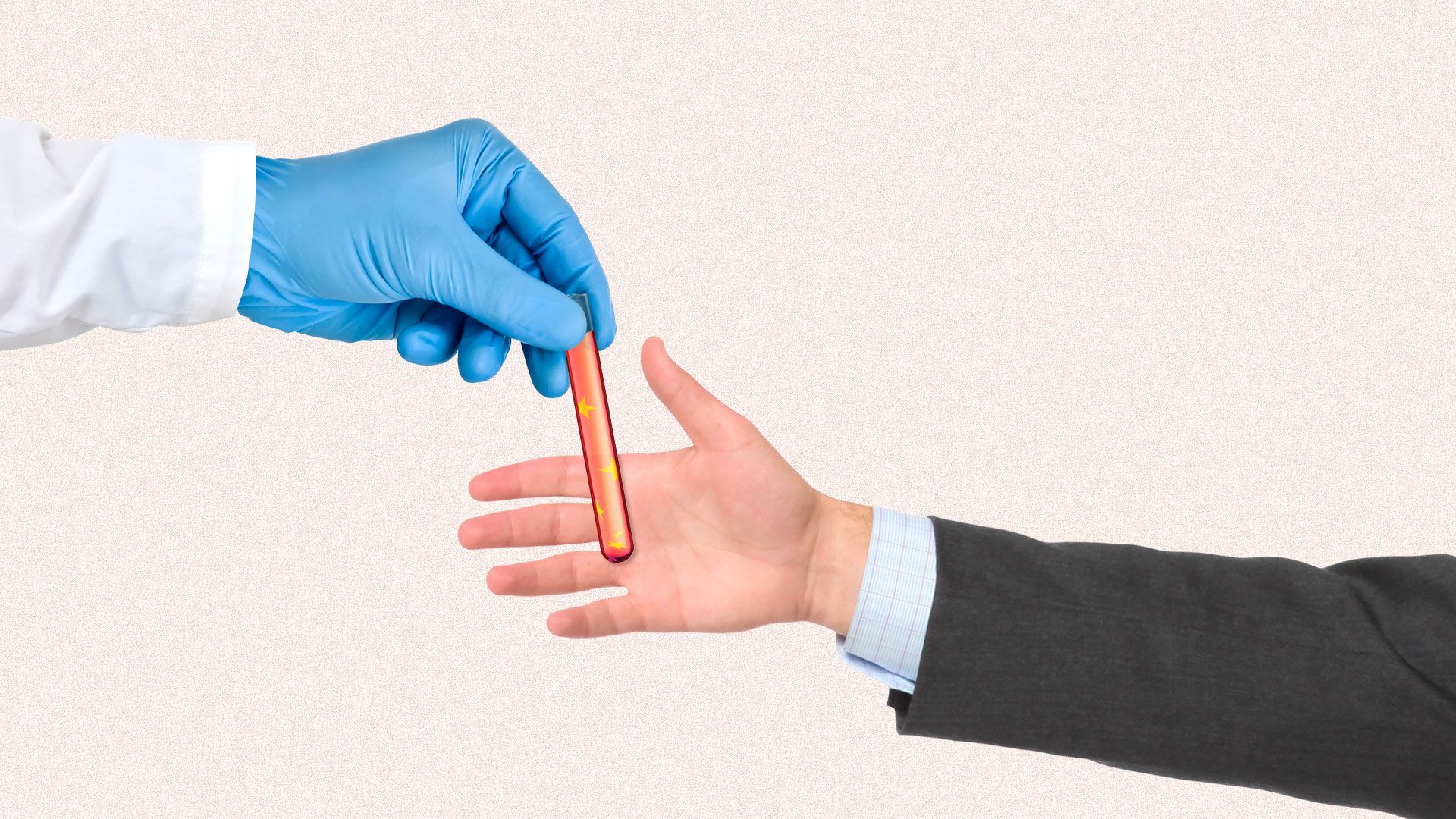
The National Institutes of Health and the FBI are tracking down scientists who are stealing biomedical research and giving it to China, with nearly 200 investigations in progress at academic research centers, the New York Times reports.
The big picture: "The alleged theft involves not military secrets, but scientific ideas, designs, devices, data and methods that may lead to profitable new treatments or diagnostic tools," per NYT.
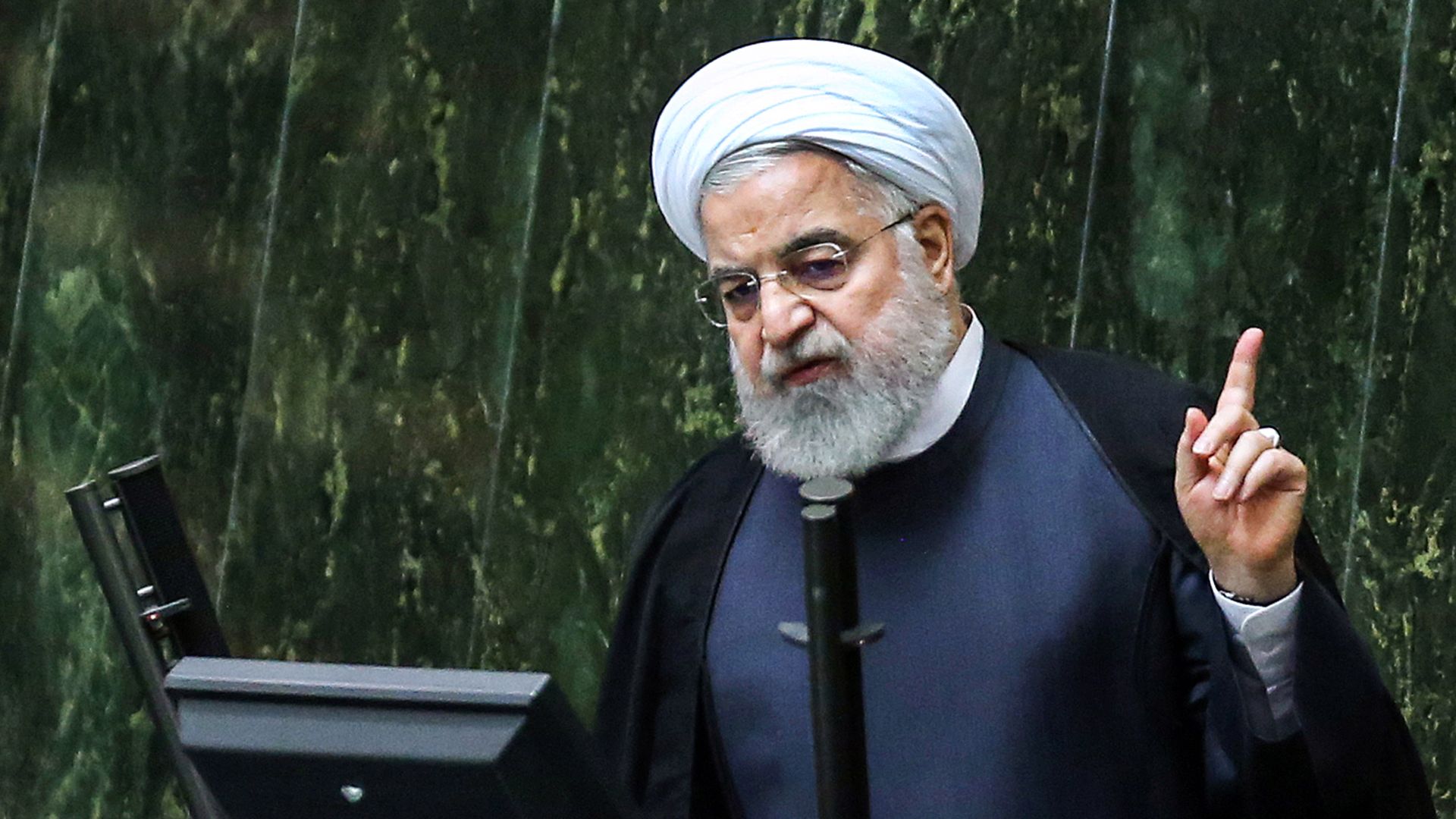
Iranian President Hassan Rouhani announced Tuesday Iran would "resume uranium enrichment" at its Fordow plant and begin injecting uranium gas into 1,044 centrifuges, Iranian state media reports.
Why it matters: The announcement coincided with the first anniversary of the Trump administration's "maximum pressure" campaign against Iran. Axios contributor Barak Ravid notes the announced plans are a substantial breach of Iran's nuclear deal.
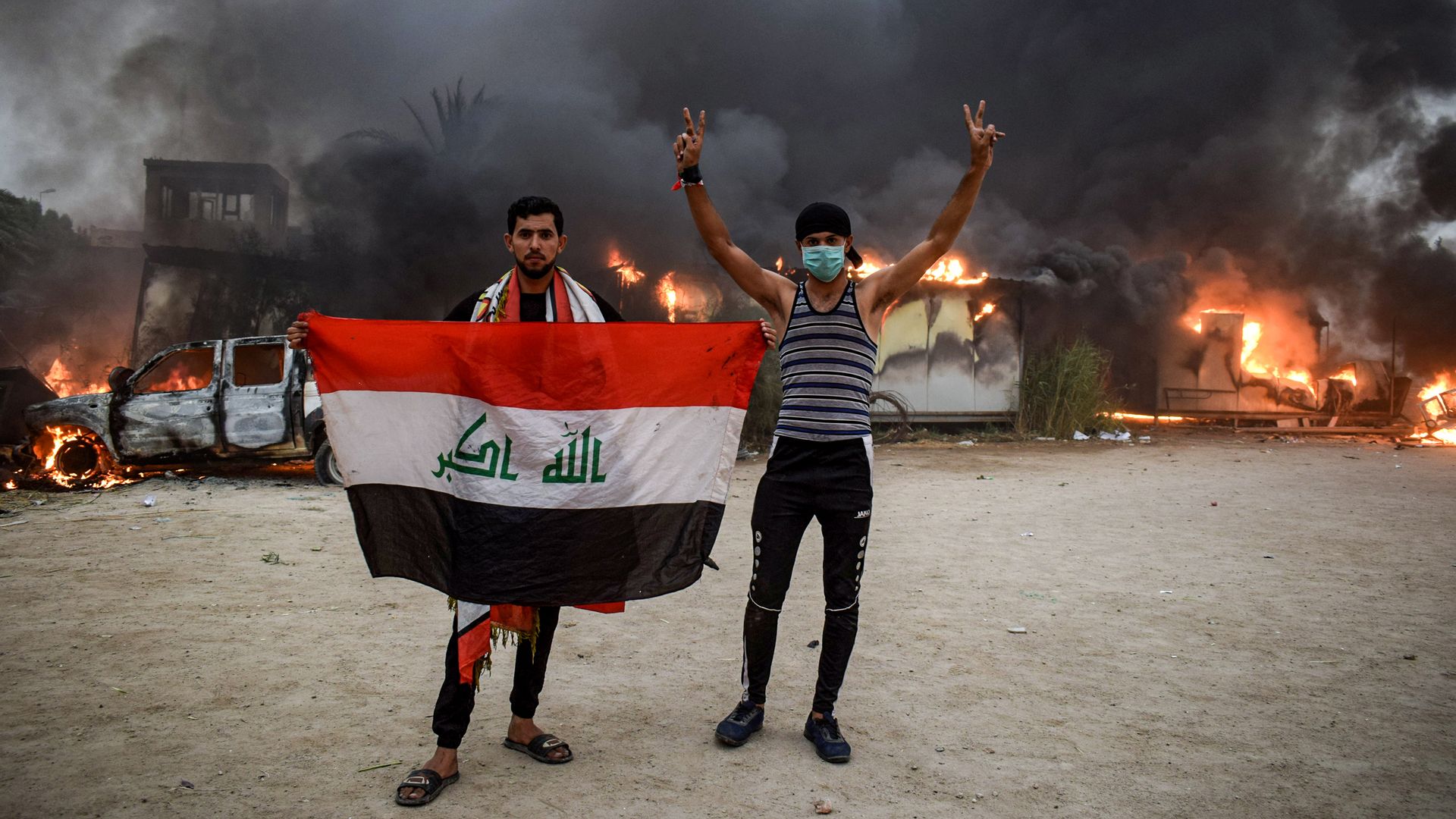
Earth-shaking demonstrations in Lebanon and Iraq have the political classes in both countries in retreat — and regional power Iran under pressure.
The big picture: Political offices in both countries are divvied up between religious and ethnic groups, but protesters claim the political factions have divided power and wealth among themselves at the expense of the citizens.