In the absence of a foreign policy victory in Venezuela, President Trump's economic embargo on the country shows his sights resettling on the prospect of regime change.
The big picture: Despite Washington's anointment of Juan Guaidó as the country's democratically elected leader and its tightening asset freeze on government property, regime change remains a high hurdle. Behind the administration's recent move is the untested wager that the renewed threat of extraterritorial sanctions against Venezuela's trade partners China and Russia could erode their support for President Nicolás Maduro.
Led by Russia and China, the world is accelerating its move away from the U.S. dollar. But rather than increasing buys of other currencies, more of the world's financial authorities are buying gold.
Driving the news: Central banks purchased a record 374.1 tons — worth $15.7 billion — of gold in the first half of the year, the largest first-half increase in the 19-year history of the World Gold Council's (WGC) data.
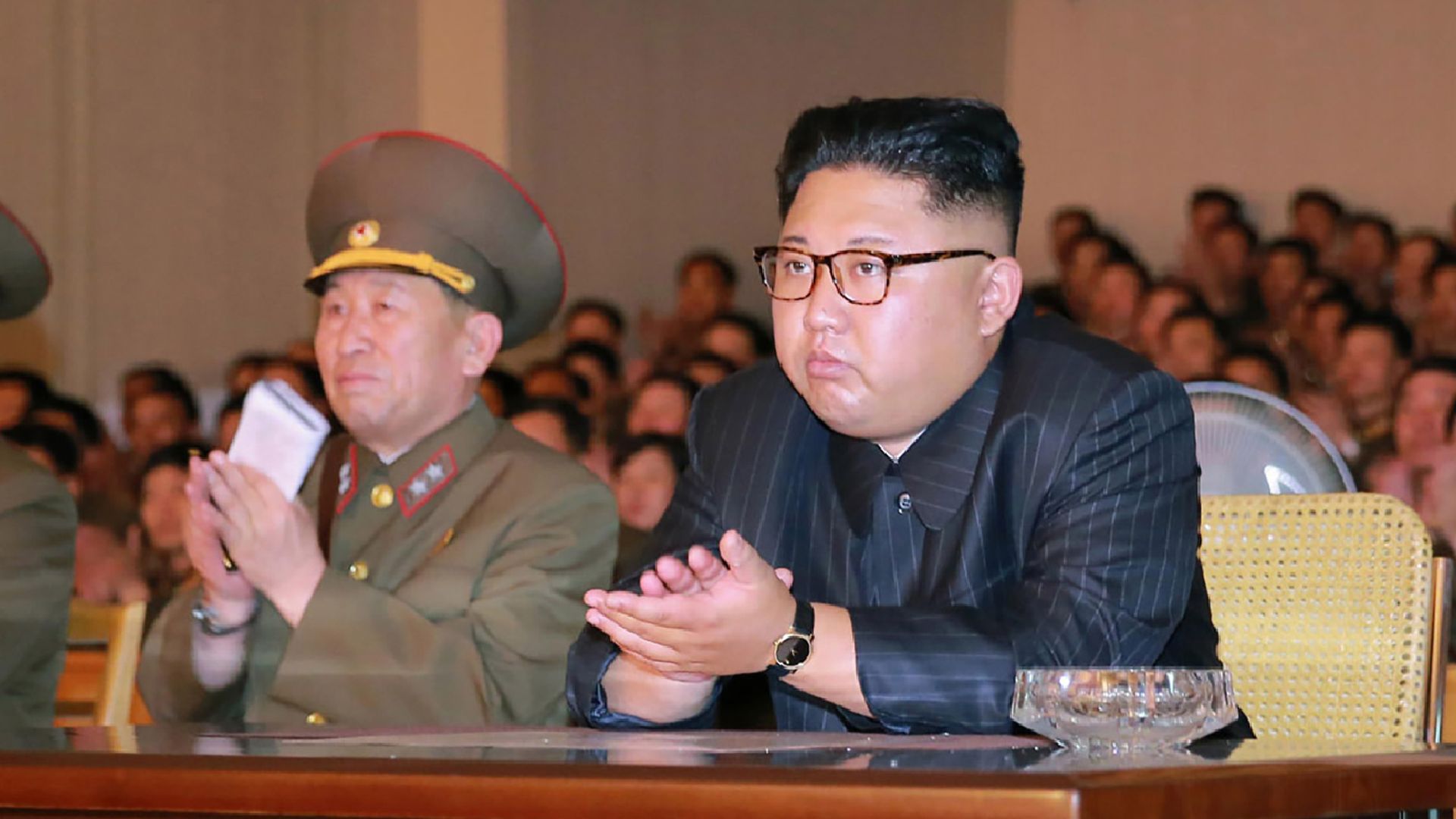
North Korean leader Kim Jong-un said Wednesday the country's latest launch of tactical guided missiles was designed to "send an adequate warning" to the U.S. and South Korea over this week's joint military drills, state media reports.
Why it matters: The launch of the newly developed, short-range ballistic missiles on Tuesday was the 4th such exercise in less than 2 weeks. It comes as denuclearization talks between the U.S. and North Korea stall, Reuters notes.
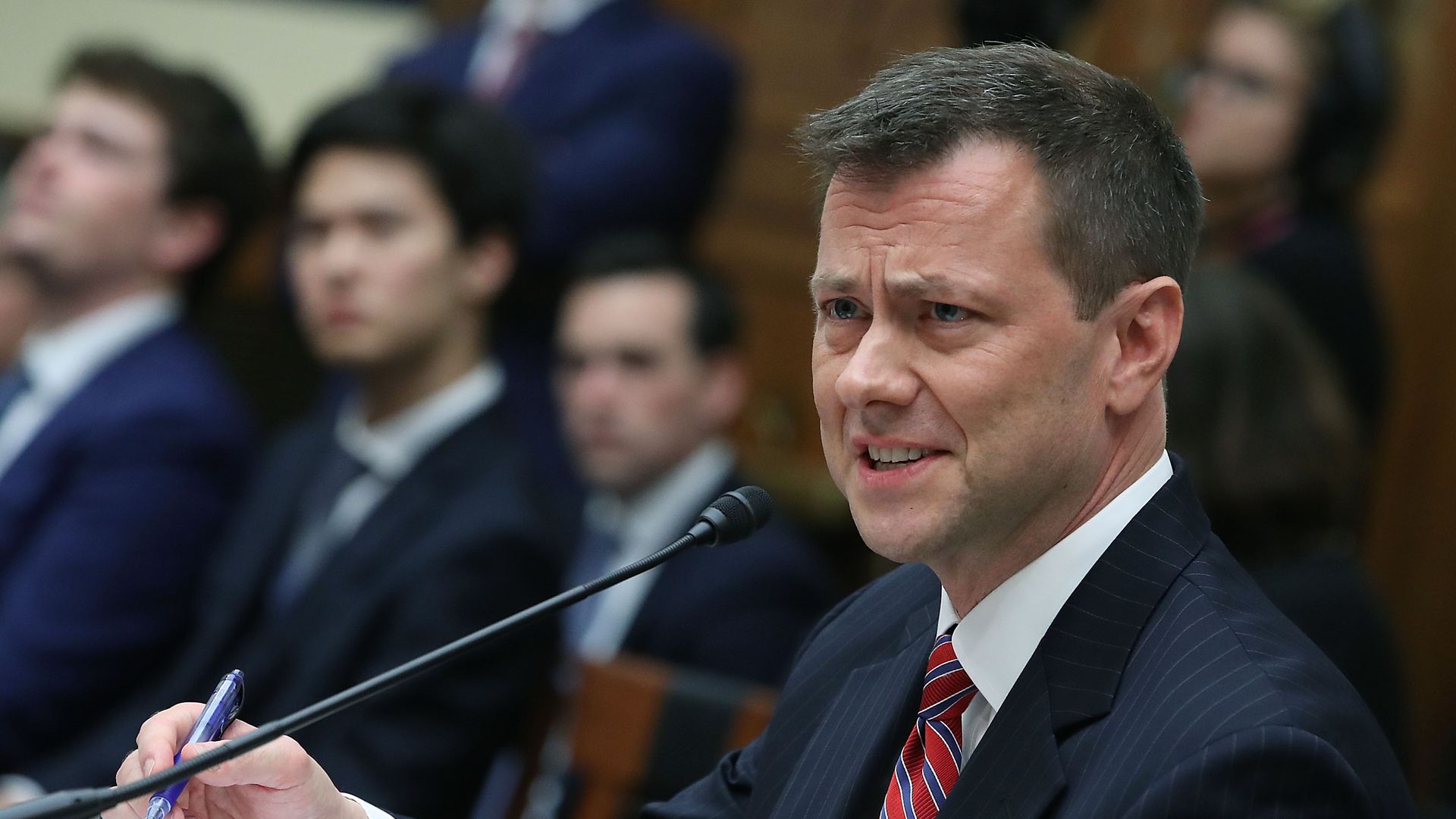
Former FBI Deputy Assistant Director Peter Strzok on Tuesday filed a lawsuit against the Justice Department and the FBI for violating his First Amendment rights by firing him after discovering 2016 texts in which he "expressed his political opinions" about then-candidate Donald Trump.
Why it matters: Strzok led the FBI's investigation into Russian interference in the 2016 election and later worked for special counsel Robert Mueller, before being transferred and later terminated after the discovery of thousands of personal text messages exchanged with FBI lawyer Lisa Page. Strzok has been the target of attacks from conservatives and Trump allies who believe the Russia probe was politically motivated and part of a conspiracy to undermine the Trump presidency.
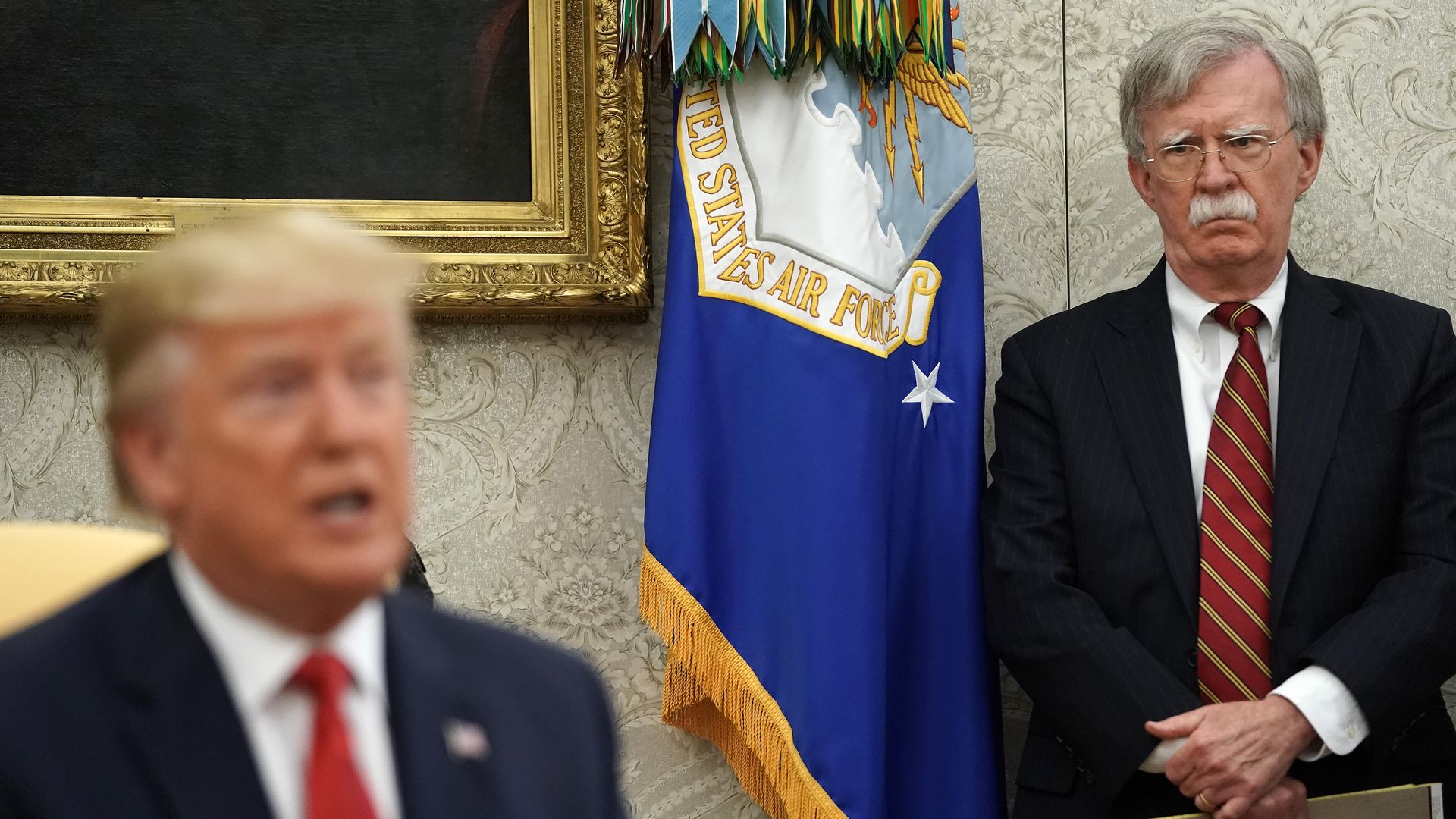
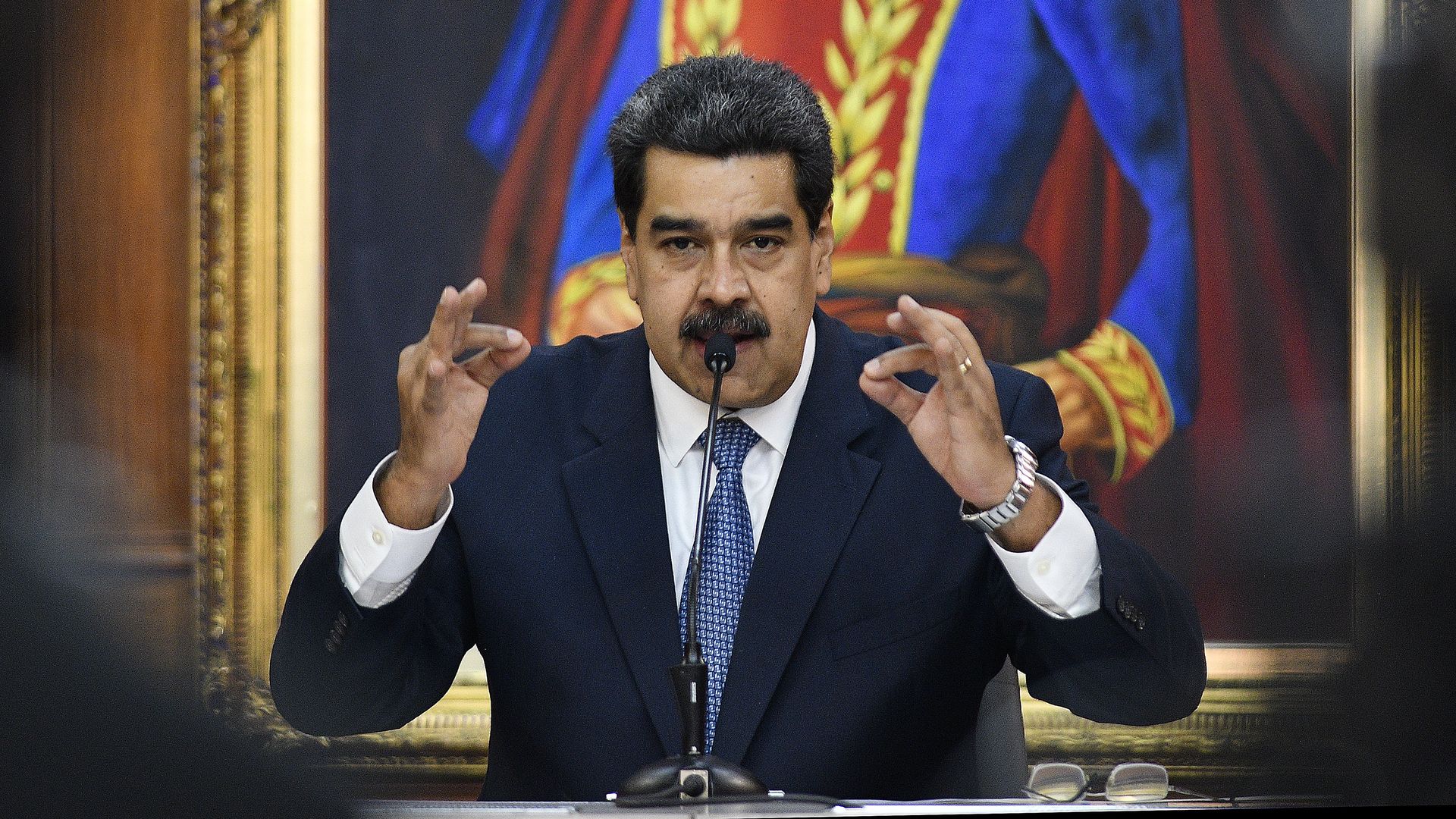
White House national security adviser John Bolton declared in a speech Tuesday morning that the embargo on Venezuela announced Monday night will deny President Nicolás Maduro the funds he needs to sustain his regime.
Why it matters: It has been six months since the U.S. recognized opposition leader Juan Guaidó as Venezuela’s legitimate president, and three months since a U.S.-supported coup attempt on Maduro failed. The drastic new steps are an attempt to regain momentum — but they will inflame tensions with Russia and China, allies of Maduro who receive shipments of Venezuelan oil as a form of debt repayment.
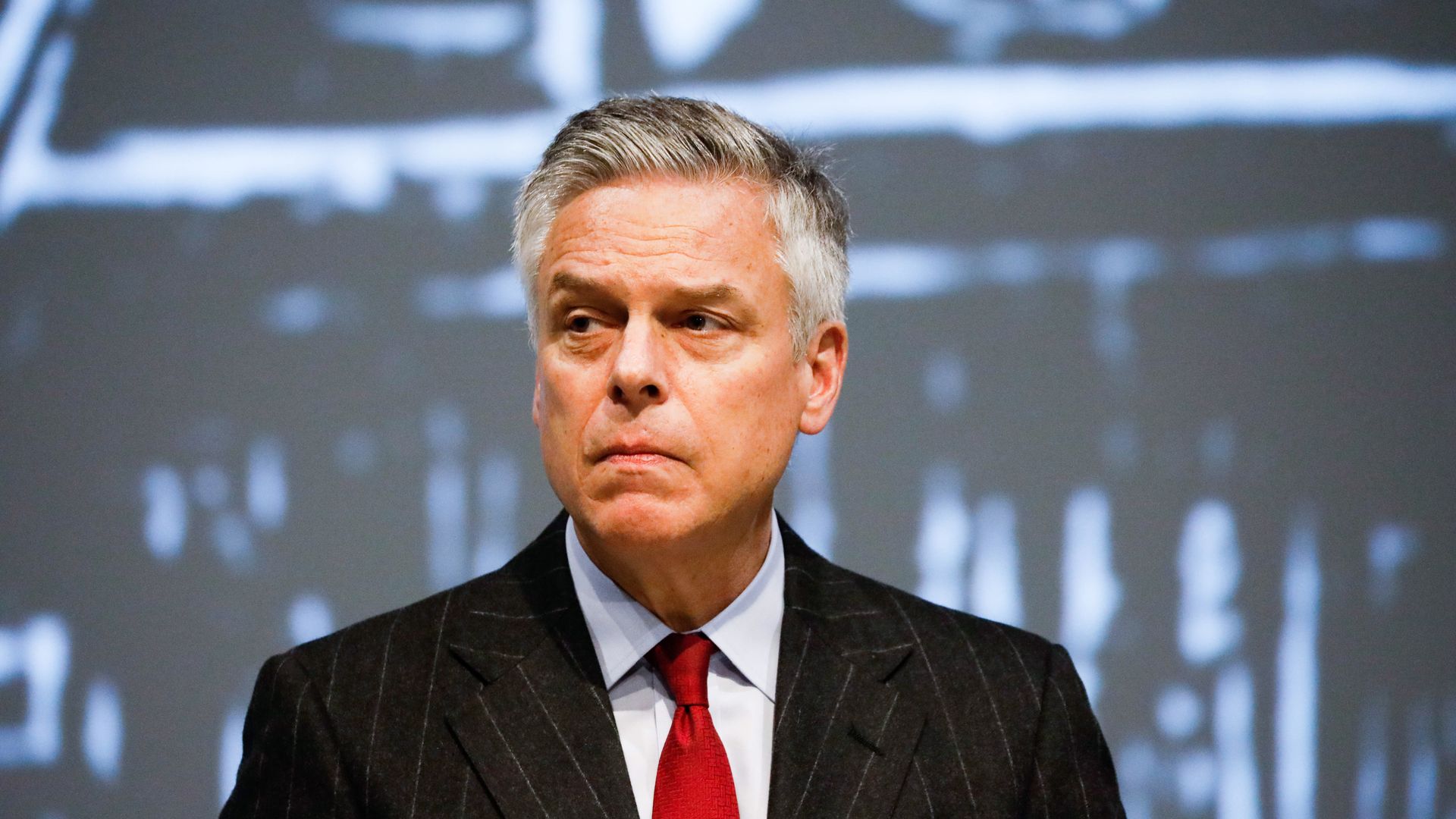
U.S. Ambassador to Russia Jon Huntsman is resigning from his post effective Oct. 3, according to a letter first reported by the Salt Lake Tribune.
Why it matters: Huntsman is a two-term governor of Utah and former ambassador to China under President Obama who was diagnosed with cancer last year. His resignation is fueling speculation that he may again run for governor of Utah, per the Tribune. Huntsman faced calls to resign after the Trump-Putin summit in Helsinki last summer, but said he would stay on out of commitment to his colleagues and country in this "fragile" era of U.S.-Russia relations.
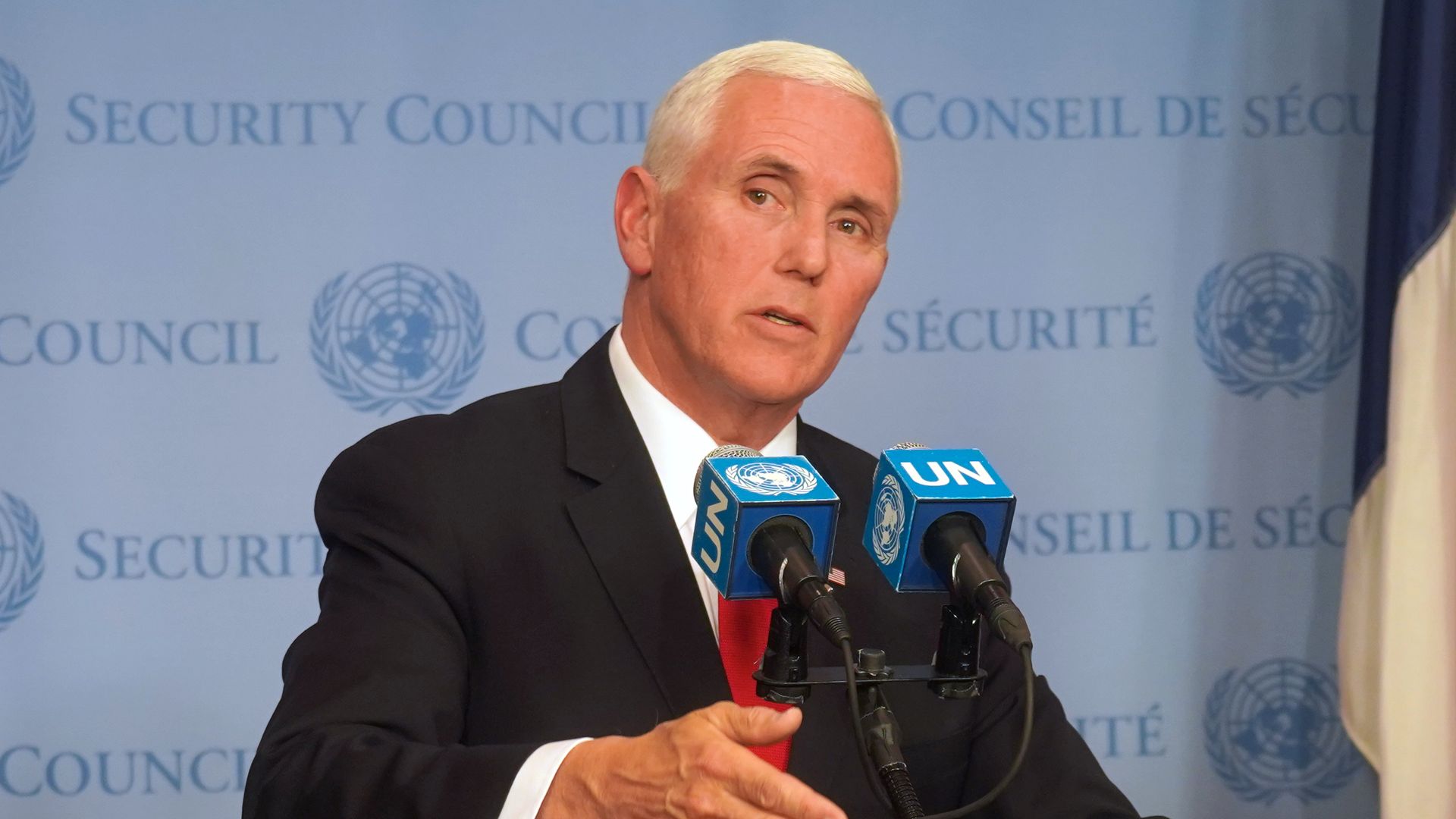
Vice President Mike Pence has signaled that the Trump administration is open to using the Global Magnitsky Act to sanction top officials in Xinjiang, China, where more than 1 million Uighur Muslims are being held in internment camps, according to a Chinese religious freedom advocate who met with Pence at the White House Monday.
Driving the news: Bob Fu, founder of ChinaAid, said that Pence also told him that he planned to give a second speech about China in the fall to address religious freedom issues. Beijing has been paying close attention to Pence's plans for a second speech, as the vice president has been at the forefront of the administration's confrontation with China. So hawkish was a speech Pence gave in October that the New York Times framed it as a portent of a "New Cold War."
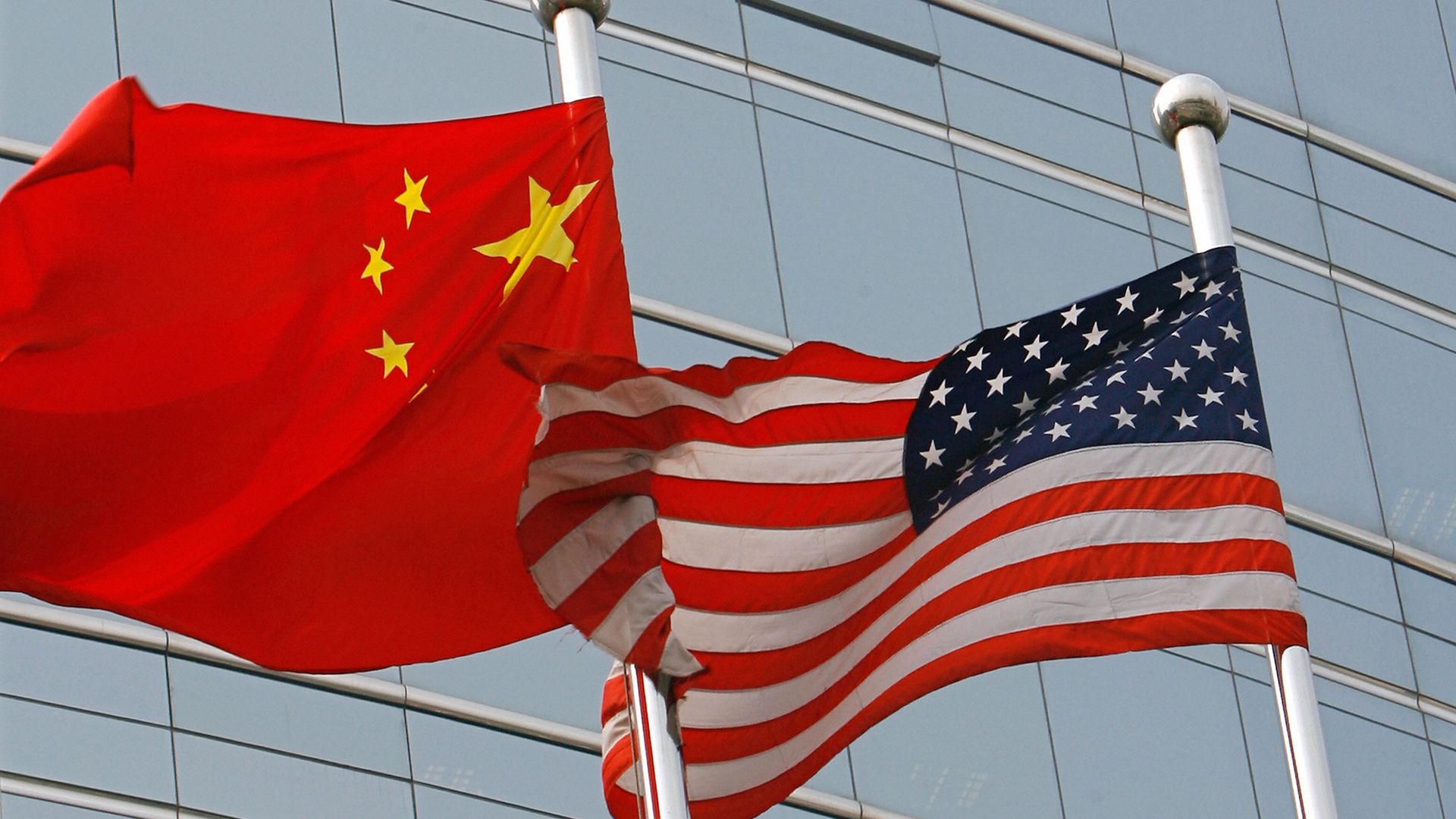
China said Tuesday it "will not stand by idly" if the U.S. follows through with plans to deploy intermediate-range missiles in the coming months in the Asia-Pacific region, reports AP.
Why it matters: The warning comes after the U.S. formally withdrew last week from the Cold War-era Intermediate Nuclear Forces (INF) agreement with Russia — which the U.S. claimed was unfair because other geopolitical rivals, like China, weren't restricted by its limits. Chinese officials also said they have no plans of joining nuclear weapons talks with the U.S. and Russia due to China's smaller arsenal.


/2019/08/07/1565179125429.gif?w=3840)