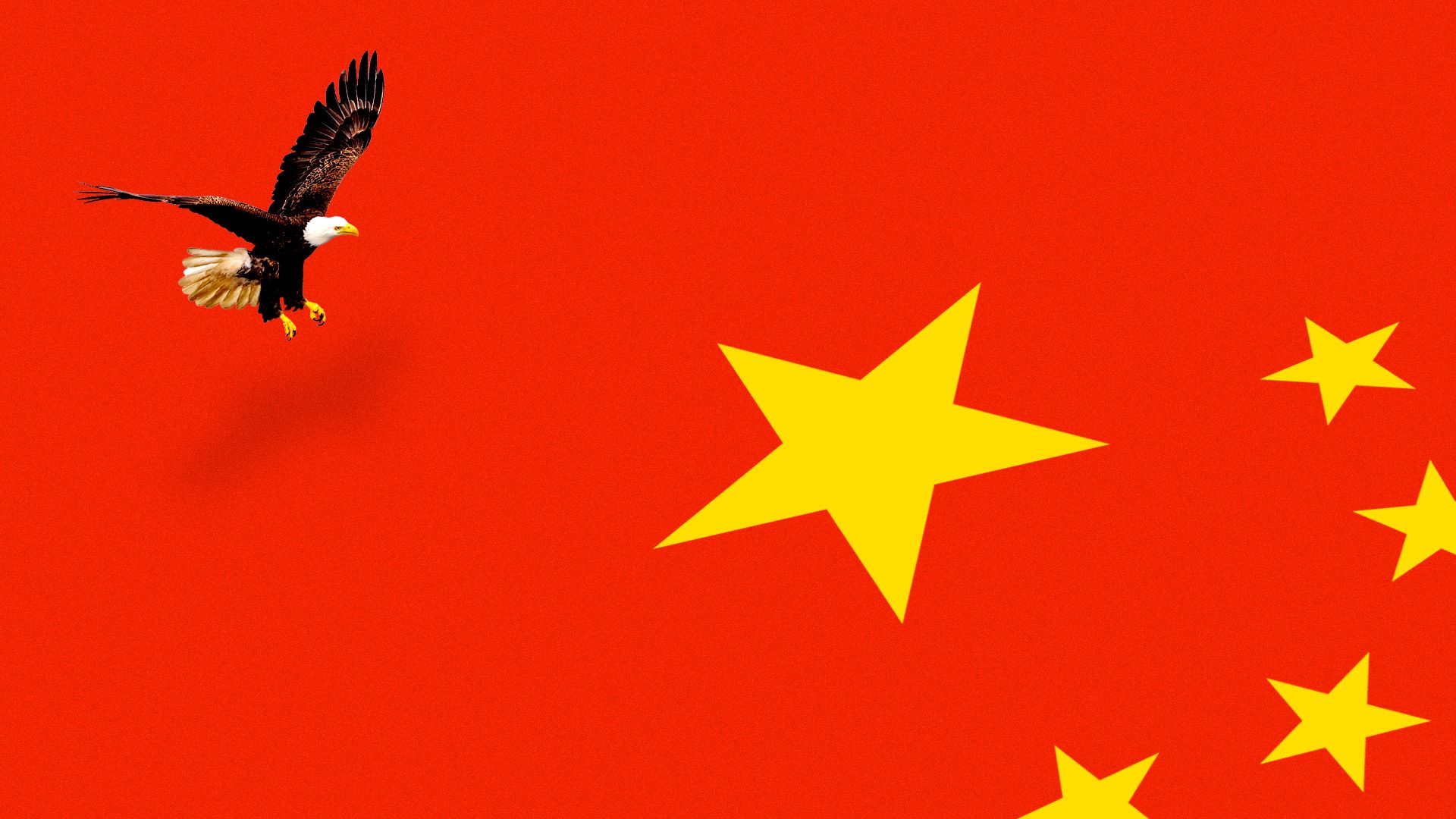
Chinese espionage has increased efforts to recruit U.S. intelligence officers — especially CIA officers — in a new trend that some believe could be linked to the theft of 5.6 million fingerprint records stolen in 2015 from the U.S. Office of Personnel Management, the Wall Street Journal reports.
What's new: “China cases historically have involved economic espionage, and specifically targeting former intel officers seems like a new trend,” Jeff Asher, former CIA officer and current consultant, told the WSJ. Law enforcement and intelligence officials have characterized Chinese espionage as "the single most significant long-term strategic threat" to the country," the WSJ reports.
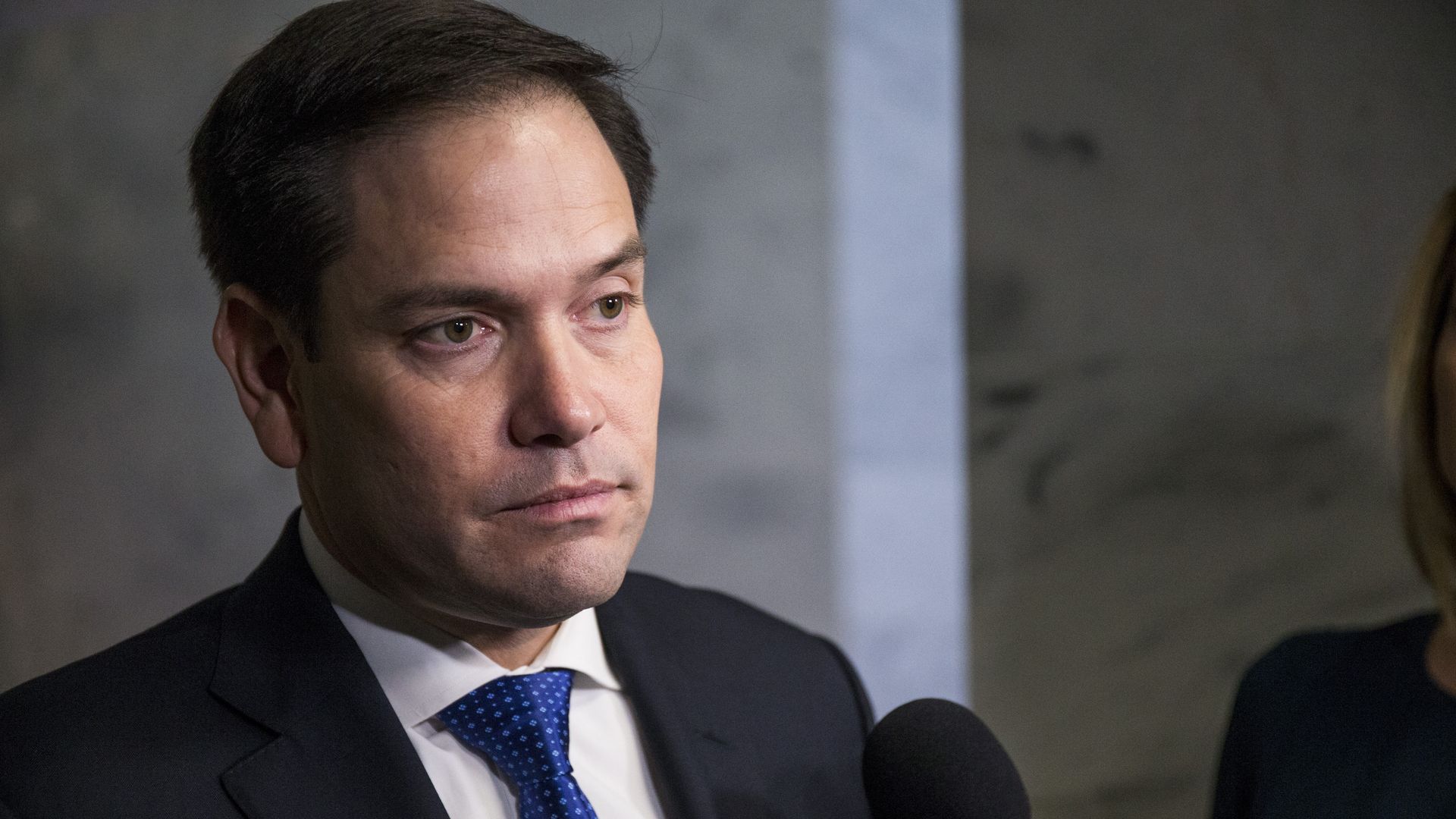
Sen. Marco Rubio (R-Fla.) responded on Friday to the Mueller report's stance that Russia successfully accessed the computer systems of at least 1 Florida county government and planted malware in an election equipment manufacturer's systems, the New York Times reports.
What's new: Rubio told the NYT that Russian hackers "were 'in a position' to change voter roll data," in addition to being able to access the Florida voting system, but he doesn't believe they acted on that access.
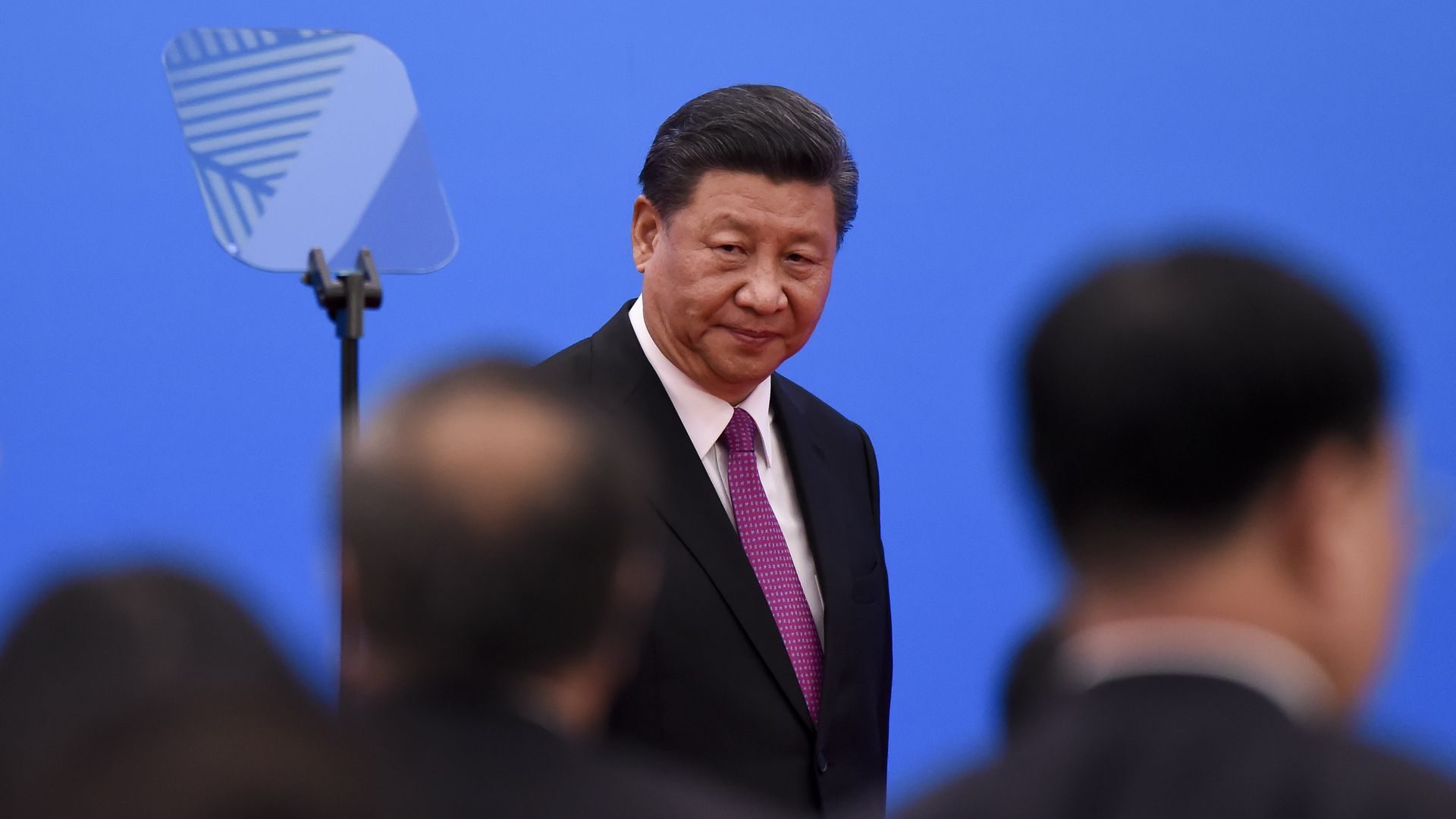
Chinese President Xi Jinping said Saturday that the country's second Belt and Road forum resulted in $64 billion worth of deals among business leaders, the AFP reports.
What's new: Italy, Yemen, Equatorial Guinea, Liberia, Luxembourg, Jamaica, Peru, Barbados and Cyprus are the latest countries to join China's sprawling infrastructure initiative, which, critics say, benefits China at the expense of its partners and leads to unsustainable debt. Xi reportedly did not disclose more details about his claims of creating $64 billion in deals at the forum.
In the face of U.S. hostility, Russian President Vladimir Putin and Chinese President Xi Jinping today "vowed to work together for greater economic integration in Eurasia," the South China Morning Post reports.
What's new: Xi called for greater cooperation between the two countries in areas ranging from trade to aerospace, while meeting with Putin on the sidelines of a forum of world leaders on China's Belt and Road infrastructure (BRI) initiative.
African swine fever has devastated the vast pig farms in China and now threatens to spread elsewhere, various reports say.
Why it matters: The highly contagious virus — which has minimal risk of mutating to become harmful to humans — has spread so rapidly since August that officials are warning it could go global, the Wall Street Journal reports, possibly even reaching U.S. shores.
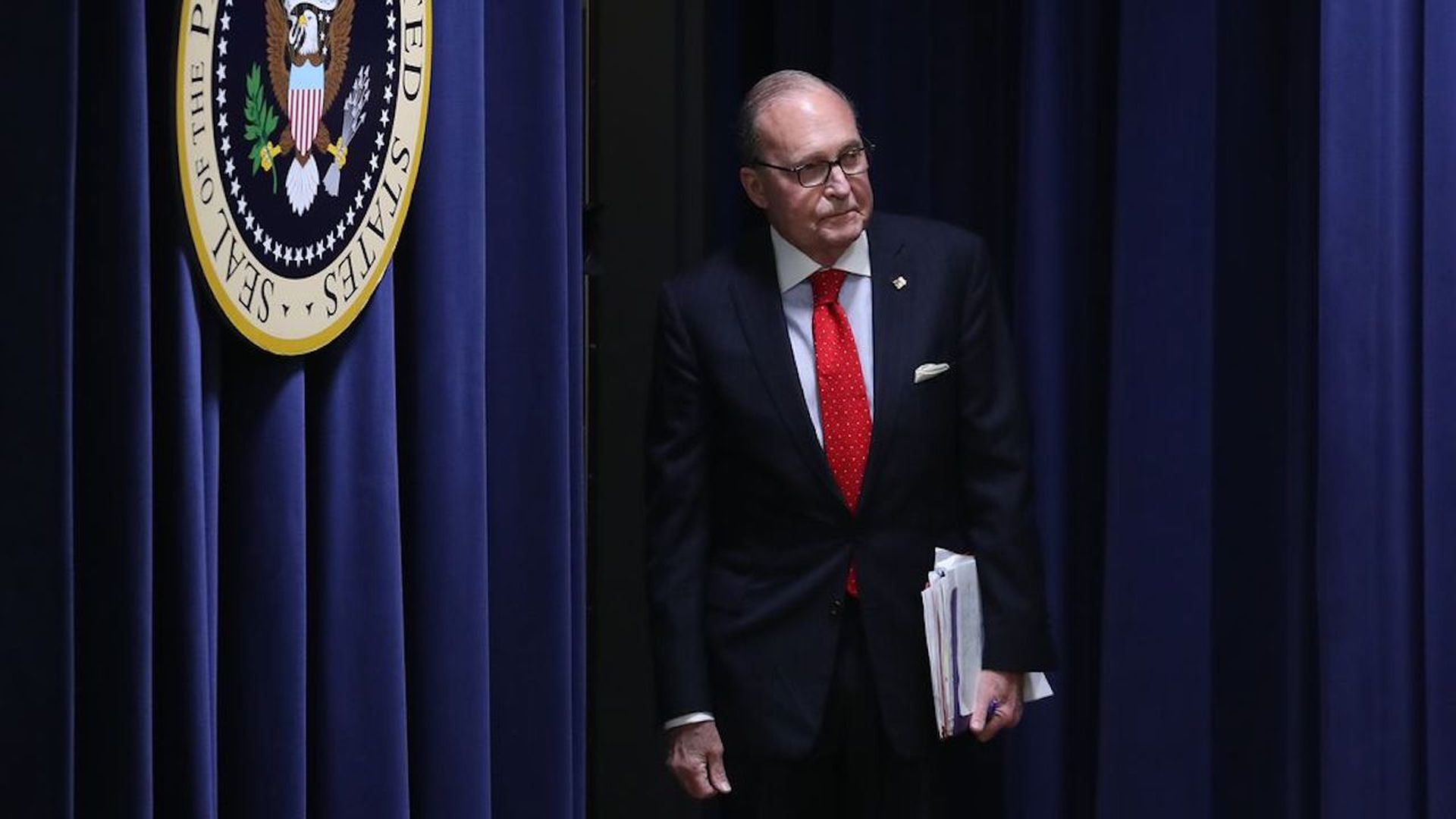
The news that the U.S. economy grew 3.2% the first quarter of this year gives the U.S. some "leverage" in upcoming trade talks with China, National Economic Council director Larry Kudlow said Friday on CNBC's "Squawk on the Street."
"I'm cautiously optimistic about the deal ... China's economy is slumping and has been for some time."
U.S. economic and national security is threatened by China's strategic plan for dominance in multiple areas, FBI Director Christopher Wray said in an interview Friday with Richard Haass, president of the Council on Foreign Relations.
Why it matters: These so-called "generational threats" will shape the future of the U.S., Wray warns.
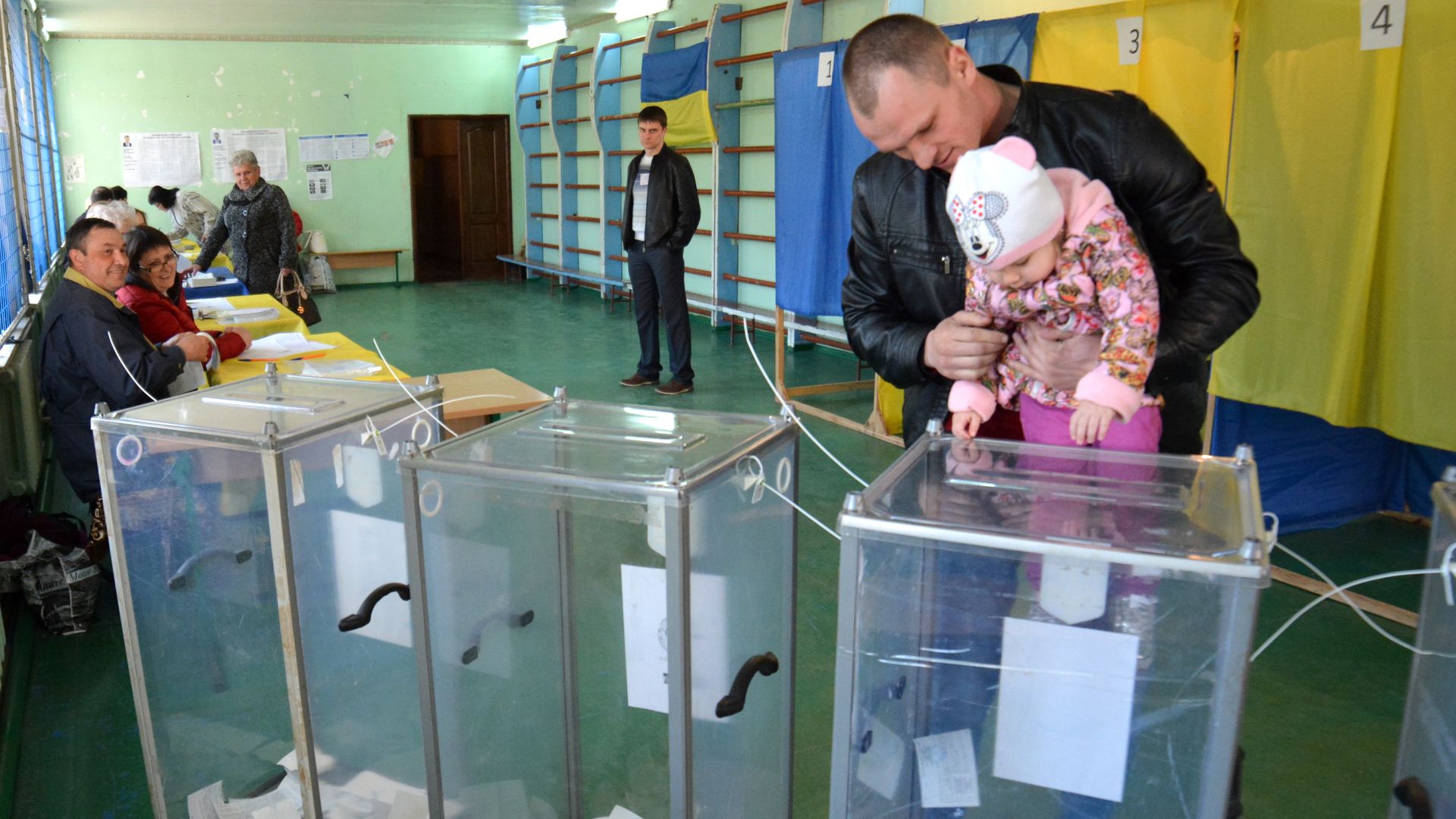
Ukraine's election of comedian and political novice Volodymyr Zelensky as president marks a historic, peaceful transfer of democratic power yet runs the risk that an untested leader could invite more assertiveness from Moscow.
The big picture: A few days after last weekend's elections in Ukraine, Russian President Vladimir Putin granted an expedited path to Russian citizenship for residents of the so-called Donetsk and Luhansk People's Republics, where Russian forces have waged slow-burning warfare since 2014. The move seems intended to consolidate Russian control of the contested territories while forcing the Ukraine's president-elect and the West to respond.
Maria Butina, the first Russian national convicted for seeking to influence U.S. politics during the 2016 campaign, was sentenced to 18 months in prison — with credit for nine months already served — on Friday.
The backdrop: Butina pled guilty last year to working with her American boyfriend, Republican operative Paul Erickson, to infiltrate the NRA and other conservative circles for the purpose of influencing U.S. policy on behalf of the Kremlin. As reported by NPR, Butina's case was handled separately from special counsel Robert Mueller's investigation into Russian interference in the 2016 presidential election.
No money was paid to North Korea for Otto Warmbier, not two Million Dollars, not anything else. This is not the Obama Administration that paid 1.8 Billion Dollars for four hostages, or gave five terroist hostages plus, who soon went back to battle, for traitor Sgt. Bergdahl!
The big picture: The Washington Post reported that Trump ordered a U.S. envoy tasked with retrieving Warmbier to sign an agreement to pay the bill. Warmbier was detained in North Korea for 17 months and died shortly after being flown back to the U.S. in a comatose state.
Leaders from 37 countries and delegates from more than 150 are gathering in Beijing for the second forum on China's sprawling Belt and Road infrastructure initiative. The U.S. isn't sending any high-level representatives.
The backdrop: Getting that many world leaders to turn up might seem like a triumph for President Xi Jinping, but he'll actually have to do some damage control.
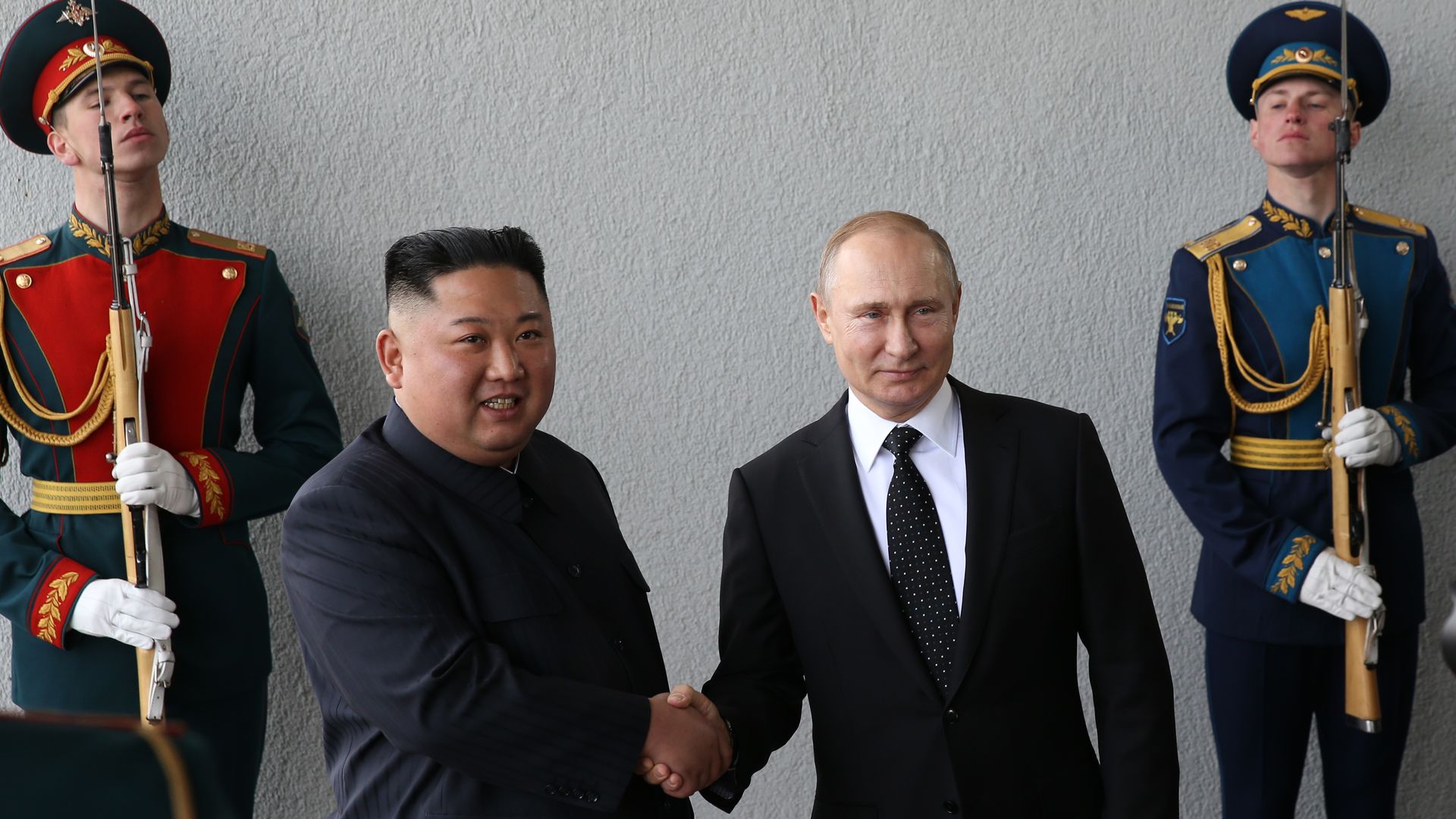
Russia's Vladimir Putin met for over 3 hours on Thursday with North Korea's Kim Jong-un, who traveled by armored train from Pyongyang to Vladivostok in Russia.
Why it matters: The meeting comes as North Korea makes its frustrations with the Trump administration clear after the failed summit in Hanoi, and it puts Russia at the table in a process where its role has been peripheral.