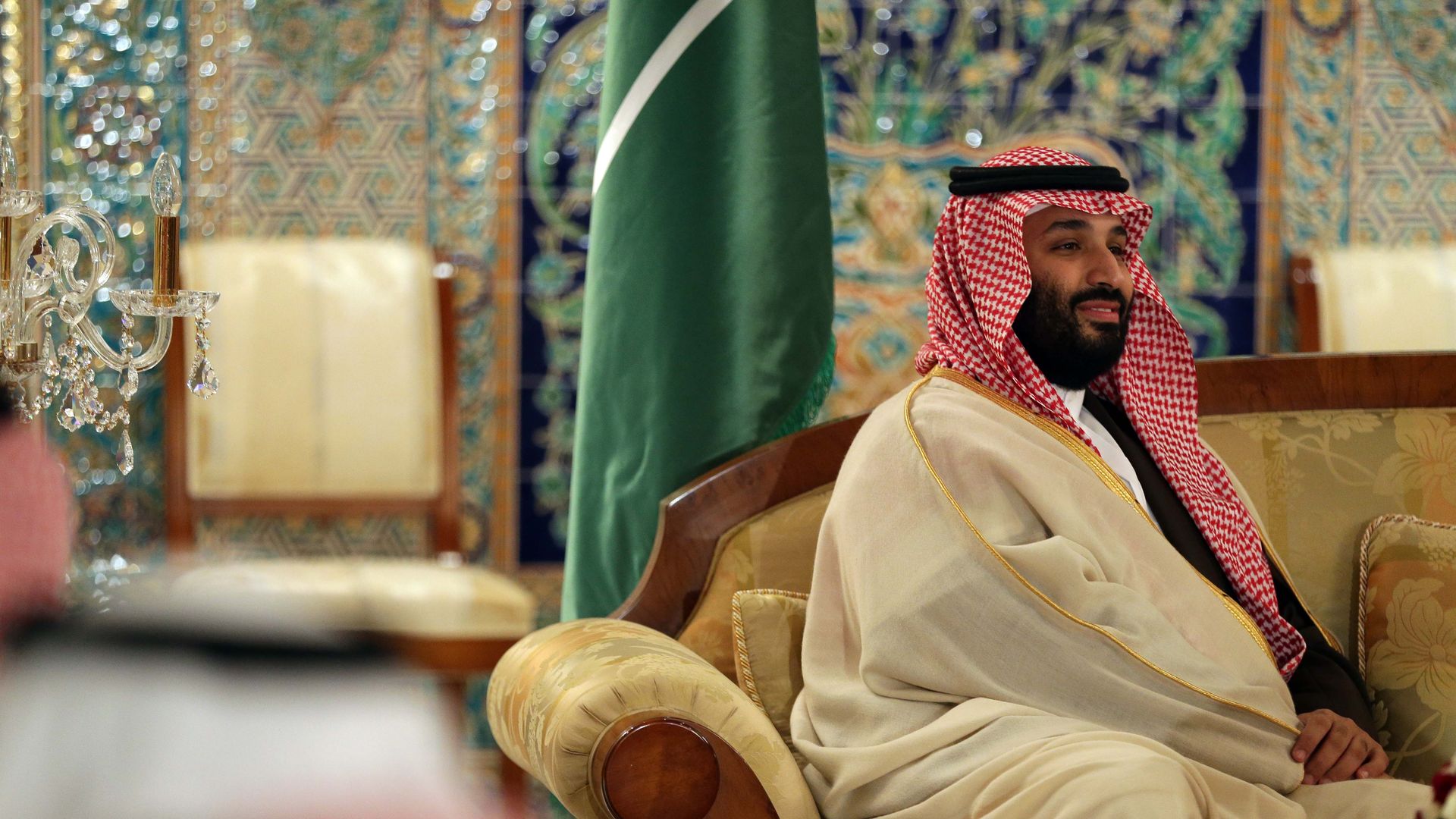
In the largest mass execution since 2016, Saudi Arabia publicly beheaded 37 citizens for alleged links to terrorism, reports CBS News.
Why this matters: The executed citizens were mostly Shia Muslims, a religious minority in Sunni-dominated Saudi Arabia. This will likely add to the growing tensions between the Gulf state and Iran, the predominantly Shia power in the region. Saudi Crown Prince Mohammed Bin Salman has been trying to curb Iran's influence in the Middle East since his rise to power.
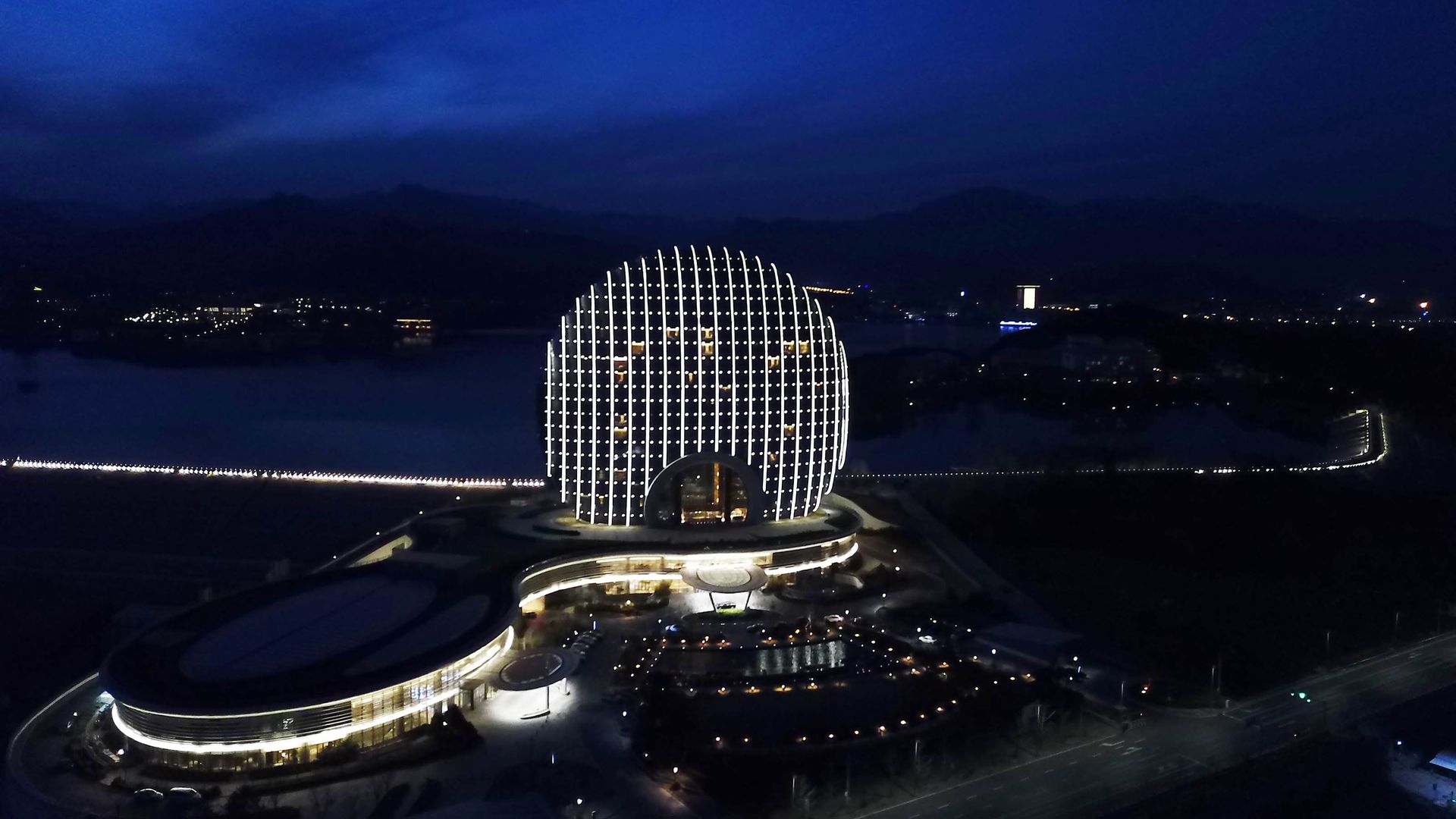
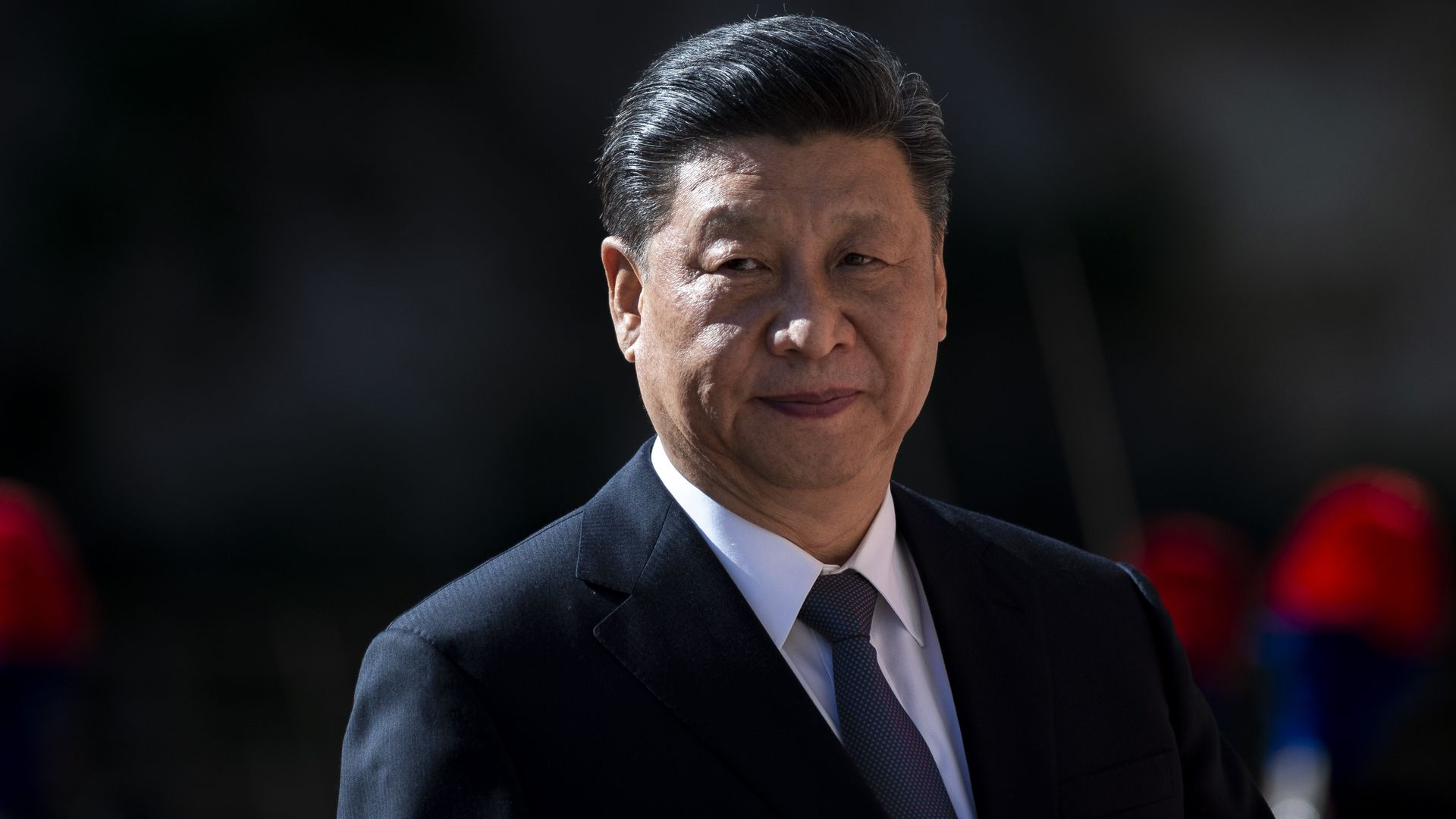
On Thursday Chinese President Xi Jinping will welcome leaders from 37 countries and delegates from over 150 countries at the second Belt and Road Forum in Beijing — an opportunity to promote the initiative's successes and address issues raised by its critics.
The big picture: High-profile projects in Sri Lanka, Malaysia, Montenegro and elsewhere have undercut the Belt and Road Initiative's promise to deliver "win-win" outcomes, appearing to benefit China at the expense of its partners. Xi will be aiming to repair the damage these scandals have done to the BRI brand.
China's fiscal and monetary stimulus measures have been credited with turning around the country's economy and perhaps underpinning a rebound in European and global trade this year by high-minded economists, including at the IMF.
Why it matters: The congratulations may be a bit premature, a new report from the OECD suggests. While the stimulus has helped improve economic data, China has worsened a problem that was already "excessive and unsustainable."
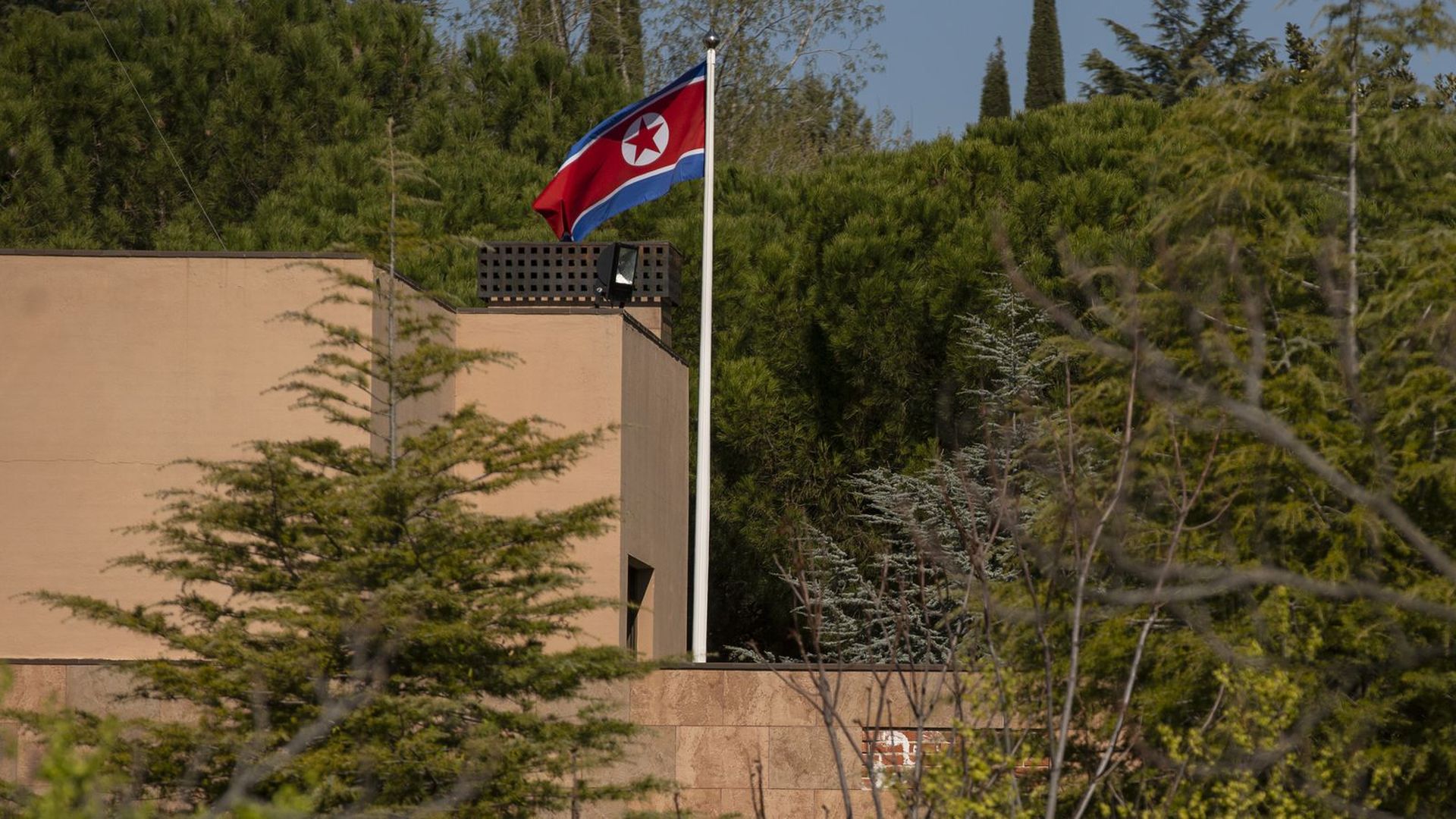
A U.S. marine veteran accused of raiding North Korea's Embassy in Madrid was denied bail Tuesday by a federal judge in Los Angeles, pending a hearing on his possible extradition to Spain.
Details: Christopher Philip Ahn, 38, is accused of being part of an armed dissident group that allegedly robbed the embassy in February. U.S. Magistrate Judge Jean P. Rosenbluth agreed with a Department of Justicesubmission that Ahn could be a flight risk if released from custody.
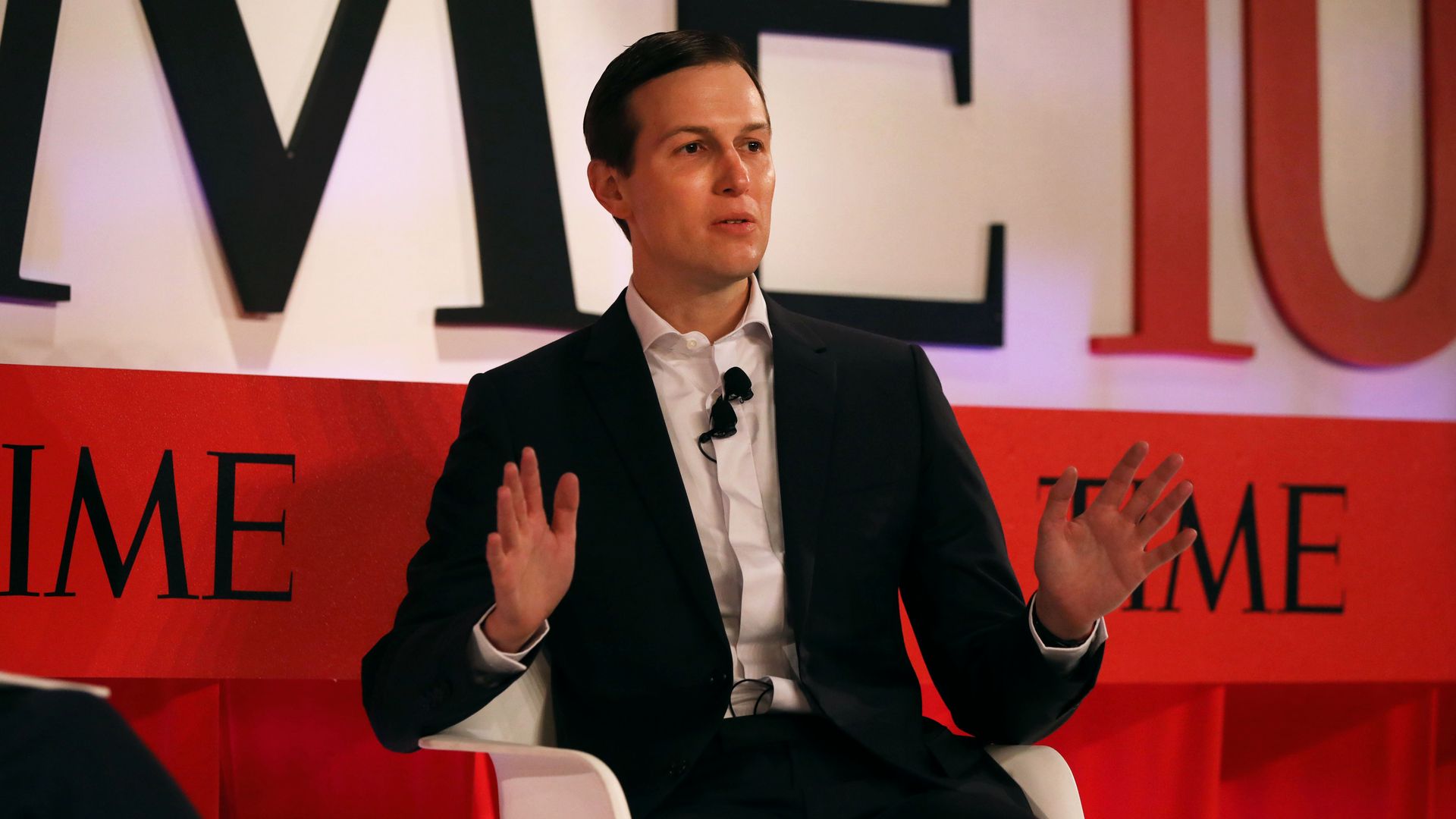
Jared Kushner, who is leading the White House "peace team," said at the TIME 100 conference in New York Tuesday that President Trump's peace plan will require “tough compromises” from both the Israelis and the Palestinians.
Why it matters: Kushner said the White House will start laying out the plan in June, after the Muslim month of Ramadan. The officials leading the White House effort have begun to speak more publicly about the plan, but still aren’t offering any details.
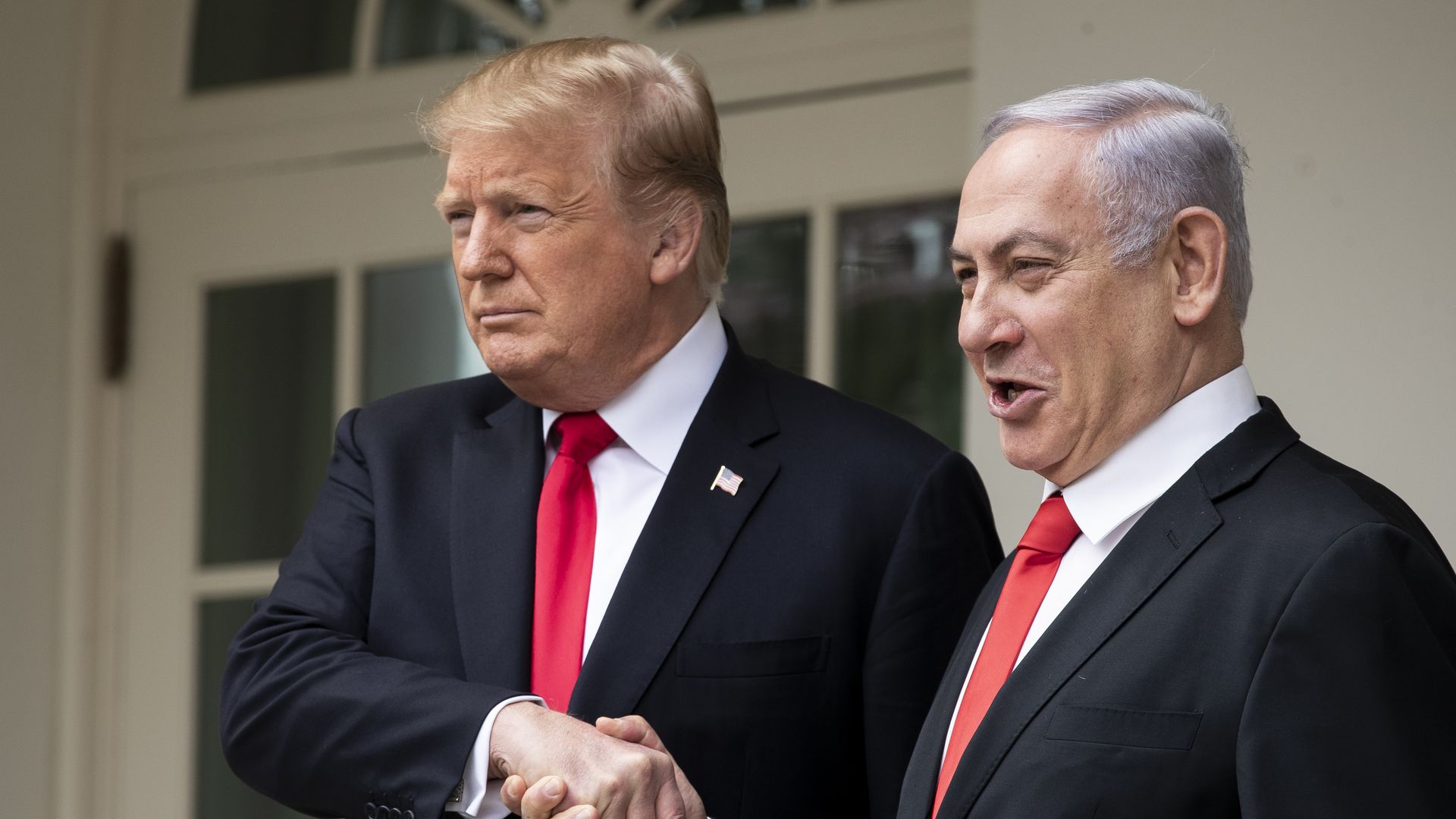
Israeli Prime Minister Benjamin Netanyahu said Tuesday that he will bring to his government a vote on a resolution to name one of the villages or communities in the Golan Heights after President Trump as a token of appreciation for him recognizing Israeli sovereignty over the contested area.
The big picture: Netanyahu gave the statement during a family vacation in the Golan Heights. Netanyahu sees the U.S. recognition of the Golan Heights as one of his main foreign policy achievements and a precedent that might signal U.S. support for annexing parts of the West Bank.
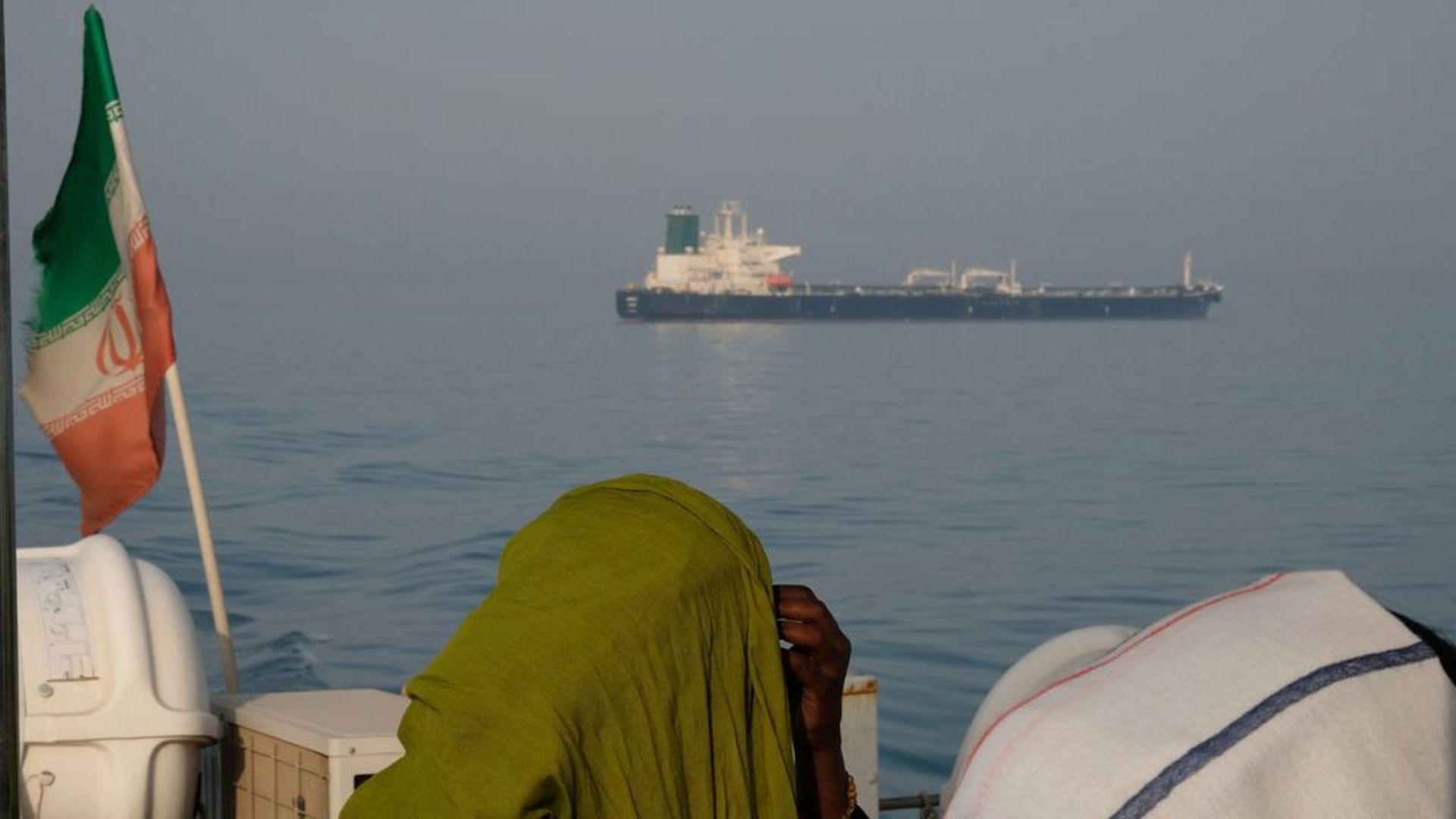
The White House is trying to thread a needle: Tighten oil sanctions against Iran without raising energy prices enough to erode the president's political standing.
Driving the news: ICYMI, the administration isn't renewing sanctions waivers beyond early May for countries that still buy Iranian oil.
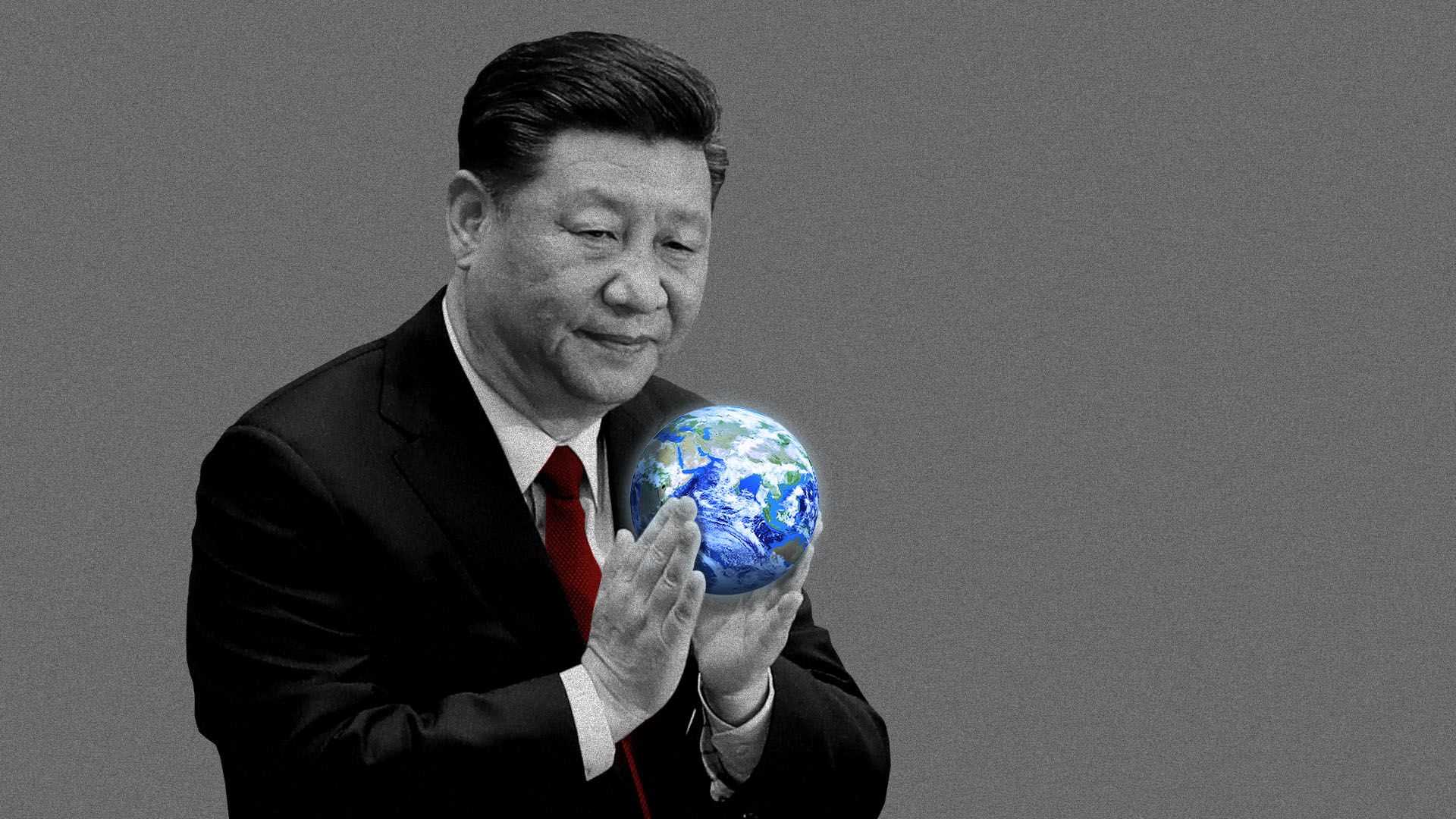
Chinese President Xi Jinping is expecting upwards of 40 world leaders to join him in Beijing later this week for the second international gathering on the Belt and Road Initiative — China's plan to build a massive network of ports, roads and railways across some 65 countries.
Why it matters: Belt and Road is just one element of China's plan to supplant the U.S. as the dominant global superpower within the next three decades. By the time Beijing's ambitions were widely understood in Washington, China’s success had already begun to feel inevitable.