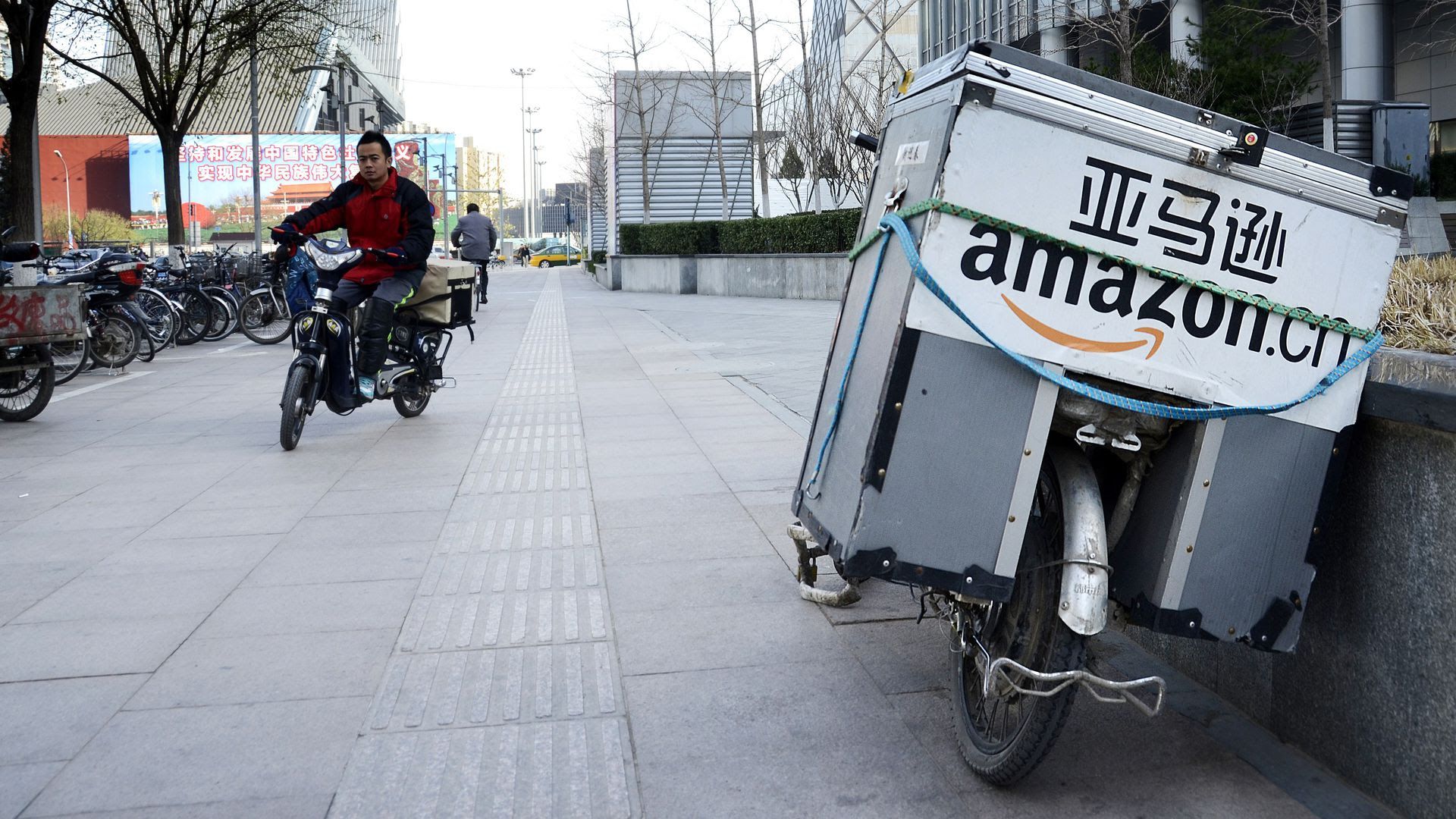
Amazon's decision to all but shut down operations in China is another step in a reorganization of the world into two distinct, digitally driven universes.
What's happening: In an announcement yesterday, Amazon said it will give up the local Chinese market, making its online store there solely a conduit for foreign goods.
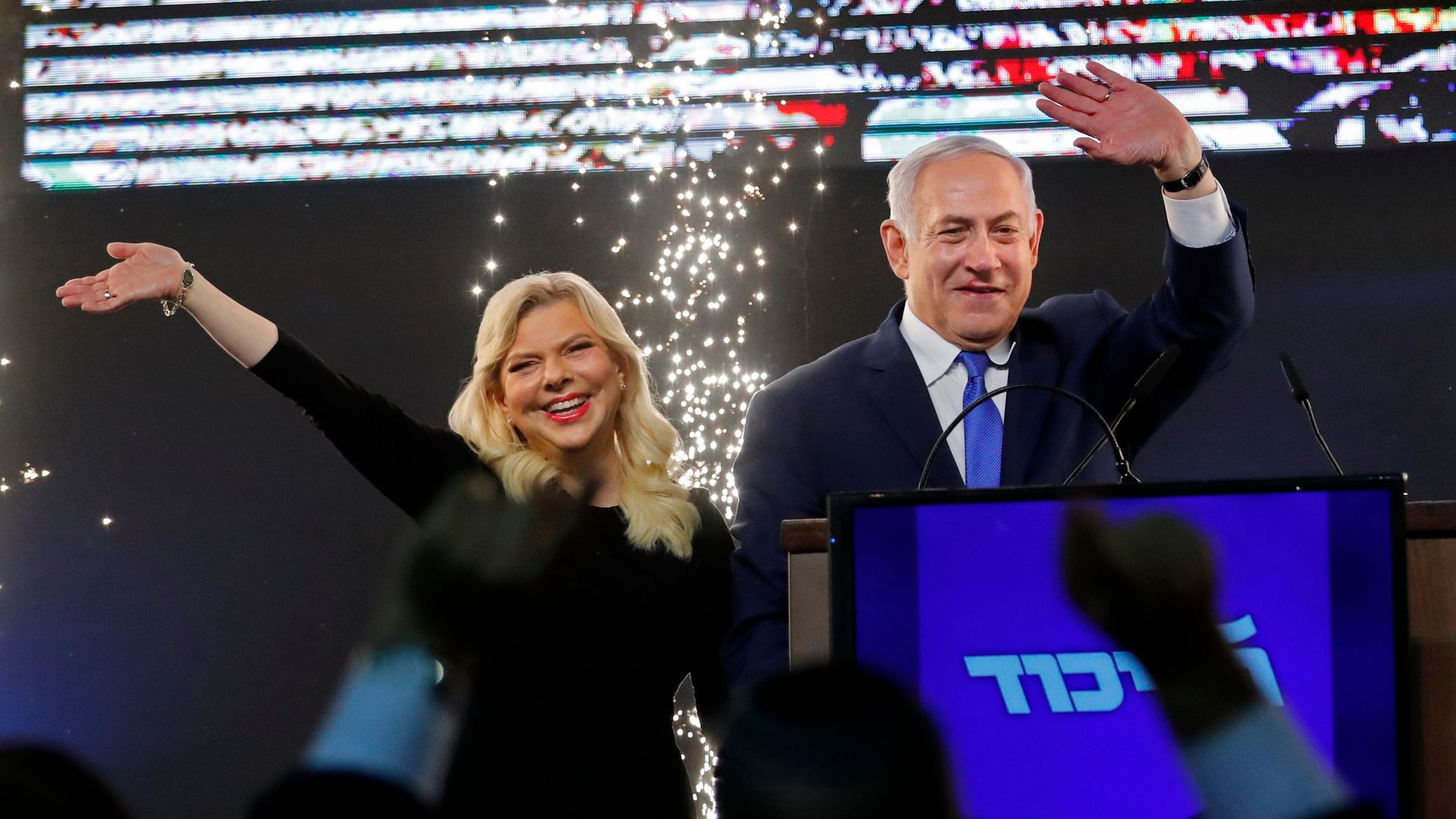
The trajectory of the Israeli-Palestinian conflict could be on the verge of significant change, but this will come neither from Israel's recently concluded elections nor the potential unveiling of the Trump administration's peace plan in coming months.
The big picture: More important than what either the Israeli or U.S. governments will do is what will happen to the party about which one hears the least, the Palestinians. Their national movement has been missing in action on all matters concerning the future of Israeli-Palestinian relations. At some point, inevitably, that will change.
North Korea sent a signal to the Trump administration last night in the form of a “tactical guided weapon,” according to state media. It remains unclear what exactly North Korea tested.
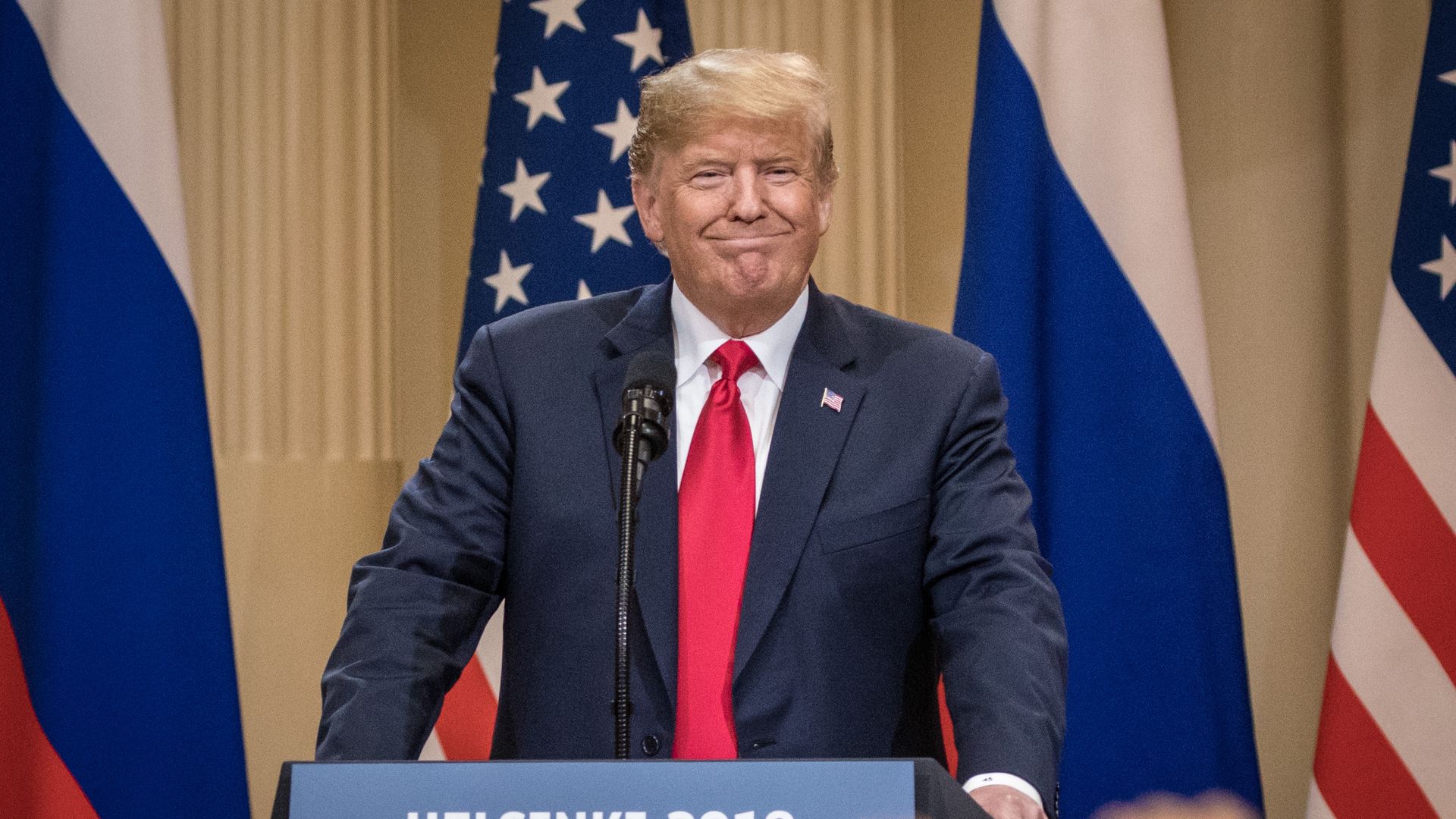
In one of his first tweets after the release of the redacted version of special counsel Robert Mueller's report Thursday, President Trump said that he "had the right to end" the investigation, which he called a "whole Witch Hunt," but "chose not to."
"I had the right to end the whole Witch Hunt if I wanted. I could have fired everyone, including Mueller, if I wanted. I chose not to. I had the RIGHT to use Executive Privilege. I didn’t!"
The state of play: Mueller's report didn't state that Trump obstructed the investigations against him — though it laid out 10 potential episodes of obstruction of justice and explicitly did not exonerate him.
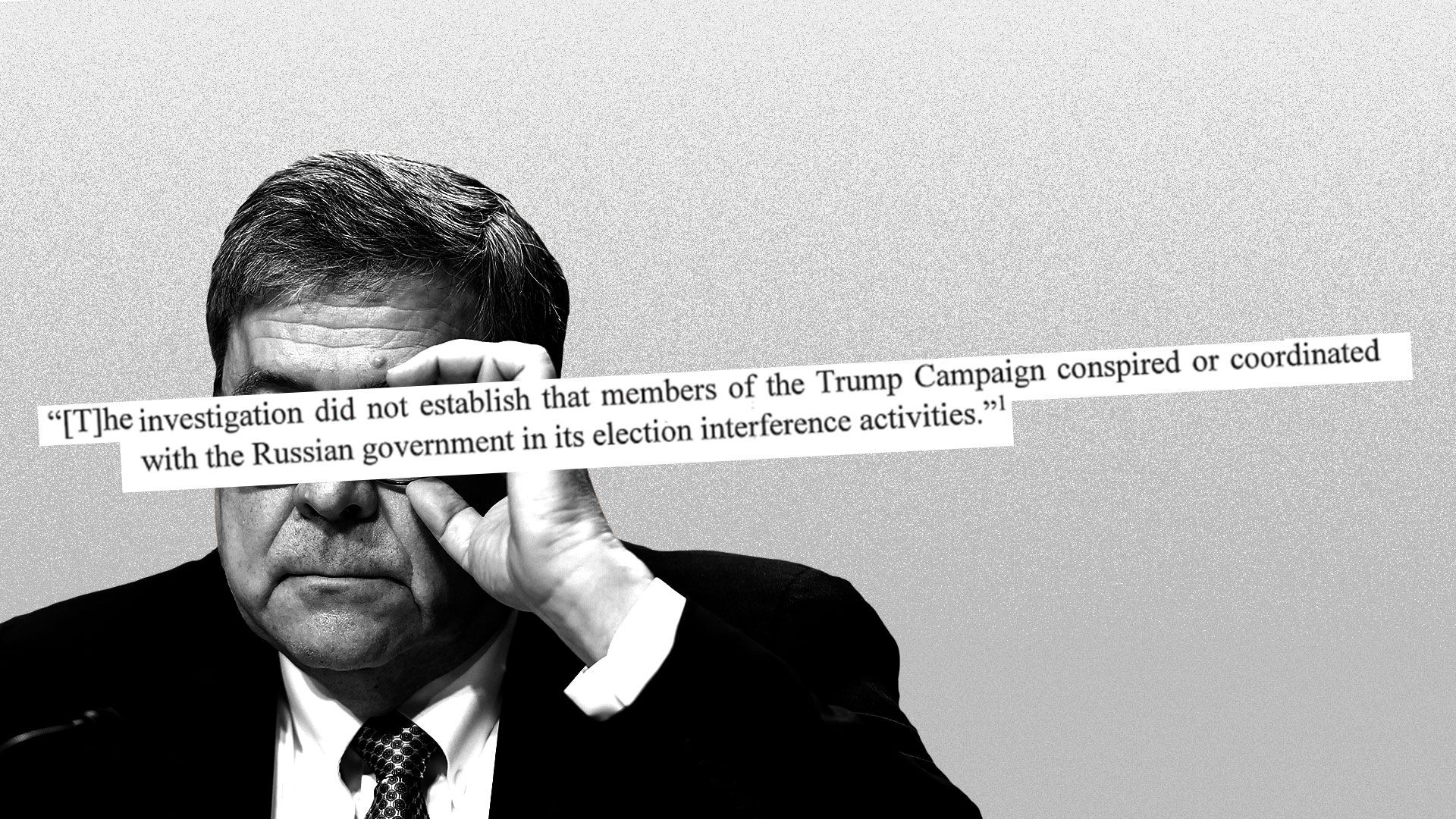
Attorney General Bill Barr's March 24 letter summarizing the "principal conclusions" from special counsel Robert Mueller's investigation did not include a single full sentence from the Mueller report, but partially quoted 7.
Now that a redacted versionof the Mueller report has been released, we have new insight into some of the context of the quotes Barr cited.
Special counsel Robert Mueller wrote in his report that over the course of his investigation, his team "periodically identified evidence of potential criminal activity that was outside the scope of the special counsel's jurisdiction established by the Acting Attorney General."
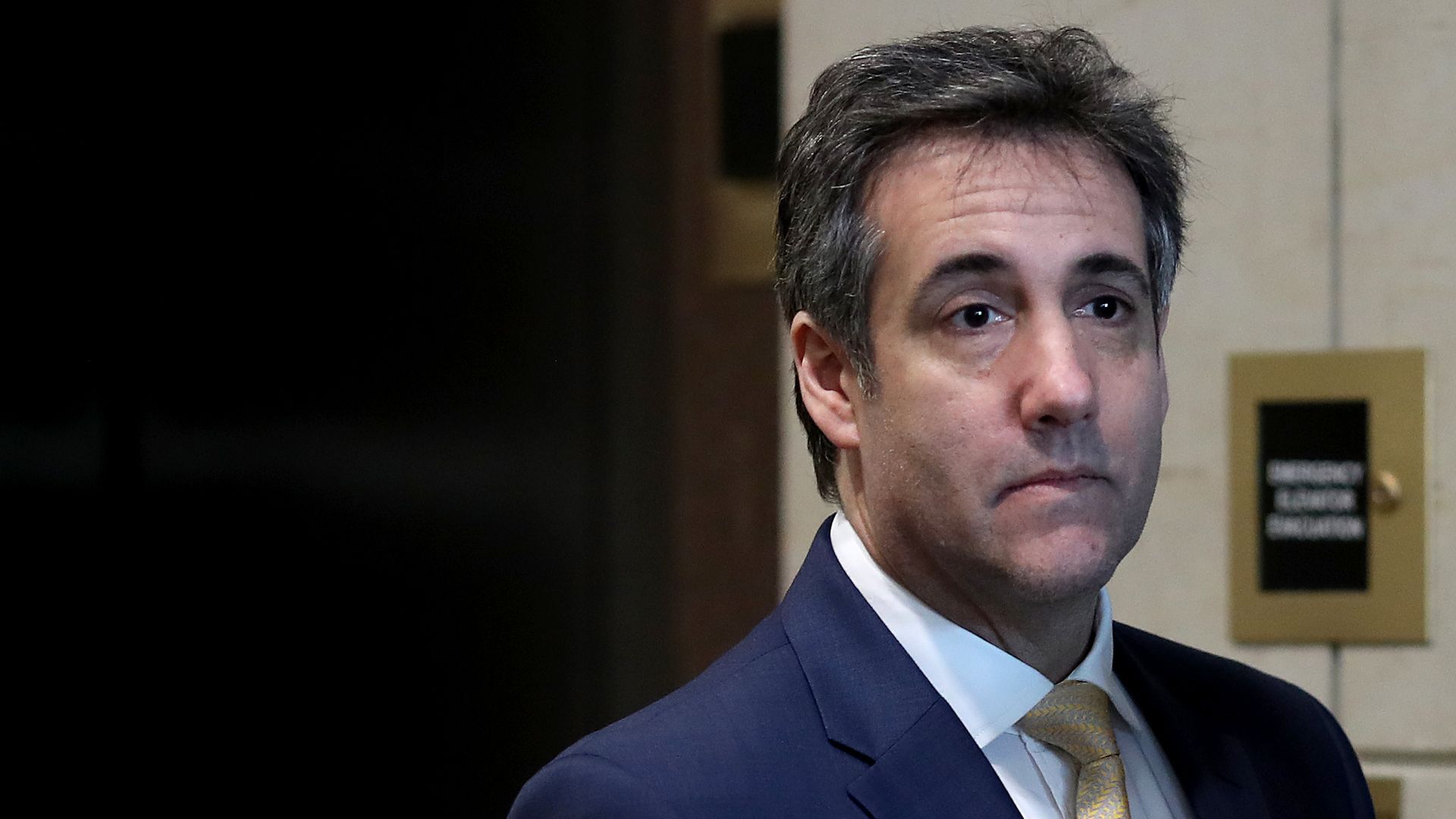
The big picture: Out of the 14 cases that were referred to "other components of the Department of Justice and the FBI," 12 are redacted. The 2 that aren't redacted relate to Michael Cohen's conviction for wire fraud and campaign finance violations, and former Obama White House counsel Gregory Craig's indictment for making false statements during a Foreign Agents Registration Act investigation.
The first part of special counsel Robert Mueller's redacted report addresses Russian interference in the 2016 election and any role the Trump campaign may have played in those efforts.
What to know: Mueller defines election interference as comprising of 2 sets of efforts: The social media disinformation campaign carried out by a Russian troll farm known as the Internet Research Agency, and the hacking and dissemination of Democratic emails by Russian intelligence officers. He narrowly defines "coordination" as an "agreement—tacit or express—between the Trump Campaign and the Russian government on election interference."
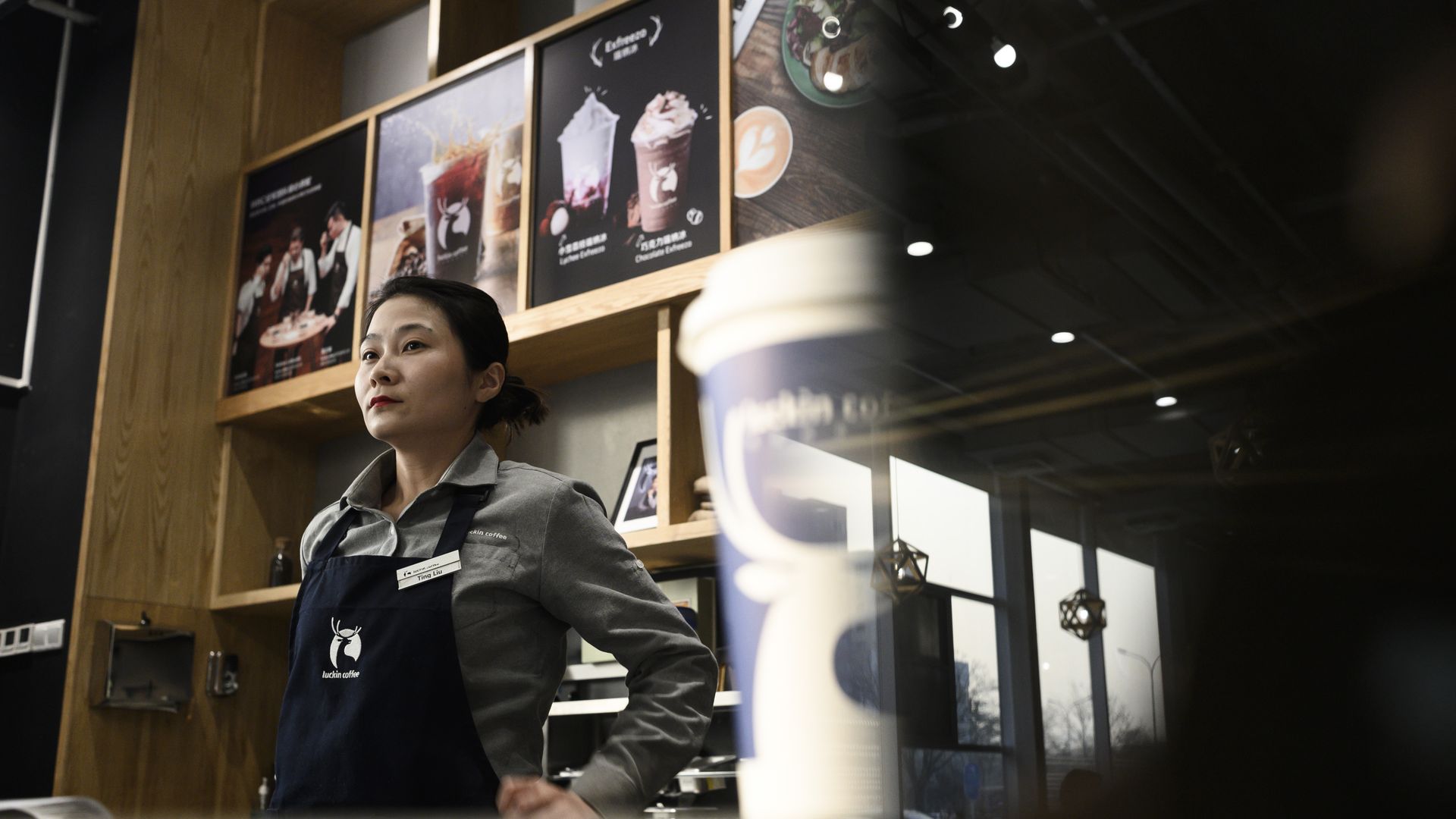
Chinese coffee shop chain Luckin Coffee raised $150 million in new funding led by Blackrock, which is Starbucks' second-largest outside shareholder, at a $2.9 billion valuation.
Why it's a big deal: Because this will help fuel Luckin's caffeinated sprint against Starbucks, during which it has employed the Silicon Valley hypergrowth strategy of using venture capital to support deep pricing discounts.
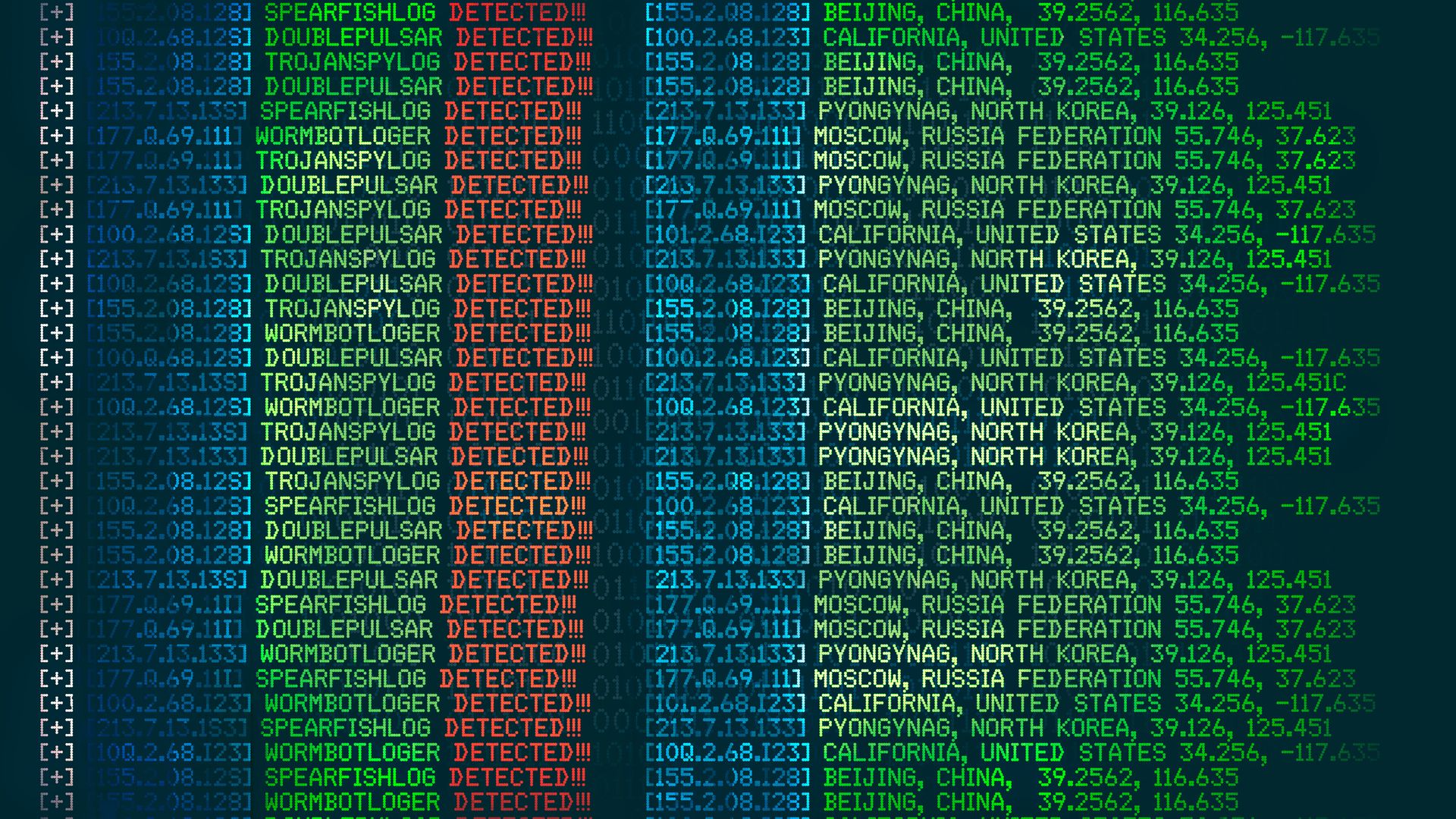
Researchers at Chronicle discovered that the source code for hacking tools used by the Iran-linked group APT34, also called Oil Rig, had been leaked on Telegram's group messaging platform.
Why it matters: While this isn't as grim as the ShadowBrokers leaks, where far more potent NSA tools were leaked and eventually used by North Korea and Russia in destructive attacks, the Oil Rig leaks still offer new attackers a successful toolkit to use in their own attacks.
Prohibitive risks may have deterred further nuclear and ballistic missile tests by North Korea, even as it has continued expanding its arsenal. While that freeze remains in place, the regime may opt to accelerate its use of cyber weapons.
The big picture: A nuke test would infuriate China, and launching an ICBM could precipitate a U.S. military strike. But cyberattacks offer a high-impact, low-cost and comparatively low-risk way to generate cash and intimidate other countries.
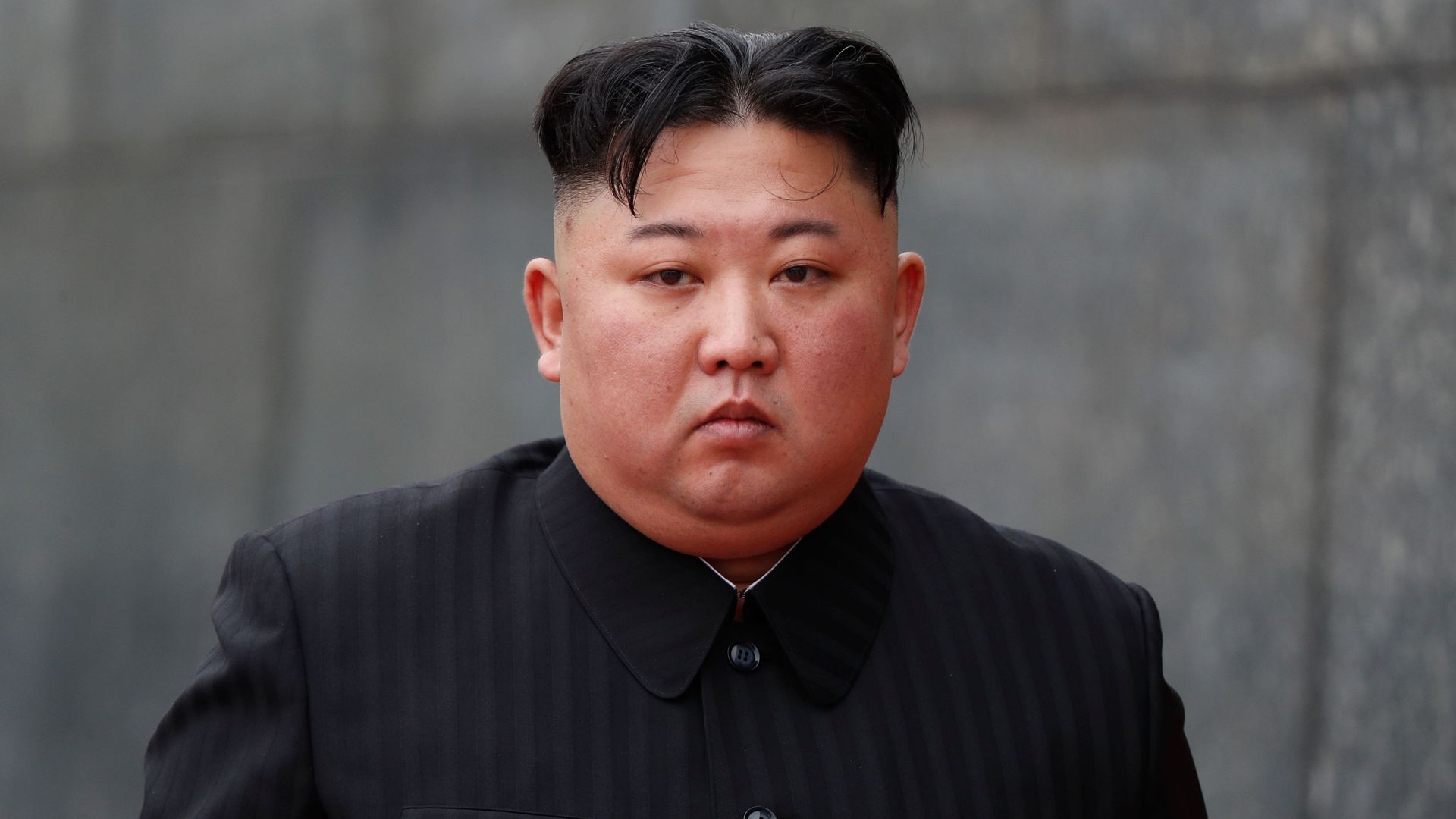
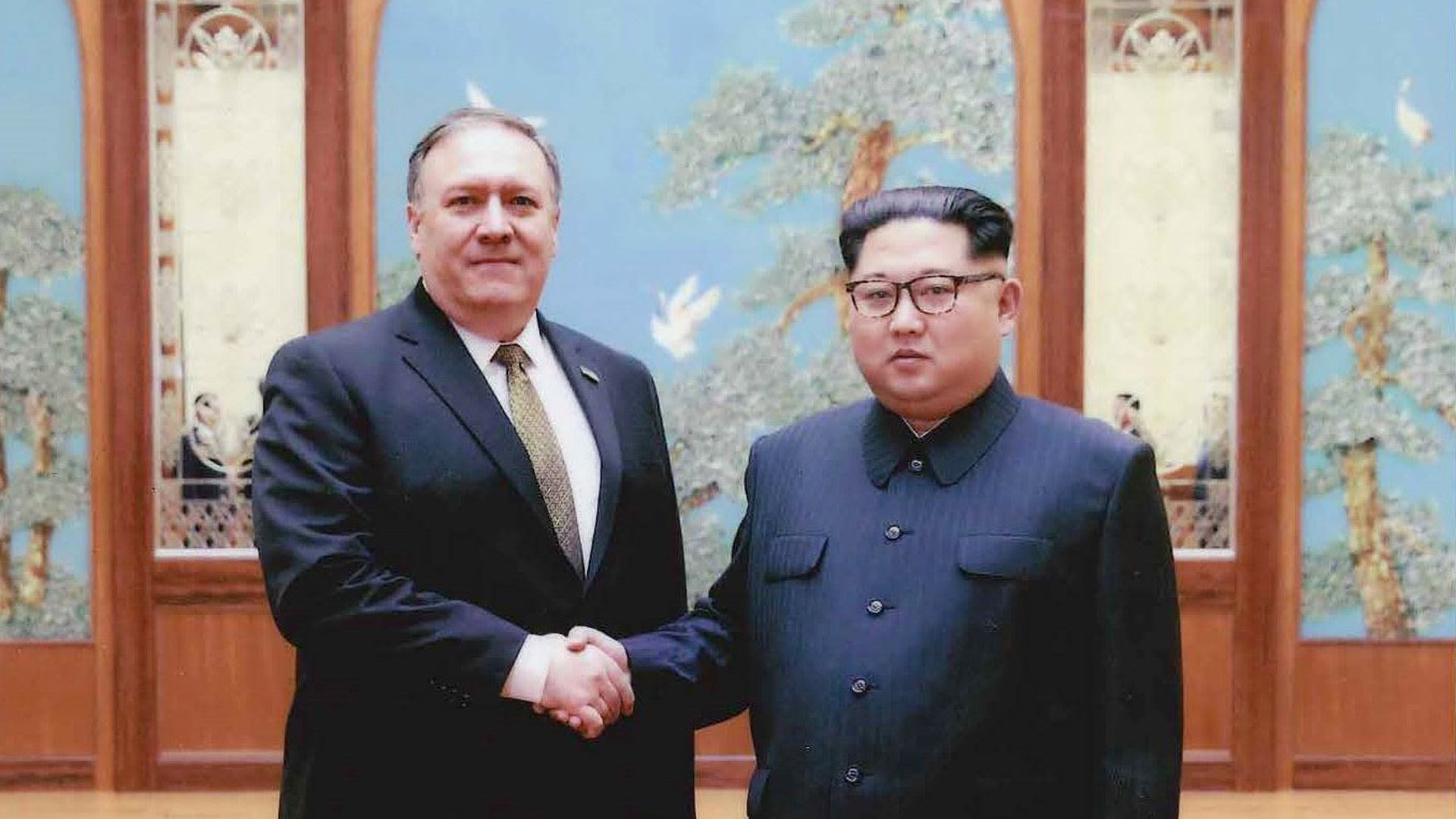
North Korea wants U.S. Secretary of State Mike Pompeo removed from nuclear negotiations with the country, Pyongyang state media reported Thursday.
Details: "I am afraid that, if Pompeo engages in the talks again, the table will be lousy once again and the talks will become entangled," the official KCNA news agency quoted Kwon Jong Gun, director general of the Department of American Affairs at North Korea's Foreign Affairs Ministry, as saying.