The Senate voted on Wednesday to uphold a Treasury Department ruling that would lift economic sanctions against companies owned by Russian oligarch Oleg Deripaska, despite a wave of defections from 11 Republican senators.
The big picture: Treasury's decision came last month after the companies in question reduced their relationship with Deripaska, complying with U.S. requirements. And Treasury Secretary Steven Mnuchin urged GOP senators not to support the Democratic-backed measure to keep the sanctions this week, per the Washington Post, arguing afterward that the Trump administration had long been tough on Russia.
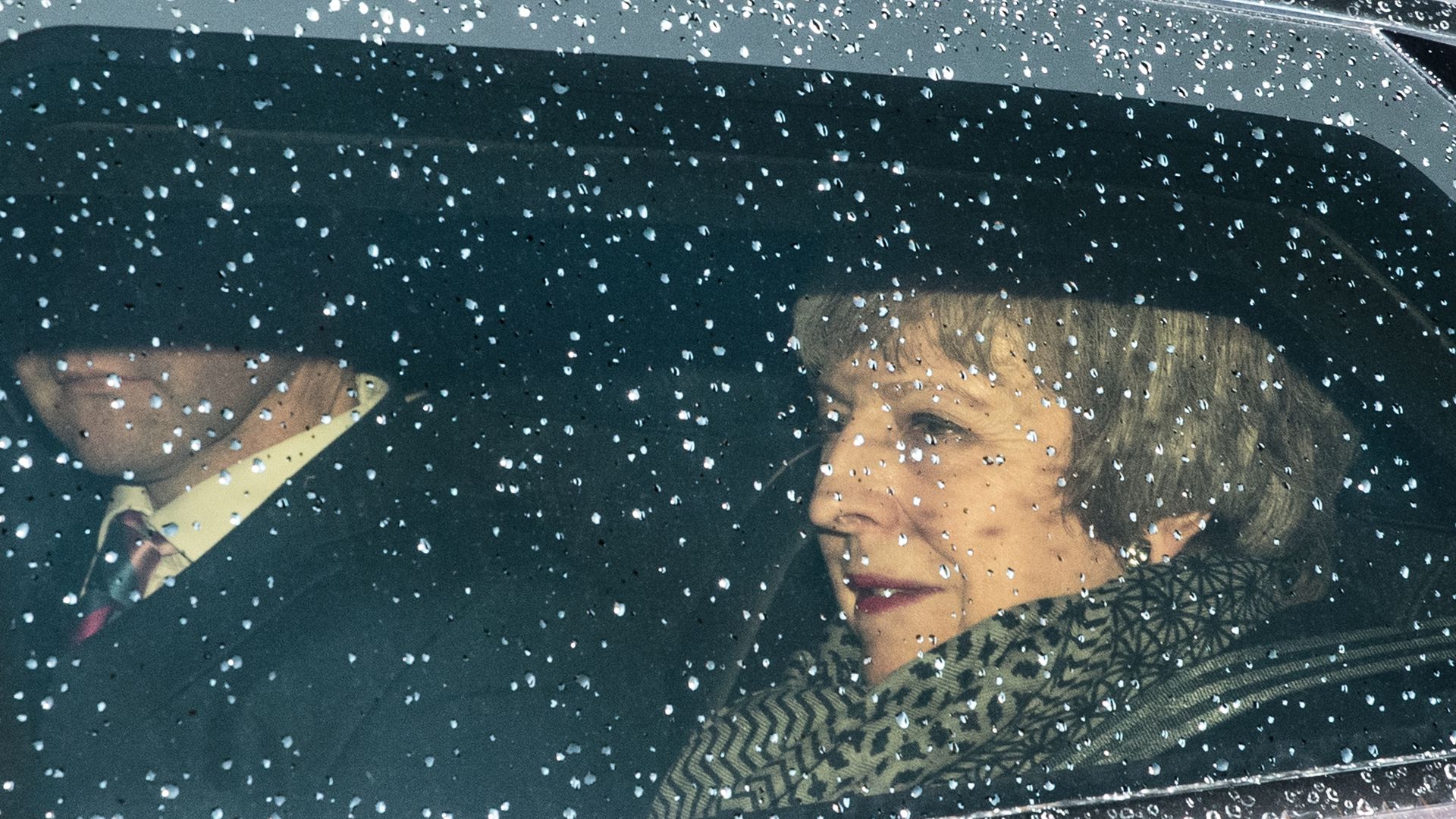
A day after her Brexit plan suffered the worst parliamentary defeat in modern British political history, U.K. Prime Minister Theresa May has survived a motion of no-confidence brought by Labour leader Jeremy Corbyn by a vote of 325-306.
Why it matters: May's job has been under threat for months, and yet she keeps on surviving. Having already seen off one challenge from rebels in her own party, she's now defeated a motion from the opposition. Still, May is no closer to delivering on Brexit with 10 weeks left until the U.K. is scheduled to leave the European Union.
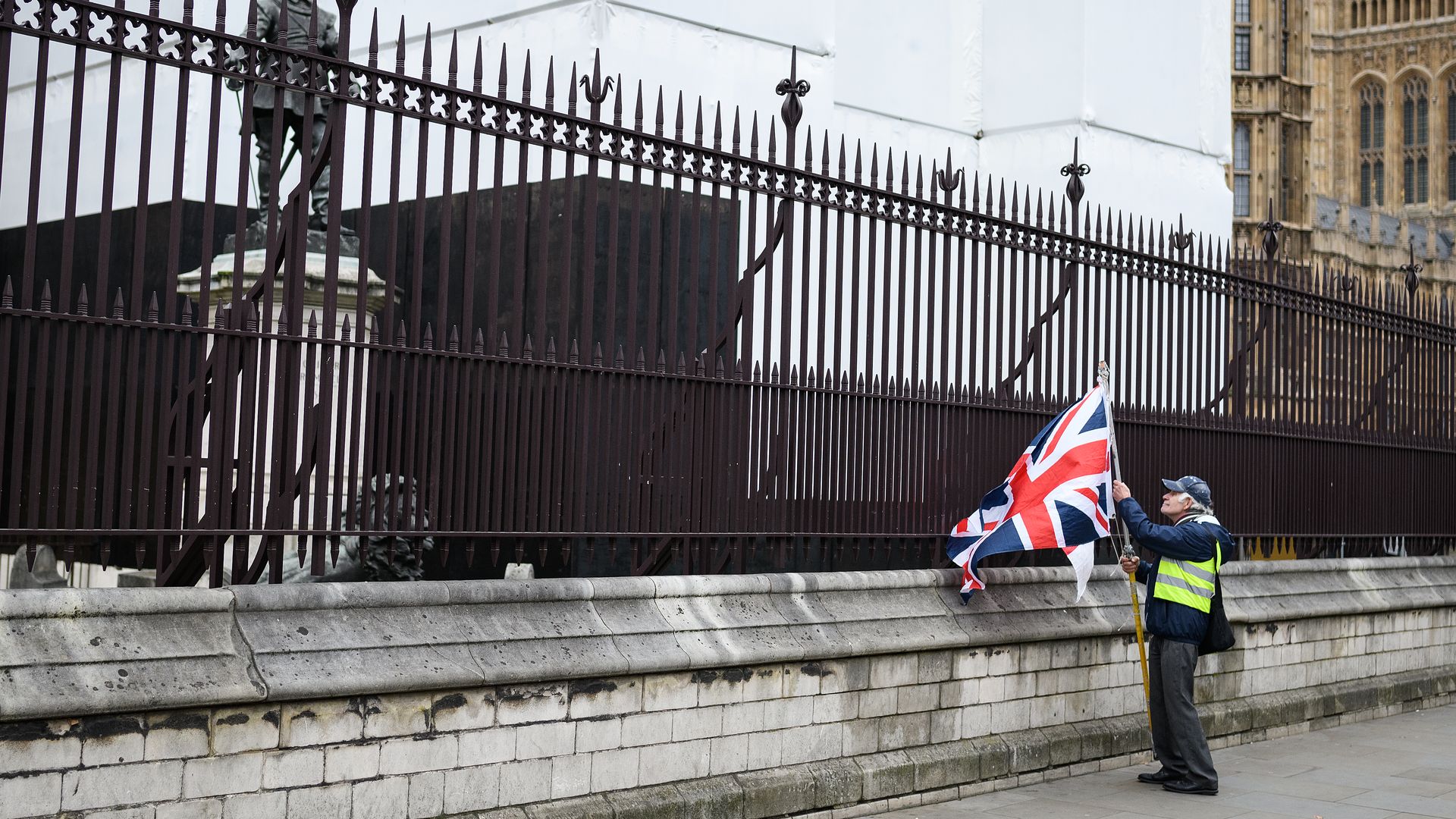
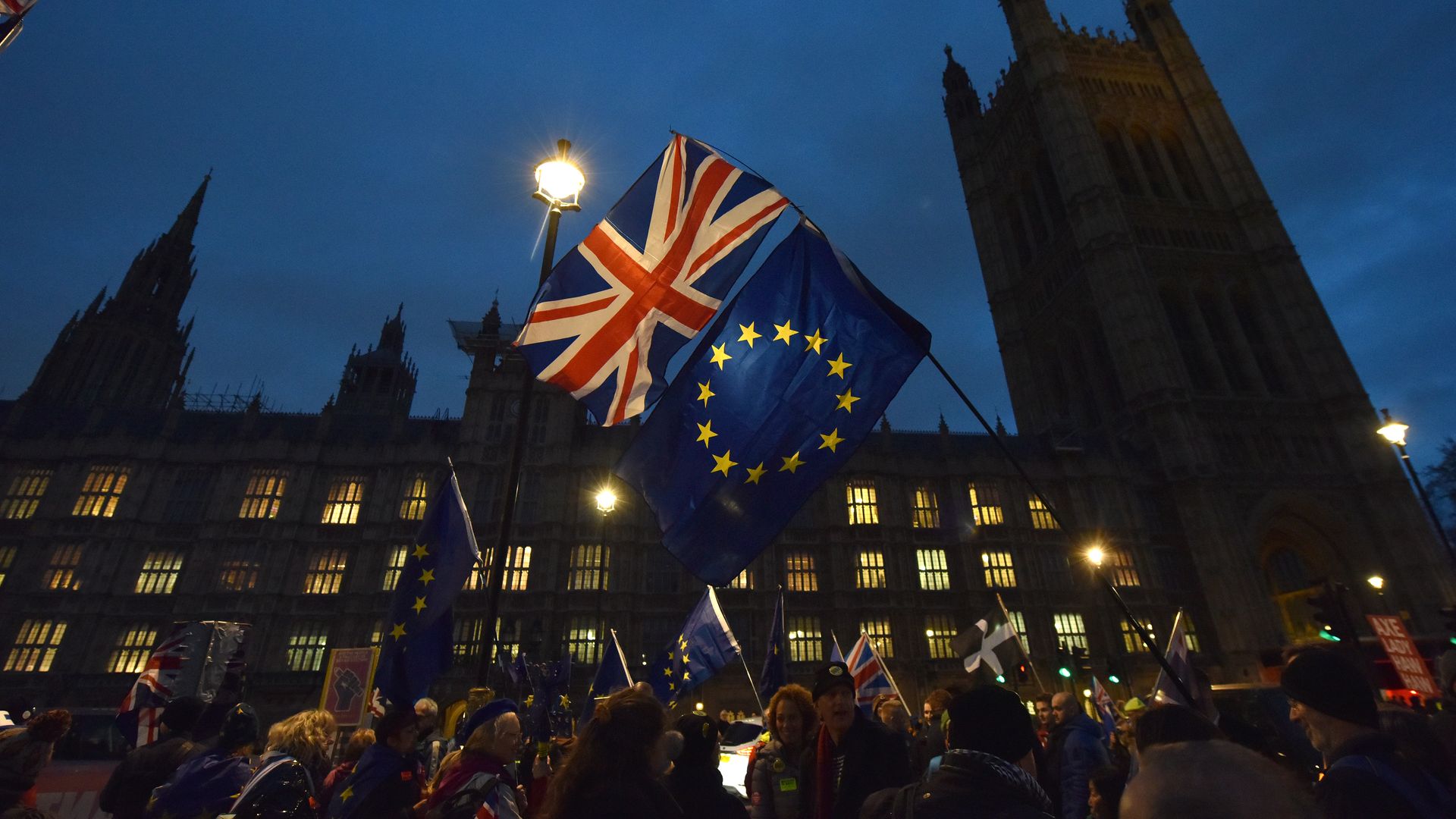
The U.K. Parliament has rejected the government’s Brexit plans, in a sweeping 432–202 vote. The development plunges U.K. politics into crisis: While there’s a clear majority against the government’s plans, there’s no evident majority in favor of a specific alternative.
Why it matters: If Parliament cannot agree on what to do next, the U.K. will by default crash out of the EU without a deal. This could do immense damage to the U.K.'s economy, potentially taking as much as a 10.7% hit to the country’s GDP.
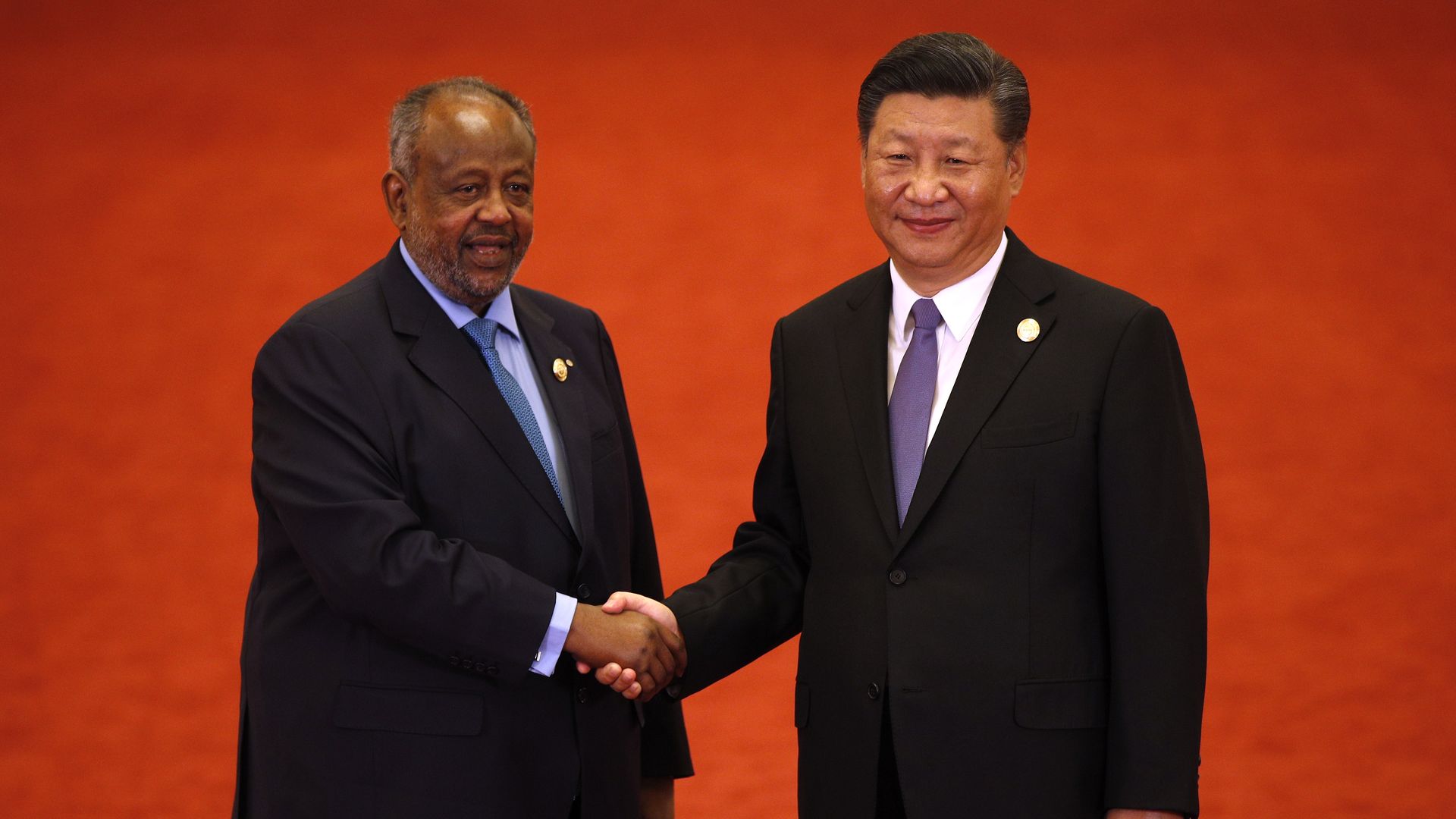
In unveiling the Trump administration’s new Africa strategy last month, national security adviser John Bolton cast Chinese financial and military activity in Djibouti as a threat to U.S. interests in the Horn of Africa. He cited concerns about Djibouti's mounting debt burden to China and China's potential to take over a strategically located port, along with its establishment of a military base near U.S. base Camp Lemonnier.
The big picture: Djibouti has enjoyed a four-decade relationship with China, and in the past few years, this relationship has become more instrumental in Djibouti's development. China holds 77% of Djibouti’s debt, largely because of Vision Djibouti 2035, the country's agenda to become a logistics and commercial hub for continental trade and spur medium-term growth of 10% per year.
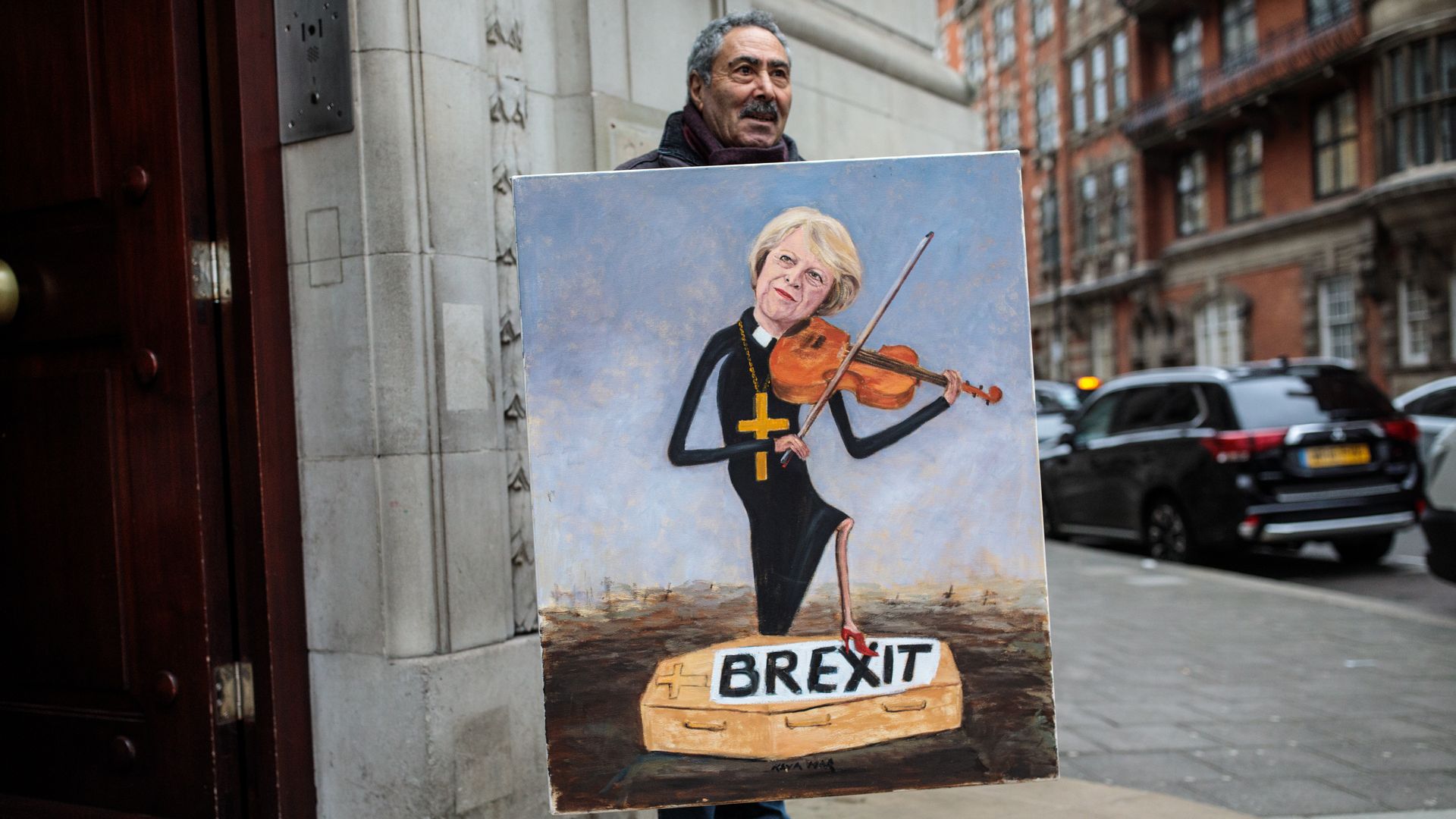
U.K. Prime Minister Theresa May lost yesterday's Brexit vote by an astonishing margin, cobbling together only 202 votes for her Brexit deal.
The big picture: Worse, there were 432 votes against it, including 118 of the 317 MPs representing her own Conservative party. That makes this vote the biggest and most consequential government defeat since at least the 1840s.
The World Anti-Doping Association (WADA) met in Montreal this week to discuss what to do about Russia's anti-doping lab missing a key deadline, the New York Times reports.
What's happening: In 2015, Russia's drug-testing agency was banned from testing its own athletes after a state-sponsored doping scheme was uncovered.
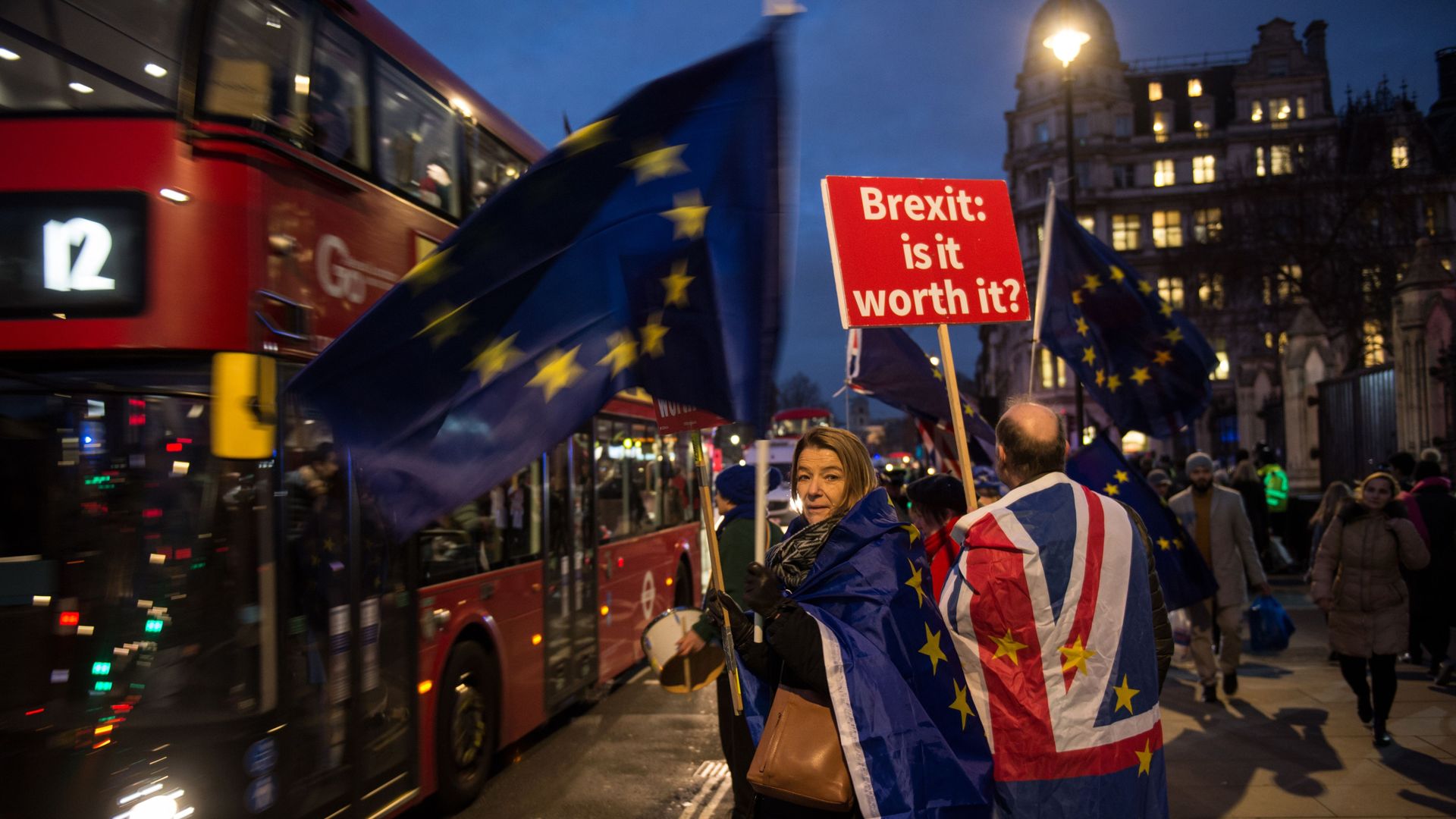
Prime Minister Theresa May’s historic defeat in the House of Commons yesterday has emboldened those in Westminster and around the country who argue a second referendum is needed to decide whether the U.K. goes ahead with Brexit or reverses course.
The big picture: A second referendum now looks at least as likely as the other scenarios: a tweaked version of May’s deal, a softer Brexit, a “no deal” exit or a general election.
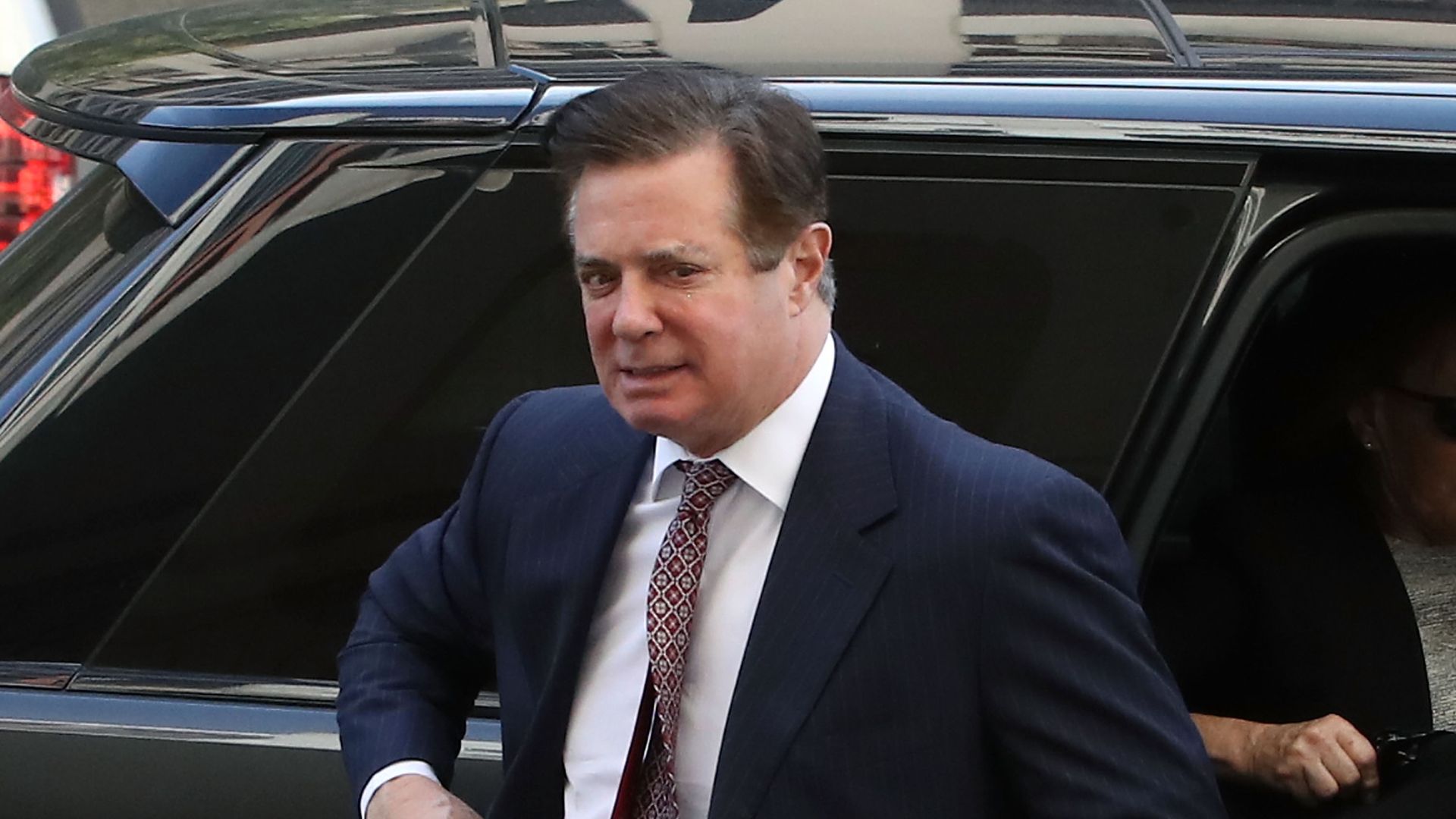
Special counsel Robert Mueller revealed Tuesday that in January 2017, Paul Manafort allegedly told his deputy Rick Gates that he was "using intermediaries, including [redacted] to get people appointed in the Administration."
The big picture: The detail is included in a heavily redacted new court filing that outlines the alleged lies Manafort told investigators that caused him to breach his plea deal. Mueller alleges Manafort lied when he said he had "no direct or indirect communications with anyone in the Administration" and about his interactions with Konstantin Kilimnik — a suspected Russian intelligence operative who has emerged as a key figure in the Mueller investigation.
U.K. Prime Minister Theresa May’s Brexit deal was defeated on Tuesday in the House of Commons — a vote she described earlier as "the most significant" in recent British political history — by a historic 202 to 432 margin, the biggest defeat for a reigning government in more than a century.
Why it matters: No one is really sure what happens next. The U.K. is currently set to leave the EU on March 29, a step with economic and political reverberations that will last for generations, but it's not at all clear what that exit will look like — or if it will ultimately happen on time or at all.
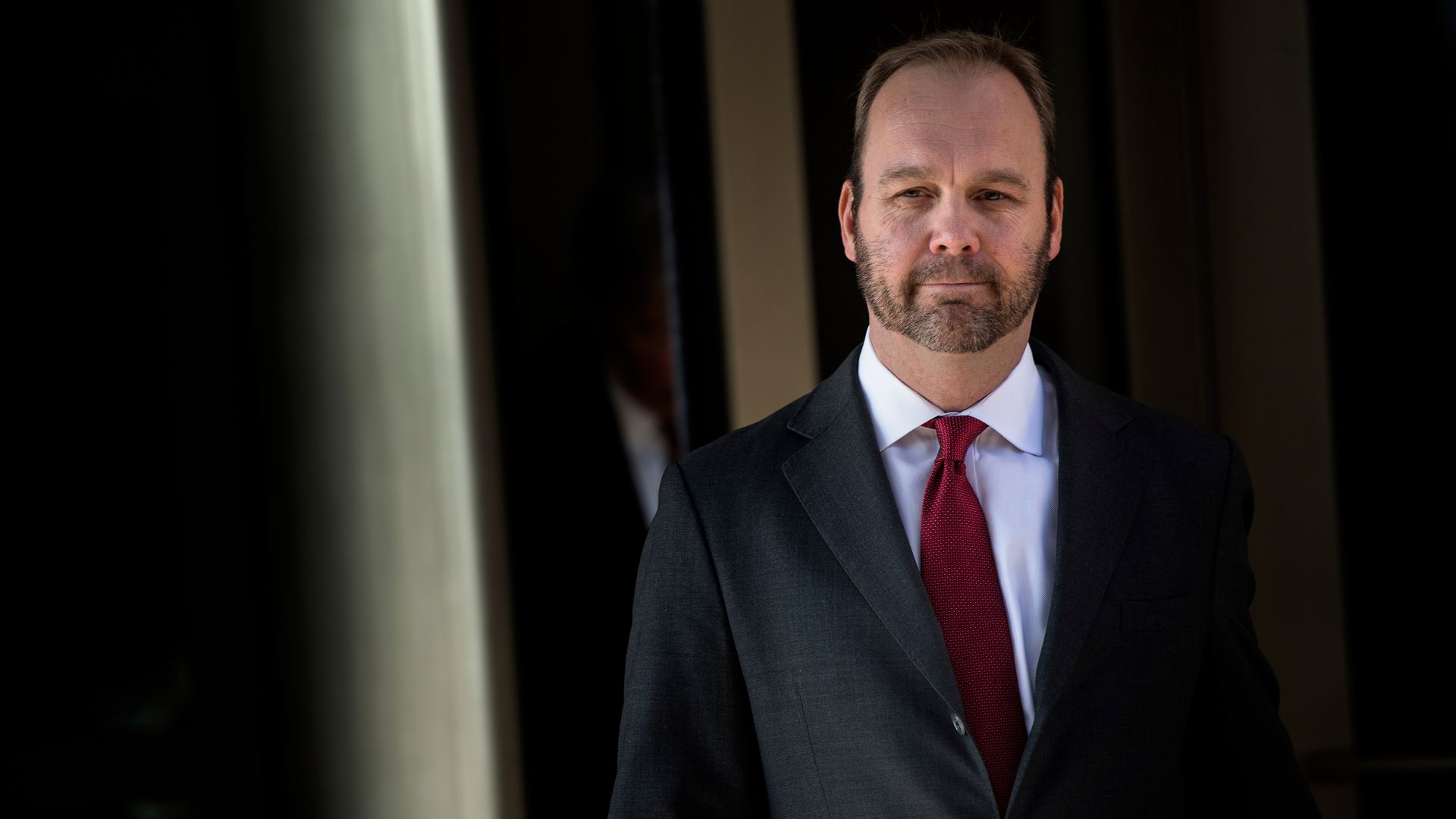
Special counsel Robert Mueller has asked a federal judge to delay the sentencing of Rick Gates, citing the former Trump campaign associate's cooperation in "several ongoing investigations."
Why it matters: Gates served as deputy to former Trump campaign manager Paul Manafort, before pleading guilty to charges that included conspiracy against the United States in February 2018. Gates remained Trump's deputy campaign manager after Manafort was fired, and later he went on to help lead President Trump's inaugural committee. Unlike Manafort, Gates has preserved his plea agreement with the special counsel.
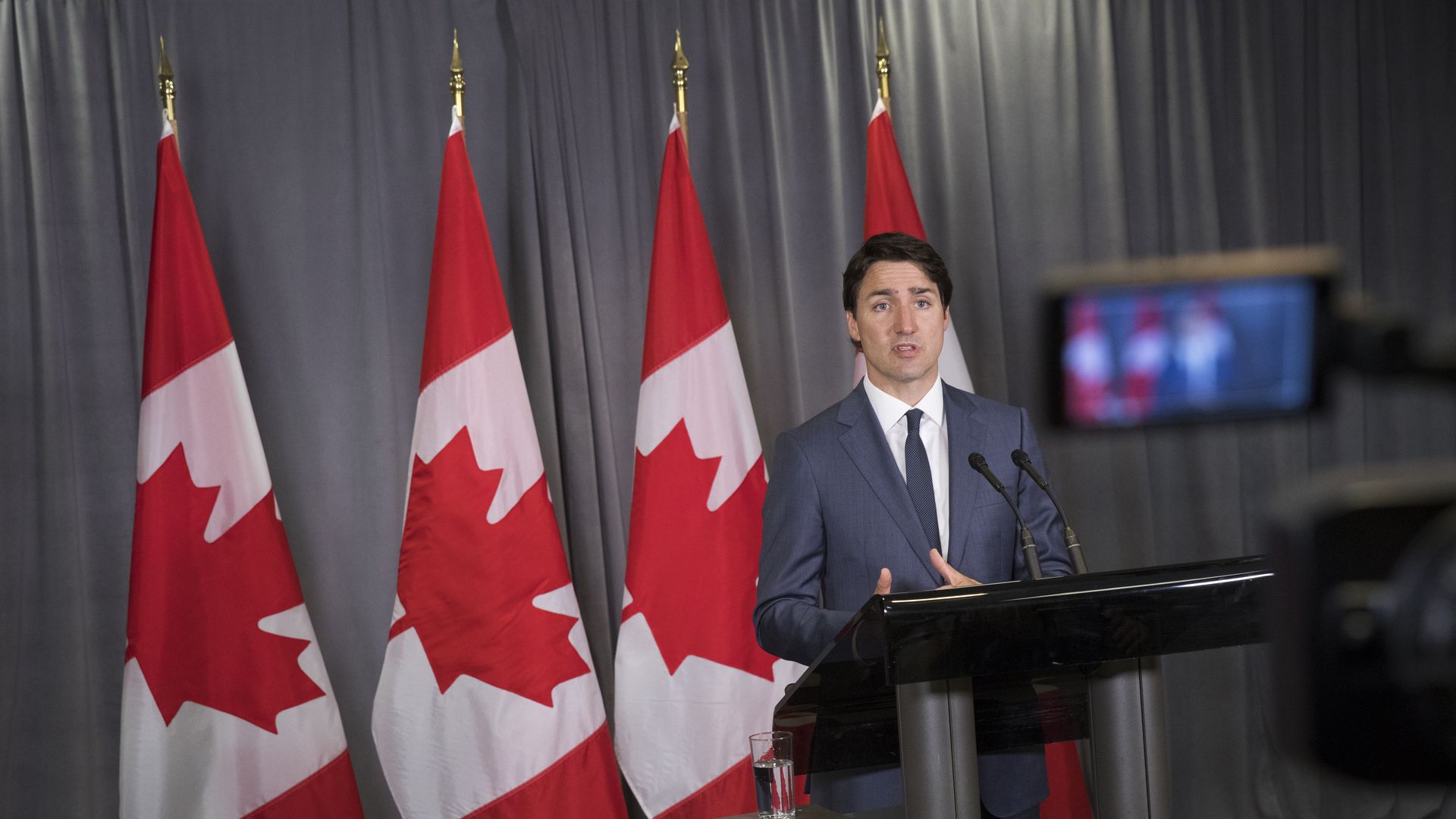
Canada issued an update to its travel advisory for China on Monday warning Canadians to exercise a "high degree of caution" due to "the risk of arbitrary enforcement of local laws."
Driving the news: China sentenced a Canadian citizen to death on Monday over drug trafficking charges in what appears to be retaliation against Canada’s detention of Huawei CFO Meng Wanzhou. The U.S. has also issued a travel warning to American citizens traveling to China, advising them to "exercise increased caution" due to "arbitrary enforcement of local laws."
China today significantly escalated the stakes in its brinkmanship with the U.S., sentencing a Canadian man to death in a case rooted in an unrelated extradition request from the United States. The move is another sign of a global shift to tough-guy politics.
The sentence againstRobert Schellenberg, a Canadian, appears to be retribution for Canada's jailing of a senior Chinese executive on a U.S. warrant for allegedly violating sanctions against Iran.Meng Wanzhou, chief financial officer of Huawei and daughter of the company's founder, is out on bail awaiting possible extradition to the U.S.