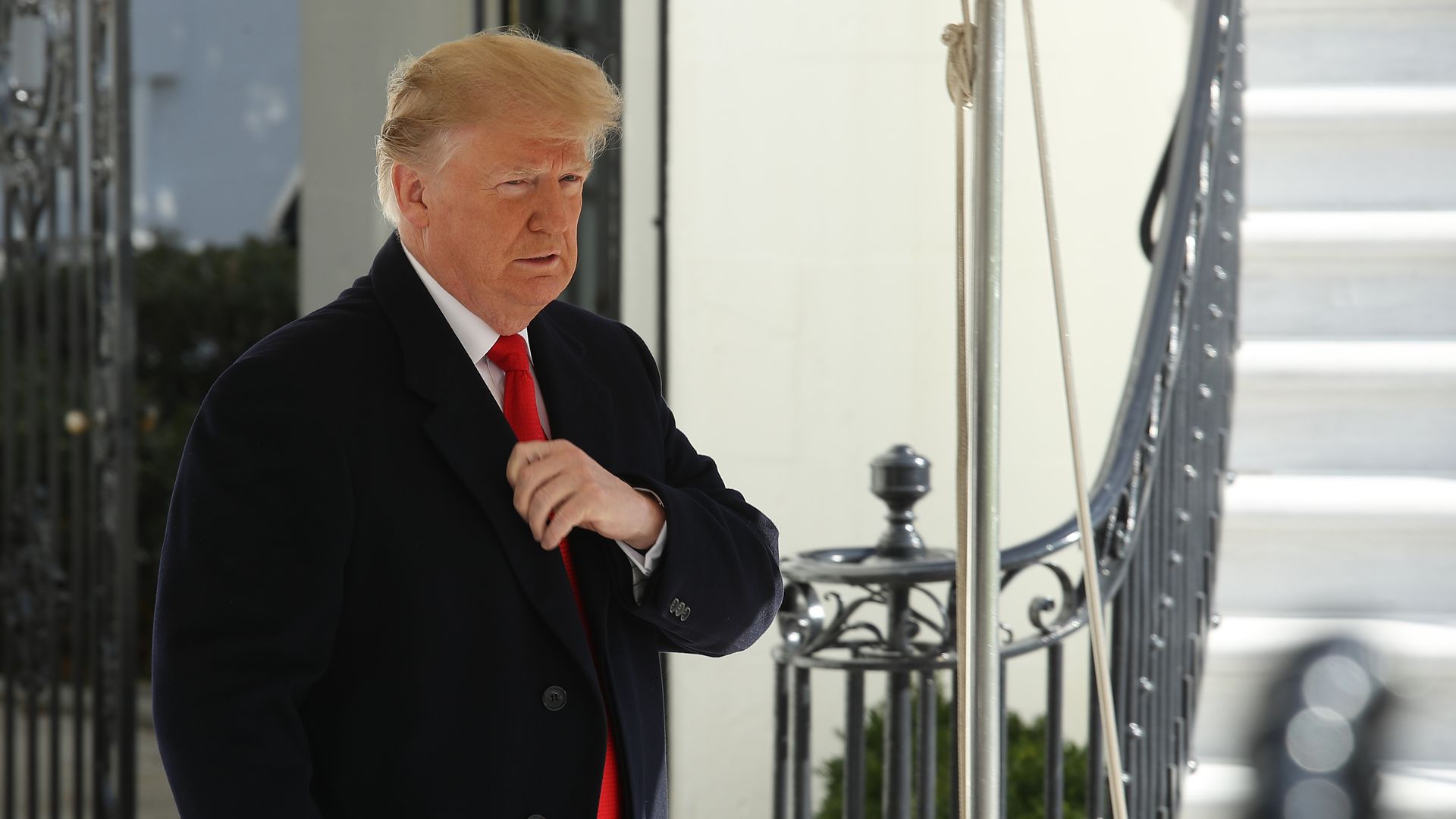
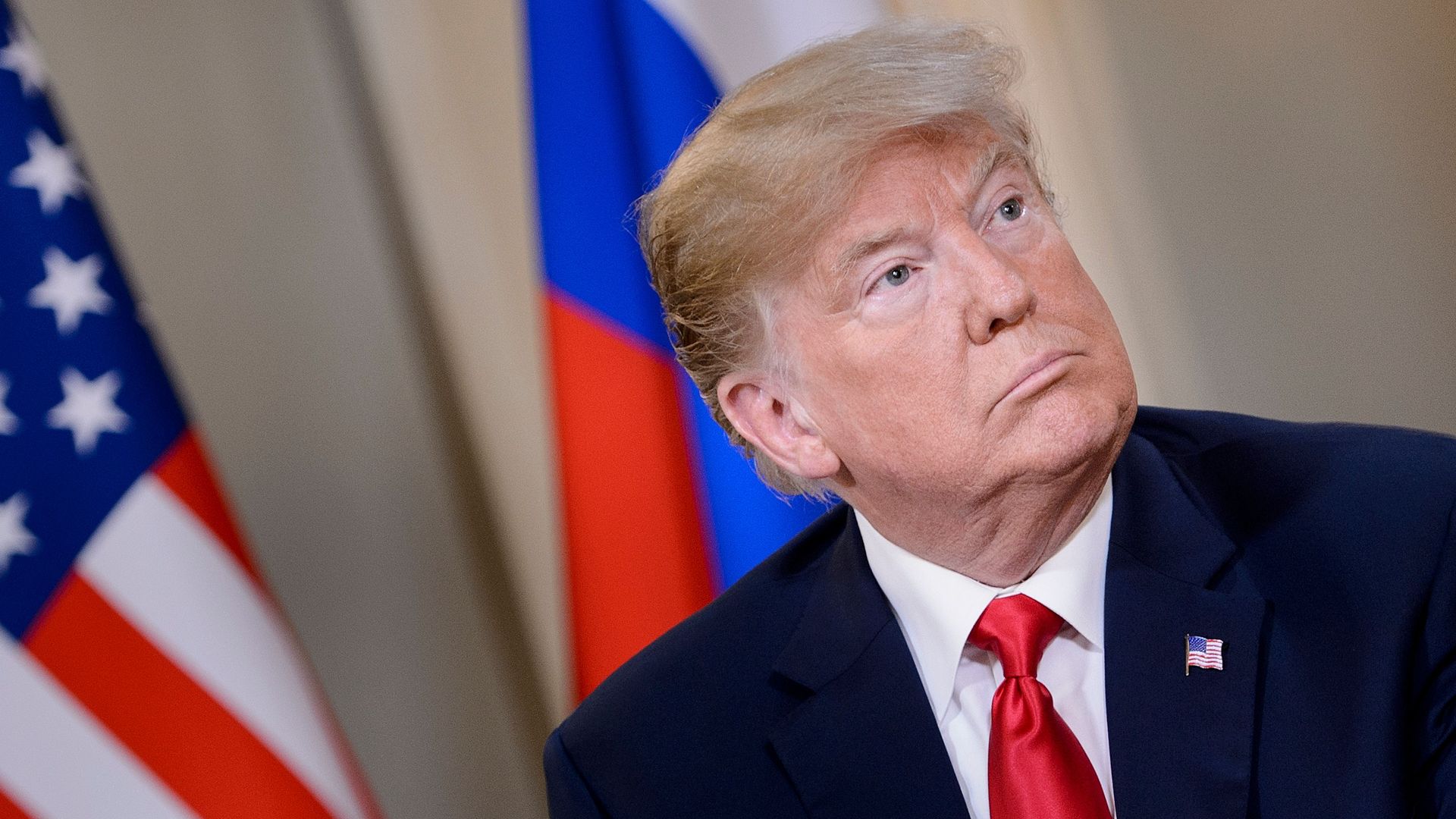
What to watch: The summit will be fraught with strategic problems. On Trump's plate will be questions about European security in the face of Russian military aggression; America’s Middle East plans now that Saudi Arabia is becoming an international pariah and the Senate has moved to reject the administration's support for the Yemen war; U.S. plans to disregard international asylum standards along the Mexican border; and rising global concerns about climate change.
In his written responses to special counsel Robert Mueller, President Trump acknowledged that he discussed plans to build a Trump Tower in Moscow with his former personal attorney Michael Cohen before the deal fell through, his lawyer Rudy Giuliani told the New York Times.
Why it matters: Cohen pleaded guilty Thursday to lying to congressional investigators about the length and scope of his work on plans to build a Trump Tower in Moscow. According to Giuliani, Trump's written answers align with Cohen's account about the president's involvement in negotiations. Giuliani said there was a "nonbinding letter of intent," but that the deal "didn't go beyond that."
Fancy Bear, the hackers associated with Russian intelligence best known for their cyber attack on the U.S. Democratic National Committee, appear to be using documents related to Brexit to deliver malware to victims in their latest campaign.
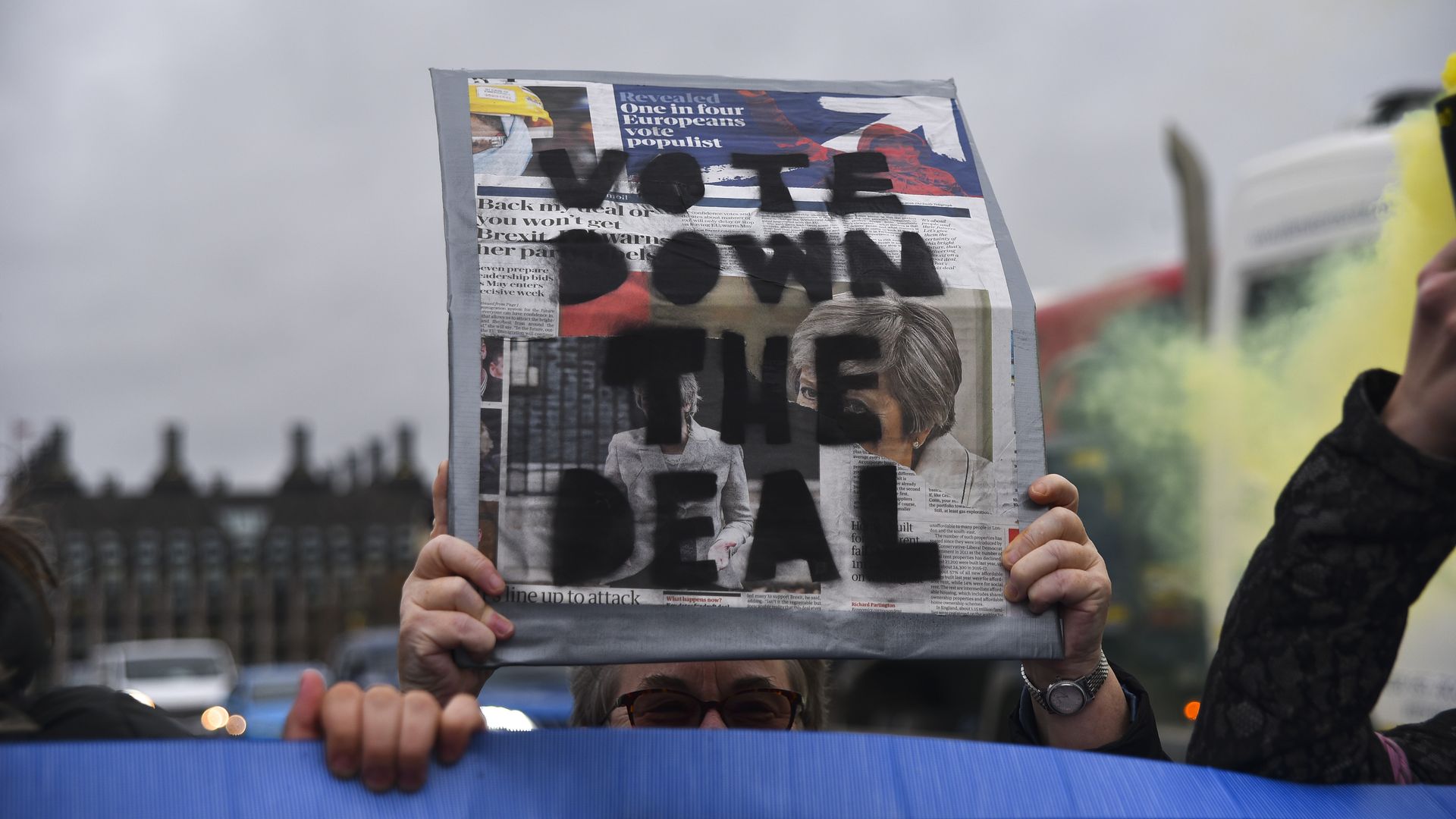
The big picture: All spies use current events to lure victims into opening documents that contain malware. According to Accenture, who discovered the hack, the documents were laced with the Zebrocy surveillance malware. The ploy comes as the U.K. mulls Prime Minister Theresa May's proposed deal to exit the European Union.
As pundits try to update their timeline for the 2016 Russia hacking scandal based on new emails and information from Roger Stone associate and conspiracy theorist Jerome Corsi, they are missing a key piece of the puzzle.
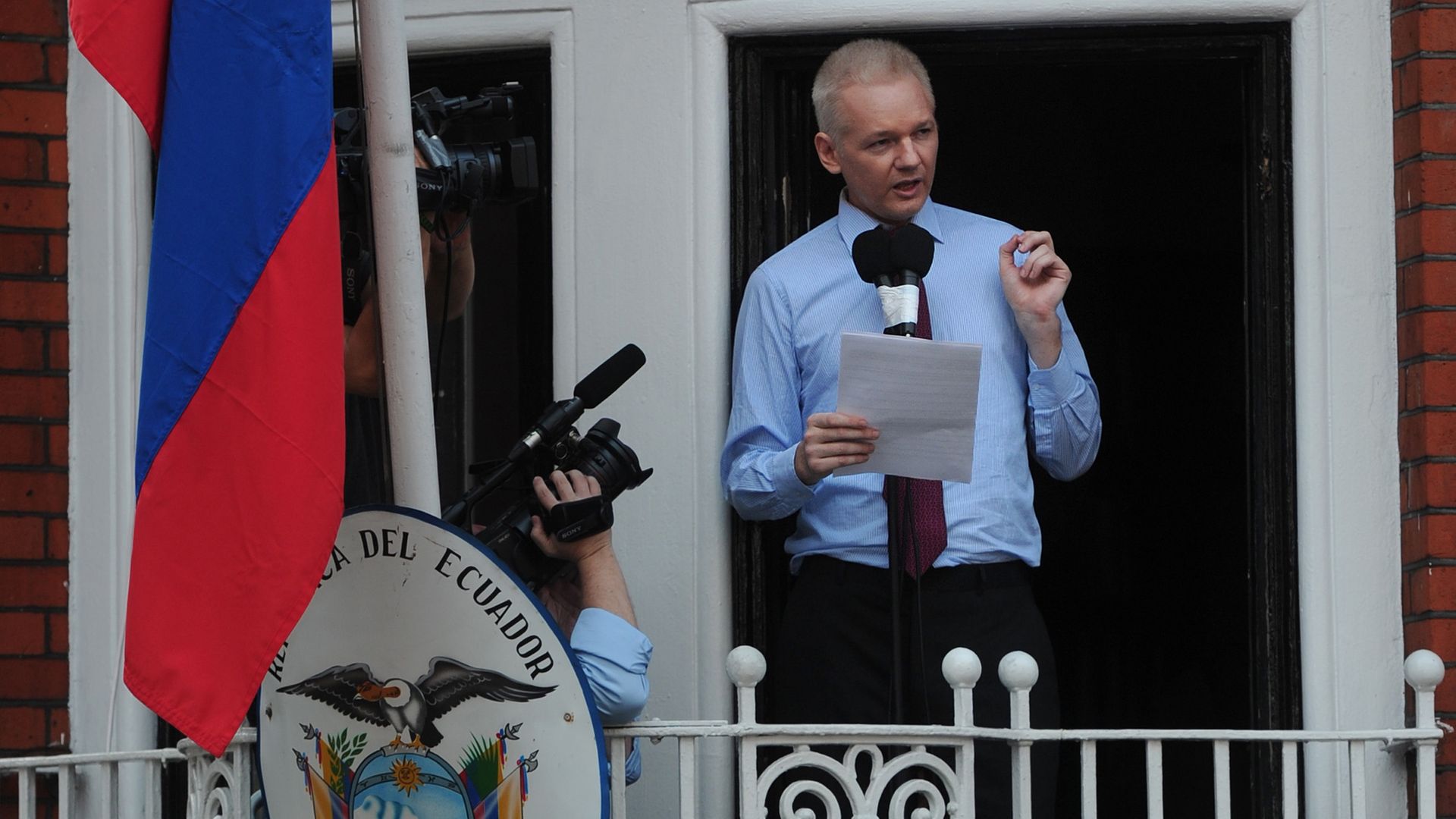
Background: This week, Corsi blew apart plea arrangements with the Mueller investigation, and now he publicly denies being an intermediary between Stone (a would-be proxy for the Trump campaign) and WikiLeaks or having any advance knowledge of the site's leak schedule.
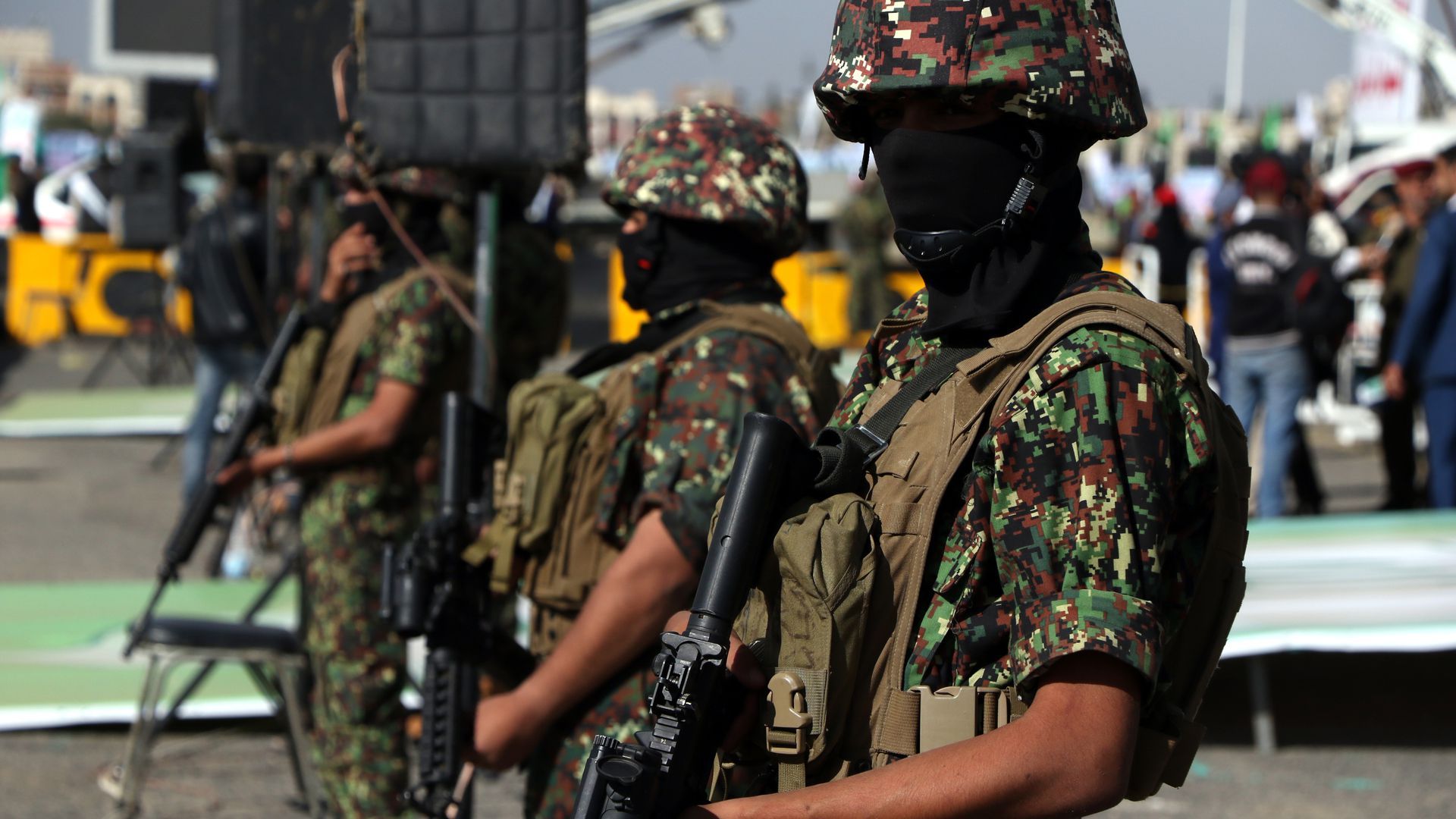
The conflict tearing Yemen apart is a human catastrophe and a geopolitical mess. It's also providing a look at how today's shooting wars spill over into digital conflict, even in the poorer corners of the world, as two presentations at Wednesday's CyberwarCon in Washington, D.C., elucidated.
The backdrop: Houthi rebels, backed by Iran, currently control the capital city of Sanaa — and with it the main internet service in the country, YemenNet. President Abed Rabbo Mansour Hadi's government, backed by the Saudis, control much of the rest of the country, save for a few territories controlled by al-Qaeda in the Arabian Peninsula. The Hadi government launched its own internet service in its territory, AdenNet.
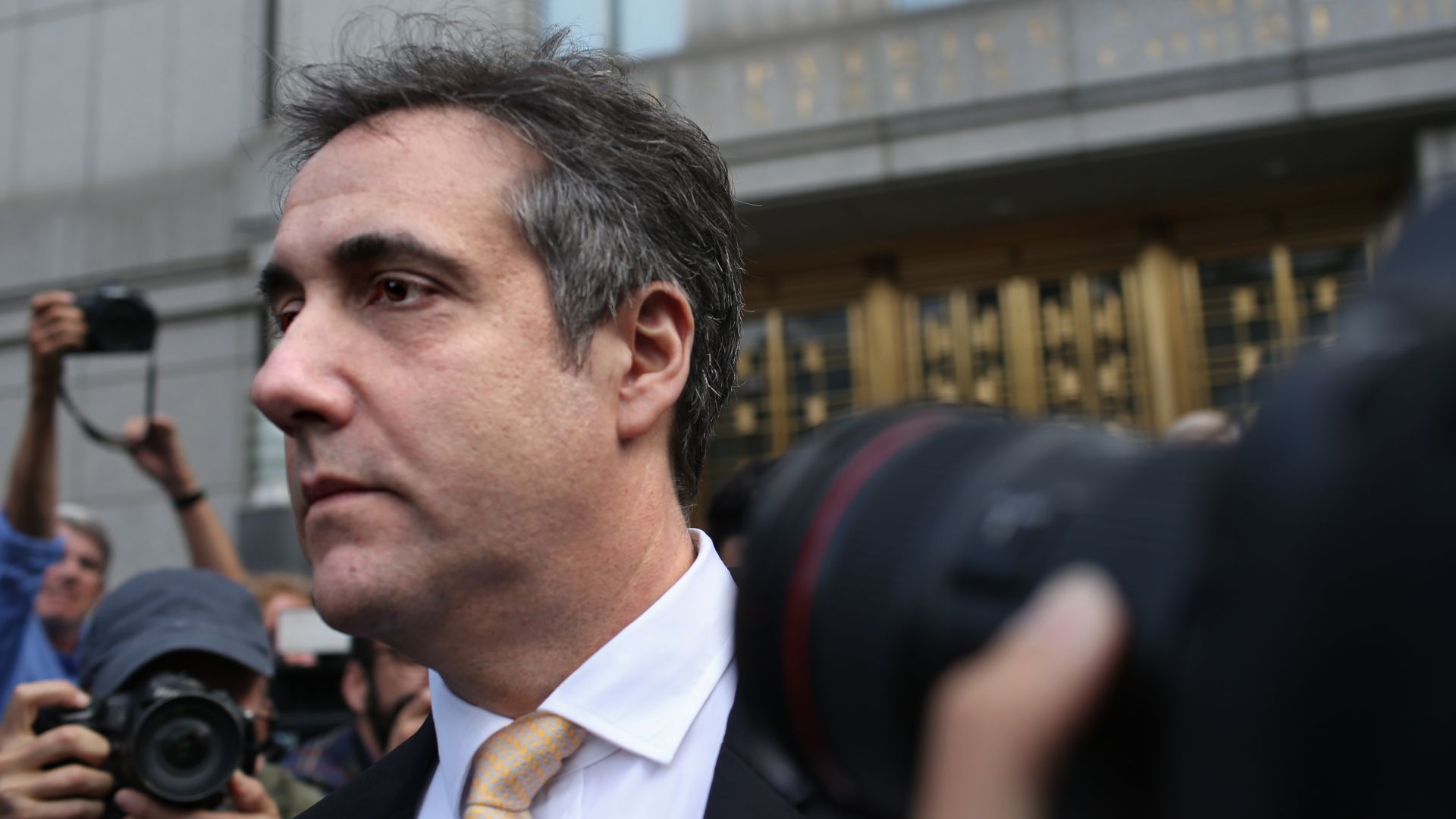
President Trump's former attorney Michael Cohen has pleaded guilty to lying to the Senate Intelligence Committee in 2017 about the length and scope of his work on plans to build a Trump Tower in Moscow.
The big picture: This is the first time that Cohen, who pleaded guilty in the Southern District of New York in August to campaign finance violations, has been charged in the Mueller investigation. In court, Cohen reportedly said he lied out of loyalty to Trump and to be consistent with the president's political messaging, per NBC News' Tom Winter. He has reportedly spent more than 70 hours in interviews with the special counsel, per ABC News.
The Chinese government stopped the work of the research team that claims to have edited and implanted embryos that resulted in a twin birth earlier this month, ordering an investigation into their work, reports the AP.
The big picture: The international scientific community has largely reacted with outrage to the Chinese team's claim, fearing the implications of such work could hinder research due to the ethical and biological quandaries surrounding gene editing.
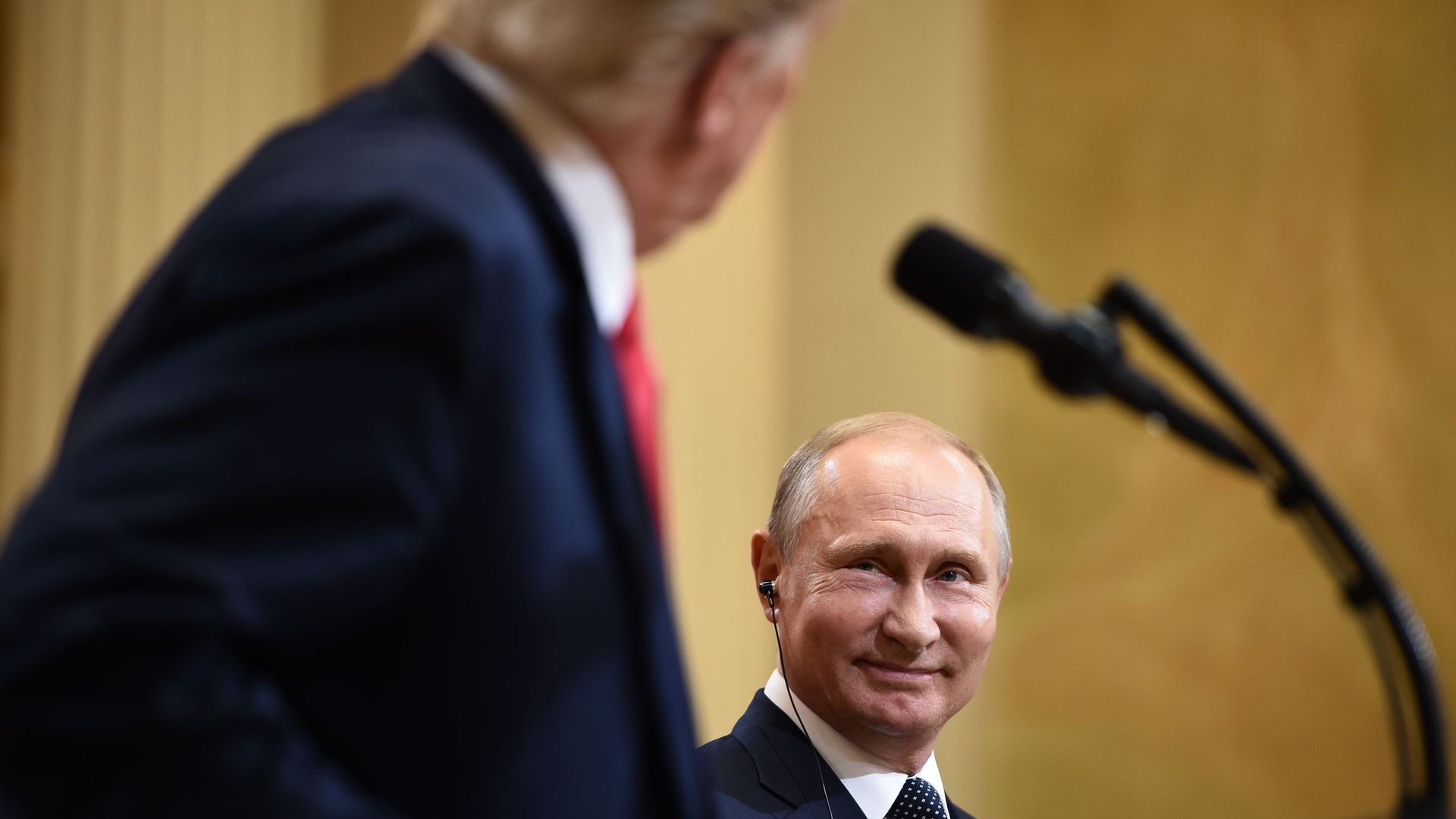
Dmitry Peskov, a spokesman for the Kremlin, told reporters on Thursday that the White House had confirmed a one-on-one meeting between President Trump and Russian President Vladimir Putin, planned to take place on Saturday morning during the G20 summit in Buenos Aires, the Washington Post reports.
The big picture: Trump said earlier this week that he was considering canceling the meeting over Russian "aggression" towards Ukraine. Peskov said a meeting between the two presidents is in the world's interest, and that they are expected to "speak briefly at first, but everything is left to the direction of the heads of state."
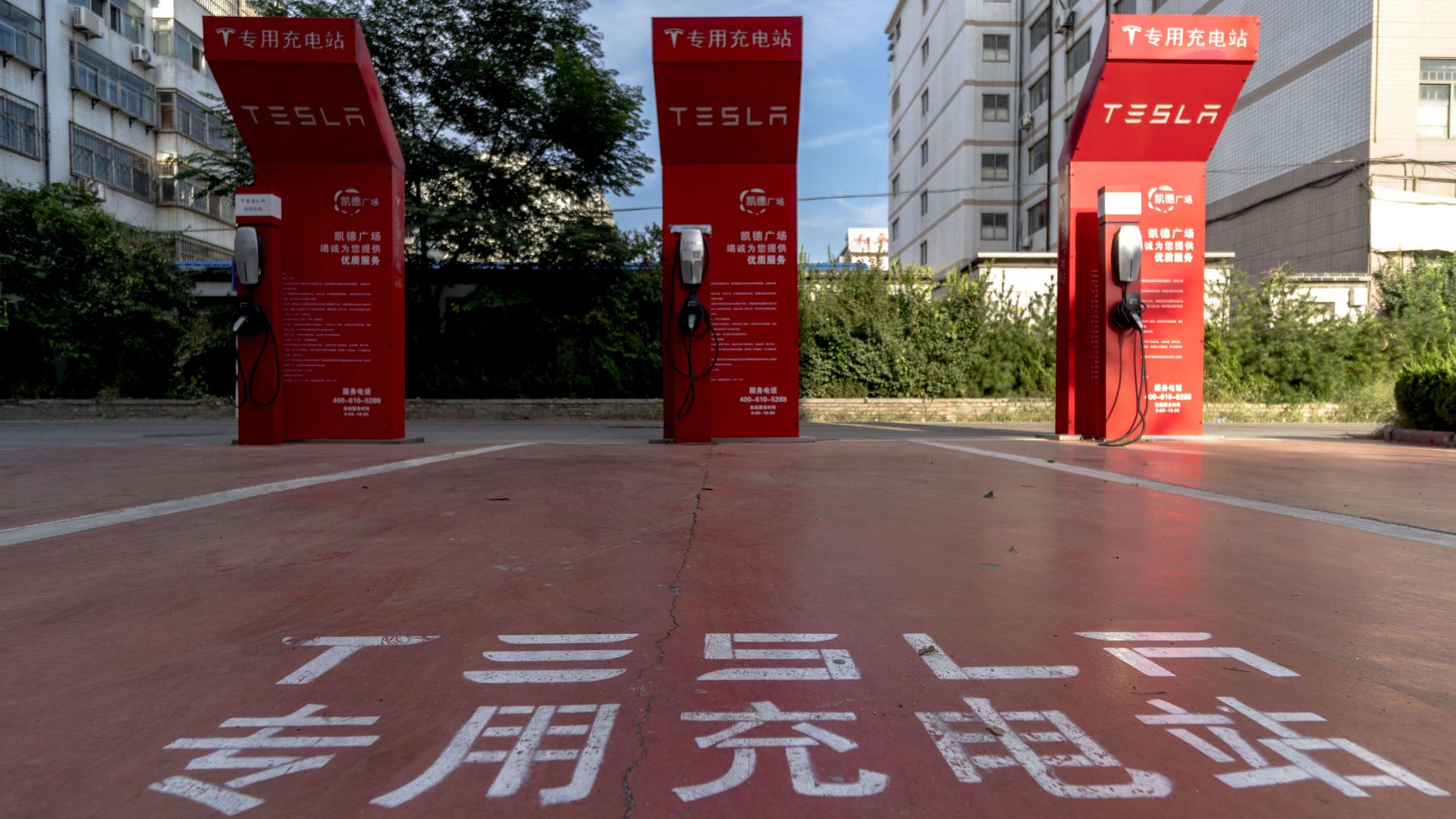
Teslas and other electric vehicles in China constantly send information about the precise location of cars to the government, AP's Erika Kinetz reports.
Why it matters: The data adds "to the rich kit of surveillance tools available to the Chinese government as President Xi Jinping steps up the use of technology to track Chinese citizens."