Saturday's world stories

Top U.S. naval commander found dead in Bahrain
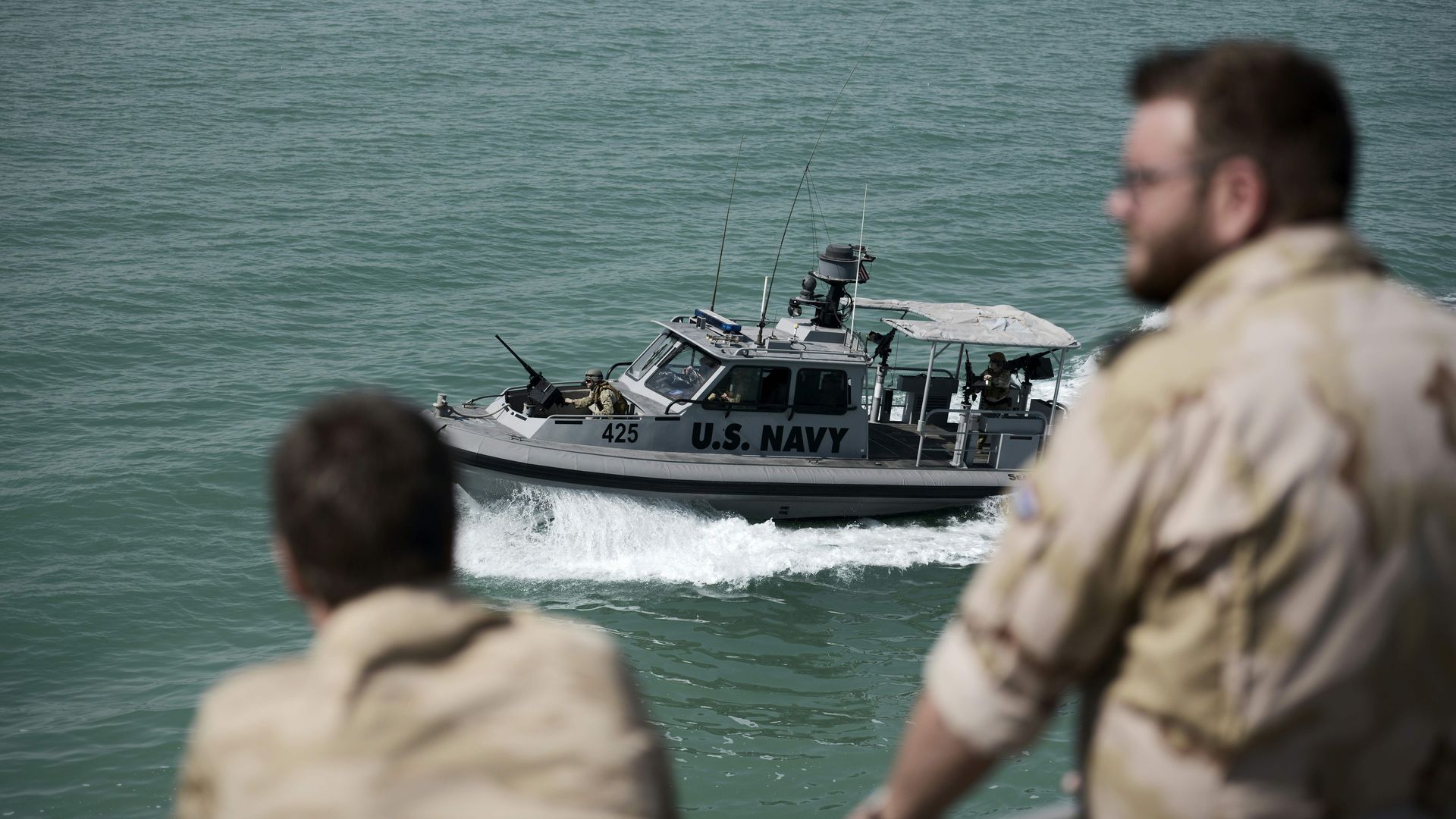
Vice Admiral Scott Stearney, the top admiral overseeing United States Naval forces in the Middle East, was found dead in his residence on Saturday in Bahrain, CNN reports.
Driving the news: The death is still being investigated by officials from both the U.S Navy and Bahrain. At this time there is no evidence of foul play. The U.S. Navy's forces in Bahrain are seen as critical to U.S. security because of the conflicts with Iran and Iran-backed Houthi rebels in Yemen that could present threats to shipping in the region, per CNN.

Mattis claims Russia attempted to interfere in 2018 midterms
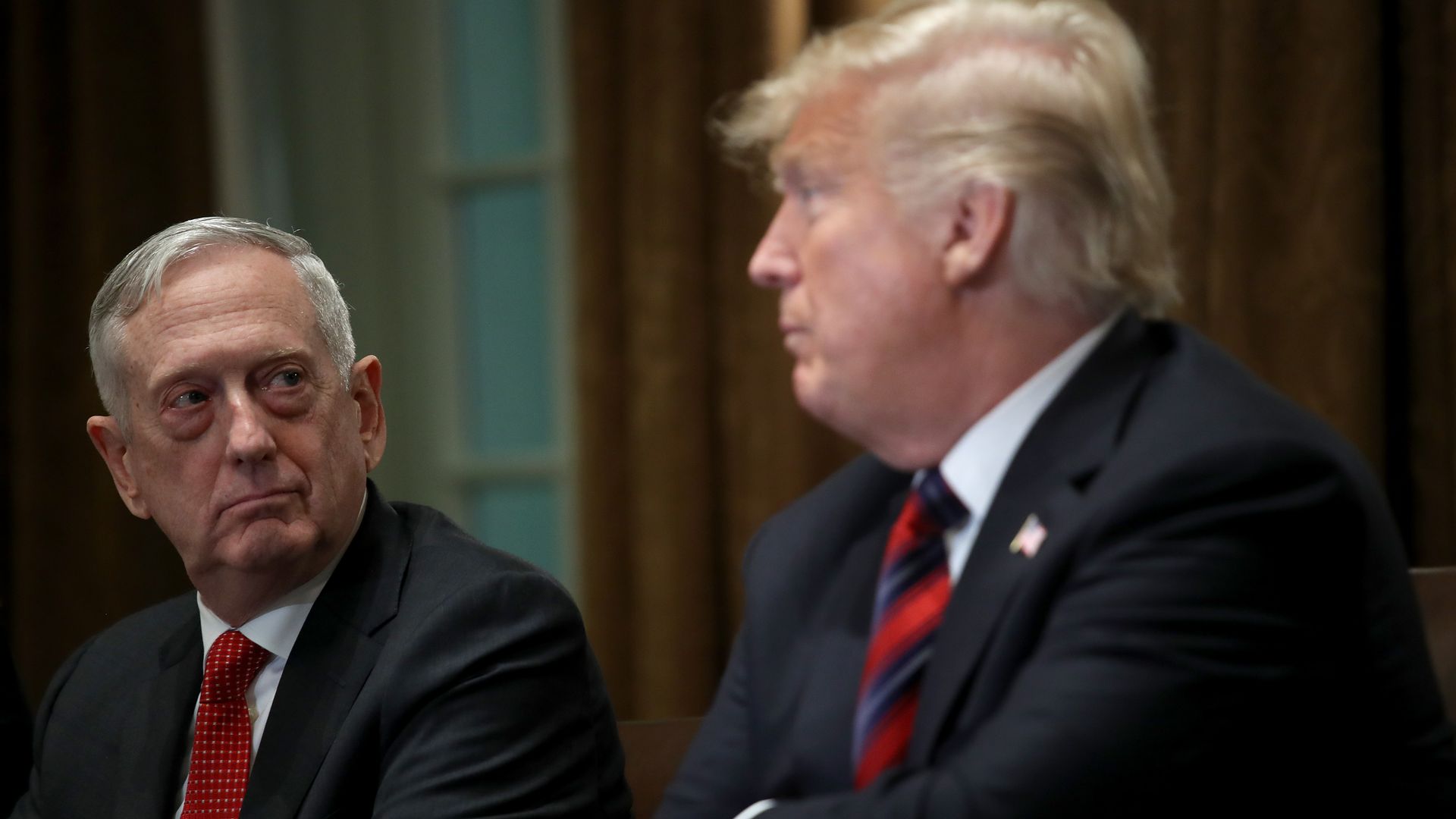
Speaking at the Reagan National Defense Forum Saturday, Defense Secretary James Mattis said that Russia had attempted to interfere in the 2018 midterm elections, and that Vladimir Putin has "continued efforts to try to subvert democratic processes," CNN reports.
"There is no doubt the relationship has worsened. [Putin] tried again to muck around in our elections this last month, and we are seeing a continued effort along those lines."
Why it matters: This appears to be the first instance of a high-level Trump administration official acknowledging that Russian electoral interference continued into the 2018 midterms. President Trump canceled a meeting with Putin at the G20 summit over Russia's aggression against Ukraine in the Kerch Strait, but had an "informal conversation" with the Russian president at dinner Friday night, according to press secretary Sarah Sanders.
Pompeo denies Trump canceled Putin meeting over Cohen guilty plea
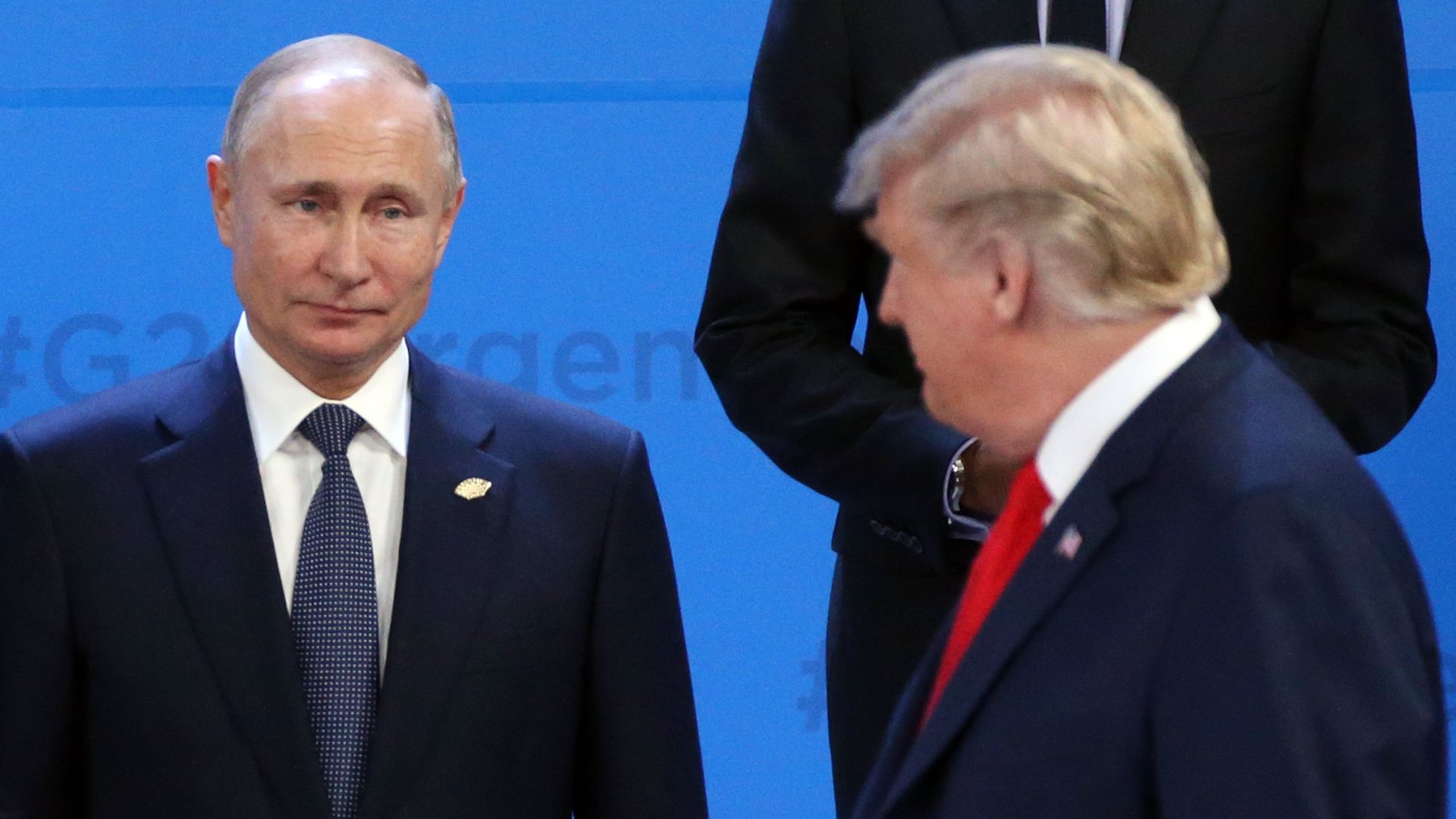
Secretary of State Mike Pompeo told CNN's Wolf Blitzer that it was "ludicrous" to suggest President Trump canceled his G20 meeting with Vladimir Putin because of news that Michael Cohen was pleading guilty in the Mueller investigation, claiming Russian aggression against Ukraine was the sole reason for the decision.
Why it matters: Trump's decision to cancel the meeting, announced via tweet, came just hours after his former personal attorney pleaded guilty to lying to Congress about his work on plans to build a Trump Tower in Moscow — a plea that directly brought Trump and his business entanglements in Russia into the special counsel's investigation. Pompeo maintains that the meeting was canceled "because the Russians behaved in a way that is deeply inconsistent with international law."

Fentanyl flows and fortunes
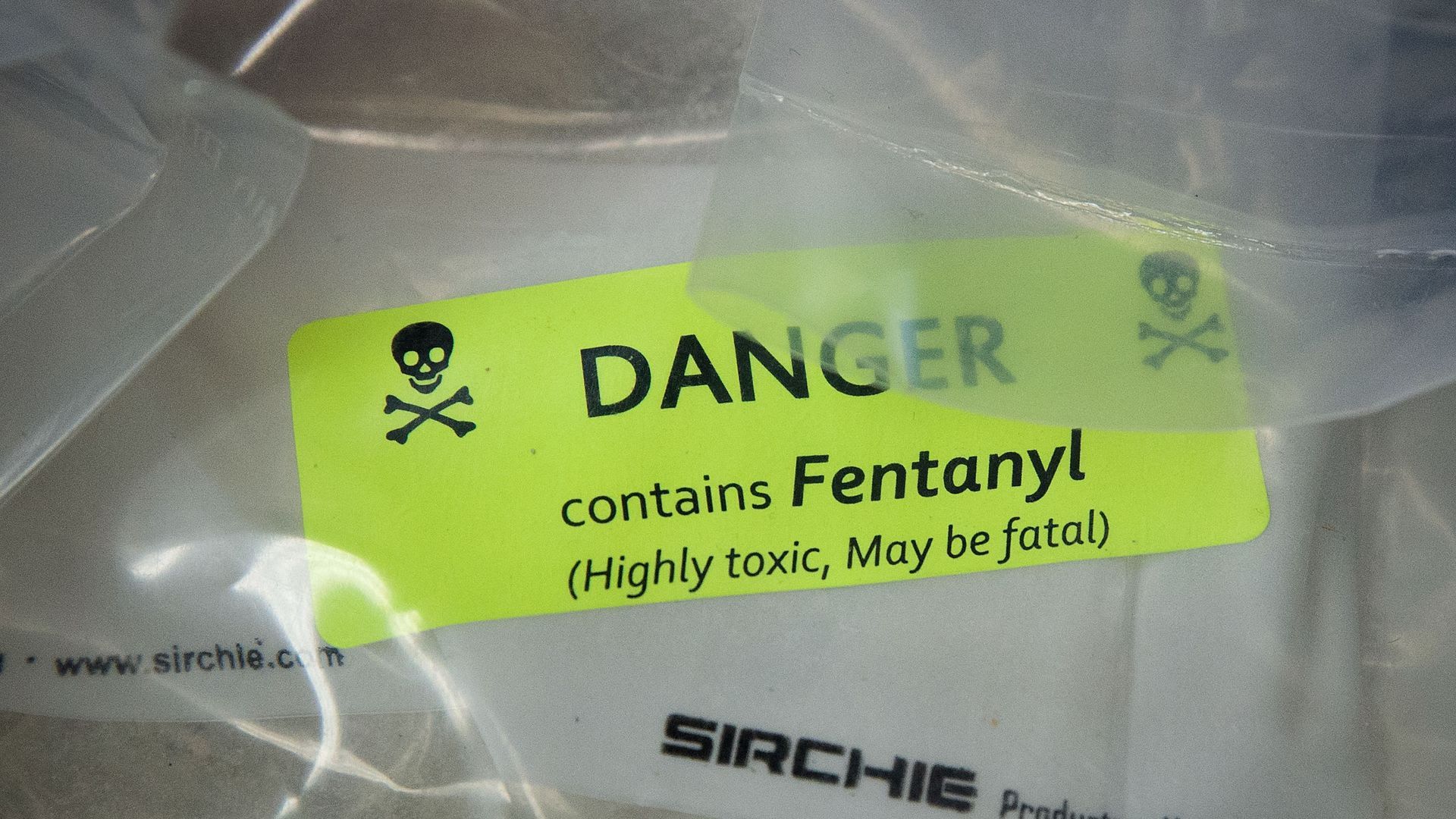
Earlier this week the U.S.-China Economic and Security Commission issued an updated report on "Fentanyl Flows from China", an increasingly contentious issue in U.S.-China relations.
The big picture: "China remains the largest source of illicit fentanyl and fentanyl-like substances in the United States... In large part, these flows persist due to weak regulations governing pharmaceutical and chemical production in China."

Intercepted weapons attest to Iran's continued support of terrorism

U.S. Special Representative for Iran Brian Hook shed light on Tehran’s latest provision of arms to militants across the Middle East on Thursday, speaking at an Iranian weapons exhibit at Joint Base Anacostia–Bolling. The most recent additions include the Sayyad-2C surface-to-air missile, which was interdicted en route to Yemen’s Houthi rebels, 107 -millimeter rockets that Iran allegedly provided to the Taliban, and drones that were used in Afghanistan.
Why it matters: Iran is involved in multiple Middle Eastern conflict zones, many of which have been raging for years and have no end in sight. Tehran’s sustained practice of exporting diverse weapons prevents peace and encourages its partners to continue fighting.
The growing international influence of China's Communist Party
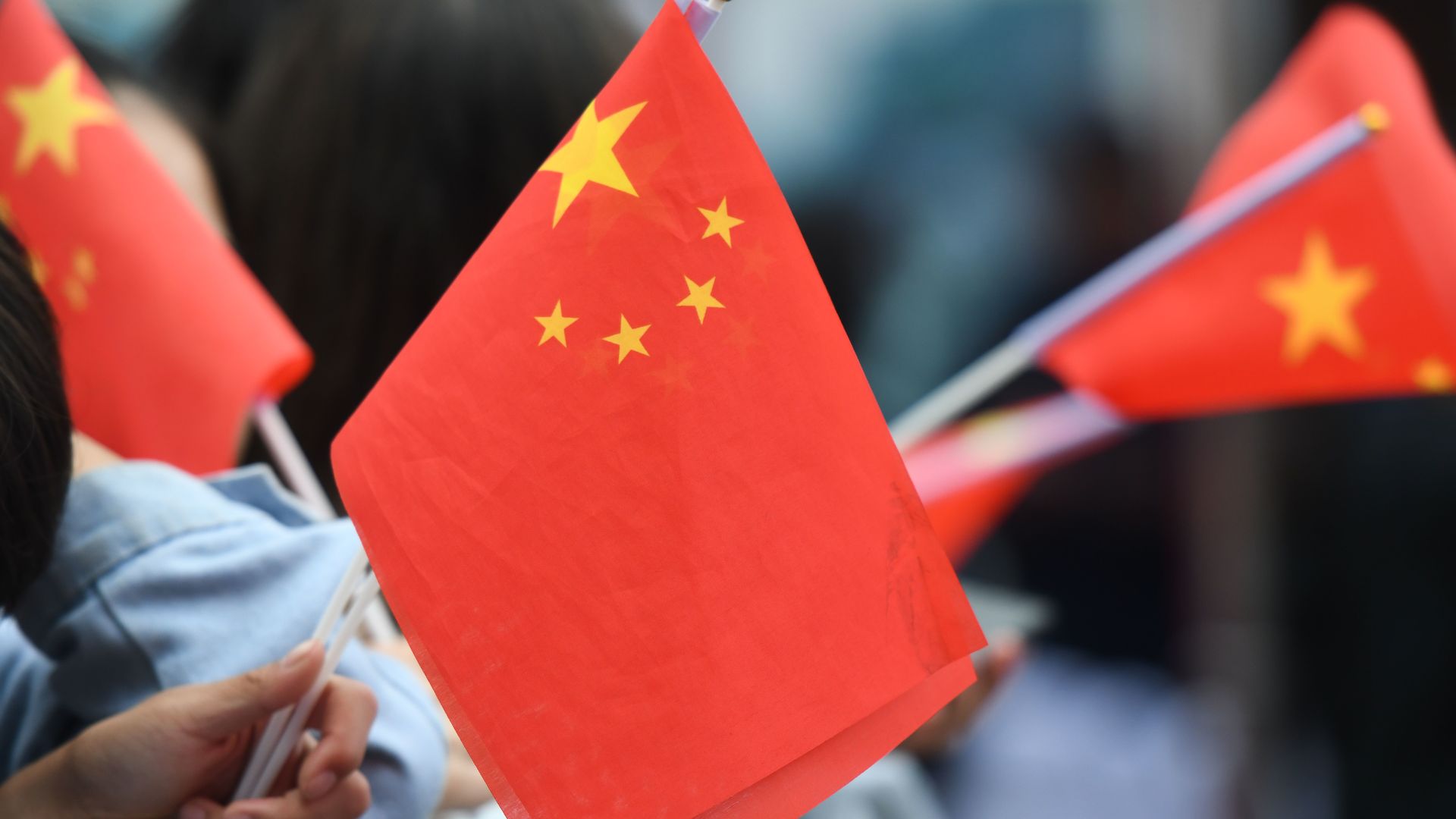
A group of leading China specialists and students of one-party systems under the auspices of the Hoover Institution and the Center on U.S.-China Relations of the Asia Society have issued a long report titled Chinese Influence & American Interests: Promoting Constructive Vigilance.
Between the lines: The report is interesting, balanced, timely and has some good ideas about how to deal with the threats — but it is a mistake to talk about “Chinese influence” when the issue is Chinese Communist Party (CCP) influence and interference operations. Just saying "Chinese" is a dangerous conflation that can spark anti-Chinese sentiment. To paraphrase Confucius, names matter.