Sunday's world stories

With Brexit, economic vitality is not the first priority
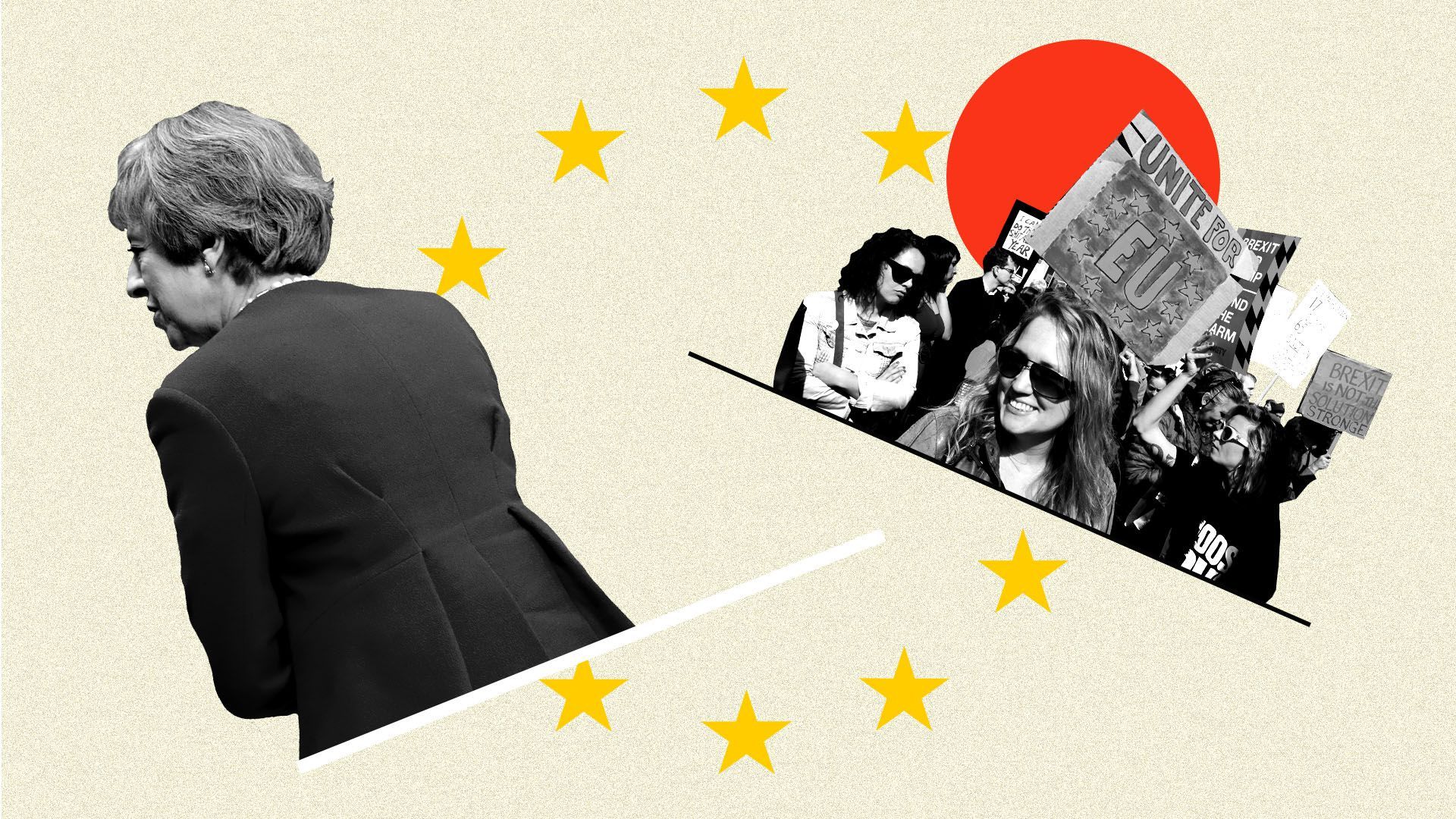
In most countries, the government claims to be doing what's in the economic best interest of its citizens. In general, this helps the cause of capitalism. Now, the oldest democracy in the world is taking the opposite route.
What's happening: This week saw the release of three separate worrisome official reports on the economic consequences of Brexit.
Labour will try to topple Theresa May if vote on Brexit deal fails
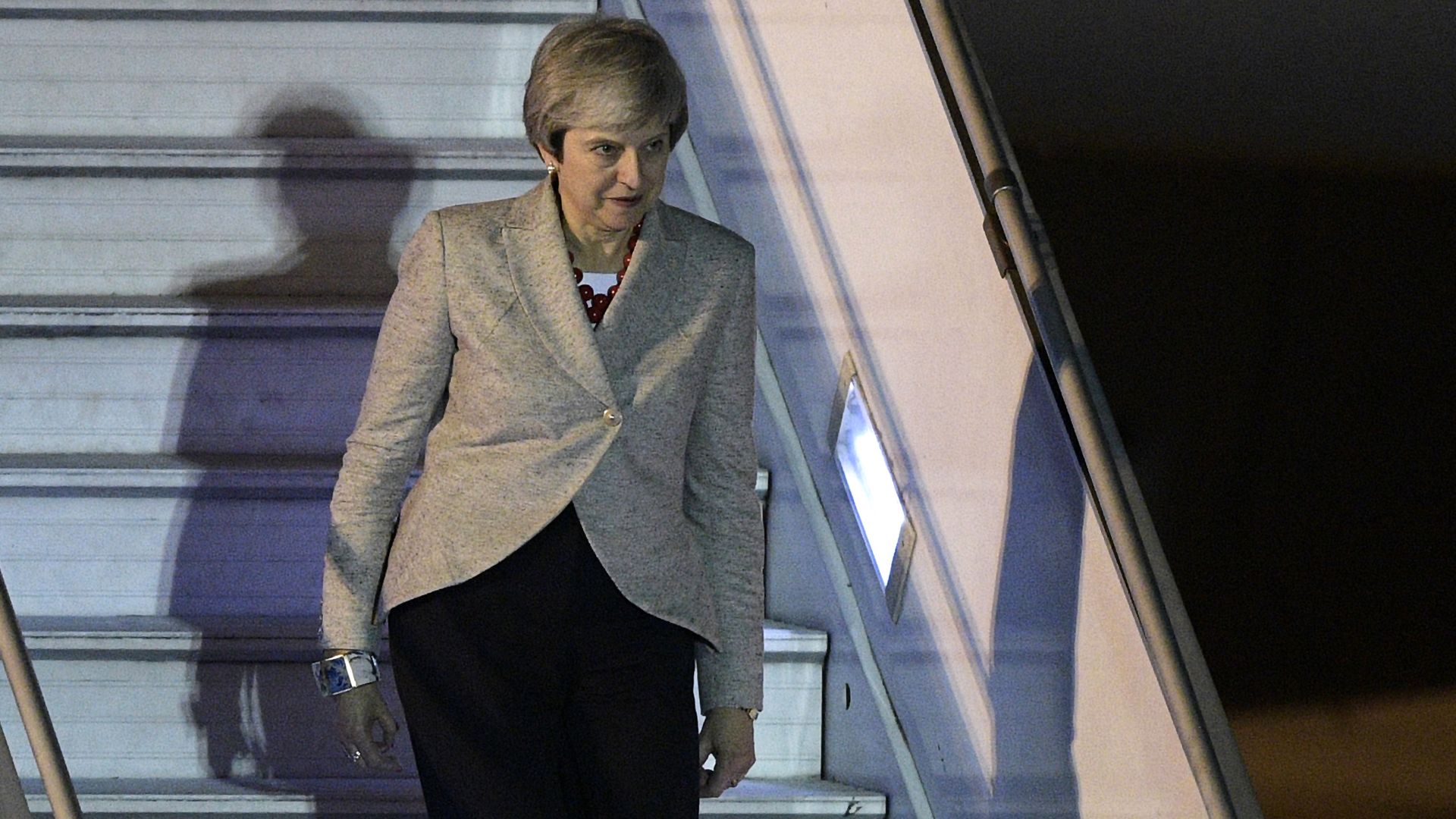
Keir Starmer, the U.K. Labour Party's Brexit spokesman, said it would be "inevitable" that the opposition party would move for a no-confidence vote against Prime Minister Theresa May if a vote in Parliament on her Brexit deal fails later this month, per the AP.
Details: Both May and top European Union officials have presented her deal as the only possible option, meaning that the United Kingdom would face the possibility of a "no-deal" Brexit should the vote fail, which May's own chief economic minister said last week would involve dire economic consequences.
Go deeper: Theresa May fights for her Brexit deal, and her political future

Israeli police recommend indicting Netanyahu in bribery case
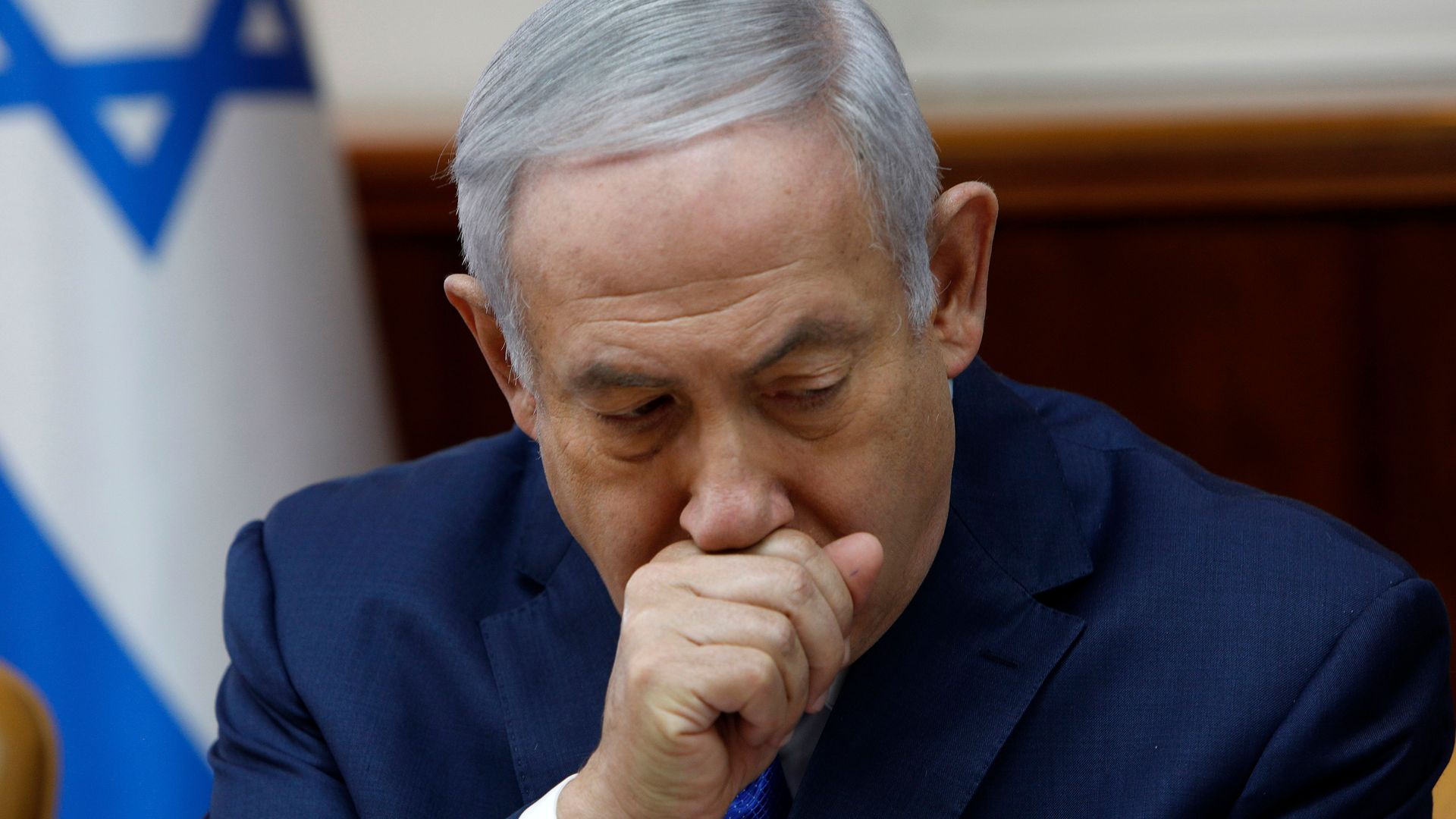
On Sunday, the Israeli police recommended that the country's attorney general indict Prime Minister Benjamin Netanyahu and his wife Sara Netanyahu for alleged bribery due to their relationship with Israel's leading telecommunication tycoon.
Why it matters: This is a very big deal. Case 4000, as it is widely known, is the third time in the last year the police recommended Netanyahu be indicted for bribery. The previous recommendations dealt with Netanyahu allegedly taking "gifts" worth $200,000 from businessmen in return for allegedly promoting their interests (Case 1000) and an alleged bribe deal between Netanyahu and Arnon Mozes, the publisher of Israel's largest newspaper (Case 2000). But the allegations in Case 4000 are the gravest of all the corruption investigations against Netanyahu.

Top U.S. naval commander found dead in Bahrain
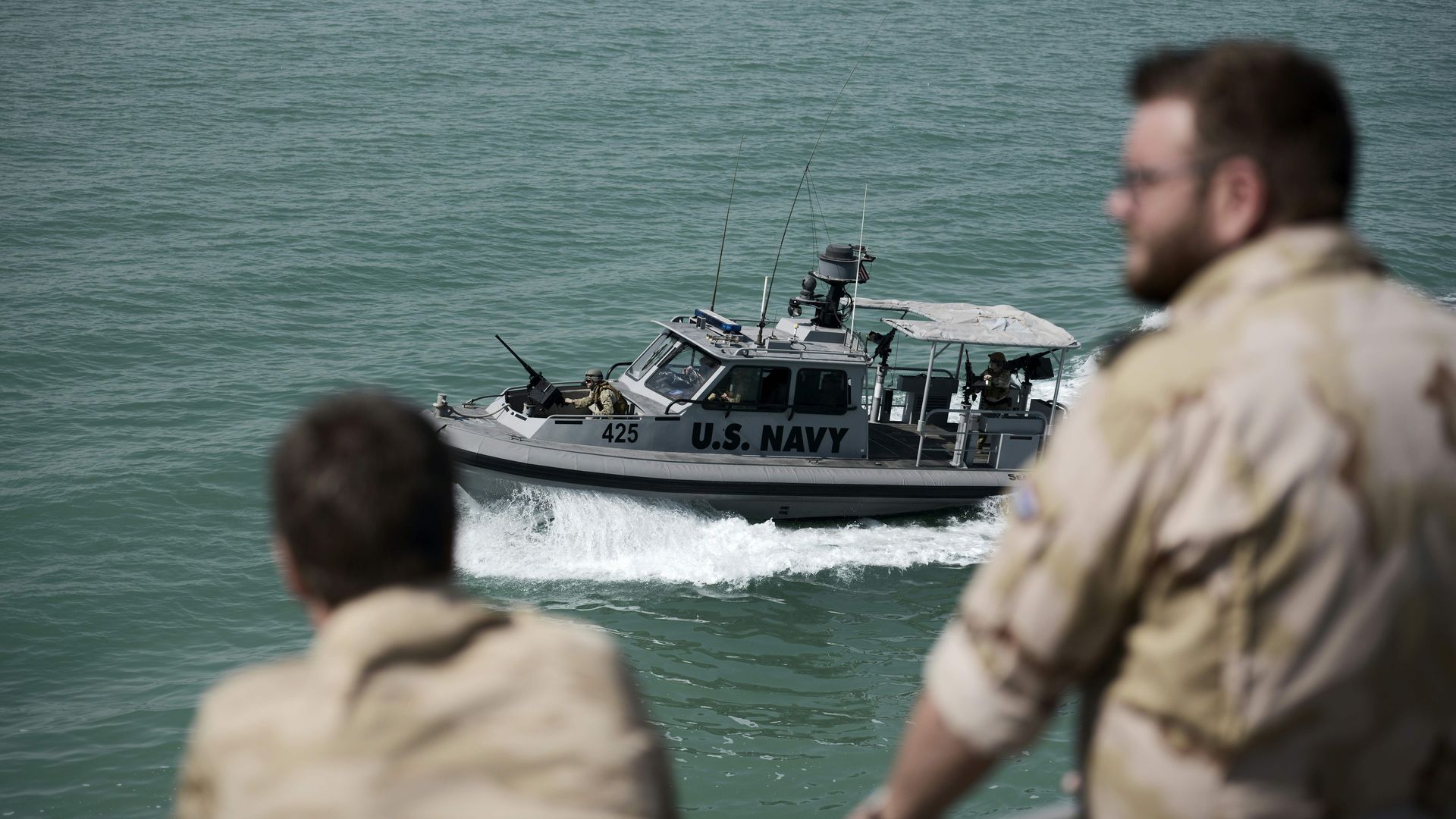
Vice Admiral Scott Stearney, the top admiral overseeing United States Naval forces in the Middle East, was found dead in his residence on Saturday in Bahrain, CNN reports.
Driving the news: The death is still being investigated by officials from both the U.S Navy and Bahrain. At this time there is no evidence of foul play. The U.S. Navy's forces in Bahrain are seen as critical to U.S. security because of the conflicts with Iran and Iran-backed Houthi rebels in Yemen that could present threats to shipping in the region, per CNN.

Mattis claims Russia attempted to interfere in 2018 midterms
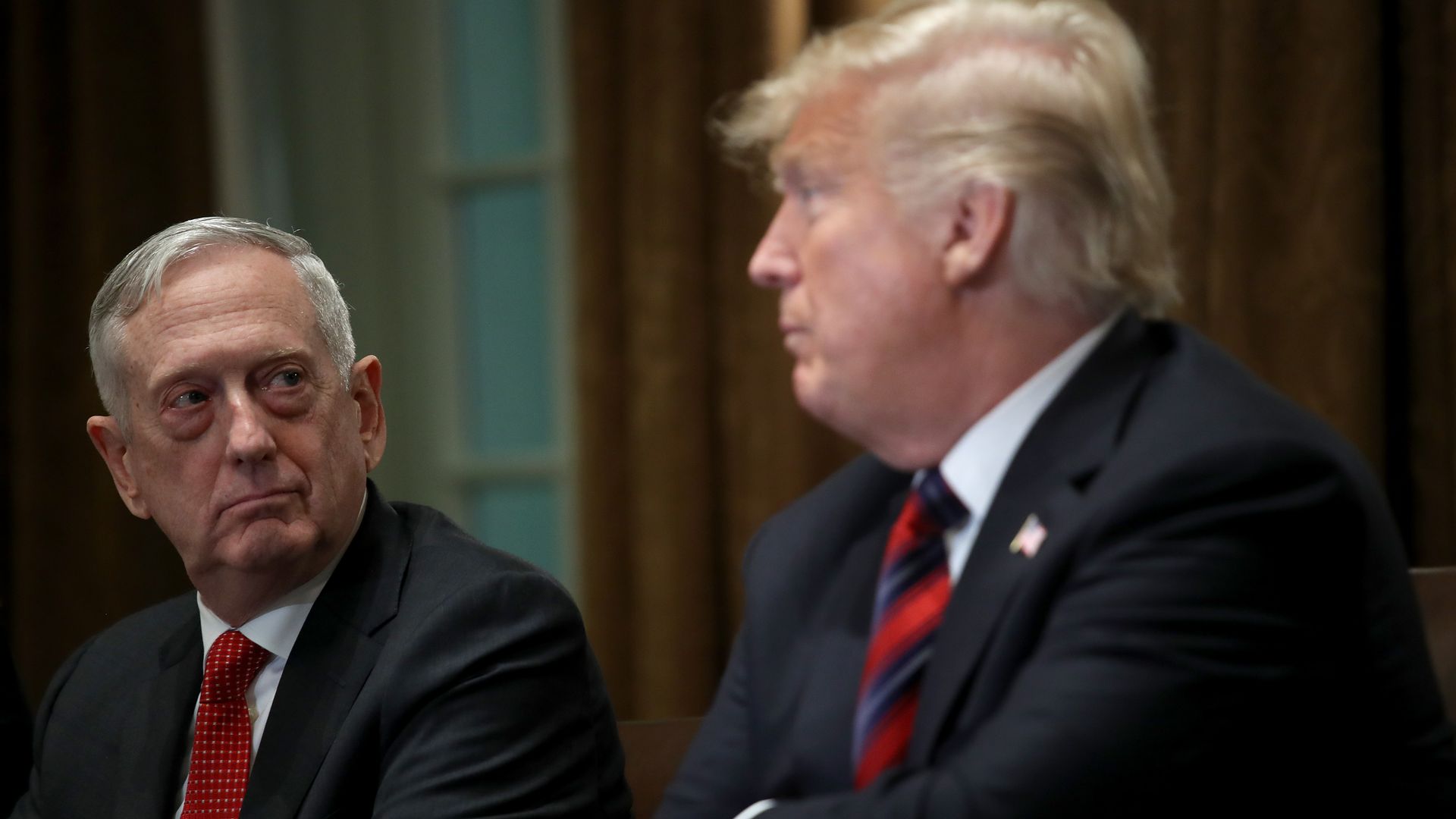
Speaking at the Reagan National Defense Forum Saturday, Defense Secretary James Mattis said that Russia had attempted to interfere in the 2018 midterm elections, and that Vladimir Putin has "continued efforts to try to subvert democratic processes," CNN reports.
"There is no doubt the relationship has worsened. [Putin] tried again to muck around in our elections this last month, and we are seeing a continued effort along those lines."
Why it matters: This appears to be the first instance of a high-level Trump administration official acknowledging that Russian electoral interference continued into the 2018 midterms. President Trump canceled a meeting with Putin at the G20 summit over Russia's aggression against Ukraine in the Kerch Strait, but had an "informal conversation" with the Russian president at dinner Friday night, according to press secretary Sarah Sanders.
Pompeo denies Trump canceled Putin meeting over Cohen guilty plea
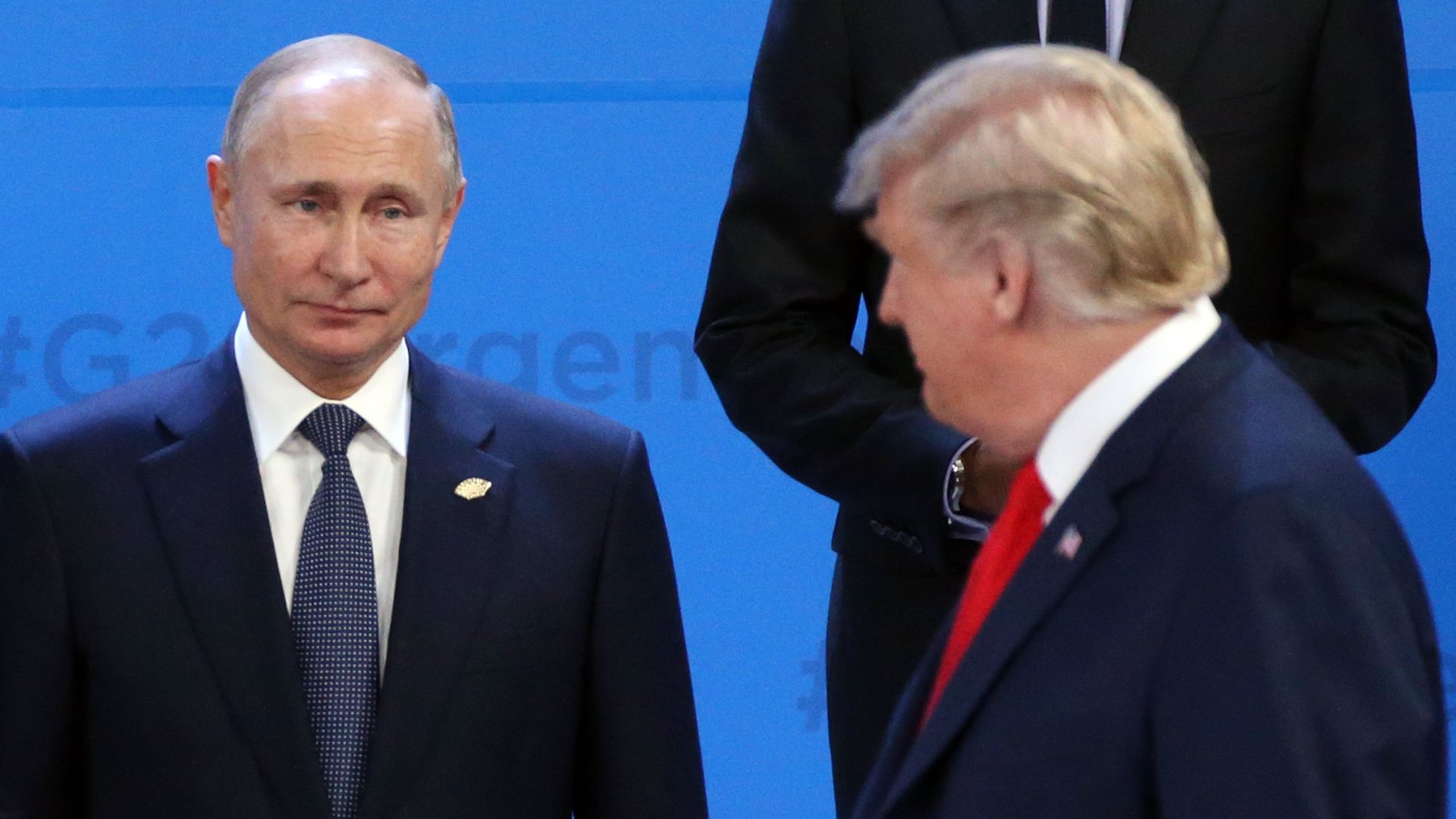
Secretary of State Mike Pompeo told CNN's Wolf Blitzer that it was "ludicrous" to suggest President Trump canceled his G20 meeting with Vladimir Putin because of news that Michael Cohen was pleading guilty in the Mueller investigation, claiming Russian aggression against Ukraine was the sole reason for the decision.
Why it matters: Trump's decision to cancel the meeting, announced via tweet, came just hours after his former personal attorney pleaded guilty to lying to Congress about his work on plans to build a Trump Tower in Moscow — a plea that directly brought Trump and his business entanglements in Russia into the special counsel's investigation. Pompeo maintains that the meeting was canceled "because the Russians behaved in a way that is deeply inconsistent with international law."