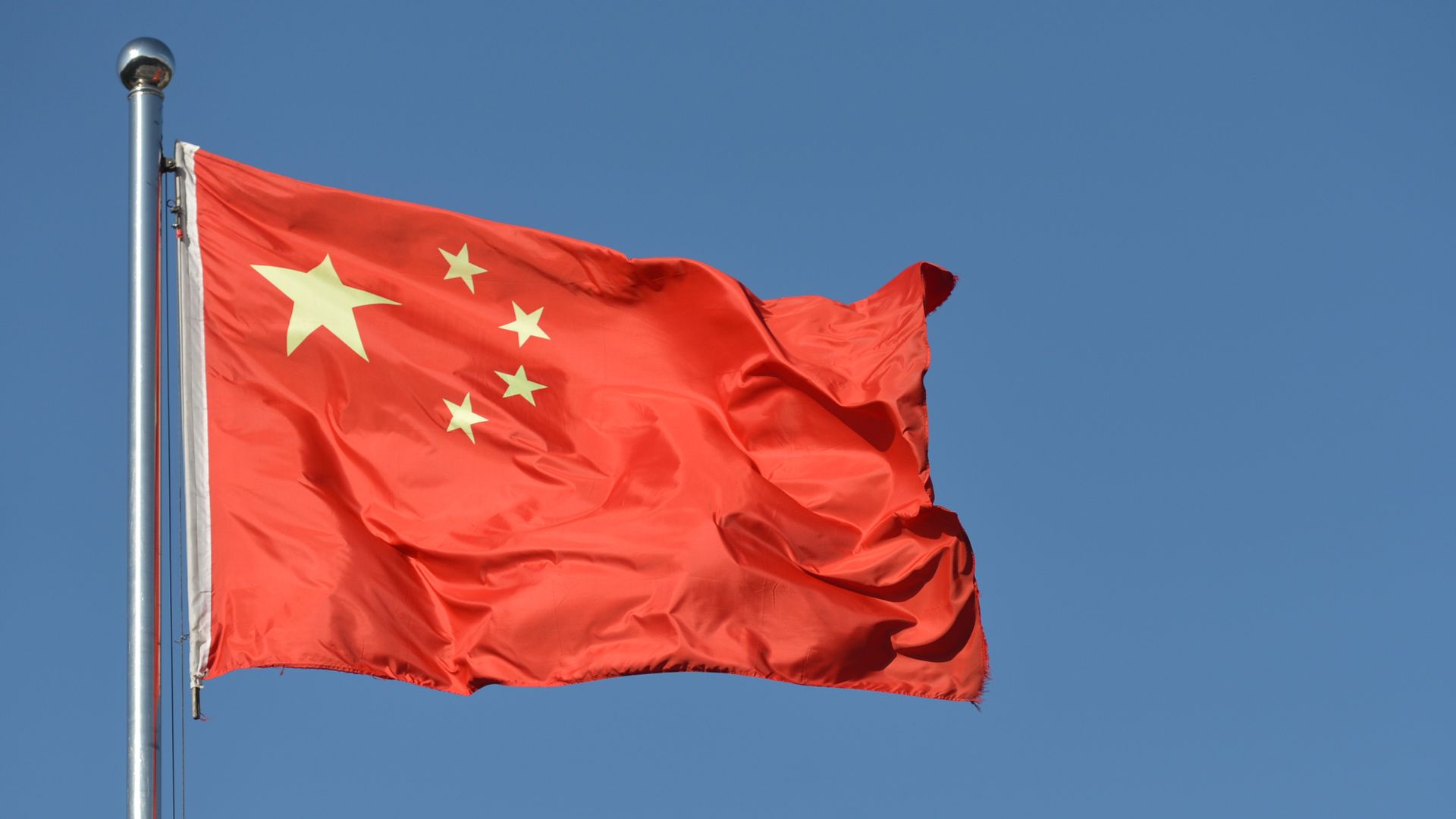
The Department of Justice announced indictments of 10 Chinese agents and conspirators for stealing intellectual property and business secrets in aerospace and other high tech industries.
Why it matters: The Chinese government has been believed to commit economic espionage for years — an allegation it denies. If what U.S. lawmakers, law enforcement officials, intelligence agents and private security firms believe is true, this is a multibillion dollar scheme illicitly converting U.S. firms' research and development into Chinese companies' profits.
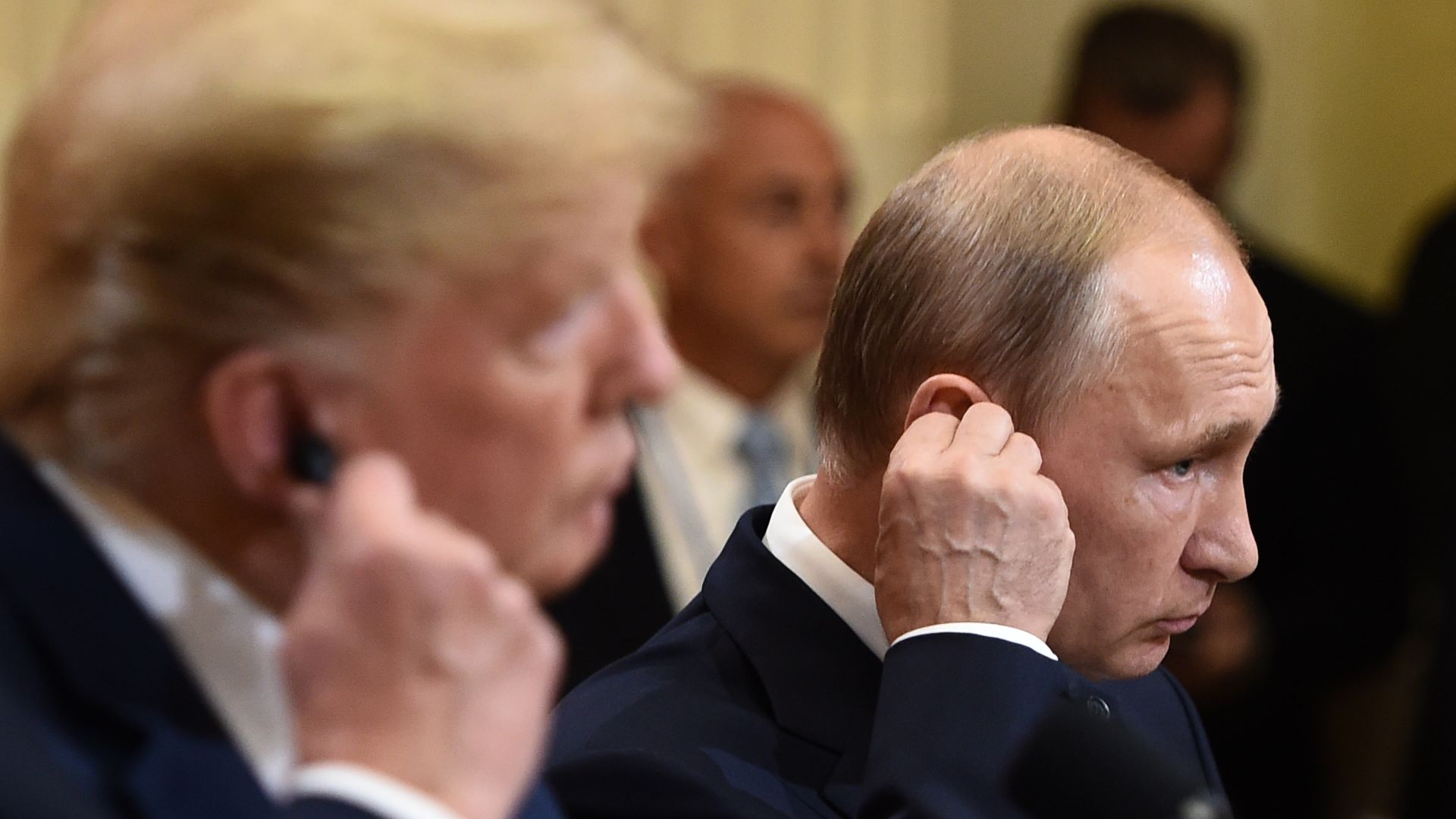
There are two competing ways to look at the Kremlin's social media activities during the 2016 U.S. election campaign: Either the Russian propaganda campaign aimed to elect Donald Trump or it intended to manipulate both left and right into country-crippling division.A new study suggests both views may be right.
Why it matters: Experts tend to believe that Russia's social media propaganda campaign is a year-in, year-out assault to sow division. That's been tough for more casual observers to square with other Russian efforts in 2016, like hacking the Democratic National Campaign or propaganda on its TV station RT.
We were escorted to the "occupation line" by a convoy of trucks. When we arrived, 10 heavily armed members of the Georgian security services fanned out along the barrier that divides Georgia from Georgia — or, if you ask Moscow, from the Republic of South Ossetia.
Map: Andrew Witherspoon/Axios
Why it matters: No issue is more critical to the Georgian people and the future of the country than the Russian occupation of Abkhazia and South Ossetia. But while everyone we met with in Tbilisi raised the issue, they all acknowledged they lacked a solution.
On Nov. 30, 2001, Jim O'Neill, chief economist of Goldman Sachs, released a 16-page white paper declaring a new geo-economic bloc that he said would supplant the current world order. If you were an investor, "BRIC" — Brazil, Russia, India and China — was the way to go.
Why it matters: Almost exactly 17 years later, the BRICs areemblematic of a very different world, but not the one O'Neill foresaw — one that is autocratic, nationalist and turbulent.
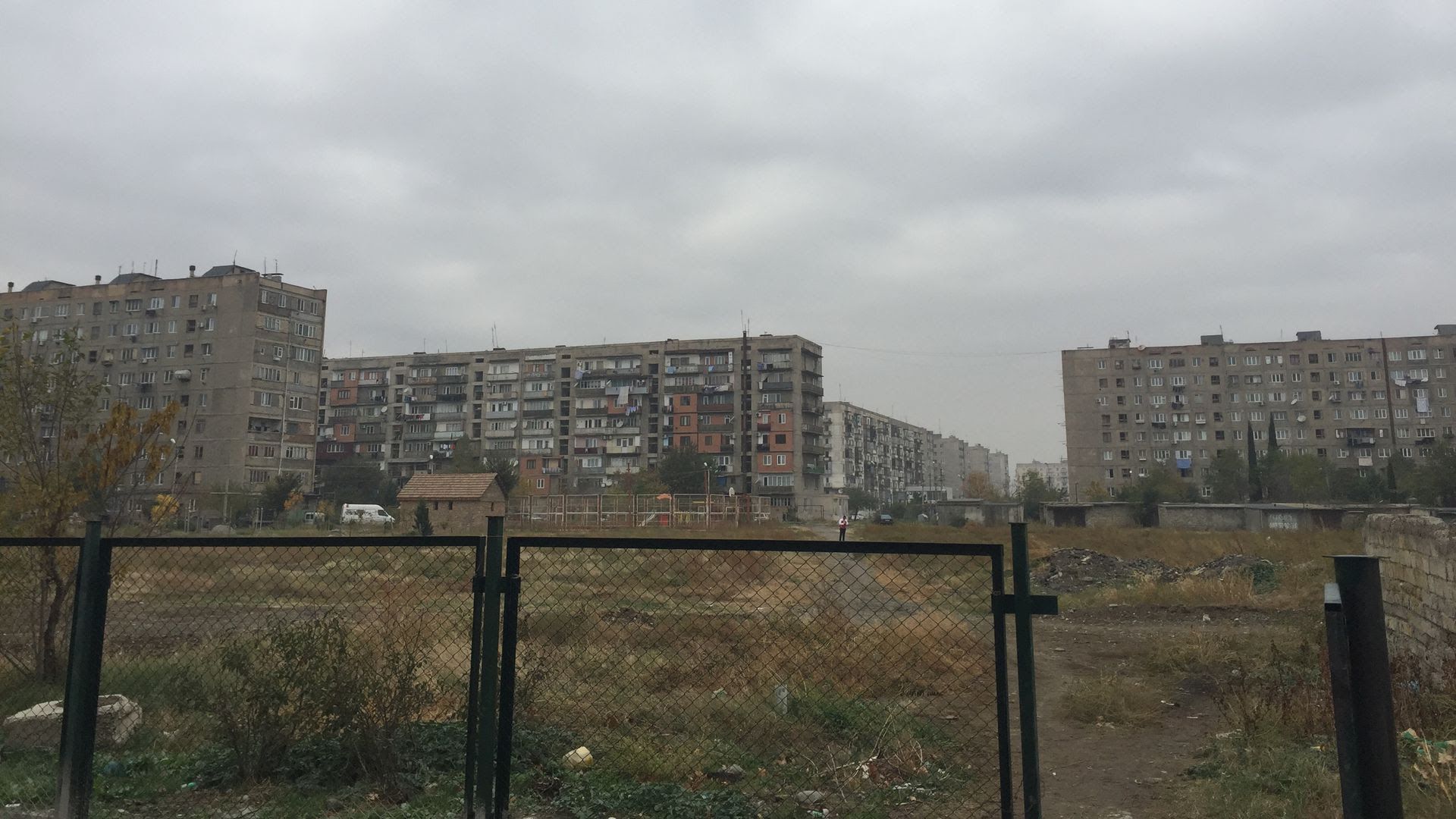
TBILISI and RUSTAVI, Georgia — An enormous winged insect buzzed through the room, causing continual disruptions and hovering close to the conversation. Parliamentary Speaker Irakli Kobakhidze, who had been addressing us in a low monotone about constitutional reform, deadpanned: "It's Russian."
Russia is ever-present in Georgian politics. Kremlin propaganda and misinformation are rife, and the rise of far-right groups — which aren't explicitly pro-Russian but instead anti-Western — can be linked directly to Russia.
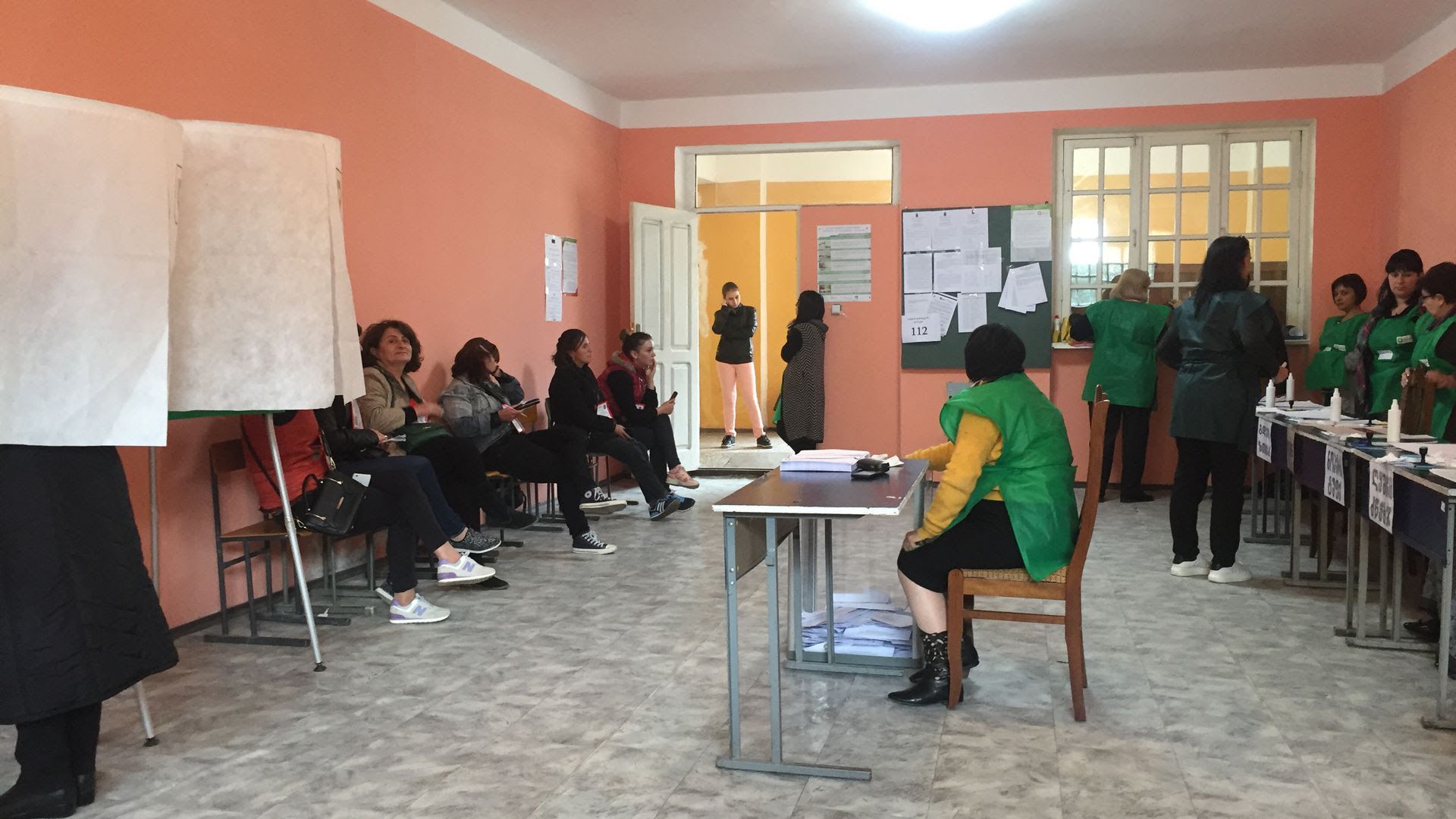
TBILISI and RUSTAVI — The strength of Georgia's democracy and of its all-powerful ruling party will be put to the test over the next two weeks after a deadlocked presidential election on Sunday necessitated what is sure to be a bitter runoff.
Why it matters: In Georgia, it goes almost without saying that Moscow is the enemy, the West provides the path forward and strengthening democracy is the way to get there. But leading figures in the former Soviet republic's politics and society are fearful that this consensus is beginning to break down. In four days here I heard the phrase "existential crisis" more than once. As always, one chief fear is Russia. Another is that the fragile system will begin to implode through some combination of corruption, hopelessness and political score-settling.
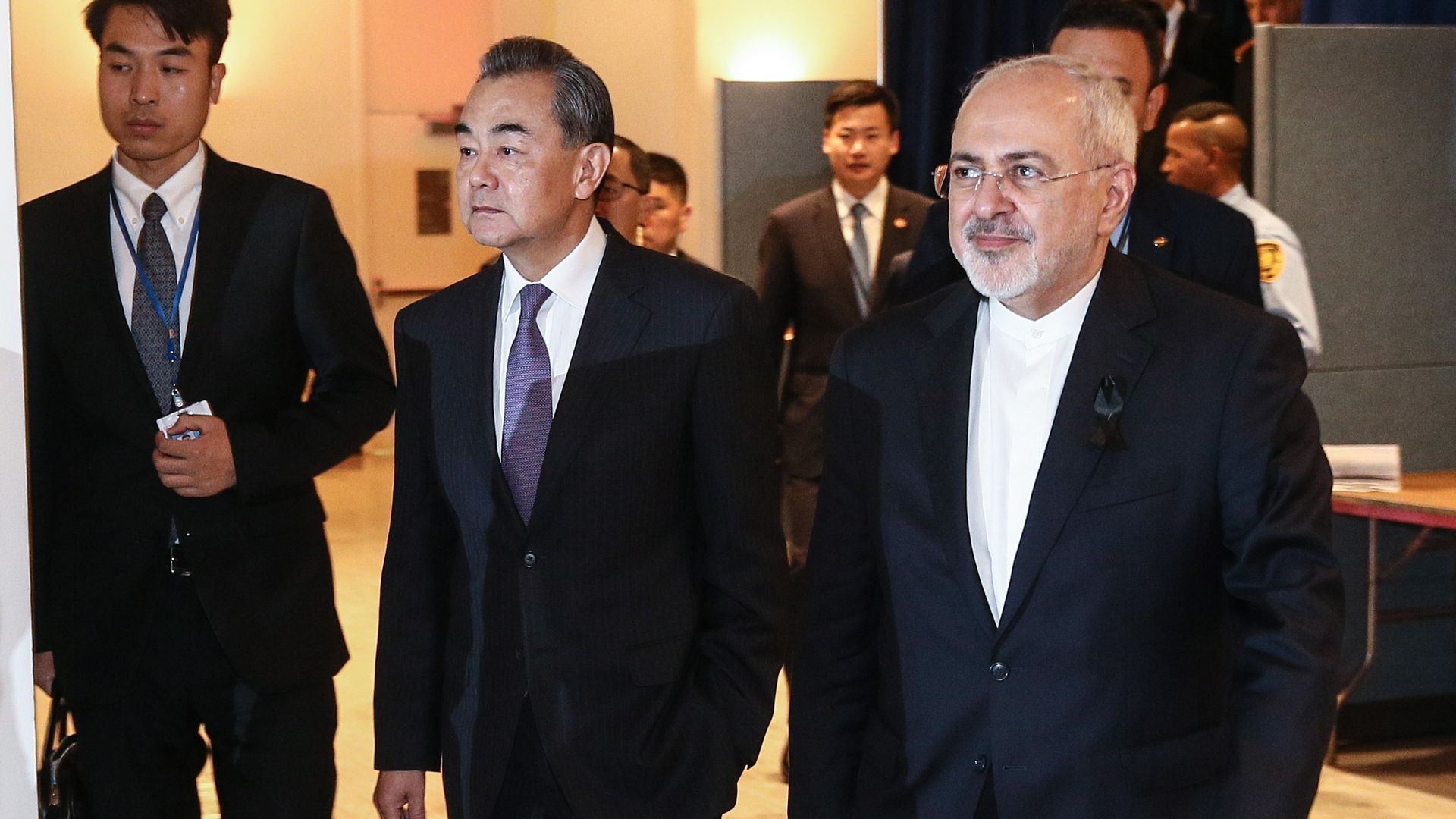
On Nov. 4, the U.S. will re-impose sanctions on Iran that had been lifted under the Iran nuclear deal. In response, the Bank of Kunlun, which handles China’s financial transactions with Iran, informed customers that on Nov. 1 it will stop processing them. China’s largest oil refiners, Sinopec and China National Petroleum Corporation (CNPC), may also stop importing Iranian oil in November.
Why it matters: China is Iran’s largest oil importer and most important trading partner. Because China is better insulated from U.S. sanctions than other major importers, Iran could avoid the worst economic effects of U.S. sanctions if China continues buying its oil. But if China cuts back, Iran will likely pull out of the nuclear deal, leaving it free to resume an unrestricted nuclear program.