TBILISI and RUSTAVI, Georgia — An enormous winged insect buzzed through the room, causing continual disruptions and hovering close to the conversation. Parliamentary Speaker Irakli Kobakhidze, who had been addressing us in a low monotone about constitutional reform, deadpanned: "It's Russian."
Russia is ever-present in Georgian politics. Kremlin propaganda and misinformation are rife, and the rise of far-right groups — which aren't explicitly pro-Russian but instead anti-Western — can be linked directly to Russia.
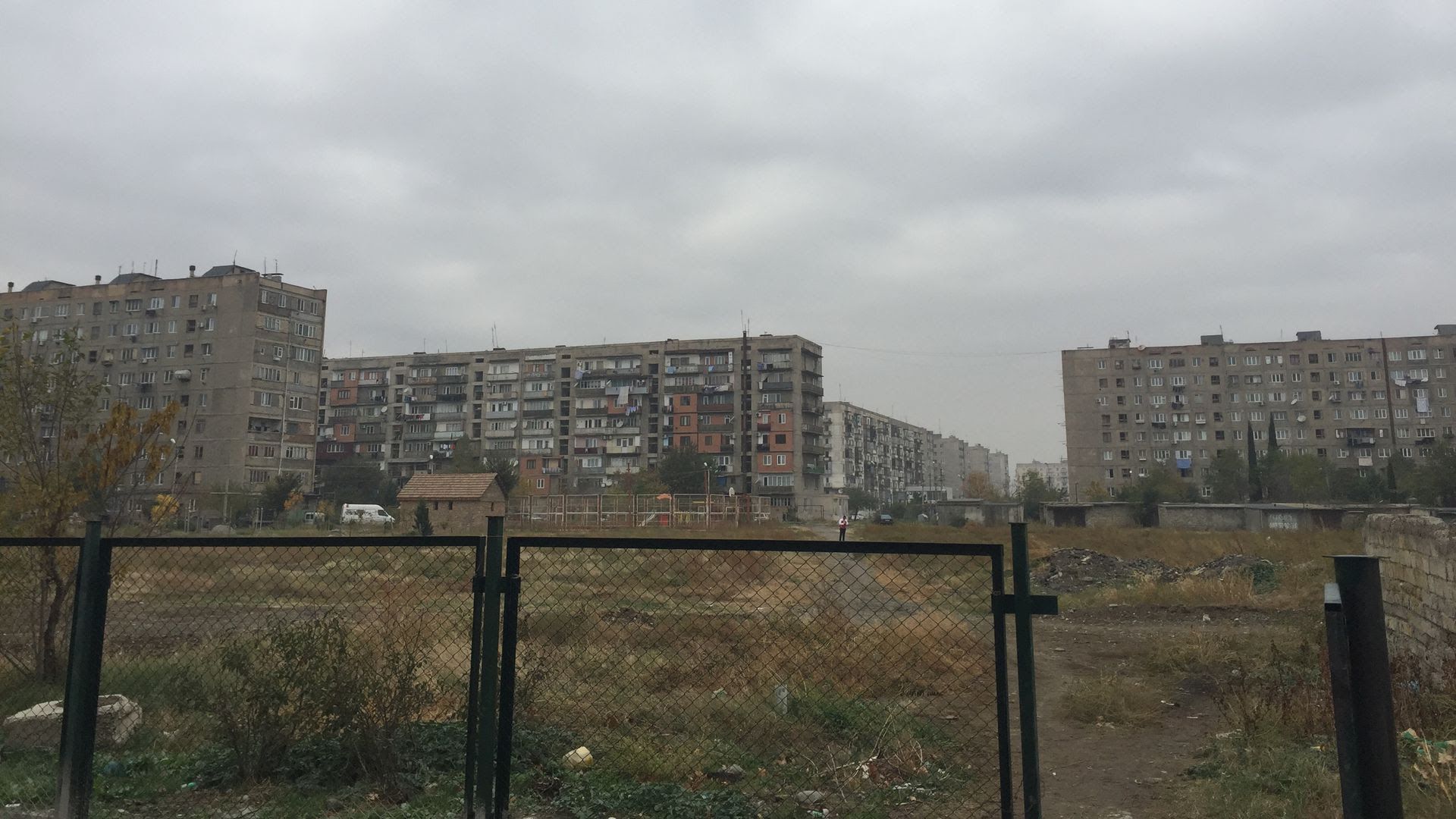
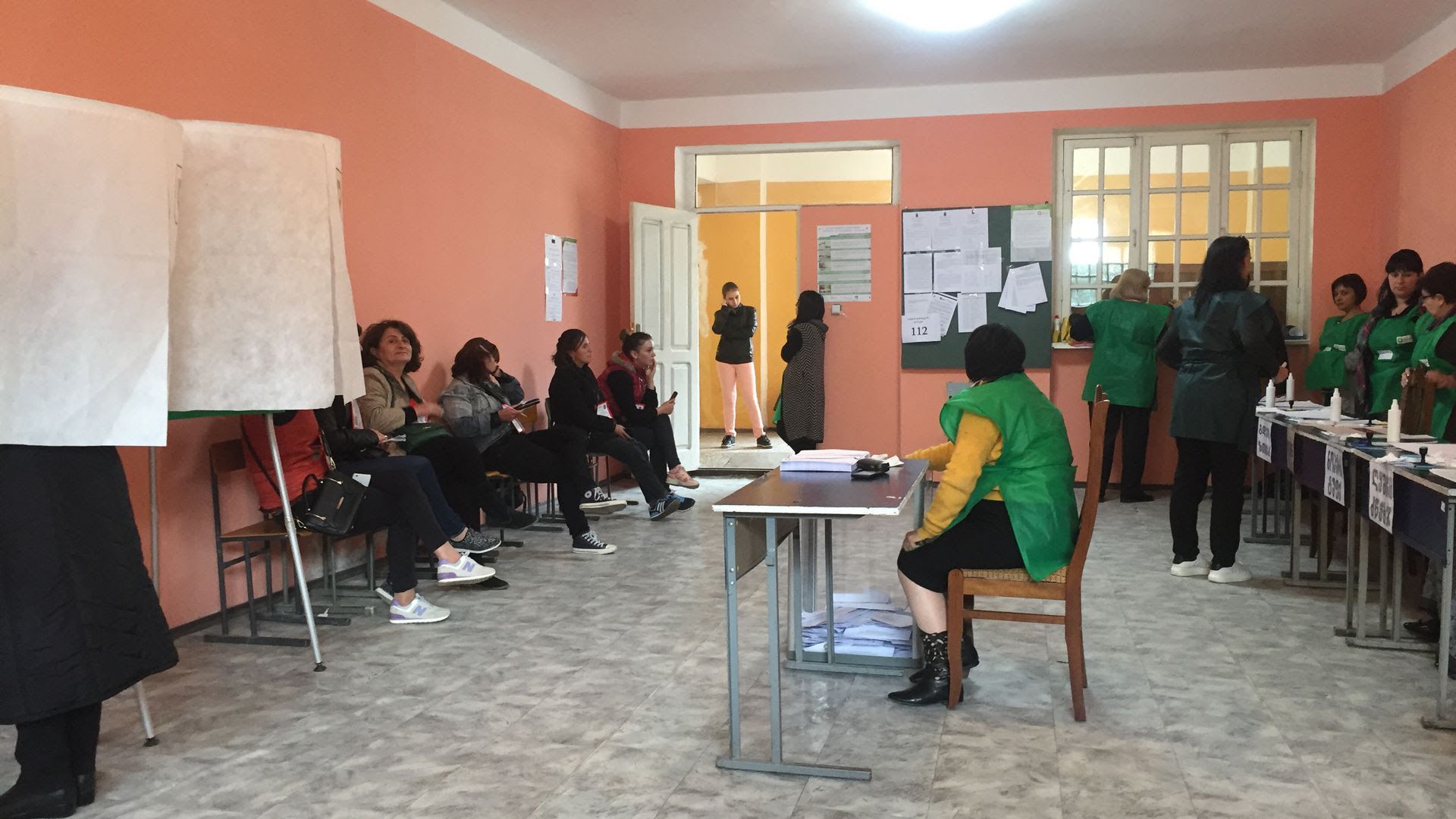
TBILISI and RUSTAVI — The strength of Georgia's democracy and of its all-powerful ruling party will be put to the test over the next two weeks after a deadlocked presidential election on Sunday necessitated what is sure to be a bitter runoff.
Why it matters: In Georgia, it goes almost without saying that Moscow is the enemy, the West provides the path forward and strengthening democracy is the way to get there. But leading figures in the former Soviet republic's politics and society are fearful that this consensus is beginning to break down. In four days here I heard the phrase "existential crisis" more than once. As always, one chief fear is Russia. Another is that the fragile system will begin to implode through some combination of corruption, hopelessness and political score-settling.
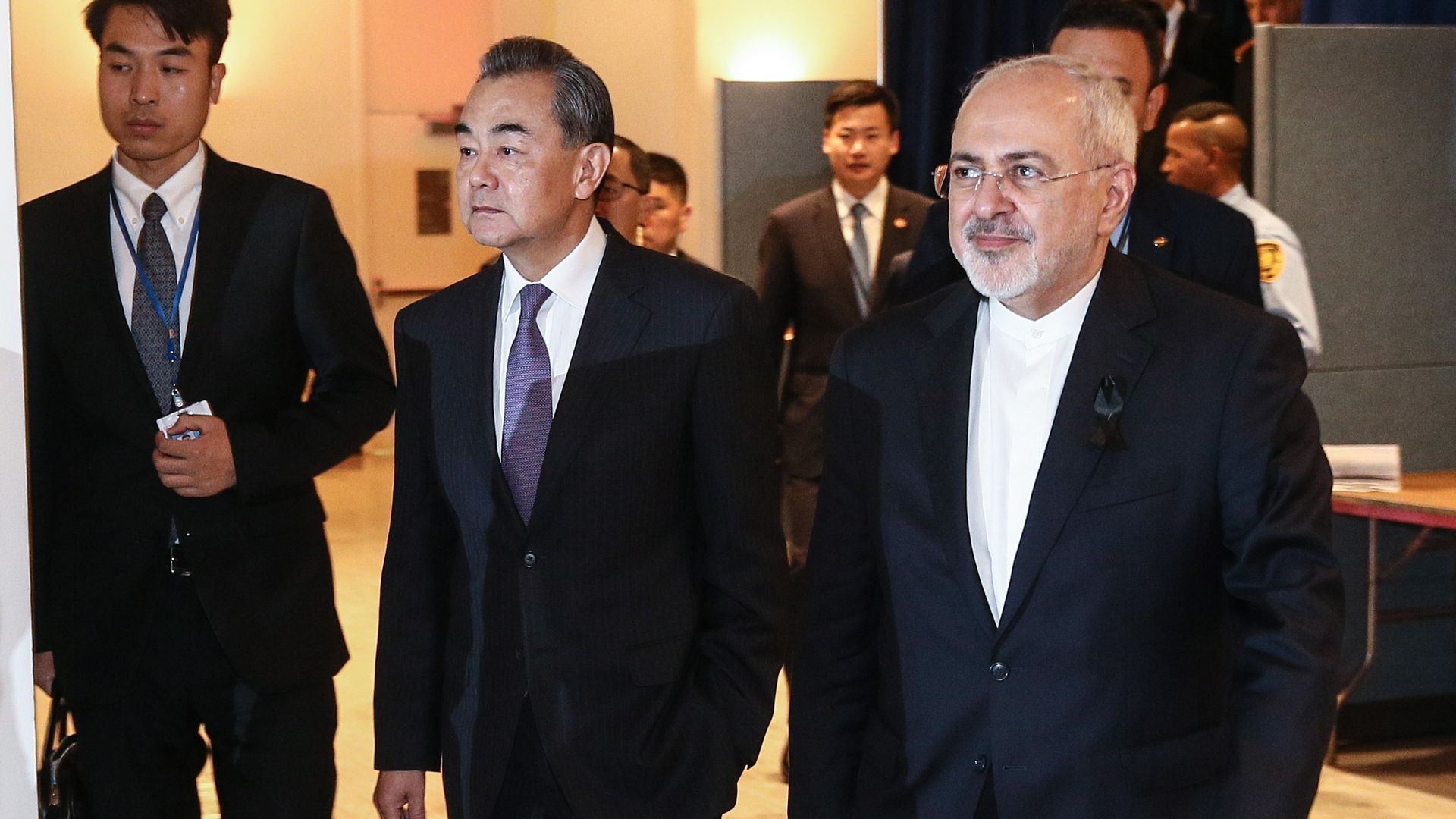
On Nov. 4, the U.S. will re-impose sanctions on Iran that had been lifted under the Iran nuclear deal. In response, the Bank of Kunlun, which handles China’s financial transactions with Iran, informed customers that on Nov. 1 it will stop processing them. China’s largest oil refiners, Sinopec and China National Petroleum Corporation (CNPC), may also stop importing Iranian oil in November.
Why it matters: China is Iran’s largest oil importer and most important trading partner. Because China is better insulated from U.S. sanctions than other major importers, Iran could avoid the worst economic effects of U.S. sanctions if China continues buying its oil. But if China cuts back, Iran will likely pull out of the nuclear deal, leaving it free to resume an unrestricted nuclear program.