Contrary to previous statements, the Russian woman accused of working to influence U.S. politics, Maria Butina, did not offer to trade sex for political access, prosecutors said Friday, according to CNN.
The details: Prosecutors claimed they "misunderstood text messages," but said there's still reason to doubt Butina's relationship with her boyfriend, a political operative, Paul Erickson. According to the government filing submitted on Friday, other materials the government has "call into doubt the defendant's claim that her relationship...is a sufficiently strong tie to ensure her appearance in court...if she is released."
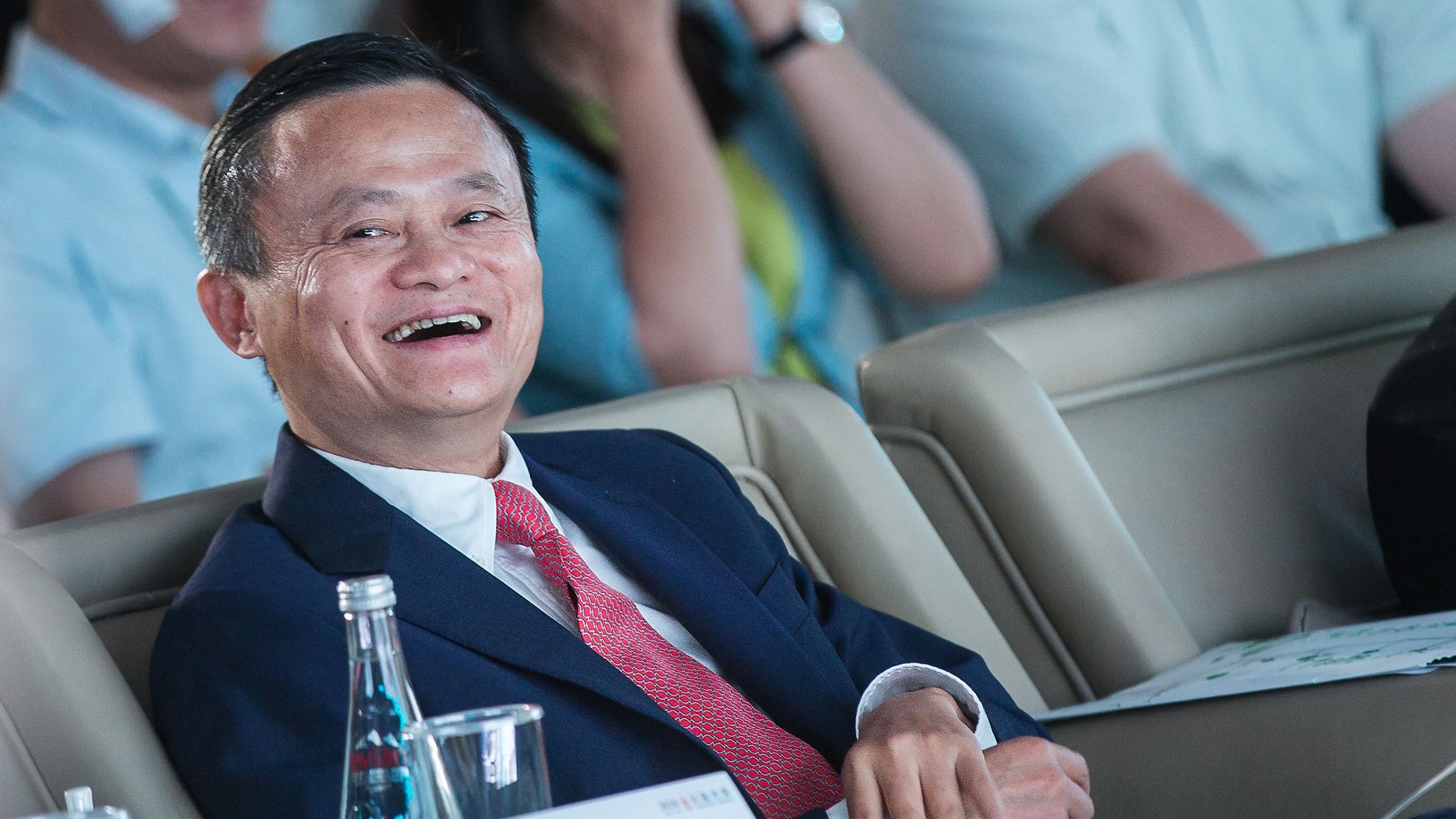
Jack Ma, the Chinese billionaire co-founder of e-commerce giant Alibaba, said he plans to step down from his role as executive chairman on Monday, reports the New York Times.
Why it matters: Ma built one of the world’s most influential tech companies in Alibaba, and he has been a key figure in the meteoric rise of China’s economy.
Correction: A previous version of this story incorrectly stated Ma is CEO. His role is executive chairman and co-founder.
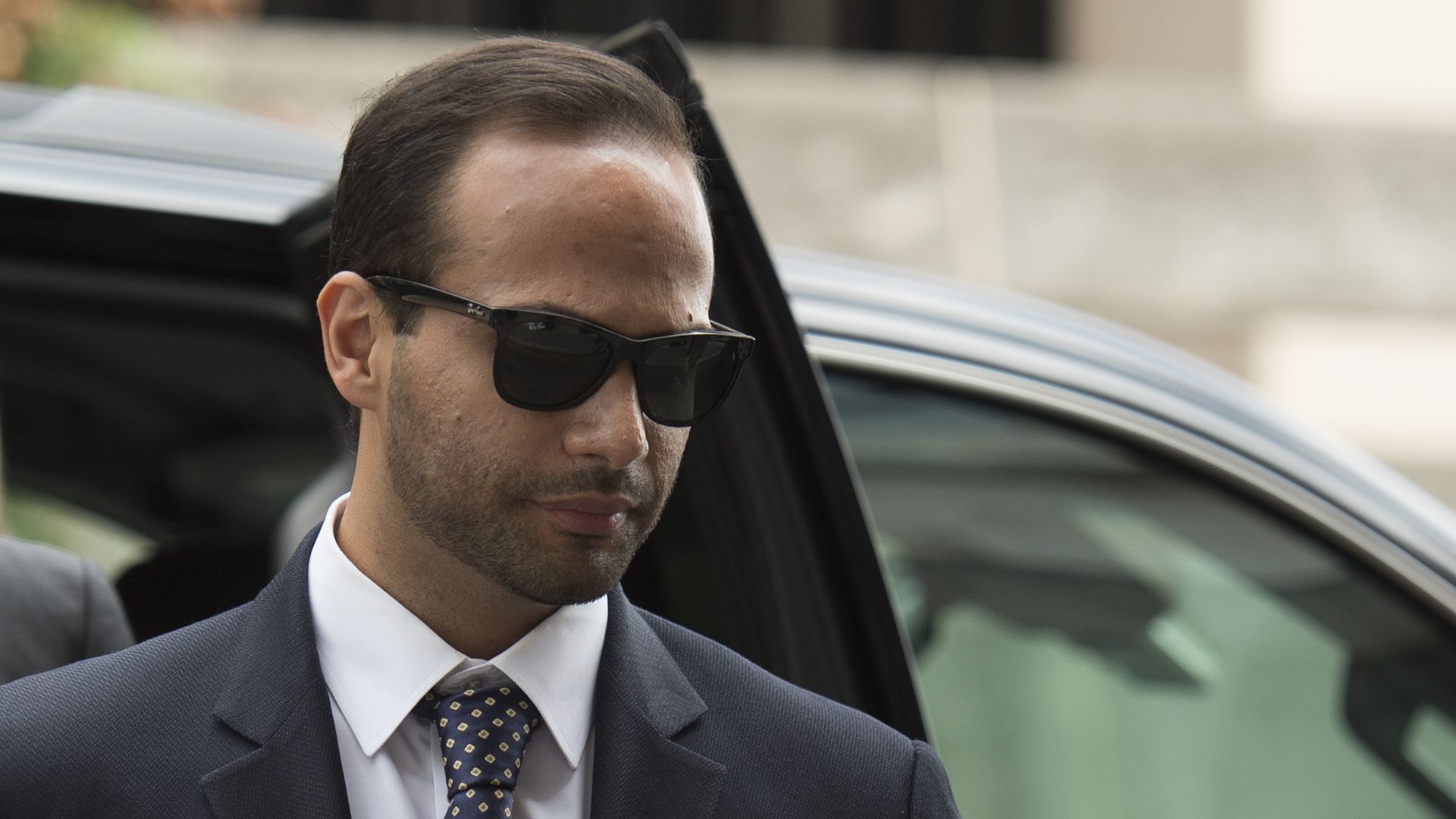
Former Trump campaign aide George Papadopoulos has been sentenced to 14 days in jail and one year of supervised release after being found guilty of lying to the FBI, reports NBC.
The big picture: Special Counsel Robert Mueller originally recommended a sentence between 30 days to six months for Papadopoulous but the judge presiding over his case said "he does feel remorse" for his actions.
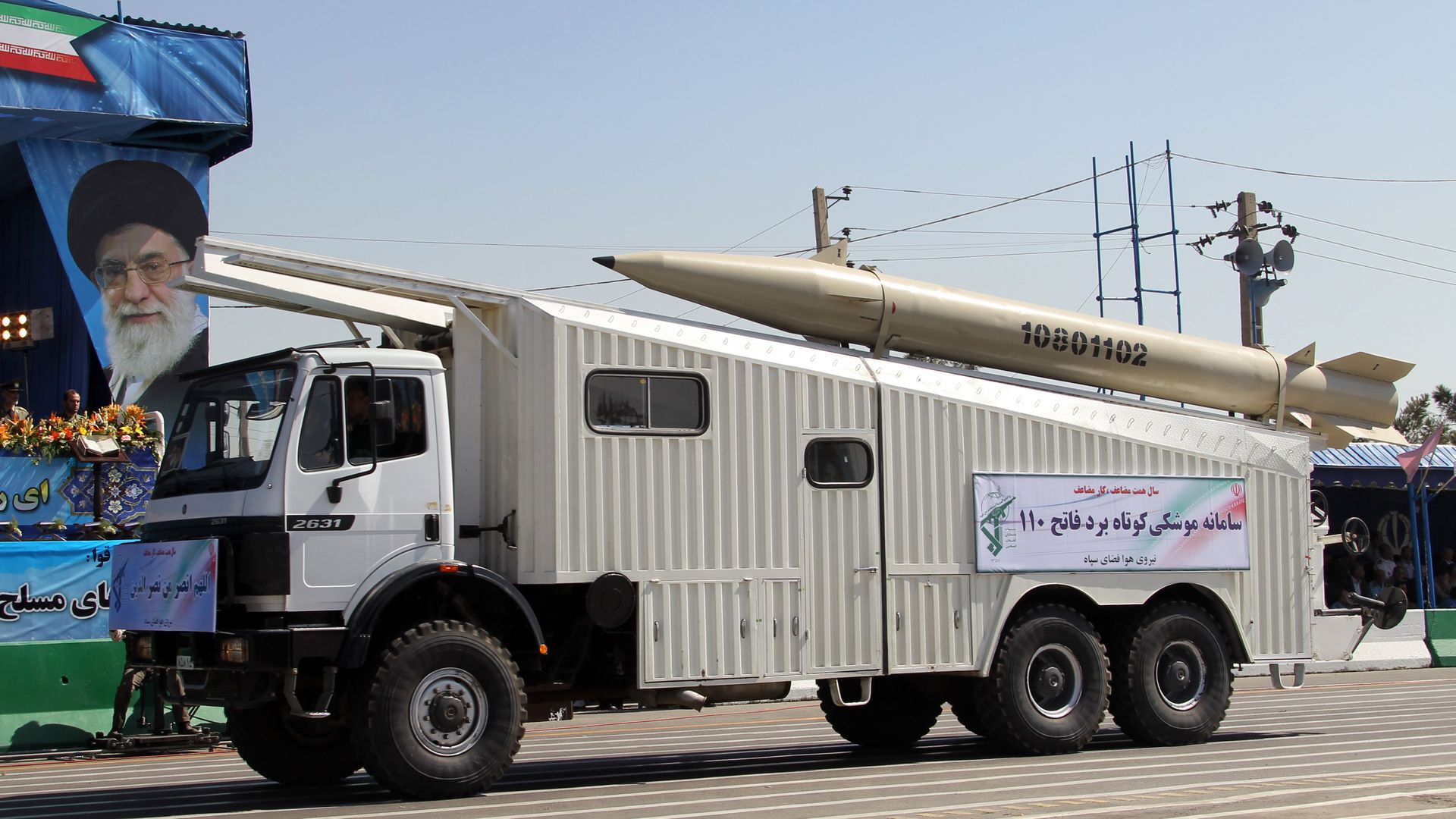
Last week, Reuters reported that Iran transferred two types of weapons — a rail-launched artillery rocket and solid-propellant short-range ballistic missiles called the Fateh-110 and the Zulfiqar — to Shiite militias in neighboring Iraq. The same report cited an unnamed Iranian official who said the missile transfer was “a backup plan if Iran was attacked.”
The big picture: Iran’s alleged transfer of missiles and rockets to its clients in Iraq constitutes an escalation, indicating that Tehran is taking greater risks in response to U.S. sanctions enforcement.
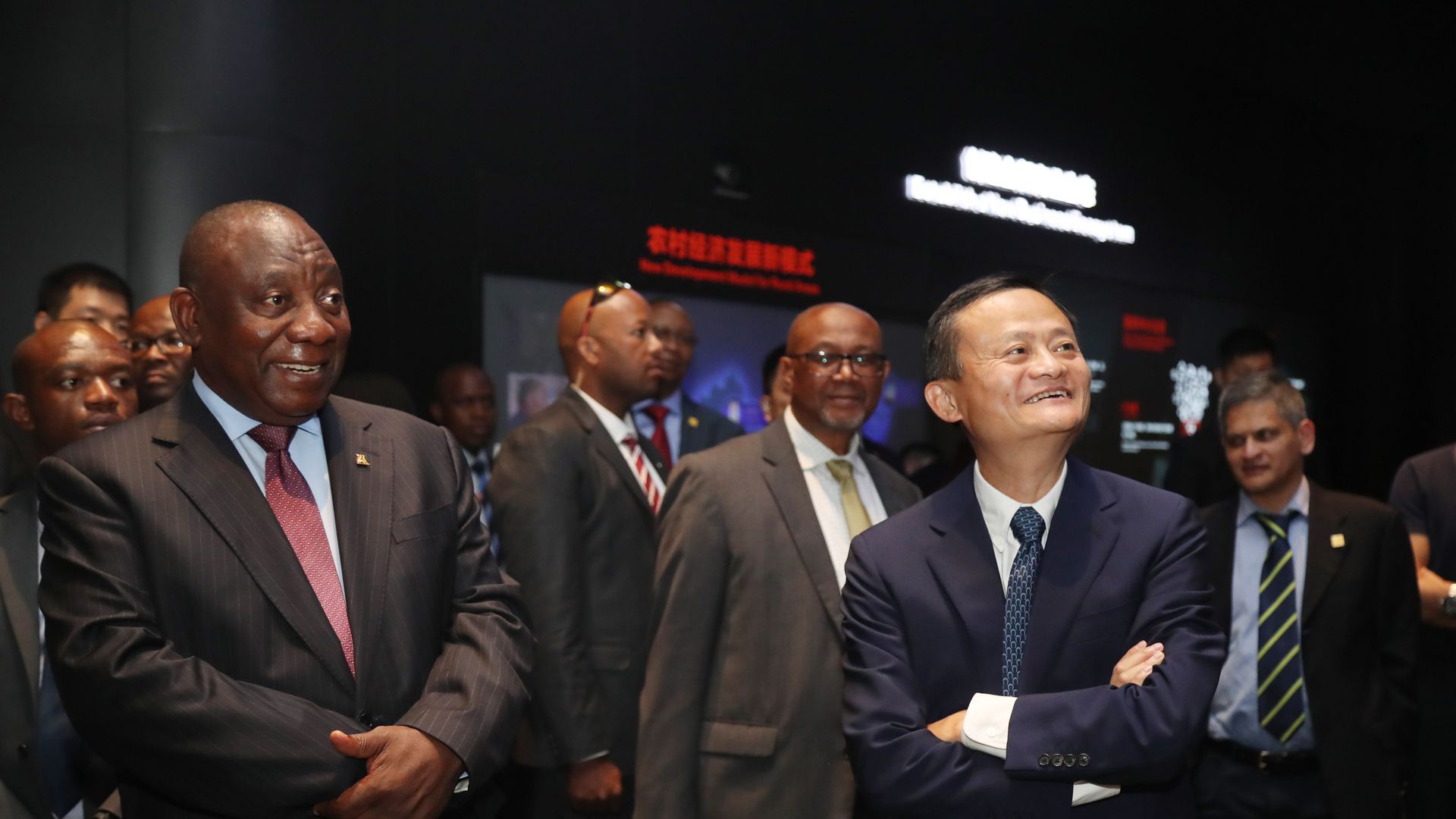
Xi Jinping and his colleagues spent the last week feting the leaders from 53 of 54 African nations at the Forum of China-Africa Cooperation (FOCAC) summit.
What's happening: Xi promised another $60 billion in financing to Africa along with eight initiatives for PRC-Africa cooperation. The $60 billion amount was the same as promised in 2015, but with changes to the composition, as Yun Sun wrote in Brookings Institution note.
Five years after it was announced, China’s massive Belt and Road Initiative (BRI) —which could include upward of $1 trillion in new infrastructure — has yet to materialize on the ground as promised.
The details: According to Chinese President Xi Jinping and other senior officials, the BRI includes six economic corridors that that will carry goods, people and data across Asia and beyond. But a new study shows that Chinese investment is just as likely to go outside those corridors as within them. The BRI appears to be less coordinated than Beijing hopes and some critics fear.
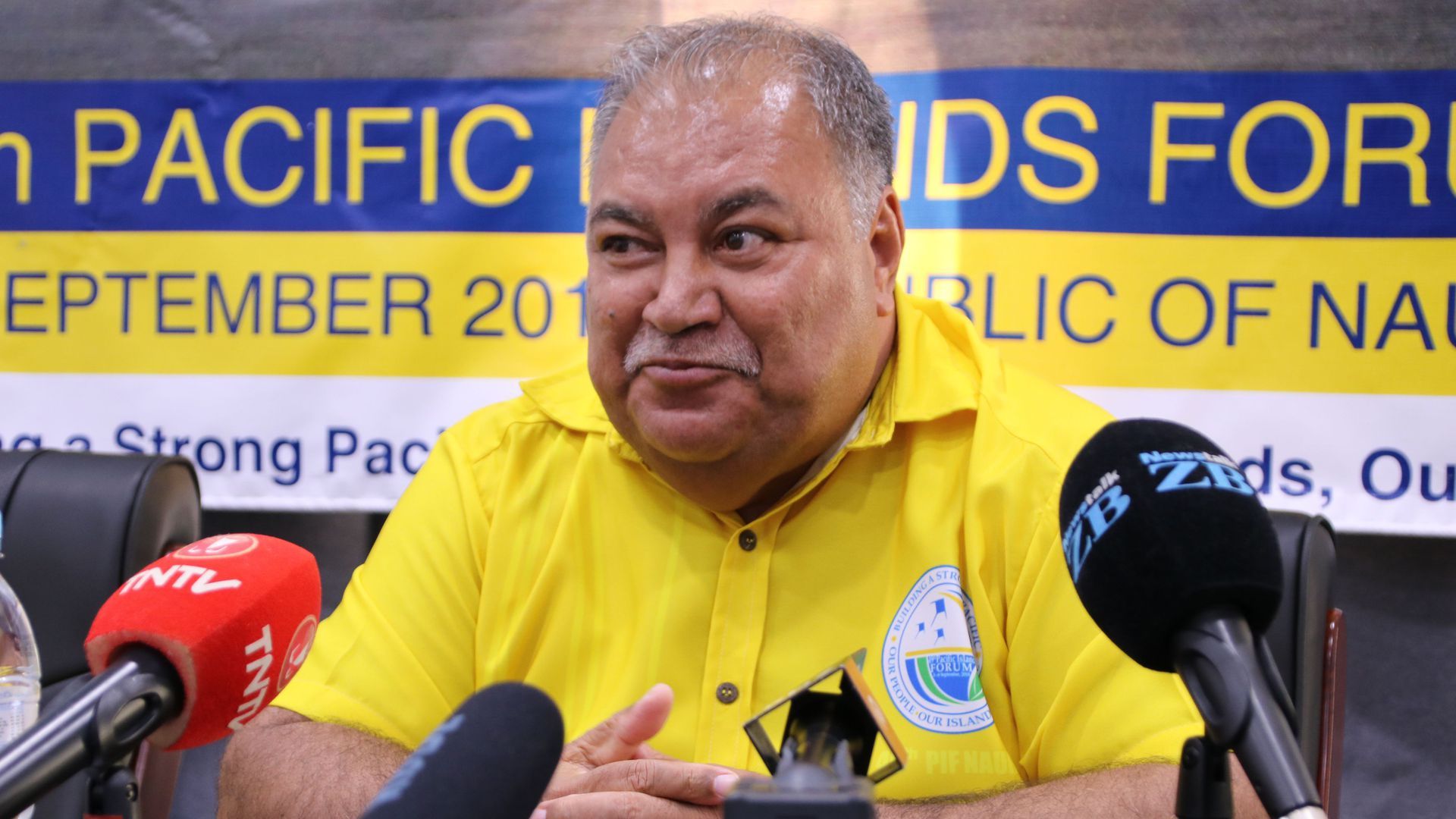
Nauru, an island nation that has formal diplomatic relations with Taiwan, hosted the Forty-Ninth Pacific Islands Forum this week.
Why it matters: It's rare to see any foreign leader take such a strong stance towards Beijing and its growing diplomatic assertiveness. The South Pacific is a focus for Beijing as part of its efforts to pick off Taiwan's few remaining diplomatic allies. Importantly, it's also because the People's Liberation Army is looking for ways to extend beyond the first island chain into the broader Pacific Ocean.
President Trump plans to evaluate public comments before deciding on the latest proposed tariffs on Chinese imports, according to White House economic adviser Larry Kudlow Friday morning, dimming speculation that they could announce the next round as early as today.
Why it matters: Maybe the Chinese will eventually cave, but the White House should be preparing for a much longer and more protracted trade war as China appears to be digging in.
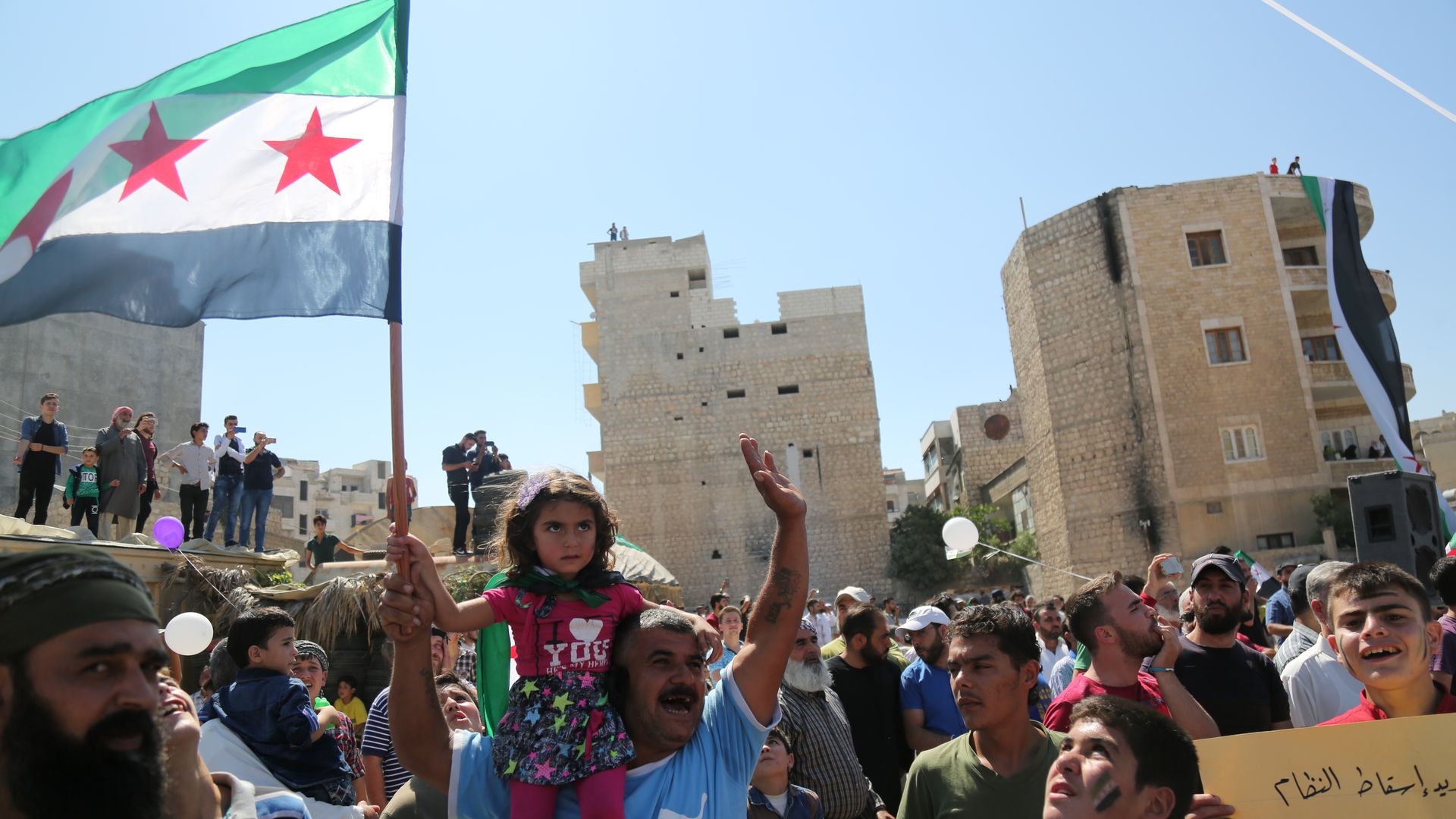
In Idlib, Syria's last opposition-held province, millions are bracing for what could be a catastrophic government assault. UN Special Envoy for Syria Staffan de Mistura called the looming offensive a “perfect storm” that threatens the wellbeing of large numbers of already vulnerable civilians. Secretary of State Mike Pompeo echoed that concern, remarking that many “will suffer from this aggression,” while President Trump cautioned that “hundreds of thousands of people could be killed.”
Why it matters: The warnings are justified. An estimated 3 million civilians reside in the province, many of whom have already been displaced from other parts of Syria by seven years of violence and surrender deals with the government. According to Mistura, more than 2 million people in Idlib are already in need of humanitarian assistance, and the brunt of the expected assault has yet to begin.