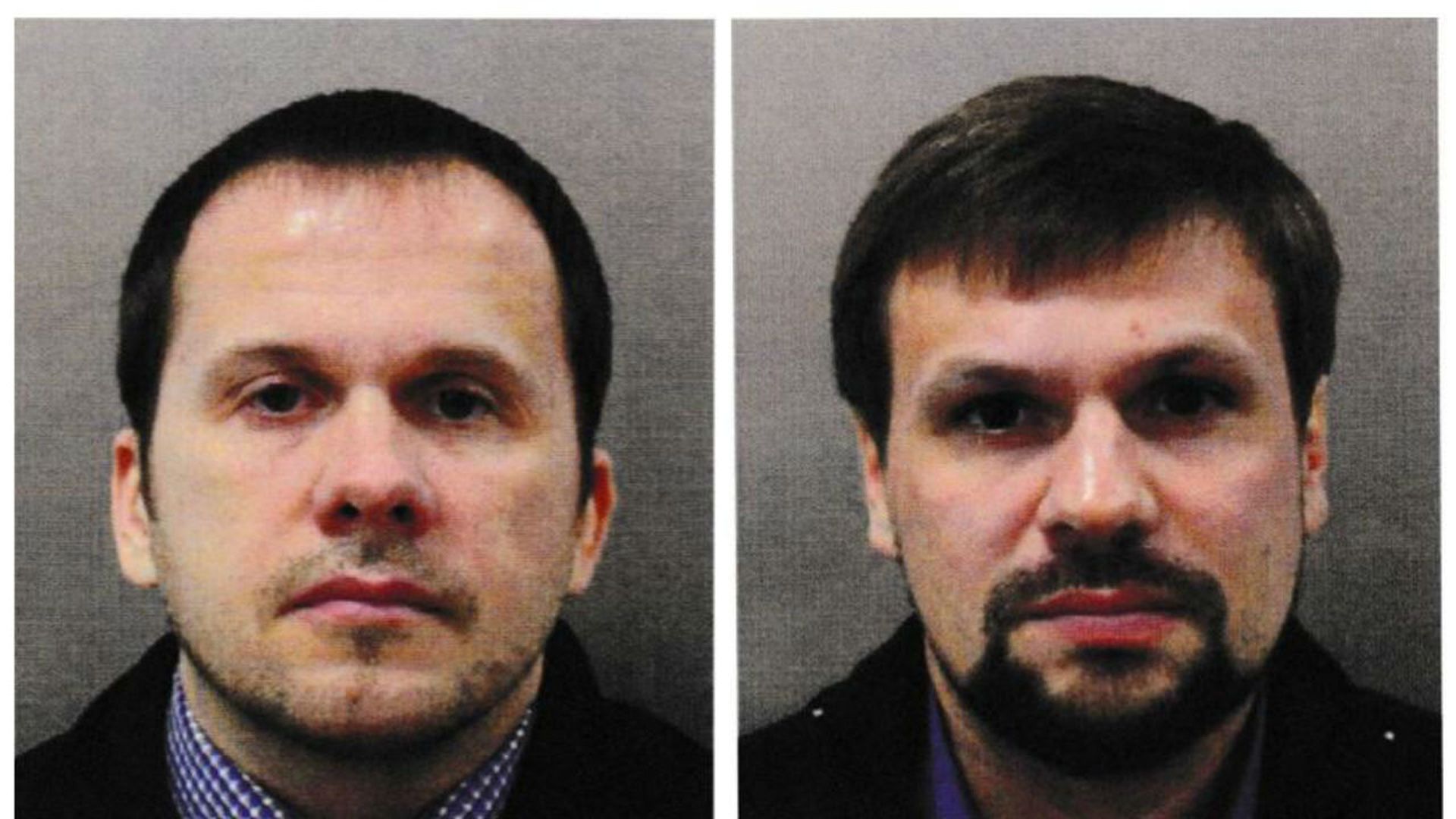
An international incident that resulted in one of the largest diplomatic expulsions in history began with a perfume bottle.
The latest: The leaders of the U.S., U.K., France, Germany and Canada declared in a joint statement today that Russian military intelligence officers used a banned chemical weapon in an assassination attempt on British soil. "This operation," they added, "was almost certainly approved at a senior government level." Now, after a painstaking six-month investigation, we know how it happened.
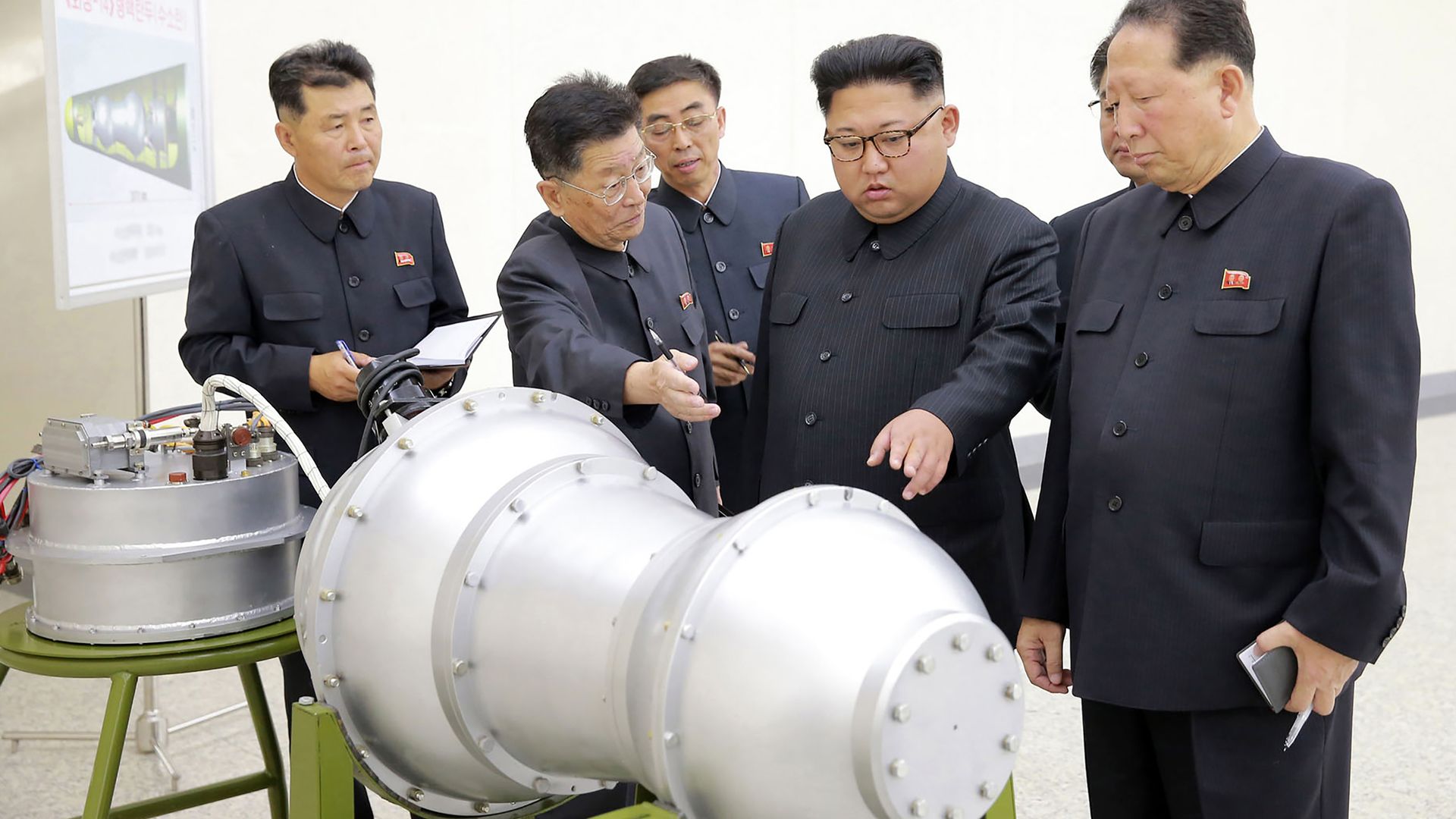
As North Korea haggles over when it will eliminate its nuclear weapons assets, it may be playing for what it can get in exchange while already pivoting to a very different, equally dangerous weapons regime — cyber arms.
What's going on: David Maxwell, a retired Army officer and an expert on North Korea, tells Axios that any key American adversary — China, Iran, Russia or North Korea — is likelier to use cyber than nuclear arms in any war with the U.S.
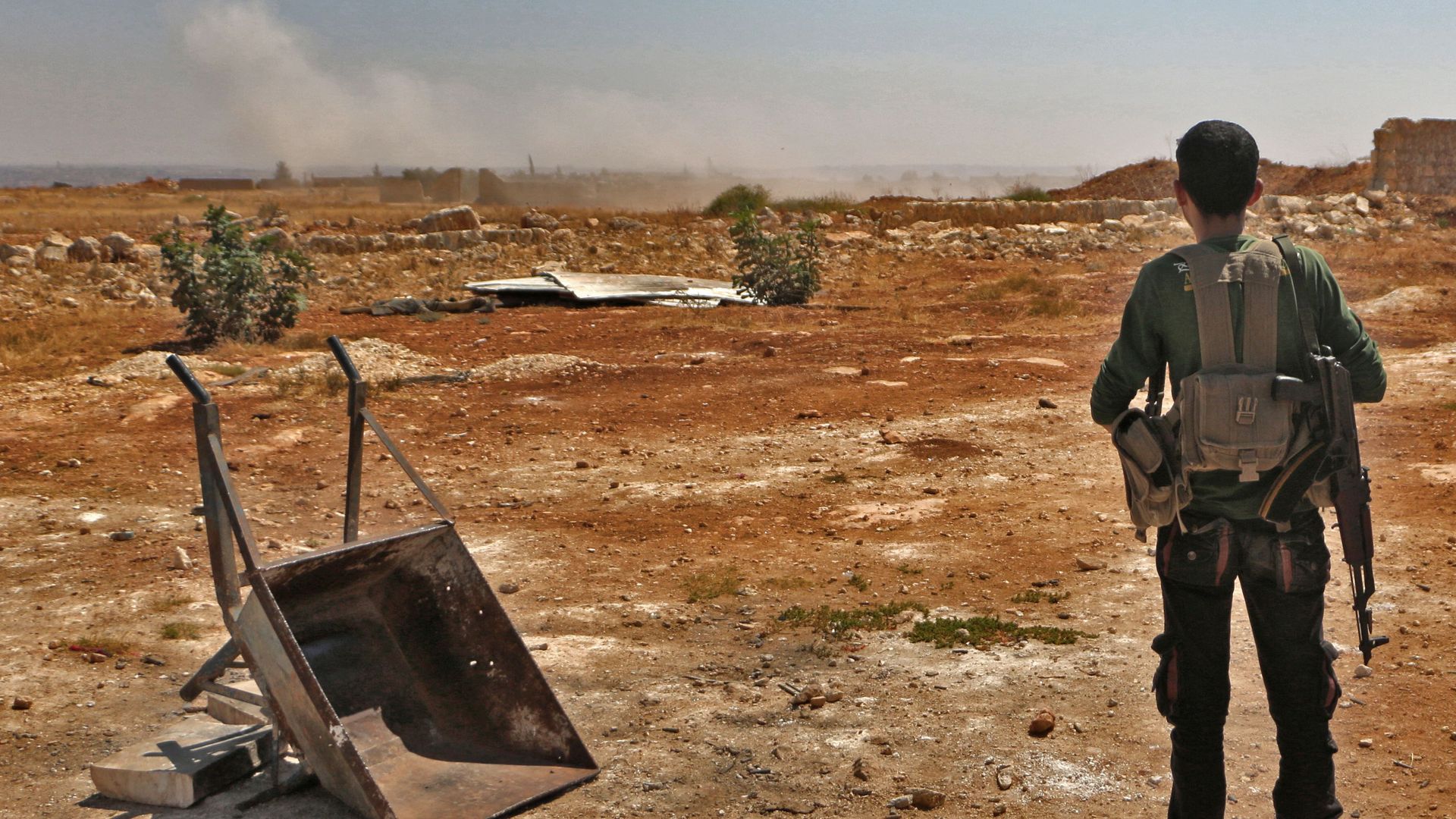
With Syria's army preparing for a major offensive in Idlib province, the country's last opposition stronghold, the leaders of Russia, Iran and Turkey will gather in Tehran on Friday to discuss a path toward ending the seven-year civil war.
The big picture: Syrian President Bashar al-Assad wants to strike a decisive blow in Idlib, but the three leaders meeting on Friday have clashing concerns and objectives. Meanwhile, the estimated 3 million civilians currently in the northwestern province —many of whom have already relocated from elsewhere due to the war — are in a precarious position.
The Department of Justice announced Thursday it had filed a criminal complaint in June of this year against a North Korean and a North Korean entity for hacking Sony Pictures in 2014, digitally stealing millions of dollars from the bank of Bangladesh, the WannaCry malware attack in 2017 and other attacks.
Why it matters: Until now, North Korea had been the only country of the four major non-U.S. cyber powers that had not seen U.S. indictments, behind Iran, China and Russia.
A joint statement released by the leaders of the United States, United Kingdom, France, Germany and Canada supports the conclusions by the British government that officers from the Russian military intelligence service were behind the poisoning of Sergei Skripal.
The big picture: U.K. authorities charged two suspected Russian GRU officers Wednesday with the attempted murder of Skripal and his daughter in Salisbury, England, and claimed that their operation was almost certainly approved at a senior government level.
Investors haven't totally lost their infatuation with Silicon Valley as the heart of tech innovation, but skyrocketing costs of living and competition for talent have definitely cooled the affair, according to several speakers at TechCrunch's Disrupt conference on Wednesday.
Why it matters: As technology and engineering jobs have spread into other industries and locations, more startup founders are questioning whether they need to be in Silicon Valley, though many still acknowledge the region's unique strengths.
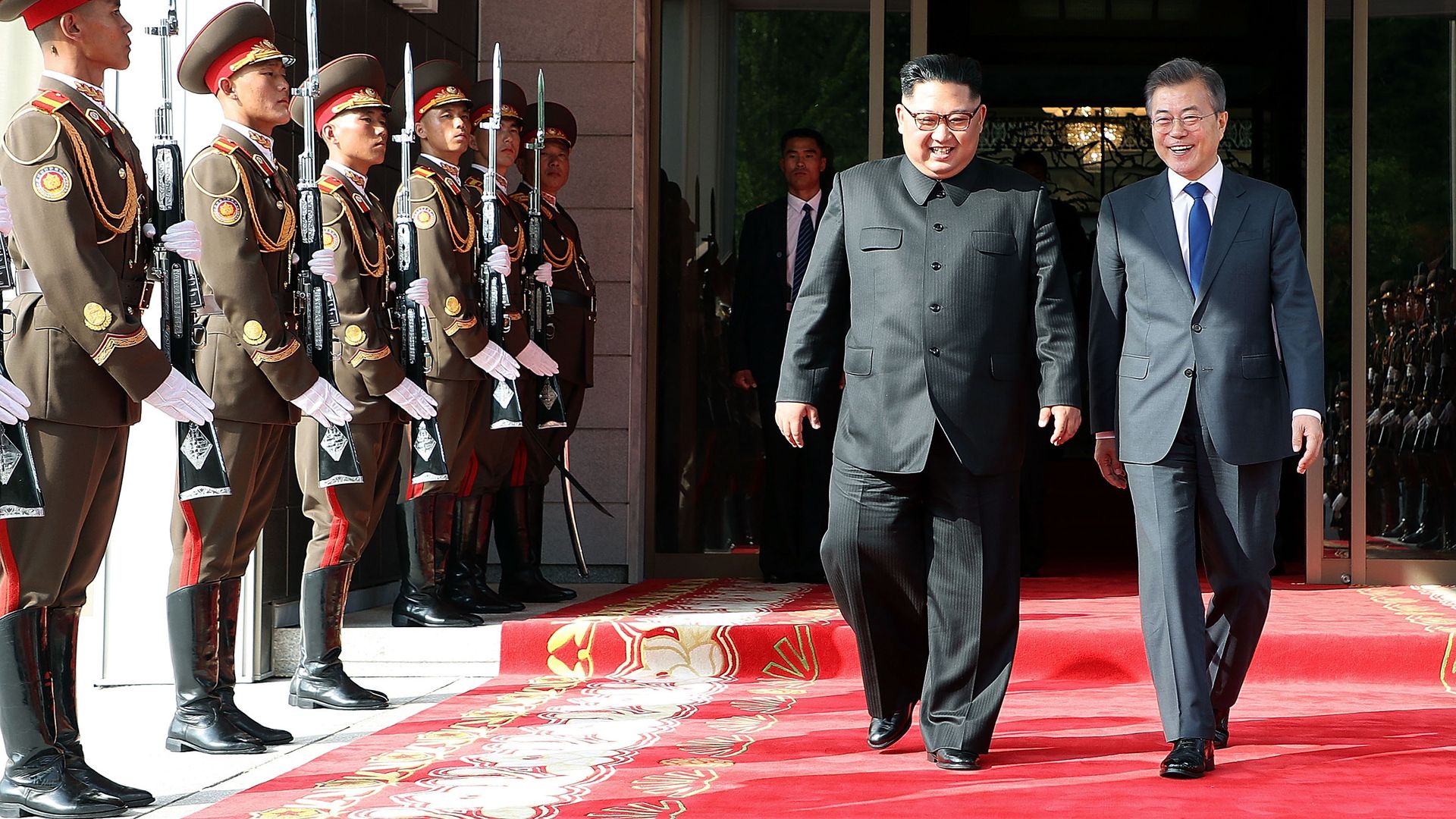
South Korean President Moon Jae-in and North Korean leader Kim Jong-un will meet in Pyongyang from September 18-20 to discuss "complete denuclearization," the Associated Press reports, citing the South Korean government.
Why it matters: Despite the easing of tensions between the rival Koreas, Kim Jong-un has refused to provide documents related to his country's nuclear weapons, stalling any further progress in talks between North Korea and the United States. Most recently, President Trump cancelled Secretary of State Mike Pompeo's trip to North Korea last month, saying the country was not "making sufficient progress with respect to denuclearization."
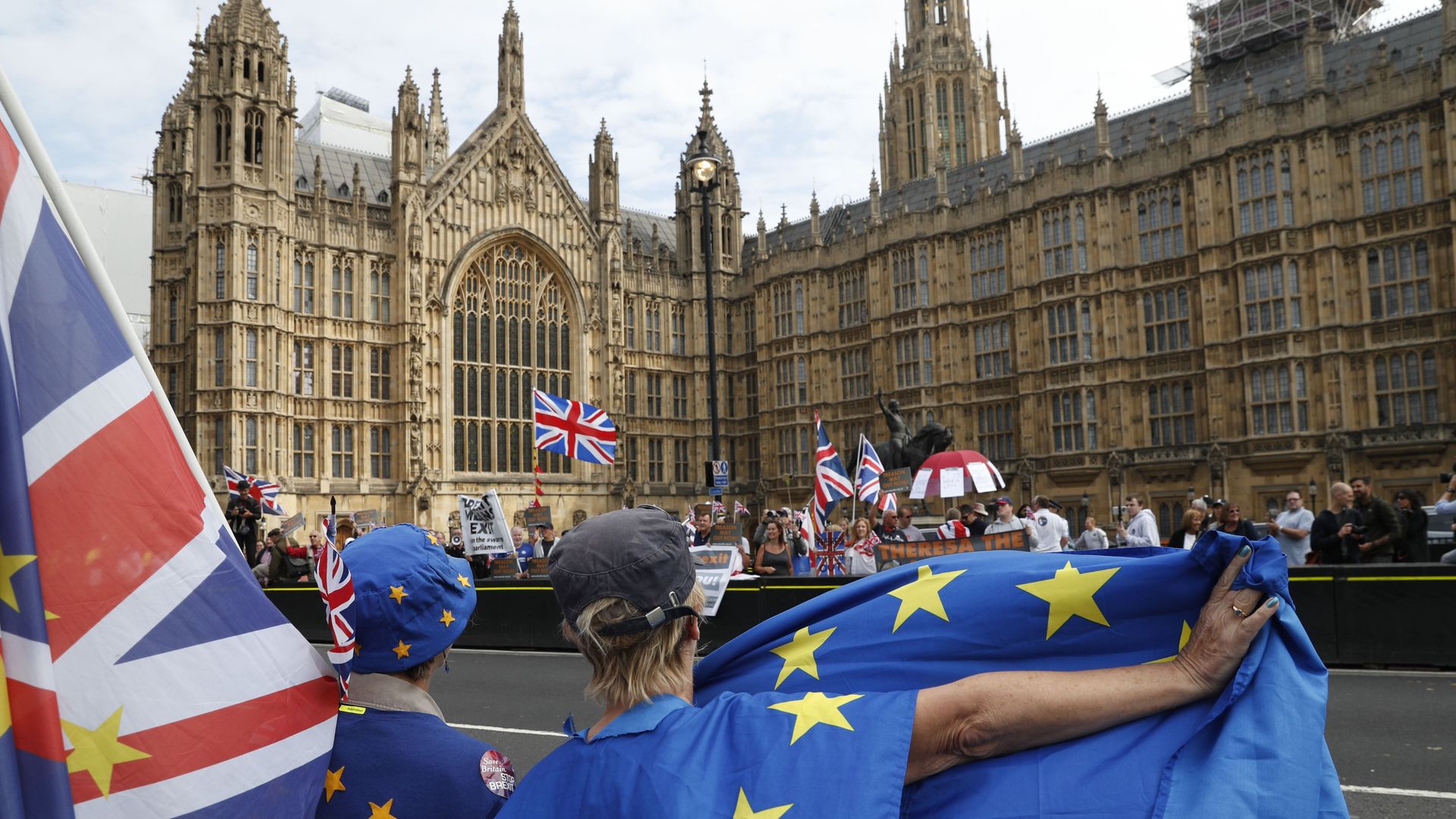
The British and German governments are prepared to postpone questions about the trade relationship between the U.K. and the EU until after the Brexit deadline in order to reach a withdrawal treaty by November, reports Bloomberg.
Why it matters: The issue of future trade ties has been a main sticking point throughout Brexit negotiations, with the EU rejecting much of Prime Minister Theresa May's "Chequers plan" to remain in the bloc's single market for goods, but not services. Working out the details at a later date would allow negotiators to focus on the question of the Irish border, another significant point of contention on which there has reportedly been recent progress, per Bloomberg, and give May more room to maneuver politically. In the interim, the U.K. would continue to abide by EU rules.
U.K. police have charged two alleged Russian intelligence officers, Alexander Petrov and Ruslan Boshirov, with conspiracy to murder, attempted murder and illegal use of a nerve agent in the poisoning of former Russian spy Sergei Skripal and his daughter in Salisbury, England earlier this year.