Tesla's revenue flattened out in the third quarter, but the company launched robotaxi service and humanoid production while still managing to spend far less than expected.
Security officials are sounding the alarm over two critical vulnerabilities in a programming language used to run millions of websites, marking one of the most consequential cybersecurity discoveries yet made with AI.
Why it matters: The bugs, which researchers found partly with an OpenAI model, proves AI can uncover critical flaws humans missed for decades — raising the stakes for defenders racing to fix vulnerabilities before attackers can exploit them at machine speed.
Defense Secretary Pete Hegseth has approved testing of a military-grade "heat ray" for potential use along the U.S.-Mexico border — a weapon that uses invisible energy beams to produce an intense burning sensation on human skin.
Why it matters: The potential use of a military weapon against migrants raises significant safety and legal questions, including whether the technology could cause injuries or endanger people attempting to cross the border.
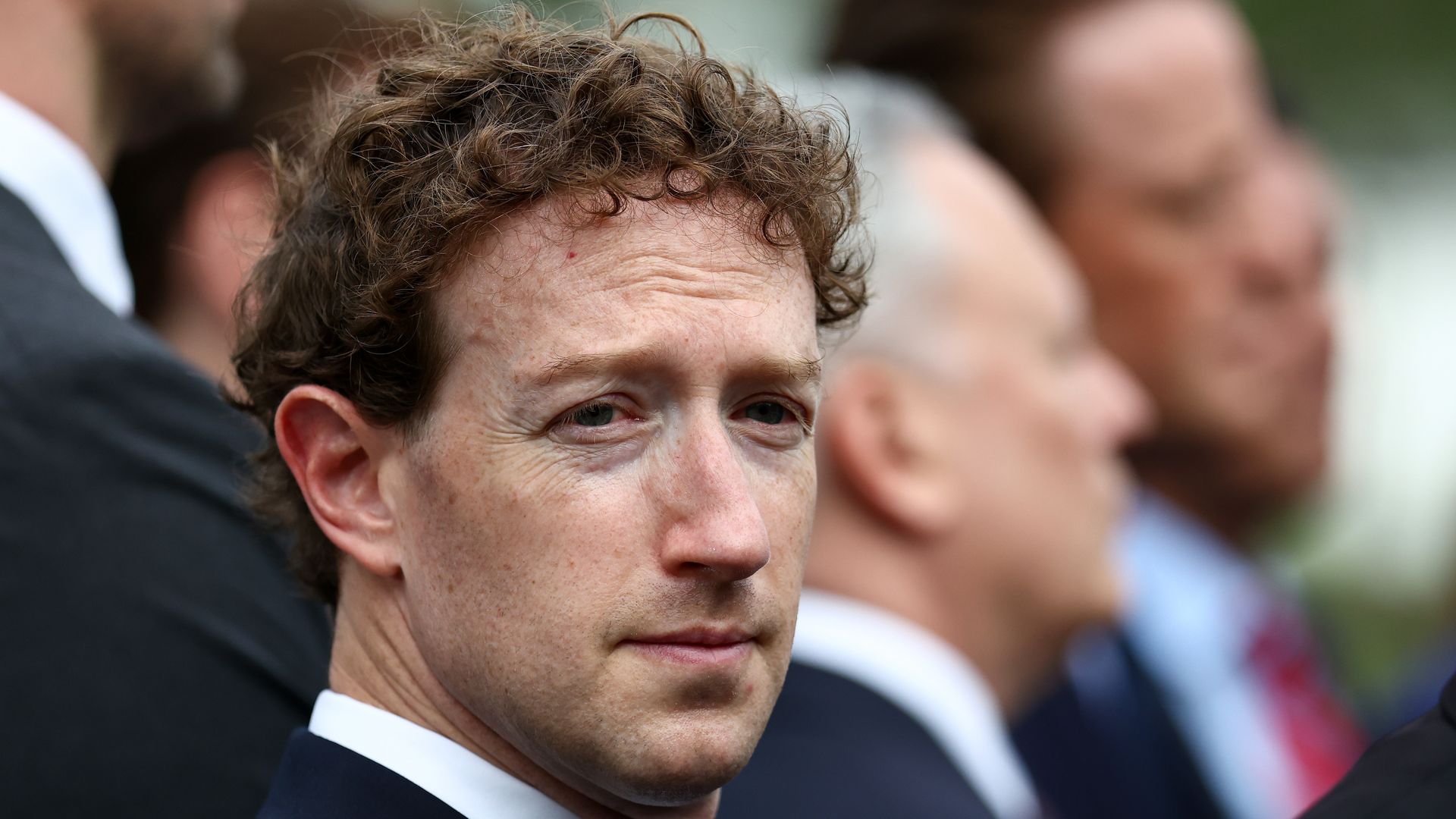
A New Mexico judge ordered Meta to pay $25 billion in penalties Wednesday after a jury found in September that the social media giant misled users about their data privacy.
Why it matters: The penalties come nearly a decade after the Cambridge Analytica scandal first broke and signal that Big Tech can face significant financial consequences for misleading users about their privacy.
LAS VEGAS — Financial services companies are racing to adopt AI, but concerns about accuracy, oversight and consumer trust are complicating its rollout, fintech and communications leaders said.
Why it matters: Money and privacy are at stake as the technology is integrated further into transactions and the industry at large.
Axios' Simon Hernandez-Arthur and Ryan Lawler moderated the Oct. 18 roundtable. The event was sponsored by J.P. Morgan.
5 big takeaways from the conversation:
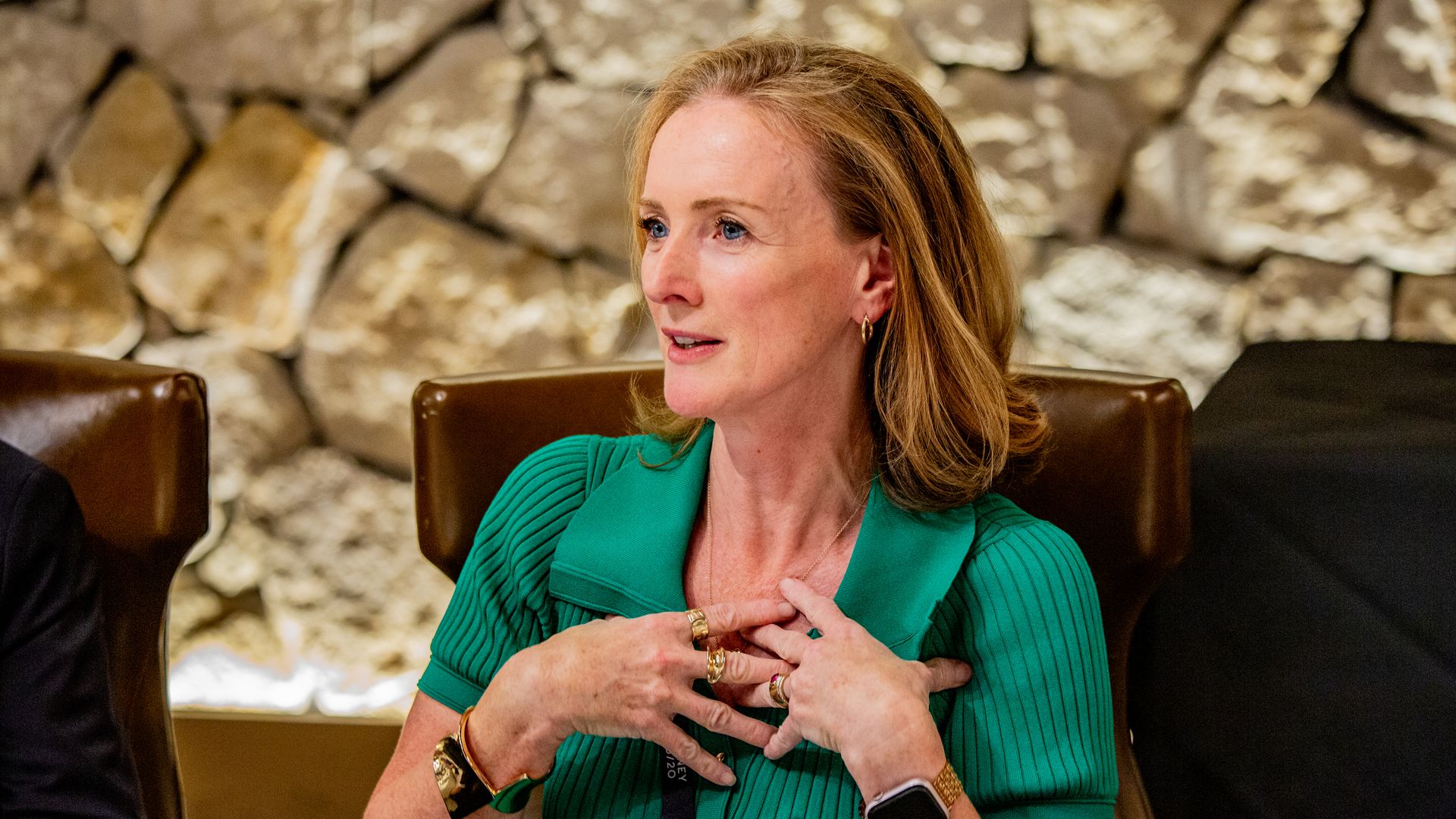
"It's a very dangerous time," said MX chief advocacy officer Jane Barratt, because people are using anecdotal evidence about what AI can do to jump in like a "drunken sailor … without truly thinking through the guardrails and use cases."
"You can't be wrong at all" when using AIin financial services, said Shirley Powell, Finastra head of strategic communications. "One of our products does $7 trillion [in] payments a day. What percentage of those are you willing to get wrong?"
"The proper governance model" can make all the difference, said Amazon global head of institutional payments Nilesh Dusane. "The financial services industry has been using AI for many years — generative AI and agentic AI — and there are certain tasks that can be done" very efficiently, he added.
Melio chief business officer Prashant Gandhi says the company has three priorities when it comes to AI work: architecture, business and context. The architecture is "the foundation" of the process, the business focus keeps permissions and stakeholders aligned, and context identifies departures from norms that should get human review.
Consumers may "despise AI," said Fintech Takes founder Alex Johnson of recent polls, "but I have not seen any evidence that that has stopped them from using the product."
Content from the sponsor's remarks:

J.P. Morgan Payments and Global Bankings' Zack Anderson at the Oct. 18 event. Photo: Henri Sagalow for Axios
In opening remarks, Zack Anderson, J.P. Morgan chief data and analytics officer for Payments and Global Banking, said that focusing on what AI gets wrong contributes to people using the technology incorrectly.
"The real conversation … is where do you delegate? Where do you use [agents]? Where do you not? What kinds of controls do you need?"
General Motors wants to slash the time it takes to develop a new vehicle in half, betting that artificial intelligence can help it compete with China's much faster automakers.
Why it matters: Chinese carmakers have a formidable speed advantage, allowing them to introduce new models and technologies faster than their Western rivals can respond.
General Motors envisions a future where you can dispatch your car to pick up groceries, take your kids to soccer practice and handle other errands — all without you behind the wheel.
Why it matters: As software, AI and autonomous driving reshape the auto industry, GM is taking a big swing amid growing competition from Chinese rivals and leaders in the race toward self-driving cars.
The inevitable merger of SpaceX and Tesla took an orbital leap forward yesterday, with Elon Musk calling it "a good idea" and both companies forming special committees to discuss a deal.
Why it matters: This would be the largest corporate tie-up in history.
Nvidia CEO Jensen Huang is crisscrossing Europe with a multibillion-dollar checkbook and a grand ambition: Make his company the indispensable backbone of the global AI economy.
Why it matters: As fears of an AI bubble rattle Wall Street, Huang is working to spread the boom beyond the U.S. and China — courting governments, bankrolling startups and cultivating massive new markets for Nvidia's chips.
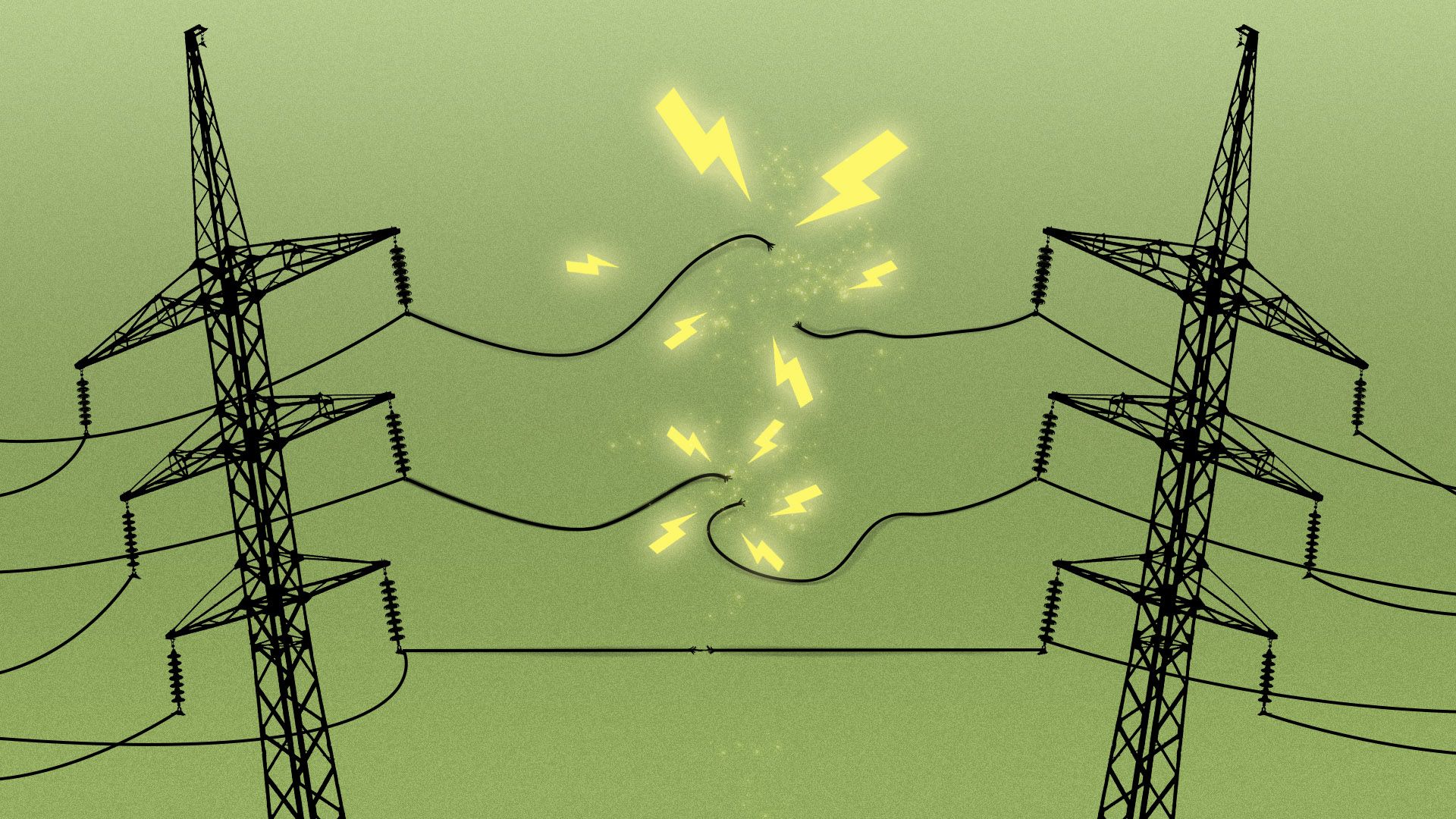
The world's most advanced AI models are suddenly capable of blueprinting cyberattacks on critical services like power grids and water systems with alarming success rates, according to new research.
Why it matters: Critical infrastructure operators are running out of time. Top-tier frontier models are dangerously adept at mapping out attacks, new research from cybersecurity company Frenos shows, and it's only a matter of time before freely available AI models make such hacks easier to execute.
OpenAI is bringing its AI models and Codex coding tools to Google Cloud, expanding its reach to customers of all three major U.S. cloud providers — including companies that are also among its fiercest AI rivals.
Why it matters: The move underscores a growing recognition that winning the enterprise AI race isn't just about building the smartest models. It's also about making those models available wherever businesses already run their software and store their data.
The AI boom is moving into its rational exuberance phase, to adapt a term from the last tech bubble: Investors are pulling back funding and demanding more evidence that their investments will actually pay off.
Why it matters: It's a delicate dance. The economy is running on the AI trade right now. Can investors take air out of the bubble without popping the whole damn thing?
Anthropic's impending IPO will test a jittery Wall Street, but investors say the timing isn't optional. The reason is simple math: The AI giant has grown too big for private fundraising.
Why it matters: Top AI companies like Anthropic and OpenAI are racking up 12-figure spending commitments, straining the financial system's ability to keep up with a buildout that rivals America's railroads or interstate highways.
With private borrowing costs spiking, tapping the massive liquidity of the public markets is the best way to fund the next phase of the AI arms race, investors say.
In the race to fend off AI-enabled cyber threats, security teams are confronting a new problem: The AI models they rely on to investigate attacks can suddenly refuse to help.
Why it matters: While AI giants race to build AI tools that can respond quickly to hacking or other malicious online threats, strict guardrails on their most powerful models lock out defenders mid-investigation, leaving them scrambling for alternatives at critical moments.