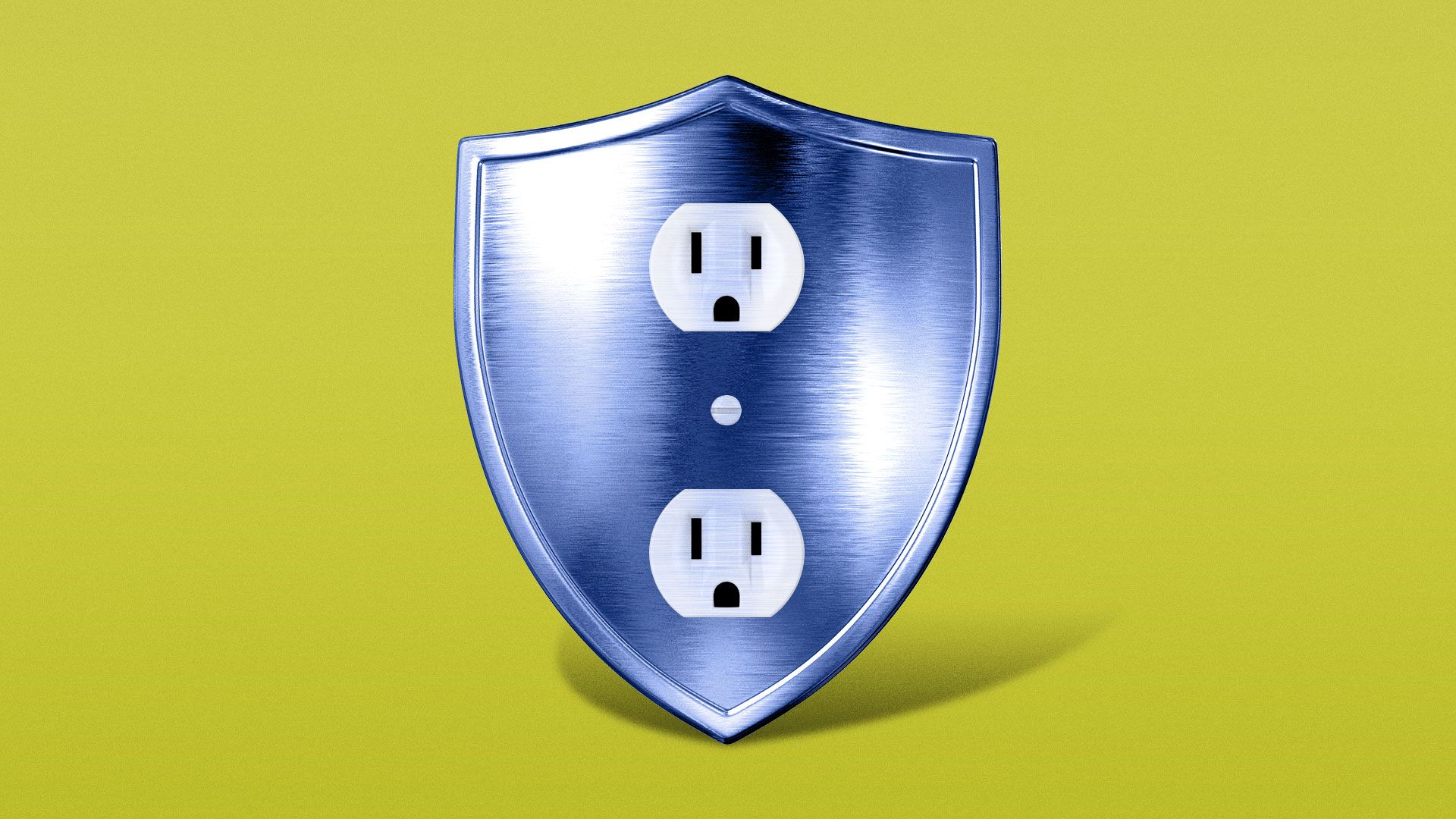
Years of warnings about the digital vulnerabilities lurking inside basic utilities are colliding with a new reality: AI is making those weaknesses easier for hackers to exploit.
Why it matters: AI is lowering the barrier for state-backed hackers looking to disrupt or manipulate water systems, power plants and other critical infrastructure.
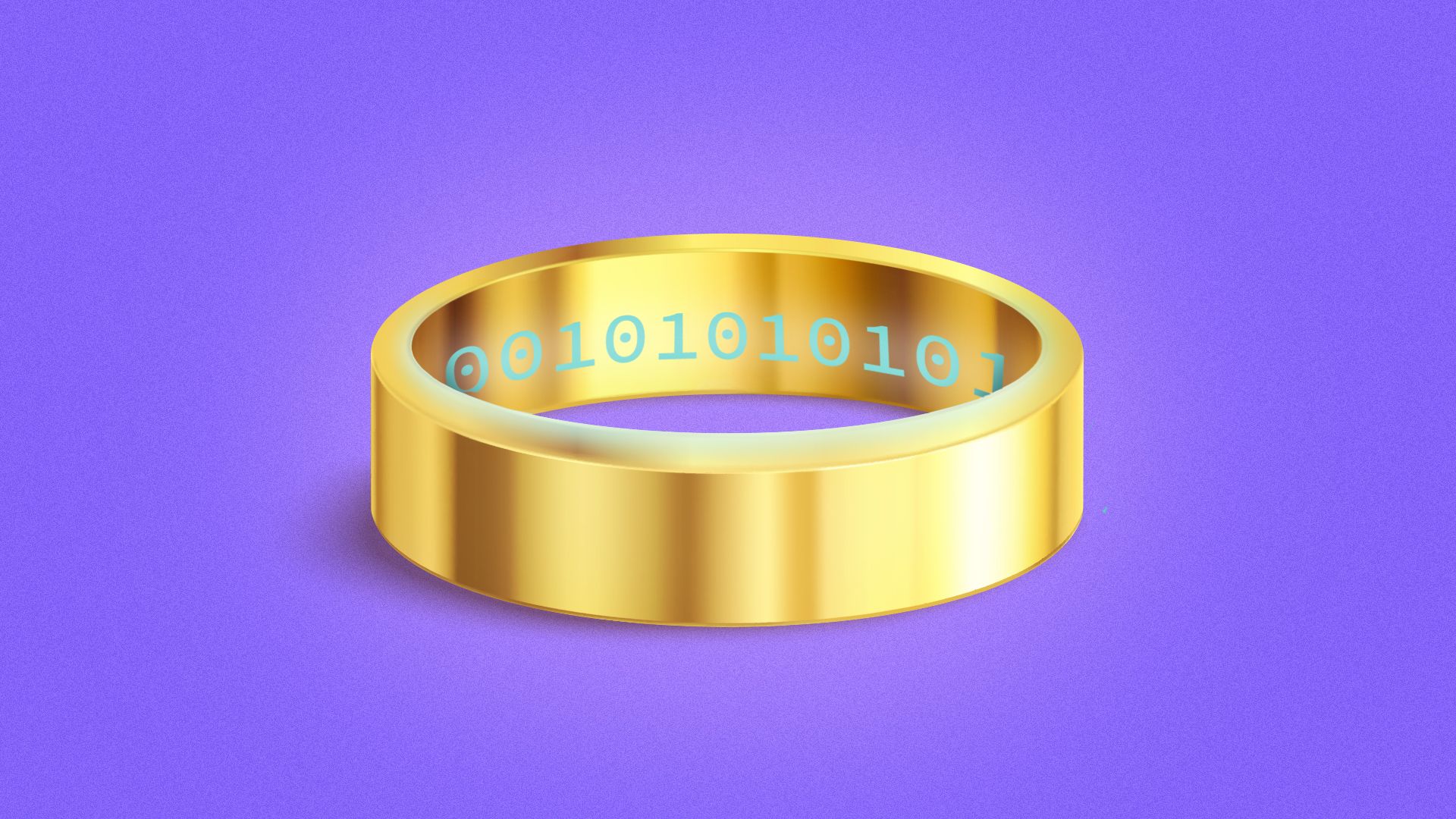
Oura, the Finnish smart ring maker, will seek to raise up to $3b in a U.S. IPO that could come as early as next month, according to Bloomberg.
Why it matters: This would test whether Wall Street believes the wearables market will evolve from personal electronics into reimbursable health care services.
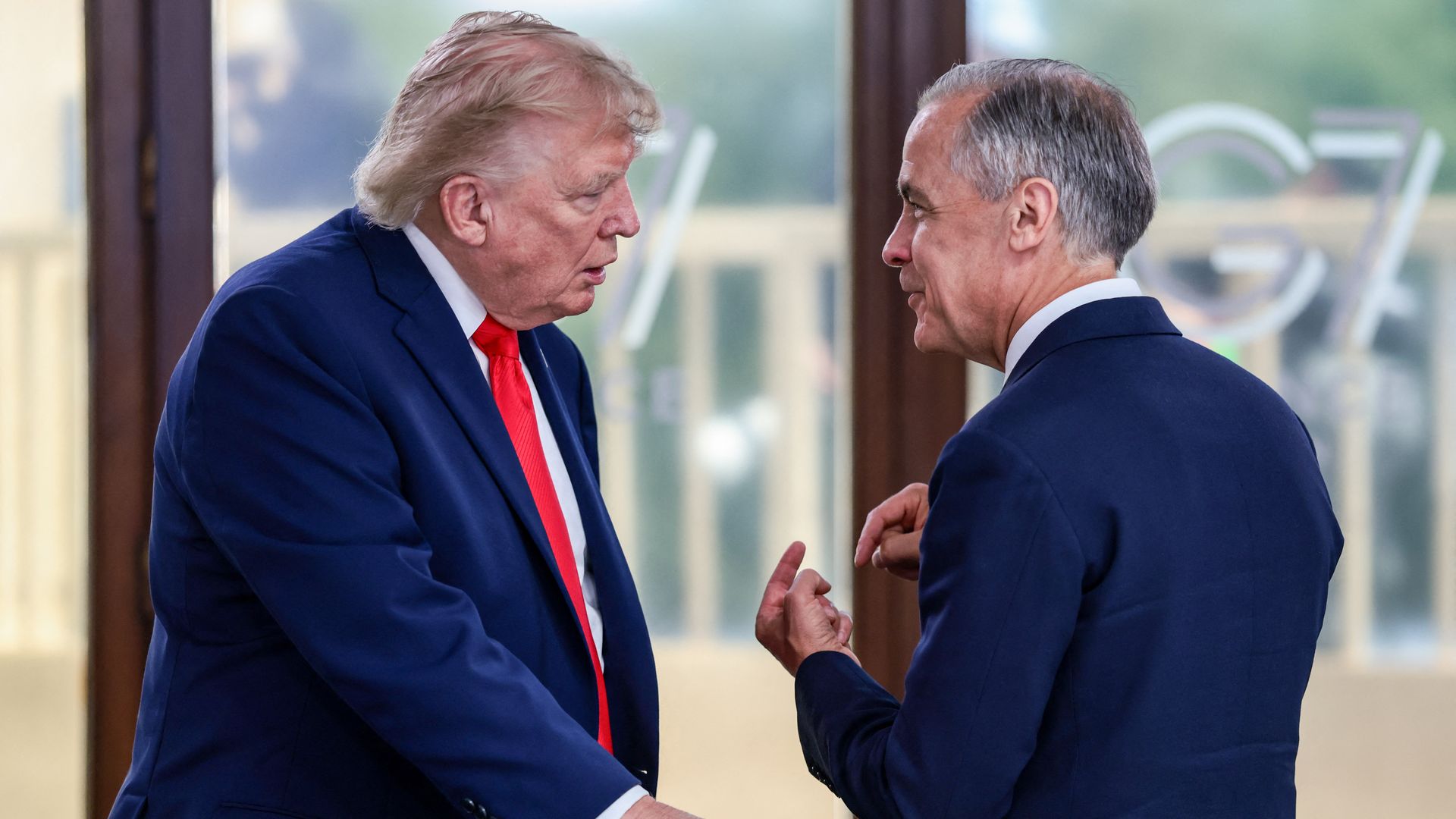
President Trump's war of words with Canada continued Tuesday amid a dispute over trade negotiations.
The big picture: U.S. and Canadian officials have swapped barbs since negotiations collapsed last week, but Trump took the spat to a new level when he threatened to rename Lake Ontario to "Lake America" and claimed Canada had lied about a sticking point in trade talks.
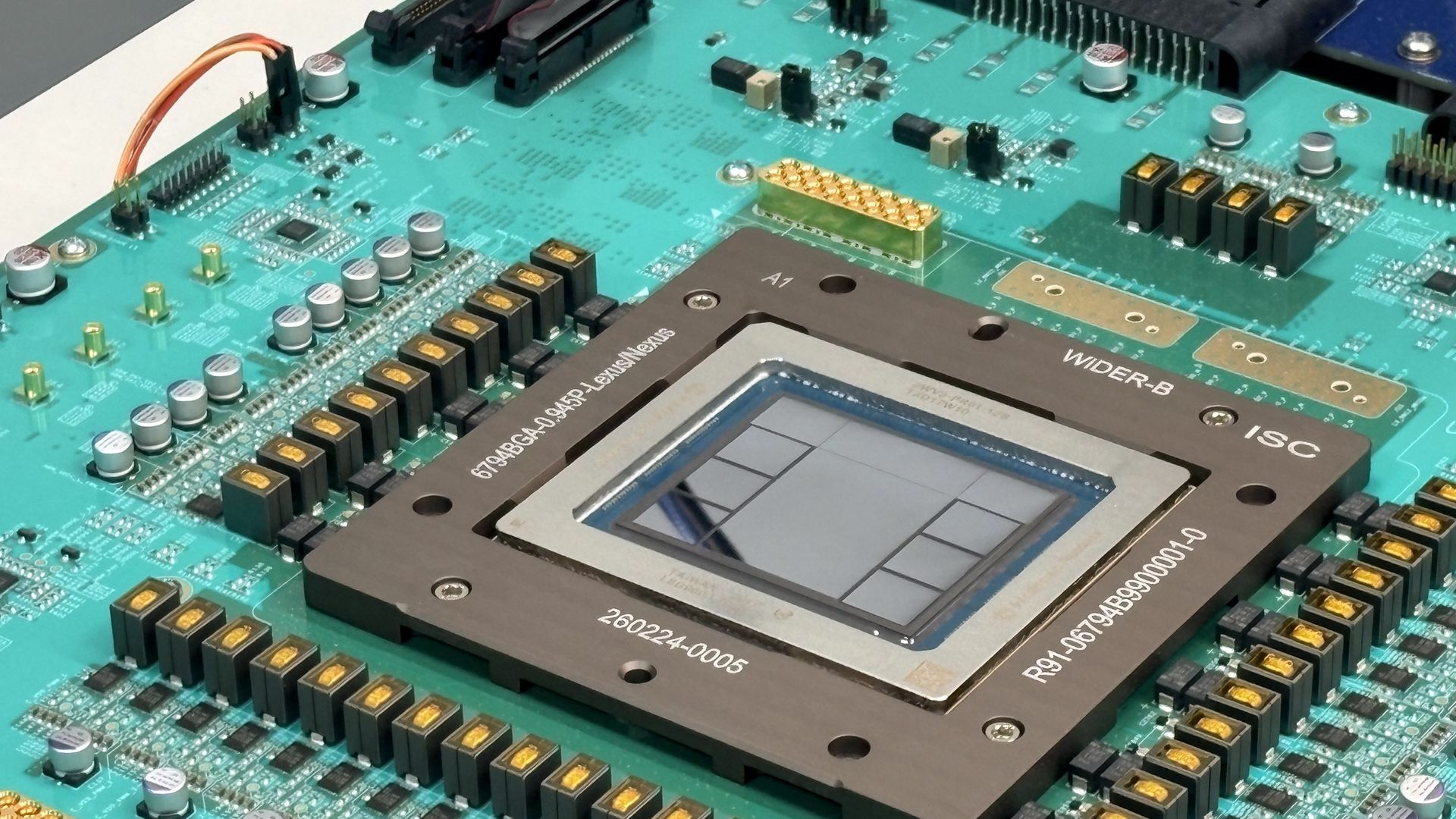
OpenAI released fresh benchmarks Tuesday that show its new Jalapeño chip delivering industry-leading performance and energy efficiency when serving several open source models.
Why it matters: It's part of a trend of AI model creators developing their own chips to cut costs, meet demand and reduce dependence on industry giant Nvidia.
Hugging Face is reportedly in talks to be acquired for $13 billion. (TechCrunch)
Smart ring maker Oura is looking to raise up to $3 billion in its U.S. IPO. (Bloomberg)
Apple has backtracked on a plan that would have moved those using its "Hide my email" option to a separate domain, making it easier for companies to block such users. (MacRumors)
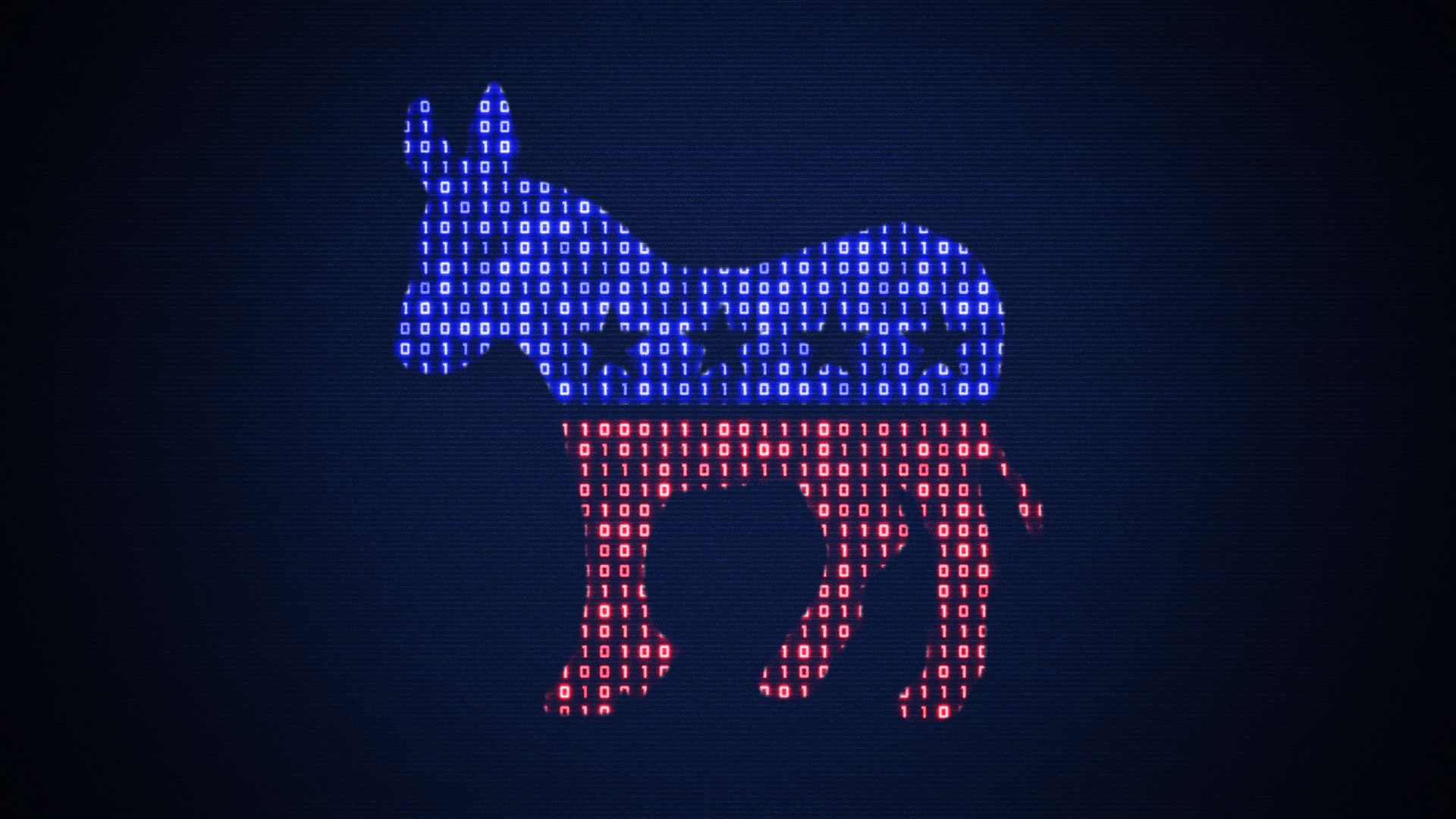
A climate group that backs Democrats is giving the party's 2028 hopefuls and campaign committees advice on how to capitalize on waning public support for data centers, a new memo shows.
Why it matters: Data centers have landed atop the political radar, and Climate Power's memo underscores the scramble to turn the backlash into a political advantage ahead of the midterms and 2028.
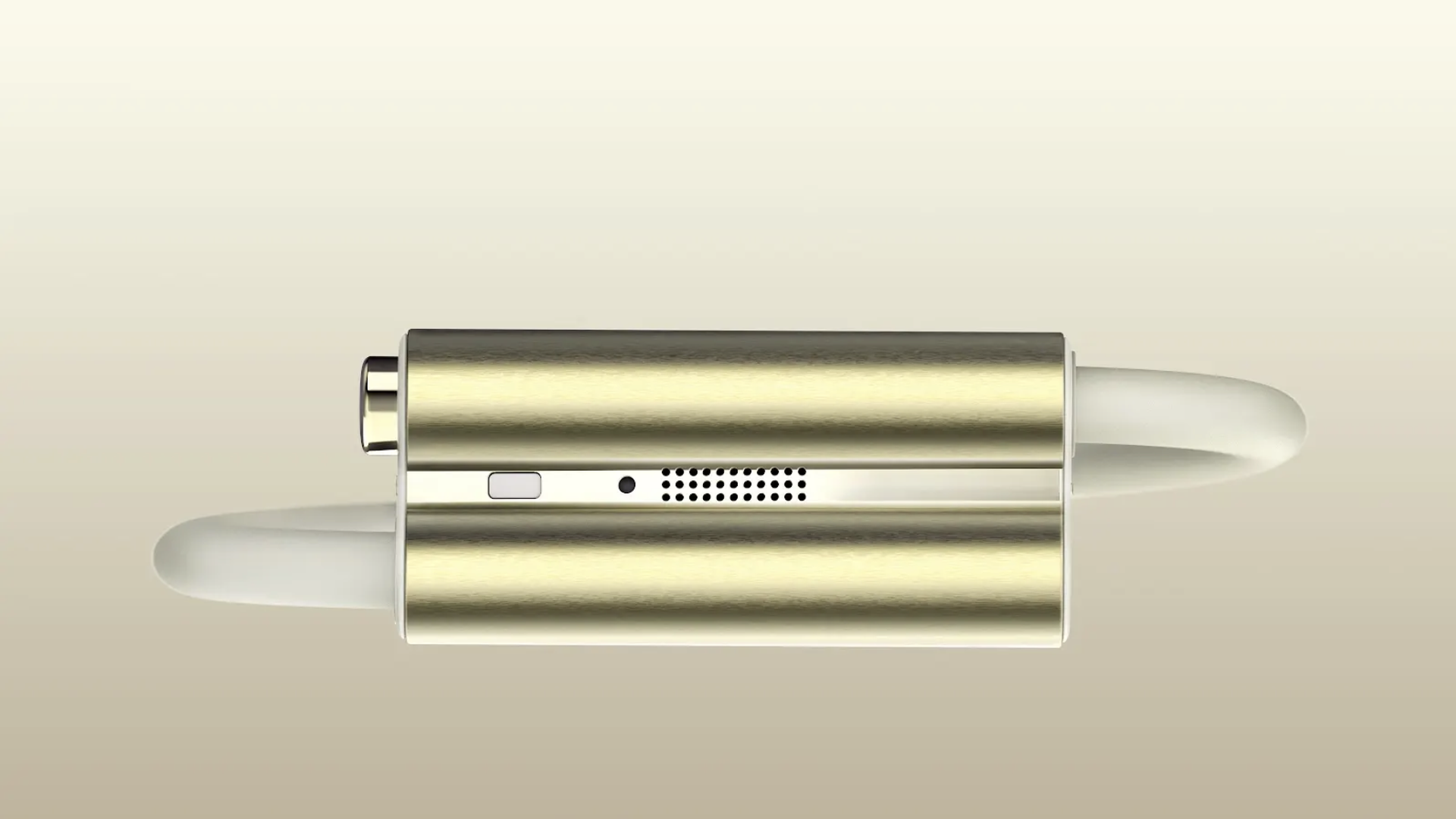
Luffu, the startup created by two of Fitbit's co-founders, debuted a fitness band Tuesday that they say is part of their effort to tap the power of AI to help family members keep tabs on one another.
Why it matters: The project aims to address the challenges faced by caregivers, including those in the sandwich generation with aging parents and kids at home.
Cisco is partnering with Supermicro to add high-powered AI servers to its Nvidia-backed infrastructure offering, expanding beyond networking to sell more of the equipment needed to run AI.
Why it matters: Cisco is leaning into its AI infrastructure business, betting that compute demand is not slowing anytime soon.
A United Nations agency is teaming up with a Switzerland-based organization to help governments build AI-powered software without relying solely on U.S.-based cloud providers.
Why it matters: Concerns about the world's reliance on foreign cloud providers have been mounting as governments question how much control they retain over sensitive citizen data stored on infrastructure operated by companies based abroad.
Nothing is driving more new U.S. economic investment or political volatility than data centers.
Why it matters: They're the Great Subplot of 2026, THE topic animating the AI race and elections. Everyone needs to understand the size, scope and sentiment surrounding them.
Businesses seeking more affordable and secure ways to use AI are turning to routing — the process of matching each query with the best, most efficient model for the task.
Why it matters: The popularization of routing could stymie the usage of the frontier AI models that are the most expensive to use and make.